Barbican Conservatory
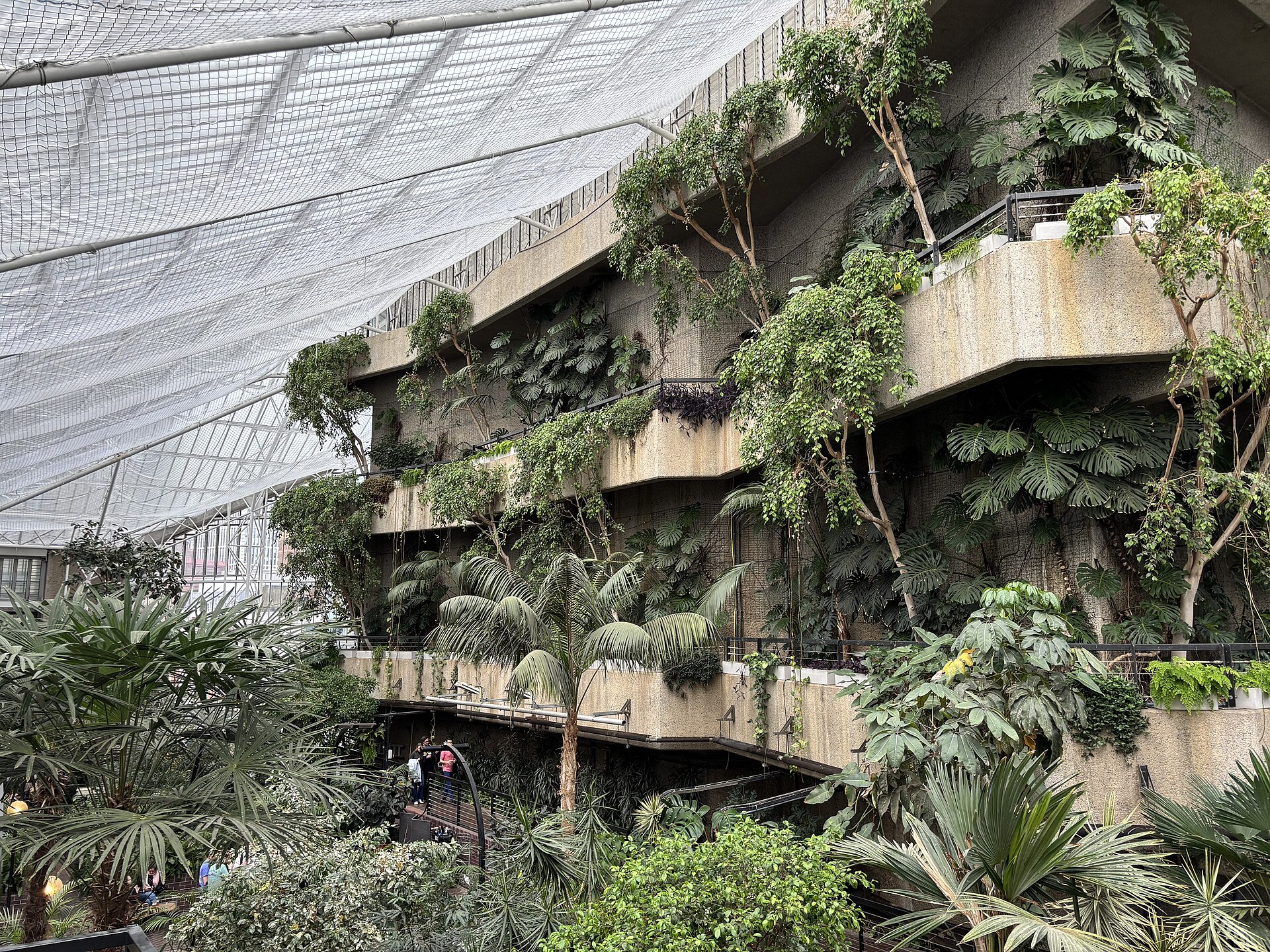
Six storeys above the stage of the Barbican Theatre, there is a tropical rainforest. This isn't a park or a garden; it’s a lush, humid jungle perched on top of a concrete performing arts centre, and it’s genuinely one of the most surreal places in the city.
The Barbican Conservatory is the second-largest greenhouse in London after the Princess of Wales Conservatory at Kew, covering a sprawling 23,000 square feet. It houses around 1,500 species of tropical plants, many of them rare and endangered in their native habitats.
This wild, green pocket was installed between 1980 and 1981, opening to the public in 1984, and it feels completely disconnected from the brutalist architecture surrounding it. Take a moment to look at the water: there are three pools filled with koi, ghost carp, and terrapins. It’s a perfect, unexpected stop when you’re mapping out the best things to do in London.
Big Ben & Houses of Parliament
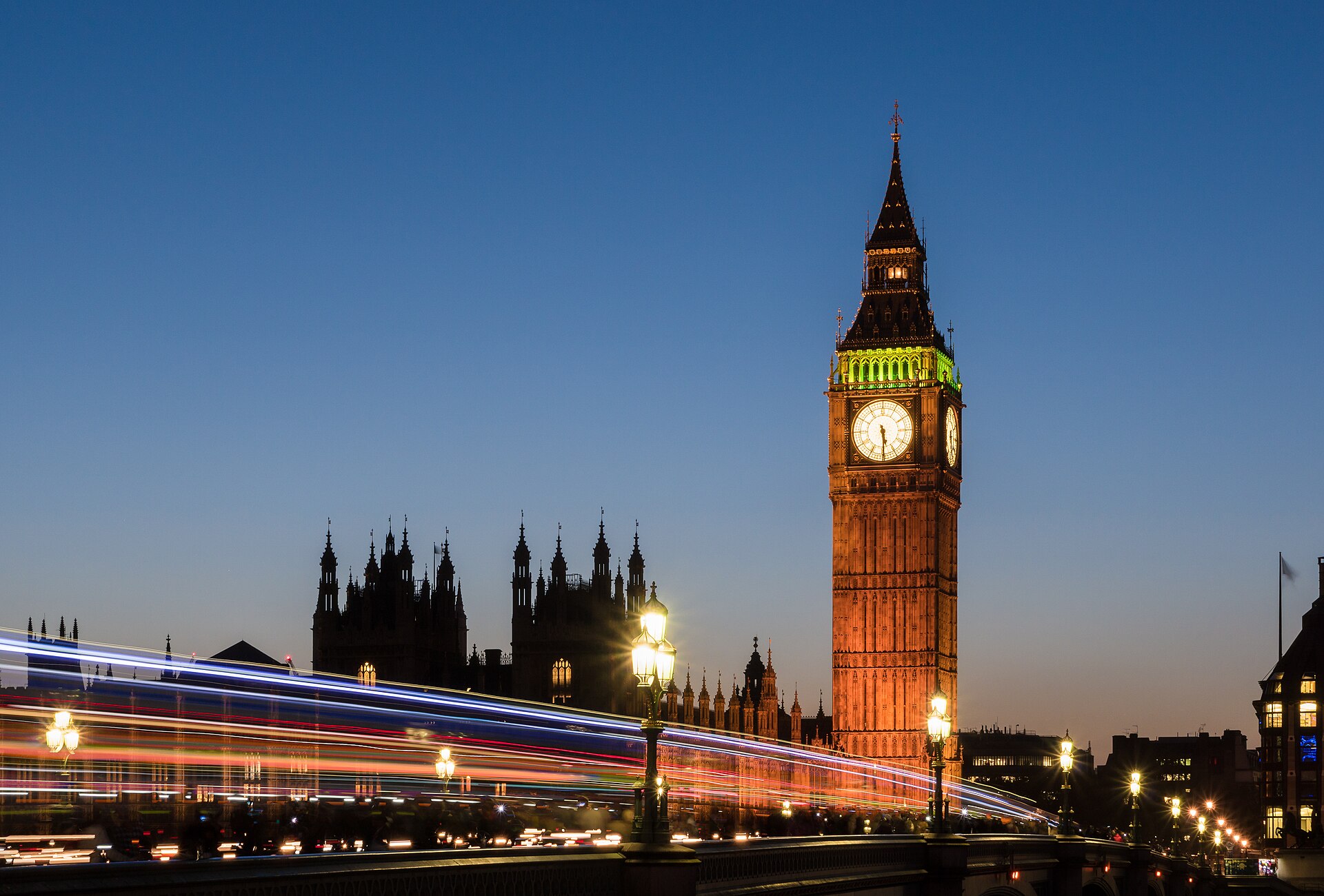
When most people think of this spot, they picture a grand, gothic tower. But strictly speaking, Big Ben isn't a tower at all. It's just the name of the great bell inside the Elizabeth Tower—a 13.7-tonne monster that has been booming across Westminster since 1859.
The massive tower itself, which rises 96 metres above the Thames, was originally called St Stephen's Tower for over a century and a half. It wasn't until 2012, for the Queen's Diamond Jubilee, that Parliament officially renamed it Elizabeth Tower.
The clock mechanism itself is surprisingly analog and delicate; it remains accurate to within two seconds per week, regulated by stacking old penny coins on the pendulum. It’s a reminder that even the most imposing, political landmarks have surprisingly simple, mechanical secrets.
Blackfriars Bridge
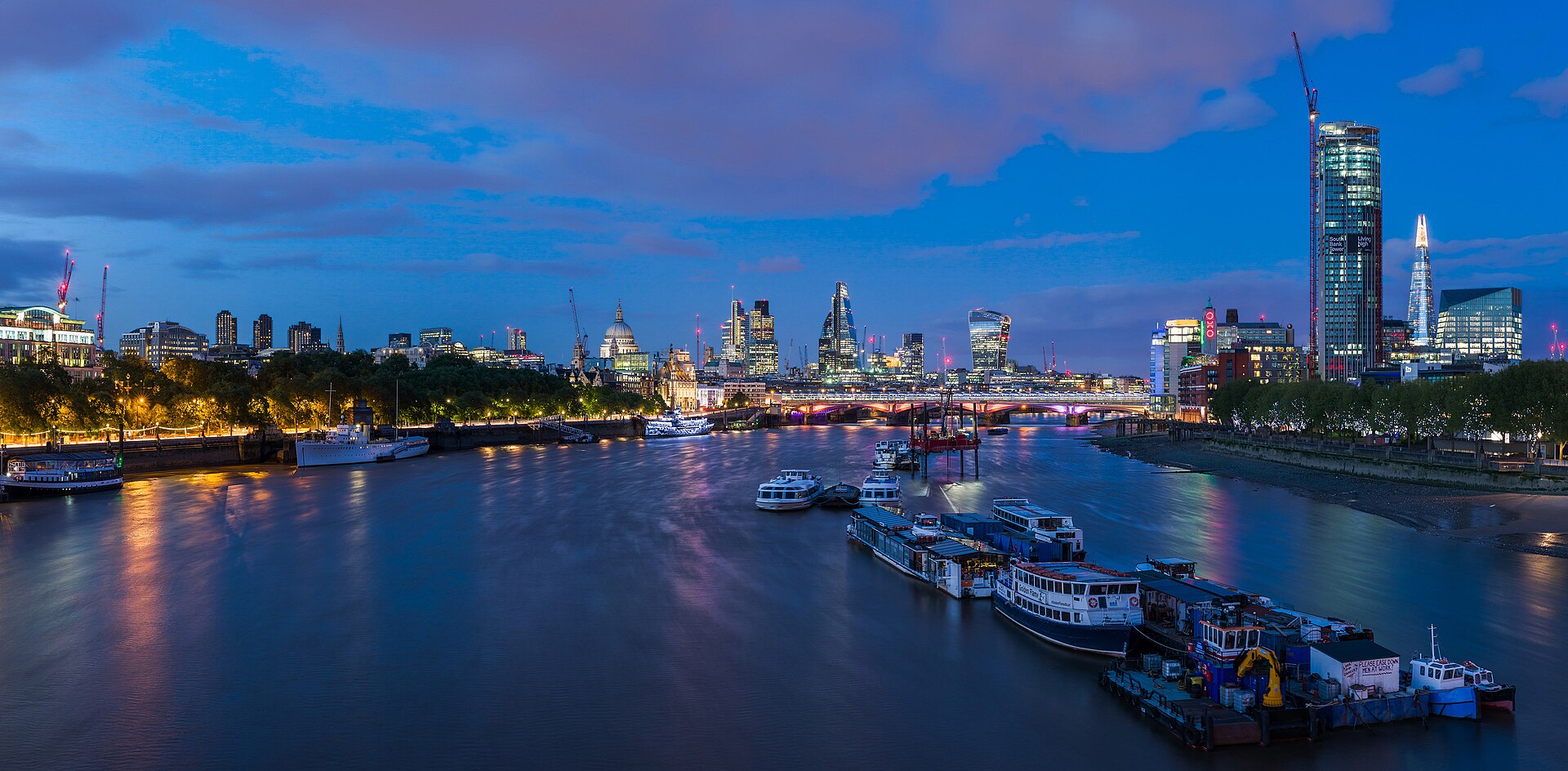
On the morning of the eighteenth of June 1982, a postman walking along the Thames noticed something hanging from scaffolding under this bridge. It was the body of Roberto Calvi, an Italian banker, swinging from an orange nylon rope.
The sight was shocking: his pockets were stuffed with bricks, and his jacket contained roughly fifteen thousand dollars in cash across multiple currencies. Calvi was the chairman of Banco Ambrosiano, Italy's largest private bank, and his connections were deep, belonging to the P2 Masonic lodge whose members called themselves 'frati neri' (black friars).
Forensic analysis later complicated the mystery, showing that his hands had no contact with the scaffolding, and the ligature marks were inconsistent with self-hanging. The case remains officially unsolved, making this bridge a necessary stop if you want to understand the dark undercurrents of London's history.
Bleeding Heart Yard
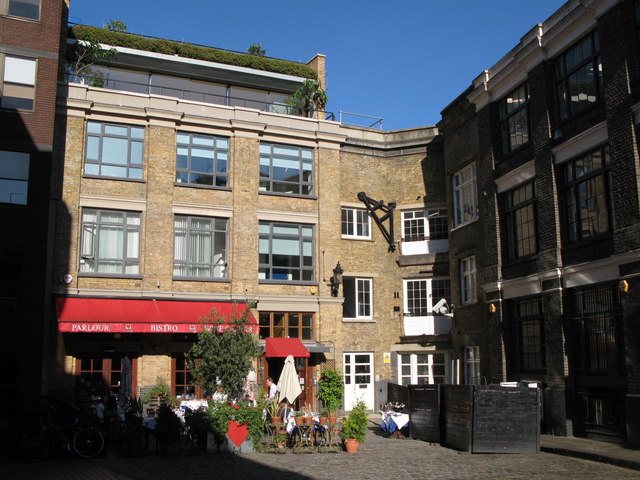
You won't find this cobbled courtyard off Greville Street by accident; it’s tucked away, almost deliberately hidden. And the name alone—Bleeding Heart Yard—should stop you in your tracks.
The legend is gloriously gruesome: it says that in 1626, Lady Elizabeth Hatton was found with her heart torn out, still beating, after a grand winter ball. This story was later popularized in R.H. Barham's *Ingoldsby Legends* (1837), though its real origin is probably a nearby pub referencing the Virgin Mary’s heart pierced by five swords.
It’s a place that takes a dramatic historical rumor and turns it into a physical, atmospheric stop. It’s a perfect counterpoint to the grand, public history of nearby Covent Garden, offering a glimpse into London’s more theatrical, visceral past.
Borough Market
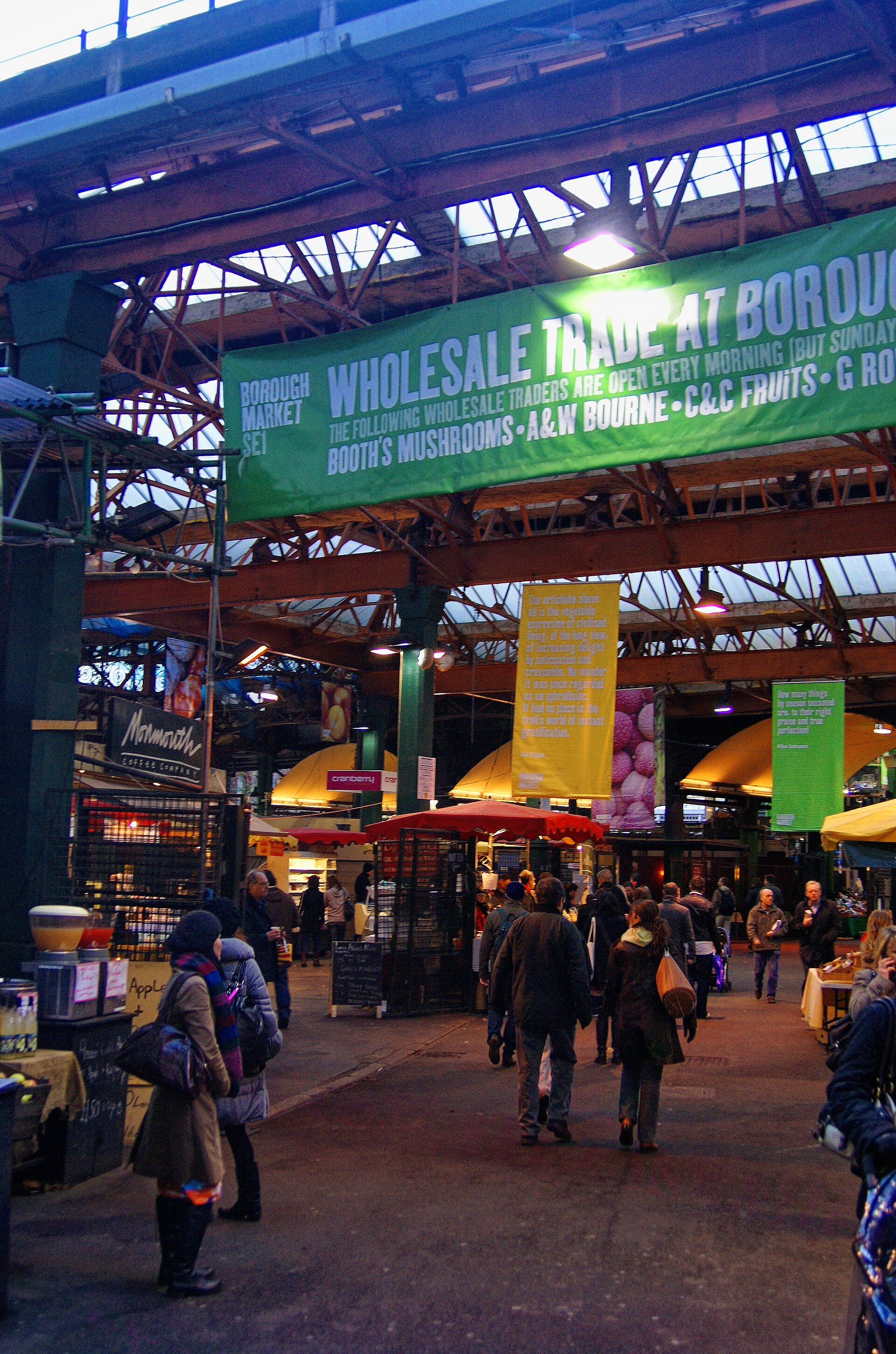
If you want to understand London's gut—the smell, the noise, the history—you need to start here. Borough Market has been feeding London for the best part of a thousand years.
Its history is unbelievably deep. The earliest known mention dates all the way back to 1014, and it received its first royal charter in 1406. This makes it older than the printing press, older than the Tudor dynasty, and even older than the concept of a restaurant.
Look closely at the market beneath the gateway to London Bridge. A 1616 engraving shows the market in action, but also shows the severed heads of traitors skewered on spikes above. It’s a single place that has served as a center for commerce, ritual, and survival since the Middle Ages.
British Museum
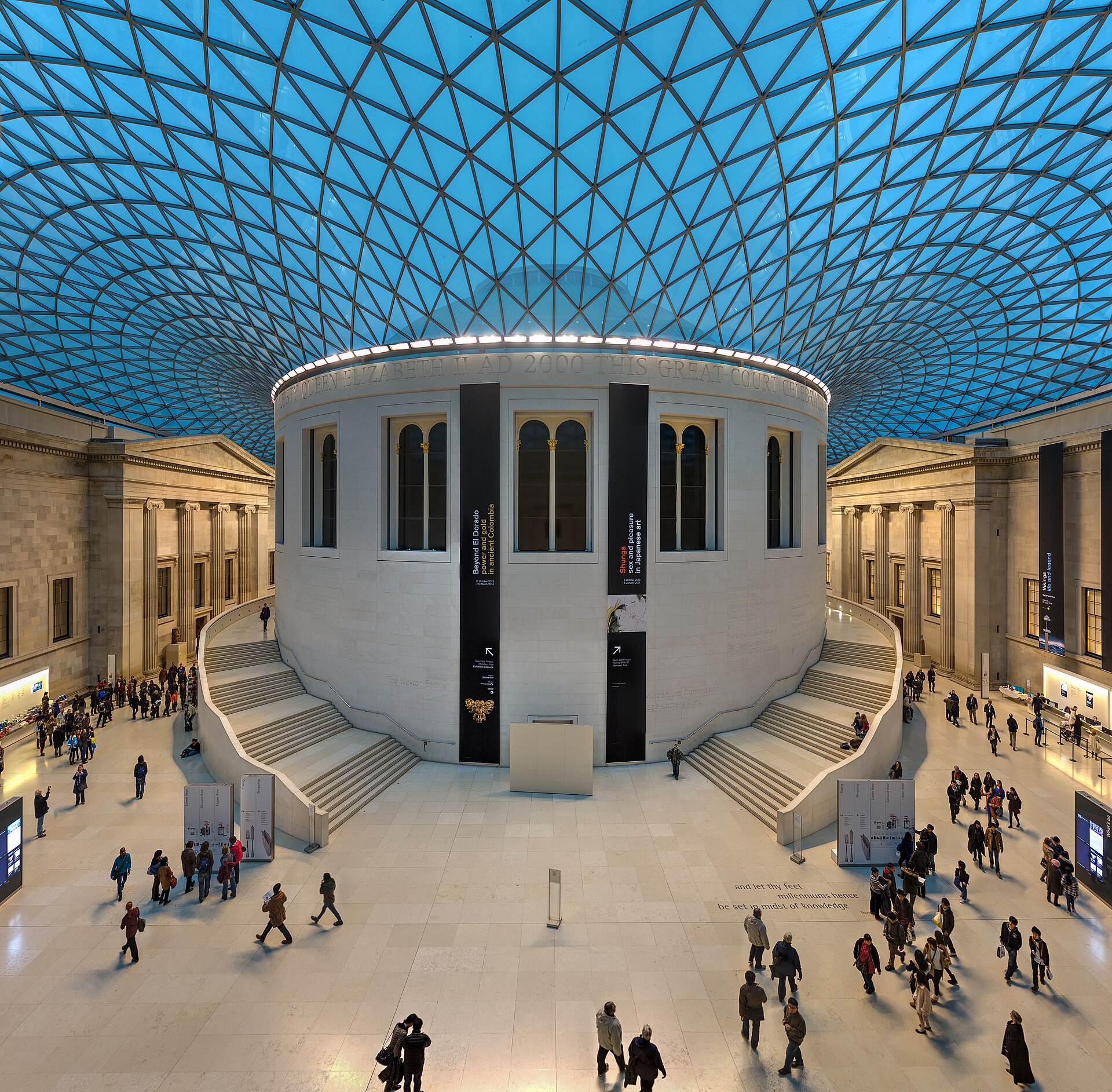
The British Museum is often cited, but few understand its core premise: it is the world's largest museum of stolen goods, depending on who you ask. Founded in 1753, it was the first public national museum anywhere on Earth, housing an incredible eight million objects.
The Rosetta Stone, its most famous object, has been on display since June 1802, found in Egypt in 1799 and surrendered to Britain in 1801. But the museum’s story is marked by colonial acquisition, such as the half-surviving Parthenon sculptures removed by Lord Elgin between 1801 and 1812.
Despite its immense collection, a visit to Norman Foster's Great Court in 2000—the largest covered public square in Europe with 3,312 uniquely shaped glass panes—is a modern architectural marvel that grounds the ancient chaos of the museum.
Buckingham Palace
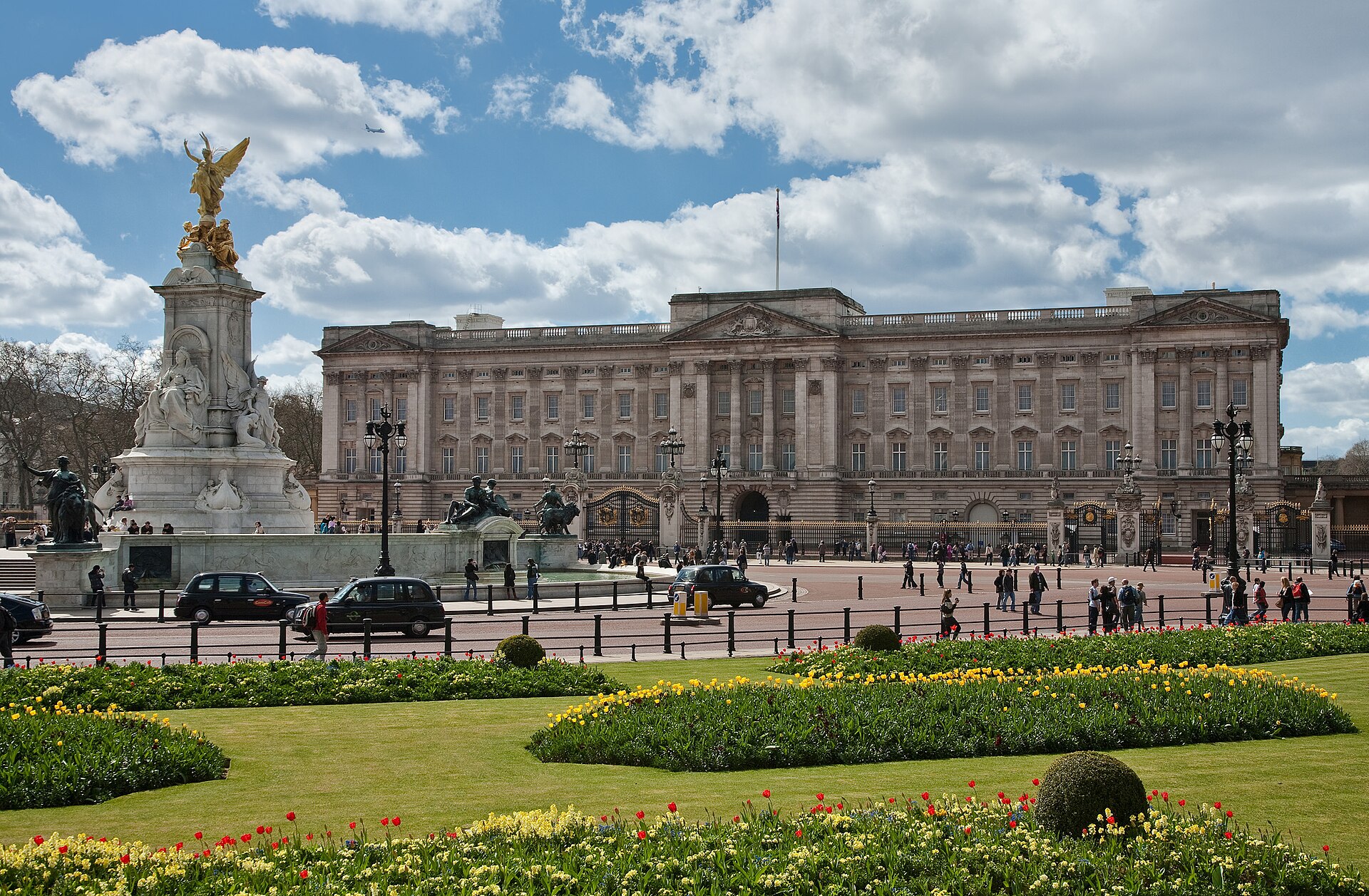
This isn't a palace at all; it started as a large townhouse called Buckingham House. George III bought it in 1761 for Queen Charlotte because she found St James's Palace too stuffy. Fourteen of their fifteen children were born there, meaning the building was a private family residence long before it became a public symbol of the Crown.
The numbers are genuinely absurd. The palace contains 775 rooms, including 52 royal and guest bedrooms, 188 staff bedrooms, 92 offices, and 78 bathrooms. The ballroom, the first room to receive electricity in 1883, is the largest room at 36.6 metres long.
It’s a perfect illustration of how status and importance are built over time. It’s a place that has had to catch up with its own significance, making its history as fascinating as its architecture.
Camden Market
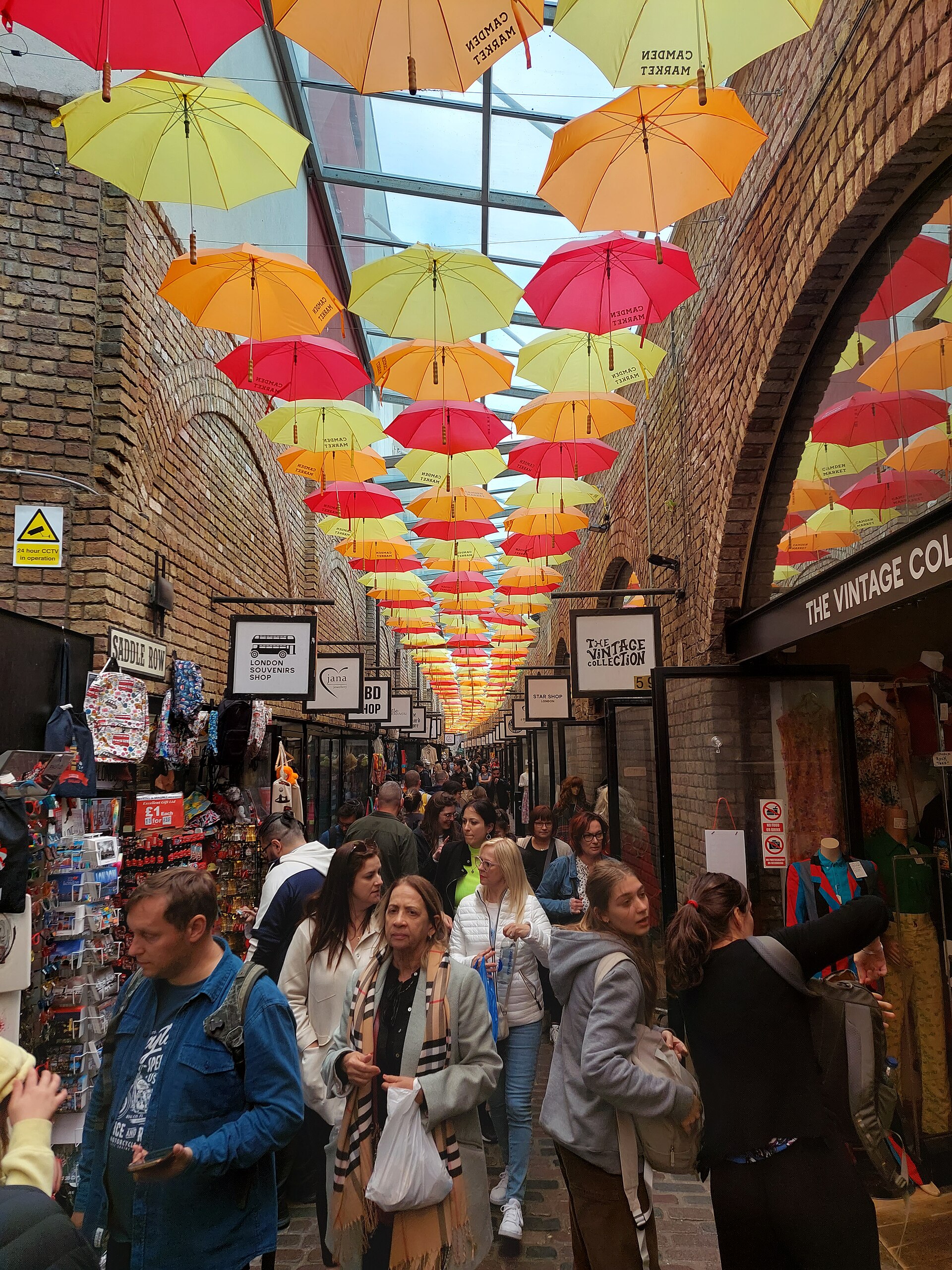
Camden Market started with sixteen stalls and a demolition order. In 1974, a small craft market set up shop near Camden Lock on a site that was about to be torn down. The traders selling jewellery, antiques, and handmade crafts didn't know they were launching what would become the fourth most popular visitor attraction in London.
The most characterful section, the Stables Market, occupies the actual former stables and horse hospital, a place where over 800 horses were treated in 1939 alone. This raw, evolving energy is what defines the market.
It’s a place where things are built and sold in a perpetual state of reinvention. After wandering through the grandeur of the museums and palaces, Camden offers a necessary, messy pulse of contemporary, working London life.
Churchill War Rooms
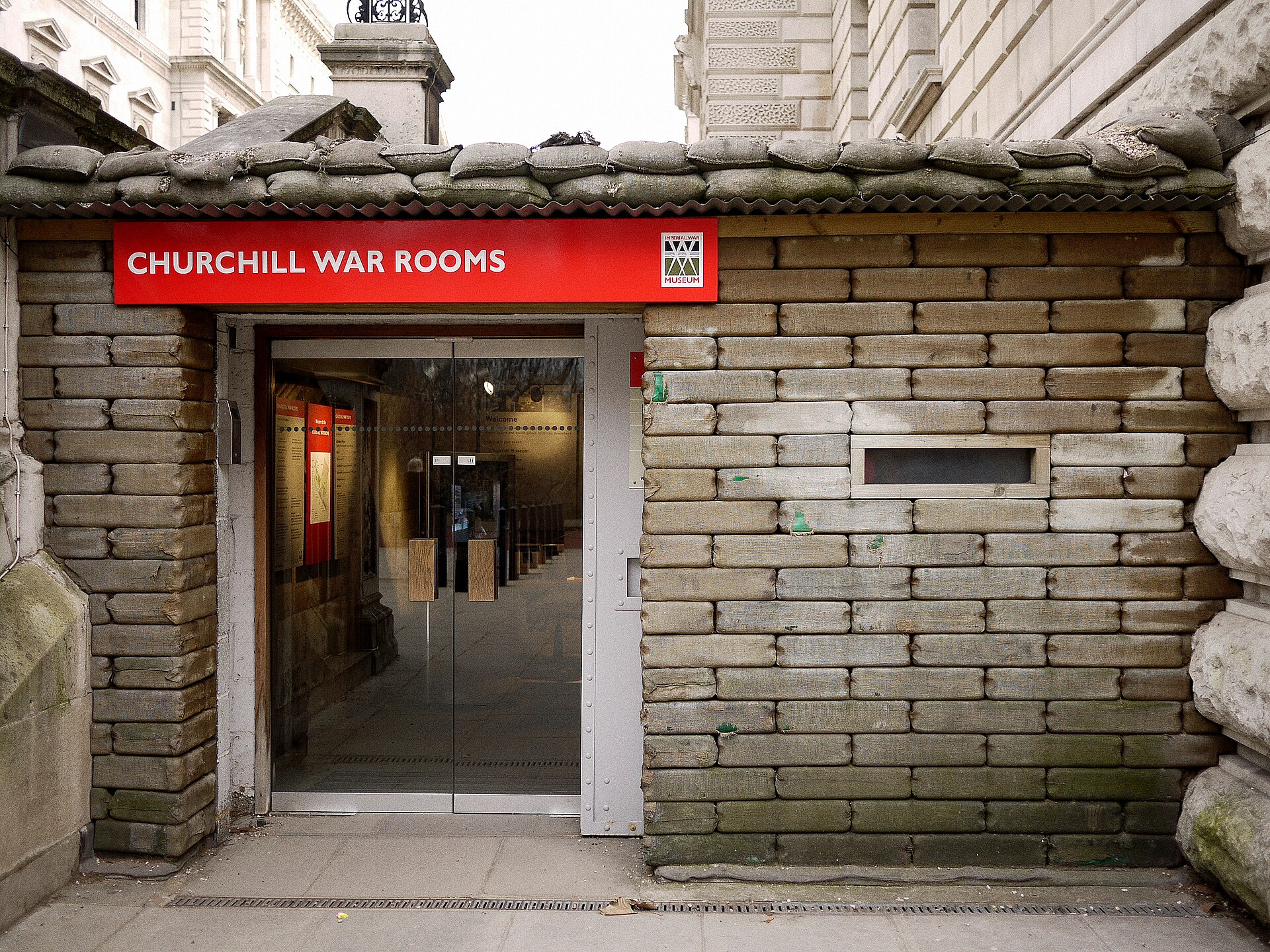
Beneath your feet right now is the bunker where the British government ran the Second World War. These rooms were operational from August 1939 to August 1945—six years without interruption.
The Map Room was manned twenty-four hours a day, every single day, for the entire war. When the lights were finally switched off on the fifteenth of August 1945, everything—the maps, the pins, the clocks—was left exactly as it was. That's what you see today.
It’s an immersive, almost chilling experience of history, making you feel the weight of decisions made in the deepest underground. You can even see the disguised Transatlantic Telephone Room, which was hidden within what looked like a toilet cupboard.
Cleopatra's Needle
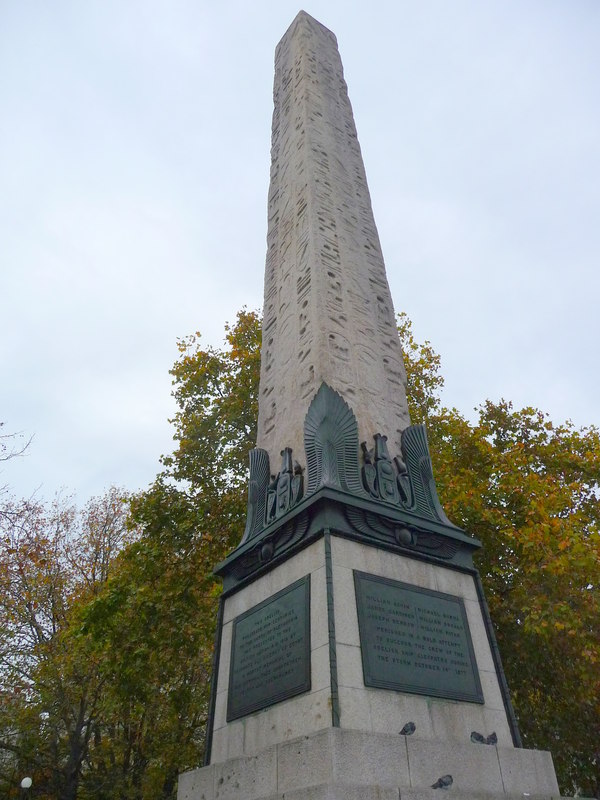
First things first: this obelisk has absolutely nothing to do with Cleopatra. The name is completely wrong. It was carved for Pharaoh Thutmose the Third around 1450 BC—a full thousand years before she was even born. It is three thousand five hundred years old.
It’s a monumental piece of history that traveled across continents, having stood at Heliopolis in Egypt for most of human civilization before the Victorians decided they wanted it. Even its journey was dramatic; six crew members drowned when the pontoon broke loose in the Bay of Biscay.
It's a perfect example of London’s architectural eccentricity—a piece of profound antiquity dropped into a modern city, reminding you that history rarely keeps track of its own naming conventions.
Covent Garden
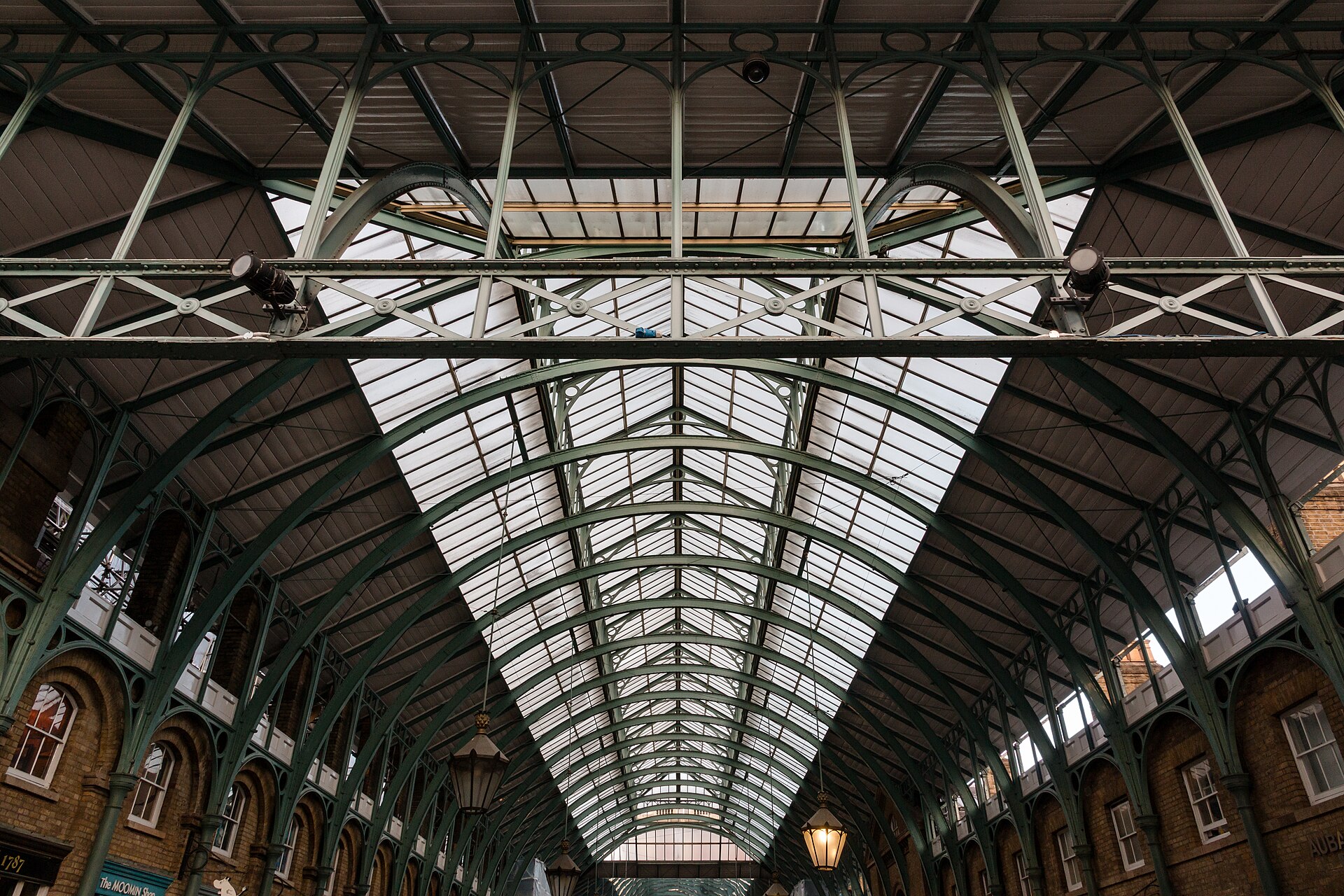
Covent Garden was London's first piazza, designed by Inigo Jones in the 1630s. Jones, who had studied in Italy, modeled it after the Piazza Grande in Livorno and the Place des Vosges in Paris—a radical idea for a city that had never seen an open public square like it.
It was meant to attract the aristocracy, but instead, it attracted fruit sellers, coffee houses, taverns, and prostitutes. For over 300 years, it served as London's principal market for fruit, flowers, and vegetables, until it relocated to Nine Elms in 1974.
The area is a mix of designed elegance and chaotic commerce. It is a historical centerpiece that shows the city’s ability to continuously adapt its public face while maintaining its core function as a marketplace.
Crossbones Graveyard
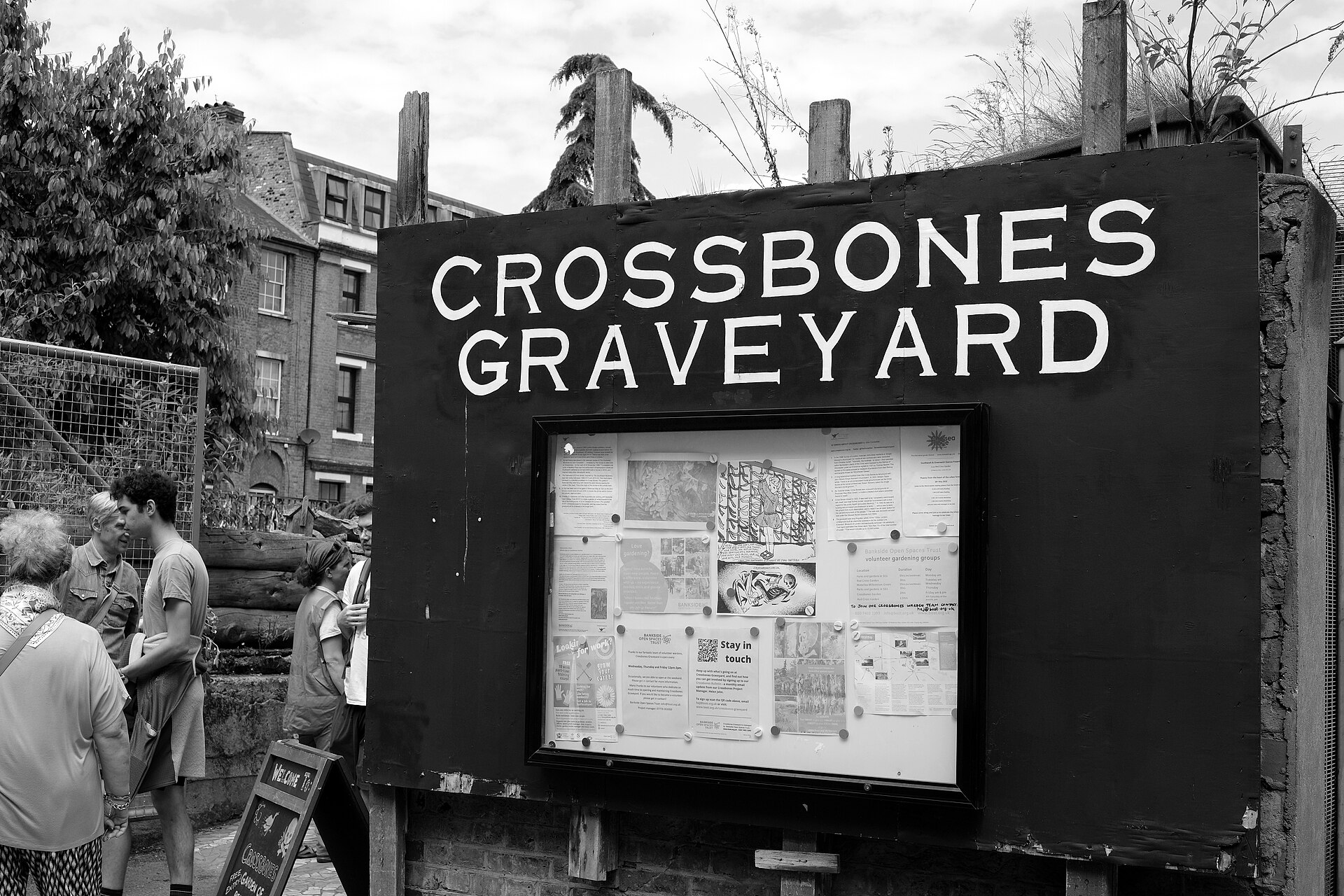
Tucked away on a narrow Southwark side street, this spot sits on top of an estimated fifteen thousand bodies. The story of who’s buried here tells you everything about medieval London's relationship with hypocrisy.
Originally, this was an unconsecrated burial ground for the 'Winchester Geese'—prostitutes licensed by the Bishop of Winchester in the lawless zone called the Liberty of the Clink. An estimated 15,000 people were buried here before it was closed in 1853.
It’s a haunting, visceral spot that forces you to confront the physical realities of a bygone era. It’s a powerful, quiet counterpoint to the grand civic structures just a stone's throw away.
Dead Man's Hole (Tower Bridge)
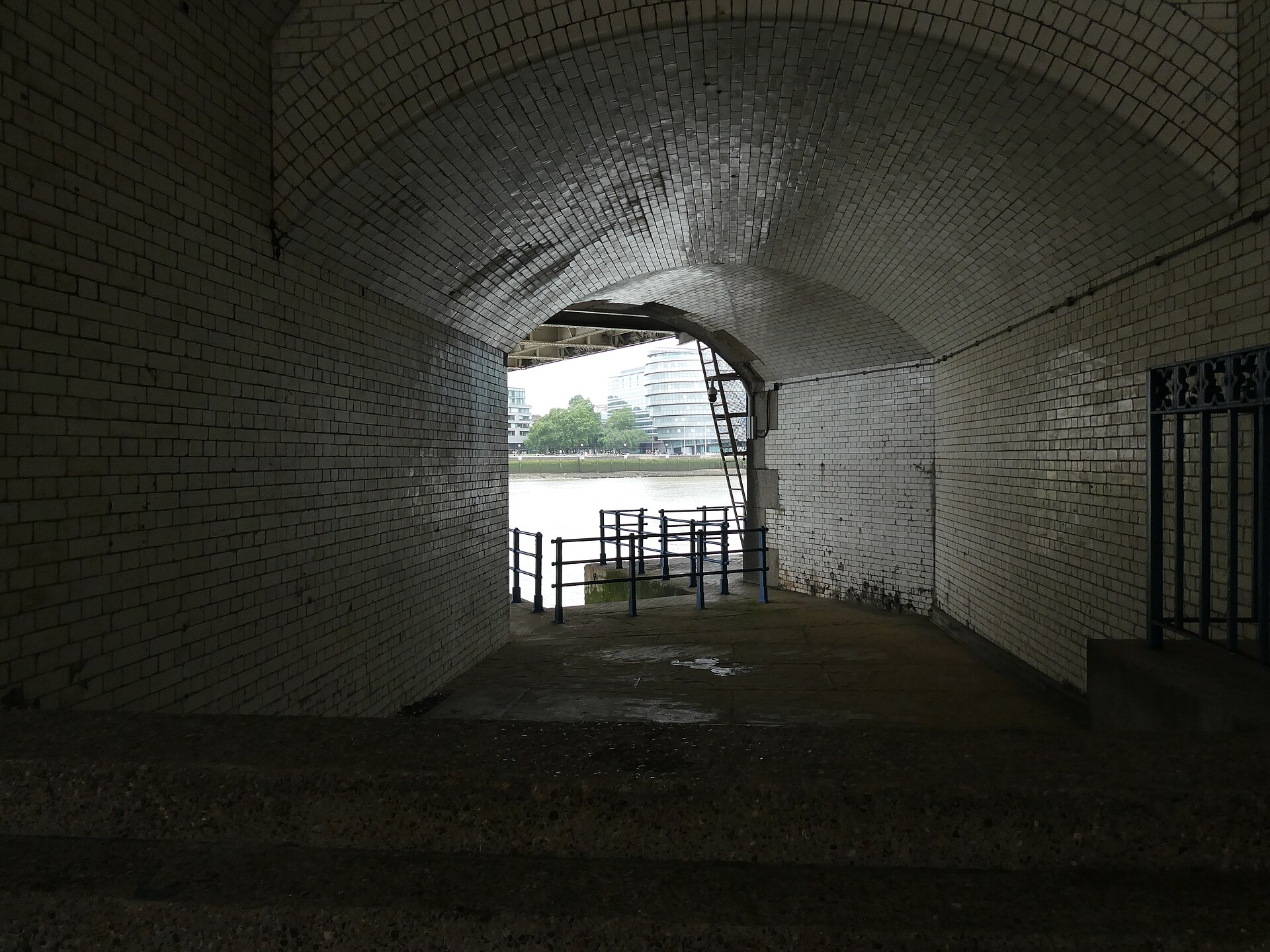
Walk along the north side of Tower Bridge, toward the Tower of London end, and look down at the river's edge. There is a small alcove built into the bridge's northern abutment, lined with white tiles. This is Dead Man's Hole, and the name is not a metaphor.
Due to the tidal currents of the Thames, this specific spot was a natural body-collection point. The white tiles were installed because decomposing corpses would explode from gas buildup, allowing the area to be hosed down.
It is a stark, practical piece of urban infrastructure that speaks to the relentless, physical reality of the river. It’s a deeply unsettling, yet necessary, stop for anyone interested in the brutal mechanics of London's waterways.
Denmark Street (Tin Pan Alley)
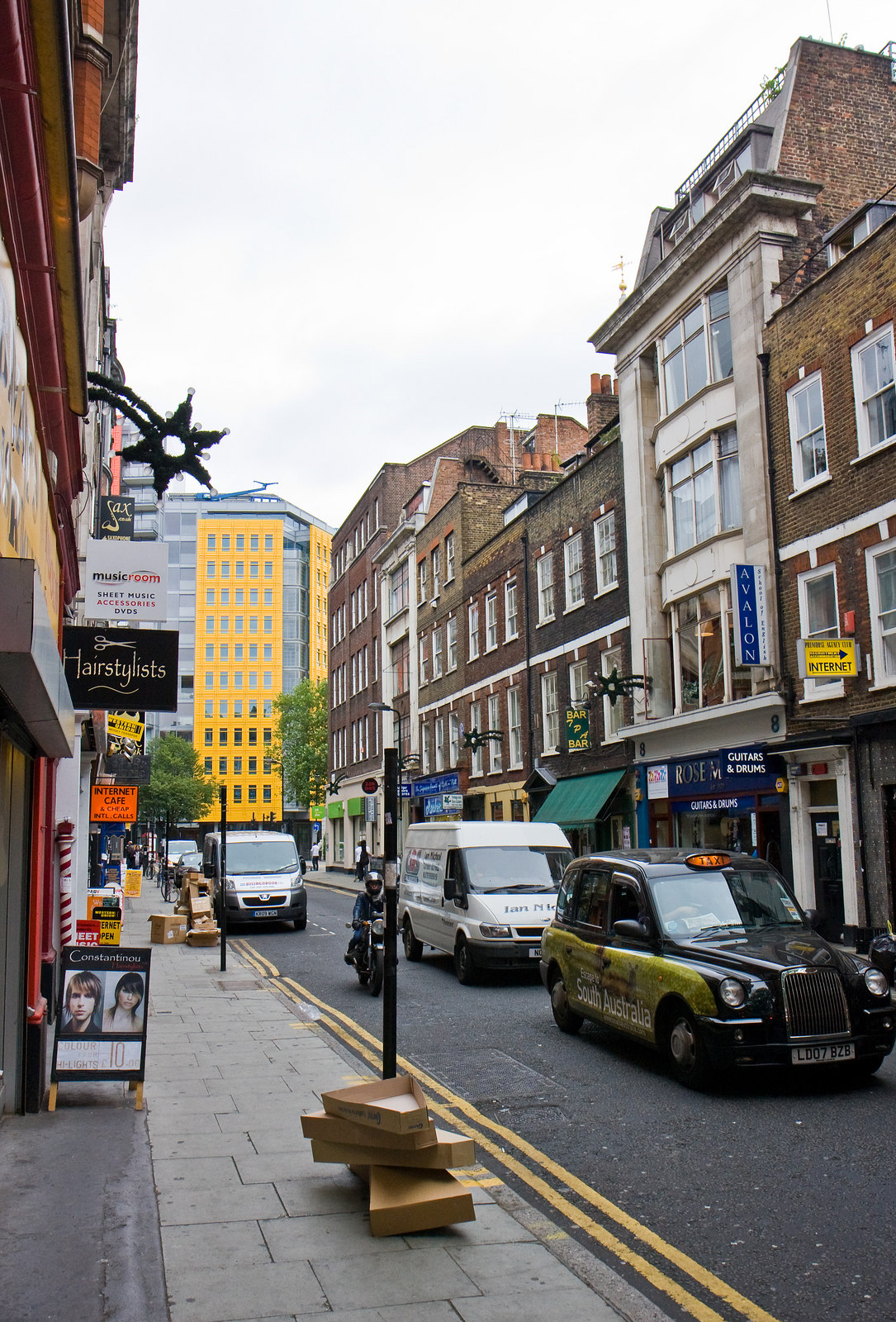
This short, scruffy street between Charing Cross Road and St Giles High Street has arguably produced more British music per square metre than anywhere else on Earth. If the walls could talk, they'd play you a greatest hits spanning seventy years.
It started with sheet music when Lawrence Wright set up as the first music publisher here in 1911. By the late fifties, the street housed so many publishers, agents, and demo studios that it became a creative nexus.
From the Rolling Stones recording their first hit to the buzz of modern music, this area captures the creative pulse of the city. It’s a cultural snapshot—a vibrant reminder that London has always been a place where sound and story meet.