9 Food Landmarks in Los Angeles You Need to Visit
9 landmarks with verified facts and stories
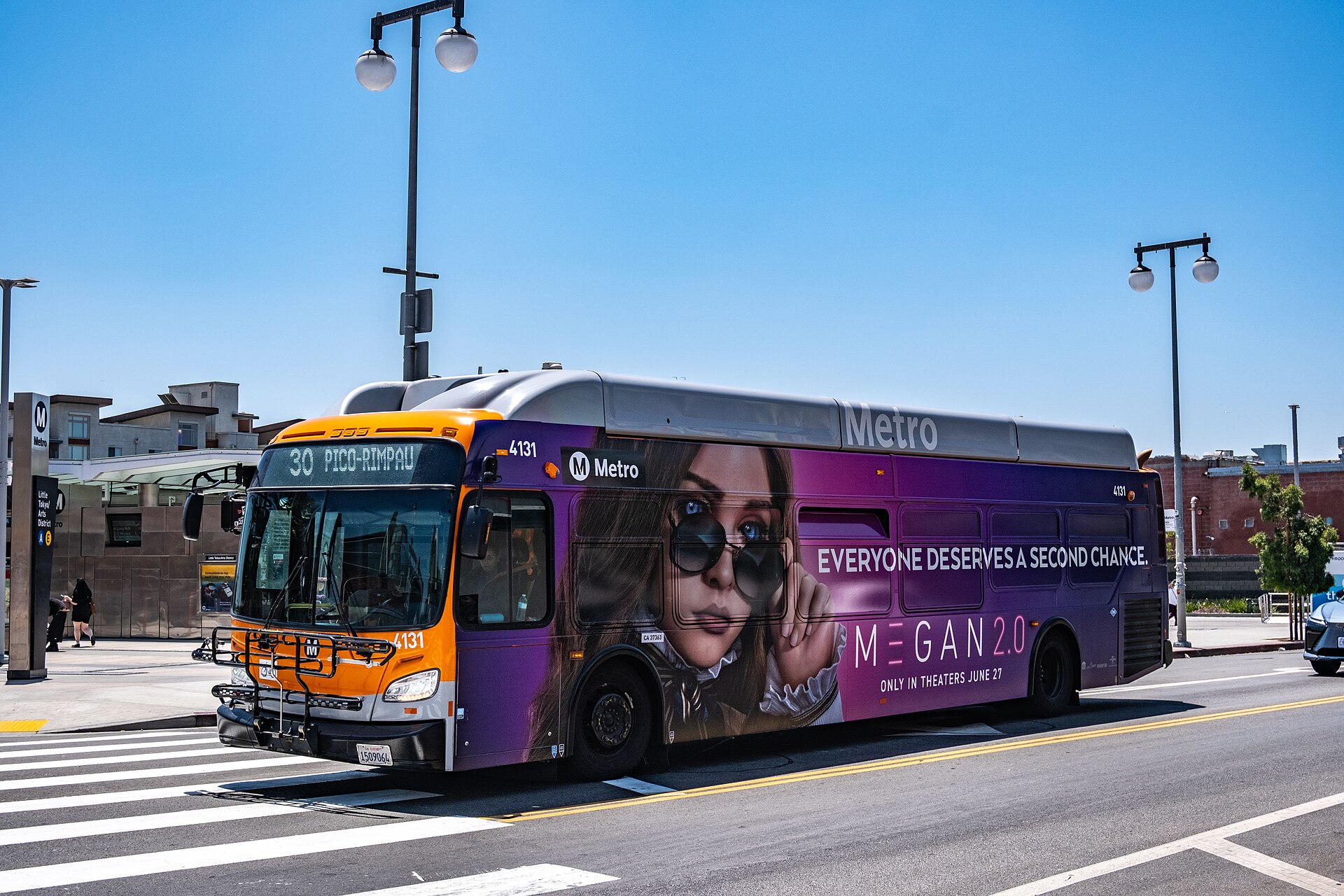
Arts District (Downtown LA)
Los Angeles, United States
The Arts District is downtown LA's most creative neighbourhood — a former industrial zone of warehouses, factories, and railroad buildings east of Little Tokyo that has been converted into galleries, restaurants, breweries, and the kind of creative-class real estate that every American city's urban planners aspire to but few achieve as organically as LA.
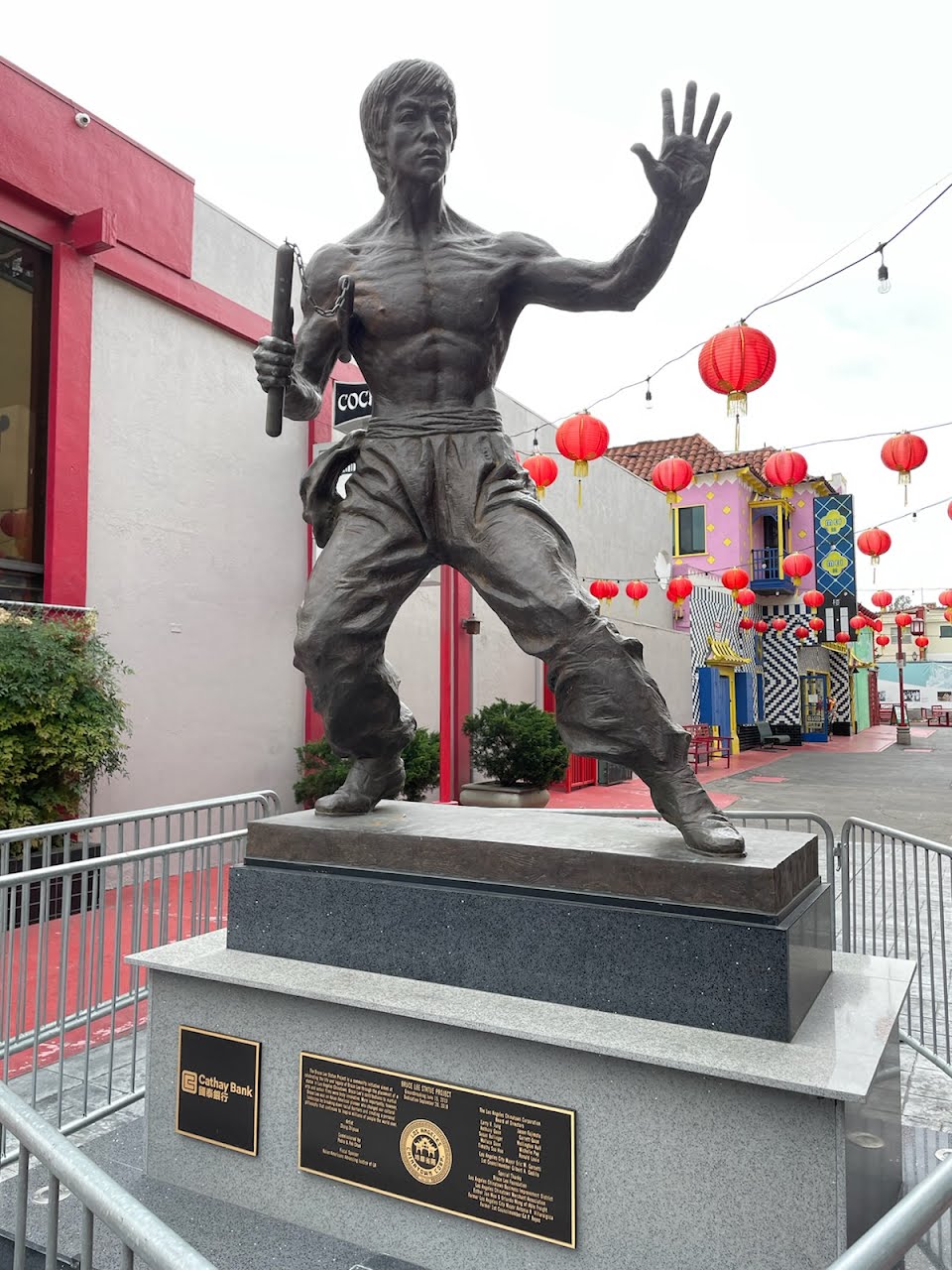
Chinatown
Los Angeles, United States
LA's Chinatown is the second Chinatown on this site — the original (founded in the 1870s) was demolished to build Union Station, and the current neighbourhood was established in 1938 as the first planned Chinatown in America, designed by Chinese-Americans rather than imposed by outside developers.
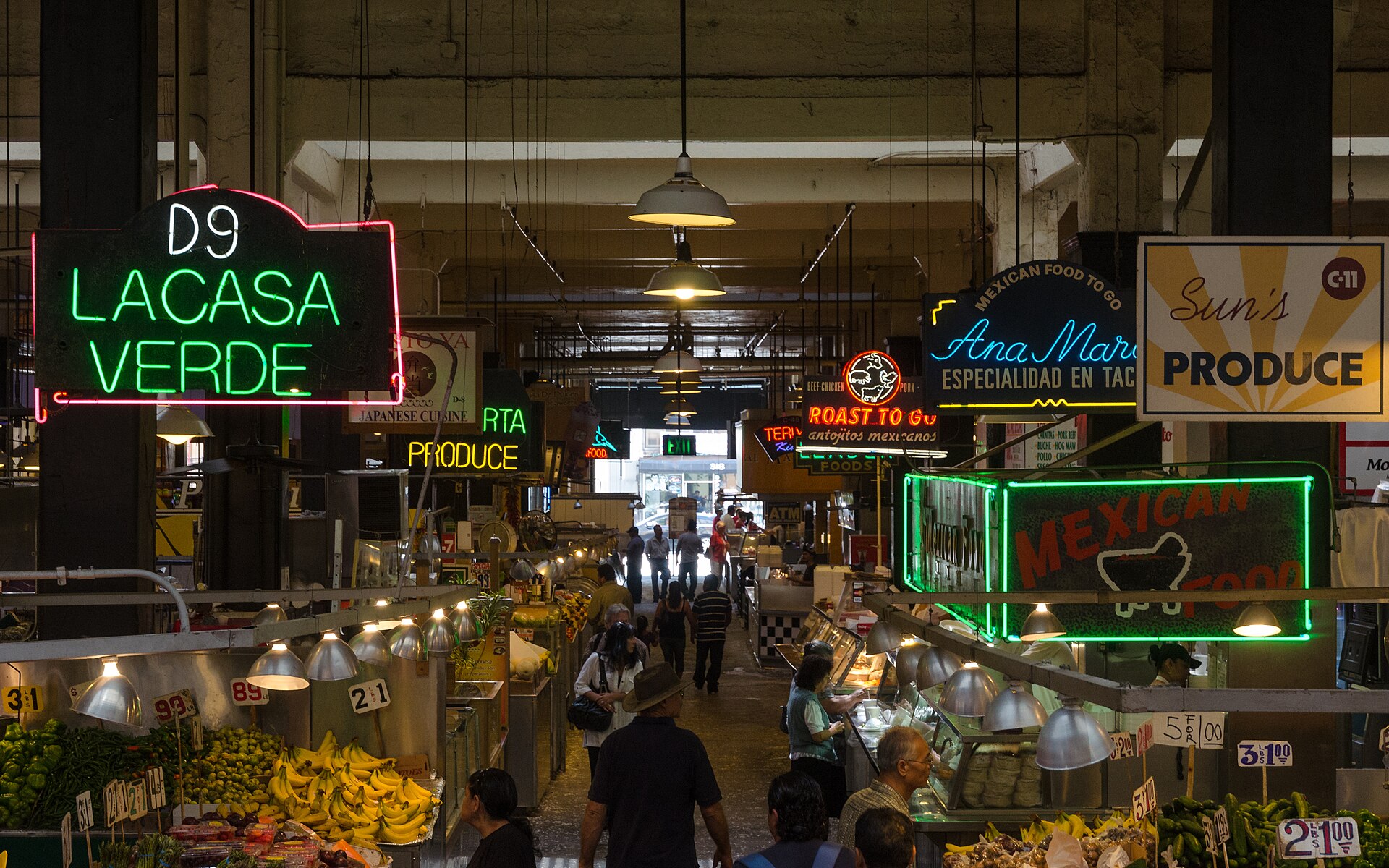
Grand Central Market
317 S Broadway, Los Angeles, CA 90013
Grand Central Market is LA's oldest and most diverse food hall — a 30,000-square-foot market in a 1917 Beaux-Arts building on Broadway in downtown that has been feeding Angelenos since before the word 'foodie' existed.
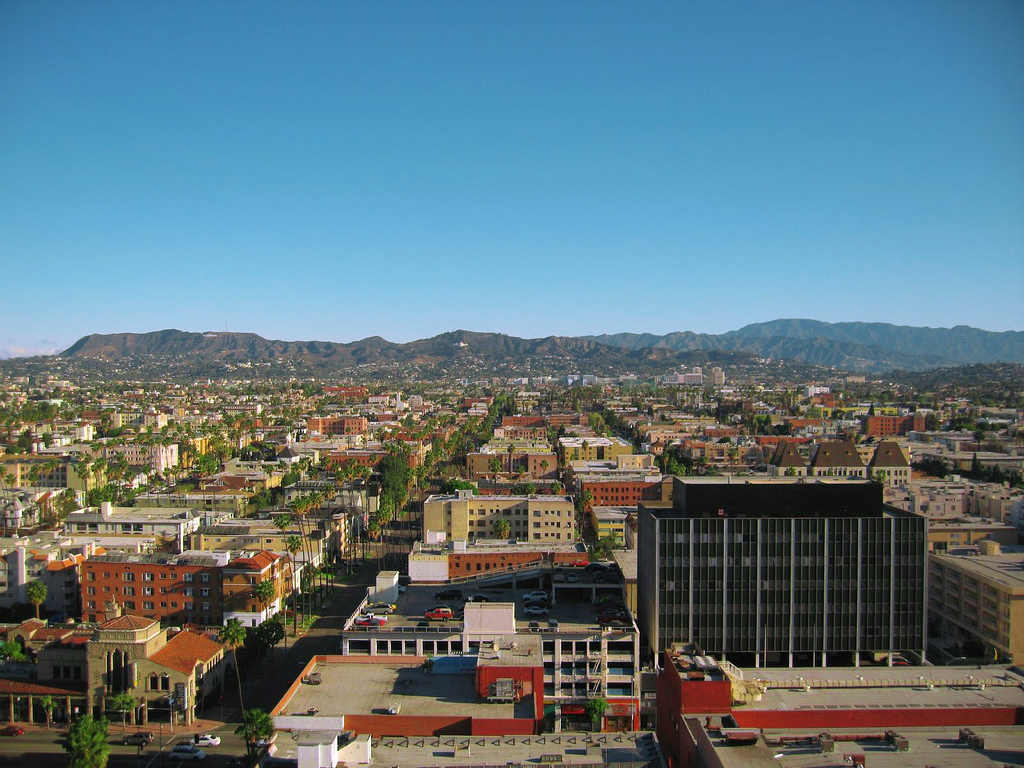
Koreatown
Los Angeles, United States
Koreatown is the largest Korean community outside of Korea — a dense, 24-hour neighbourhood west of downtown that contains the best Korean food in America, the most active nightlife in LA, and a cultural ecosystem that operates largely in Korean and on a schedule that makes the rest of the city look like it goes to bed early.
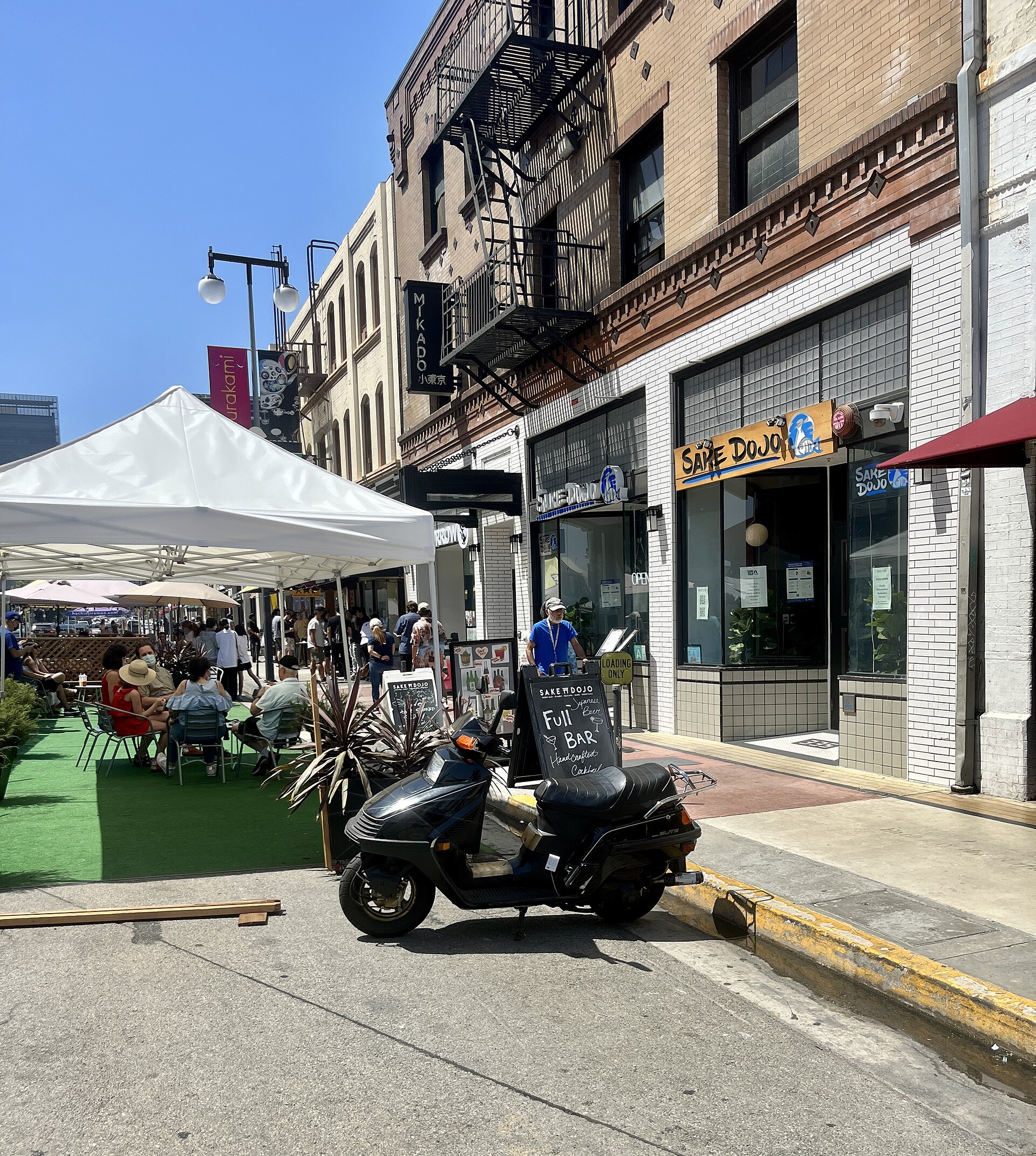
Little Tokyo
Los Angeles, United States
Little Tokyo is one of only three remaining Japantowns in the United States — a compact neighbourhood in downtown LA that has been the centre of Southern California's Japanese-American community since the early 1900s and still contains the restaurants, markets, temples, and cultural institutions that make it the most authentic Japanese neighbourhood outside of Japan in the Americas.
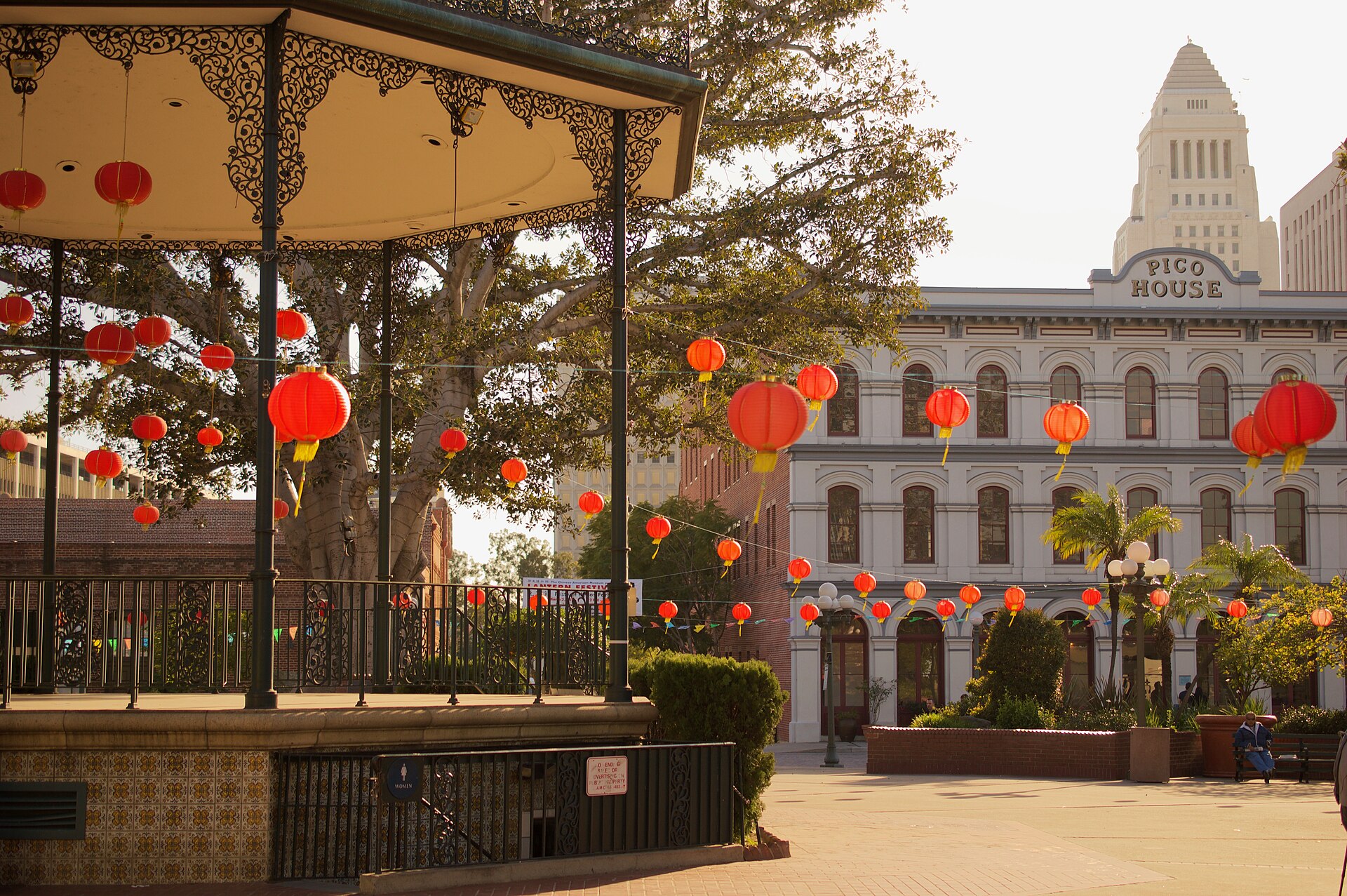
Olvera Street & El Pueblo
Olvera Street, Los Angeles, CA 90012
Olvera Street is the birthplace of Los Angeles — a narrow, brick-paved alley in the El Pueblo de Los Angeles Historic Monument that preserves the site where 44 settlers from Mexico founded the city in 1781.
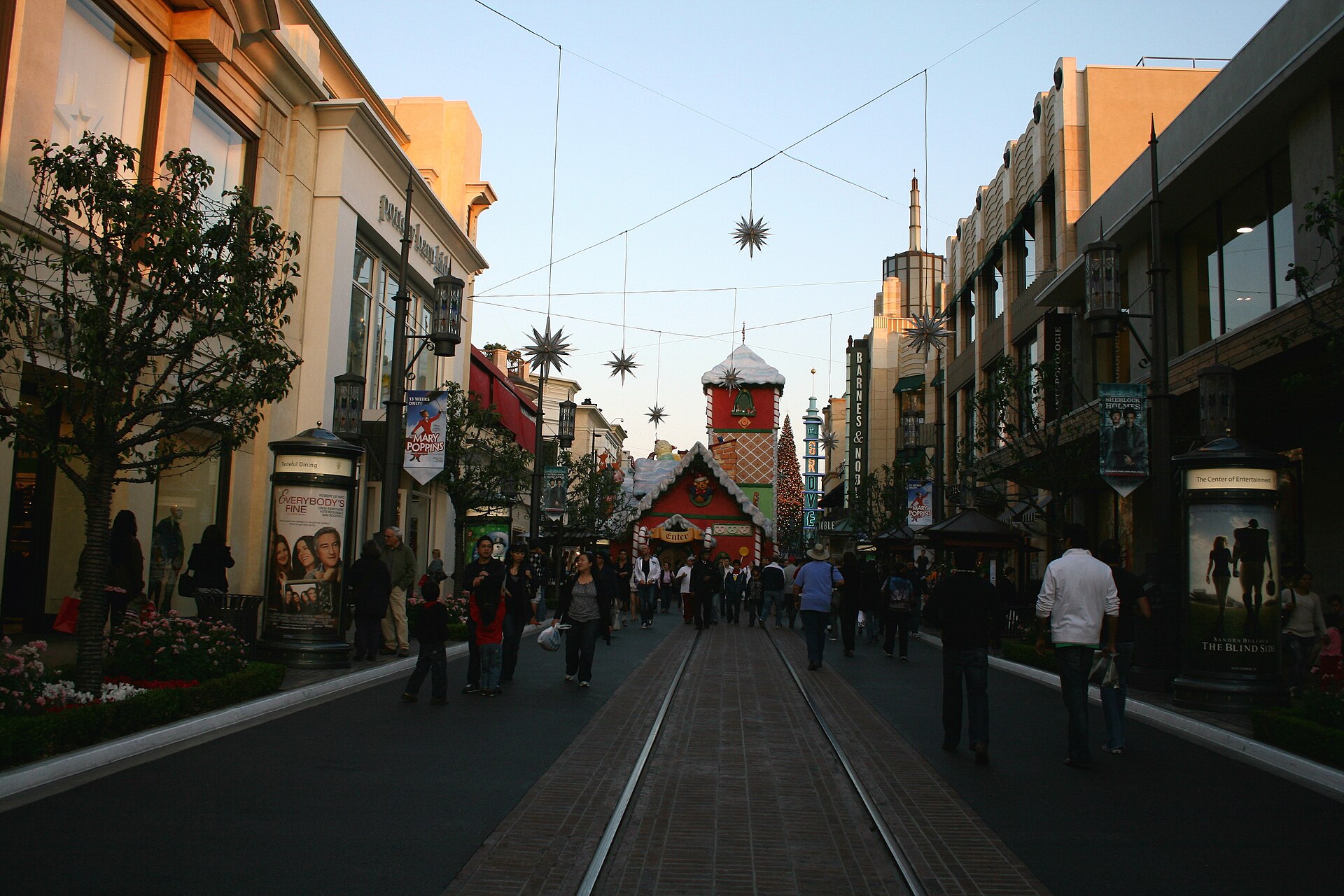
Original Farmers Market & The Grove
6333 W 3rd St, La Brea, Los Angeles, 90036, United States
The Original Farmers Market has been feeding Los Angeles since 1934 — an open-air market at the corner of Third and Fairfax that started when a group of farmers parked their trucks on a vacant lot during the Depression and hasn't stopped since.
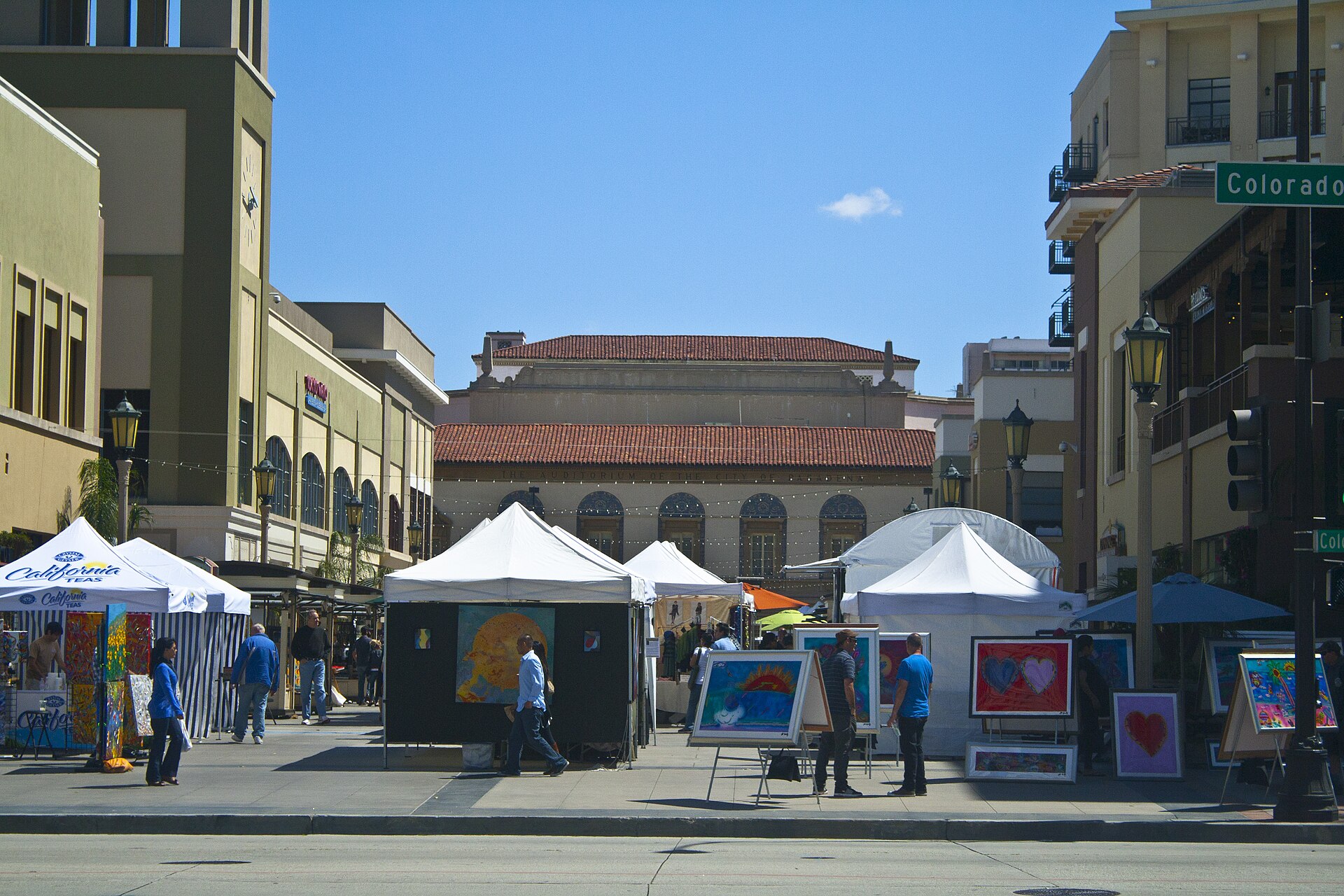
Pasadena & Old Town
South Arroyo, Pasadena, 91105, United States
Pasadena is the most walkable city in the LA basin — an independent city northeast of downtown that has preserved its early 20th-century commercial centre (Old Town), maintained its tree-lined residential streets, and cultivated a cultural identity that includes the Rose Bowl, Caltech, the Huntington Library, and the New Year's Day Tournament of Roses Parade that has been processing down Colorado Boulevard since 1890.

Silver Lake & Echo Park
Los Angeles, United States
Silver Lake and Echo Park are LA's twin creative neighbourhoods — hilly, walkable (by LA standards) districts east of Hollywood that have been the centre of the city's indie music, art, and coffee culture since the 2000s.
Explore food in Los Angeles
GPS-guided narration at every landmark. Tap a spot on the map, hear the story. Every fact verified.