Museo Nazionale del Bargello
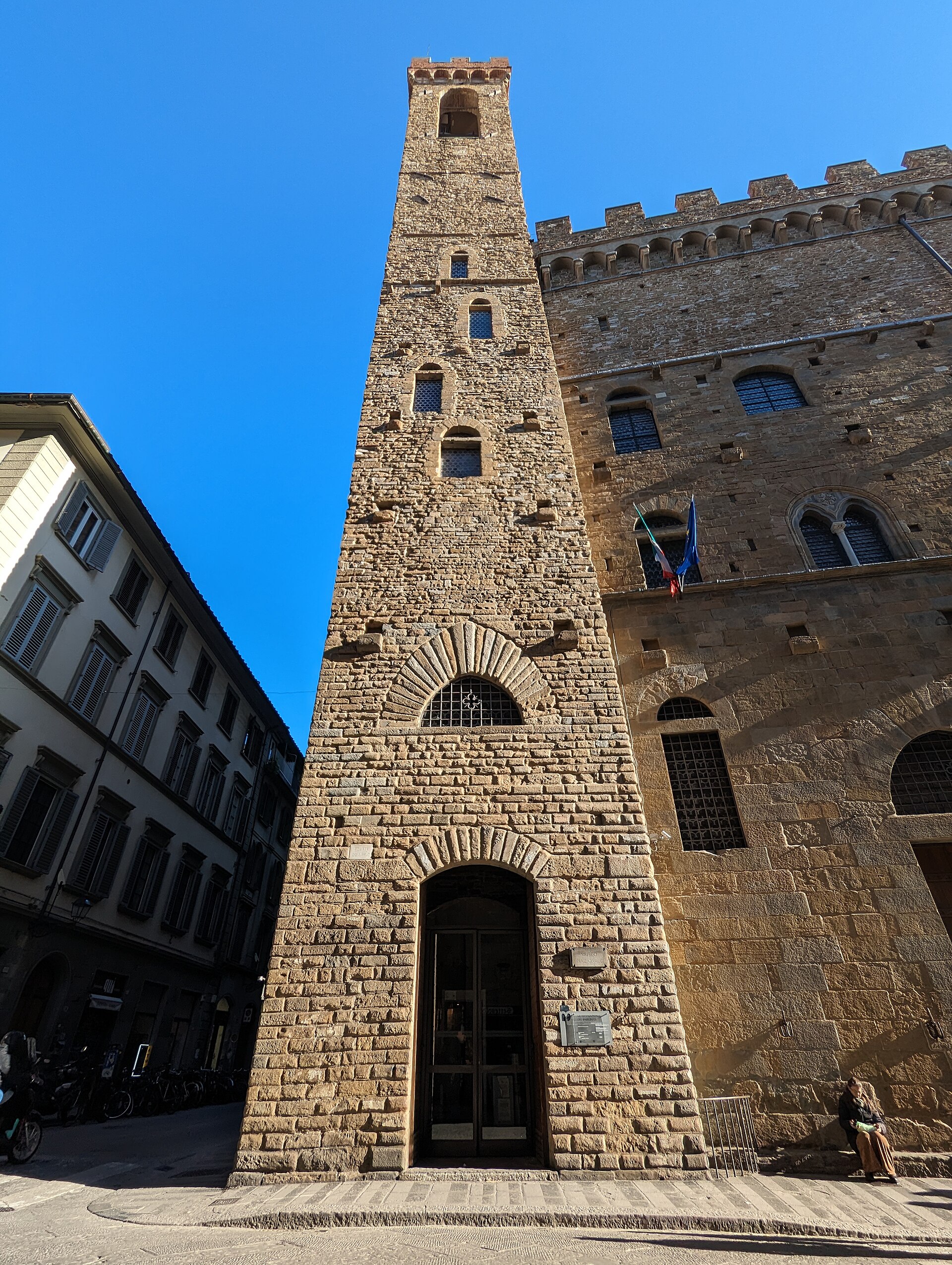
Before this building held some of the world's finest Renaissance sculptures, it held prisoners. Built in 1255 as Florence's first public government building, the Bargello spent centuries as a police headquarters and jail, complete with a courtyard where executions were carried out. The walls of the upper loggia were once painted with portraits of hanged traitors — painted by Botticelli, no less, who apparently had no qualms about the commission. Those frescoes are long gone, whitewashed over when the building became a museum in 1865.
The Bargello was Italy's first national museum, opened the same year Florence briefly became the capital of the newly unified Kingdom of Italy. Today it holds the world's most important collection of Italian Renaissance sculpture, and yet receives a fraction of the visitors who flood the Uffizi or the Accademia. This is the Florentine insider's secret: the crowds aren't here.
The main hall upstairs houses nine works by Donatello alone, including his revolutionary bronze David — the first free-standing nude male sculpture since antiquity, cast around 1440. It's a very different David from Michelangelo's: younger, almost androgynous, standing on Goliath's severed head wearing nothing but boots and a hat. Nearby, Donatello's Saint George radiates coiled tension despite being carved for a guild of armormakers who originally displayed it on the exterior of Orsanmichele.
The courtyard itself is worth the visit — a medieval cloister that was once a place of terror, now filled with heraldic sculptures and dappled sunlight. It's one of the most atmospheric spaces in all of Florence, and you might have it entirely to yourself.
Verified Facts
Built in 1255, the Bargello is Florence's oldest public government building and served as a prison for centuries
Opened as Italy's first national museum in 1865, the same year Florence became the capital of unified Italy
Donatello's bronze David (c.1440) was the first free-standing nude male sculpture cast since antiquity
Botticelli was commissioned to paint portraits of hanged traitors on the Bargello walls — these frescoes were later whitewashed
Get walking directions
4 Via del Proconsolo, Centro Storico, Florence, 50122, Italy