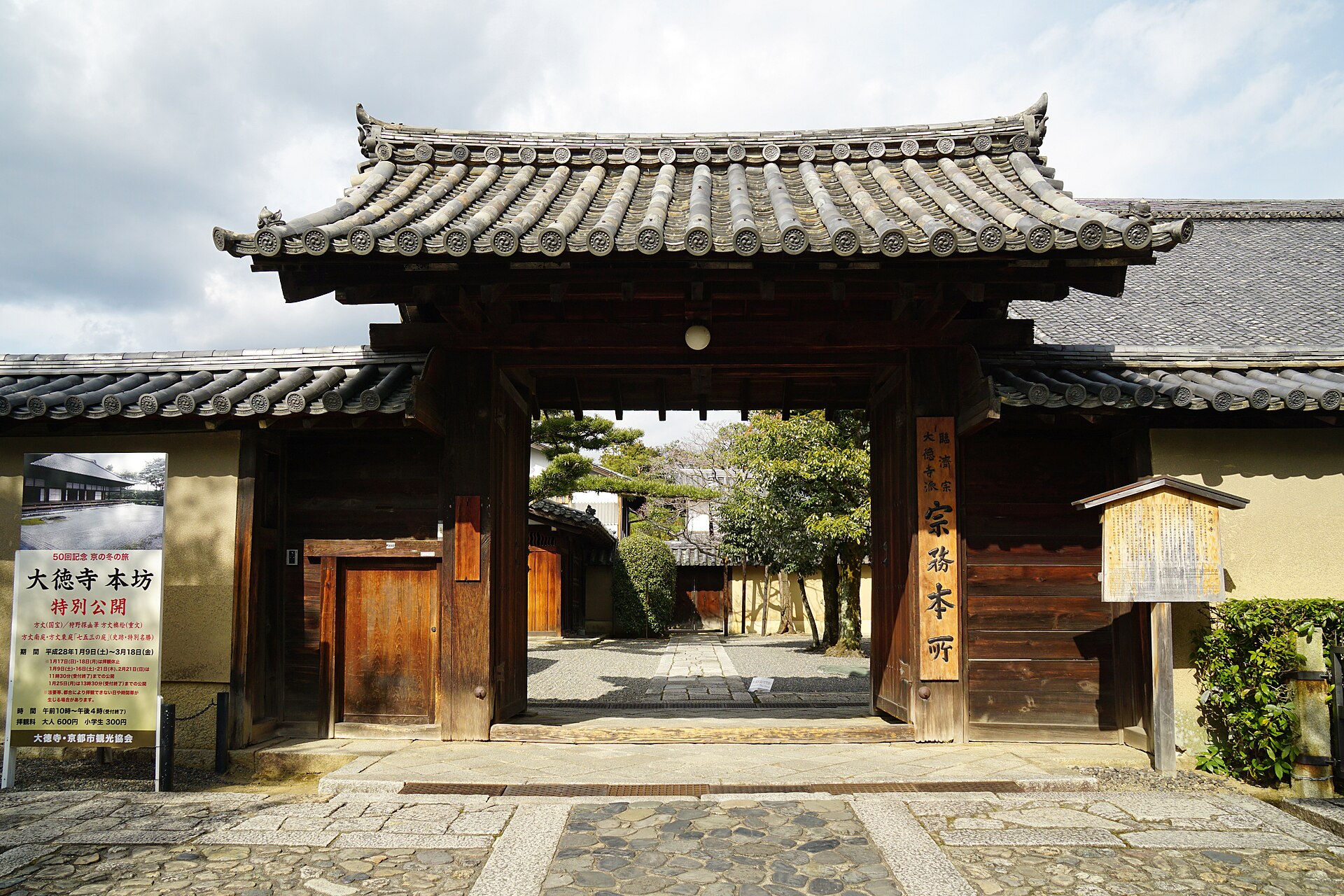
Daitoku-ji is Kyoto's greatest temple that almost nobody visits. A vast Zen complex in the northern part of the city, it contains 22 sub-temples — each with its own gardens, tea rooms, and centuries of history — spread across grounds that feel more like a small village than a single temple. While Kinkaku-ji and Kiyomizu-dera drown in tourists, Daitoku-ji offers genuine solitude in gardens that are among the finest in Japan.
The complex has deep connections to the tea ceremony — the legendary tea master Sen no Rikyū built a gate here that so offended warlord Toyotomi Hideyoshi (who had to walk under a statue of Rikyū placed above the gate) that it contributed to Rikyū being ordered to commit ritual suicide in 1591. The gate is still there. The tea house Rikyū designed is still used. The tension between aesthetic perfection and political power that defined their relationship still hangs in the air.
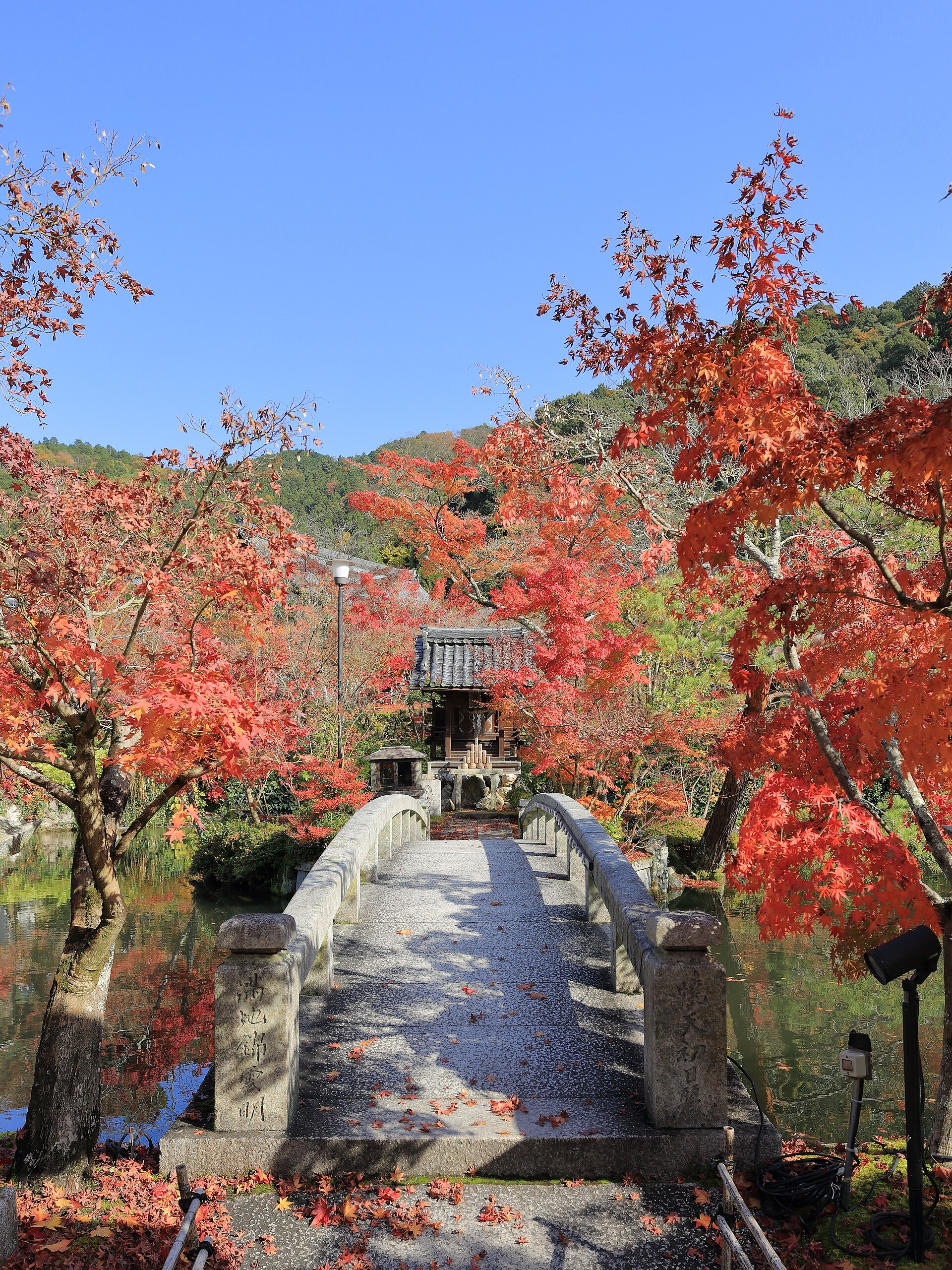
Of the sub-temples, Daisen-in has a dry landscape garden that uses rocks and gravel to depict a river flowing from mountains to the ocean in a space smaller than a tennis court — it's considered one of the masterpieces of Zen garden design. Kōtō-in is famous for its approach path through a maple tunnel that in autumn becomes a corridor of flame. Zuihō-in has a hidden Christian rock garden — stones arranged in a cruciform pattern by a lord who was secretly Christian during the persecution era. Not all sub-temples are open, and the selection rotates, which means every visit is slightly different.
Verified Facts
Daitoku-ji contains 22 sub-temples within its complex
Tea master Sen no Rikyū's gate controversy contributed to his ordered suicide in 1591
Zuihō-in contains a rock garden arranged in a hidden cruciform pattern
Kōtō-in is famous for its maple-lined approach path
Get walking directions
53 Murasakinodaitokujicho, Kita, Kyoto, 603-8231, Japan