Dulwich Picture Gallery is the oldest purpose-built public art gallery in the world, and it's hiding in a leafy south London suburb where most Londoners have never been. Opened in 1817, designed by Sir John Soane — the same architect behind the Bank of England — it predates the National Gallery by seven years and contains a collection that would be the centrepiece of any European capital.
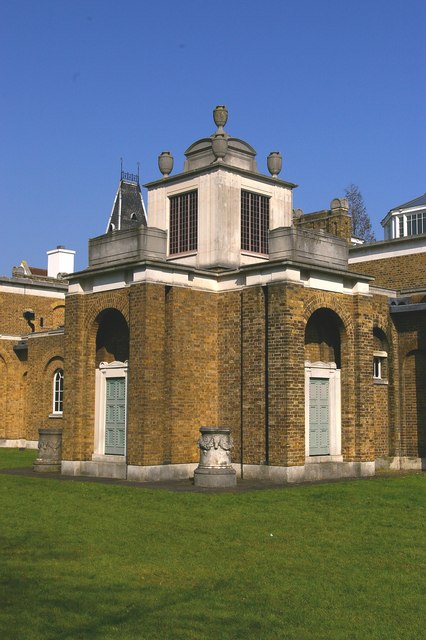
The building itself is Soane's masterpiece of natural light. He designed a series of top-lit rooms with lantern skylights that bathe the paintings in soft, even daylight — a revolutionary idea in 1817 that every gallery since has copied. The rooms are intimate rather than grand, which means you can stand nose-to-canvas with Rembrandt, Poussin, Rubens, Gainsborough, and Canaletto without a crowd or a queue.
The collection exists because of one of art history's most improbable chain of events. Two art dealers, Noël Desenfans and Francis Bourgeois, assembled the paintings for the King of Poland — who then lost his throne in a partition before the paintings could be delivered. The dealers were stuck with a royal collection and nobody to give it to. Bourgeois left them to the school at Dulwich with the condition that they be displayed publicly, and Soane designed the gallery to house them. The founders are buried in a mausoleum that's part of the building — a slightly macabre touch that Soane, who was famously eccentric, would have loved.
Verified Facts
Dulwich Picture Gallery opened in 1817 and is the world's oldest purpose-built public art gallery
The gallery was designed by Sir John Soane, architect of the Bank of England
The collection was originally assembled for King Stanislaus Augustus of Poland
The founders are buried in a mausoleum within the gallery building
Get walking directions
Gallery Road, Dulwich, London SE21 7AD