Brick Lane has been an arrival lounge for four centuries. The street got its name from the brick and tile makers who set up here in the 15th century, using the local clay. Since then, wave after wave of immigrants have made this street their first London address — each one reshaping the neighbourhood while leaving traces of everyone who came before.
The Huguenots arrived first, French Protestant silk weavers fleeing persecution after Louis XIV revoked the Edict of Nantes in 1685. They built the chapel at 59 Brick Lane, which later became a Methodist church, then a synagogue when Ashkenazi Jews fled Eastern European pogroms in the 19th century, and is now the Jamme Masjid mosque. One building, four religions, four centuries — the entire history of immigration in a single address.
The Bangladeshi community, predominantly from the Sylhet region, transformed Brick Lane from the 1970s onward. They opened the curry houses that made this stretch famous as "Banglatown," though the restaurants compete so aggressively for customers that the touts outside have become an attraction in their own right. The area was formally branded Banglatown in 1997, with bilingual street signs in English and Bengali.
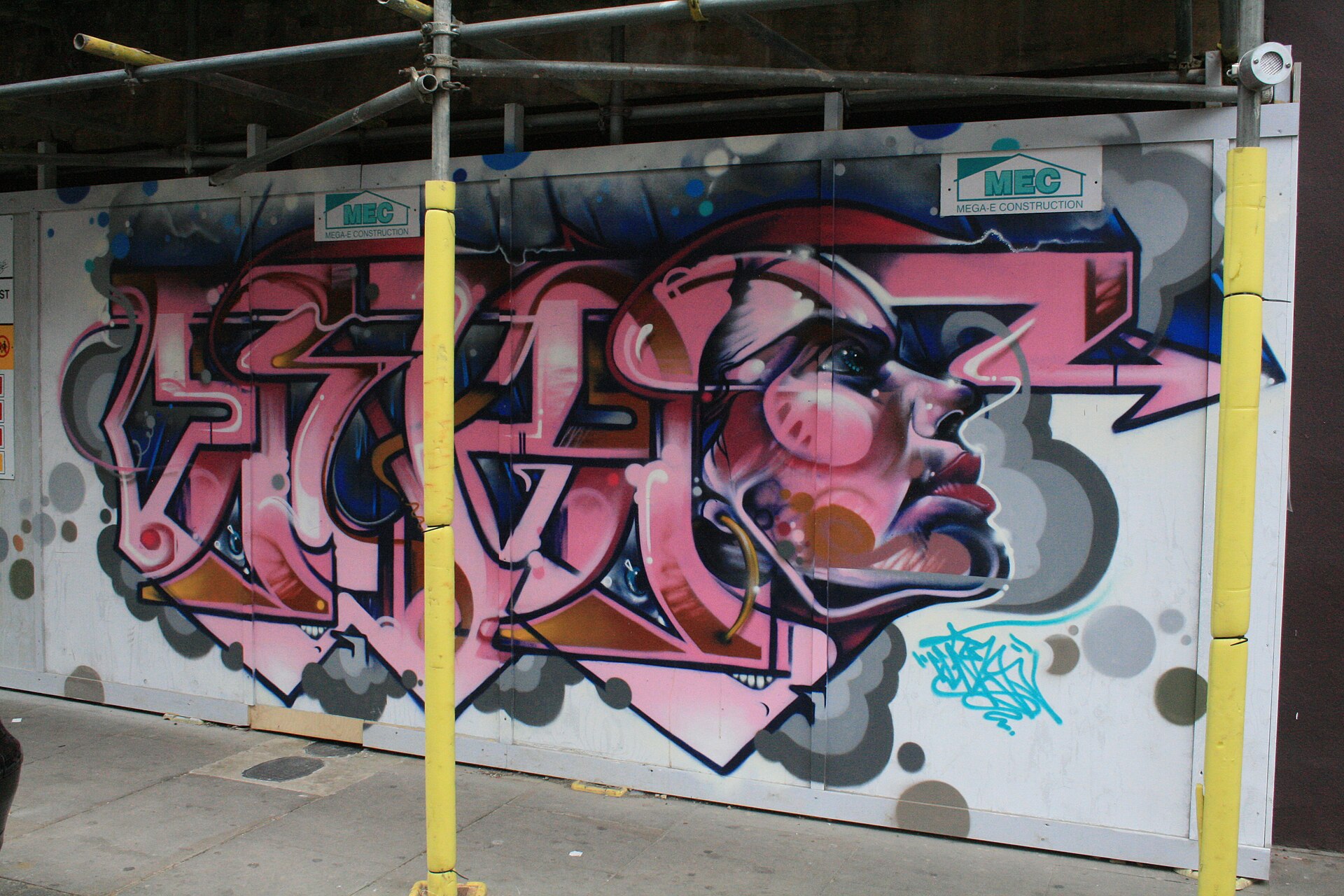
Shoreditch, just to the west, went from post-industrial wasteland to London's creative epicentre in roughly a decade. By the early 2000s, artists, designers, and tech startups had colonised the old warehouses and workshops. The street art is world-class — Banksy, Stik, and ROA have all left work here, and the walls around Brick Lane change constantly. This is East London at its most layered: history, food, art, and reinvention piled on top of each other like geological strata.
Verified Facts
The building at 59 Brick Lane has served as a Huguenot chapel, Methodist church, Jewish synagogue, and is now the Jamme Masjid mosque
Named after 15th-century brick and tile manufacturers who used local clay deposits
The area was formally branded Banglatown in 1997 with bilingual English-Bengali street signs
Bangladeshi immigrants, predominantly from the Sylhet region, transformed the area from the 1970s onward
Get walking directions
Brick Lane, Tower Hamlets, London, E1, United Kingdom