For most of its history, the south bank of the Thames was where London went to do the things it wasn't allowed to do on the north bank. Outside the jurisdiction of the City of London, Bankside became medieval London's entertainment district — theatres, bear-baiting rings, prostitution, and taverns clustered along the riverbank in cheerful defiance of civic morality. Shakespeare's Globe stood here, alongside the Rose Theatre and the notorious Clink Prison, which gave English the expression "in the clink."
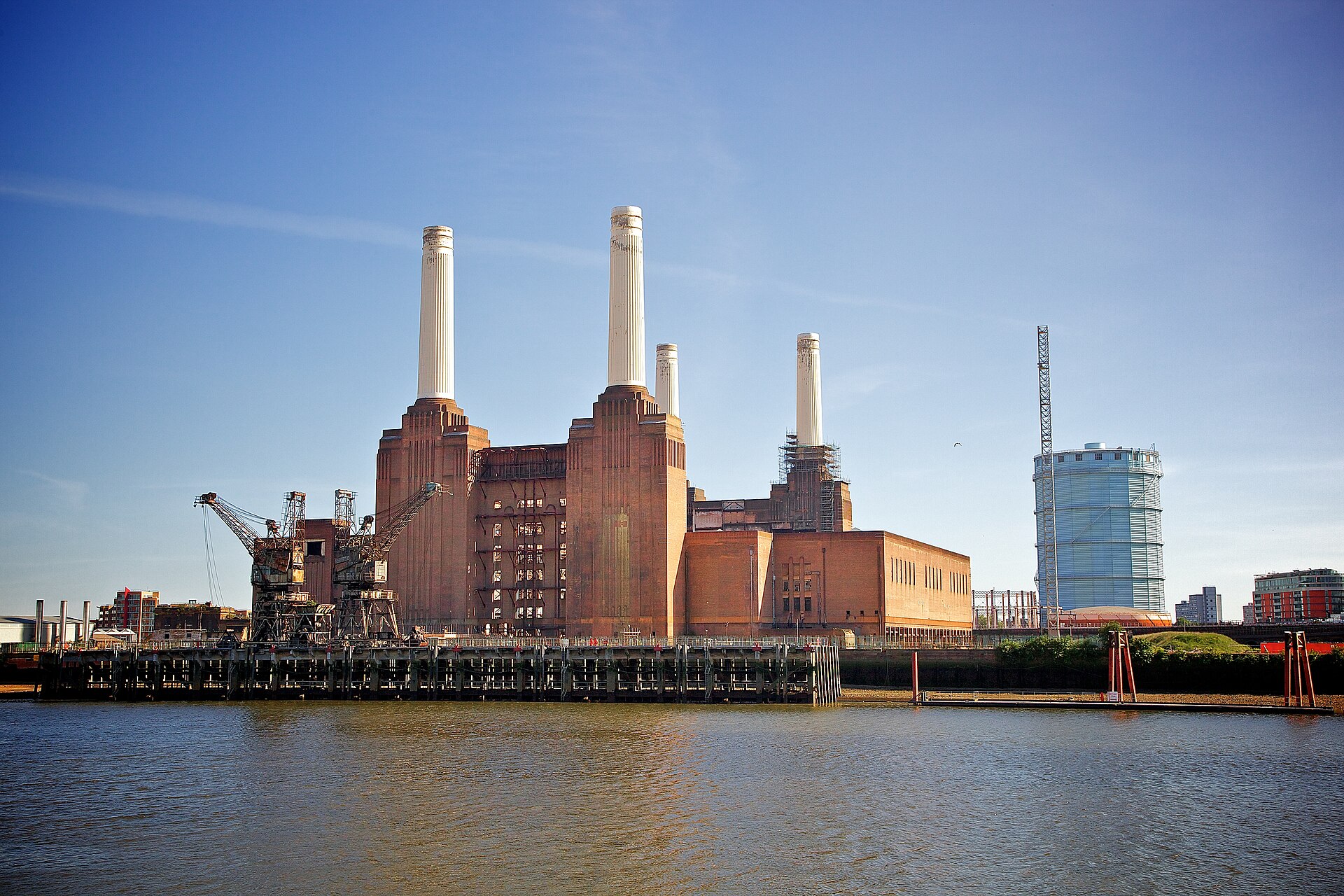
By the 19th century, entertainment had given way to industry. Wharves, factories, and power stations lined the riverbank, and the area became one of the grittiest parts of London. The transformation began with the Festival of Britain in 1951, when the government built the Royal Festival Hall on a bombed-out site as a deliberate act of post-war optimism. It worked — the building became the seed of the South Bank Centre, which now includes the Queen Elizabeth Hall, the Purcell Room, the Hayward Gallery, and the National Theatre.
The modern South Bank is London's cultural spine, a continuous riverside walk stretching from Westminster Bridge to Tower Bridge. In 2000, the Millennium Bridge — London's first new Thames crossing in over a century — connected St Paul's Cathedral to the newly opened Tate Modern. The bridge famously wobbled so badly on opening day that it was immediately closed for two years of engineering fixes, earning it the nickname "the Wobbly Bridge."
Walk the South Bank on any evening and you'll pass skateboarders at the Undercroft (a graffiti-covered skate park that survived a demolition campaign), the second-hand book market under Waterloo Bridge, and the illuminated facades of the National Theatre. It is London's living room — a place where high culture and street culture exist within shouting distance.
Verified Facts
Bankside was medieval London's entertainment district, outside City of London jurisdiction, home to theatres and bear-baiting
The Festival of Britain in 1951 built the Royal Festival Hall on a bombed-out site, seeding the South Bank Centre
The Millennium Bridge wobbled so badly on opening day in 2000 it was closed for two years — nicknamed "the Wobbly Bridge"
The Clink Prison on Bankside gave English the expression "in the clink"
Get walking directions
South Bank, London SE1