The V&A began life in 1852 as the "Museum of Manufactures" — a name so dull it practically dared people not to visit. Its first director, Henry Cole, had a grander vision: he wanted a "schoolroom for everyone" that would improve British design by exposing manufacturers, designers, and ordinary people to the best decorative arts in the world. It worked. The museum changed its name to the South Kensington Museum and eventually, in 1899, became the Victoria and Albert when Queen Victoria laid the foundation stone of the new Aston Webb building.
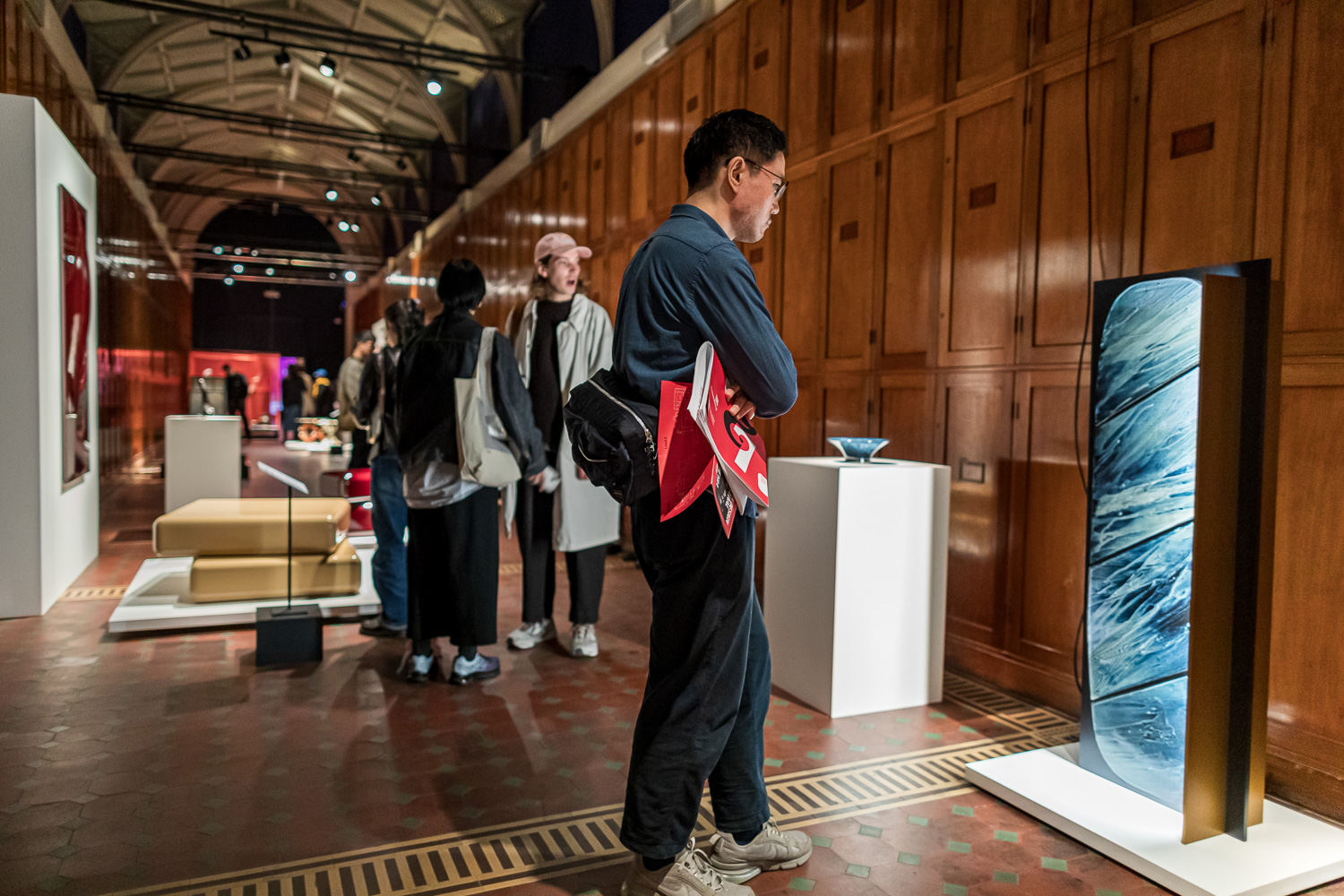
Today it's the world's largest museum of applied and decorative arts, holding over 4.5 million objects spanning 5,000 years of human creativity. The collection is staggering in its range: Raphael's cartoons for the Sistine Chapel tapestries sit alongside the Great Bed of Ware (a ten-foot-wide Elizabethan bed mentioned by Shakespeare), Tipu's Tiger (an 18th-century automaton of a tiger mauling a British soldier), and the largest collection of post-classical sculpture in the world.
The museum sits in the heart of "Albertopolis" — the cluster of cultural institutions in South Kensington that Prince Albert championed after the Great Exhibition of 1851. The original building incorporates iron and glass construction methods that were revolutionary at the time, and the Cromwell Road facade stretches for 220 metres.
The John Madejski Garden, the V&A's central courtyard, was redesigned in 2005 with a shallow elliptical pool that transforms into a skating rink in winter. Look up from the courtyard and you can see the ornate mosaics and terracotta decorations that cover much of the building's exterior — every surface of this place was designed to teach something about beauty.
Verified Facts
Founded in 1852 as the Museum of Manufactures, renamed Victoria and Albert Museum in 1899 by Queen Victoria
The world's largest museum of applied and decorative arts, holding over 4.5 million objects spanning 5,000 years
Henry Cole, its first director, declared it should be a "schoolroom for everyone" to improve British design
The collection includes Raphael's cartoons for the Sistine Chapel tapestries and the Great Bed of Ware mentioned by Shakespeare
Get walking directions
Cromwell Rd, London SW7 2RL