The neighborhood is named after a fifteen-year-old seamstress who was killed by French soldiers. On May 2, 1808, the citizens of Madrid rose up against Napoleon's occupying army in a bloody, desperate, doomed uprising. Manuela Malasana was caught in the fighting and shot — some accounts say she was carrying scissors and accused of carrying a weapon. The uprising was crushed, the reprisals were savage, and Goya immortalized the horror in two of history's most famous paintings. The neighborhood that grew up around the old artillery barracks where some of the fiercest fighting occurred took her name.
The Plaza del Dos de Mayo sits at the heart of Malasana, built on the site of the Monteleón artillery barracks. A statue of officers Daoiz and Velarde, who defied orders and opened the arsenal to the civilian fighters, stands in the center. The arch behind it is all that remains of the barracks entrance — a stone doorway to a building that no longer exists, framing nothing but sky.
Nearly two centuries later, Malasana became the epicenter of another revolution — this time cultural. After Franco died in 1975, decades of repression exploded into La Movida Madrilena, a wild, creative, hedonistic countercultural movement centered right here. Punk bands, underground filmmakers, drag performers, and artists of every stripe colonized the bars and basements of Malasana. Pedro Almodovar got his start in these streets, screening his early films in local cinemas and hanging out in the same dives as everyone else.
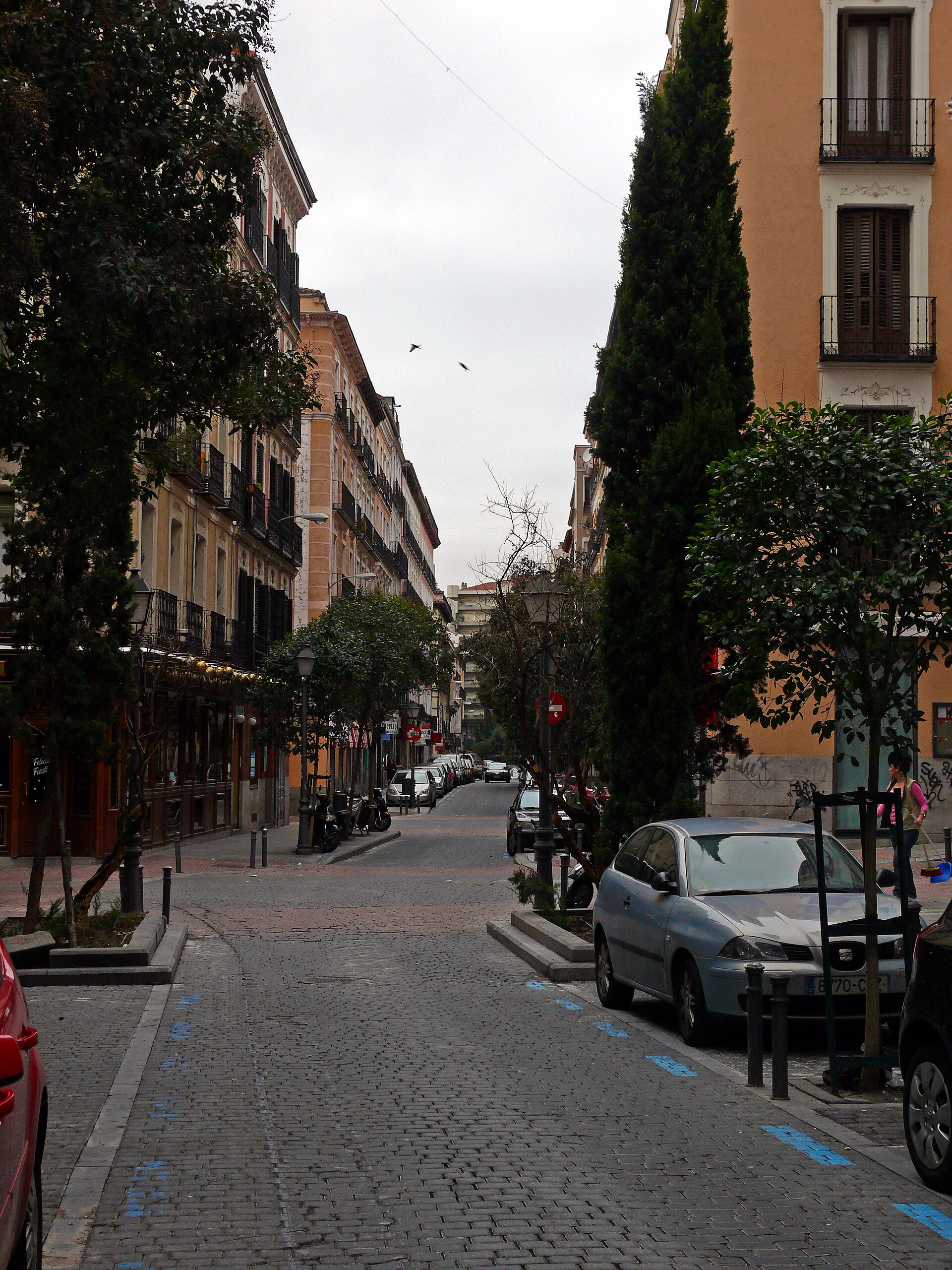
Today Malasana is Madrid's hipster heartland — vintage shops, craft coffee, vinyl record stores, and bars that open at midnight. The counterculture has been commodified, but the spirit of rebellion still pulses through the neighborhood. The best time to feel it is any Saturday night after 1 AM, when the plaza fills with people sitting on the ground, sharing bottles, and carrying on a tradition of defiance that started with a seamstress and a pair of scissors.
Verified Facts
The neighborhood is named after Manuela Malasana, a 15-year-old seamstress killed during the May 2, 1808 uprising against Napoleon
The plaza was built on the site of the Monteleón artillery barracks where officers Daoiz and Velarde led the resistance
Malasana was the epicenter of La Movida Madrilena, the countercultural explosion that followed Franco's death in 1975
Pedro Almodovar launched his filmmaking career in the bars and cinemas of Malasana during La Movida
Get walking directions
Centro, Madrid, Spain