Ermita de San Antonio de la Florida
Goya is buried here, but his head is missing. When Spanish authorities decided to bring the painter's remains home from Bordeaux in 1919 — he'd died in self-imposed exile in 1828 — they opened the coffin and found a skeleton without a skull. The Spanish consul wired Madrid: "Send Goya, with or without head." They sent him headless, and he's been lying beneath this chapel floor ever since, his skull lost somewhere in France, possibly stolen by phrenologists who wanted to study the brain of a genius. Nobody has ever found it.
But the real reason to come here is above your head, not below your feet. In 1798, Goya spent six months painting the interior of this small Neoclassical chapel with frescoes that broke every rule of religious art. The dome depicts the miracle of Saint Anthony of Padua raising a man from the dead to clear the saint's father of a murder charge — but instead of setting the scene in 13th-century Lisbon, Goya relocated it to contemporary Madrid. The crowd watching the miracle isn't a collection of medieval saints; it's a vivid snapshot of 18th-century Madrid society — aristocrats, majas, beggars, children, and women leaning over the railing with casual curiosity.
Even more radical: Goya put the divine scene on top and the angels below, inverting the traditional hierarchy. The angels — voluptuous young women with wings — support the dome from underneath, looking more like flamenco dancers than celestial beings.
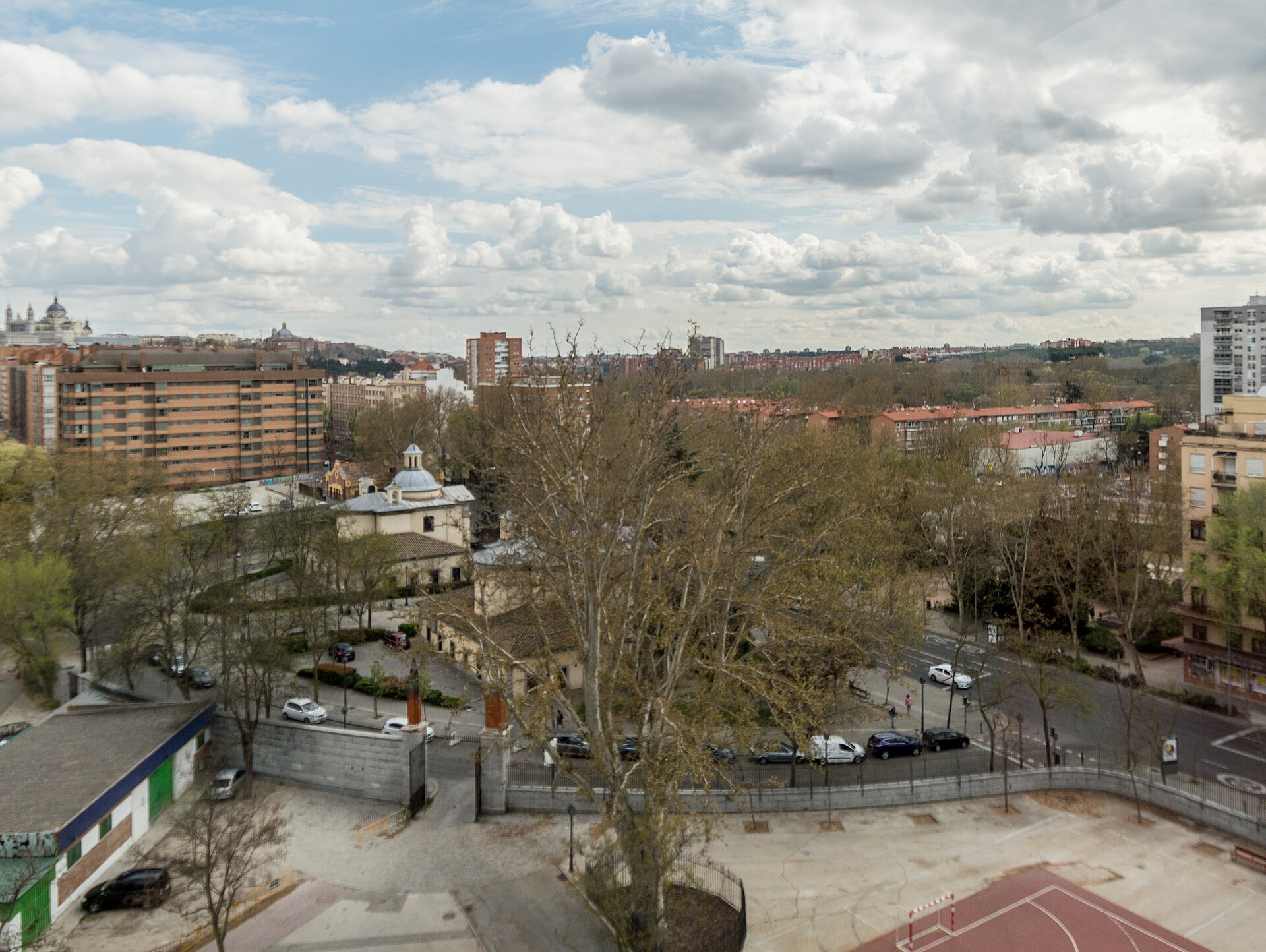
In 1905, the chapel was declared a National Monument. In 1928, an identical chapel was built right next door to handle regular church services, so the original could be preserved purely as a museum. Stand beneath Goya's dome and look up — you're seeing the last great work of a man who would soon go deaf, paint nightmares on his walls, and flee his own country.
Verified Facts
Goya has been buried here since 1919 but his skull was missing when the coffin was exhumed in Bordeaux — it has never been found
Goya painted the frescoes over a six-month period in 1798, depicting the miracle of Saint Anthony of Padua
The chapel was declared a National Monument in 1905
In 1928, an identical chapel was built next door for services so the original could be preserved as a Goya museum
Get walking directions
5 Glorieta de San Antonio de la Florida, Moncloa-Aravaca, Madrid, 28008, Spain