It started as a wedding. On October 12, 1810, Crown Prince Ludwig married Princess Therese of Saxe-Hildburghausen, and the citizens of Munich were invited to celebrate with horse races on a meadow at the city's edge. The party was such a hit that they did it again the next year, and the year after that, and now — over two hundred years later — Oktoberfest draws roughly six million visitors over sixteen days, making it the largest folk festival in the world. The meadow is still called Theresienwiese — Theresa's Meadow — after the bride.
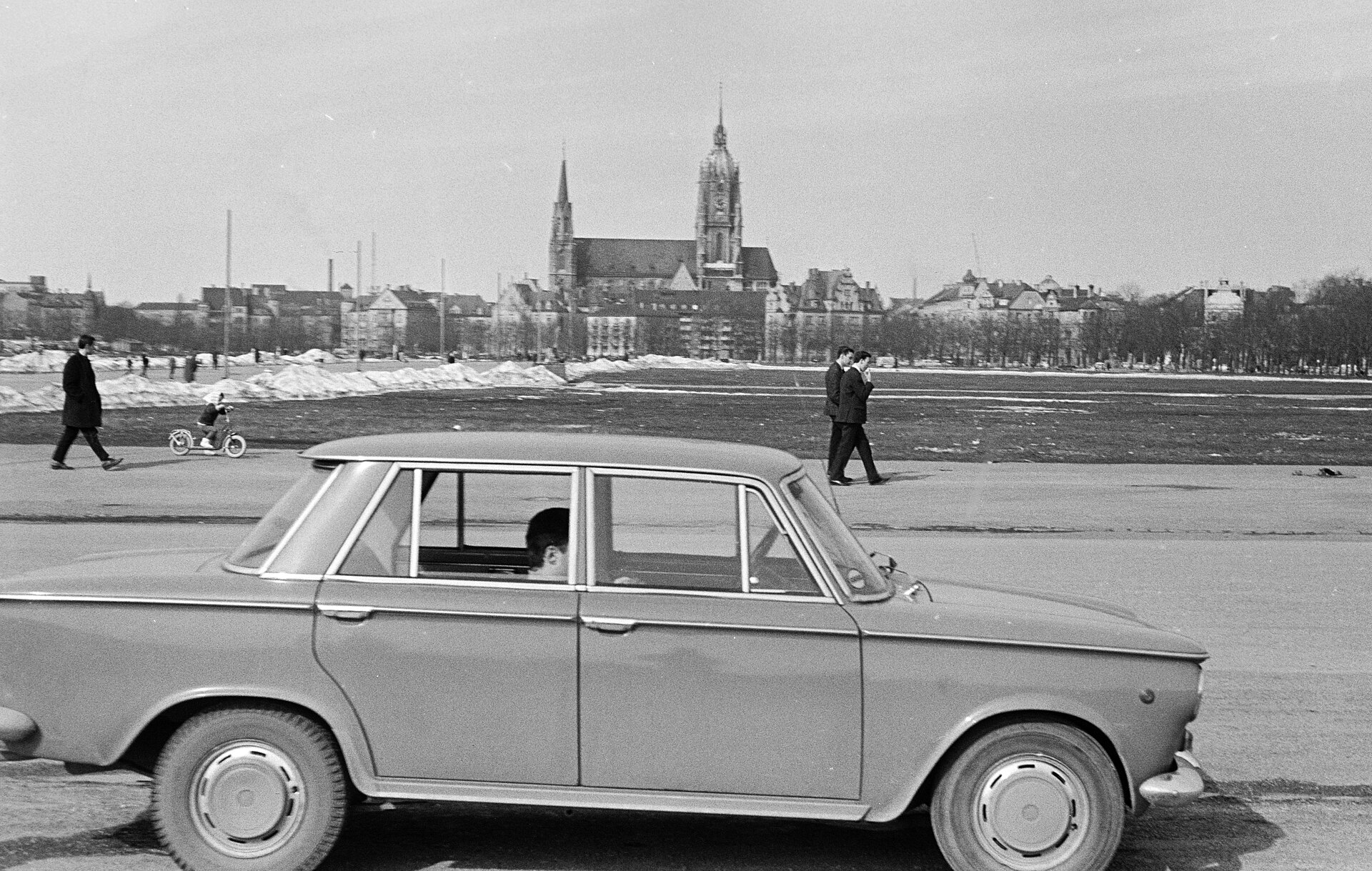
For most of the year, the Theresienwiese is an enormous, empty field. Then, in late September, it transforms into a temporary city of beer tents, roller coasters, and roasted-almond stands. The fourteen large tents each hold between 5,000 and 11,000 people, and the biggest — the Hofbräu-Festzelt — is the size of an aircraft hangar. Seven million litres of beer are consumed during the festival, served exclusively by Munich's six major breweries in specially brewed Oktoberfest Märzen. The first keg is tapped by the mayor at noon on opening day with the traditional cry: "O'zapft is!" — "It's tapped!"
Overlooking the meadow from the west is the Bavaria statue — an 18-metre bronze figure completed in 1850 that was the first colossal statue since antiquity that could be entered. You climb a spiral staircase inside her and look out through her eyes at the city below. The statue was cast in four enormous pieces by Ferdinand von Miller at the same foundry that produced the doors of the US Capitol, and she holds a sword and a wreath of oak leaves with a lion at her feet.
The Ruhmeshalle — Hall of Fame — stretches behind the Bavaria statue in a Doric colonnade housing busts of noteworthy Bavarians. It's almost always empty, because everyone is either at Oktoberfest or recovering from it. But the view from Bavaria's head on a clear day, with the Alps behind the city and the meadow sprawling below, is one of Munich's great secrets — hiding in plain sight, eighteen metres above the beer.
Verified Facts
Oktoberfest began in 1810 as a celebration of Crown Prince Ludwig's marriage to Princess Therese
The festival draws roughly six million visitors over sixteen days and consumes seven million litres of beer
The Bavaria statue (1850) is 18 metres tall and was the first colossal statue since antiquity that visitors could enter
The statue was cast by Ferdinand von Miller at the same foundry that produced the US Capitol doors
Get walking directions
Theresienwiese, 80339 Munich