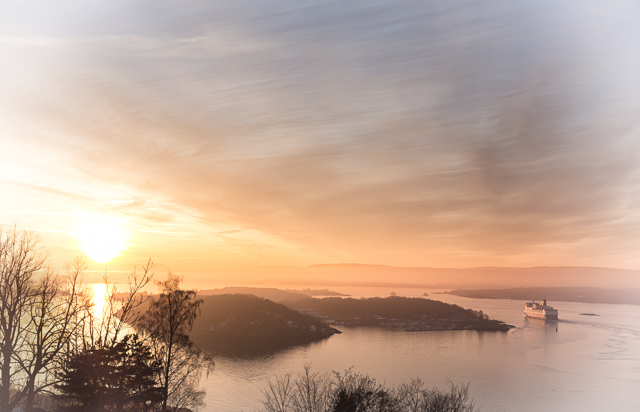
Five minutes by ferry from the center of a capital city, there's an island with twelfth-century monastery ruins, Napoleonic-era cannon batteries, half-a-billion years of geology, and a population of five people. Hovedøya is barely 0.4 square kilometers, but it packs in more history per square meter than most Norwegian counties.
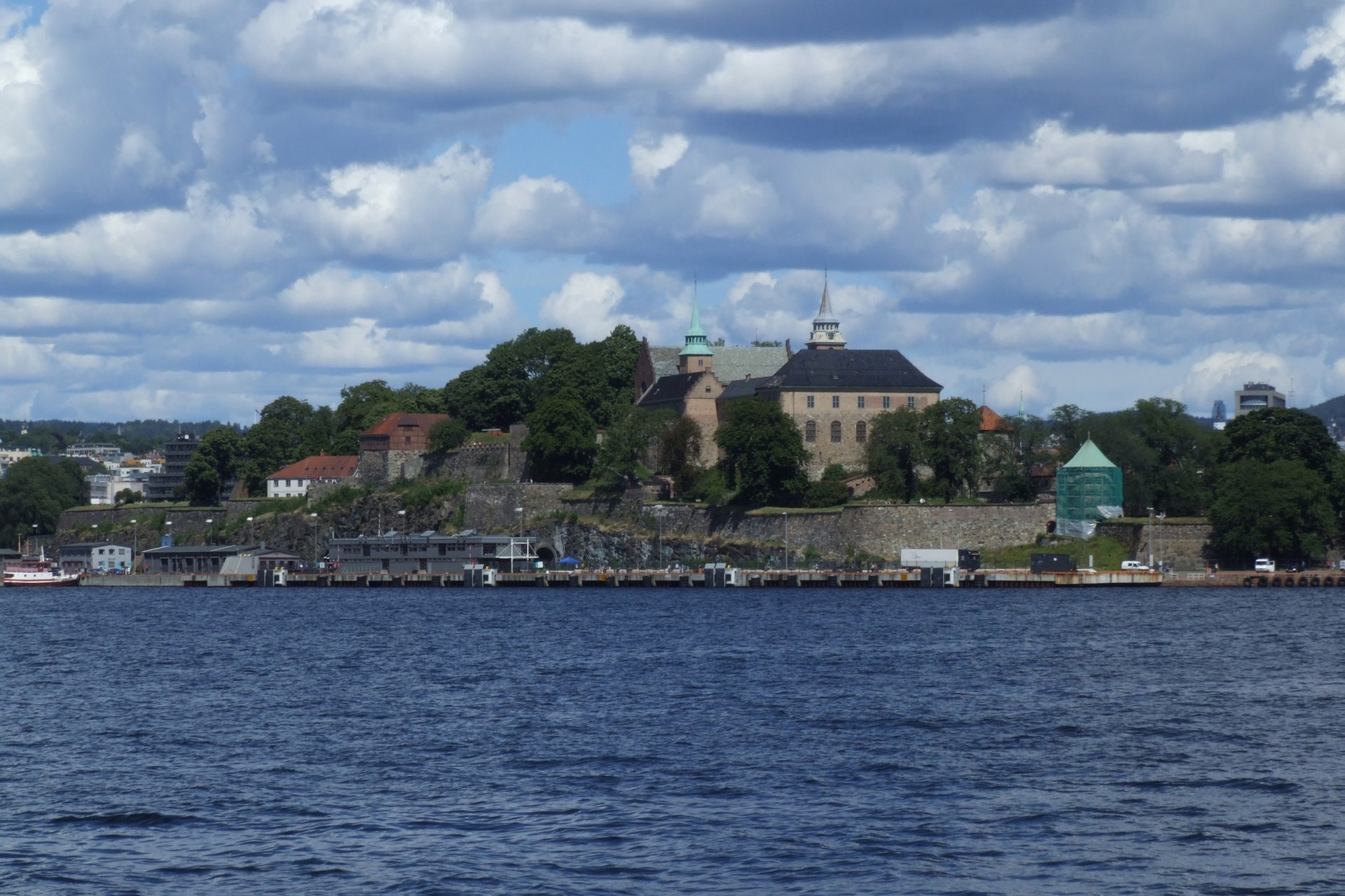
English monks from Kirkstead Abbey in Lincolnshire founded a Cistercian monastery here on May 18, 1147. Twelve monks and an abbot named Philippus crossed the North Sea and built what became one of the richest religious institutions in Norway, holding over four hundred properties including fisheries and timber yards. It lasted almost four centuries. Then the abbot backed the wrong king in a succession dispute, and in April 1532 the military commander at Akershus Fortress had him imprisoned, looted the monastery, and burned it. Much of the stonework was later cannibalized to expand Akershus Fortress itself — so when you visit the fortress, you're partly looking at Hovedøya.
The ruins that survive are among the most complete medieval monastery remains in Norway, excavated by architect Gerhard Fischer between 1930 and 1938. But the island's story goes further back. Geology here spans nearly half a billion years — the oldest rocks date to the late Ordovician period. The soil is unusually fertile for the Oslo area, which has given Hovedøya the highest biodiversity for its size in Norway, including plant species found nowhere else in the country.
Two cannon batteries were built in 1808 during the Napoleonic Wars to defend Oslo. The island was also used for weapons testing by Ole Herman Johannes Krag, co-inventor of the famous Krag-Jørgensen rifle. Take the ferry from Aker Brygge, bring a picnic, swim off the rocks, and wander through ruins that predate most European cathedrals.
Verified Facts
A Cistercian monastery was founded here on 18 May 1147 by monks from Kirkstead Abbey in Lincolnshire, England
The island is 0.4 sq km with a population of 5 people and the highest biodiversity for its size in Norway
Monastery stonework was cannibalized in the 17th century to expand Akershus Fortress
Cannon batteries were built in 1808 during the Napoleonic Wars, and Ole Krag tested the Krag-Jørgensen rifle here
Get walking directions
Hovedøya, Gamle Oslo, Oslo, 0150, Norway