Spain's second-most important art museum — after the Prado — is housed in a former convent that is itself a work of art. The Convento de la Merced was built in the seventeenth century and converted to a museum in 1841 after the church confiscations that dissolved many of Spain's religious orders. The building's courtyards, tiled cloisters, and Baroque chapel provide a setting that makes most purpose-built museums look sterile by comparison.
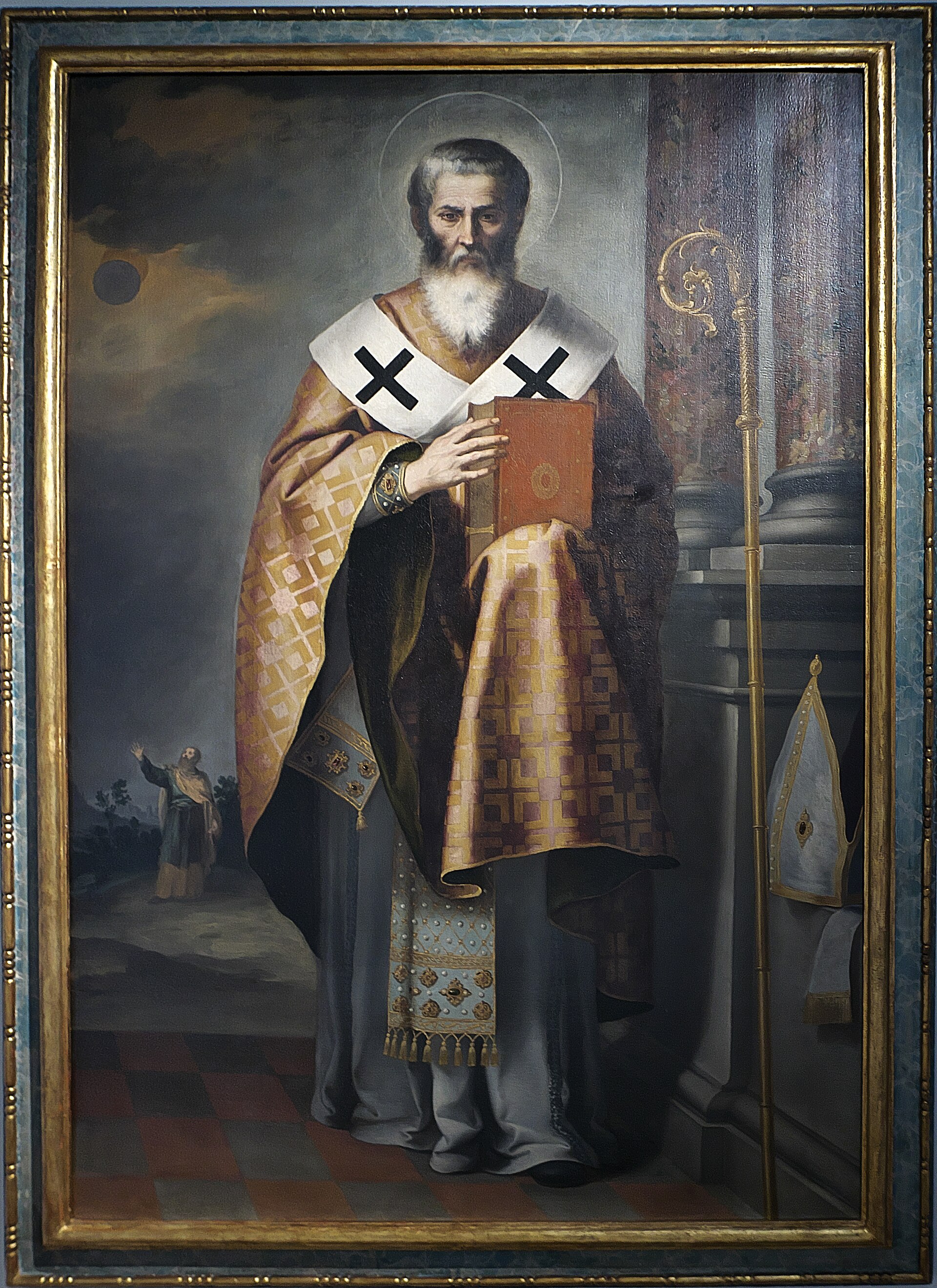
The collection is a deep dive into the Seville School of painting, the artistic movement that made this city one of the most important centers of European art in the seventeenth century. Bartolome Esteban Murillo dominates several rooms — his tender Madonnas and unflinching portraits of street children defined how the world imagined Seville for centuries. The museum holds the largest collection of Murillo works in the world, including the monumental "Immaculate Conception" that hangs in the former church nave.
But Murillo is only part of the story. Francisco de Zurbaran's austere, dramatically lit paintings of monks and saints fill another gallery, and Juan de Valdes Leal's graphic depictions of death and vanity — the same artist whose work shocks visitors at the Hospital de la Caridad — appear here too. Earlier rooms cover medieval and Renaissance Sevillian art, while the upper floors move into the modern era with works by Gonzalo Bilbao and other Andalusian painters.
The museum sits on the quiet Plaza del Museo, fronted by a bronze statue of Murillo and surrounded by orange trees. Entry is free for EU citizens and remarkably cheap for everyone else. Despite this, the galleries are often nearly empty, which means you can stand alone in front of a Murillo and take as long as you want — a luxury that the Prado will never offer.
Verified Facts
Considered Spain's second-most important art museum after the Prado, housed in the 17th-century Convento de la Merced
The museum holds the largest collection of Murillo paintings in the world
The convent was converted to a museum in 1841 following the dissolution of Spanish religious orders
Entry is free for EU citizens
Get walking directions
9 Plaza del Museo, Casco Antiguo, Seville, 41001, Spain