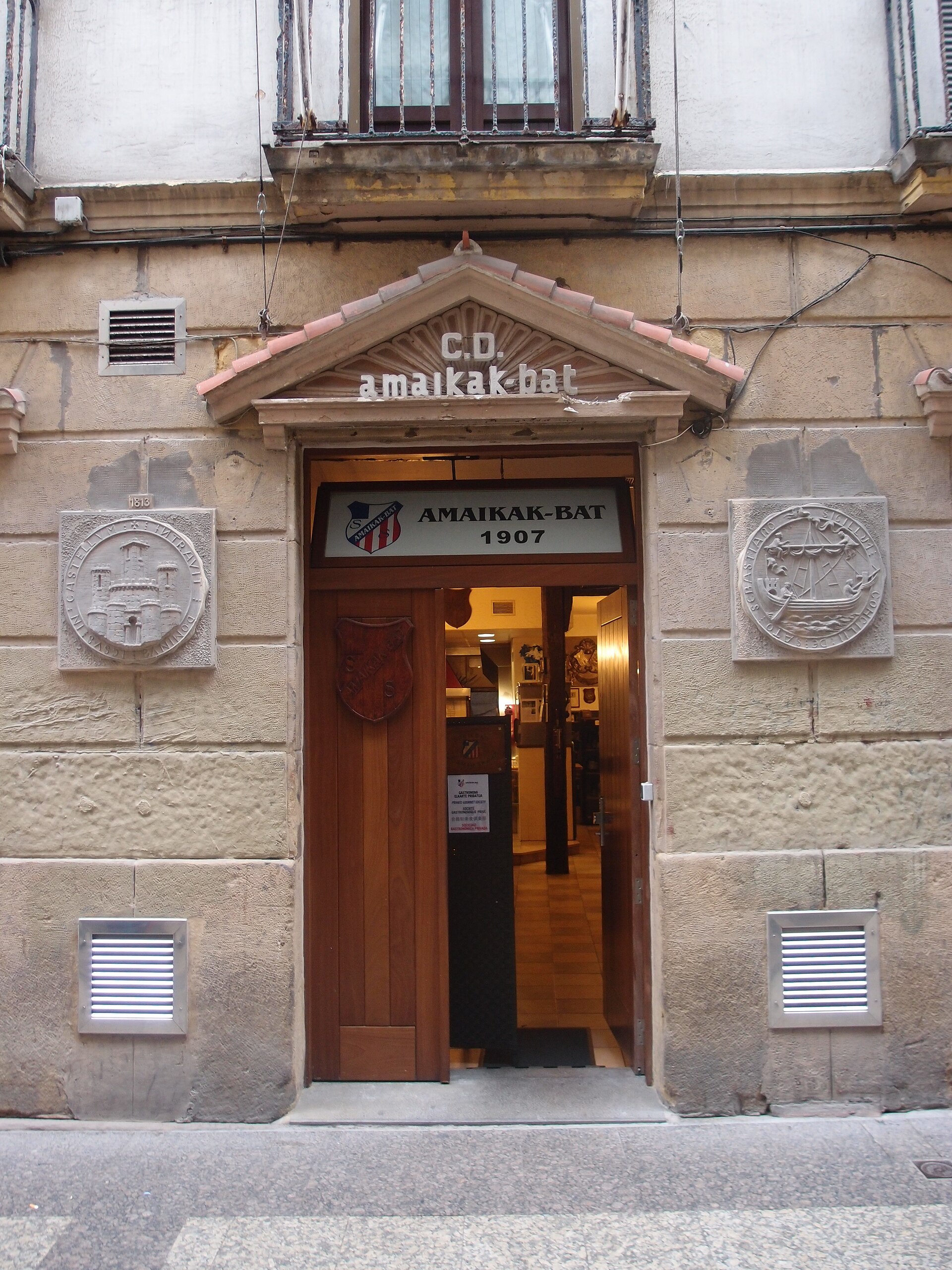
Behind unmarked doors all over the Old Town, members-only cooking clubs have been operating for over a hundred and fifty years. You have probably walked past several of them already without knowing it. There are no signs. No menus in the window. Just a door and, if you are lucky, the sound of laughter and the smell of frying peppers leaking out.
They are called sociedades gastronomicas, or txokos in Basque, and there are one thousand five hundred and fifty-two of them across the Basque Country, with over thirty-two thousand members. Seven hundred and eighty-five are in the province of Gipuzkoa alone. Each one is a private club where members have keys, buy their own ingredients, cook communal meals, and split the costs. The kitchen is shared. The recipes are guarded.
The origin story is genuinely wild. The first society was called La Fraternal, founded by Freemasons in the mid-nineteenth century at number eleven Calle Puyuelo -- now Calle Fermin Calbeton -- right here in the Parte Vieja. It was described as a society for eating and singing. When La Fraternal burned down, the surviving members founded the Union Artesana on May fourteenth, eighteen seventy, making it the oldest continuously active gastronomic society in the Basque Country. Seventy-six Freemasons signed the founding charter.
Under Franco's dictatorship, the societies took on a different role entirely. They became some of the few spaces where people could speak Basque and sing Basque songs without state surveillance. The cooking clubs doubled as quiet resistance cells for preserving a forbidden language and culture.
Originally these societies were strictly men-only -- women could not even enter the building. Many have now opened their doors to women, though some still restrict kitchen access. The tradition is evolving, but the core remains: people gathering behind closed doors to cook, eat, and be Basque together.
Verified Facts
The first society, La Fraternal, was a Freemason organization in the Parte Vieja, mid-19th century, described as a society for 'eating and singing'
There are 1,552 gastronomic societies in the Basque Country with over 32,000 members; 785 in Gipuzkoa alone
Under Franco's dictatorship, the societies became spaces where people could speak Basque without state surveillance
Originally strictly men-only; many now admit women, though some still restrict kitchen access
The oldest active society, Union Artesana, was founded May 14, 1870 by 76 Freemasons after La Fraternal burned down
Get walking directions
Donostia / San Sebastián, Spain
More in San Sebastián
View all →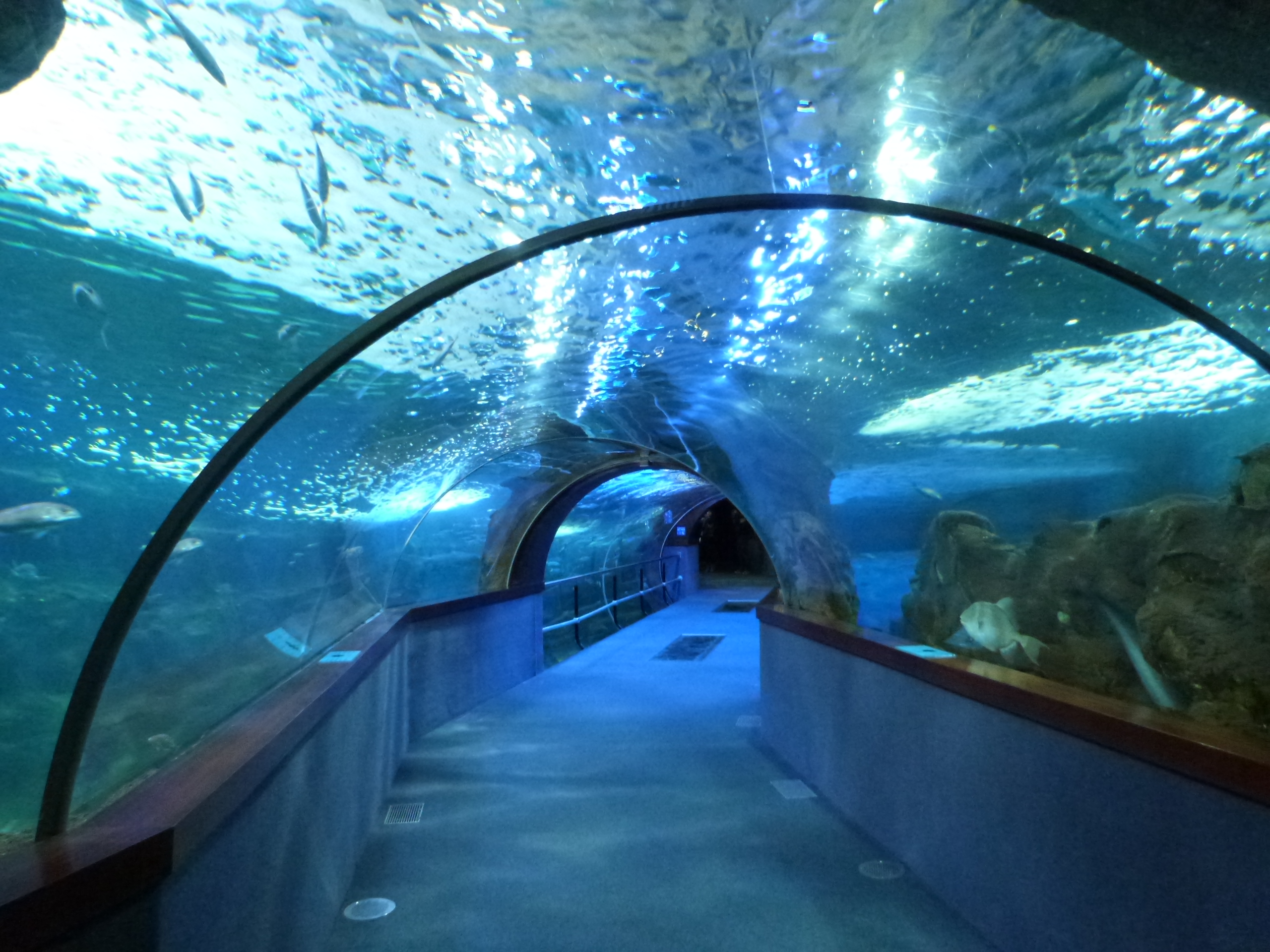
Aquarium Donostia (Palacio del Mar)
1 Plaza de Carlos Blasco Imaz, Plaza de Carlos Blasco Imaz, Donostia / San Sebastián, 20003, Spain
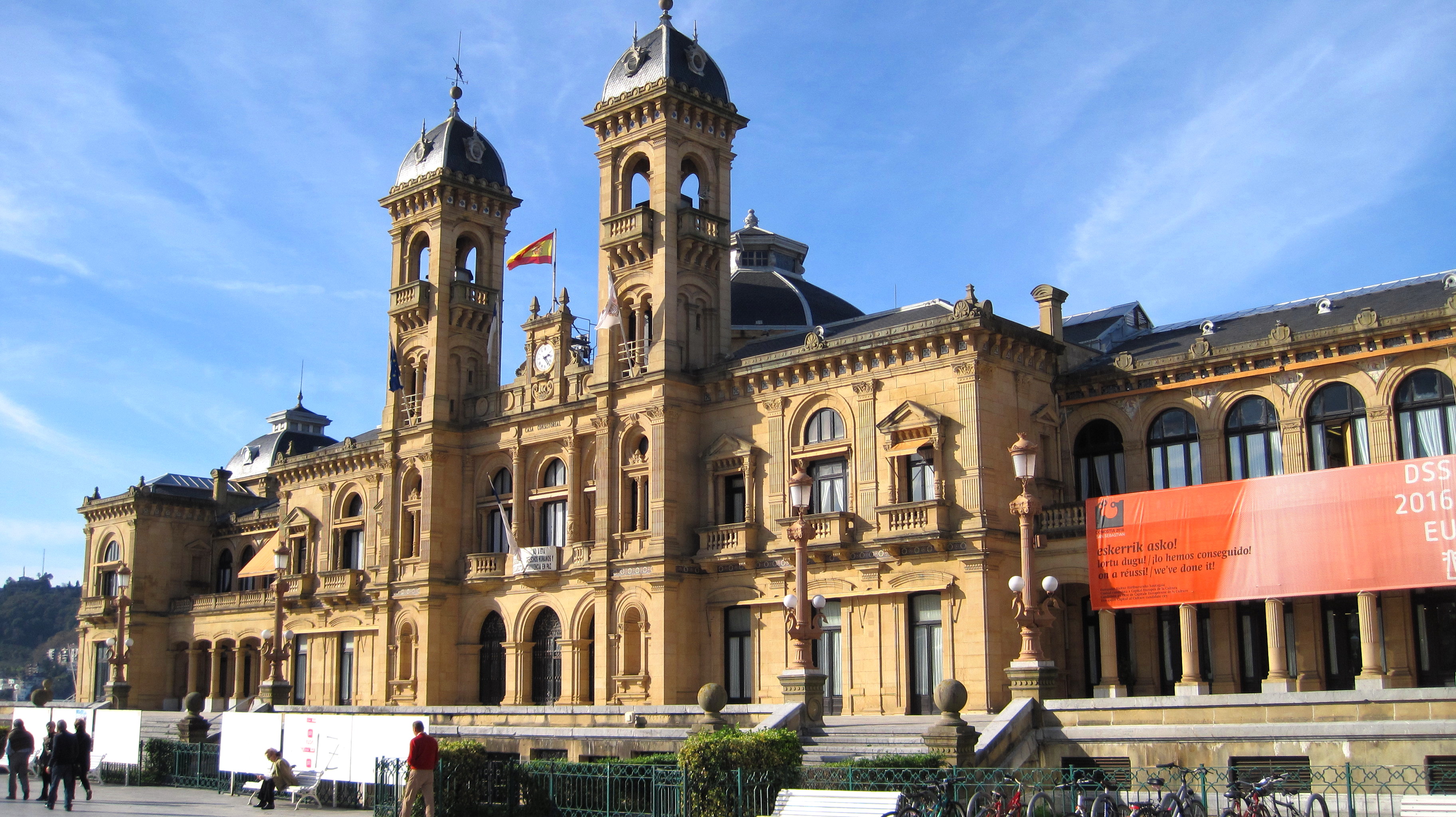
Ayuntamiento (City Hall / Former Casino)
1 Ijentea Kalea, Centro, Donostia / San Sebastián, 20003, Spain
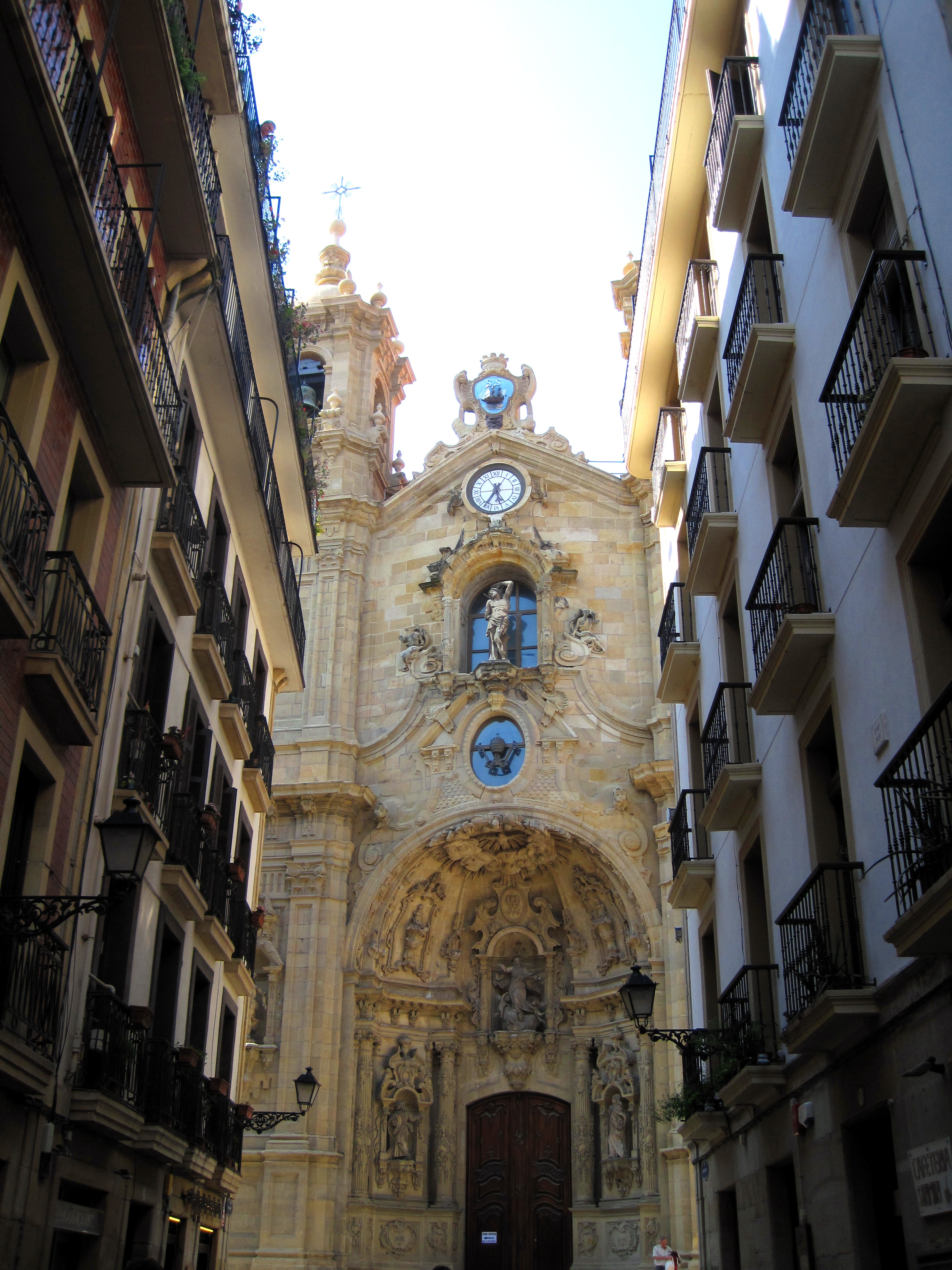
Basilica de Santa Maria del Coro
46 Abuztuaren 31 Kalea, Centro, Donostia / San Sebastián, 20003, Spain