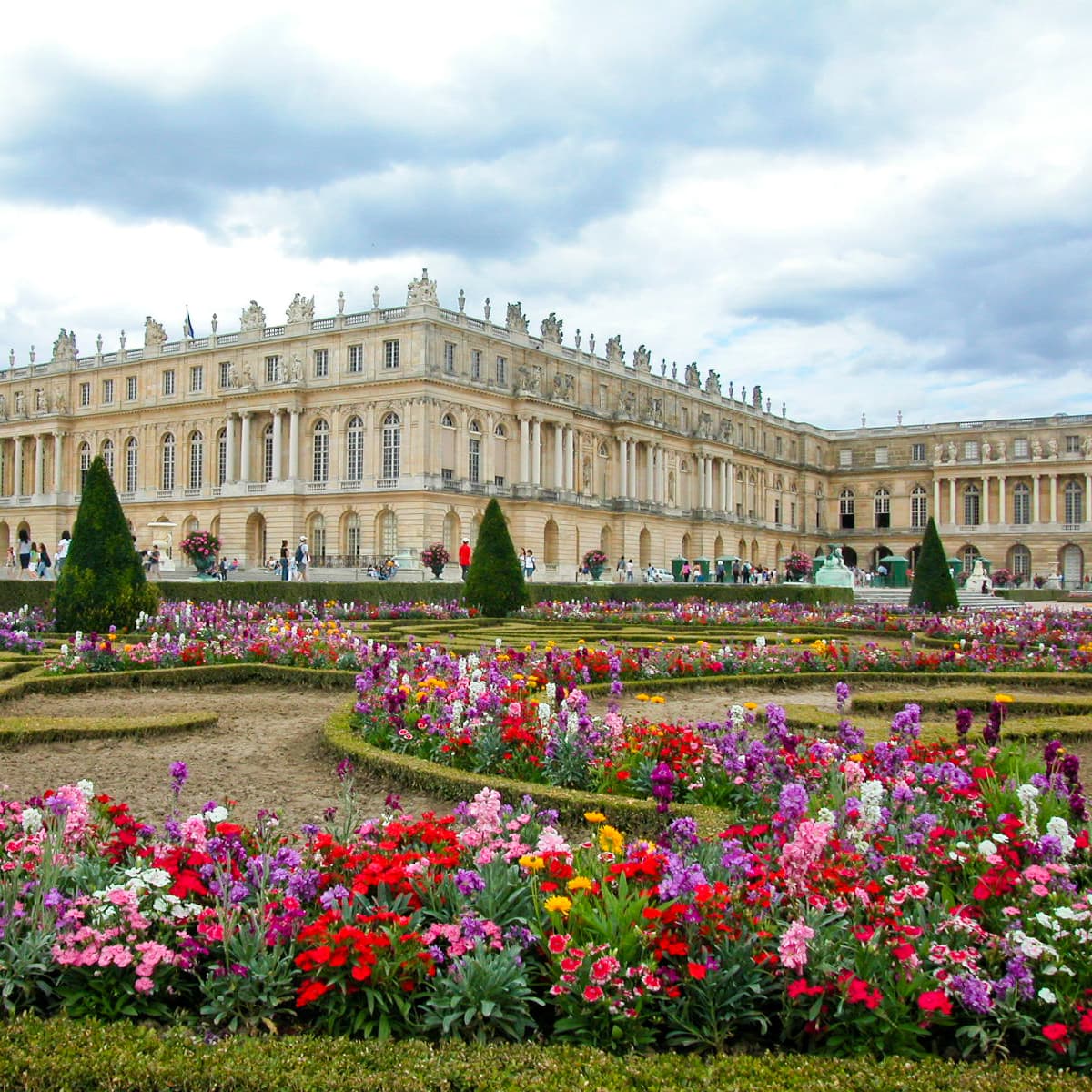
Louis XIV built this palace for one very clear reason: control. By moving the entire French court to a former hunting lodge in the countryside, he trapped thousands of nobles in an elaborate social game where proximity to the king was the only currency that mattered. If you wanted power, you had to be at Versailles. If you were at Versailles, the king could watch you.
The numbers are obscene. 2,300 rooms. 67 staircases. 1,400 fountains in the gardens. The Hall of Mirrors alone has 357 mirrors — at a time when large mirrors were more expensive than equivalent-sized paintings. The hall was a calculated display of French manufacturing superiority, since Venice had held a near-monopoly on mirror production. Louis poached Venetian glassmakers and built his own mirror factory, and Venice reportedly sent agents to poison them.
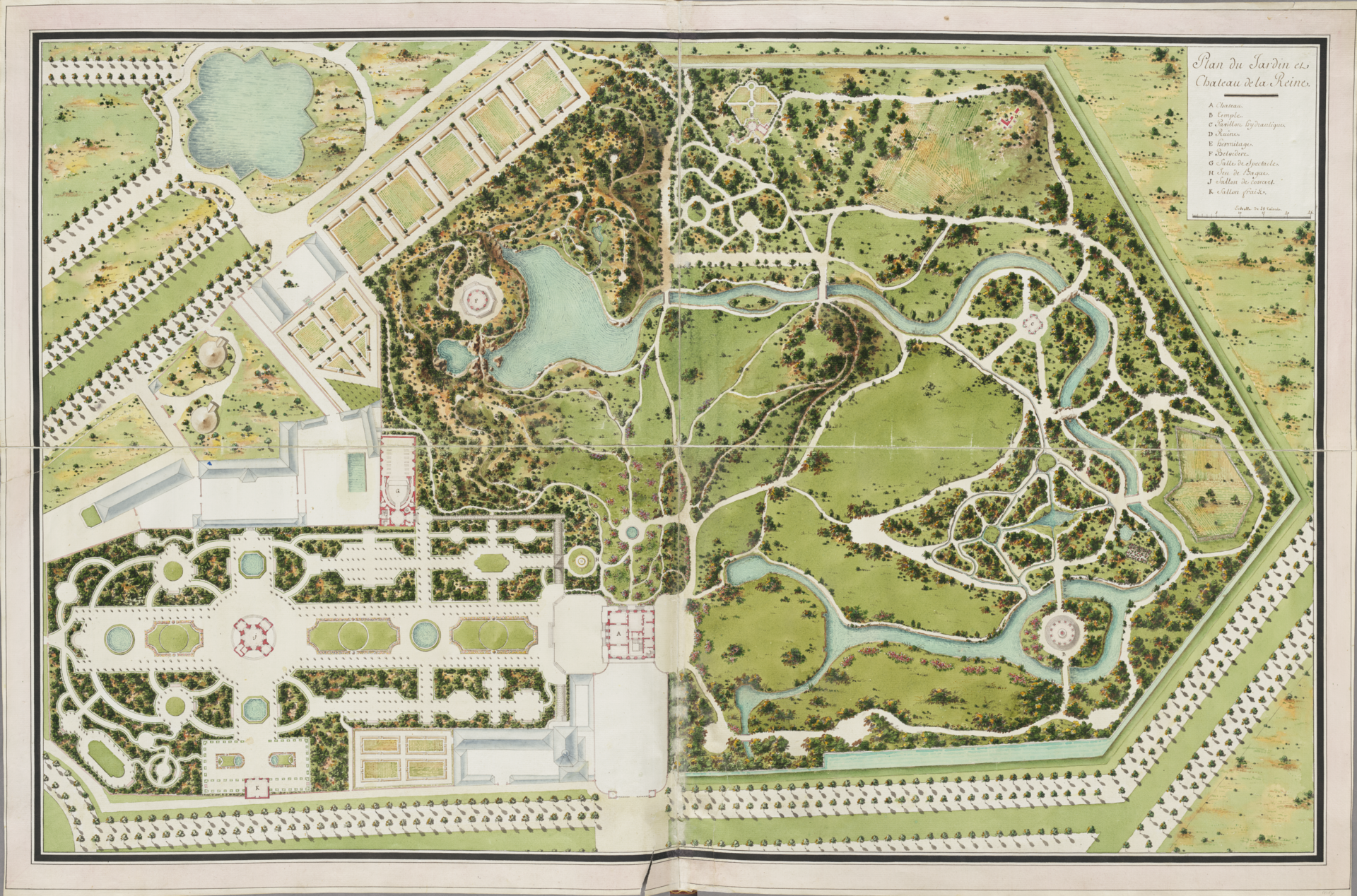
The gardens took forty years to complete. André Le Nôtre moved entire forests, rerouted a river, and employed 36,000 workers — more than built the palace itself. The orangery holds over 1,000 orange trees, some of them over 200 years old, wheeled outside in summer and kept in the vast heated greenhouse through winter.
Marie Antoinette never said "Let them eat cake" — that quote predates her by at least a century. But she did build herself a fake peasant village in the gardens, the Hameau de la Reine, complete with a working dairy and a farmer's cottage where she could pretend to be a milkmaid. When the revolutionary mob marched on Versailles in October 1789, she was reportedly in the Hameau. The Treaty of Versailles ending World War I was deliberately signed in the Hall of Mirrors in 1919 — in the exact room where the German Empire had been proclaimed in 1871.
Verified Facts
The Hall of Mirrors contains 357 mirrors and was designed to showcase French mirror-manufacturing capability against Venice's monopoly
The Palace of Versailles has 2,300 rooms, 67 staircases, and the gardens contain 1,400 fountains
The Treaty of Versailles was signed in the Hall of Mirrors on June 28, 1919, in the same room where the German Empire was proclaimed in 1871
Marie Antoinette built the Hameau de la Reine, a model village in the gardens, complete with a working dairy
André Le Nôtre's garden design employed approximately 36,000 workers over four decades
Get walking directions
Allée des Dames, 16th Arr., Paris, France