11 stops
GPS-guided
3.1 km
Walking
1 hour 10 minutes
Duration
Free
No tickets
About this tour
Cross the bridge to the real Florence — plague-era wine windows, an arsenic murder in a palazzo, teenage Michelangelo's crucifix, and Gregorian chant at sunset on the hill.
11 stops on this tour
Ponte Vecchio South
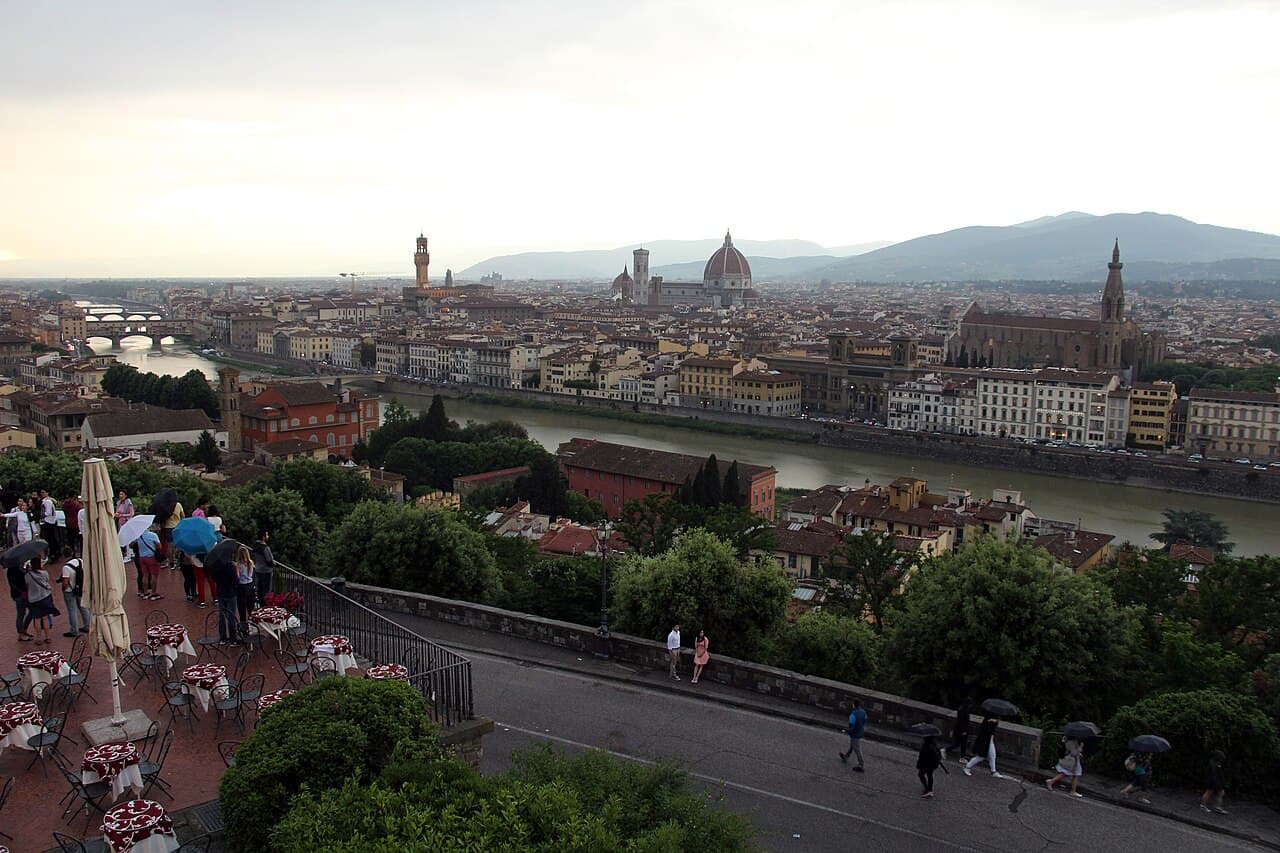
You've just crossed to the south side of the Ponte Vecchio, and I want you to stop right here, turn around, and look back the way you came. See those tiny glittering shop windows lining both sides of the bridge? Goldsmiths and jewellers, every single one. It's been that way since fifteen ninety-three, when Grand Duke Ferdinando the First kicked out the butchers and tanners who'd been here for over a hundred and fifty years. The smell was the problem. These guys were tossing animal guts straight into the Arno, and Ferdinando had just built himself an elevated corridor directly above their heads. Imagine walking to work every morning through a cloud of rotting offal. He issued a decree: butchers out, jewellers in. And the decree still holds, over four centuries later.
That corridor overhead is the Vasari Corridor — the enclosed passageway that runs from the Uffizi to the Palazzo Pitti on this side of the river. Giorgio Vasari built the whole thing in just five months in fifteen sixty-five, roughly seven hundred and sixty metres of it, so that Cosimo the First de Medici could walk between his offices and his home without ever setting foot among the common folk. When the corridor reached the south end of the bridge, it hit a problem: the Mannelli family tower was in the way, and the Mannellis flat-out refused to let anyone demolish it. Even the most powerful duke in Tuscany couldn't budge them. So Vasari built the corridor on brackets around the tower instead. You can still see that awkward little detour if you look up to your right.
Read more...Show less
Now, the bridge itself. The current structure dates to thirteen forty-five, designed — probably — by Neri di Fioravanti, though Vasari credited his old favourite Taddeo Gaddi. It replaced an earlier bridge that the Arno destroyed in a flood. And here's the fact that always gets me: on the night of August the third, nineteen forty-four, retreating Nazi forces blew up every single bridge in Florence — except this one. A plaque on the bridge credits German consul Gerhard Wolf with convincing Field Marshal Kesselring to spare it, though historians still argue over the details. The Nazis did destroy the medieval buildings on both approaches to block the road instead, which is why the blocks on either end look newer than the bridge itself.
Before we walk on, glance down at the river. If it's a calm day, the Arno looks almost gentle. But in November nineteen sixty-six, it rose six metres above its banks and sent six hundred thousand tonnes of mud crashing through these streets. We'll see the flood markers later.
Right, let's head into the Oltrarno proper. Walk off the bridge and take the first left onto Borgo San Jacopo. Keep the river on your left.
Borgo San Jacopo / Wine Windows
You're on Borgo San Jacopo, one of the oldest streets on this side of the Arno. It's narrow, it's a bit rough around the edges, and it doesn't get the tourist crowds. Which is exactly why I love it. Look at the stone facades around you — medieval tower houses, some of them eight hundred years old, squeezed together like commuters on a rush-hour tram.
Now, here's what I need you to do. As you walk, look at the ground-floor walls of the buildings on your right. You're hunting for something small — a little arched opening in the stone, roughly the size of a wine bottle. It might be bricked up, it might still have a tiny wooden shutter. Found one? That, my friend, is a buchetta del vino — a wine window. And it might be the most charming piece of Florentine history you've never heard of.
Read more...Show less
Here's the story. In fifteen fifty-nine, Grand Duke Cosimo the First decreed that noble families could sell wine directly from their palazzi. Tax dodge? Absolutely. But it also meant that regular Florentines could walk up to a palace wall, knock on a little hatch, and buy a flask of Chianti without ever stepping inside. The winemaker passed the bottle through the window, the buyer passed coins back. Simple, elegant, and slightly sneaky.
But these windows really came into their own during the plague of sixteen thirty. A document from sixteen thirty-four describes how wine sellers installed little tin spouts with funnels at the hatch, so the customer's flask never touched the seller's hands. Payment was collected with a copper scoop and the coins were dropped straight into vinegar to disinfect them. Contactless payment, Florentine style, about four hundred years before anyone tapped a phone on a card reader.
The Associazione Buchette del Vino has documented over a hundred and fifty of these windows across Florence, many of them right here in the Oltrarno. During the two thousand and twenty pandemic, a few enterprising bars actually reopened their wine windows — because, well, history rhymes.
If you're hungry already — and this is the Oltrarno, so you should be — Trattoria la Casalinga is a short walk from here, on Via dei Michelozzi. It's been open since nineteen fifty-three and the ribollita, that thick Tuscan bread soup, is the real deal. Get there early for dinner; it fills up fast.
Keep walking along Borgo San Jacopo until it meets Via Maggio. Turn right. You're looking for number twenty-six.
Via Maggio / Bianca Cappello House
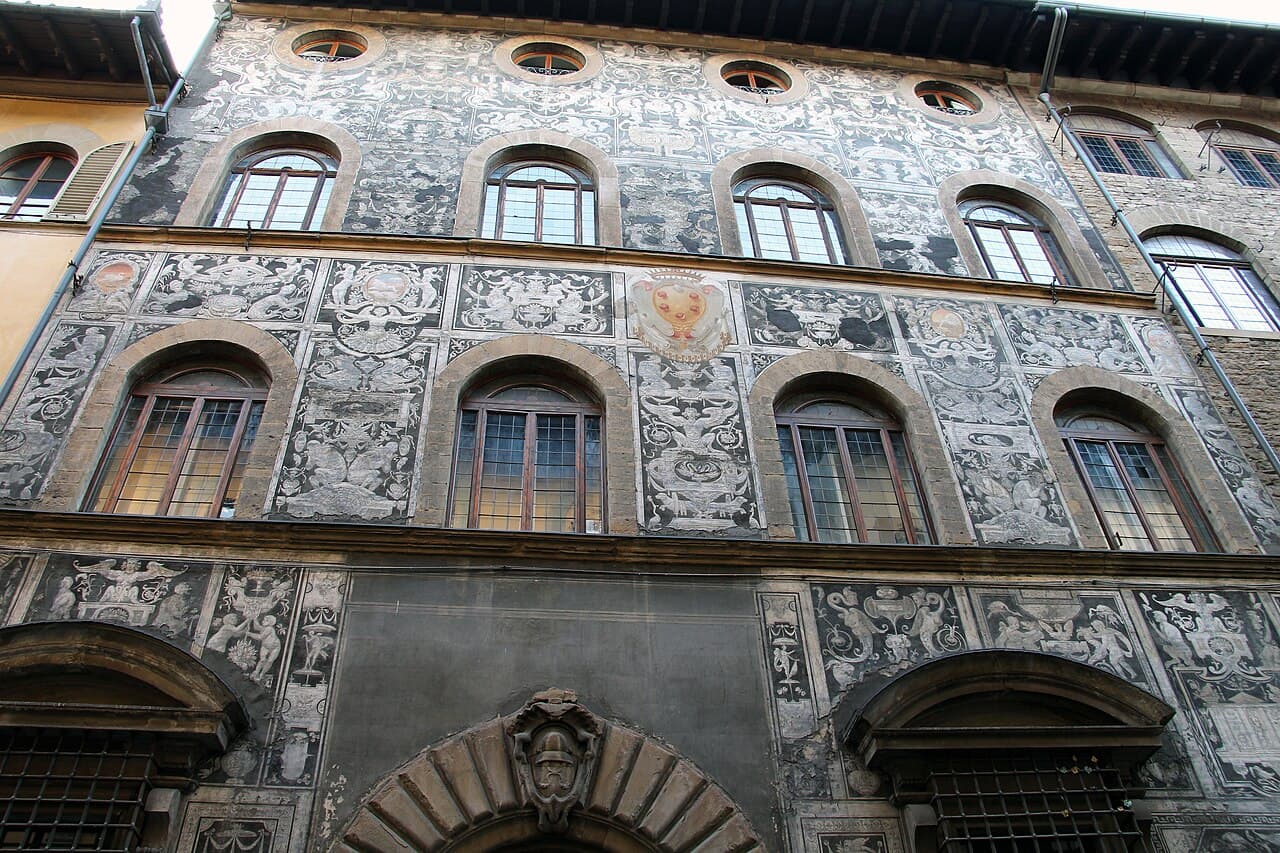
Stop at number twenty-six Via Maggio and look up at the facade. See those elaborate sgraffito decorations — the swirling patterns scratched into the plaster? They were painted by Bernardino Poccetti between fifteen seventy-nine and fifteen eighty, and they're the calling card of one of the most scandalous women in Florentine history: Bianca Cappello.
Bianca was a Venetian noblewoman who, at fifteen, eloped with a Florentine bank clerk named Pietro Bonaventuri. Her furious family put a price on her head, and the young couple fled to Florence. But Bianca was dazzling — and she caught the eye of the one man in the city who could protect her: Francesco the First de Medici, Grand Duke of Tuscany. This palazzo, refurbished between fifteen seventy and fifteen seventy-four by the brilliant architect Bernardo Buontalenti, was bought specifically so the two lovers could meet in secret. And here's the detail: an underground passage connected this house directly to Palazzo Pitti, just a few hundred metres away. Francesco could slip out of his official residence and appear in Bianca's drawing room without anyone on the street being the wiser.
Read more...Show less
There was, of course, a problem. Both of them were already married. Francesco's wife was Joanna of Austria, daughter of the Holy Roman Emperor. Bianca's husband Pietro was conveniently murdered in the street in fifteen seventy-two — almost certainly on Francesco's orders. Joanna fell down a staircase in fifteen seventy-eight and died. Both widowed, Francesco and Bianca finally married in fifteen seventy-nine.
But here's where it turns dark. Francesco's brother, Cardinal Ferdinando, despised Bianca. He saw her as a scheming outsider who might produce a fake heir and block his path to the throne. In October fifteen eighty-seven, Francesco and Bianca were staying at the Medici villa in Poggio a Caiano, about thirty kilometres west of Florence. Ferdinando was there too. Both Francesco and Bianca fell violently ill and died within hours of each other — Francesco on October the nineteenth, Bianca roughly eleven hours later. For centuries, people whispered arsenic. In two thousand and six, scientists from the University of Florence tested tissue samples and found arsenic concentrations consistent with acute poisoning. It was likely murder. Ferdinando became Grand Duke the same week.
Imagine standing here in fifteen eighty, watching Bianca's sedan chair arrive at this door, knowing the grand duke was already inside, knowing the cardinal was counting the days.
Alright. Continue south on Via Maggio. It becomes a wide street lined with antique shops and galleries — this has been Florence's antiques row since the Renaissance. At the bottom, turn right and you'll emerge into one of the most beautiful piazzas in the city.
Piazza Santo Spirito
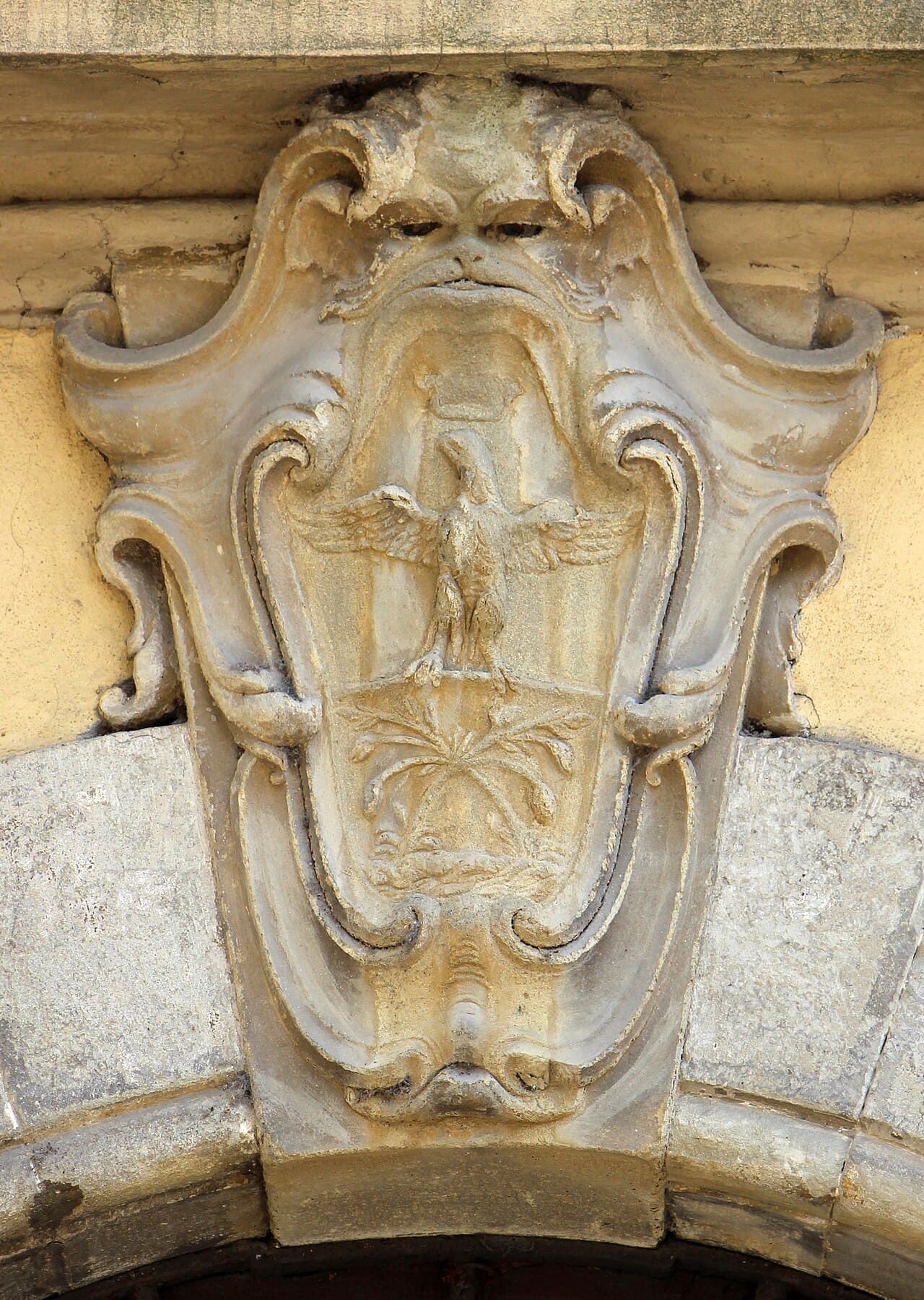
Welcome to Piazza Santo Spirito, the living room of the Oltrarno. If the north side of the Arno is Florence's showroom — the Duomo, the Uffizi, the selfie sticks — then this square is where the city actually lives. Look around you. Students sprawled on the church steps, old guys arguing over espressos, dogs chasing pigeons, somebody's nonna shaking a tablecloth out a window. This is it. This is the real Florence.
The church in front of you — with its famously blank facade — is the Basilica di Santo Spirito, and it's one of the last buildings designed by Filippo Brunelleschi, the genius who figured out how to put a dome on the cathedral without it collapsing. He started work on this church in fourteen thirty-four, but he died in fourteen forty-six before it was finished, and it wasn't consecrated until fourteen eighty-one. His plan was radical: a perfect Latin cross with forty semicircular chapels flowing around the entire perimeter, creating a continuous undulating wall. It was meant to be visible from the outside, giving the church a rippling, almost organic exterior. But after his death, the builders chickened out and slapped a flat wall over the whole thing. The facade was never finished. What you see is literally bare plaster. Brunelleschi would have been furious.
Read more...Show less
But step inside — it's usually open mornings and afternoons — and you'll see his vision intact. Thirty-five slender grey columns marching in perfect rhythm, every proportion calculated to the centimetre. It's pure Renaissance: calm, ordered, mathematical. And then, in the sacristy off the left aisle, you'll find something extraordinary. A small wooden crucifix, roughly life-size, carved by a teenager named Michelangelo Buonarroti.
After the death of his patron Lorenzo de Medici in fourteen ninety-two, the seventeen-year-old Michelangelo was taken in by the Augustinian monks here at Santo Spirito. The prior gave him a room and — crucially — access to the convent hospital's morgue, where Michelangelo could dissect corpses to study anatomy. In return, he carved this crucifix for the church's high altar. It was lost for centuries, buried under layers of paint, until German art historian Margrit Lisner rediscovered it in nineteen sixty-two hanging forgotten in a corridor. When medical professionals examined it, they determined it was an anatomically accurate depiction of a dead youth of about fourteen years old. This from a teenager who was learning how bodies worked by cutting them open at night. Extraordinary.
For food, you're spoiled here. Gusta Pizza, just off the piazza on Via Maggio, does some of the best pizza in Florence — expect a queue, but it moves fast and it's worth every minute. Grab a margherita and eat it on the church steps like a local. Or if you want a proper sit-down, Osteria Santo Spirito right on the square does excellent pasta.
When you're done, face the church and exit the piazza to the right. Head south along Via dei Michelozzi, then turn left onto Sdrucciolo de Pitti. You'll see it before you believe it.
Palazzo Pitti
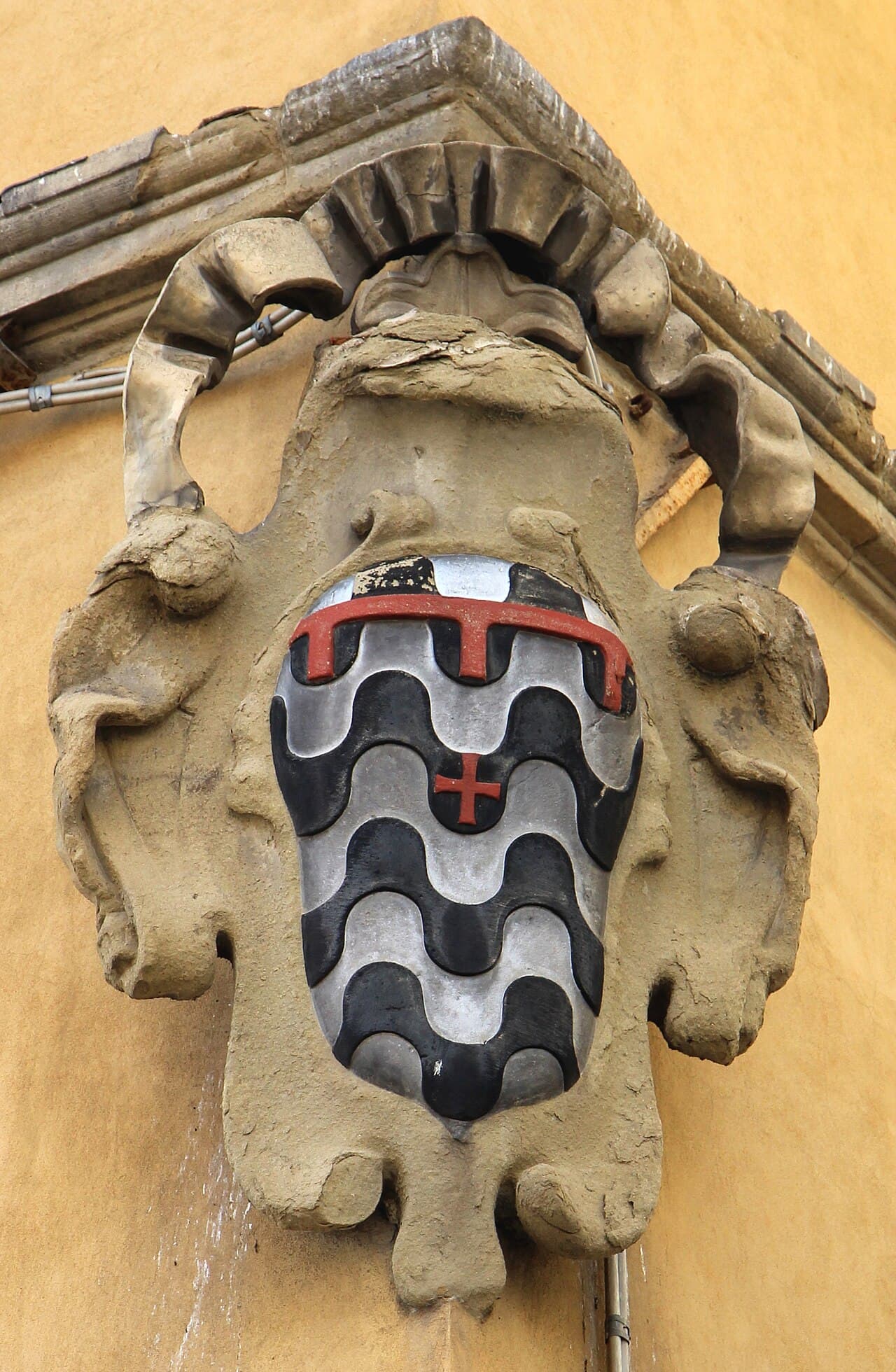
Okay, I need you to look at this building. Really look at it. The facade of Palazzo Pitti stretches two hundred and five metres across the piazza — that's longer than two football pitches, side by side. Three storeys of massive rusticated stone, each floor over ten metres high, the windows so enormous they could swallow the front door of the Palazzo Medici on the other side of the river. And that was entirely the point.
This palace was commissioned in fourteen fifty-eight by Luca Pitti, a Florentine banker who was absolutely, consumingly jealous of the Medici. Luca wanted a house that would make the Medici palazzo look like a garden shed. According to the gossip — and this is the kind of gossip that sticks — he specifically ordered that his windows be bigger than the Medici's front door. The original plan was just the central section, seven windows across, but the ambition was clear from the start: this would be the largest private residence in the world.
Read more...Show less
But here's the twist. Luca Pitti was riding on the Medici's coat-tails the entire time. He was a political ally of Cosimo de Medici, and when Cosimo died in fourteen sixty-four, Luca's luck ran out. He joined a conspiracy against Cosimo's son Piero and got caught. His political power evaporated, his money dried up, and the palace was left unfinished. He died in fourteen seventy-two, bankrupt.
Guess who bought the place? The Medici, of course. In fifteen forty-nine, Eleonora di Toledo, wife of Grand Duke Cosimo the First, purchased the incomplete palazzo and turned it into the official ducal residence. The architect Bartolomeo Ammannati expanded it massively, adding the courtyard and the wings. Over the next three centuries, every ruling dynasty in Tuscany lived here — the Medici, the House of Lorraine, and briefly, when Florence was capital of unified Italy from eighteen sixty-five to eighteen seventy-one, even the Italian royal family. Napoleon used it as his Florence base too.
Today it houses five separate museums, including the Palatine Gallery — one of the greatest collections of Raphael and Titian paintings anywhere in Europe. If you only have an hour, go straight to the Palatine and find Raphael's Madonna of the Chair. It's a circular painting of the Virgin Mary that feels so intimate, so warm, you'll forget it was painted five hundred years ago.
But right now, we're heading behind the palace. Walk around to the left side and follow the signs to the Boboli Gardens entrance.
Boboli Gardens Entrance
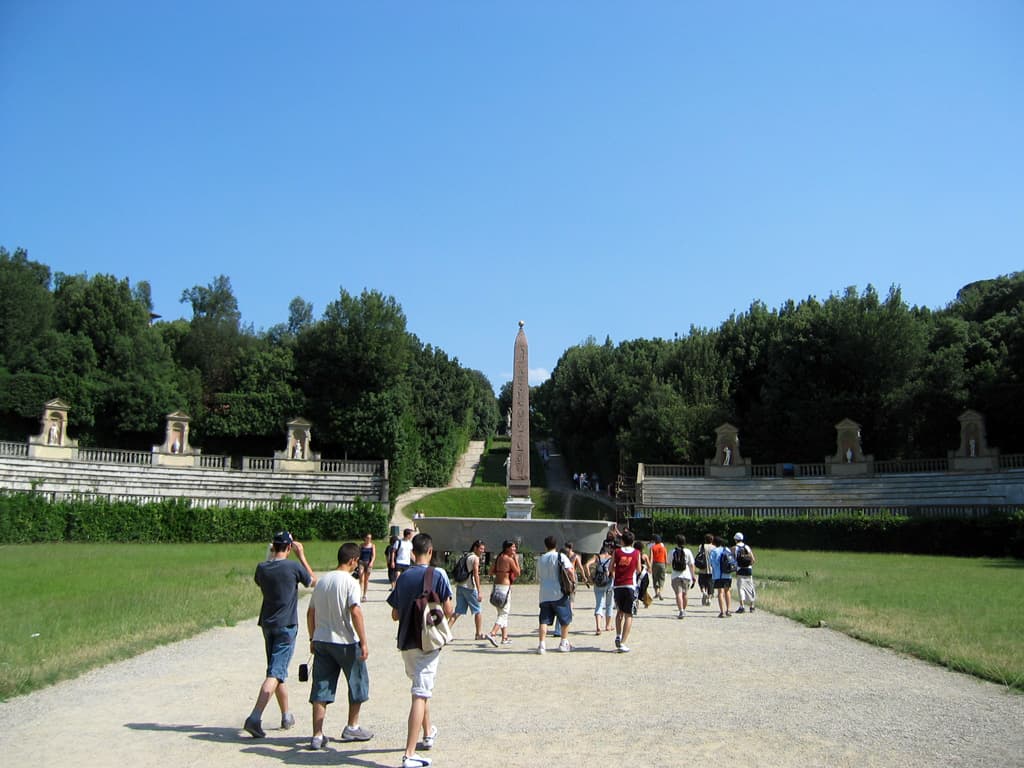
You're standing at the entrance to one of the most important gardens in the history of Western civilisation. That sounds like hyperbole. It isn't. The Boboli Gardens, covering roughly forty-five hectares — that's about a hundred and eleven acres — behind Palazzo Pitti, essentially invented the template for the formal Italian garden. Versailles? Inspired by Boboli. The gardens at Hampton Court, Schoenbrunn in Vienna, the Royal Palace of Caserta? All descendants of what the Medici built on this hillside.
The story begins in fifteen forty-nine, when Eleonora di Toledo bought the palazzo and immediately commissioned the sculptor and garden designer Niccolo Tribolo to transform the hill behind it. Tribolo died in fifteen fifty, barely a year into the work, and Bartolomeo Ammannati took over. What they created was revolutionary: a garden designed around a central axis climbing the hillside, with the natural bowl behind the palace carved into an amphitheatre. That amphitheatre originally had living green walls — clipped hedges forming the seating — before Giulio Parigi converted it to stone in sixteen thirty-one.
Read more...Show less
If you go inside — and I'd recommend it, especially on a warm afternoon — keep an eye out for the Buontalenti Grotto, near the entrance on the left. It was built between fifteen eighty-three and fifteen ninety-three, and it's gloriously bonkers: fake stalactites dripping from the ceiling, seashells embedded in the walls, water trickling down limestone to create an otherworldly shimmer. The original first chamber once held four of Michelangelo's unfinished Slave sculptures — the ones where human figures seem to be struggling to free themselves from raw marble. They were moved to the Accademia in nineteen twenty-four and replaced with casts, but imagine seeing those tortured figures in this dripping, candlelit cave. It must have been extraordinary.
The gardens were opened to the public in seventeen sixty-six by Grand Duke Peter Leopold, making them one of the earliest major public parks in Europe. Today you'll share the paths with joggers, picnickers, and the occasional art student sketching the Neptune Fountain.
For gelato — and you absolutely need gelato at this point — Gelateria della Passera is tucked into tiny Piazza della Passera, about a five-minute walk north of here. The pistachio is outstanding, and the owner Cinzia uses only seasonal ingredients. There's always a queue, which tells you everything.
Alright, we're not going into the gardens right now — save that for later. Instead, retrace your steps past the front of Palazzo Pitti and continue east. Follow Via Guicciardini until it meets Via de Bardi, then turn left.
Via de' Bardi
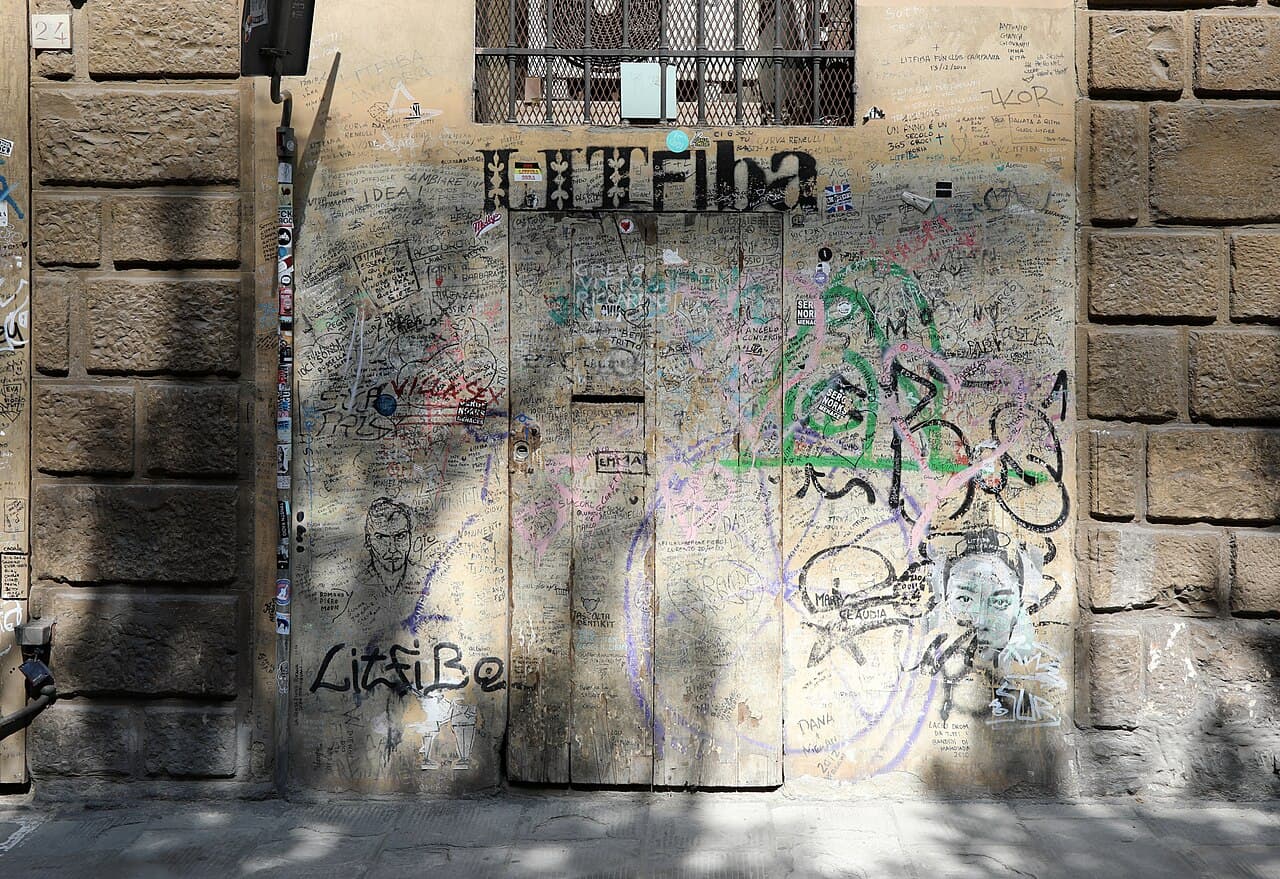
You're walking along Via de Bardi, and I want you to slow down and look up. See those massive stone structures rising above the roofline? Medieval tower houses, built in the twelfth and thirteenth centuries by the families who once ruled this side of the river like feudal lords. The Bardi family — who gave the street its name — were among the most powerful bankers in all of medieval Europe. In the early thirteen hundreds, they lent enormous sums to King Edward the Third of England to finance the Hundred Years' War. When Edward defaulted on the loans in thirteen forty-three, the Bardi bank collapsed, triggering a financial crisis that rippled across the continent. Think of it as Florence's very own Lehman Brothers moment, seven centuries early.
At number eighty-four Via de Bardi, look for the Mannelli Tower — that's the same stubborn family who refused to let the Medici demolish their tower to make way for the Vasari Corridor back at Ponte Vecchio. This tower is actually the only surviving corner tower of the four that once guarded the old bridge. Twelve hundred years of standing firm and saying no.
Read more...Show less
Now, look at the walls around you. If the light is right, you might spot faded watermarks or small plaques with dates on them. On November the fourth, nineteen sixty-six, the Arno burst its banks in the worst flood Florence had seen in over four centuries. The water hit Via de Bardi at five thirty in the morning. Within hours, this street was under several metres of brown, oily water mixed with heating fuel, sewage, and six hundred thousand tonnes of mud. Thirty-five people died across the city. Millions of artworks and manuscripts were damaged, including irreplaceable pieces in the Biblioteca Nazionale.
But then something remarkable happened. Thousands of young volunteers — mostly university students from all over Europe and beyond — descended on Florence with shovels, buckets, and bare hands. They waded through freezing mud to rescue waterlogged books and paintings. The Florentines called them the Angeli del Fango — the Mud Angels. It remains one of the greatest spontaneous volunteer efforts in modern history.
Imagine this street that morning: the silence before dawn, then the sound of rushing water, then chaos. And then, in the weeks that followed, the sound of young people singing while they shovelled mud. Florence has survived a lot. Plague, war, financial ruin, and the river itself. This street remembers all of it.
Keep walking east along Via de Bardi. It curves gently with the river. When you reach the small piazza where it meets Via di San Niccolo, you've arrived in my favourite corner of Florence.
San Niccolò Quarter
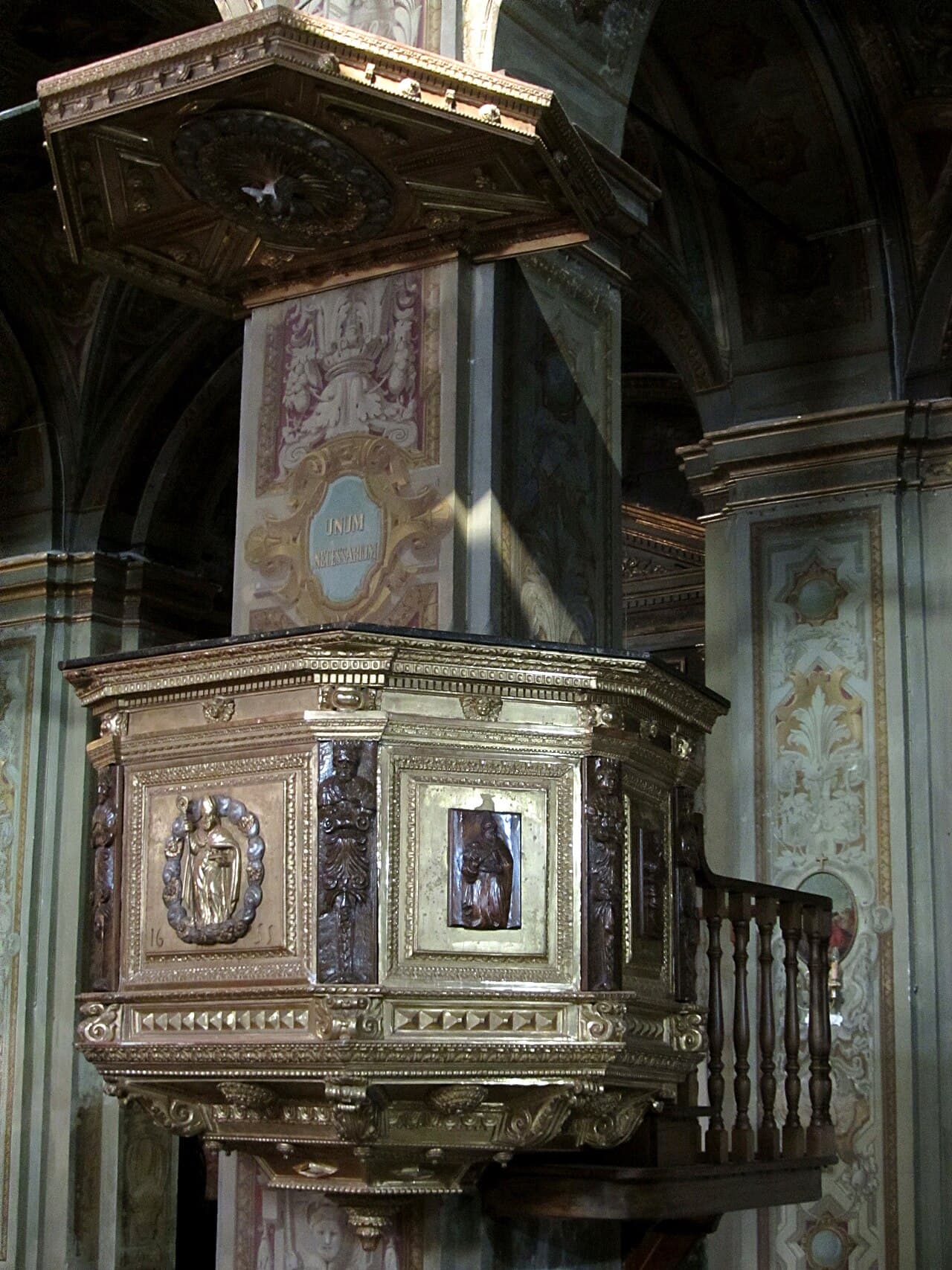
Welcome to San Niccolo, the neighbourhood that tourism forgot — in the best possible way. While a million people a year jostle for selfies on Ponte Vecchio, this little quarter hums along quietly with its leather workshops, its paper makers, its ceramicists, and its wine bars. If the rest of Florence is a museum, San Niccolo is a village that happens to exist inside a Renaissance city.
The name comes from the Church of San Niccolo Oltrarno, which dates back to the twelfth century and sits just up the street. But the neighbourhood's character was really shaped in twelve eighty-four, when the architect Arnolfo di Cambio was commissioned to build new walls enclosing the Oltrarno suburbs. For the first time, San Niccolo was officially inside the city, and it grew steadily over the next few centuries as artisans set up workshops to serve the Medici court at Palazzo Pitti.
Read more...Show less
That artisan tradition never really died. Wander down Via di San Niccolo and poke your head into the workshops — you'll find people hand-marbling paper using techniques from the fifteen hundreds, restoring antique furniture, and tooling leather the way their grandparents did. It's not a performance. These are working craftspeople, and if you're polite and genuinely interested, many will happily show you what they're doing.
For an aperitivo — and this is absolutely aperitivo territory — you have two excellent options. Il Rifrullo, at Via San Niccolo fifty-three, is a brunch-by-day, cocktails-by-night kind of place with a beautiful garden tucked against the old city walls. Or try Bevo Vino, a proper enoteca with over a hundred Italian wines and a charcuterie board that pairs beautifully with a glass of Brunello. The locals pack this place, which is always a good sign.
If you want something more substantial, Zeb is a tiny mom-and-son pasta bar a few doors down that does stuffed pasta and soups that will make you consider cancelling your flight home. They have an excellent natural wine list, too.
Now, I should mention the light. If you're here in the late afternoon, the sun hits the stone walls of San Niccolo at this golden angle that makes the whole street look like a Renaissance painting. It's not an accident — painters have been coming here for exactly this light for five hundred years.
Walk south down Via di San Niccolo until you see the massive stone tower at the end of the street. You literally cannot miss it.
Porta San Niccolò
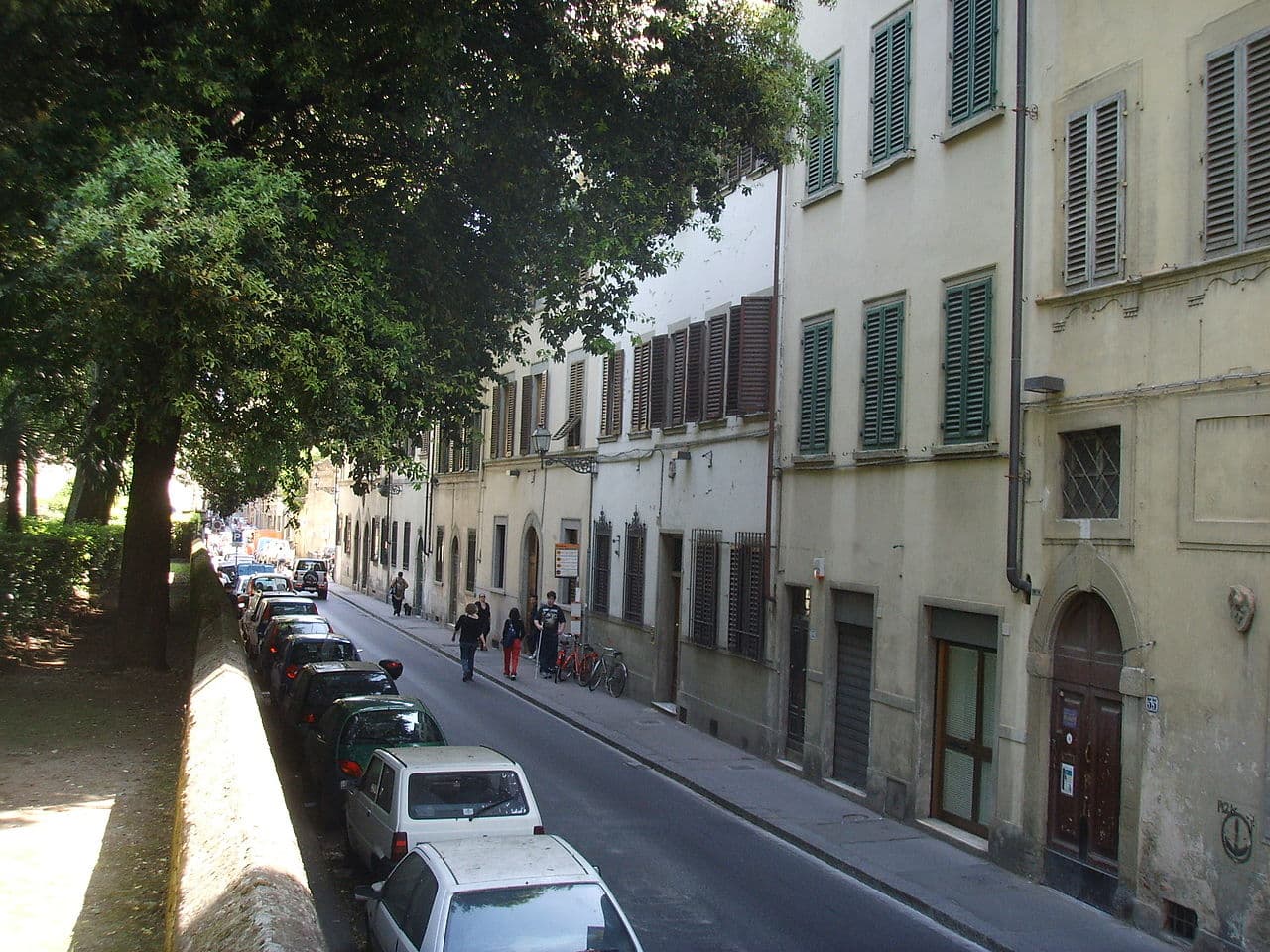
That enormous stone tower looming over you is the Porta San Niccolo, and it is genuinely one of the most impressive medieval structures in Florence that almost nobody visits. Built between thirteen twenty-four and thirteen forty-five as part of those Arnolfo di Cambio city walls, it stands roughly sixty metres tall — about the height of a twenty-storey building. And here's the remarkable thing: it's the only gate tower in all of Florence that still stands at its original height.
Why? Because during the siege of Florence in fifteen twenty-nine to fifteen thirty — when the combined forces of Pope Clement the Seventh and Emperor Charles the Fifth attacked the city — all thirteen of the other gate towers were deliberately lowered. The thinking was that tall towers made easy targets for enemy artillery. But the Porta San Niccolo sits at the base of the hill of San Miniato, with the hillside rising steeply behind it, providing natural protection from cannon fire. So they left it alone. Sheer geography saved this tower while every other gate in the city got chopped down to size.
Read more...Show less
Look at the stonework. Three floors of solid pietra forte — the tough golden-brown sandstone that gives Florence its distinctive colour. The crenellations at the top are original, and if you visit in summer — roughly June through September — you can actually climb the hundred and sixty steps to the terrace for a three-hundred-and-sixty-degree panorama. On a clear day you can see the Duomo, Palazzo Vecchio, Fiesole in the hills, and the bronze David up at Piazzale Michelangelo, which is our next stop.
Imagine being a medieval traveller approaching Florence from the south. You'd come down from the hills, see this tower blocking the road, and know with absolute certainty that the city behind it meant business. The walls originally stretched eight kilometres around the entire city, studded with fourteen towers like this one, plus over seventy smaller towers in between. Florence wasn't just beautiful — it was a fortress.
On summer evenings, the area around the base of the tower becomes a gathering spot. Locals bring wine and sit on the grass along the old walls. It's gloriously low-key.
Right. Time to climb. From the tower, follow the road that curves uphill to the left — Viale Galileo Galilei. It's about a ten-minute uphill walk to Piazzale Michelangelo. The road zigzags, and there are stairs that shortcut the switchbacks if you're feeling energetic. Your reward is waiting at the top.
Piazzale Michelangelo
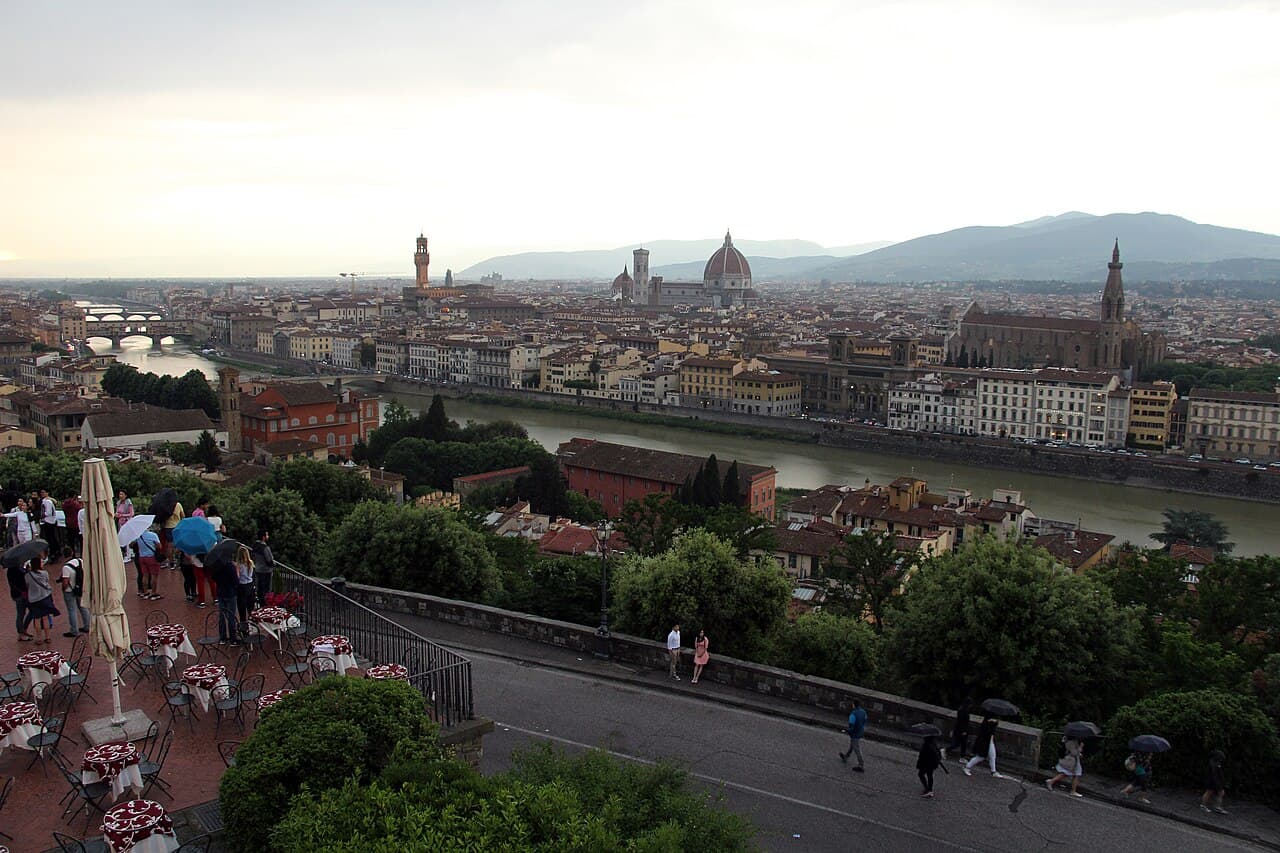
Take a breath. You've earned this view. From up here at Piazzale Michelangelo, the entire city of Florence spreads out below you like a Renaissance painting come to life. There's the Duomo, Brunelleschi's impossible terracotta dome rising above everything. There's the Palazzo Vecchio with its crenellated tower. There's the Arno, curving silver through the city, with Ponte Vecchio crossing it. On a clear day, you can see the Apuan Alps to the northwest, where Michelangelo himself went to quarry marble.
This piazzale — which just means "large square" — was designed by the architect Giuseppe Poggi in eighteen sixty-nine. At the time, Florence was the capital of the newly unified Italy, and Poggi was leading a massive urban renewal project. He demolished the old city walls along the south bank and replaced them with the tree-lined avenues you walked up. This terrace was the centrepiece: a grand belvedere dedicated to Michelangelo, ringed with copies of the master's most famous sculptures.
Read more...Show less
That bronze statue in the centre? It's a copy of the David, hauled up here by nine pairs of oxen on June the twenty-fifth, eighteen seventy-three. The four figures around the base are copies of the allegorical sculptures from the Medici Chapel at San Lorenzo — Dawn, Dusk, Day, and Night. Poggi originally planned for the neo-classical loggia behind you — the building that's now a restaurant called La Loggia — to be a museum dedicated to Michelangelo's work. The museum never happened. The restaurant did. Very Italian.
Now, the best time to be here is golden hour, about an hour before sunset, when the light turns everything to amber and the Duomo seems to glow from within. The piazzale fills up with locals, buskers, tourists, and vendors selling cold beers and cheap Prosecco. It's a party with the best backdrop in Europe. If you want something more refined than a roadside Prosecco, La Loggia does proper cocktails with that same view, though the prices reflect the altitude.
Here's a local tip: if the piazzale is too crowded — and in summer it absolutely will be — walk fifty metres to the left along the railing. The view is just as good and you'll have it almost to yourself.
But we're not done climbing. See those stairs continuing up the hill behind the piazzale? At the top is one of the oldest and most beautiful churches in Italy, and if you time it right, you'll hear something you won't forget. Let's go.
San Miniato al Monte
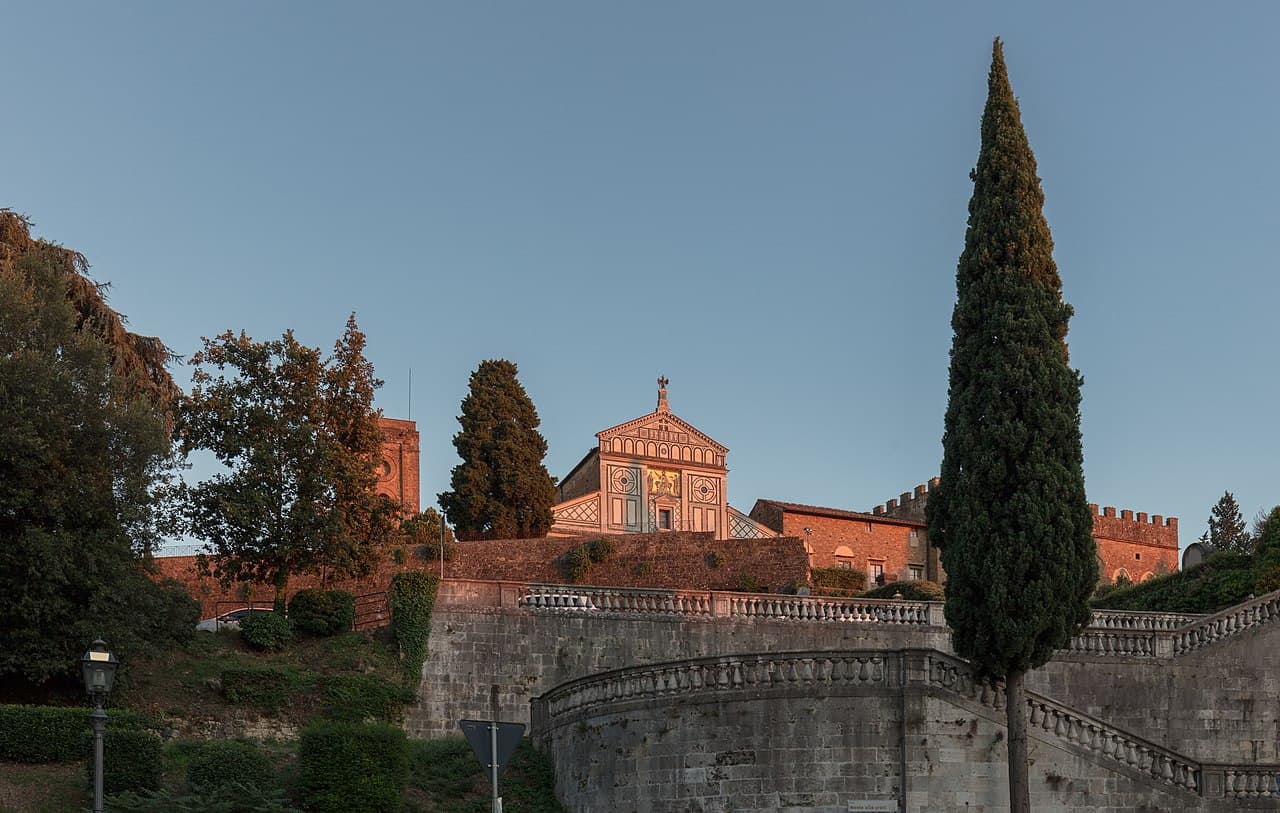
You've reached the top of the hill, and the facade in front of you is one of the great sights of Tuscany. The Basilica di San Miniato al Monte — white Carrara marble alternating with green marble from Prato, geometric patterns that look almost Islamic in their precision, and at the top, a golden mosaic of Christ glinting in the light. This church has been standing here since the eleventh century, making it one of the finest Romanesque buildings in all of Italy.
But the story goes back much further. According to legend, around two hundred and fifty AD, an Armenian prince named Miniato — or Minias — came to Florence as a Christian pilgrim. The Emperor Decius, who was busy persecuting Christians across the empire, ordered Miniato to renounce his faith. Miniato refused. He was thrown into a furnace. He walked out. He was thrown to a wild animal in the amphitheatre. The animal lay down at his feet. Finally, they beheaded him. And here's where the legend gets truly extraordinary: Miniato picked up his own severed head, placed it back on his shoulders, and walked from the execution site near what's now the Piazza della Signoria, across the Arno, and up this hill to the cave where he'd been living as a hermit. Only then did he lie down and die. The church was built over that cave.
Read more...Show less
Construction of the current basilica began around ten eighteen under Bishop Hildebrand and was largely complete by the late thirteenth century. Step inside and look at the floor — it's an incredible carpet of inlaid marble from twelve oh seven, with signs of the zodiac, lions, doves, and fantastical creatures. The raised presbytery sits above a crypt where Saint Miniato's relics rest to this day.
Now, the monks. San Miniato has been home to a monastic community almost continuously since its founding — first Benedictines, then Cluniacs, and since thirteen seventy-three, the Olivetan order, who are still here. And every day, they sing Gregorian chant during vespers. The schedule varies — typically five thirty in the afternoon during summer, four thirty in winter — so check before you plan your visit. But if you can be here for it, sit in one of the wooden pews and let those ancient harmonies wash over you. The sound fills the marble space in a way that recordings can never capture. It's one of the most moving experiences Florence has to offer, and it's completely free.
Before you leave, walk around to the terrace behind the church. The view from here is arguably even better than Piazzale Michelangelo below — less crowded, more elevated, with the whole Arno valley stretching west toward Pisa.
And that's our walk. You've crossed from the tourist side of the river to the real Florence, from goldsmiths and murder plots to plague-era wine windows and a teenage Michelangelo carving corpses by candlelight. You've climbed from a medieval gate to a thousand-year-old church where monks still sing at sunset. The Oltrarno doesn't shout. It just quietly, stubbornly, remains the most authentic corner of one of the most beautiful cities on earth. Grab a glass of wine on your way down. You've earned it.
Free
GPS-guided walking tour
No account needed. Walk at your own pace.
Free
11 stops · 3.1 km