London: Hoxton — Plague Pits, Playwrights & Punk
8 stops
GPS-guided
3.0 km
Walking
1 hour
Duration
Free
No tickets
About this tour
From a slave trader's almshouses to Shakespeare's first theatre, through plague pits, a playwright's murder scene, and the last Victorian music hall in Britain.
8 stops on this tour
Museum of the Home
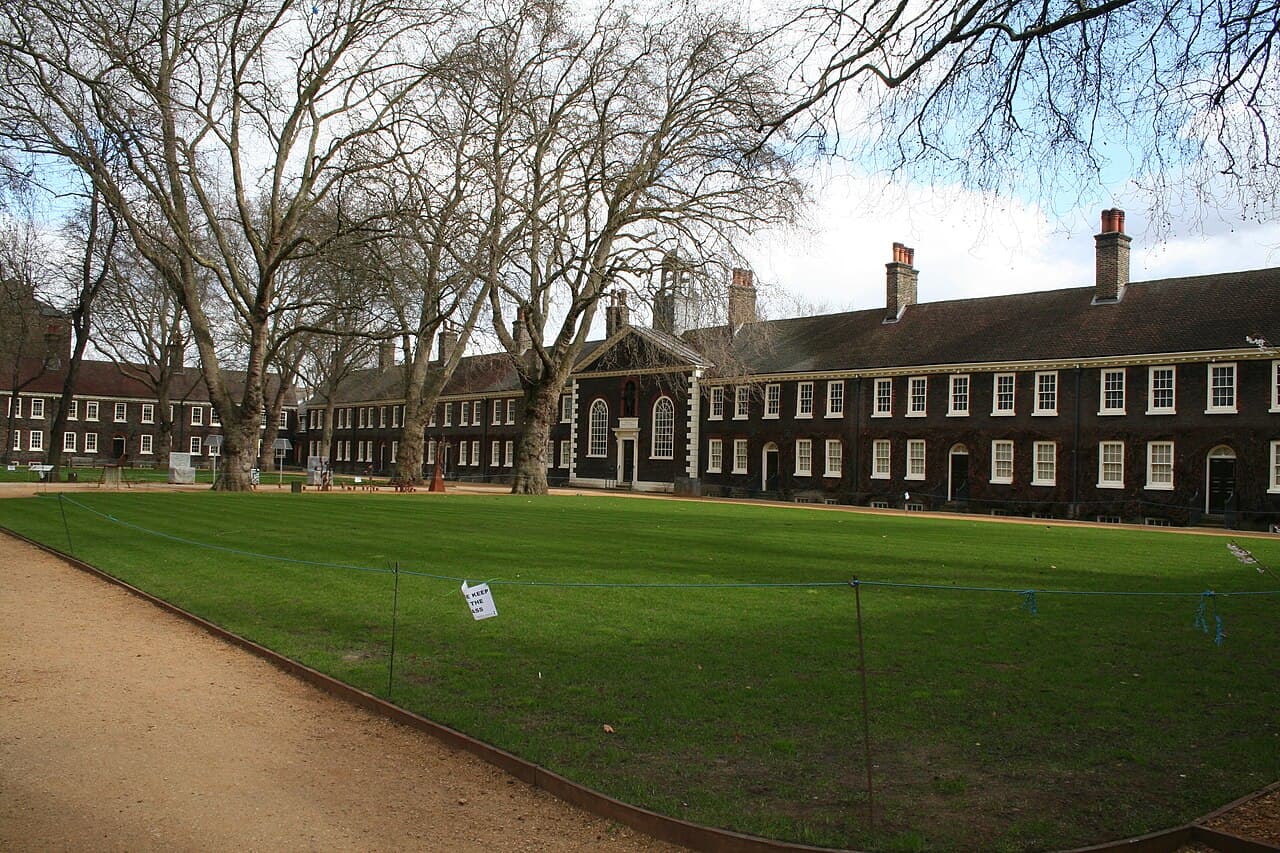
Welcome to the Museum of the Home, and what a place to start. You're standing on Kingsland Road, looking at one of the most beautiful rows of buildings in East London. These are the Geffrye Almshouses, built in seventeen fourteen, and they're Grade One listed, which means the government thinks they're as architecturally important as Buckingham Palace. But the story behind them? It's a lot darker than the elegant brickwork suggests.
These almshouses were paid for by Sir Robert Geffrye, a Cornish boy who arrived in London in sixteen thirty as an apprentice ironmonger. He rose through the ranks, became Master of the Ironmongers' Company, Sheriff of London, and finally Lord Mayor in sixteen eighty-five. A classic rags-to-riches tale. Except there's a catch. Geffrye made a big chunk of his fortune through the Royal African Company. He part-owned a ship called the China Merchant, which sailed to Cape Coast Castle in West Africa and traded English goods for enslaved Africans, shipping them to Jamaica. He wasn't just an investor. He served as an Assistant of the Company in sixteen ninety-one, meaning he actively wanted more influence in the slave trade.
Read more...Show less
Look up above the main entrance. You'll see his statue still perched there in its alcove. In twenty twenty, the museum asked local residents whether it should come down. Nearly eighty percent voted yes. But the government's Culture Secretary threatened to pull funding if they removed it, so it stayed. The museum has said it wants to relocate the statue somewhere less prominent, but heritage regulations have kept it stuck right where it is.
When Geffrye died in seventeen oh three, he left money for fourteen small houses to shelter widows of ironmongers. Up to fifty-six women lived here. By nineteen eleven, the Ironmongers' Company decided Hoxton had become too rough for pensioners and moved them to the countryside. The London County Council bought the buildings and opened a museum here on the second of April, nineteen fourteen. Originally it was a furniture museum, which made sense because this part of East London was the heart of the furniture trade.
Today, you can walk through eleven period rooms showing how English homes have looked from seventeen hundred to the present day. There's also a gorgeous walled herb garden out the back, planted in nineteen ninety-two, with a bronze fountain in the centre. It's free to visit, and honestly, it's one of London's most underrated museums.
Now, when you're ready, turn left out of the museum gates onto Kingsland Road, then take the first left onto Crondall Street. Follow it west until you reach Hoxton Street, then turn left. We're heading to a quiet stretch of road where, in fifteen ninety-eight, one of the most famous duels in English literary history went down.
Ben Jonson Duel Site
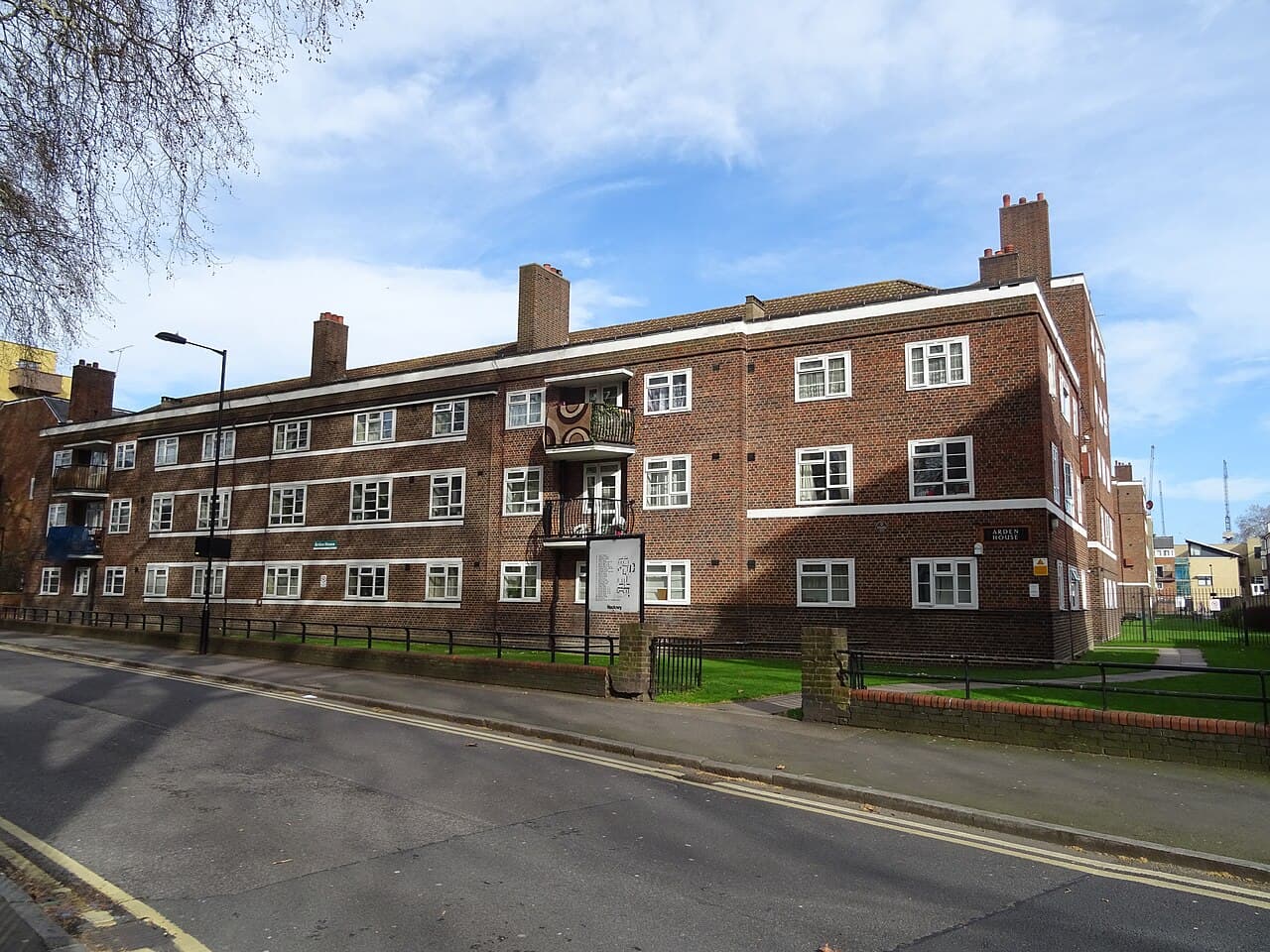
You're now in the area that Elizabethans called Hogsden Fields. Today it's Hoxton Street, all cafes and corner shops, but in fifteen ninety-eight this was open countryside just north of London's city walls. And on the evening of the twenty-second of September that year, right around here, playwright Ben Jonson killed actor Gabriel Spencer with a sword.
Let that sink in. One of England's greatest writers, a man whose plays were performed for kings, committed what we'd now call murder in these fields. And the reason? Nobody actually knows. There are theories, and they involve theatre drama of the most literal kind.
Read more...Show less
Here's the backstory. In July fifteen ninety-seven, both Jonson and Spencer had been thrown into prison for performing in a play called The Isle of Dogs, written by Jonson and Thomas Nashe. The authorities considered it seditious. Spencer, an actor with the Admiral's Men, was already a volatile character. He'd actually killed a man before, a certain James Feake, in a fight in fifteen ninety-six, and got off on a plea of self-defence.
So when Jonson and Spencer met in Hogsden Fields that September evening, there was bad blood between them. Spencer challenged Jonson to a duel and had the advantage: his sword was ten inches longer. But Jonson was the better fighter. He drove his shorter blade six inches into Spencer's right side, and the actor died on the spot.
Jonson was arrested and thrown into Newgate Prison. At the Old Bailey, he pleaded guilty to manslaughter. He should have hanged, but here's where it gets extraordinary. Jonson invoked an ancient legal loophole called "benefit of clergy." If you could prove you were literate by reading a passage of Latin from the Bible, you could escape execution. The passage was Psalm fifty-one, which begins "Miserere Mei" — "Have mercy upon me, O Lord." It was so widely used by condemned men that it became known as the "neck verse," because it literally saved your neck. Jonson read it successfully.
But he didn't walk free. He was branded on his left thumb with a letter T, for Tyburn, the place of public execution. It was a permanent warning: if you kill again, there will be no second chance. All his property was also confiscated. And Gabriel Spencer? He was buried nearby, at Saint Leonard's Church, which we'll visit later on this walk.
Jonson went on to write Volpone and The Alchemist and became one of the towering figures of English literature. Not bad for a convicted killer.
When you're ready, continue south along Hoxton Street. You'll see number one hundred and thirty on your left. Look for the entrance to Hoxton Hall. It's easy to miss, tucked between shopfronts, but step inside and you'll find something remarkable.
Hoxton Hall
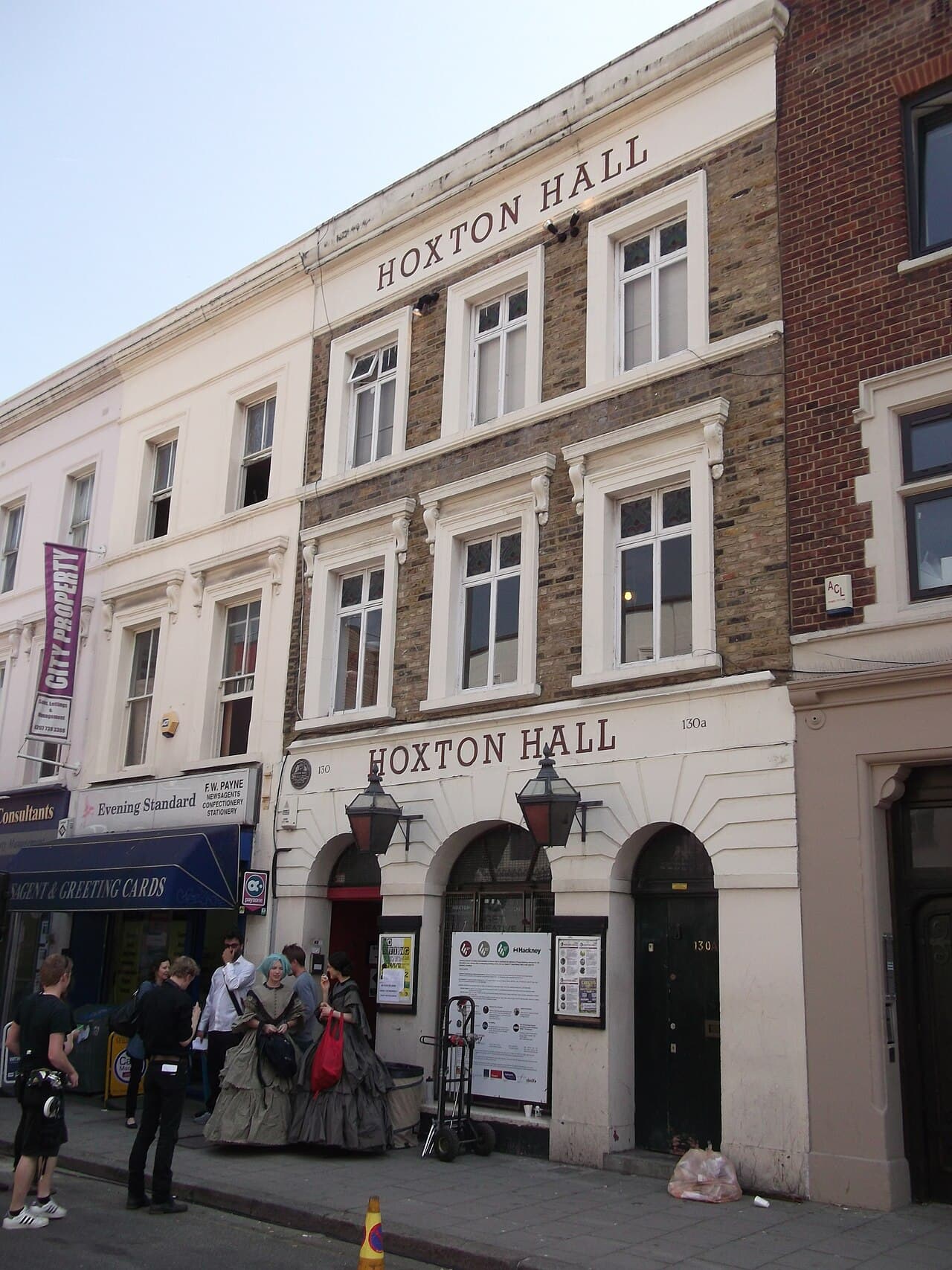
You're standing at one hundred and thirty Hoxton Street, and if the outside looks unassuming, that's part of the charm. Push through the entrance and you'll find one of the last surviving Victorian music halls in Britain. This is Hoxton Hall, and it opened on the seventh of November, eighteen sixty-three. The original audience that night got singing and conjuring. Tonight, you're getting its story.
The man behind it was James Mortimer, a speculative builder who marketed what he called "Healthy Moral Homes" across London's suburbs. He built this hall — originally called Mortimer's Hall — with a double mission: entertainment and education. He imagined workers coming here to improve themselves after a hard day. The education bit flopped spectacularly. By eighteen sixty-five, the building was being used as a waste paper warehouse. So much for moral improvement.
Read more...Show less
But then James McDonald bought the place in eighteen sixty-six, renamed it McDonald's Music Hall, and turned it into what the working class actually wanted: a proper night out. If you look around the interior, you'll see the galleried auditorium rising on three sides, supported on cast iron columns, with iron railings on the two-tiered balconies above a small, high stage. It's intimate and atmospheric in a way that bigger Victorian theatres just aren't. This is one of only a handful of purpose-built music halls still standing. Most of the others were converted from the back rooms of pubs, but this was designed from scratch for performance.
For a few glorious years, McDonald packed the place with music, circus acts, comedy, and performing dogs. Working-class Hoxton loved it. But in eighteen seventy-one, the police complained, and the hall lost its performance licence. In eighteen seventy-nine, William Isaac Palmer — an heir to the Huntley and Palmers biscuit fortune — bought it for the Blue Ribbon Army Gospel Temperance Movement. Imagine that: a music hall, built for raucous entertainment, taken over by people who wanted to stop you drinking.
When Palmer died, he left the hall to the Quaker Bedford Institute. The Quakers are the reason this place survived. They used it as a meeting house for decades, which meant nobody ripped out the original interior. What you see today is essentially the same room that audiences packed into in the eighteen sixties.
Now here's a food tip. When you leave, head back to Kingsland Road. Song Que at number one thirty-four is one of London's best Vietnamese restaurants, right on the "Pho Mile." It's been run by the same husband-and-wife team since two thousand and two, and their pho is the real thing. Fragrant, steaming, and about eight quid a bowl.
Right, when you're ready, head south on Hoxton Street, then turn right onto Pitfield Street. You're about to walk over one of London's most unsettling secrets.
George & Vulture / Plague Pit
Stop here, at sixty-three Pitfield Street, and look up. This is the George and Vulture, and it claims to be the tallest pub in London, which it has been since eighteen seventy. Look at the architecture: red brick with white stone dressings, a tall striped gable on both facades, and those wonderful corner pepper-pot turrets with chimneys rising above them. It's a gorgeous Victorian building. And it's sitting on top of a mass grave.
The street you're standing on is called Pitfield Street, and that name is probably not a coincidence. The most widely accepted theory is that "Pitfield" derives from "pit field" or possibly "pest-field," meaning a burial ground for victims of pestilence. Because in sixteen sixty-five and sixteen sixty-six, this area was used as a plague pit during the Great Plague of London.
Read more...Show less
Imagine this street in the summer of sixteen sixty-five. There are no buildings here yet, just a muddy path leading into open fields north of the city. London is being devoured by bubonic plague. The disease kills roughly one hundred thousand people — nearly a quarter of the entire city's population. At its peak, in September sixteen sixty-five, over seven thousand Londoners are dying every single week. The parish churches can't cope. The graveyards are full. So the authorities start digging mass pits outside the city walls, and this is one of them. Bodies are brought here on carts, stacked in trenches, and covered with quicklime and soil.
Shoreditch and Hoxton were among the hardest-hit areas. These were densely populated, working-class neighbourhoods with none of the space or sanitation of wealthier parts of town. The bills of mortality from that year make grim reading.
Today, Hackney Council has placed a small yellow sign in the area that reads: "Please keep off the grass. This is one of many burial grounds pertaining to the Black Plague sixteen sixty-five to sixteen sixty-six." It's a startlingly understated memorial for a place where hundreds, possibly thousands, of plague victims were buried.
And yet life goes on, quite literally on top of death. The George and Vulture has been pouring pints here since eighteen seventy. Step inside and you'll find a single traditional bar restored to its Victorian splendour, with leather sofas, an open fire, and massive twelve-seater oak tables. They do award-winning sourdough pizzas, and here's a detail I love: the ingredients for their plant-based menu are grown on the rooftop, alongside beehives. So there are bees making honey above a plague pit. London in a nutshell, really.
When you've taken that in, continue south on Pitfield Street, then turn left onto Old Street, and take the next right onto Hoxton Square. You'll emerge into one of the oldest squares in London.
Hoxton Square
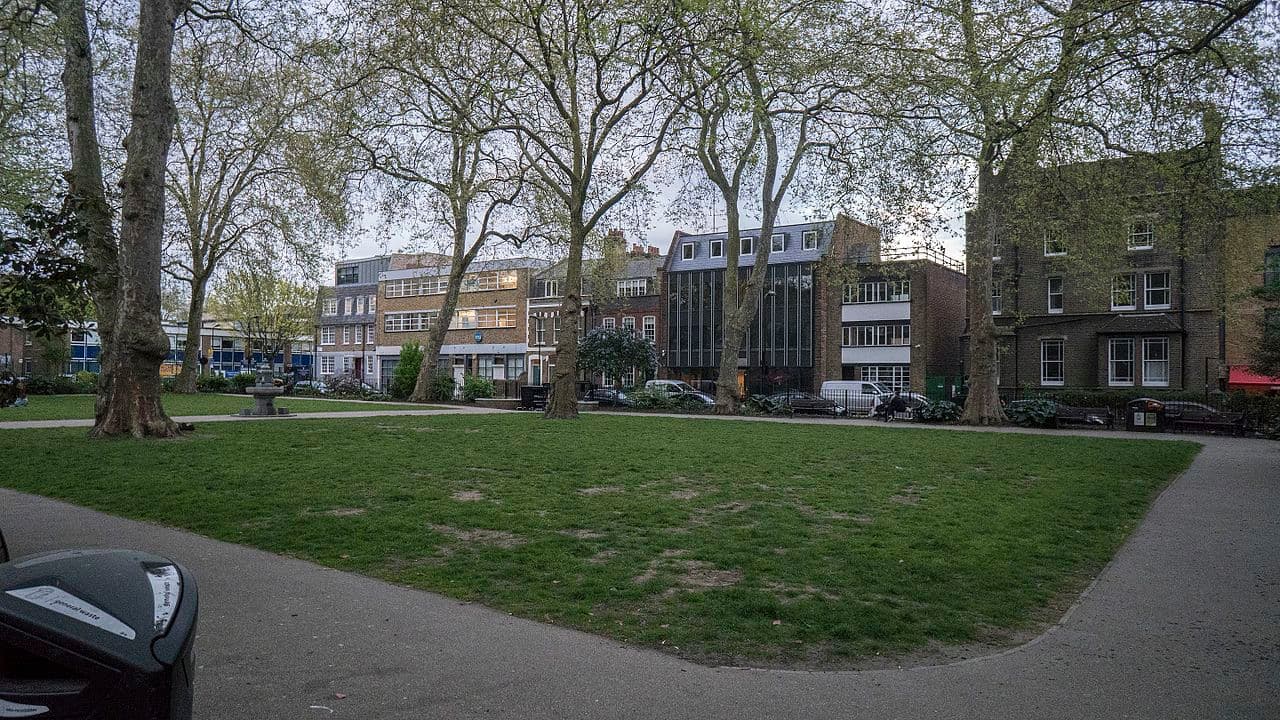
You're standing in Hoxton Square, and it's worth taking a moment to look around. This square was laid out in sixteen eighty-three by two developers named Samuel Blewitt and Robert Hackshaw, who leased the land from the Austen family. That makes it one of the oldest planned squares in London.
Back then, this was a fashionable residential address. The houses around you attracted the upper-middle class, with a strong nonconformist streak — dissenters, Baptists, Quakers, people who didn't fit neatly into the Church of England. For a while, Hoxton was a place where independent thinkers came to live, just far enough outside the City to breathe freely.
Read more...Show less
But Hoxton had a darker side too. By the eighteenth century, this area became infamous for its madhouses. Hoxton House, a private asylum established in sixteen ninety-five, grew into the largest in the neighbourhood. The Miles family bought it in seventeen fifteen and kept expanding. By eighteen nineteen, it held three hundred and forty-eight patients — overcrowded to the point where some had to share beds. A Parliamentary inquiry in eighteen fifteen revealed appalling conditions. Hoxton became synonymous with lunacy. The phrase "sent to Hoxton" was eighteenth-century slang for being committed to an asylum.
Now fast-forward about three hundred years. In the late nineteen nineties, this square was ground zero for a very different kind of London scene. Artists and musicians moved into the area's cheap warehouses and studios. And in April two thousand, the art dealer Jay Jopling opened White Cube gallery right here, at number forty-eight. The inaugural show featured works by Tracey Emin, the Chapman brothers, and Darren Almond — the stars of the Young British Artists movement. White Cube previews became legendary. Crowds filled this square on opening nights. It was the epicentre of London's art boom, the place where Damien Hirst and his circle held court.
White Cube stayed until the end of twenty twelve, when it moved to larger premises in Bermondsey. But the gallery's presence here transformed Hoxton from a faded inner-city neighbourhood into one of the most fashionable postcodes in London. The bars, clubs, and restaurants followed. Whether you think that's progress or gentrification depends on who you ask.
Stand in the middle of the square and think about that timeline. Sixteen eighty-three: open fields become a fashionable square. Seventeen hundreds: private madhouses. Nineteen nineties: artists in squats. Two thousands: million-pound flats. This square has been reinvented more times than most neighbourhoods manage in a millennium.
When you're ready, walk south out of the square onto Hoxton Street, then turn left. Follow it to the junction with the High Street, and you'll see the steeple of Saint Leonard's Church ahead of you. Cross over to the church. This is the actors' church, and its story links directly to everything we've been talking about.
St Leonard's Church
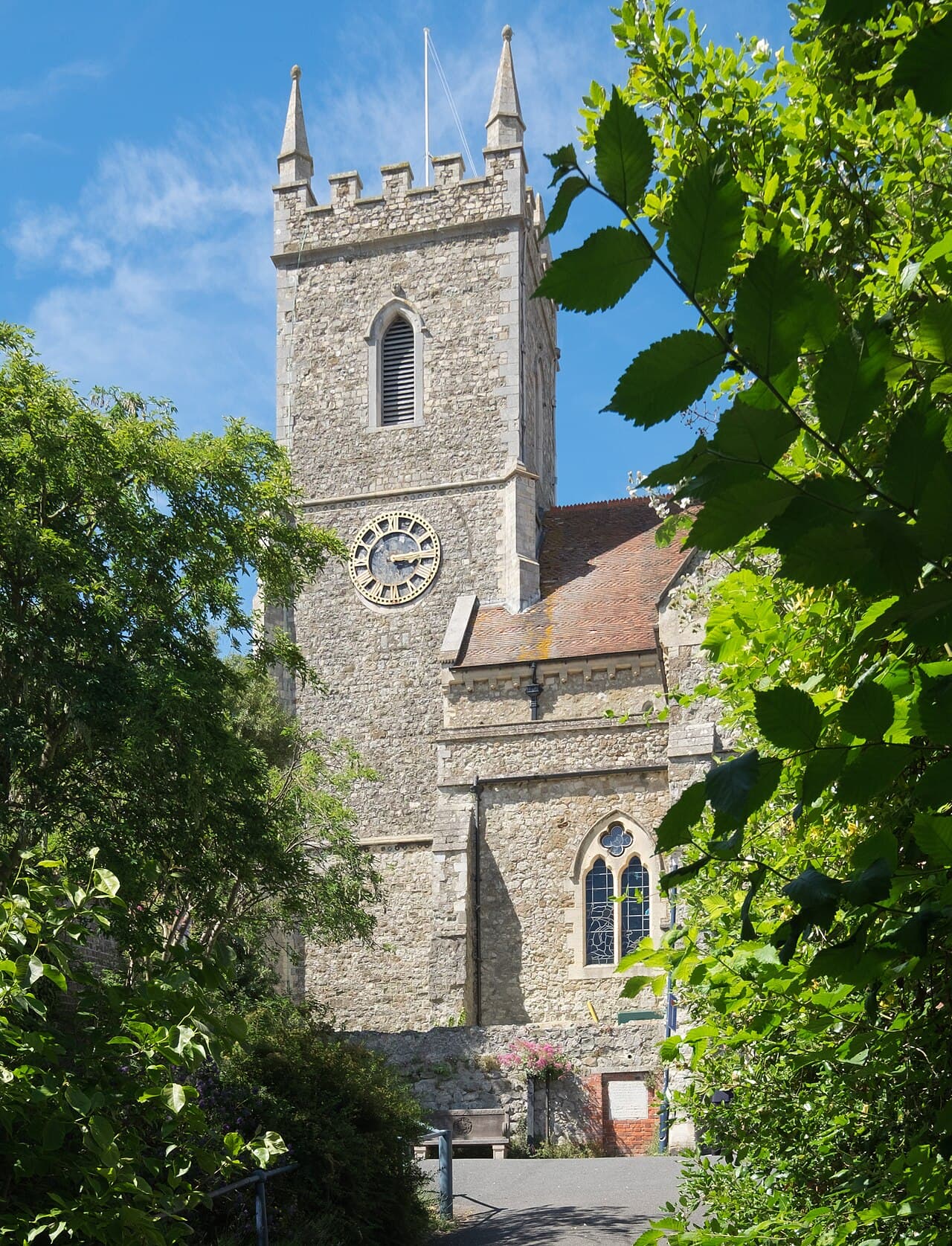
Look up at the steeple of Saint Leonard's, Shoreditch. The building you see today was designed by George Dance the Elder — the same architect who built the Mansion House — and was completed in seventeen forty. But there's been a church on this spot since at least the twelfth century, and possibly since Anglo-Saxon times. This is one of the most important churches in the history of English theatre, and the reason is underneath your feet.
Saint Leonard's is known as "the Actors' Church," because buried in its crypt are some of the most important figures in Elizabethan drama. James Burbage, who in fifteen seventy-six built The Theatre — England's very first purpose-built playhouse — is buried here. So is his son Richard Burbage, who was Shakespeare's leading man. Richard Burbage was the first actor ever to play Hamlet, Othello, King Lear, Richard the Third, and Macbeth. Every actor who has played those roles since is following in the footsteps of a man who lies beneath this church.
Read more...Show less
Also buried here is Gabriel Spencer — yes, the same actor killed by Ben Jonson in that duel we talked about earlier. And Richard Tarlton, a stalwart of the pre-Shakespearean stage and reputedly Queen Elizabeth's favourite clown. William Sly and Richard Cowley, both members of Shakespeare's company, are here too. In nineteen thirteen, the London Shakespeare League erected a memorial inside the church to all these players, recognising Shoreditch's central role in the birth of English theatre.
And here's something lovely. You know the nursery rhyme "Oranges and Lemons"? It mentions the bells of every major London church. The line for this one is: "When I grow rich, say the bells of Shoreditch." Those are the bells above your head. The current ring of twelve was cast in nineteen ninety-four by John Taylor and Company of Loughborough, but bells have rung from this tower for centuries.
Now, I want you to imagine something. It's the late fifteen hundreds. You're standing at this church, and instead of the Shoreditch High Street traffic, you can hear the roar of a crowd. Just a short walk from here were England's first two permanent theatres, both built within a year of each other. Shakespeare performed on their stages. His greatest plays premiered in this neighbourhood. The West End, the Globe, the whole tradition of London theatre — it all started right here, in Shoreditch.
The churchyard is worth a wander too. It's a small green oasis in the middle of the High Street, and in summer the benches fill up with locals on their lunch breaks. A peaceful spot to sit with the ghosts of players.
When you're ready, cross Shoreditch High Street and head west along Hewett Street. We're going to find the actual spot where Shakespeare performed.
Elizabethan Theatre District
You're now in the heart of what was, in the fifteen seventies and eighties, the world's first theatre district. Forget the West End. Forget Broadway. It started here, on these streets, over four hundred years ago.
In fifteen seventy-six, a joiner and actor named James Burbage did something radical. He built a permanent, purpose-built playhouse — the first in England. He called it, with zero creativity and total confidence, The Theatre. It stood just northeast of here, on what is now New Inn Broadway, off Curtain Road. Archaeologists from the Museum of London found its remains in two thousand and eight: polygonal brick and stone footings, scattered fruit pips and broken beer vessels from the Elizabethan audience.
Read more...Show less
A year later, in fifteen seventy-seven, a second playhouse went up about two hundred yards to the south. This was the Curtain Theatre, and despite the name, it had nothing to do with stage curtains. It was named after the curtain wall of the old Holywell Priory monastery that once stood here.
Shakespeare was deeply connected to both theatres. His company, the Lord Chamberlain's Men, used the Curtain as their home base from fifteen ninety-seven to fifteen ninety-nine. It's believed that Henry the Fifth premiered here, and likely Romeo and Juliet as well. Shakespeare himself acted on that stage.
Now here's the twist. James Burbage had built The Theatre on leased land, and when the lease expired, the landlord, a man named Giles Allen, claimed the building was now his property. Burbage's sons weren't having it. On the twenty-eighth of December, fifteen ninety-eight — while Allen was away celebrating Christmas at his country house — they hired a carpenter named Peter Street, rounded up their actors and friends, and dismantled The Theatre beam by beam. They carted the timbers to a warehouse near the Thames, and the following spring, ferried them across the river to Southwark. Those timbers became the frame of a new theatre. They called it the Globe.
Think about that. The most famous theatre in English history was built from stolen wood, smuggled across a frozen December landscape by a gang of actors and carpenters. Shakespeare's Globe is, in a very real sense, a Shoreditch building in exile.
Look around you. The Stage development here was built on the site of the Curtain Theatre. During construction in two thousand and twelve, archaeologists uncovered the theatre's remains: a rectangular structure roughly twenty-two by thirty metres, with a fourteen-metre stage and a secret passageway running beneath it. The remains were designated a Scheduled Monument in twenty nineteen, and you can see them preserved under glass at street level.
When you're ready, we're heading to our final stop. Walk south on Curtain Road to Old Street, turn right, then continue west along Old Street until you reach City Road. Turn left on City Road and you'll see the gates of Bunhill Fields burial ground on your right.
Bunhill Fields & Wesley's Chapel
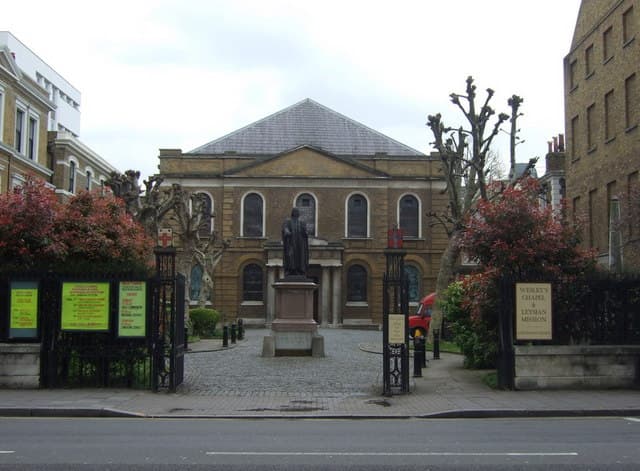
You've arrived at Bunhill Fields, and this is where our walk ends — in a place that is, quite literally, built on bones. The name gives it away. "Bunhill" is a corruption of "Bone Hill." In fifteen forty-nine, over a thousand cartloads of human bones were dug up from the charnel house of old Saint Paul's Cathedral and dumped here on what was then marshy wasteland. The bones were capped with a thin layer of soil, building up a mound across the flat fens. That mound became this burial ground.
Look through the railings at the headstones tilting among the plane trees. This is one of London's most important cemeteries, and it was used from sixteen sixty-five until eighteen fifty-four. An estimated one hundred and twenty-three thousand people are buried here. And the roll call is extraordinary.
Read more...Show less
Walk in and find the monument to John Bunyan, author of The Pilgrim's Progress, who died in sixteen eighty-eight. Nearby lies Daniel Defoe, author of Robinson Crusoe, who died in seventeen thirty-one. And then there's William Blake — poet, artist, visionary, the man who wrote "Jerusalem," which you've almost certainly heard belted out at the Last Night of the Proms. Blake died in August eighteen twenty-seven, largely unrecognised, the fifth of eight coffins stacked into his burial plot. The Blake Society put up a memorial stone on the centenary of his death.
Here's the crucial detail. Bunhill Fields was never consecrated by the Church of England. That's why it became the burial ground of choice for nonconformists — Baptists, Quakers, Presbyterians, dissenters who practised their faith outside the established Church. The poet Robert Southey called it the ground "which the Dissenters regard as their Campo Santo." It was open to anyone who could pay the fees, regardless of denomination.
Now turn around. That elegant Georgian chapel across City Road is Wesley's Chapel, built in seventeen seventy-eight by John Wesley, the founder of Methodism. The architect was George Dance the Younger — son of the man who designed Saint Leonard's. Wesley lived in the townhouse next door for the last eleven years of his life, until he died on the second of March, seventeen ninety-one. His tomb is in the garden behind the chapel.
There's something perfect about ending here. You've walked through a neighbourhood that has always attracted outsiders: Elizabethan actors too disreputable for the City, plague victims buried outside the walls, nonconformists on unconsecrated ground, temperance campaigners, asylum patients, Young British Artists. Hoxton has always been where London puts the people who don't quite fit in. And those people, it turns out, are usually the most interesting ones.
Thanks for walking with me. Bunhill Fields is a beautiful spot for a bench and a breather, or cross to Wesley's Chapel and visit the Museum of Methodism in the crypt. You've just covered three thousand years of London history in about three kilometres. Not bad for a Tuesday.
Free
GPS-guided walking tour
No account needed. Walk at your own pace.
Free
8 stops · 3.0 km