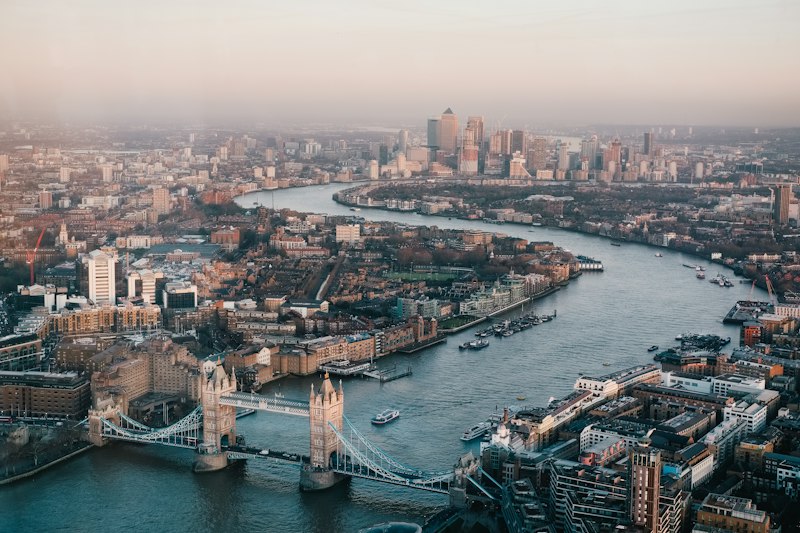
I've lived in London on and off for years, and I still find places that make me stop dead on the pavement. Not the tourist stuff — everyone knows the Tower and Big Ben. I mean the spots that are genuinely hidden, where you stand there thinking "how did I not know about this?"
Here are twelve of them. Every fact in this list has been independently verified against at least two sources, because nothing kills a good hidden gem faster than getting the story wrong.
Dead Man's Hole (Tower Bridge)
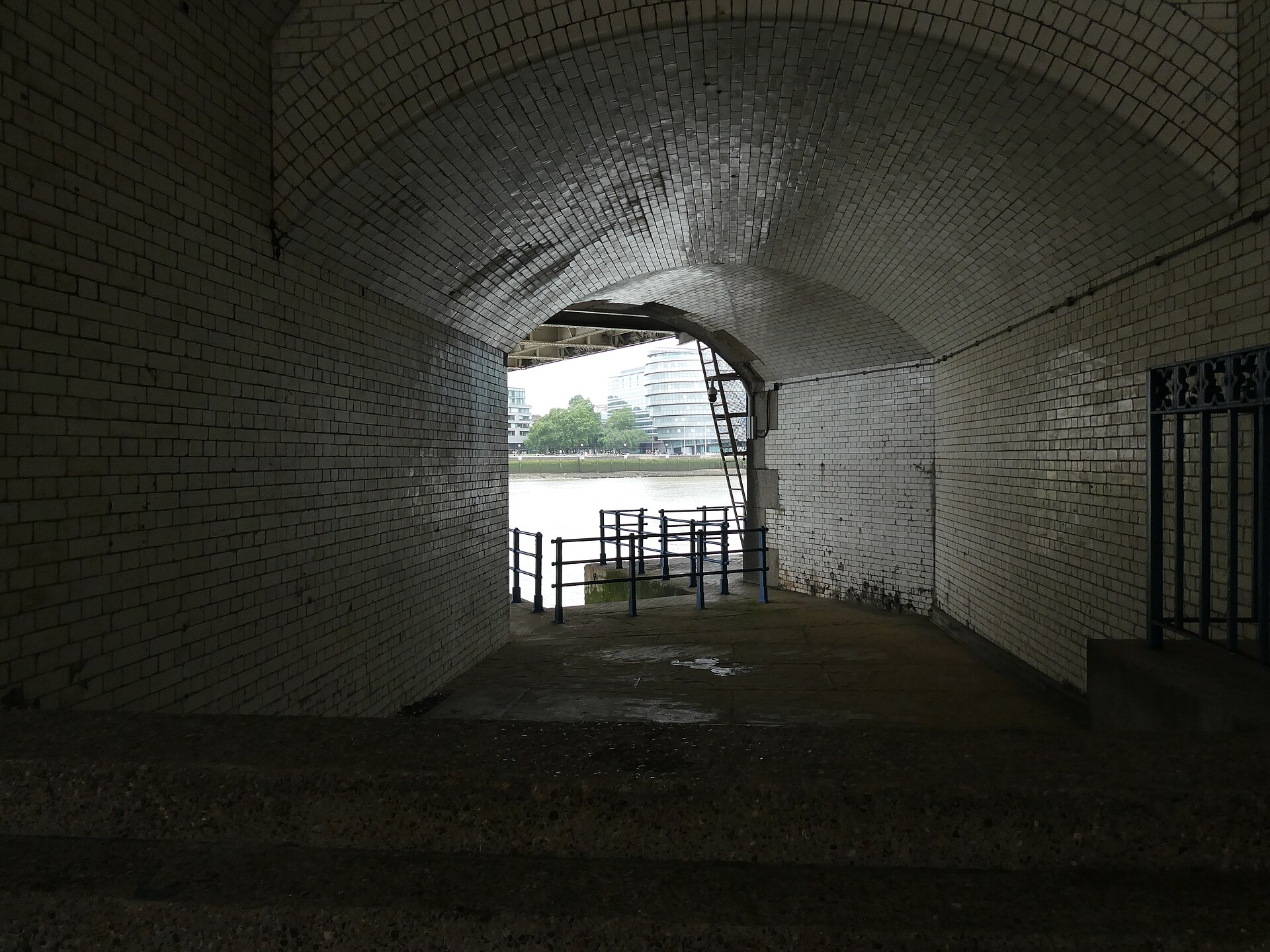
Start dark. Under the northern abutment of Tower Bridge, there's a white-tiled alcove that almost nobody notices. This was Dead Man's Hole — the spot where Thames corpses naturally washed up due to tidal currents.
The tiles aren't decorative. They're practical. Decomposing bodies would sometimes explode from gas buildup, and white tiles could be hosed down more easily than stone. Bodies were fished out with grappling hooks via L-shaped steps leading into the water, then laid out for public identification.
There's no plaque. No sign. Just an alcove under a bridge that millions of people photograph every year without ever looking underneath.
Crossbones Graveyard
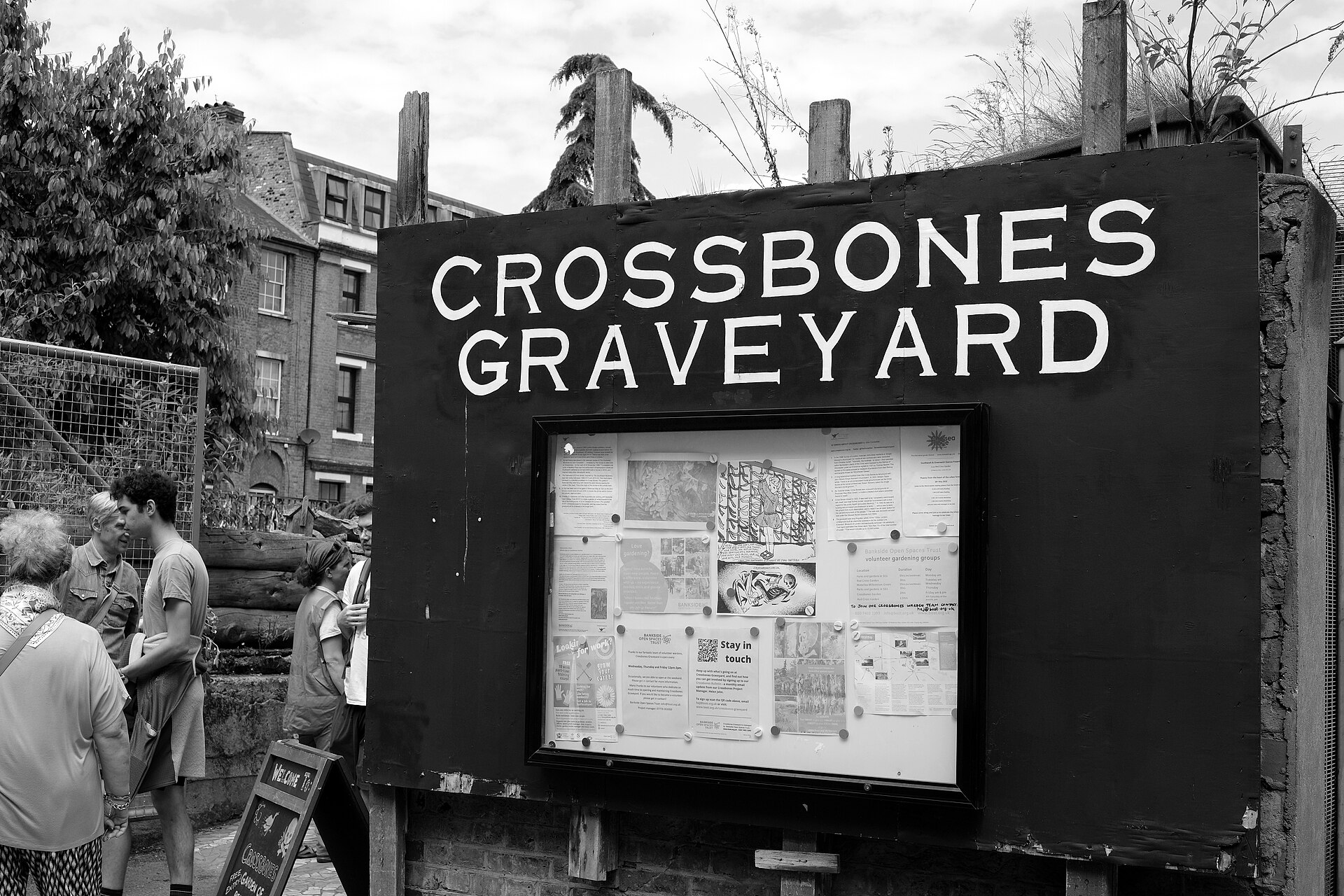
Crossbones Graveyard on Redcross Way in Southwark is one of those places that makes you re-evaluate everything you thought you knew about medieval London.
The Bishop of Winchester ran a licensed red-light district in Southwark. The Church literally taxed prostitutes' earnings — they were called "Winchester Geese." And then, when those women died, the Church refused to bury them on consecrated ground. Because apparently taking their money was fine, but giving them a funeral was a step too far.
An estimated 15,000 people were buried at Crossbones — prostitutes, paupers, plague victims, stillborn babies. Archaeologists found bodies stacked on top of each other, many showing signs of smallpox, tuberculosis, and vitamin D deficiency.
After years of activist campaigns, the site became an official Garden of Remembrance in 2019. Go on the right day and you'll find the gates covered in ribbons and messages left for "the outcast dead."
London Stone
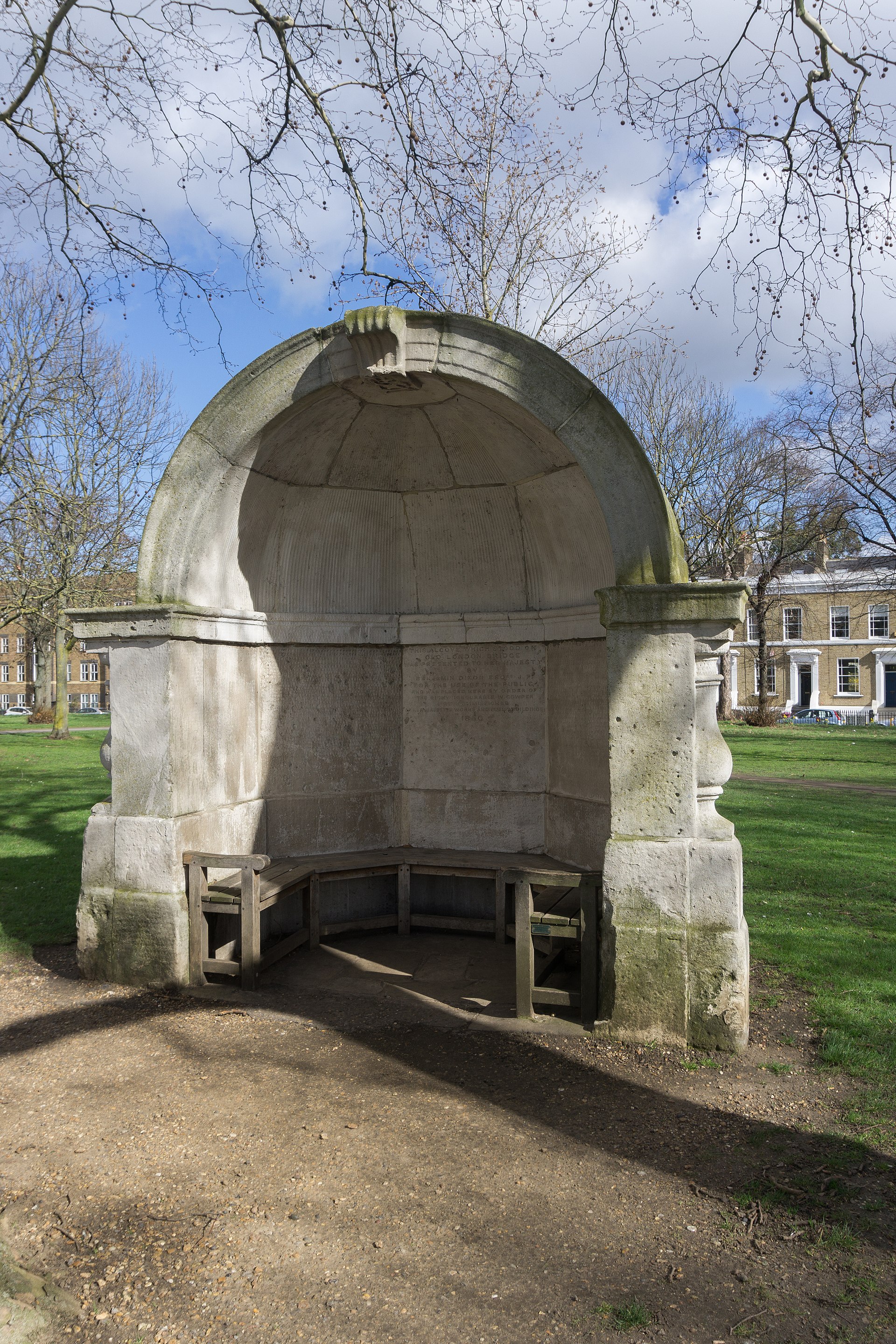
This one is genuinely weird. At 111 Cannon Street, behind a metal grille in the wall of a WH Smith, sits a lump of limestone called London Stone.
Nobody knows what it is. Theories include: a Roman milestone from which all distances in Britain were measured, a Druidic altar, the magical "heart of London," and a piece of a much larger stone circle. None have been proven.
In 1450, rebel Jack Cade struck it with his sword and declared himself Lord of London. A famous "prophecy" says that as long as the Stone is safe, London will flourish — except that prophecy was invented by a Welsh clergyman in 1862.
The first historical record of the stone dates to around 1100 AD. That's nine hundred years of nobody being able to explain what it is. It sits in a WH Smith. Go and stare at it.
Postman's Park and the Watts Memorial
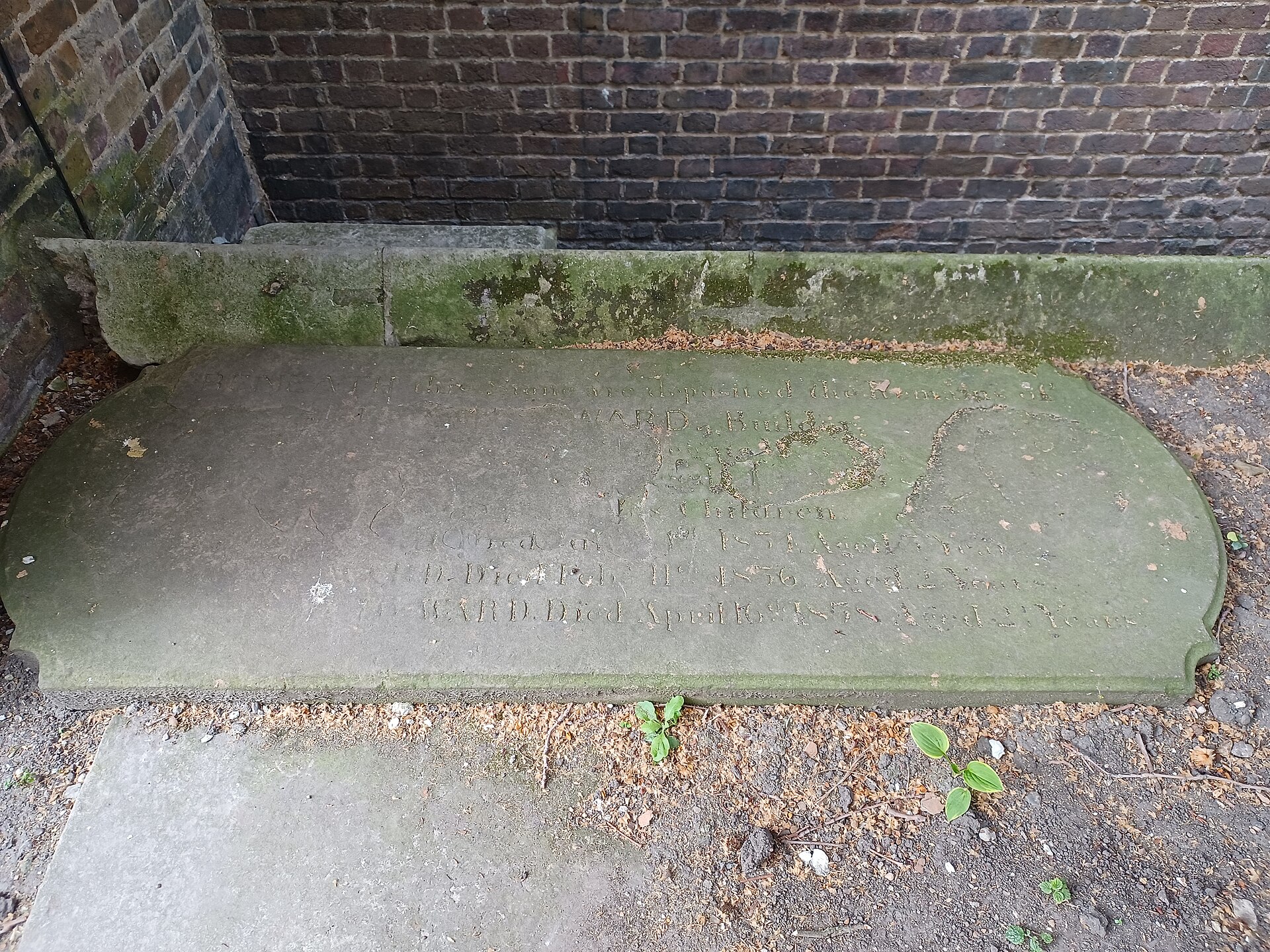
Postman's Park is a tiny green space tucked behind St Paul's Cathedral that most people walk past without a second glance. At the back, under a covered loggia, is a wall of ceramic tablets. Each one tells the story of an ordinary person who died saving a stranger.
"Solomon Galaman, aged 11, died of injuries September 6, 1901, after saving his little brother from being run over in Commercial Street."
There are 54 of these tiles. A pantomime artist who died in 1863. A police constable who drowned trying to rescue a boy from the canal. The most recent is Leigh Pitt, who drowned saving a child in 2007 — the first new tablet added in 78 years.
The memorial was proposed in 1887 by painter G.F. Watts for Queen Victoria's Golden Jubilee. He designed space for 120 tablets. Only 54 were ever completed before funding ran out. The empty spaces are somehow more powerful than the filled ones.
The Seven Noses of Soho
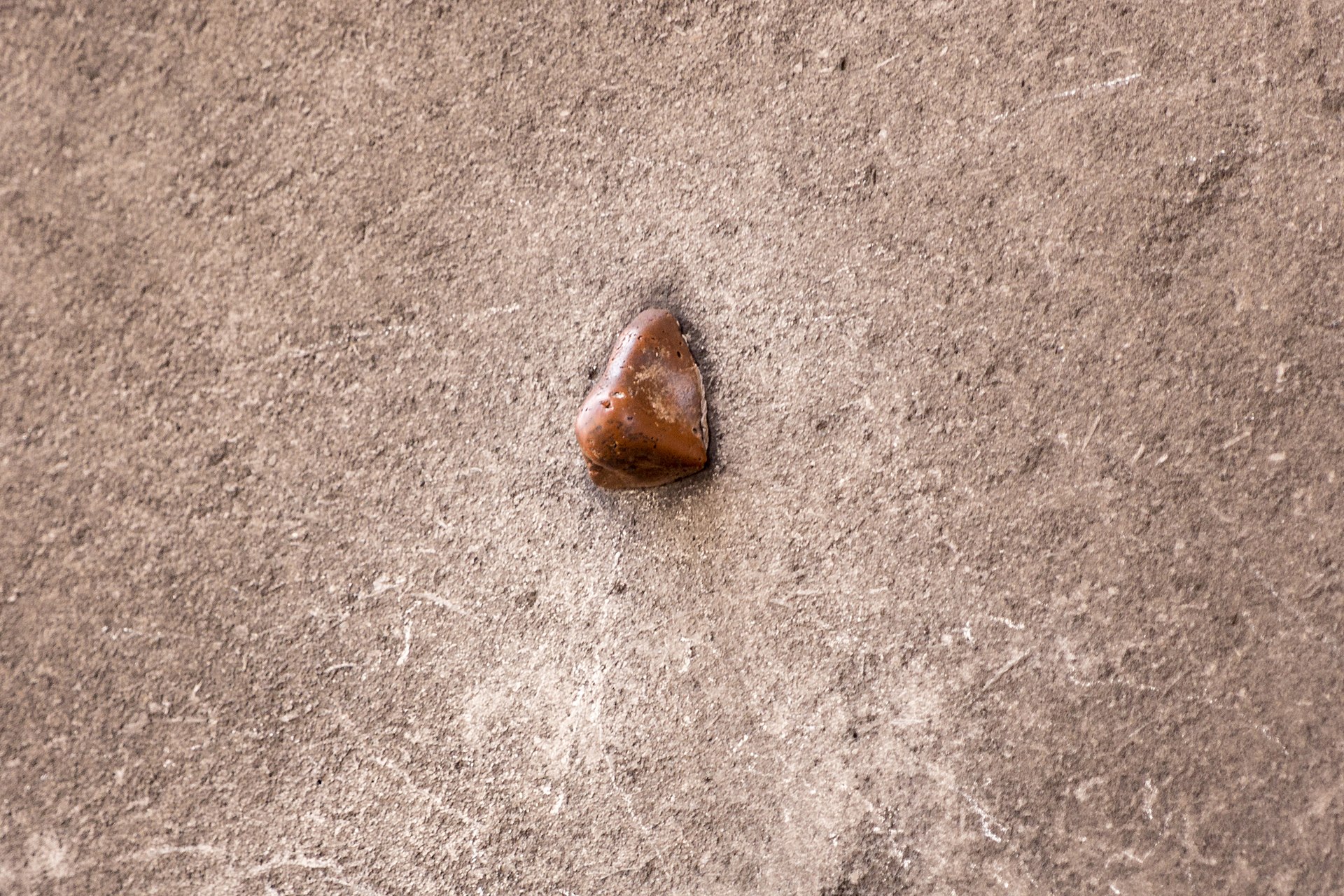
In 1997, artist Rick Buckley secretly glued 35 plaster casts of his own nose to buildings across central London. It was a protest against the spread of CCTV surveillance cameras. He didn't claim responsibility for fourteen years.
Most of the original noses have been removed or weathered away, but a handful survive — on Admiralty Arch, on Bateman Street in Soho, on Dean Street, on Endell Street near Covent Garden, and a couple of others. An urban legend grew up around them claiming that finding all seven noses would make you fabulously wealthy.
The most accessible one is on the south face of Admiralty Arch at the Mall end. It's at roughly nose height on the inside of the right-hand arch. Walk through, look to your right, and there it is — a plaster nose sticking out of the wall of a royal monument.
Goodwin's Court
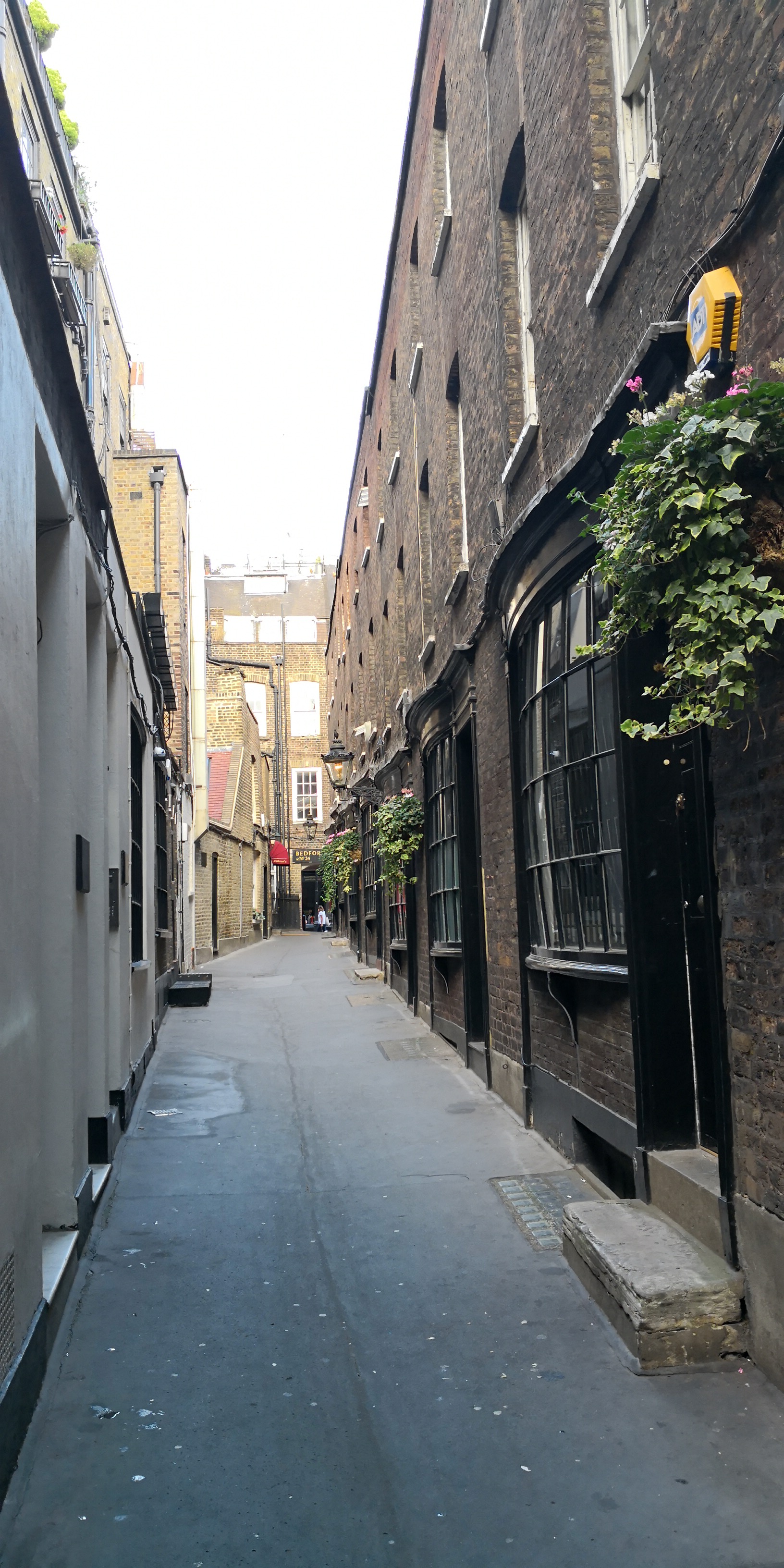
Goodwin's Court is a narrow passage off St Martin's Lane, between Leicester Square and Covent Garden, that you can walk past a hundred times without noticing. The south side has a row of houses built in 1690 with original leaded-glass bow windows featuring bullseye panes.
At night, with the gas-lamp-style lighting reflecting off three-hundred-year-old glass, it looks exactly like a film set for a Victorian ghost story. Or, more accurately, like Diagon Alley — though J.K. Rowling has never confirmed it as an inspiration.
The bow windows are ten inches deep, built to comply with the 1774 Building Act designed to curb fire spread. Nell Gwynn allegedly lived here, though that's unverified. What's verified is that this alley has been here since the seventeenth century and most Londoners have no idea it exists.
The Clerks' Well
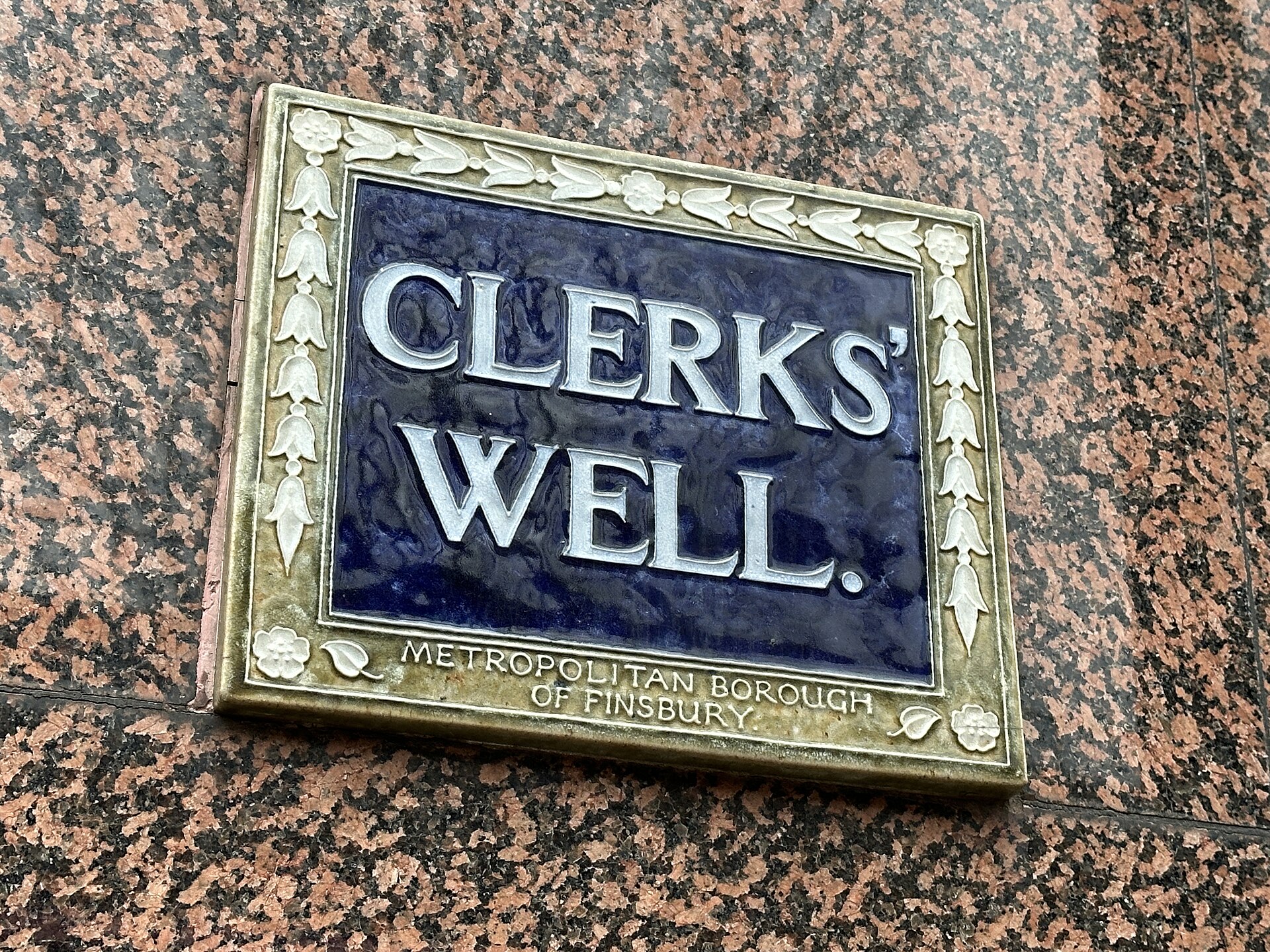
Clerkenwell is named after a well. Specifically, the Clerks' Well — a medieval water source where parish clerks performed miracle plays. "Clerkenwell" literally means "clerks' well."
The well was lost for centuries. It was filled with rubble in Victorian times, and everyone forgot where it was. Then in 1924, workmen demolishing a building on Farringdon Lane accidentally rediscovered it.
Today, you can peer at the well through the ground-floor window of a building called Well Court at 14-16 Farringdon Lane. An entire London neighbourhood is named after a thing that was lost underground for a hundred years and found by accident. Visits inside can be arranged through the Islington Local History Centre, but honestly, just pressing your face against the window is atmospheric enough.
Bleeding Heart Yard
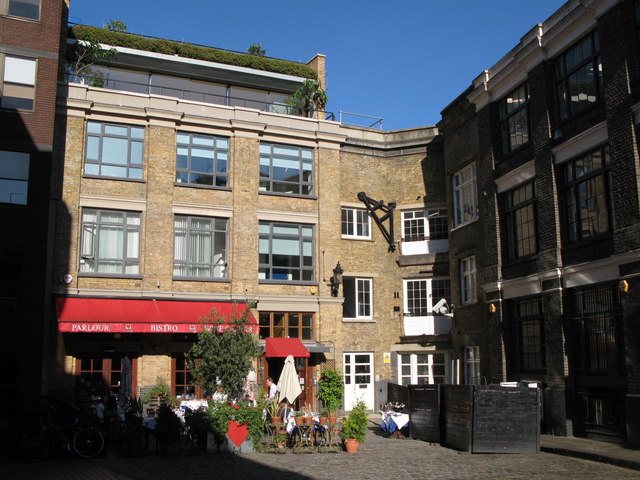
Bleeding Heart Yard is a cobbled courtyard off Greville Street in Clerkenwell, and the legend behind its name is spectacular.
According to the story, Lady Elizabeth Hatton danced with the Spanish Ambassador — or possibly the Devil — at a ball in 1626. The next morning, she was found in the courtyard with her heart torn out, still beating on the cobblestones.
The real origin is probably much more boring — a nearby sixteenth-century pub called the Bleeding Heart, referencing the Virgin Mary's heart pierced by five swords. But the legend stuck. Charles Dickens used the yard as the home of the Plornish family in Little Dorrit.
The yard still exists. There's a restaurant in it. The cobblestones are the same ones, give or take. Whether or not the Devil actually ripped anyone's heart out there is, as they say, unverified.
St Dunstan in the East Church Garden
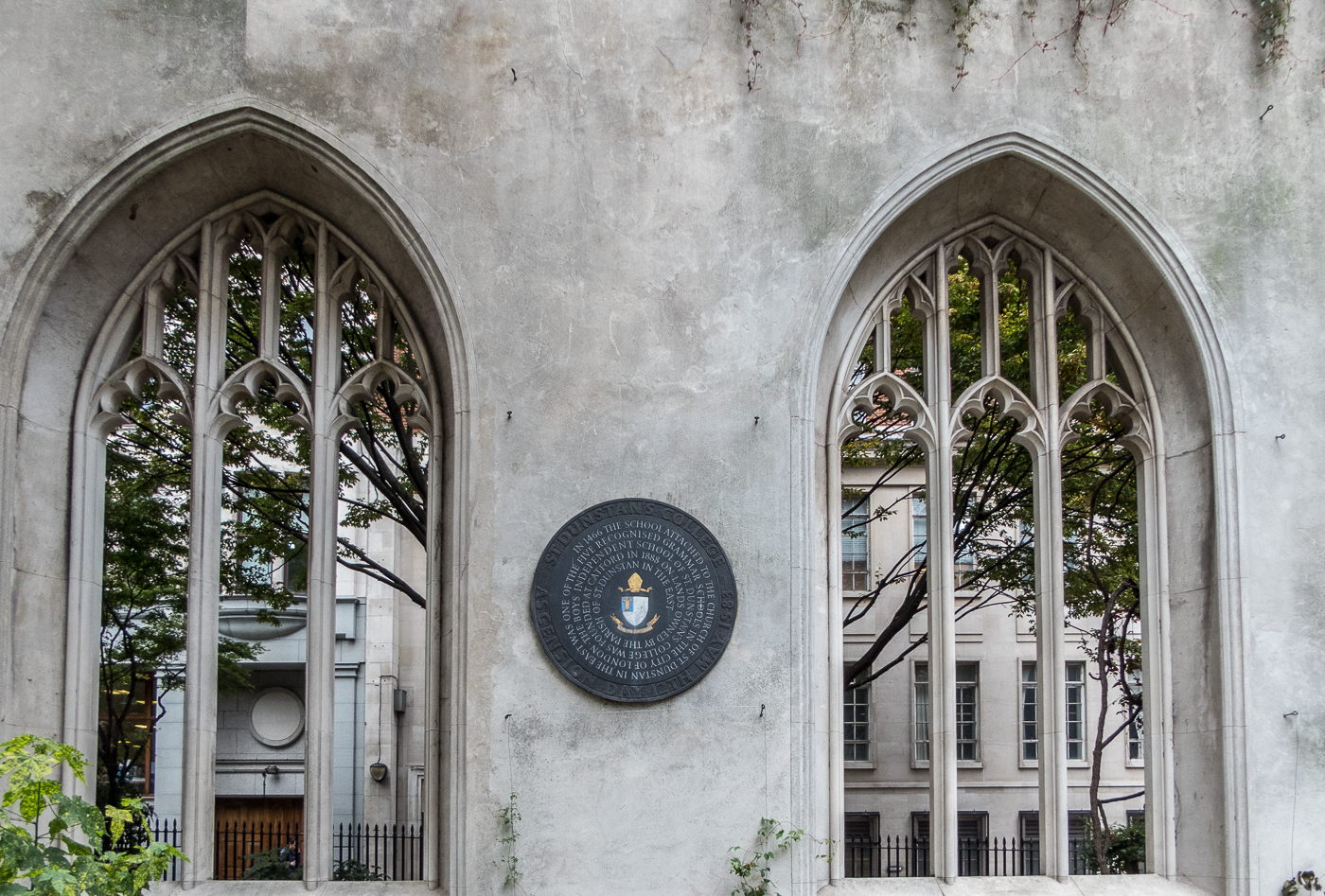
St Dunstan in the East is a medieval church near the Tower of London that was hit by a Luftwaffe bomb on 10 May 1941. The raid destroyed everything except the north and south walls and Christopher Wren's steeple, which he'd added after the Great Fire of 1666.
Rather than rebuild it, the City of London did something extraordinary: they turned the roofless shell into a public garden. Since 1970, ivy, trees, and climbing plants have grown through the empty Gothic window frames. Roots push through the nave. Light falls where a roof used to be.
It's one of the last Blitz-damaged buildings deliberately left as ruins in the UK, serving as a living memorial to what happened here. Go on a weekday morning before the Instagram crowds arrive. Stand in the nave and look up through the empty windows at the sky. It's one of the most beautiful spaces in London, and it only exists because someone decided not to fix what was broken.
Old Operating Theatre Museum
Europe's oldest surviving operating theatre is hidden in the attic of a church on St Thomas Street, near London Bridge. It was built in 1822, used for decades, and then — when the hospital moved in 1862 — it was simply sealed off and forgotten.
For a hundred years, it sat there. A complete nineteenth-century operating theatre, with its wooden operating table and tiered viewing gallery, gathering dust above a church congregation who had no idea it was there. A historian named Raymond Russell rediscovered it in 1956.
Before 1847, there were no anaesthetics. Surgeons relied on speed, alcohol, opiates, and — this is a direct quote from the museum — "mental preparation of the patient." The herb garret next door, where the hospital apothecary dried medicinal herbs, is still intact too.
You reach it via a narrow spiral staircase. It's cramped, it's dark, and it's one of the most powerful museum experiences in London.
York Watergate
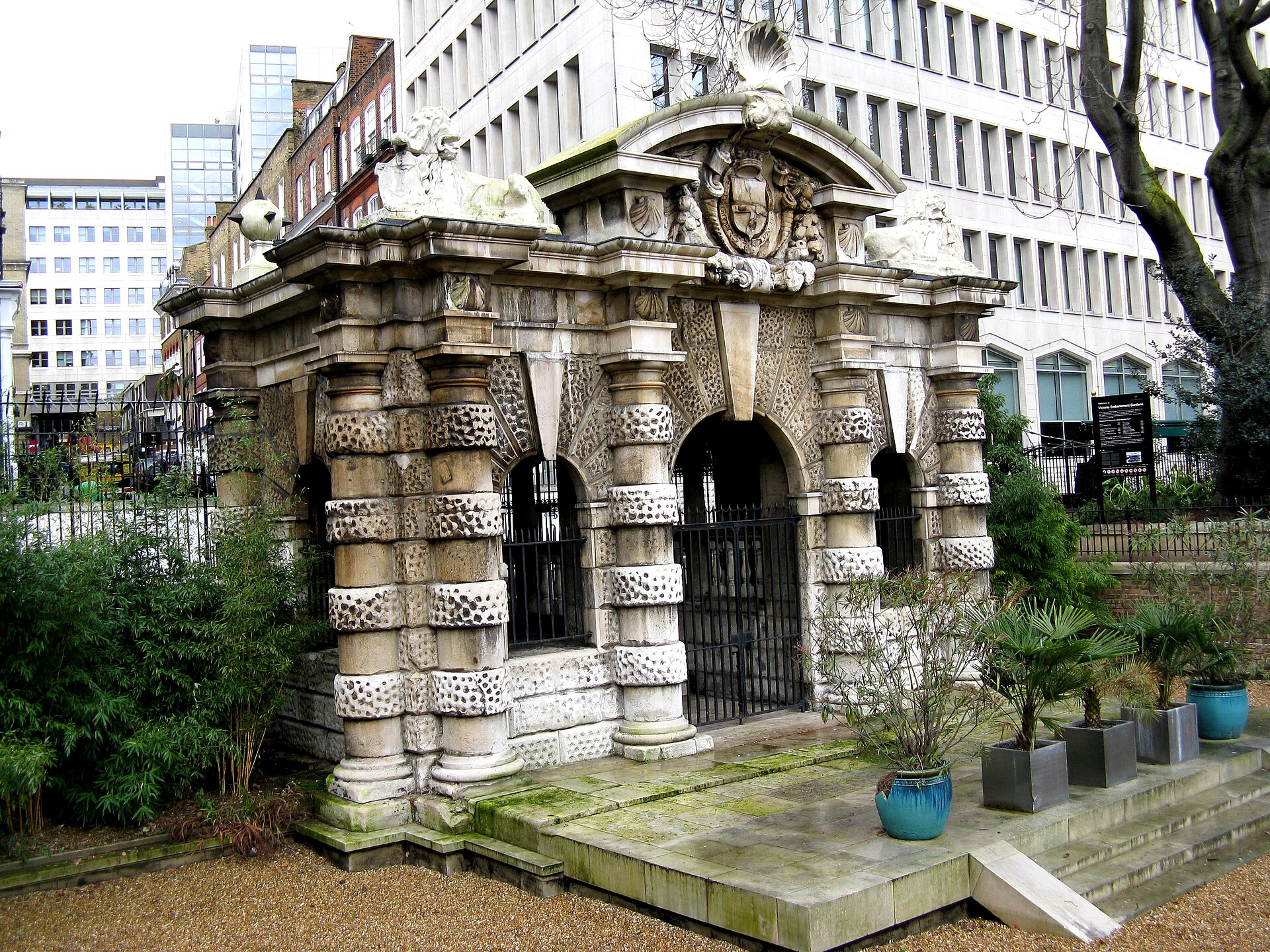
The York Watergate in Victoria Embankment Gardens was built around 1626 as a boat dock for the Duke of Buckingham's riverside mansion. When it was built, the Thames lapped against its steps.
Today, the gate is 150 metres from the water.
Everything between this gate and the current riverbank was once underwater. The entire Victoria Embankment was reclaimed from the Thames in the 1860s, using earth excavated during the construction of the District Line underground railway, topped with soil from Barking Creek. The watergate shows you exactly how wide the river used to be — and how much of central London is, quite literally, made-up ground.
Wilton's Music Hall
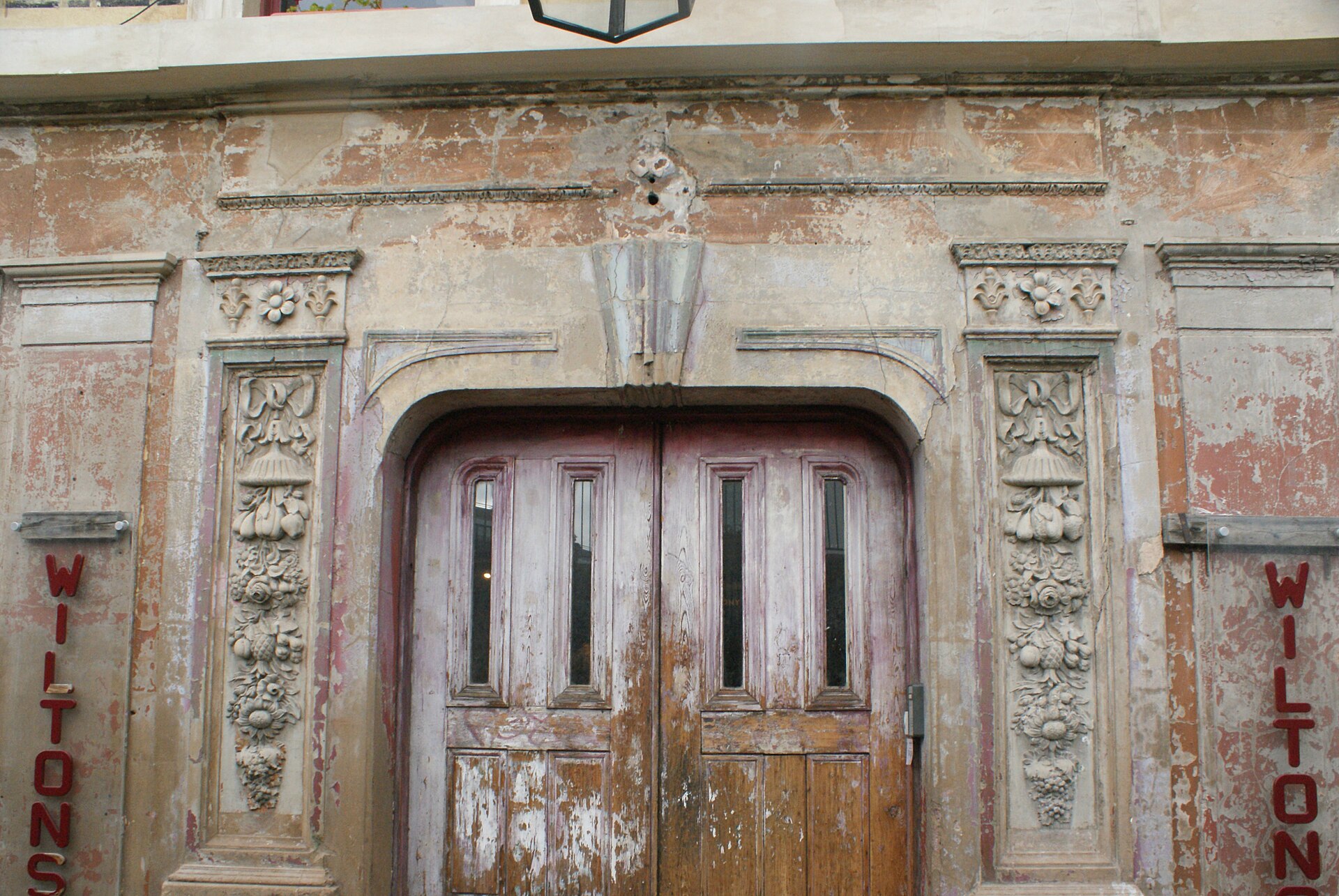
Wilton's Music Hall on Graces Alley in Whitechapel opened in 1859. John Wilton bought a pub, then built the performance hall across the back gardens of three adjoining houses. His idea was to bring West End glamour to the East End at prices working people could afford.
After a fire in 1877, the hall closed and became a Methodist mission that ran a soup kitchen during the 1889 dock strike. Then it was used as a rag-sorting warehouse. By the 1960s, it was about to be demolished.
The demolition was stopped by a campaign led by John Betjeman — the poet who would become Poet Laureate. The building limped on for decades until an award-winning restoration was completed in 2015.
It's now the oldest surviving grand music hall in the world. They still do shows. The walls are still rough. The atmosphere is unlike anything else in London. It exists because a pub landlord had a dream, a poet had a cause, and a rag warehouse accidentally kept the building standing long enough for someone to save it.