The Seven Noses of Soho
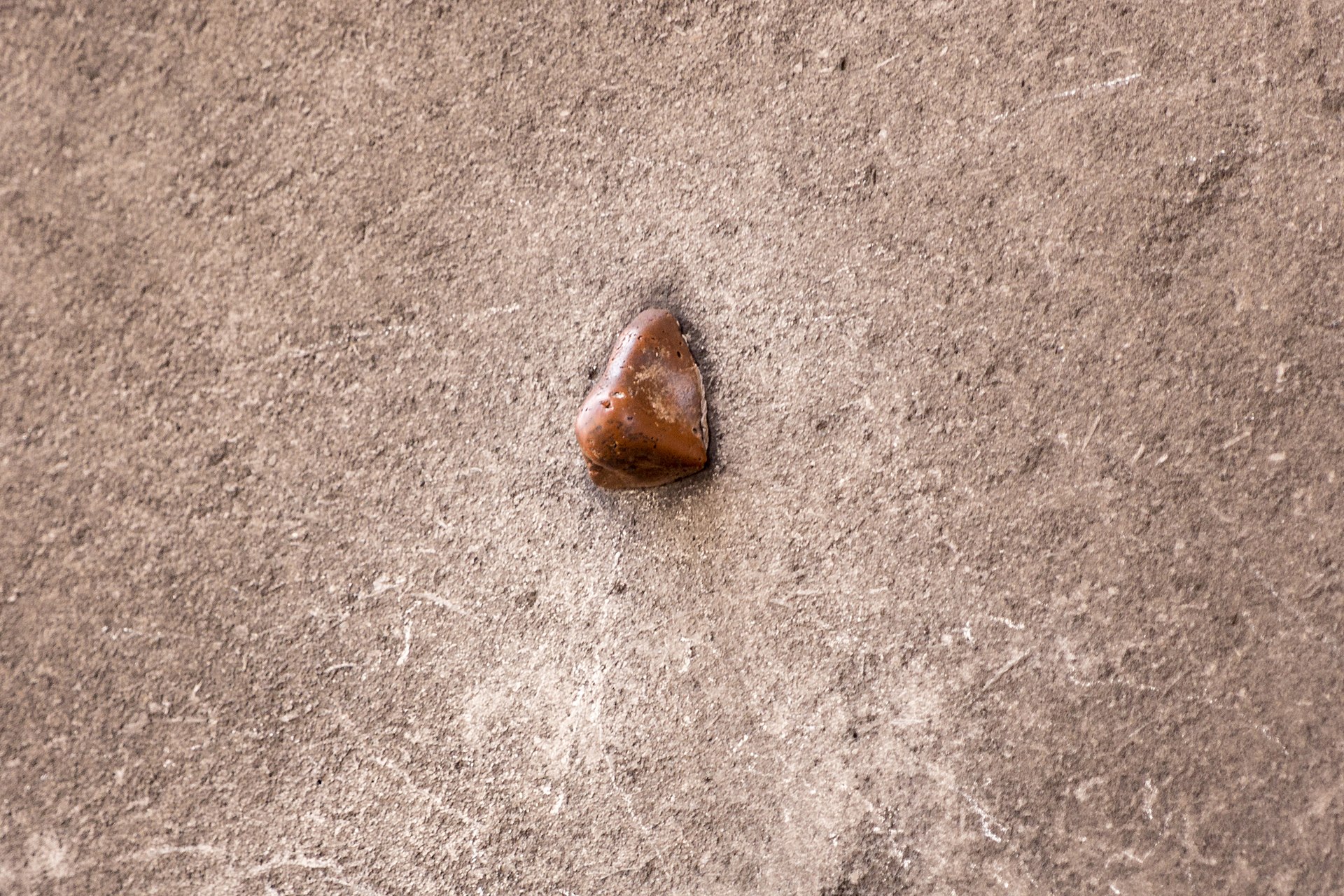
In 1997, an artist named Rick Buckley decided that London was being watched too closely, so he started gluing plaster casts of his own nose to buildings across central London. It was a guerrilla art protest against the explosion of CCTV surveillance cameras, and it’s still paying off.
You can't miss the most famous one, which is affixed to the inside wall of Admiralty Arch as you pass through toward The Mall. It’s a human nose, just sticking out of the stone—no face, no plaque, nothing but a nose.
This is one of the most delightfully bizarre examples of *unusual things to do in London*. Finding these noses is like participating in a secret game, a scavenger hunt designed by protest art. If you’re lucky, you might find one of the four original noses surviving in Soho—at Dean St, Bateman St, Endell St, or Great Windmill St.
Dennis Severs' House
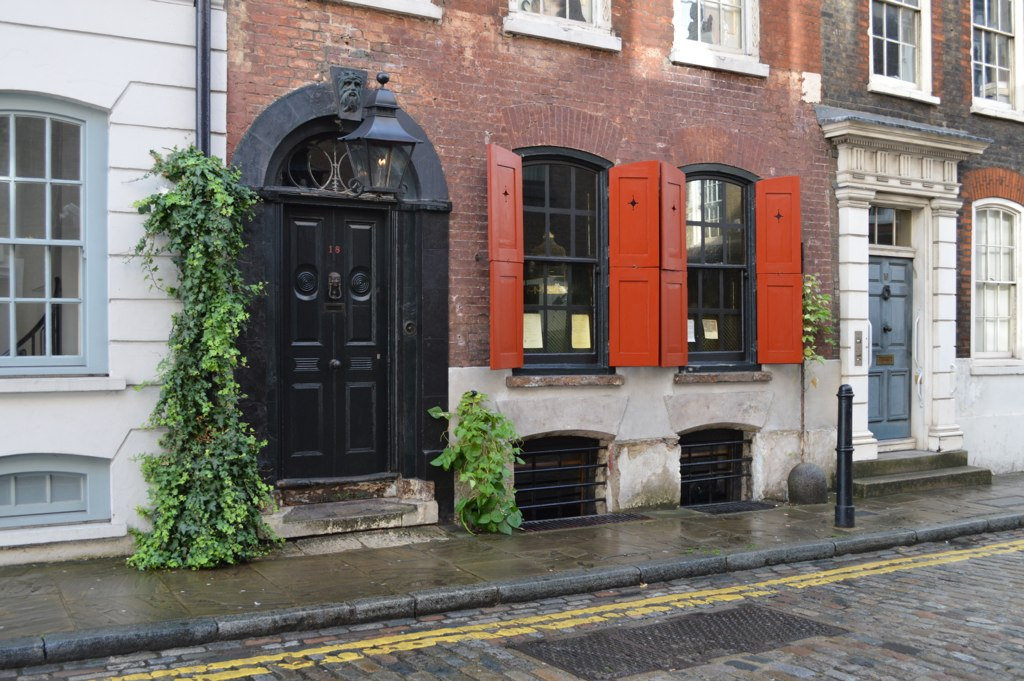
Forget what you think a museum is. What Dennis Severs created at 18 Folgate Street is something he called a "still-life drama." It’s less a display and more a performance of time itself.
The house, built in 1724, is arranged across four storeys and contains ten rooms, each one staged to look as if the inhabitants have just stepped out. There are half-eaten meals on tables, crumpled letters, and the faint smell of smouldering fires.
You are told to remain absolutely silent, and you are not allowed to take photographs. This intense sensory immersion is part of the unusual experience. The house tells the fictional story of the Jervis family, Huguenot silk weavers from 1724 to the early 20th century. The atmosphere is so thick you can almost hear the footsteps overhead, making you feel like an unwilling witness to a century-old secret.
London Stone
Behind a simple metal grille in the wall of a WH Smith on Cannon Street sits one of the most profoundly mysterious objects in London: the London Stone. It’s a lump of oolitic limestone, roughly the size of a small suitcase, and the most unusual thing about it is that nobody, not a single historian or archaeologist, can tell you what it is or why it’s here.
The theories are utterly fantastic. Some say it’s the Roman *milliarium*, the central milestone from which all distances in Britannia were measured. Others whisper it’s a Druidic altar, while a prophecy about the Stone of Brutus was even invented by a Welsh clergyman around 1862.
It has a deep, weird history. In 1450, rebel Jack Cade struck it with his sword and declared himself Lord of London. It’s been a silent, baffling artifact, and currently housed at 111 Cannon Street, it forces you to question every established timeline of the city.
Dead Man's Hole (Tower Bridge)
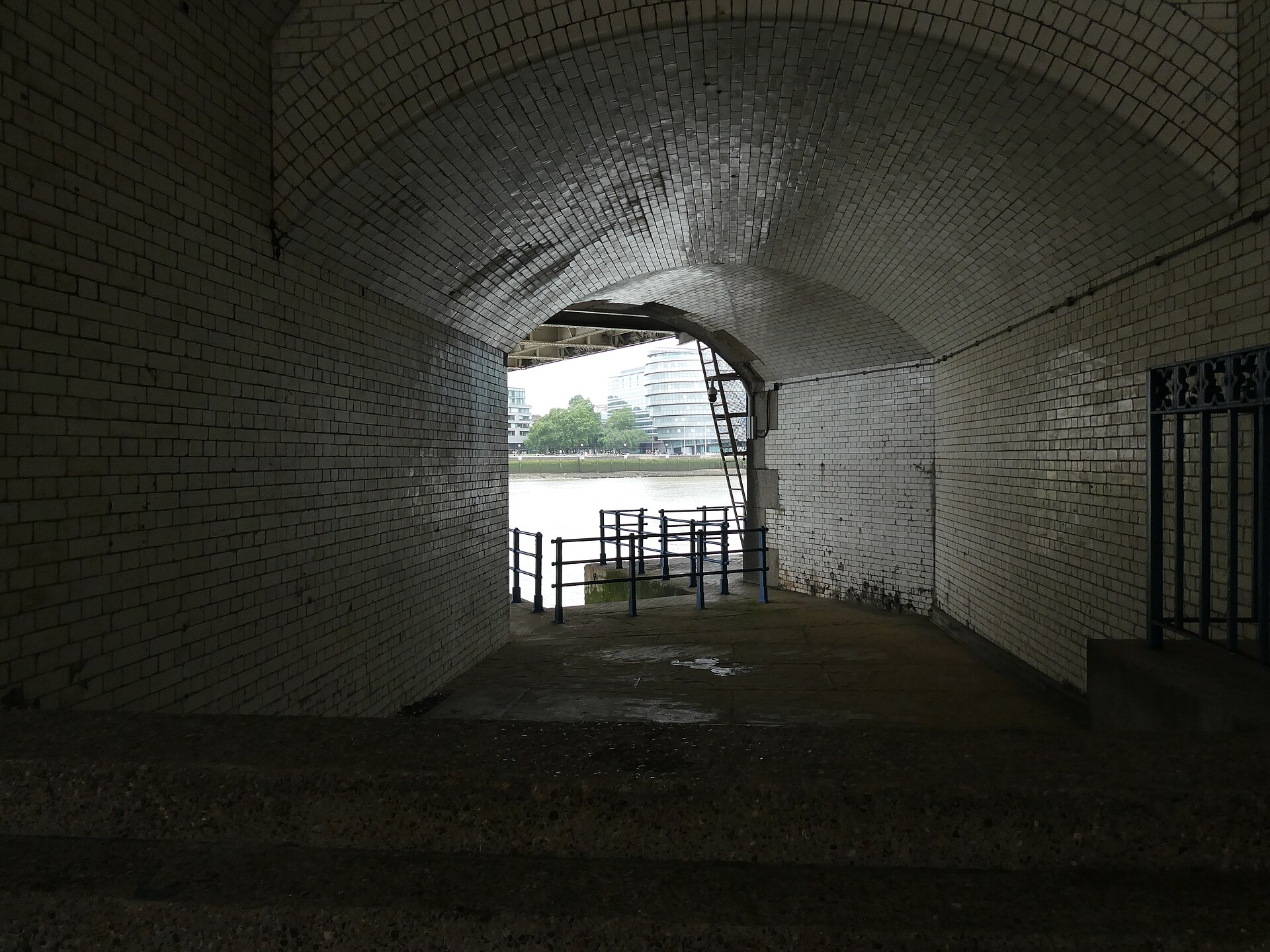
If the London Stone makes you question history, this spot makes you question the river itself. Walk along the north side of Tower Bridge, toward the Tower of London end, and look down at the river's edge. There, built into the northern abutment, is Dead Man's Hole. And the name is not a metaphor.
This small, white-tiled alcove is a body-collection point. Due to the natural tidal currents of the Thames, this particular spot was where bodies would naturally congregate. People who drowned, people who were murdered and dumped in the river—the currents would carry them downstream and deposit them right here.
The white tiles weren't decorative. They were installed because decomposing corpses would sometimes explode from gas buildup, and the tiles allowed them to be hosed down. It’s a dark, visceral piece of London's true history, accessible right off the bridge.
Old Operating Theatre Museum
The kind of unusual history you find in an attic. High up in the attic of a church, accessible only by a narrow spiral staircase, is Europe's oldest surviving operating theatre. Built in 1822 as part of St Thomas' Hospital, this is where surgery was conducted on women patients from the adjoining ward.
When we say surgery, we mean something closer to controlled butchery. Before 1847, there were no anaesthetics. None. The records show that surgeons relied on speed, alcohol, opiates, and what the hospital euphemistically called "mental preparation."
It was completely forgotten until historian Raymond Russell rediscovered it in 1956. This hidden room, accessed by a winding stair, proves that the most shocking and unusual parts of London are often found tucked away, literally overhead.
Little Venice
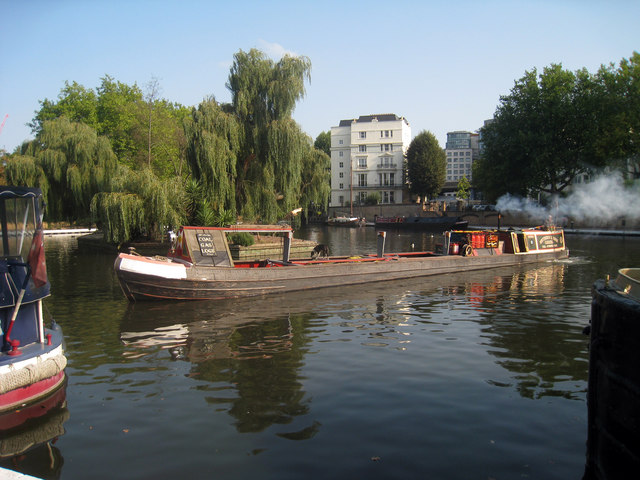
From the macabre canals of the Thames, we shift gears to a quieter kind of mystery. Most people think Robert Browning is responsible for the name "Little Venice," but that’s a myth. The name "Venice" was actually used by Lord Byron decades earlier for this area.
This picturesque stretch sits at the junction of the Paddington Arm, Regent's Canal, and Paddington Basin. The myth of Browning vs. Byron is just one of the layered historical oddities here. The name "Little Venice" didn't even come into formal use until after the Second World War, and the area was officially recognized under that name only in the 1950s.
It’s a place where history itself has swapped stories and myths, giving it a romantic, slightly unreal atmosphere that makes it feel like a secret corner of the city.
Hackney City Farm
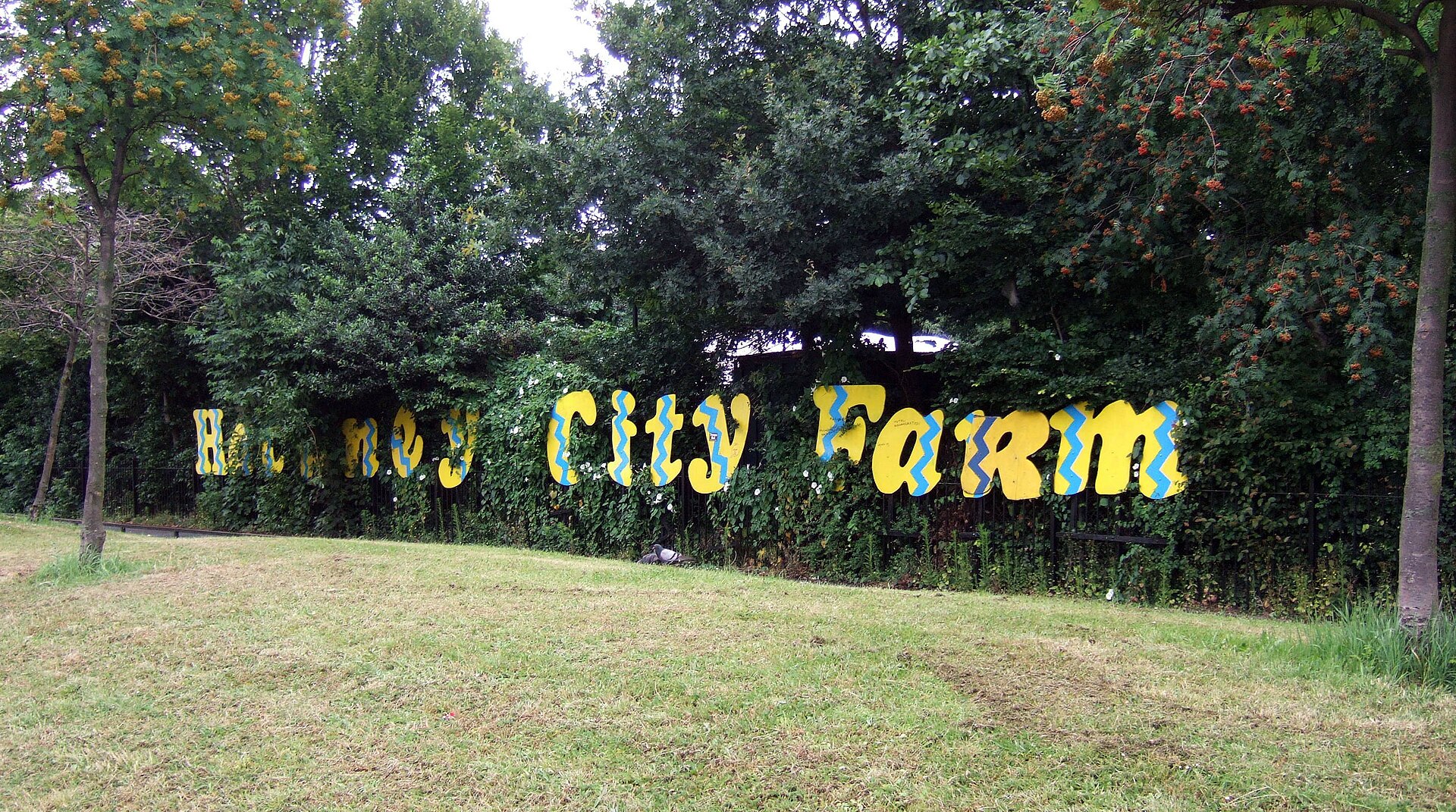
Sometimes the most unusual things to do in London are the things that are completely free. Tucked away in Haggerston, Hackney City Farm is a working farm complete with donkeys, pigs, sheep, and bees—and it’s open to the public.
The farm sits on a site that has been feeding London for over two hundred years. In the early 1800s, market gardeners grew produce here. Then, during the late 1880s, West's Brewery occupied the site, brewing beer until the 1930s. The original brewing well, a physical reminder of that industrial past, is still capped in the front garden.
It’s a wonderful mix of history and nature. The farm, which was established in 1984 on the site of a former lorry park, feels like a peaceful anomaly in the middle of the massive city.
Execution Dock
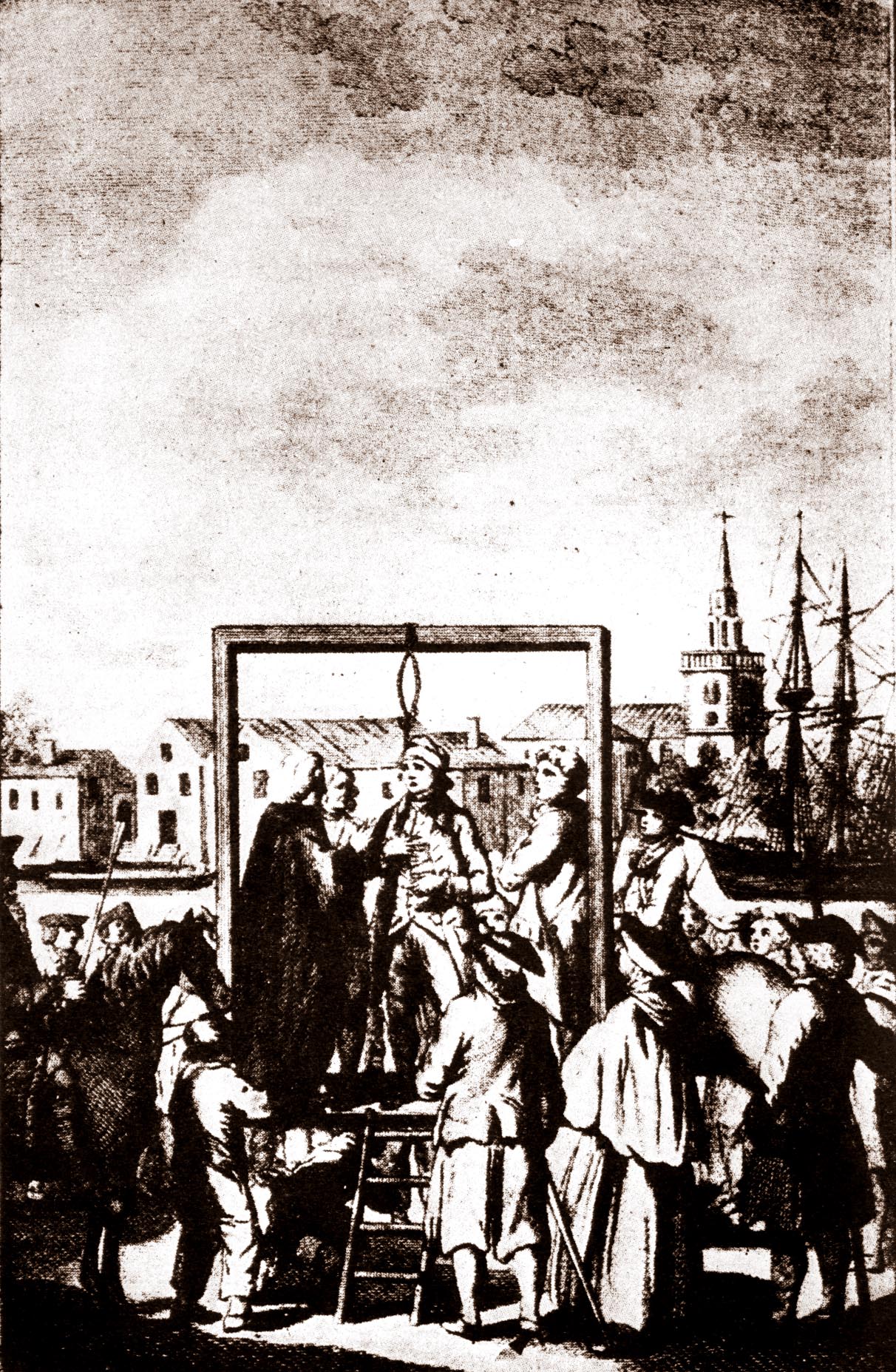
If you liked the dark history of the Thames, this stretch of waterfront is even darker. For four hundred years, this dock was where London killed its pirates. Execution Dock operated from the early fifteenth century until 1830, and the method of death was designed for maximum cruelty and maximum spectacle.
The rope used for hanging was deliberately shortened, meaning the drop wouldn't break the neck. The pirates died slowly by strangulation, their limbs convulsing in what spectators morbidly called 'the Marshal's dance.'
This dock is a stark, brutal reminder of London's violent past. Not only were the pirates hanged here, but bodies were also left until three tides washed over them, and notorious figures like Captain William Kidd were tarred and displayed in gibbets along the Thames.
Barbican Conservatory
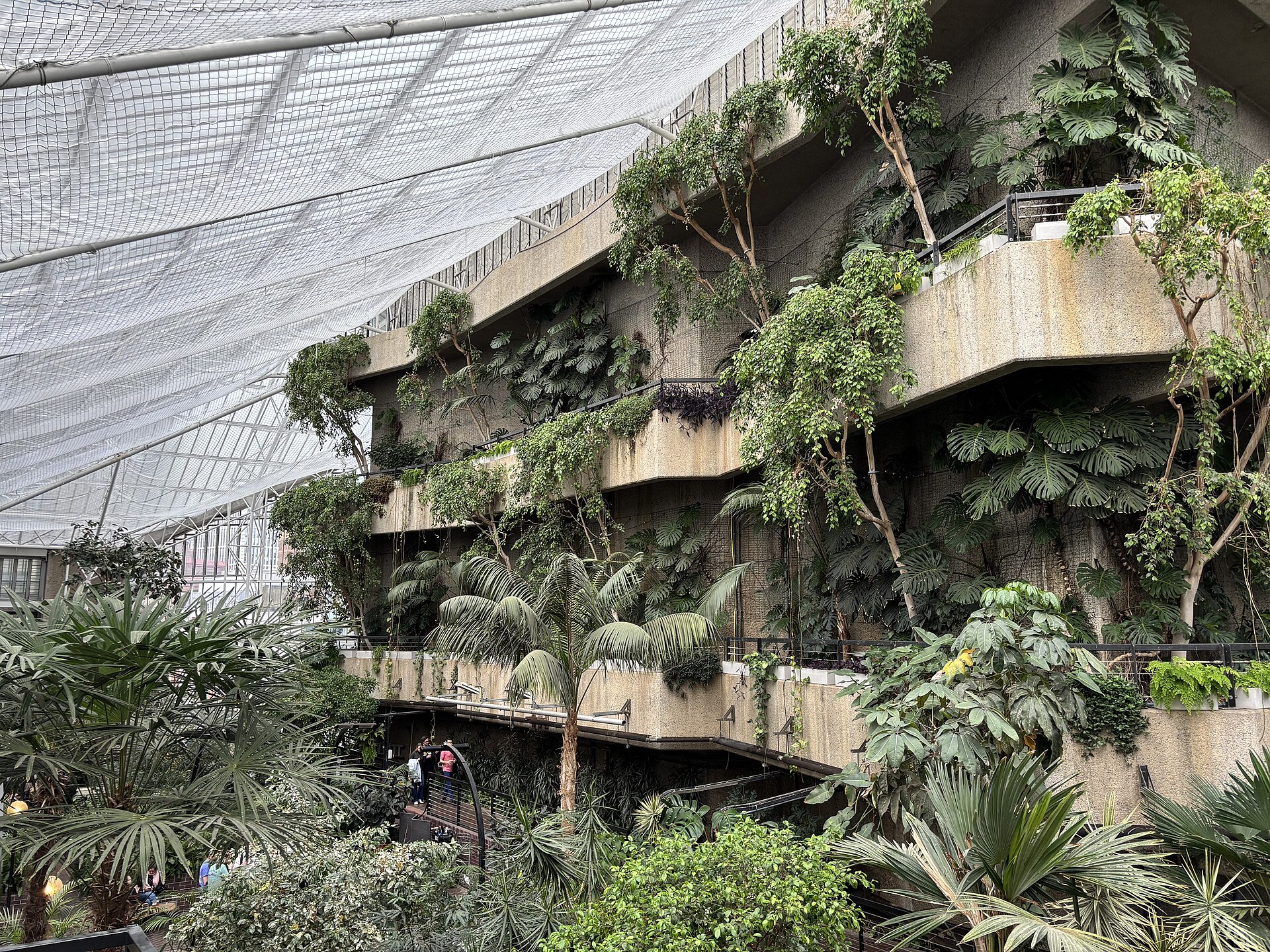
How do you fit a tropical rainforest into a brutalist concrete masterpiece? Six storeys above the stage of the Barbican Theatre. That’s the Barbican Conservatory.
Perched atop one of London's most concrete structures is a massive, humid jungle, covering 23,000 square feet. It is the second-largest greenhouse in London after Kew, and it feels genuinely surreal.
The conservatory houses around 1,500 species of tropical plants, many of them rare and endangered in their native habitats. The sheer contrast—lush, humid jungle existing on top of a brutalist performing arts centre—makes it one of the most architecturally and botanically bizarre places in the entire city.
Eltham Palace
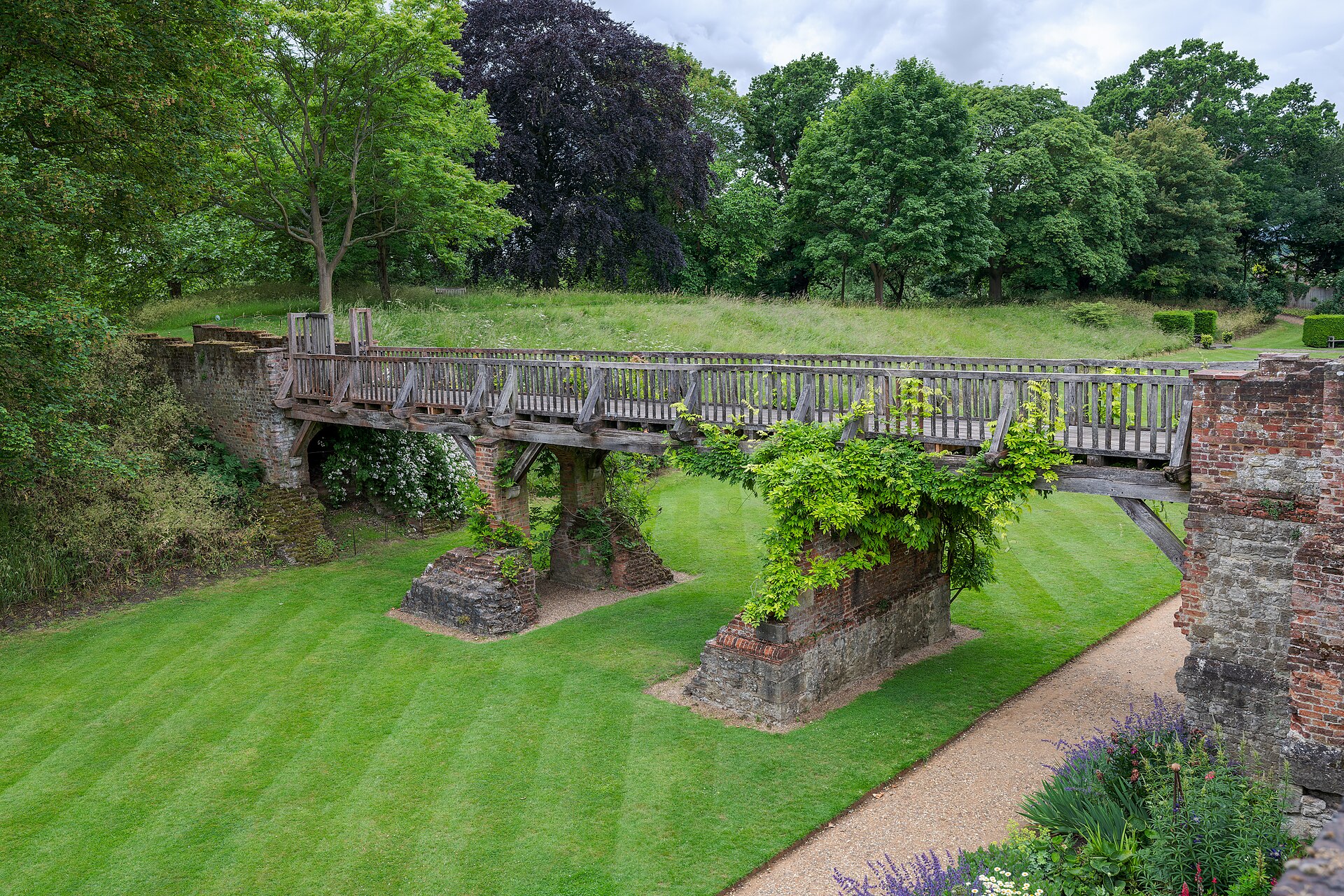
Sometimes, the most unusual places are those where centuries of history collide with a radical shift in taste. Eltham Palace is exactly that.
The great hall dates from the 1470s and was built for Edward IV, featuring one of the finest hammerbeam roofs in England. It’s a medieval royal residence where Henry VIII grew up, playing in the gardens. But after the English Civil War, the palace was abandoned and the great hall was used as a barn.
This is where the modern absurdity enters. In 1933, Stephen and Virginia Courtauld took a 99-year lease and built an Art Deco home attached to the medieval structure. The Courtaulds didn't just live there; they brought centralized vacuum cleaning and underfloor heating into a 15th-century setting.
London is a city of incredible, sometimes baffling, layers. The things that make it so utterly unique aren't the famous landmarks, but the secret nooks, the staged memories, and the deeply weird architectural mashups that defy simple explanation. To truly find the unusual, you have to look down the side of a bridge, up a forgotten attic stairwell, or across a quiet canal.
For a walking tour that takes you off the beaten path and into these hidden, strange corners of the city, download the VoiceWalks app and let us guide you through the untold story of London.