Walking Tours in Hong Kong
30 Landmarks in Hong Kong
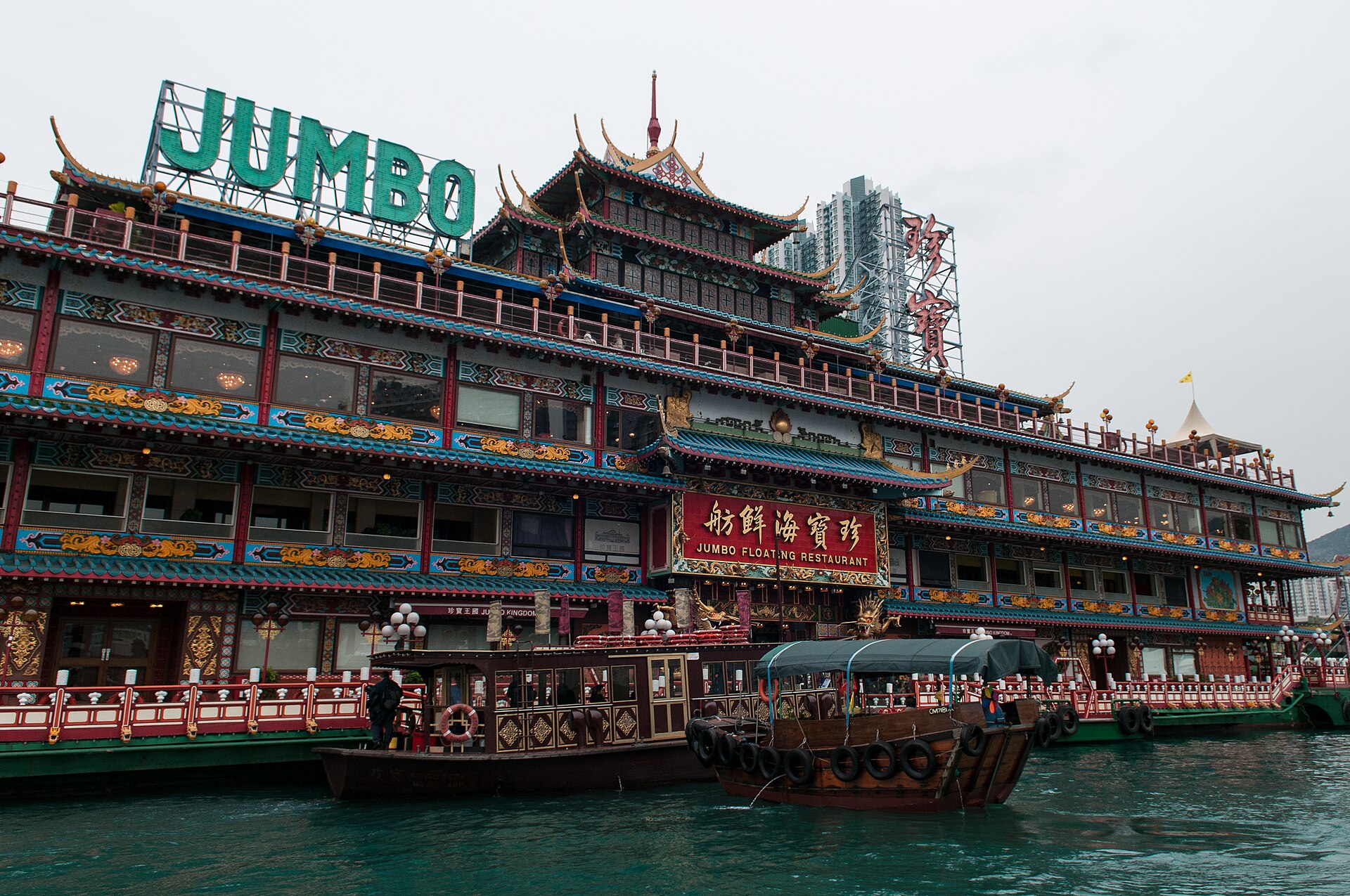
Aberdeen & Jumbo Kingdom
Aberdeen, Hong Kong Island
Aberdeen is Hong Kong's original fishing village — a harbour on the southern shore of Hong Kong Island where sampans, junks, and fishing boats have anchored for centuries, and where the floating population that once lived on the water can still be glimpsed in the remaining houseboats and sampan taxis. The name 'Hong Kong' (fragrant harbour) may derive from the incense trade that passed through Aberdeen before the British arrived. The famous Jumbo Kingdom floating restaurant — a garish, three-storey floating palace that served dim sum to tourists for 46 years — capsized and sank while being towed to Cambodia in 2022, ending one of Hong Kong's most recognisable (if not most beloved) tourist attractions. Its absence has left a gap in the harbour's skyline but returned attention to Aberdeen's genuine character: the working fish market, the typhoon shelter where boats cluster during storms, and the seafood restaurants along the waterfront that serve the morning's catch without the tourist premium. A sampan ride through the typhoon shelter — past the remaining houseboats, the moored junks, and the fish farms — costs a few dollars and provides a perspective on Hong Kong that the Central skyline can't offer. The Ap Lei Chau (Aberdeen Island) bridge connects to a public housing island with a surprisingly vibrant wet market and some of the cheapest dim sum in Hong Kong. Aberdeen is a 20-minute bus ride from Central but feels like a fishing village that's been accidentally surrounded by a city.
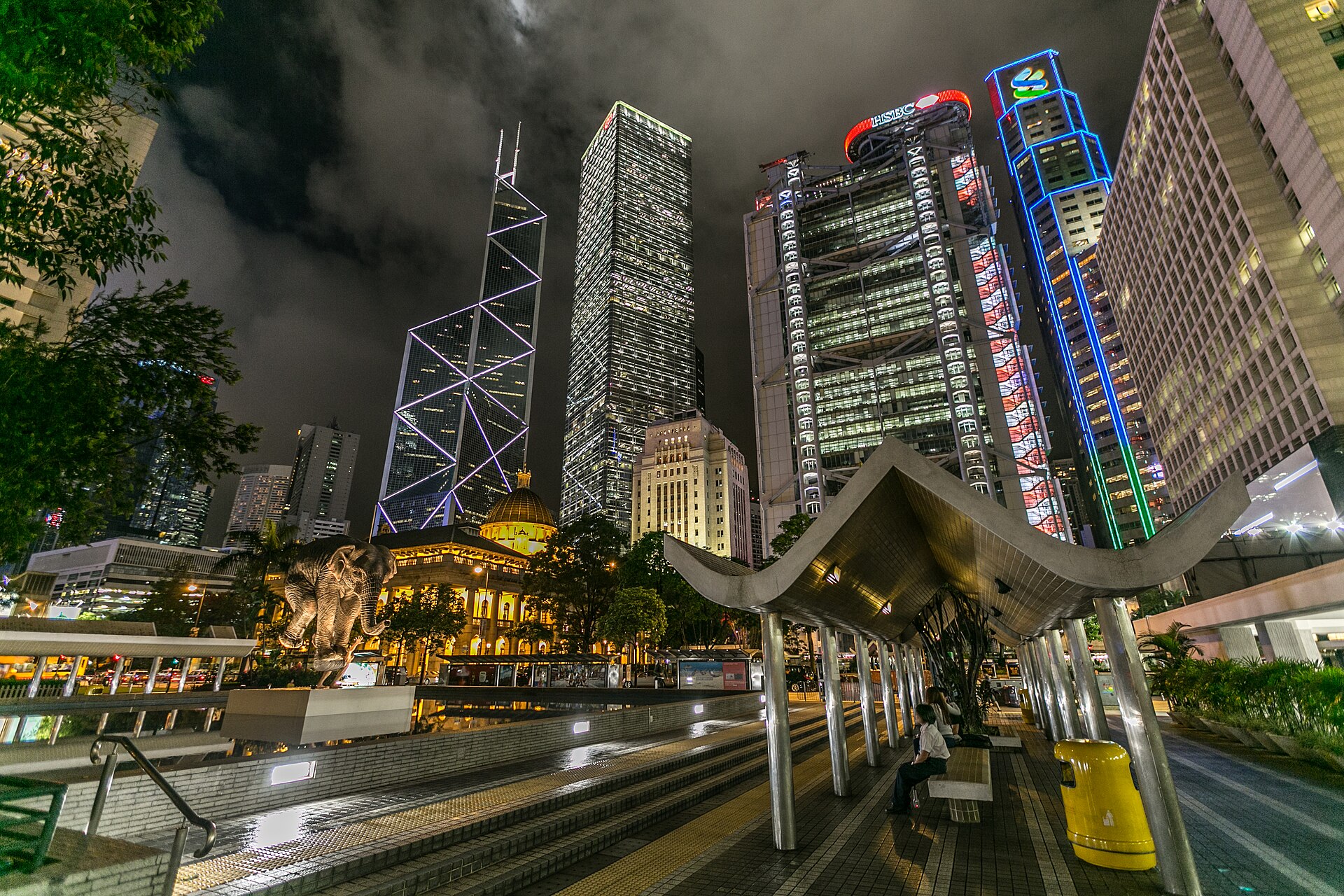
Central District & HSBC Building
1 Queen's Road Central, Hong Kong
Central is the financial heart of Hong Kong — a forest of skyscrapers on the north shore of Hong Kong Island that houses the headquarters of every major bank, law firm, and corporation in the territory. The district's architectural highlights include the HSBC Main Building (Norman Foster's 1985 masterpiece, a building so expensive it was the most costly structure in the world when completed), the Bank of China Tower (I.M. Pei's angular glass prism), and the IFC Two (the tallest building on Hong Kong Island), which together create a skyline conversation between three generations of skyscraper design. Foster's HSBC Building is the most architecturally significant — a high-tech structure that hangs its floors from external trusses rather than supporting them on columns, creating an open ground floor that allows public passage through the building and a pair of escalators that carry you into the banking hall through the underbelly of the structure. The building cost HK$5.2 billion in 1985 and was the most expensive building in the world at the time. The feng shui of the building (orientation, water features, the pair of bronze lions at the entrance) was taken as seriously as the engineering. Central's ground level is a study in Hong Kong's compression of functions — elevated walkways connect buildings above street level, the MTR station operates below, and the narrow streets between the towers contain everything from Michelin-starred restaurants to noodle shops, designer boutiques to wet markets. The Landmark, Prince's Building, and IFC Mall represent the luxury retail dimension, while the alleys behind Des Voeux Road contain the cheap, excellent food that keeps the financial district's workforce fed.
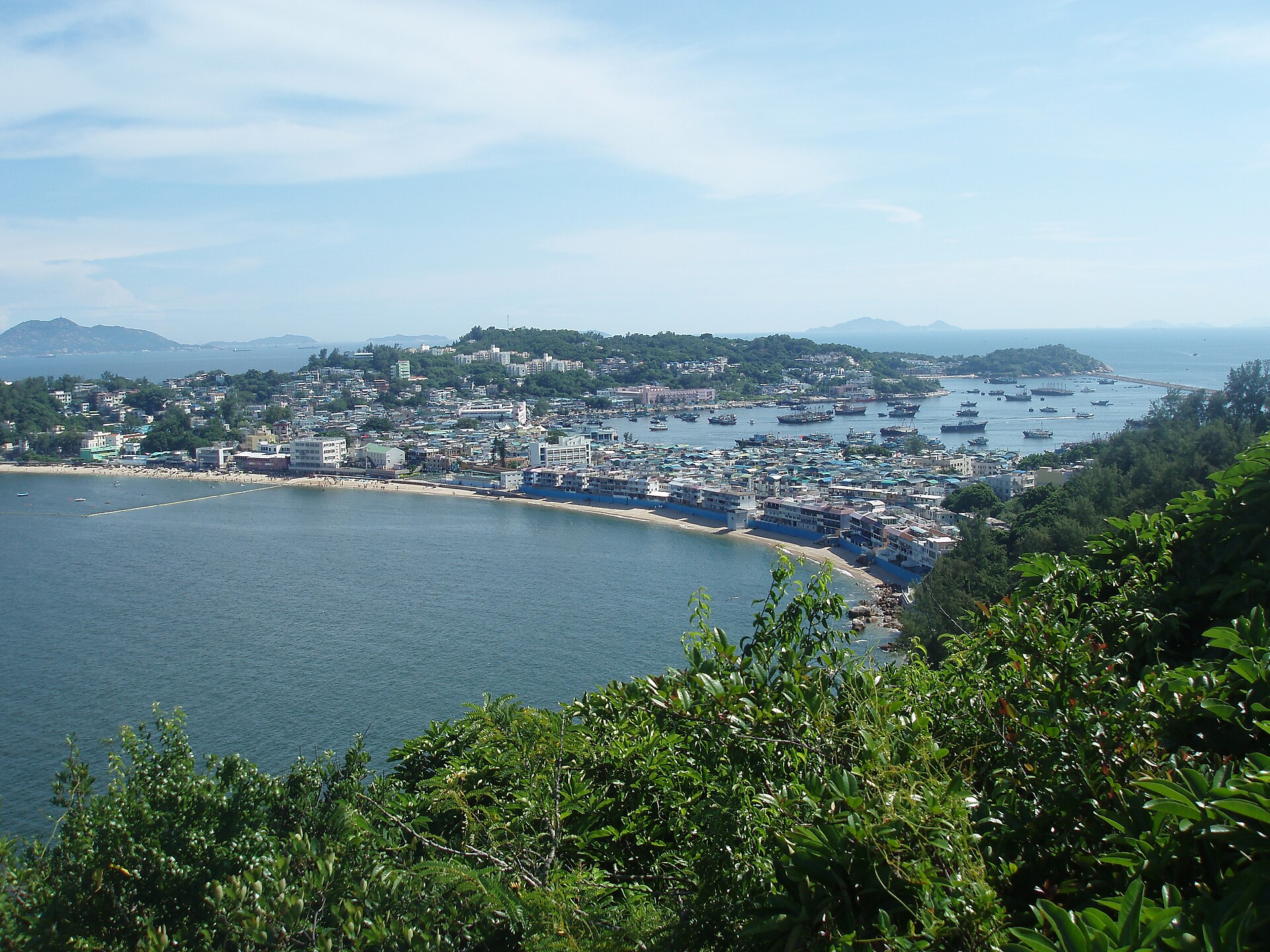
Cheung Chau Island
Cheung Chau, Hong Kong SAR, China
Cheung Chau is a car-free island 40 minutes by ferry from Central — a fishing community of narrow alleys, seafood restaurants, temples, and beaches that provides the most complete escape from urban Hong Kong available within the territory. The island is small enough to walk around in two hours, dense enough to explore for a full day, and cheap enough to eat fresh seafood for lunch without worrying about the bill. The waterfront promenade — lined with seafood restaurants that display their catch in tanks and on ice at the entrance — is the island's main attraction for day-trippers. The tradition is to point at what you want (fish, prawns, crabs, clams), agree on a price, and sit down while the kitchen prepares it. The quality is excellent and the prices are roughly half of what the same meal would cost in Central. The bakeries along the promenade sell the island's famous mango mochi and fish balls, and the beach (Tung Wan) is a decent swimming beach by Hong Kong standards. The annual Bun Festival, held in May, is one of Hong Kong's most spectacular traditional events — a week-long Taoist celebration featuring a parade of children dressed as deities and suspended on poles (the floating colours parade), and the famous bun-scrambling competition where participants climb a 14-metre bamboo tower covered in lotus-paste buns. The island's mini Tin Hau Temple, its pirate cave (allegedly used by 19th-century pirate Cheung Po Tsai), and the cemetery hill with views across the South China Sea add historical and scenic dimensions to what most visitors experience as a seafood-and-beach day trip.
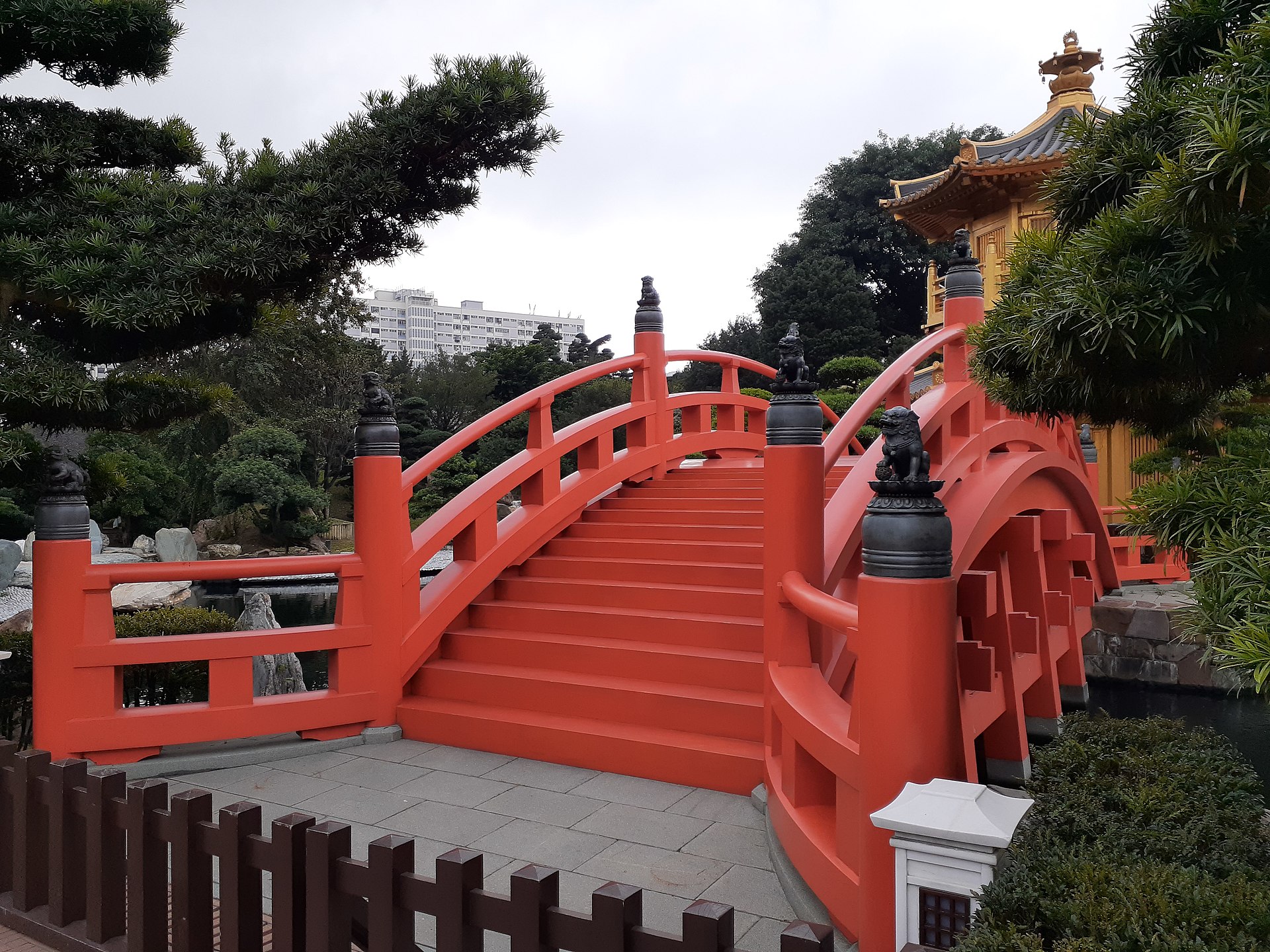
Chi Lin Nunnery & Nan Lian Garden
5 Chi Lin Drive, Diamond Hill, Hong Kong SAR, China
Chi Lin Nunnery is the most beautiful religious building in Hong Kong — a Tang Dynasty-style Buddhist complex built entirely of wood without a single nail, nestled against the hillside of Diamond Hill in a setting so serene that you forget you're in one of the densest cities on Earth. The nunnery was rebuilt in its current form in 2000 using traditional Chinese joinery techniques, and the combination of dark timber, lotus ponds, and bonsai gardens creates an atmosphere of contemplative beauty. The adjacent Nan Lian Garden, designed in the classical Chinese garden style of the Tang Dynasty, covers 3.5 hectares of meticulously landscaped hills, waterfalls, pavilions, and pine trees that were shaped and positioned according to principles of Chinese garden aesthetics. Every element — every rock, every tree, every bridge — is placed according to rules that govern classical Chinese garden design, and the result is a landscape that looks natural but is as composed as a painting. The complex is free to enter and sits directly above the Diamond Hill MTR station, making it one of the most accessible cultural attractions in the city. The vegetarian restaurant within the garden serves Buddhist vegetarian cuisine that is remarkably refined — mock-meat dishes and seasonal vegetables prepared with a delicacy that makes the meal itself a meditative practice. The contrast between the Tang Dynasty serenity inside the gates and the high-rise public housing towers visible over the garden walls is quintessentially Hong Kong.
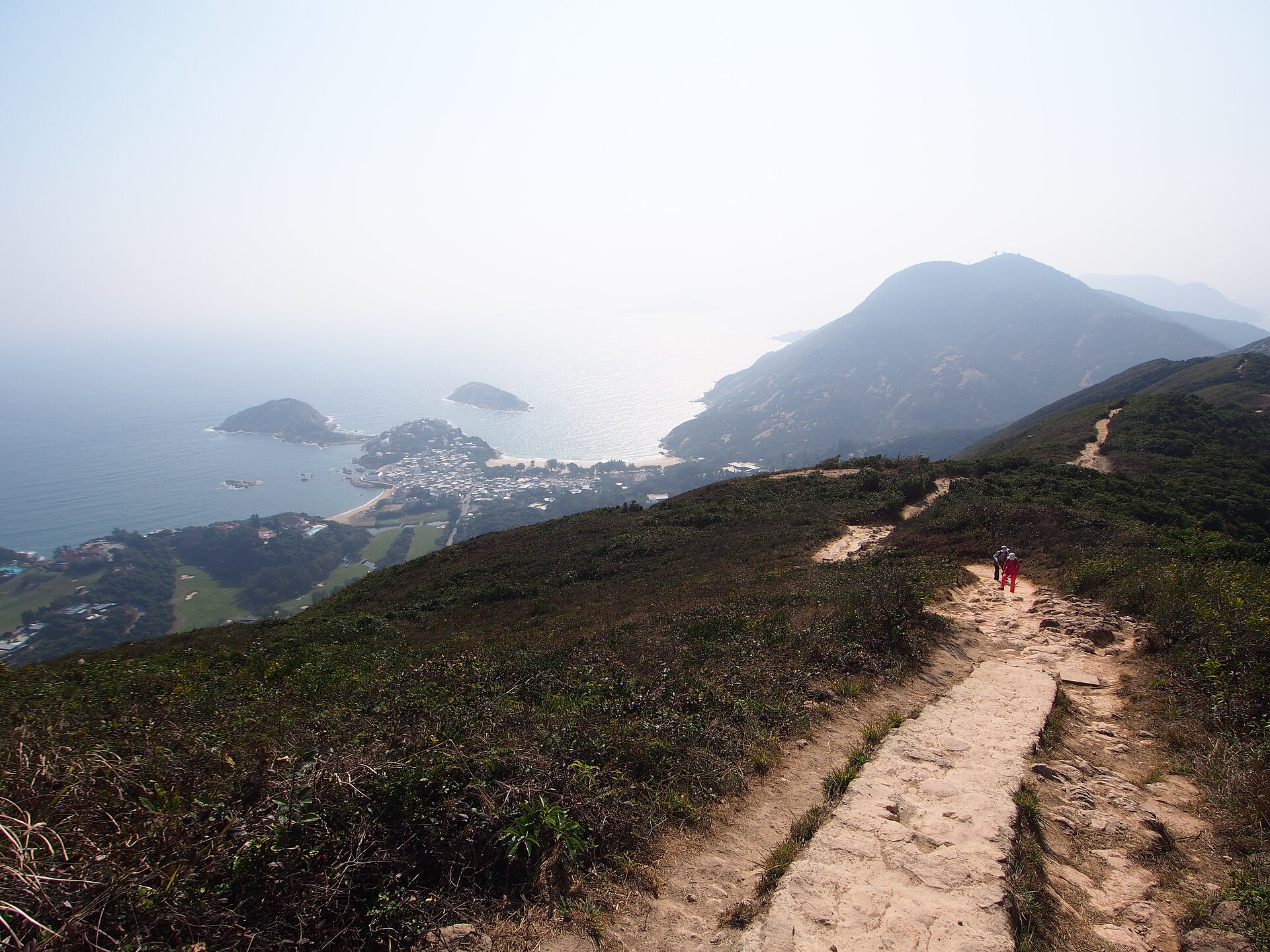
Dragon's Back Trail
Shek O Rd, Tai Tam, Hong Kong SAR, China
Dragon's Back is the most popular hiking trail in Hong Kong — an 8.5-kilometre ridge walk along the southeastern spine of Hong Kong Island that provides views of the South China Sea, Shek O Beach, Stanley, and the wild coastline that most visitors don't know exists. The trail was voted the 'Best Urban Hike in Asia' by Time magazine, and the combination of accessibility (it starts at a bus stop) and genuine natural beauty makes it the essential outdoor experience for anyone who thinks Hong Kong is only about skyscrapers and shopping. The trail follows the ridgeline of Shek O Peak (284m) through subtropical woodland and scrubland, with the sea visible on both sides at the highest points. The elevation gain is moderate (about 200m from the trailhead), and the path is well-maintained with steps on the steeper sections, making it accessible to anyone with reasonable fitness. The views from the ridge — looking south across the empty coastline to islands that appear uninhabited, and north to the towers of the city in the distance — demonstrate Hong Kong's remarkable geography: a hyper-dense urban core surrounded by mountains and coastline that are genuinely wild. The trail ends at Big Wave Bay, a beach with decent surf and a small café, which provides a satisfying conclusion: you descend from a mountain ridge to a beach, swim in the South China Sea, and take a bus back to Central. The entire experience — urban start, mountain middle, beach end — takes about three hours and provides the perspective shift that every visitor to Hong Kong needs: the city is only the front porch of a territory that is 75% countryside.
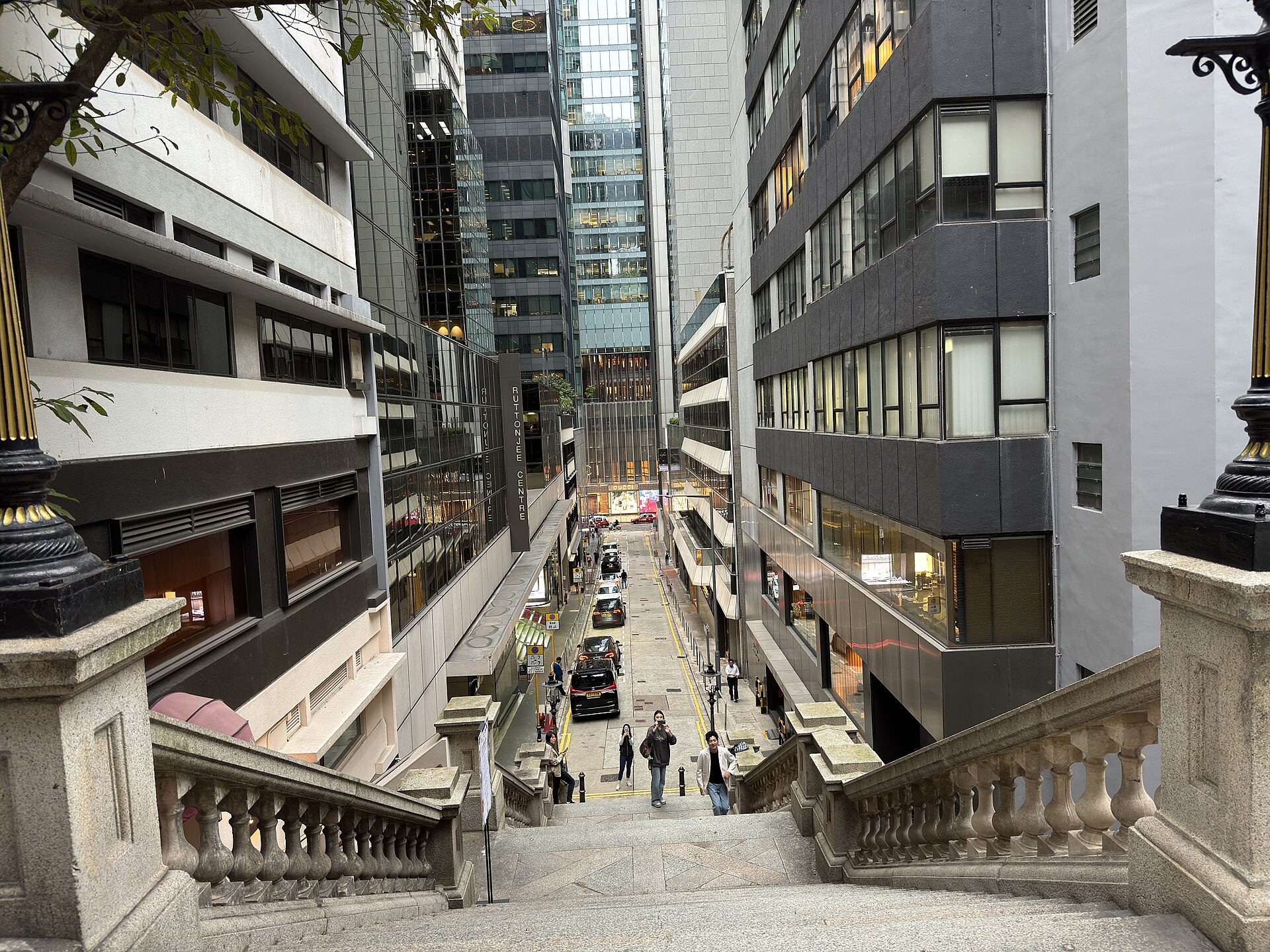
Duddell Street Gas Lamps
Duddell St, Central, Hong Kong SAR, China
The Duddell Street gas lamps are the only remaining gas street lamps in Hong Kong — four cast-iron lamps on a stone staircase in Central that have been burning since the 1880s and are now classified as a declared monument. In a city that tears down buildings before the paint is dry, the survival of four gas lamps is a minor miracle, and their continued illumination — they are lit every evening by an automated timer — is a quiet act of heritage preservation in a city that doesn't always prioritise the quiet. The staircase connects Duddell Street to Ice House Street, and the granite steps, flanked by the lamps and a balustrade, provide a 19th-century streetscape that survives between glass towers with the stubbornness of a thing that refuses to be replaced. The lamps are Victorian-era four-lantern designs, and the gas that fuels them is supplied by the same utility company that once lit the colonial city's streets before electricity made gas lamps obsolete everywhere else. The location — a two-minute walk from the Landmark shopping mall, between the luxury hotels and the corporate headquarters of Central — makes the Duddell Street steps a jarring interruption in the contemporary cityscape. The lamps are especially photogenic at dusk, when the gas flames are first visible against the fading sky and the stone steps glow in the warm light. It's a three-minute stop, but the encounter with something genuinely old in a city that treats age as a liability is worth the detour.
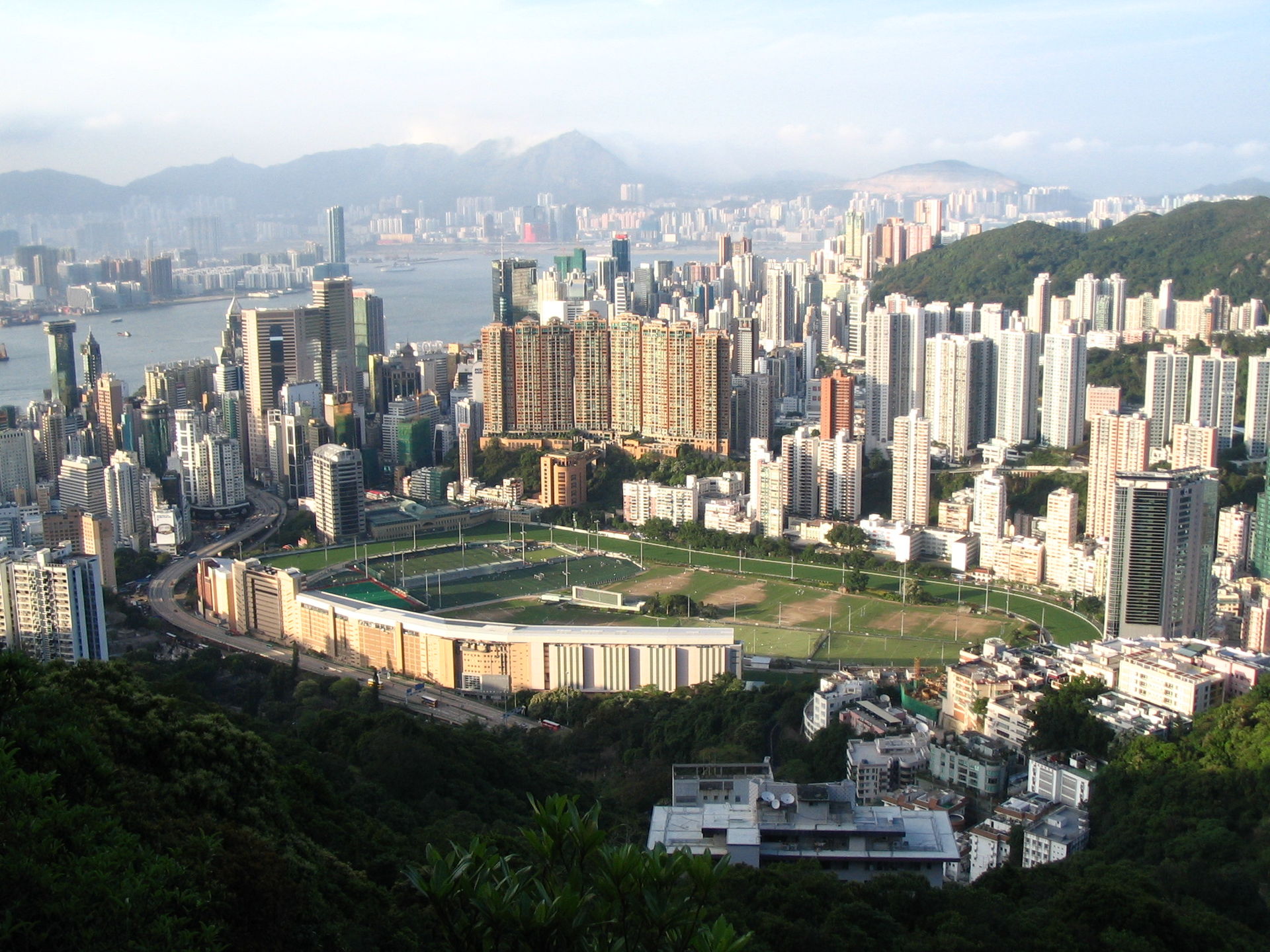
Happy Valley Racecourse
Sports Rd, Happy Valley, Hong Kong SAR, China
Happy Valley Racecourse is one of the most extraordinary sporting venues in the world — a horse-racing track wedged into a valley on Hong Kong Island, surrounded on all sides by residential tower blocks that rise 30 storeys above the stands, creating an amphitheatre where the sport, the betting, the beer, and the spectacle of Hong Kong life converge under floodlights every Wednesday evening during the racing season. Horse racing is Hong Kong's most popular sport and its only legal form of gambling — the Hong Kong Jockey Club, which operates both racecourses, is the territory's largest taxpayer and its largest charitable organisation, and race nights attract crowds that treat the event as a combination of sporting entertainment, social gathering, and financial speculation. The betting turnover on a single race night can exceed HK$1 billion, making Hong Kong's racing industry one of the most lucrative in the world. Wednesday night racing at Happy Valley (the season runs from September to July) is the accessible experience — general admission is cheap, the atmosphere is electric, the food stalls serve noodles and beer, and the sight of thoroughbreds racing beneath tower-block walls while 20,000 people scream is unlike any other sporting experience. The racecourse has been operating since 1846 (making it one of the oldest in Asia), and the Hong Kong Racing Museum in the stands tells the story of a sport that the British imported as colonial entertainment and that Hong Kong transformed into a civic institution.
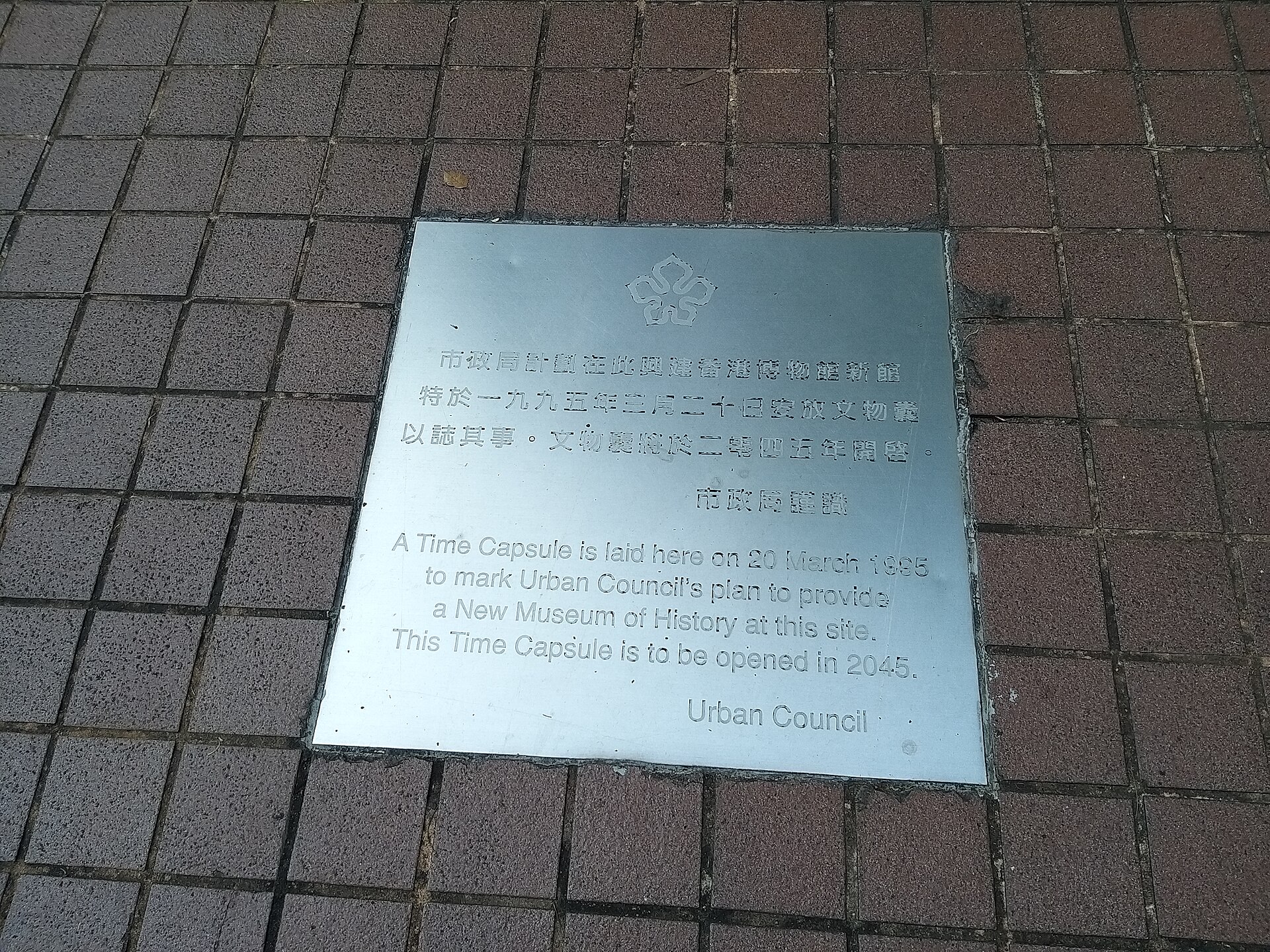
Hong Kong Museum of History
100 Chatham Road South, Tsim Sha Tsui, Kowloon
The Hong Kong Museum of History tells the story of the territory from 400 million years ago to the present — and the permanent exhibition, 'The Hong Kong Story,' is one of the most immersive and emotionally engaging museum experiences in Asia. The exhibition walks you through geological formation, prehistoric communities, the fishing and farming villages that existed before the British, the colonial period, the Japanese occupation, and the handover to China in 1997, using full-scale reconstructions, film, sound, and personal testimony. The Japanese occupation section is particularly powerful — the three years and eight months of brutal military rule (1941-1945) are presented through survivor testimony, personal artifacts, and reconstructions that make the human cost visceral rather than statistical. The section on the post-war economic miracle — from refugee crisis to manufacturing powerhouse to financial capital in three decades — explains how Hong Kong became what it is with an honesty about poverty, exploitation, and resilience that official narratives often sanitise. The museum is free (the permanent exhibition was made free in 2016), centrally located in Tsim Sha Tsui, and takes about two hours to walk through properly. The museum has undergone renovations and the permanent exhibition has been updated, but the core narrative — Hong Kong as a place shaped by geography, immigration, colonialism, and the extraordinary energy of its people — remains compelling regardless of the current political context.
Hong Kong Park & Flagstaff House Museum of Tea Ware
19 Cotton Tree Drive, Central, Hong Kong SAR, China
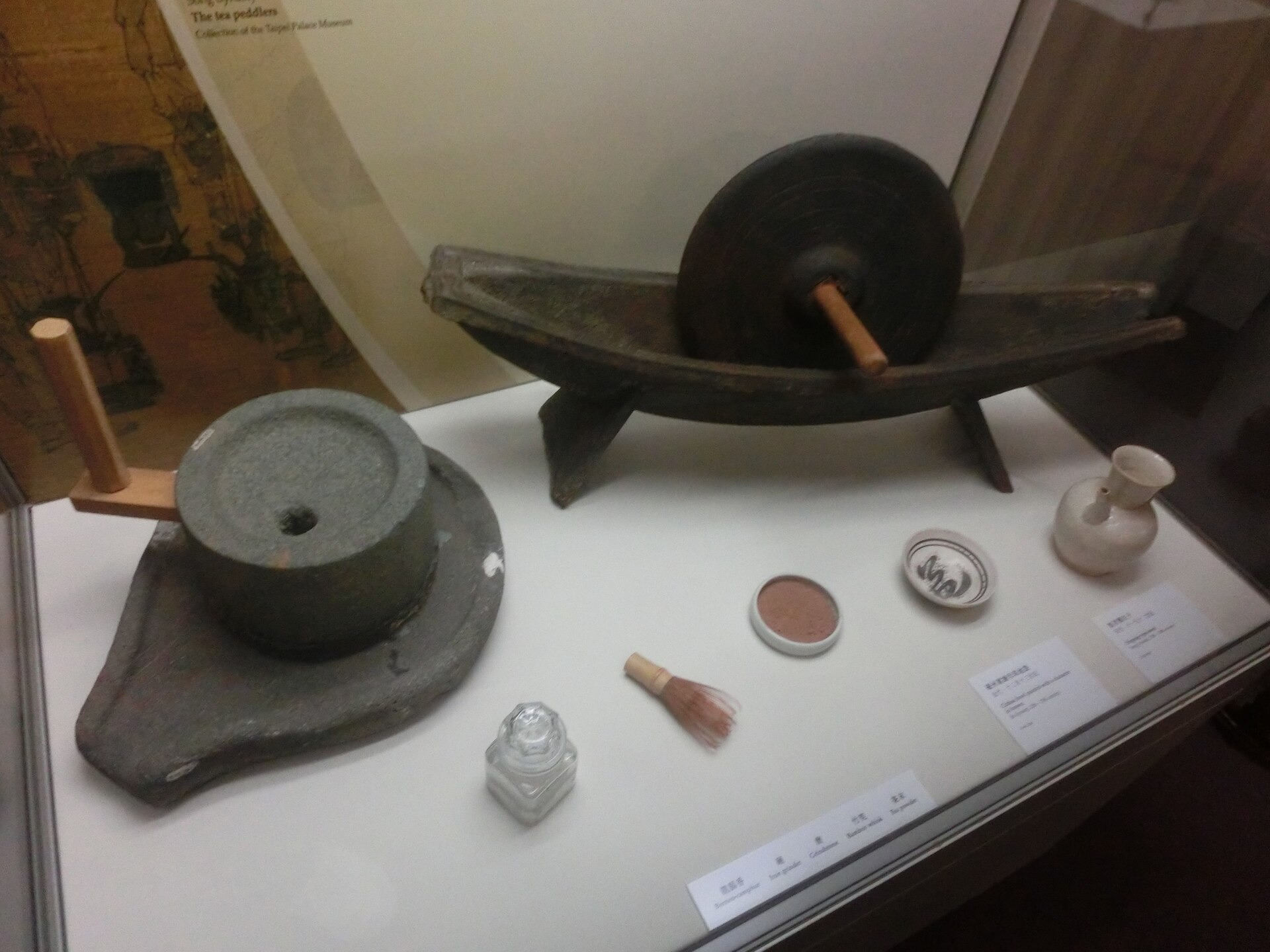
Hong Kong Park is an 8-hectare oasis in the middle of the most expensive real estate in Asia — a designed landscape of waterfalls, ponds, aviaries, and subtropical gardens wedged between the towers of Admiralty and the Peak. The park was built on the site of the former Victoria Barracks in 1991, and its combination of lush planting, water features, and the glass-walled Edward Youde Aviary (home to 600 birds of 80 species) creates a green microclimate that drops the temperature and the noise level the moment you enter. The Flagstaff House Museum of Tea Ware, within the park, is the oldest surviving colonial building in Hong Kong — a Greek Revival structure built in 1846 as the residence of the commander of British forces. The museum houses a collection of Chinese tea ware spanning 1,000 years, and the free tea demonstrations on Sundays provide an introduction to Chinese tea culture (preparation, serving rituals, the aesthetics of tea ware) that is both educational and meditative. The park's conservatory — a glass pyramid housing tropical and arid-zone plants — and the tai chi garden where elderly practitioners gather every morning at dawn add layers to a park that manages to be simultaneously a designed landscape, a historical site, a nature reserve, and the place where Hong Kong's office workers eat their lunch. The park is free, open daily, and provides the best example of Hong Kong's talent for creating tranquility within density.
Hong Kong Wetland Park
Wetland Park Rd, Tin Shui Wai, Hong Kong SAR, China
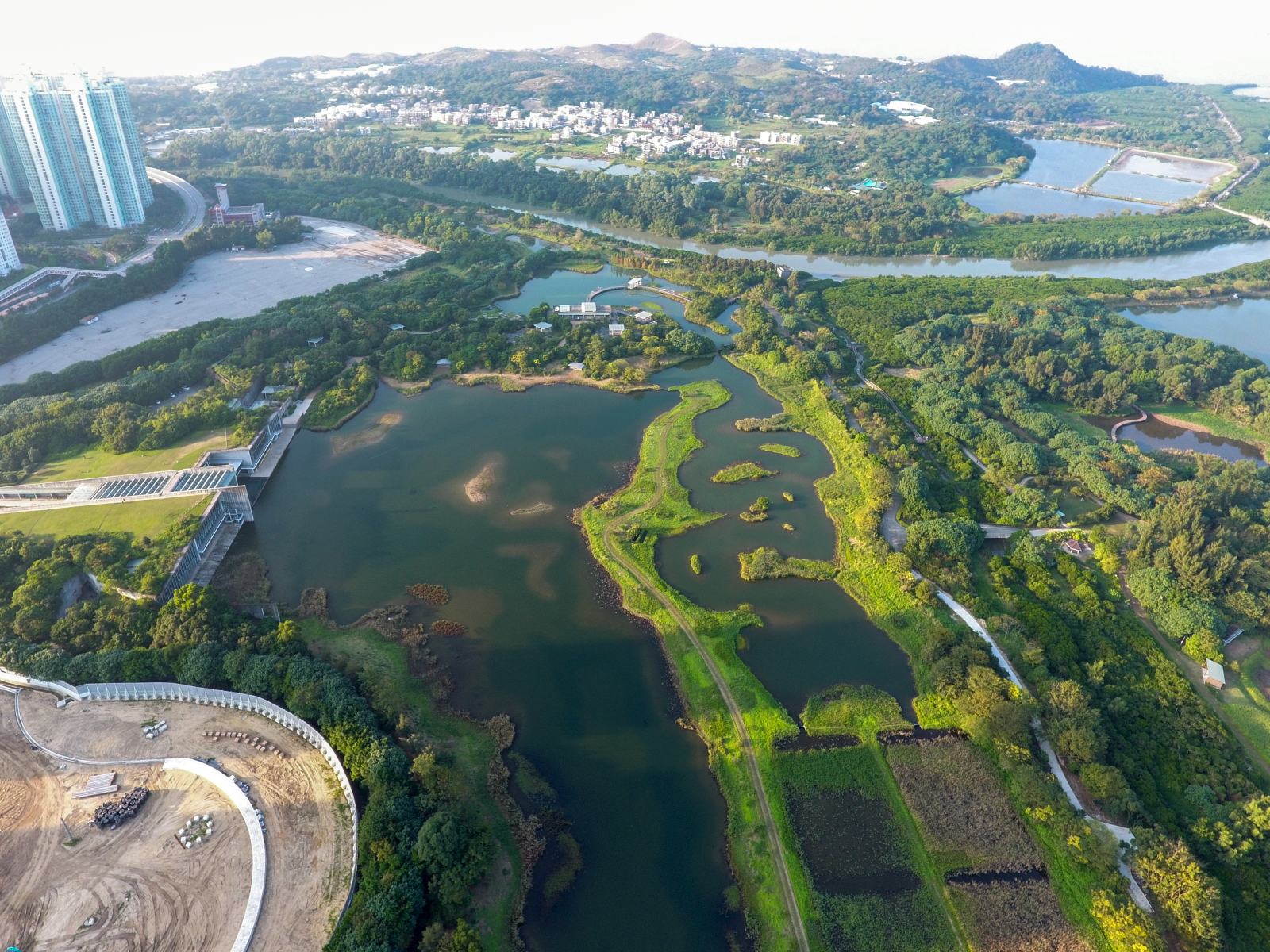
Hong Kong Wetland Park is a 61-hectare nature reserve in the New Territories that most visitors never hear about — a restored wetland of mangroves, mudflats, reed beds, and freshwater ponds that is home to 260 bird species, including the endangered black-faced spoonbill, and that demonstrates the remarkable biodiversity of a territory where 75% of the land is countryside despite the urban density of the remaining 25%. The park was created in 2006 from a former ecological mitigation area — land that was set aside to compensate for the environmental impact of the adjacent Tin Shui Wai new town development. The visitor centre, a large modern building with exhibitions on wetland ecology and biodiversity, provides context before you walk the boardwalks and hides that extend through the wetland. The bird-watching hides, positioned at key points around the reserve, offer close views of migratory and resident birds without disturbance. Pui Pui, the park's resident saltwater crocodile (captured in 2003 after being spotted in a New Territories river, origin unknown), is the park's celebrity attraction. The park is in Tin Shui Wai, about 45 minutes from Central by MTR, and the journey — through the New Territories' new towns and into the flat, agricultural landscape near the Chinese border — provides a perspective on Hong Kong that the urban core never suggests. The park is an essential corrective to the idea that Hong Kong is nothing but towers and harbour.
Kowloon Park
22 Austin Road, Tsim Sha Tsui, Kowloon
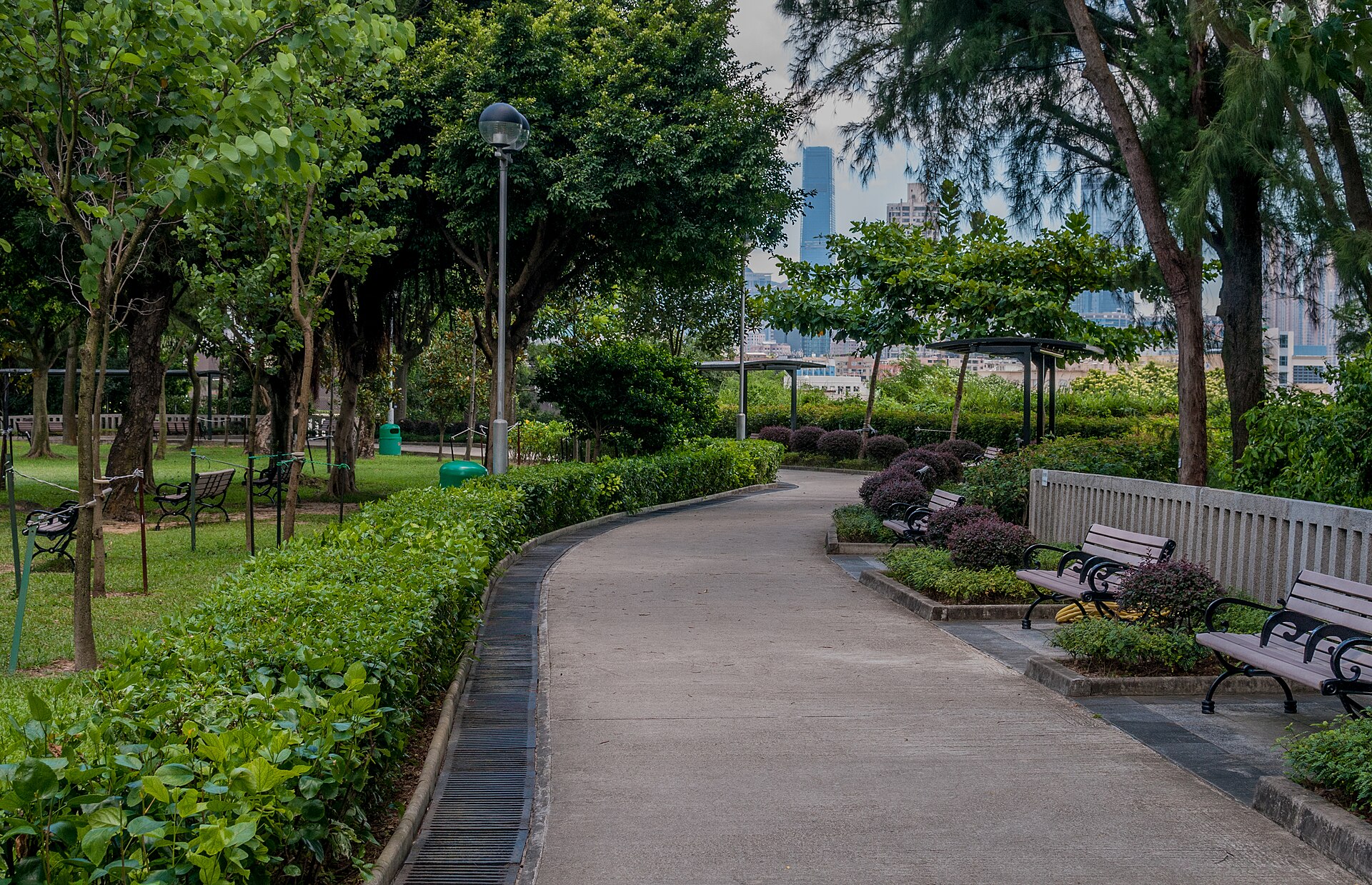
Kowloon Park is Tsim Sha Tsui's green escape — a 13.3-hectare park built on the site of a former British military barracks that provides the only significant green space in one of the densest urban districts in the world. The park sits between Nathan Road (Kowloon's main commercial artery) and the harbour-front, and stepping through the gates from the noise and neon of TST into the bird lake, sculpture garden, and tree-canopied paths is one of the most dramatic urban transitions in Hong Kong. The park's Flamingo Lake and Bird Lake house a resident population of flamingos, black swans, and other waterfowl that seem untroubled by the high-rise towers visible over the park walls. The Chinese Garden section, with its pavilions and lotus ponds, provides a miniature version of the classical garden experience that Chi Lin Nunnery offers at larger scale. The Islamic Centre and Kowloon Mosque, adjacent to the park's southern entrance, add a cultural dimension that reflects TST's long history as a hub for Hong Kong's South Asian communities. The park is free, open from 5am to midnight, and its central location makes it a natural rest stop on any TST walking route. The Sunday morning kung fu and tai chi demonstrations in the sculpture garden draw practitioners and spectators, and the swimming pool complex (one of the best public pools in Hong Kong) provides a more active option. The Heritage Discovery Centre, in a restored barracks building, displays Hong Kong's heritage conservation projects.
Kowloon Walled City Park
Tung Tsing Rd, Kowloon City, Hong Kong SAR, China
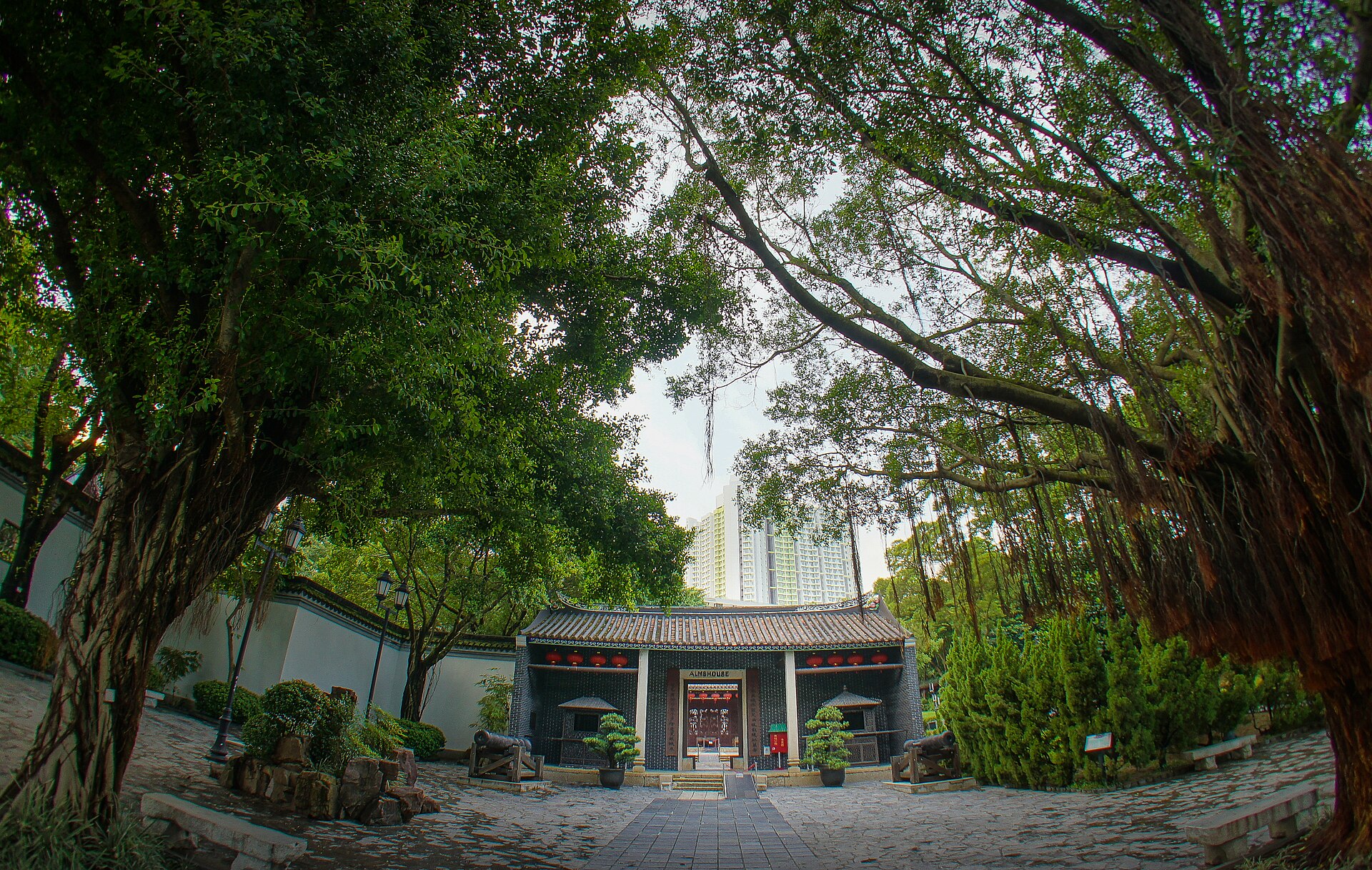
Kowloon Walled City Park sits on the site of what was once the densest place in human history — a 2.6-hectare enclave that housed 33,000 people in a lawless, ungoverned labyrinth of interconnected buildings that reached 14 storeys, blocked out sunlight at street level, and operated without building codes, sanitation standards, or police presence from the 1950s until its demolition in 1993. The Walled City existed because of a jurisdictional anomaly — a Chinese military fort that was excluded from the British lease of the New Territories, creating a pocket of Chinese territory within British Hong Kong that neither government effectively controlled. Over decades, it filled with squatters, refugees, unlicensed dentists, unregulated factories, and the residents who couldn't afford the regulated city outside. The density — 1.2 million people per square kilometre at its peak — remains unmatched by any human settlement in history. The park that replaced it in 1995 is a classical Chinese garden built on the foundations of the demolished city — pavilions, ponds, and topiary above the rubble of an experiment in anarchic urbanism that architects, sociologists, and game designers have been studying ever since. A small exhibition hall displays photographs and a model of the city that show what the park's peaceful gardens are covering. The original Yamen (magistrate's office) and a section of the south gate wall are the only surviving structures, sitting incongruously among the landscaping like ruins from a civilisation that disappeared 30 years ago.
Lamma Island
Yung Shue Wan Back St, Yung Shue Wan, Lamma Island, Hong Kong SAR, China
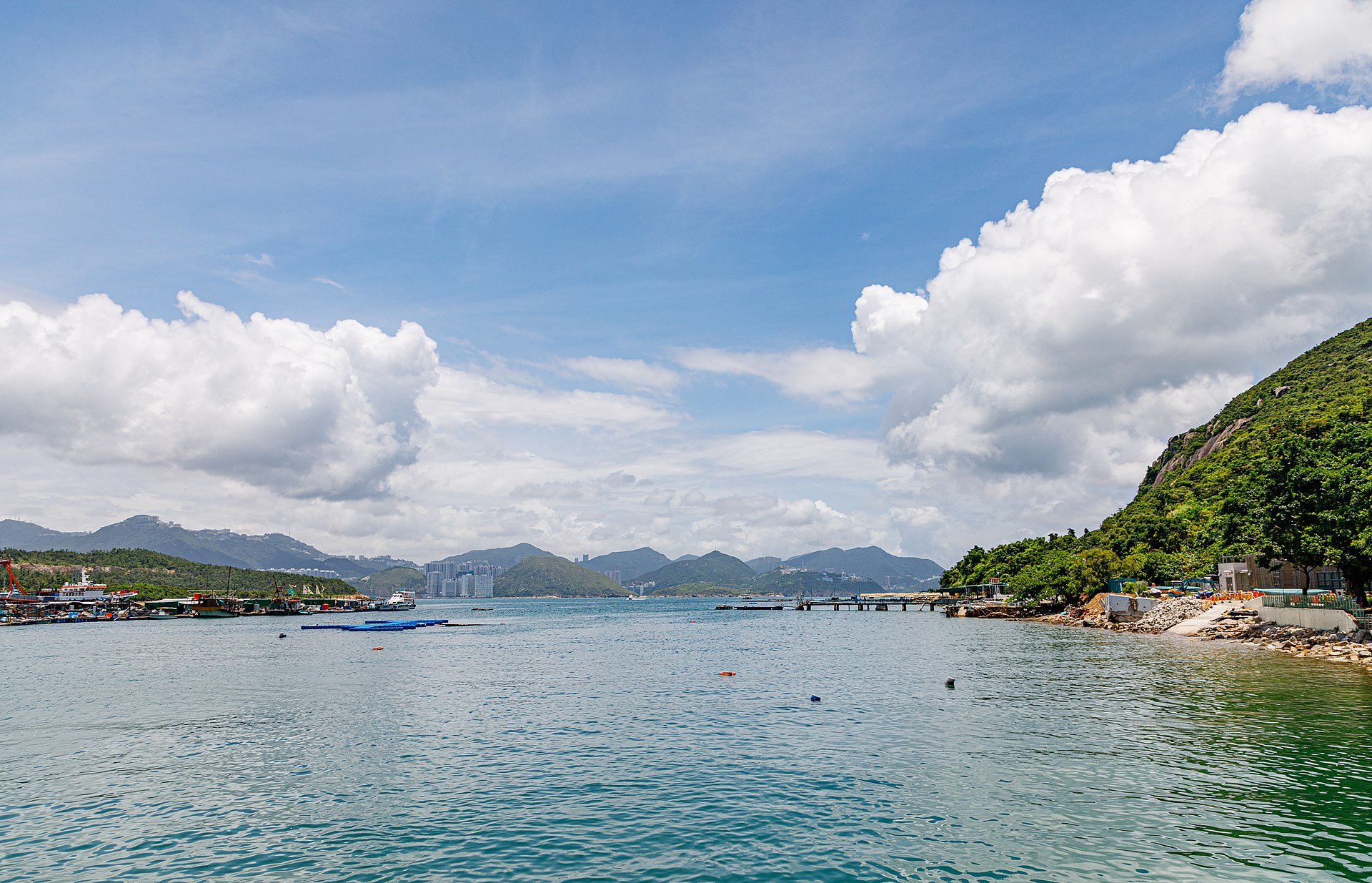
Lamma Island is Hong Kong's bohemian escape — a car-free island 30 minutes by ferry from Central where the pace drops from metropolitan to Mediterranean, the restaurants serve fresh seafood at waterfront tables, and the hiking trails cross green hills with views to the South China Sea. Lamma is where Hong Kong's artists, expats, and anyone who values quiet over convenience have made their home, and the island's relaxed character is the antithesis of everything Central represents. The main trail between the two villages — Yung Shue Wan (the larger, ferry-connected settlement) and Sok Kwu Wan (the smaller, seafood-famous village) — takes about 90 minutes and crosses the island's hilly spine through subtropical forest. The views from the hilltop — green hills dropping to beaches, the city skyline visible in the haze to the north, fishing boats anchored in coves — make you question whether you're still in the same territory that contains Nathan Road. Sok Kwu Wan's waterfront is lined with seafood restaurants where the catch comes from the harbour you're looking at and the prices are a fraction of city levels. The tradition is to arrive by trail (having earned your lunch through exercise) and return by ferry, which departs from Sok Kwu Wan directly to Central. Yung Shue Wan village, with its vegetarian restaurants, craft beer bars, and the general air of a community that left the city deliberately, provides a different kind of Hong Kong experience — one where the default speed is walking rather than rushing.
Lan Kwai Fong
Lan Kwai Fong, Central, Hong Kong
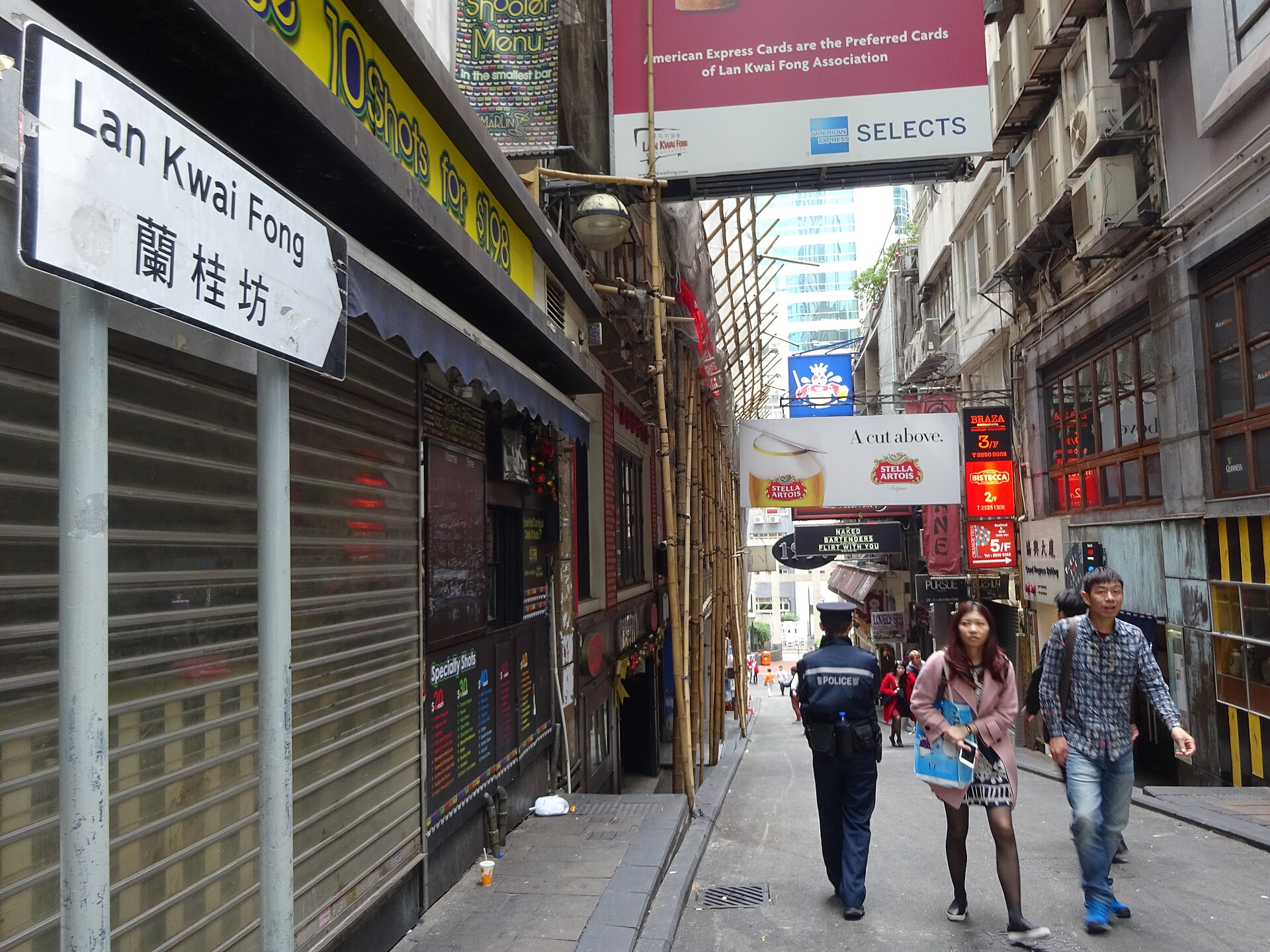
Lan Kwai Fong is Hong Kong's most famous nightlife district — a short, steep L-shaped street and the surrounding alleys in Central that contain the highest concentration of bars and clubs on Hong Kong Island. The district was developed in the 1980s by businessman Allan Zeman (the 'Father of Lan Kwai Fong'), who saw the potential in a cluster of cheap buildings on a steep hillside and transformed them into the drinking district that has defined Hong Kong nightlife for four decades. The scene is international, loud, and unapologetically commercial — the bars range from dive-ish pubs to rooftop cocktail lounges, and the crowd on a Friday or Saturday night (spilling from the bars onto the steep street, drinks in hand) represents every nationality working in Hong Kong's financial and professional sectors. The Halloween and New Year's Eve street parties, when the area is closed to traffic and tens of thousands of revellers fill the streets, are among the most intense public celebrations in Asia. The surrounding streets — SoHo (accessed via the Mid-Levels Escalator), Elgin Street, and Staunton Street — have developed a more sophisticated food and drink scene in recent years, with natural wine bars, craft cocktail speakeasies, and restaurants serving cuisines from Peruvian to Georgian that provide alternatives to Lan Kwai Fong's more mainstream offerings. The daytime Lan Kwai Fong — quiet, shuttered, and slightly hungover — is almost unrecognisable from its nocturnal self.
M+ Museum
38 Museum Drive, West Kowloon, Hong Kong SAR, China
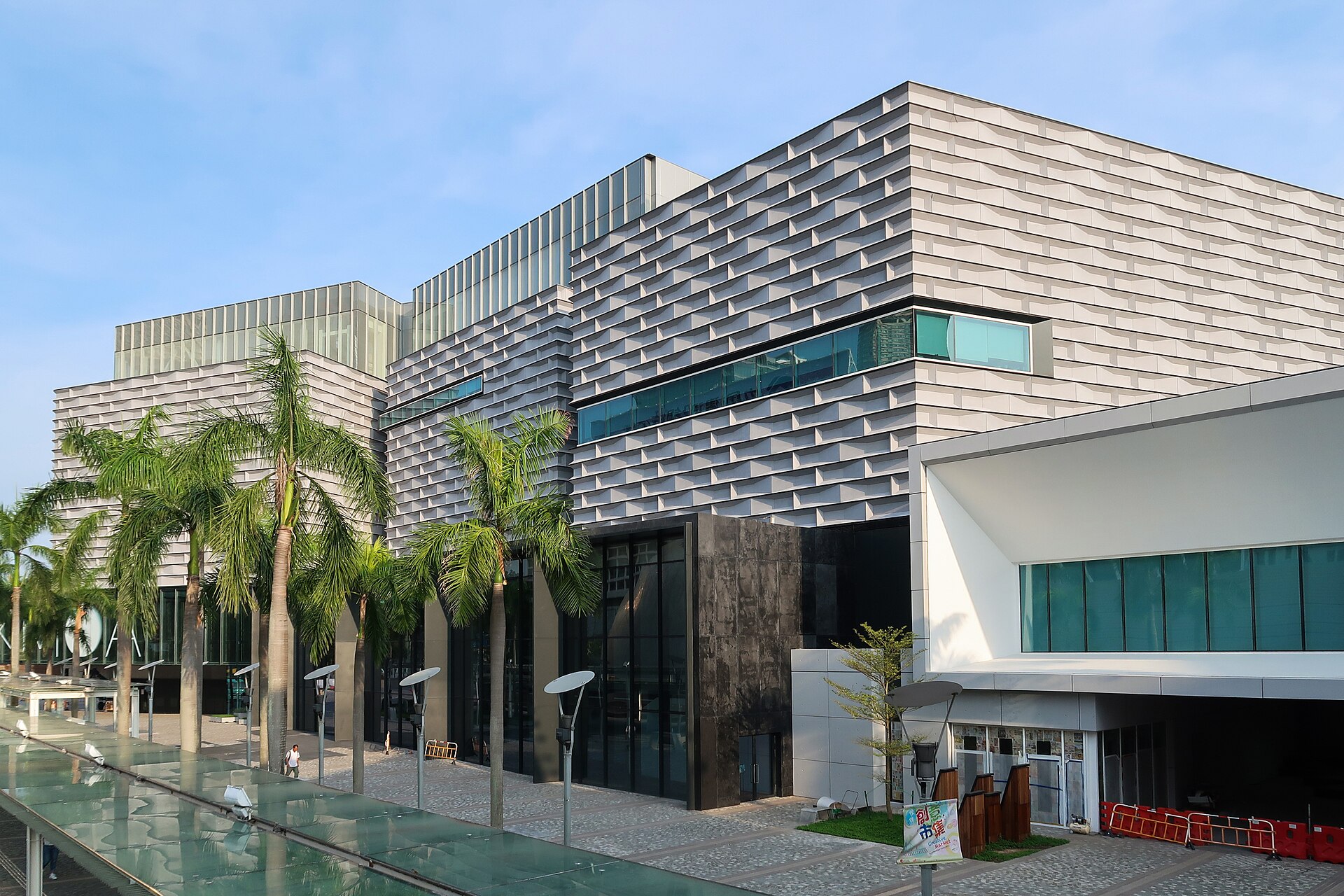
M+ is Asia's first global museum of contemporary visual culture — a massive institution in the West Kowloon Cultural District designed by Herzog & de Meuron that opened in 2021 and immediately established itself as one of the most important museums built anywhere in the 21st century. The collection spans visual art, design, architecture, and moving image from the 20th and 21st centuries, with a focus on Hong Kong, China, and Asia that provides a perspective systematically absent from Western museum narratives. The building is extraordinary — a horizontal base containing the galleries, topped by an inverted T-shaped tower whose facade displays a massive LED screen visible across Victoria Harbour. The screen shows artworks and installations that change regularly, making the building itself a display surface that can be seen from Hong Kong Island. Inside, the galleries are generous, flexible, and lit with the precision that Herzog & de Meuron bring to every museum project, and the collection — including works by Ai Weiwei, Yayoi Kusama, and a significant holding of Chinese contemporary art donated by Swiss collector Uli Sigg — justifies the institution's ambition. The museum's free general admission for the permanent collection and its harbourfront location (with a waterfront promenade and the Art Park extending along the shore) make it the most accessible major museum in Hong Kong. The views from the museum's terrace — across the harbour to Central — rival the views from TST, and the West Kowloon Cultural District, still developing around the museum, is shaping into Hong Kong's primary cultural destination.
Man Mo Temple
124-126 Hollywood Road, Sheung Wan, Hong Kong
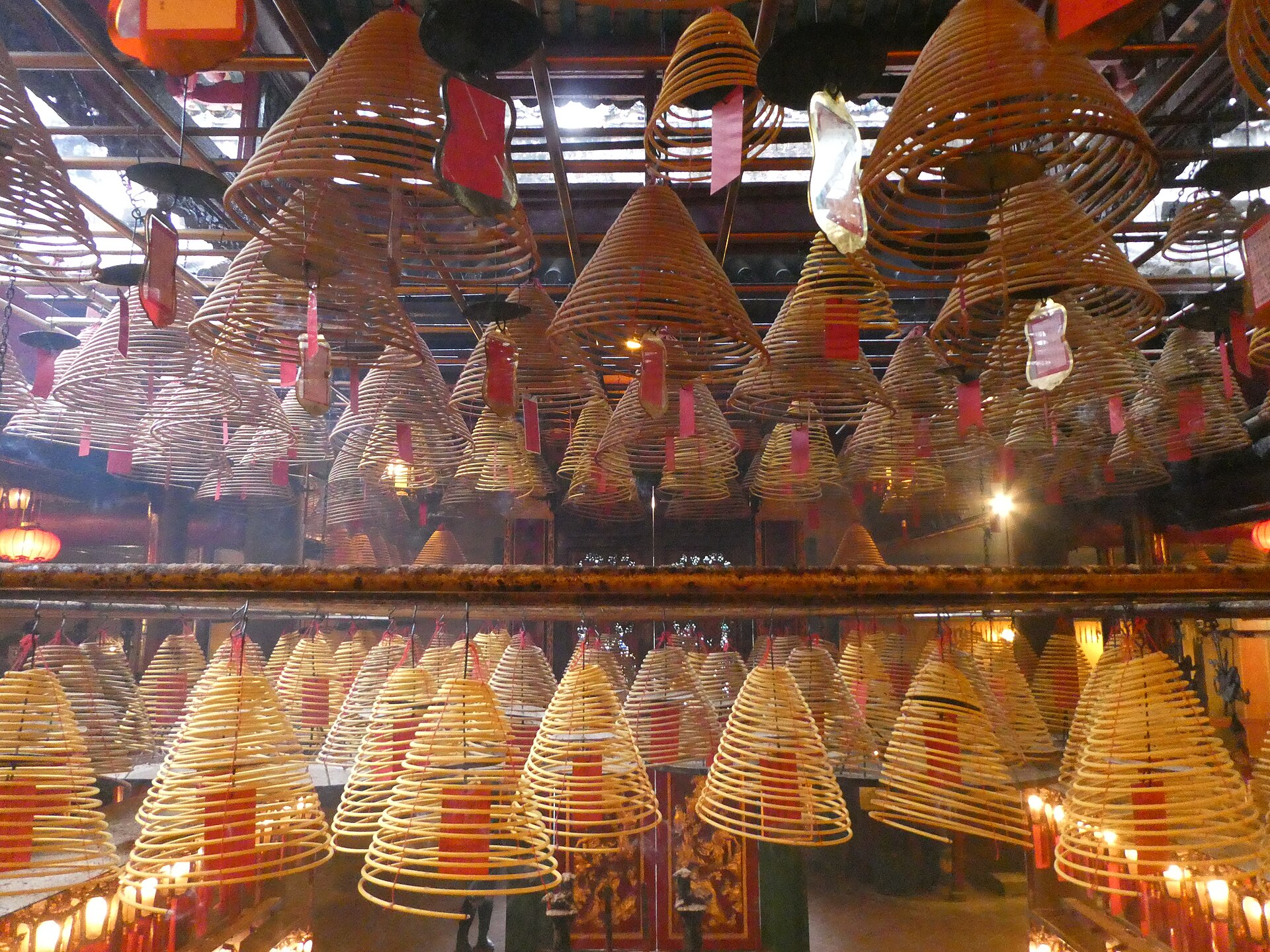
Man Mo Temple is the oldest temple on Hong Kong Island — built in 1847, just five years after the British took control of the colony, and dedicated to the God of Literature (Man) and the God of War (Mo). The temple is the spiritual heart of old Hong Kong, and stepping inside — from the bright, commercial bustle of Hollywood Road into the dark, incense-thick interior where enormous coil incense spirals hang from the ceiling, burning slowly over weeks — is one of the most atmospheric transitions in the city. The coil incense is Man Mo's visual signature — large spirals of sandalwood and agarwood that hang from the ceiling beams, each burning for two to three weeks. Worshippers attach red paper tags with prayers and wishes to the coils before they're lit, and the smoke from dozens of burning spirals creates a haze that gives the interior a dreamlike quality. The air is dense with fragrance, and the light filtering through the smoke creates the kind of chiaroscuro that makes photographers lose all sense of time. The temple sits at the western end of Hollywood Road — Hong Kong's antiques and gallery street — and the walk from Man Mo through the antique shops of Upper Lascar Row (Cat Street) and down the Mid-Levels Escalator provides a compressed tour of old Hong Kong that connects the spiritual, commercial, and residential worlds of the island. The temple is free to enter, and visitors are welcome to light incense and pray alongside the regular worshippers, provided they're respectful of the space.
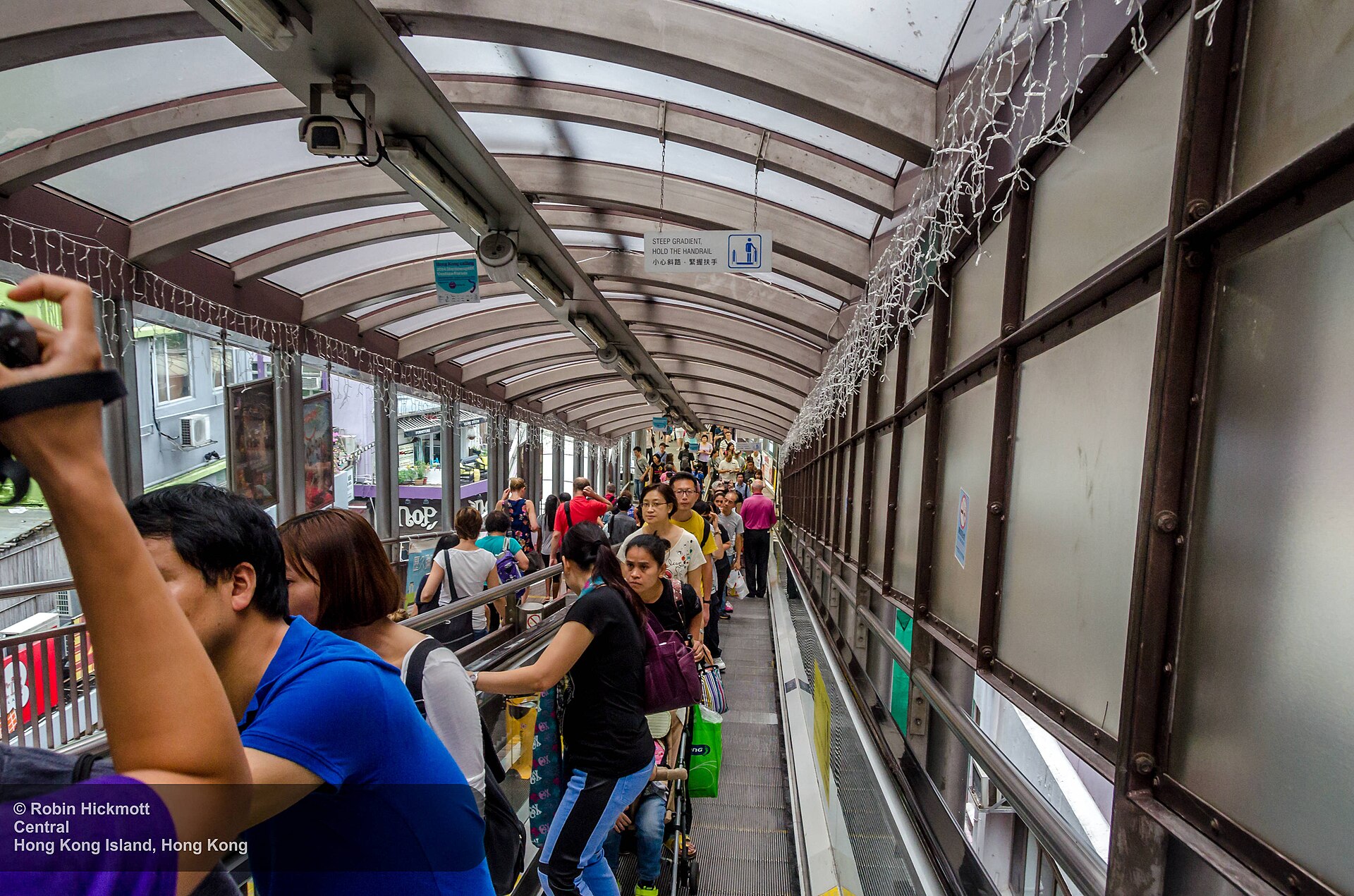
Mid-Levels Escalator
Hong Kong SAR, China, Hong Kong SAR, China
The Central-Mid-Levels Escalator is the longest outdoor covered escalator system in the world — an 800-metre series of 20 escalators and 3 travelators that climbs 135 metres from the financial district of Central to the residential Mid-Levels, carrying 85,000 commuters daily and providing one of the most distinctive urban experiences in any city. The escalator runs downhill in the morning (carrying residents to work) and uphill in the afternoon and evening (carrying them home), and riding it at any time provides a vertical tour through the layers of Hong Kong society. The escalator passes through SoHo (South of Hollywood Road) — a neighbourhood of bars, restaurants, and galleries that developed specifically because the escalator made the steep hillside accessible — and the shops, cafés, and apartment buildings at escalator level create a passing-window view of daily life that is unique to Hong Kong. You see into restaurant kitchens, living rooms, and office windows as you glide past, which creates an intimacy with the city that walking on the street can't match. The escalator was built in 1993 as a solution to traffic congestion on the narrow streets connecting Central to the Mid-Levels, and its effect on the surrounding property values was immediate and transformative — SoHo barely existed before the escalator created foot traffic, and the restaurants and bars along its route owe their existence to the decision to build the world's longest outdoor escalator through a hillside of century-old tenement buildings.
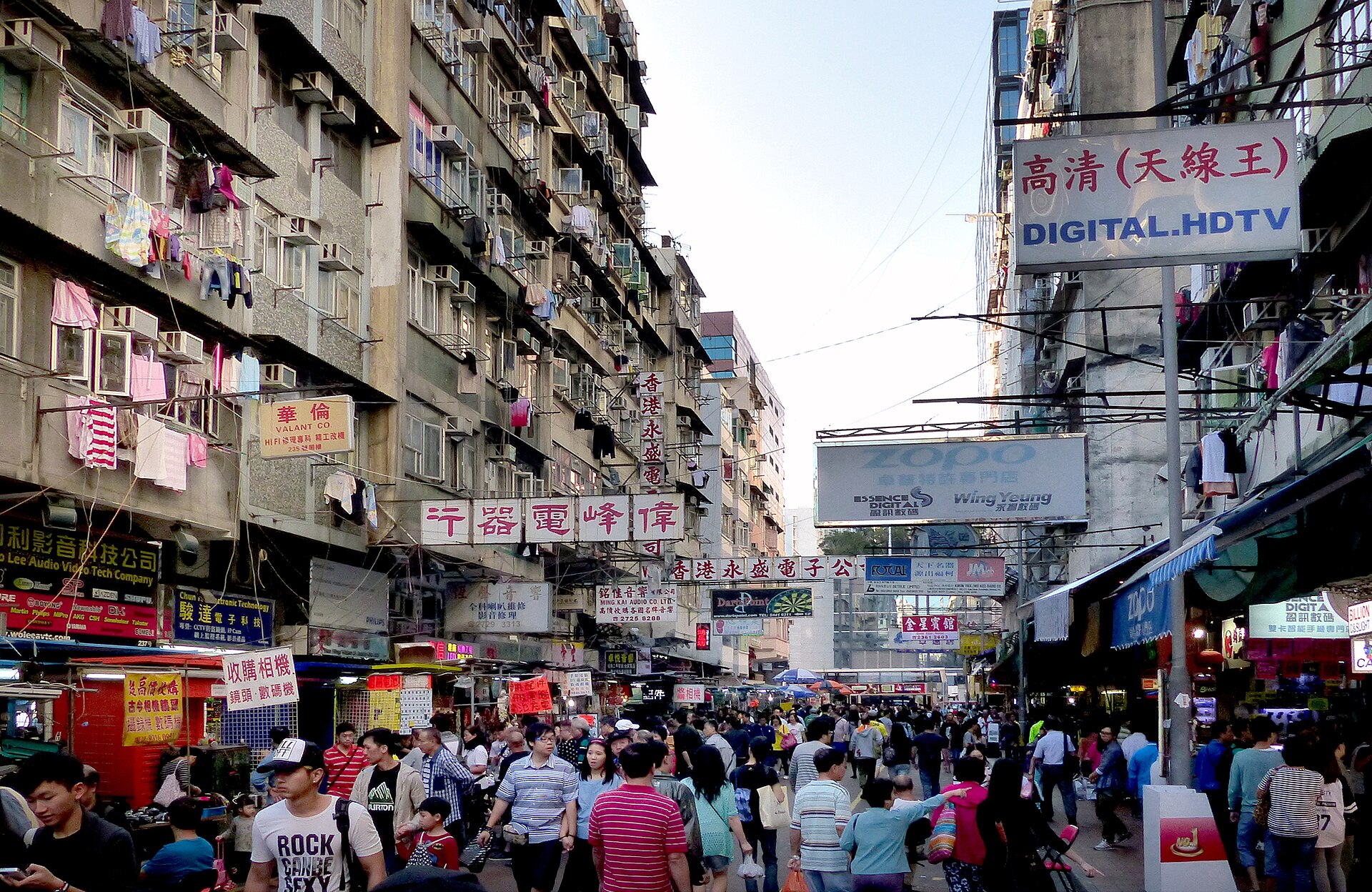
Mong Kok Markets
Mong Kok, Hong Kong SAR, China
Mong Kok is the densest neighbourhood in the world — a grid of narrow streets in Kowloon that packs more people, shops, restaurants, and noise per square metre than any other urban area on Earth. The neighbourhood's speciality markets — Ladies' Market (clothing and accessories on Tung Choi Street), the Goldfish Market (Tung Choi Street North), the Flower Market (Flower Market Road), and the Bird Garden (Yuen Po Street) — create a commercial ecosystem that is quintessentially Hong Kong: chaotic, efficient, and endlessly entertaining. Ladies' Market is the most visited — a kilometre-long corridor of stalls selling clothing, bags, accessories, electronics, and souvenirs at prices that reward haggling (start at half the asking price and meet somewhere in the middle). The Goldfish Market — a block of shops with aquariums stacked floor to ceiling and plastic bags of tropical fish hanging from hooks outside — is surreal and photogenic. The Flower Market, best visited in the week before Chinese New Year when the entire neighbourhood fills with orchids, pussy willows, and kumquat trees, is Hong Kong's domestic ritual made visible. The food in Mong Kok is outstanding and cheap. The street food stalls along Fa Yuen Street sell curry fishballs, egg waffles (gai daan jai), stinky tofu, and the cheung fun (rice noodle rolls) that are the breakfast of the Cantonese working class. The dai pai dong in the back streets serve wonton noodles, roast goose, and the late-night congee that sustains Mong Kok's nocturnal population.
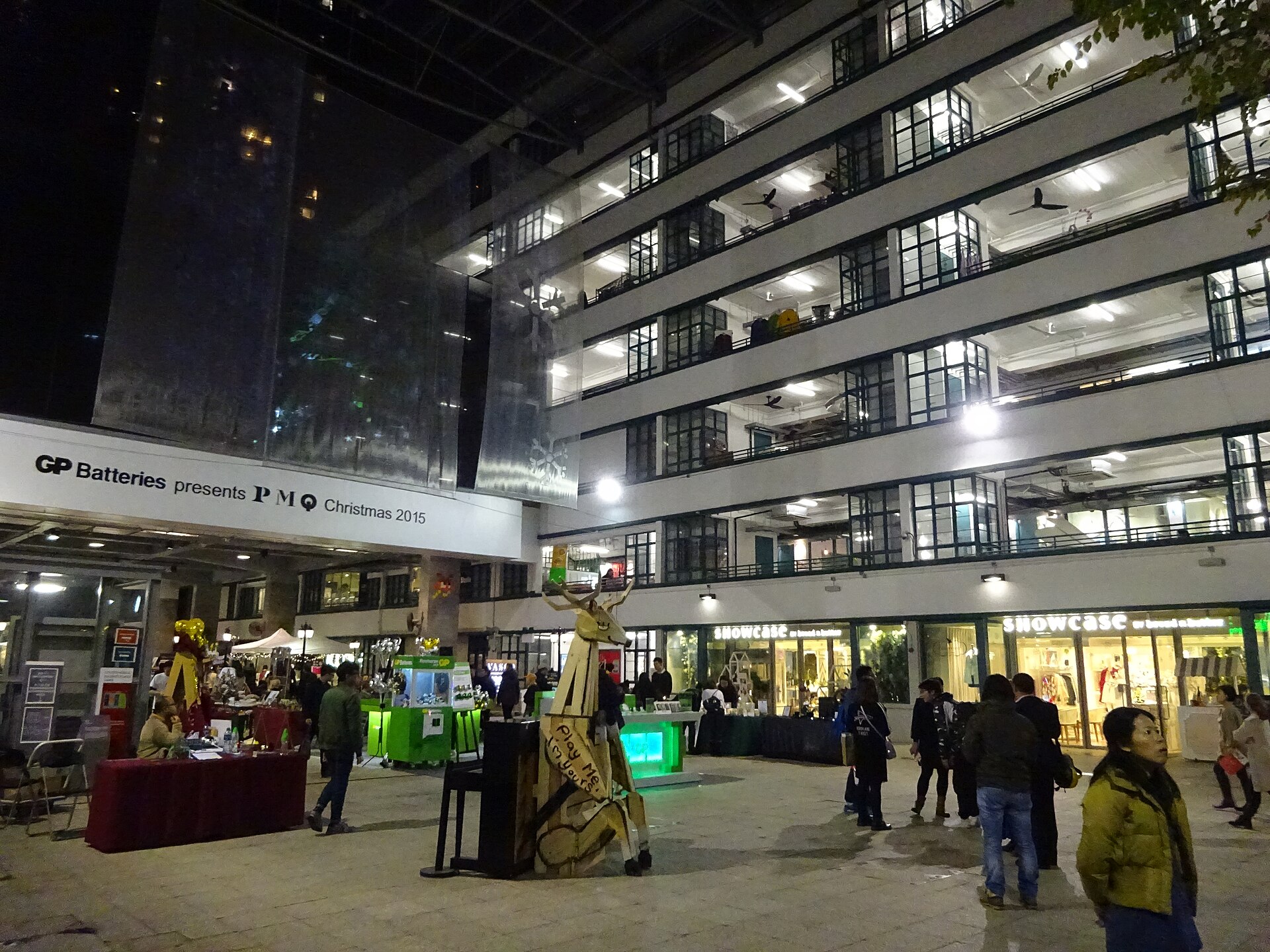
PMQ
35 Aberdeen Street, Central, Hong Kong
PMQ (Police Married Quarters) is a converted government building in Central that has become Hong Kong's most important design and creative hub — a complex of former police housing blocks transformed in 2014 into studios, shops, and gallery spaces for over 100 local designers, artists, and creative businesses. The building's original function — married quarters for police officers, built in 1951 on the site of Hong Kong's first government school — adds a layer of institutional history to a space that is now devoted to indie creativity. The studios house Hong Kong designers working in fashion, jewellery, ceramics, graphic design, and furniture — most of whom sell directly from their workspaces, creating a browsing experience that feels more like visiting artists' studios than shopping. The quality is high (PMQ curates its tenants carefully), and the prices are lower than the boutiques in the malls nearby. Pop-up markets, design exhibitions, and food events on the central courtyard and rooftop terrace add a programme of events that draws both design professionals and casual visitors. PMQ's location on Aberdeen Street, in the SoHo/Sheung Wan area between the Mid-Levels Escalator and Hollywood Road, makes it a natural stop on any walk through Hong Kong's gallery and antique district. The building's heritage architecture — the colonial-era police quarters' simple, functional design — provides a neutral backdrop for the creative work inside, and the rooftop garden with views of the surrounding Hollywood Road neighbourhood is worth the climb.
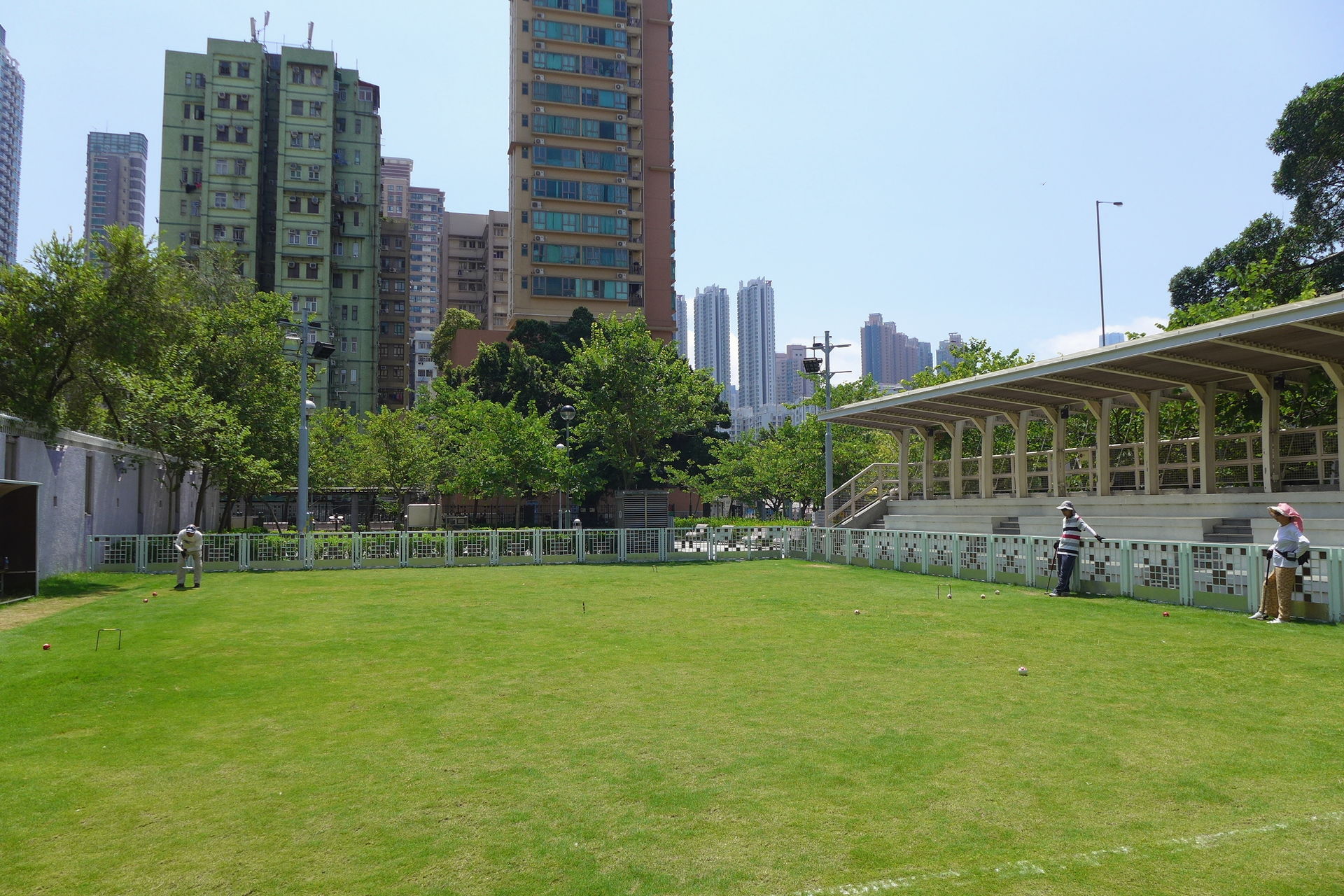
Sham Shui Po
Sham Shui Po, Hong Kong SAR, China
Sham Shui Po is Hong Kong's most authentic working-class neighbourhood — a dense grid of streets in northwestern Kowloon that contains the city's best dai pai dong food stalls, the electronics and fabric markets that feed Hong Kong's maker culture, and a street life that has survived the gentrification pressures that have homogenised much of the rest of the territory. The neighbourhood is where Hong Kong residents eat when they want the best food at the lowest prices, which makes it the opposite of Central in every measurable way. The food is legendary. Tim Ho Wan — the world's cheapest Michelin-starred restaurant (originally; it's since moved and expanded) — originated in Sham Shui Po. Kung Wo Beancurd Factory, making tofu and soy milk since 1958, serves the freshest soy milk in the city. The dai pai dong along Kweilin Street and Fuk Wing Street serve wonton noodles, congee, and char siu rice that cost a fraction of the tourist-area prices and taste better because the customers are regulars who would leave if the quality dropped. The electronics markets on Apliu Street sell components, vintage electronics, and the kind of tech accessories that make Sham Shui Po Hong Kong's answer to Akihabara. The fabric markets supply the city's remaining garment industry. The street art and café scene on Tai Nan Street reflects a tentative gentrification, but the neighbourhood's core identity — working-class, Cantonese, and unapologetically unglamorous — remains intact. Sham Shui Po is the Hong Kong that existed before the luxury brands arrived, and visiting it provides context that makes the rest of the city comprehensible.
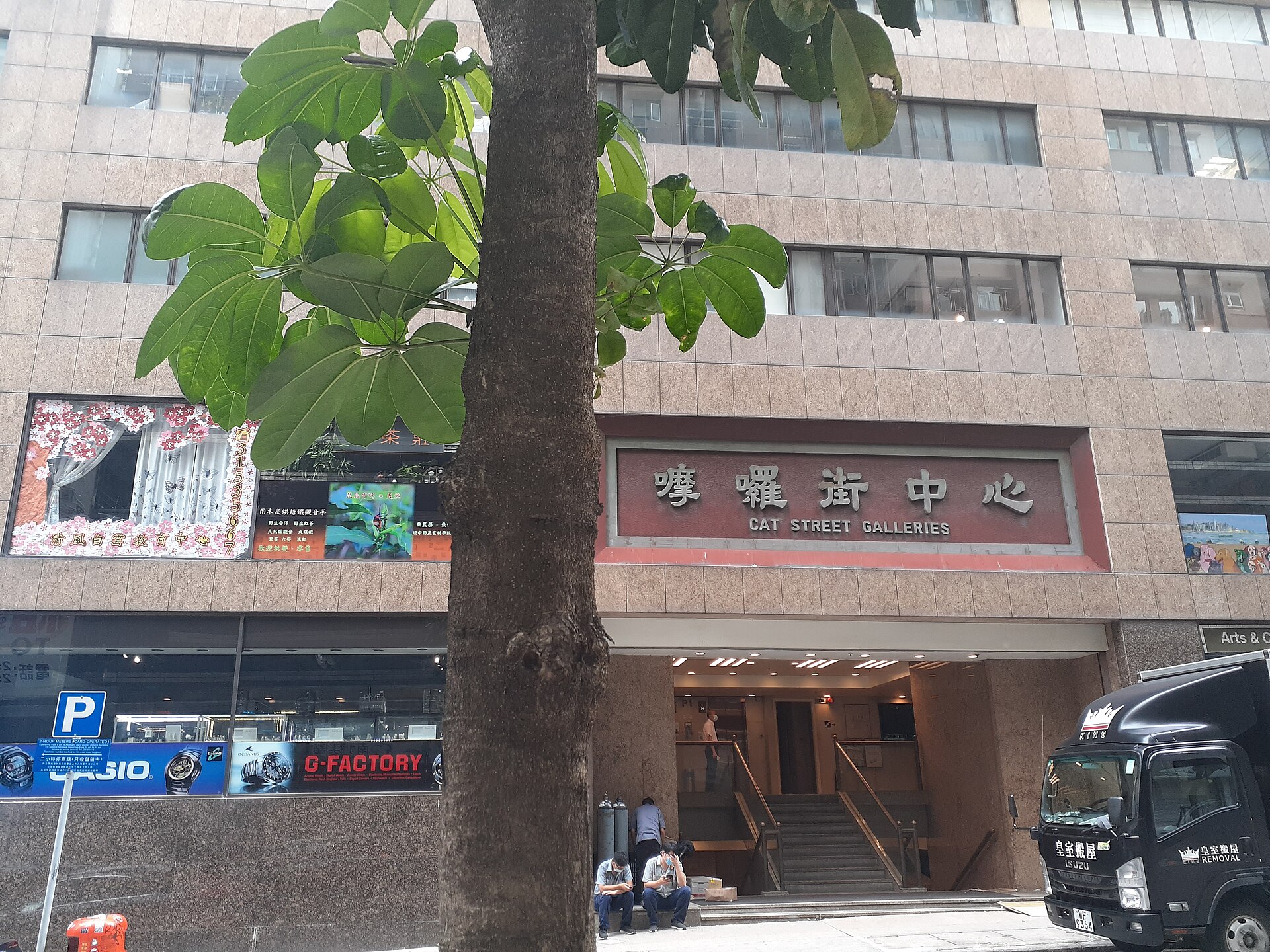
Sheung Wan & Cat Street
Upper Lascar Row, Sheung Wan, Hong Kong
Sheung Wan is the neighbourhood where old Hong Kong survives — a district west of Central where dried-seafood shops, Chinese medicine stores, incense vendors, and antique dealers occupy the same streets they've occupied for a century, creating a commercial landscape that predates the skyscrapers by decades and operates on rhythms that the financial district forgot. Cat Street (Upper Lascar Row) is the district's most famous lane — a narrow pedestrian street of antique shops, curio dealers, and stalls selling everything from Mao-era propaganda posters to jade ornaments to vintage cameras. The quality ranges from genuine antiques to obvious reproductions, and the pleasure is in the browsing rather than the buying — the variety of objects on display, from Buddhist sculptures to colonial-era maps to old Hong Kong photographs, creates a compressed material history of the region. The surrounding streets contain some of Hong Kong's most interesting food experiences. The dried-seafood shops along Des Voeux Road West sell dried abalone, shark fin (controversial but still traded), scallops, and mushrooms in quantities that suggest Hong Kong takes its soups very seriously. The dai pai dong and noodle shops in the back streets serve the Cantonese comfort food — wonton noodles, congee, char siu rice — that sustains the neighbourhood's working population. The Man Mo Temple is a two-minute walk uphill, and the combination of temple, antiques, dried goods, and noodles makes Sheung Wan the most culturally rewarding walk on Hong Kong Island.
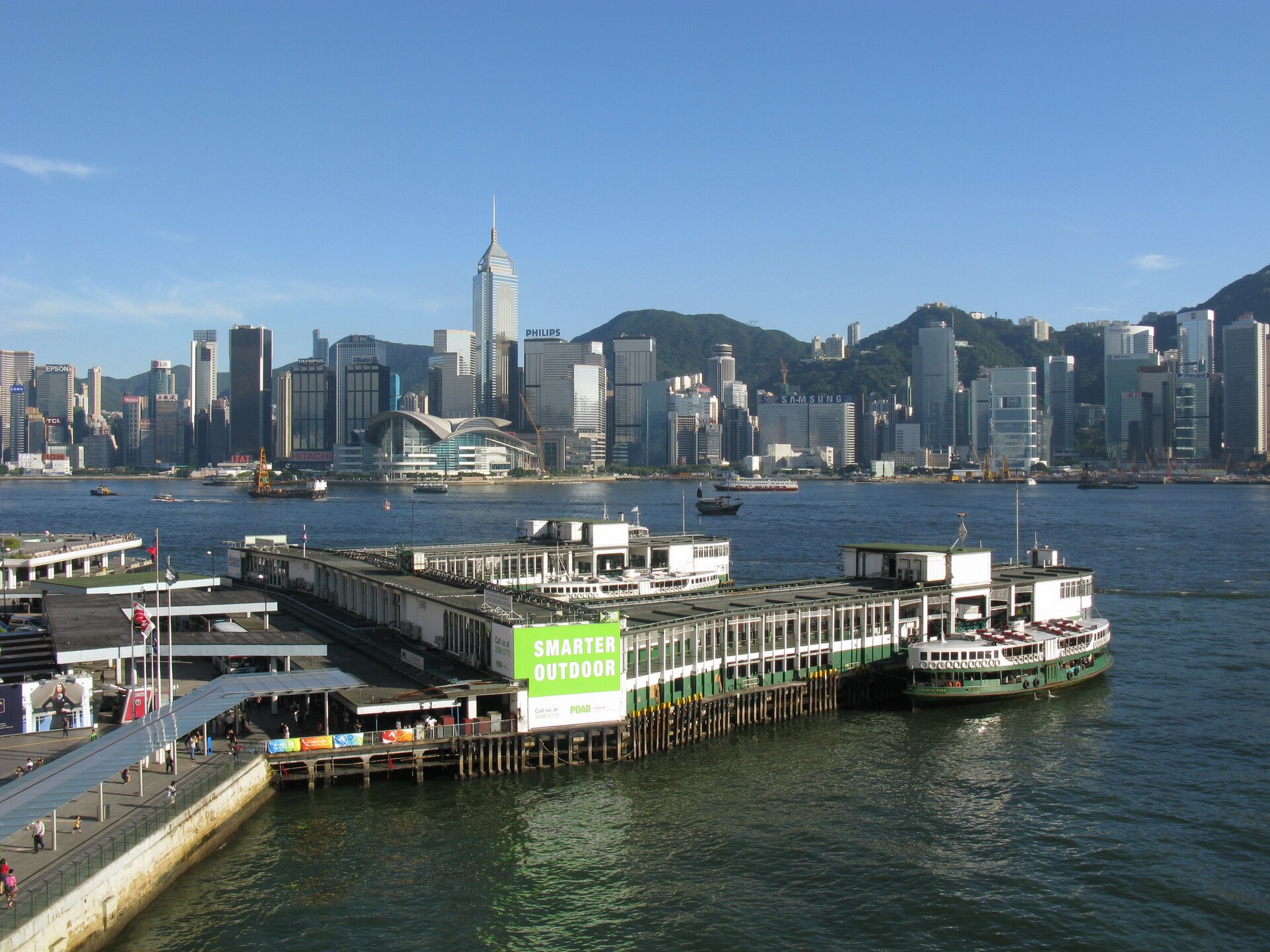
Star Ferry
Star Ferry Pier, Tsim Sha Tsui, Kowloon
The Star Ferry is the most romantic commute in the world — a fleet of green-and-white double-decker ferries that have been crossing Victoria Harbour between Hong Kong Island and Kowloon since 1888, and whose seven-minute journey provides the best view of Hong Kong's skyline for the price of a few Hong Kong dollars. National Geographic named it one of the '50 places of a lifetime,' and on a clear evening, when the harbour turns gold and the skyscrapers on both shores light up in sequence, the crossing justifies that ranking. The ferries run between Central Pier (or Wan Chai Pier) on Hong Kong Island and Tsim Sha Tsui on the Kowloon side, and the upper deck of the ferry — open to the harbour breeze, with wooden benches and the diesel rumble of engines that haven't fundamentally changed in decades — provides a perspective on the city that no skyscraper observation deck can match. You're at water level, looking up at the towers from below, and the scale of the skyline from this angle is genuinely humbling. The Star Ferry's survival is itself remarkable — in a city that tears down buildings the way other cities change curtains, the ferry has outlasted every commercial, architectural, and political transformation of the last 136 years. The fare (HK$2.70 for the upper deck on weekdays) makes it the cheapest tourist attraction in one of the most expensive cities in the world, and the crossing — harbour, skyline, breeze, engine noise, and the bump against the pier at arrival — is the seven-minute experience that defines Hong Kong more than any single building.
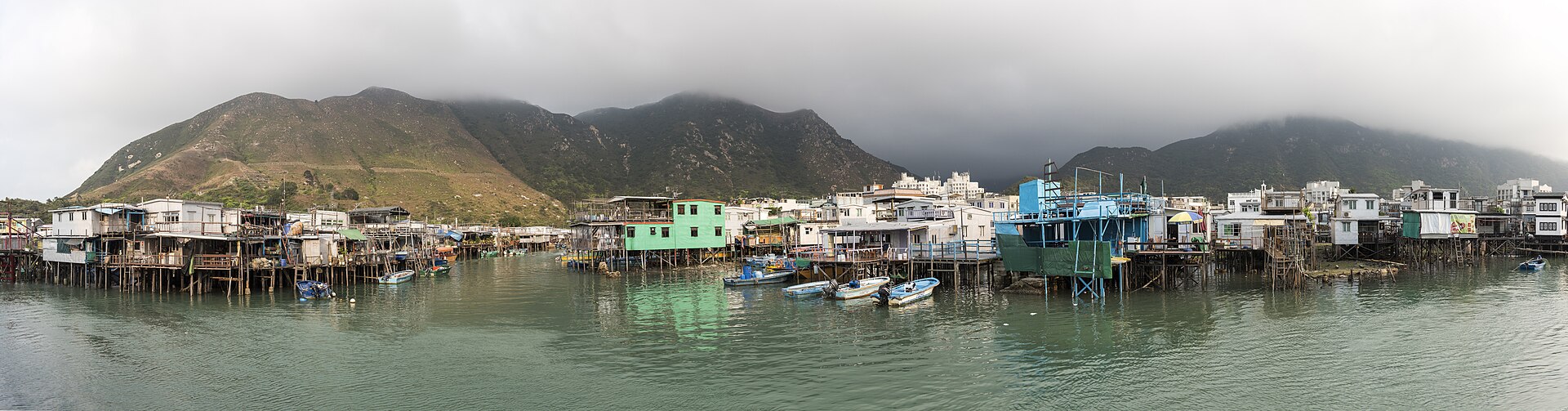
Tai O Fishing Village
Tai O Rd, Lower Keung Shan, Lantau Island, Hong Kong SAR, China
Tai O is a fishing village on the western coast of Lantau Island that has been preserved — partly by geography, partly by the determination of its residents — as a remnant of the Hong Kong that existed before glass towers and property speculation remade the territory. The village is built on stilts over a tidal estuary, and the houses — corrugated metal, timber, and ingenuity — extend over the water on wooden platforms connected by bridges and walkways. The village's economy was historically based on fishing and salt production, and the salt-dried fish, shrimp paste, and fermented seafood products that hang from every available surface give Tai O a fragrance that is either intoxicating or overwhelming depending on your relationship with preserved fish. The village market sells these products alongside fresh seafood, and the dried-fish shops — where whole fish flatten in the sun on bamboo racks — are as photogenic as they are pungent. Tai O is accessible by bus from Tung Chung or by a boat from the Big Buddha area, and the journey — through the mountains of Lantau, past beaches and reservoirs, to this stilt village on the edge of the South China Sea — provides a perspective on Hong Kong's geography that the urban core never suggests. Pink dolphins (Chinese white dolphins) inhabit the waters around Tai O, and boat tours from the village provide one of the last opportunities to see these endangered animals in the wild. The village feels like a different century from Central, which is exactly why Hong Kong residents come here on weekends — to remember what the territory looked like before the construction started.
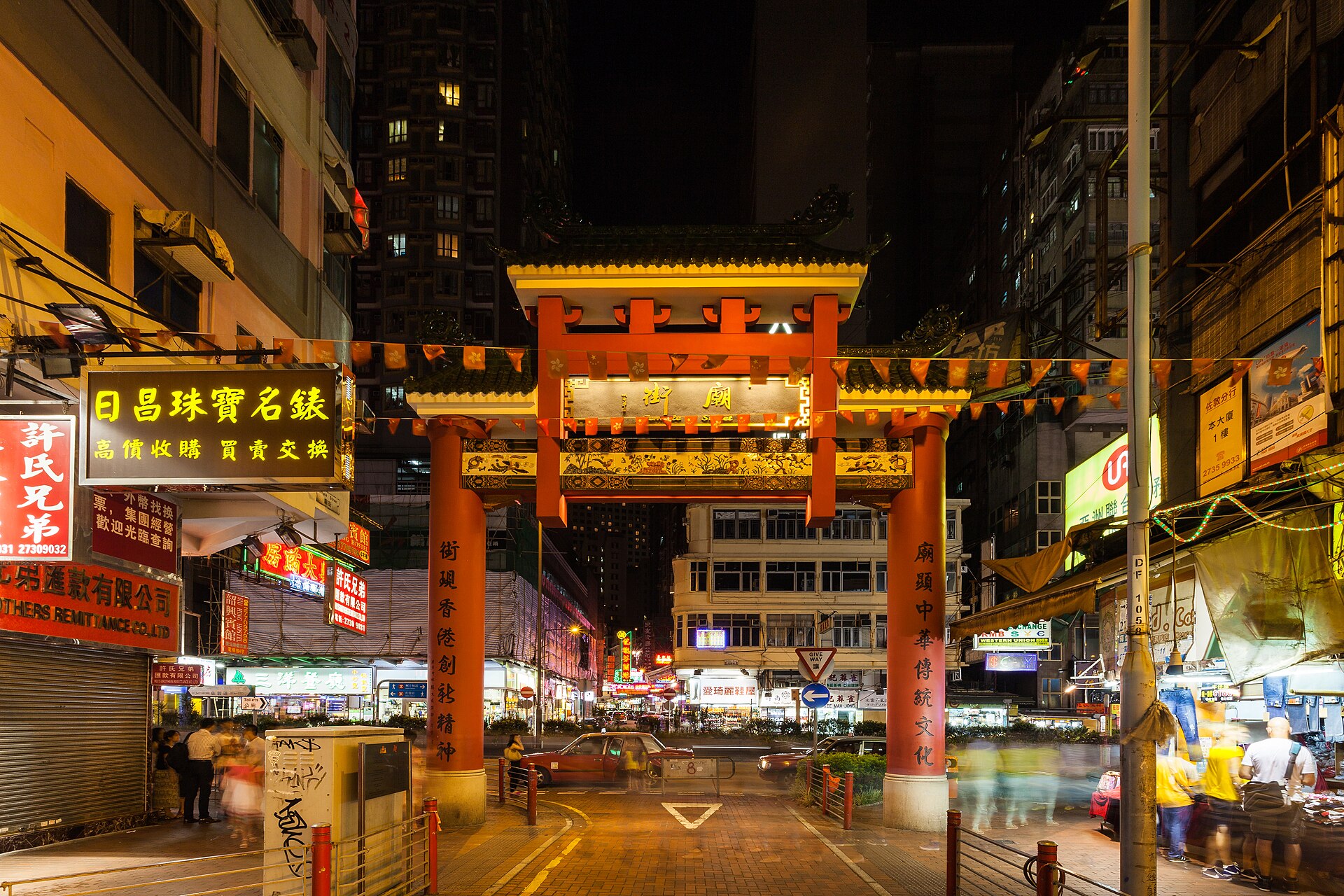
Temple Street Night Market
Temple St, Yau Ma Tei, Hong Kong SAR, China
Temple Street Night Market is Hong Kong's most famous open-air market — a corridor of stalls, fortune tellers, and dai pai dong (open-air food stalls) that sets up every evening along Temple Street in Yau Ma Tei, turning a daytime residential street into a nocturnal bazaar of cheap electronics, clothing, accessories, and the kind of haggling that has been Hong Kong's commercial lingua franca for generations. The food at the market's edges is the real draw. The dai pai dong and cooked-food stalls along the adjacent streets serve some of the best cheap food in Kowloon — claypot rice, typhoon shelter crab, salt-and-pepper squid, and the congee that sustains Hong Kong's late-night population. The stalls are basic (plastic tables, fluorescent lighting, grease-stained menus) and the food is excellent, which is the inverse of the fine-dining establishments in Central that charge 50 times more for food that is merely very good. The market runs from about 4pm to midnight, with the busiest hours between 7pm and 10pm. The fortune tellers — clustered near the Tin Hau Temple that gives the street its name — offer palm reading, face reading, and bird fortune telling (a caged bird picks a card from a deck) in a mix of Cantonese and English that manages to be simultaneously ancient and commercial. The market has been shrinking in recent years as real estate pressure and changing shopping habits reduce its footprint, making a visit now more urgent than it was a decade ago.
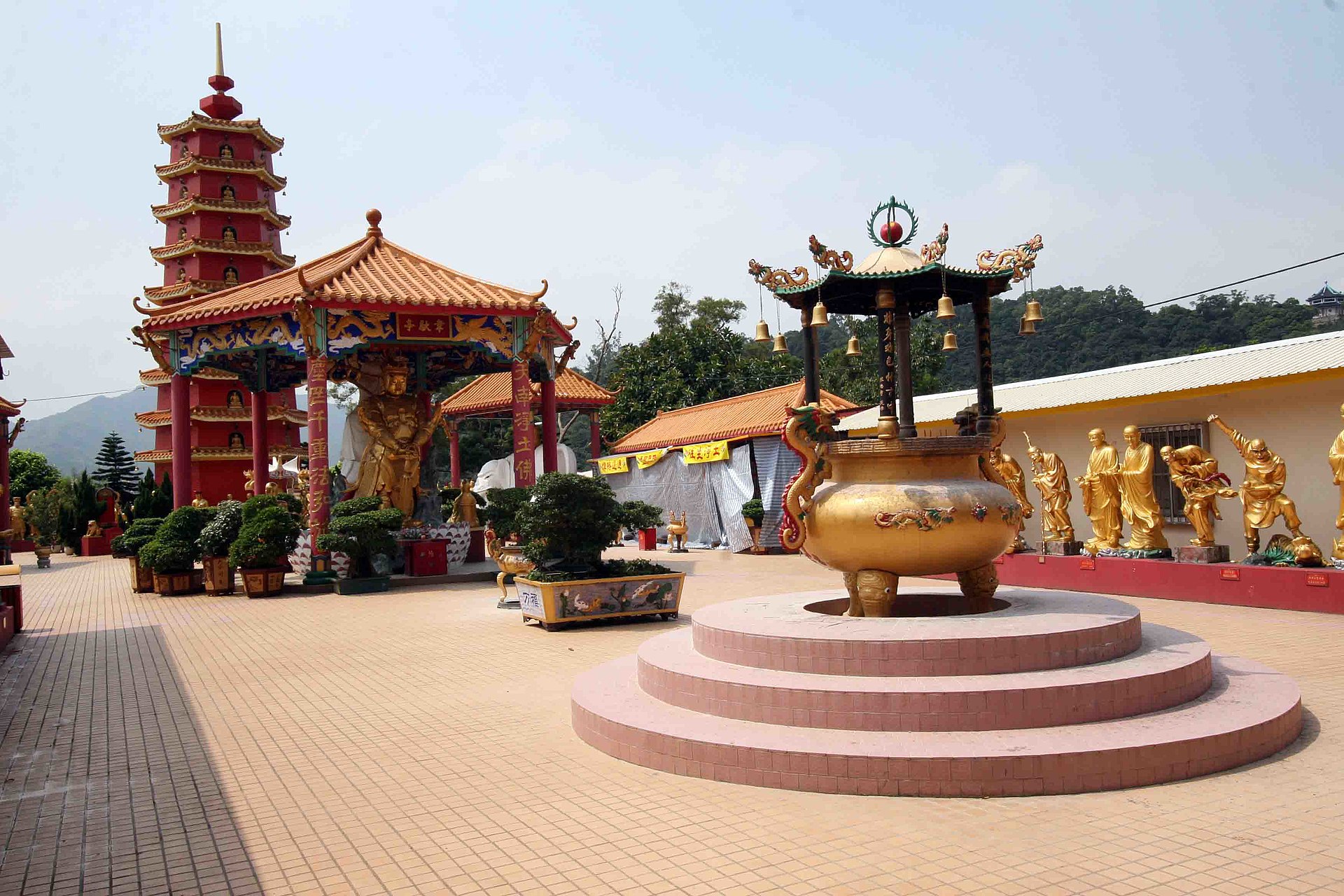
Ten Thousand Buddhas Monastery
220 Pai Tau St, Sha Tin, Hong Kong SAR, China
The Ten Thousand Buddhas Monastery is a hillside Buddhist complex in Sha Tin that actually contains over 13,000 Buddha statues — lining the staircase to the monastery, filling the main hall, and occupying every available niche and shelf in a display of devotional excess that makes other temples look restrained. The monastery was founded in the 1950s by Yuet Kai, a monk whose embalmed body (covered in gold leaf) is displayed in the main hall, sitting in a glass case in the lotus position. The approach is the experience. A path of 431 steps climbs the hillside from the Sha Tin station area, lined on both sides by life-sized golden Buddha statues — each in a different pose, each with a different expression, and each donated by a different worshipper. The effect of climbing through hundreds of golden figures, each slightly different, while the hillside vegetation closes in around you, is simultaneously spiritual and surreal. The monastery sits at the top of the hill in a cluster of pagodas, halls, and courtyards that provide views across the Sha Tin valley to the surrounding mountains. The main hall, with its thousands of miniature Buddha statues arranged in floor-to-ceiling shelving, is overwhelming in its accumulation — the repetition of the Buddha image in thousands of variations creates a visual mantra that is either meditative or dizzying. The monastery is free, reached by a 20-minute climb from the Sha Tin MTR station, and provides one of the most unusual religious experiences in Hong Kong.
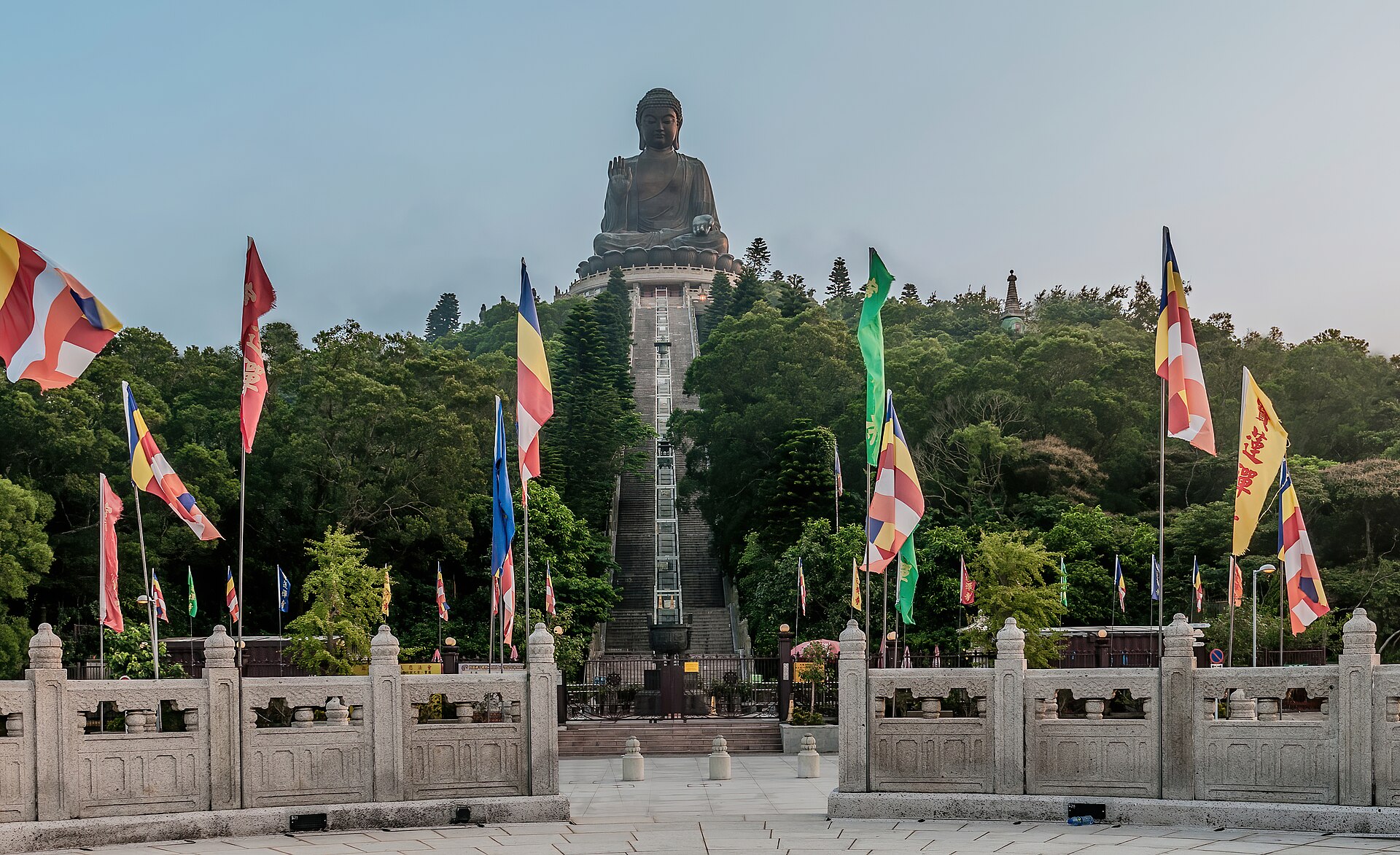
Tian Tan Buddha (Big Buddha)
Ngong Ping Rd, Lantau Island, Hong Kong SAR, China
The Tian Tan Buddha is a 34-metre bronze seated Buddha on Ngong Ping, Lantau Island — the largest outdoor bronze seated Buddha in the world when it was completed in 1993, and the centrepiece of a monastic complex that combines genuine Buddhist practice with Hong Kong's characteristic ability to turn sacred sites into well-managed tourist experiences. The Buddha sits at the top of 268 steps on a hilltop facing north (symbolically looking toward the Chinese mainland), and the climb — steep but manageable — provides views across the surrounding hills and, on clear days, to the South China Sea. The statue weighs over 250 tonnes and was assembled from 202 bronze pieces, and the face — serene, symmetrical, and slightly androgynous — is the calm centre of a visit that is otherwise characterised by the noise and commerce of the surrounding Ngong Ping Village (a purpose-built tourist complex of restaurants and shops). The Ngong Ping 360 cable car, a 25-minute ride from Tung Chung over mountainous terrain and Tung Chung Bay, is the most spectacular approach — the glass-bottom Crystal Cabin option, for those without vertigo, provides views straight down to the forest and water below. The Po Lin Monastery adjacent to the Buddha is an active Buddhist temple with free vegetarian meals available in its dining hall. The Wisdom Path — a figure-eight arrangement of 38 wooden steles inscribed with the Heart Sutra — is a meditative walk through the hillside forest that most visitors skip in their rush to photograph the Buddha, which is a shame because it's the most genuinely spiritual experience on the mountain.
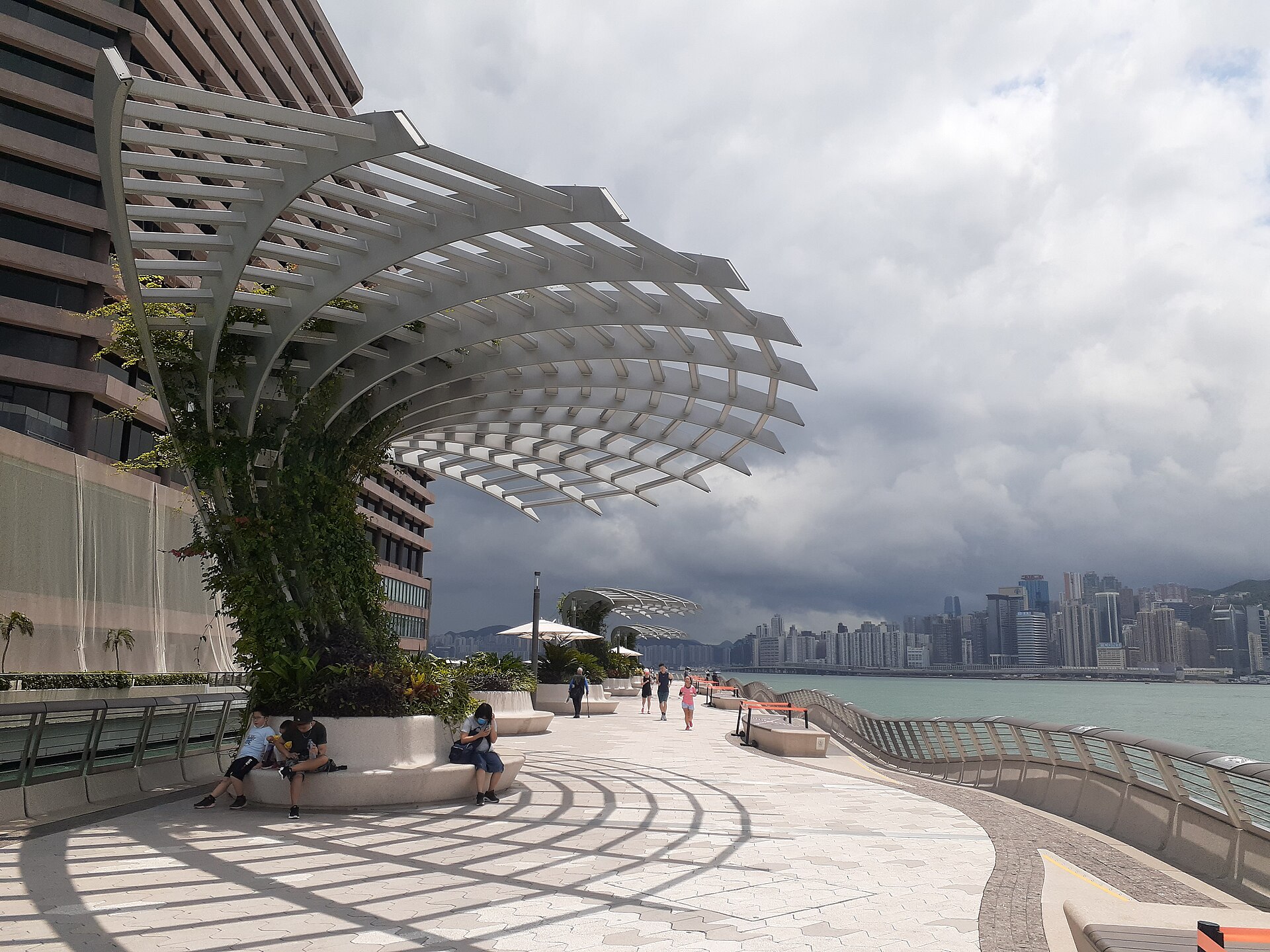
Tsim Sha Tsui Waterfront Promenade
Tsim Sha Tsui East, Hong Kong SAR, China
The Tsim Sha Tsui waterfront promenade is the place where Hong Kong takes its portrait — a kilometre-long walkway along the Kowloon side of Victoria Harbour that faces the full sweep of Hong Kong Island's skyline, from the towers of Central through the convention centre in Wan Chai to the residential blocks of Causeway Bay. The view — particularly at 8pm, when the Symphony of Lights laser show illuminates the buildings on both sides of the harbour — has been the defining image of Hong Kong for decades. The Avenue of Stars, a section of the promenade redesigned in 2019, celebrates Hong Kong's film industry with handprints, sculptures, and the bronze statue of Bruce Lee in his characteristic fighting stance that has become the promenade's most photographed feature. The avenue pays homage to Hong Kong cinema's golden age — Bruce Lee, Jackie Chan, Wong Kar-wai, and the studios that made Hong Kong the Hollywood of Asia from the 1970s through the 1990s. The promenade connects the Star Ferry pier to the Hong Kong Museum of Art, the Space Museum (whose golf-ball dome is Kowloon's most recognisable building), and the Hong Kong Cultural Centre — creating a cultural waterfront walk that mirrors the commercial intensity of Hong Kong Island across the water. The evening crowd — couples, families, photographers with tripods, and the elderly residents who use the waterfront for their evening constitutional — creates a democratic public space that is rare in a city where most outdoor experiences involve spending money.
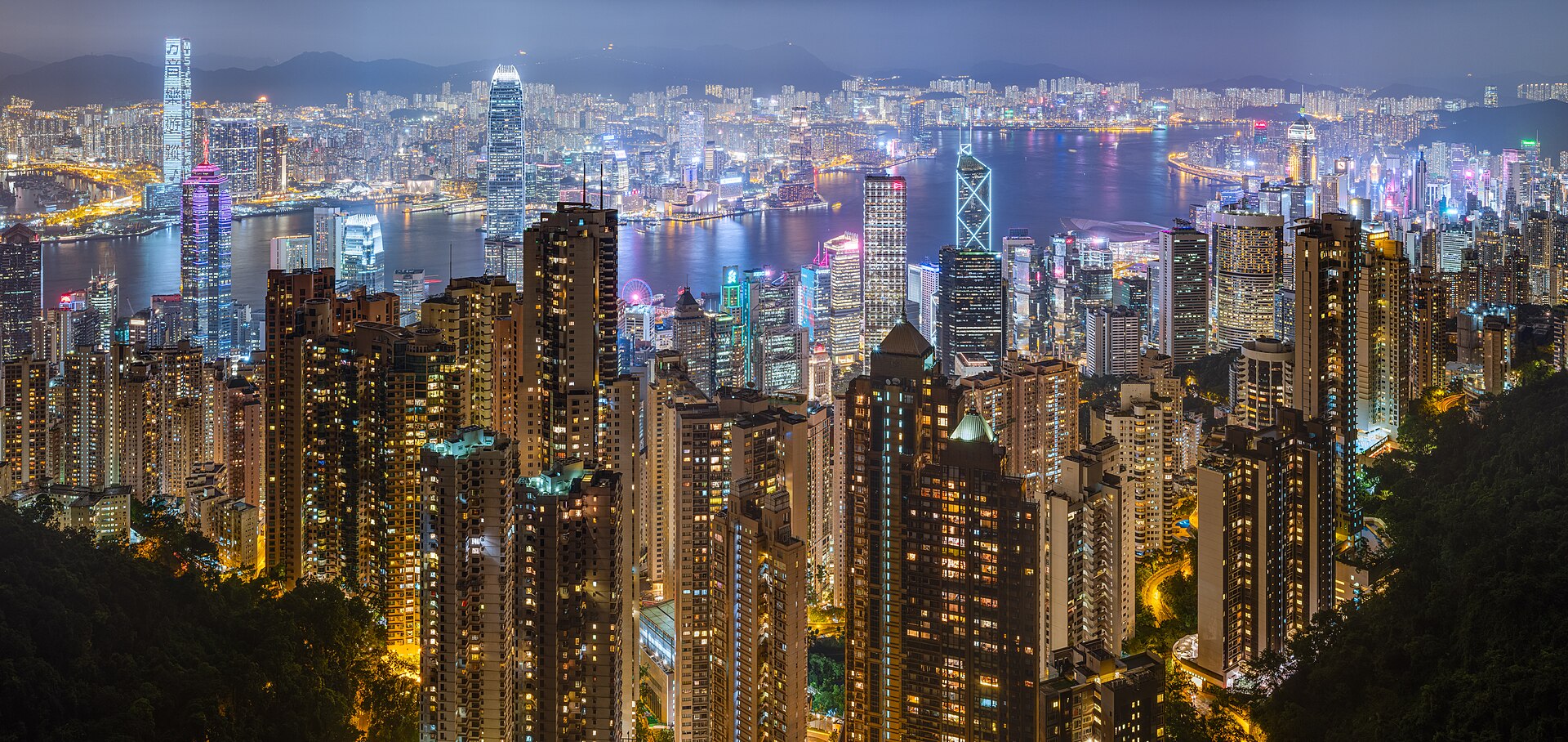
Victoria Peak (The Peak)
The Peak, Hong Kong SAR, China
Victoria Peak is the most famous viewpoint in Hong Kong — a 552-metre mountain on Hong Kong Island whose summit terrace provides a panoramic view of the city's skyscrapers, Victoria Harbour, Kowloon, and the green islands of the New Territories that is consistently ranked among the greatest urban views in the world. The view at night, when the towers of Central and Wan Chai light up in a wall of neon and LED that reflects off the harbour, has been the defining image of Hong Kong since the city first appeared on postcards. The Peak Tram, a funicular railway operating since 1888, carries passengers up the 28-degree incline in about seven minutes — the steep angle makes the towers below appear to lean sideways, which adds a surreal quality to the ascent. The queue for the tram on weekends and holidays can exceed an hour, and the pragmatic alternative (the number 15 bus from Exchange Square) provides the same destination with views along the way and no queue. The Peak Tower at the summit, a modernist wok-shaped building designed by Terry Farrell, houses shops, restaurants, and the Sky Terrace 428 observation deck. The Peak Circle Walk, a 3.5-kilometre flat path around the summit, is the experience that most visitors miss — a paved route through subtropical forest with views in every direction that takes about an hour and provides the elevation views without the crowds of the main terrace. The walk passes through forest where you're more likely to see butterflies and barking deer than other tourists, and the contrast between the wild hillside and the city 500 metres below is one of Hong Kong's most characteristic juxtapositions.
Wong Tai Sin Temple
2 Chuk Yuen Village, Wong Tai Sin, Kowloon
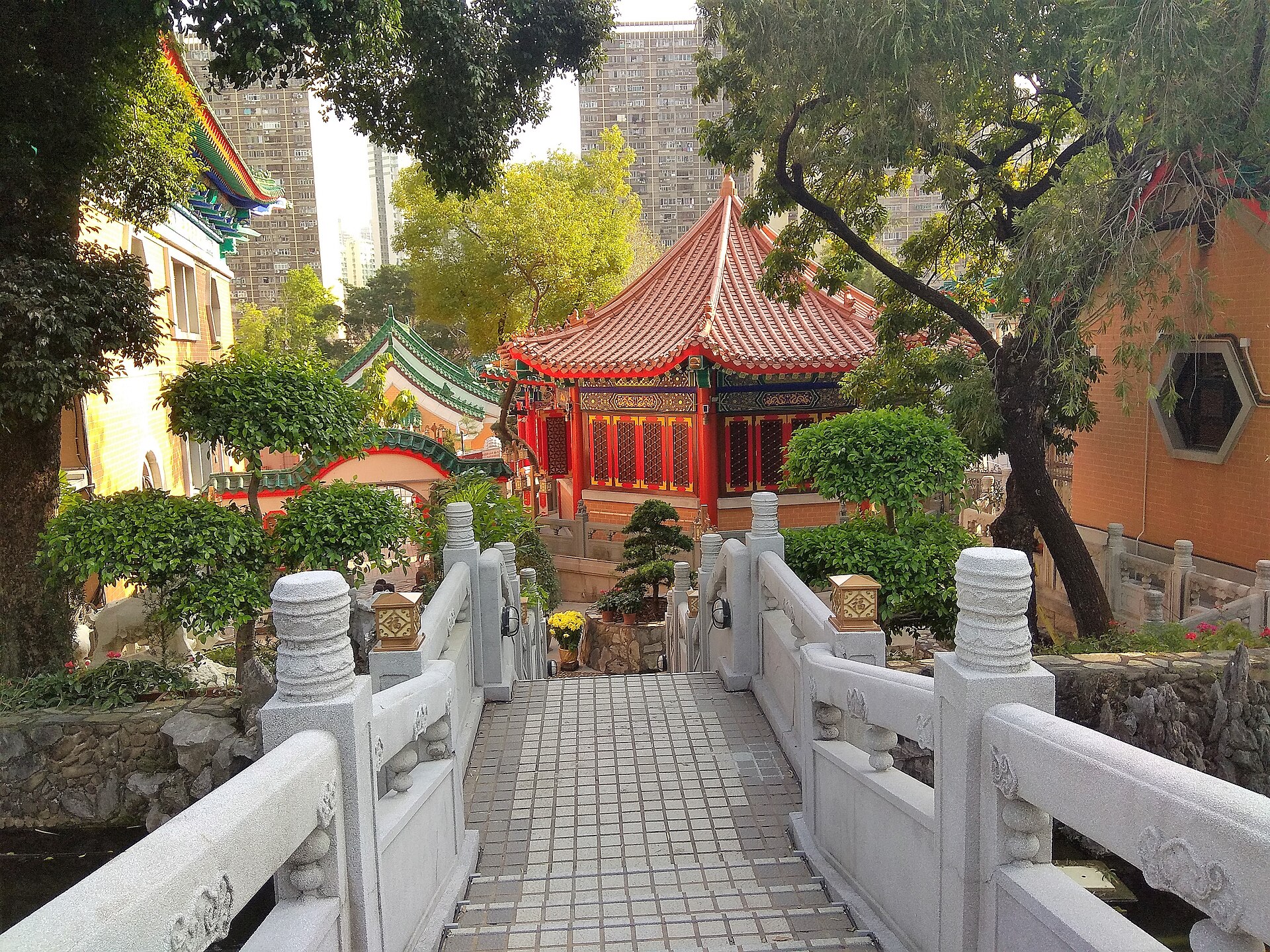
Wong Tai Sin Temple is the most visited temple in Hong Kong — a Taoist-Buddhist-Confucian complex that draws millions of worshippers annually, particularly around Chinese New Year and during examination season (when students come to pray for good results, which says something about the pragmatic relationship between Hong Kong religion and Hong Kong ambition). The temple is known for one thing above all: granting wishes. Its reputation for answering prayers — 'what you request is what you get' (有求必應) — makes it the spiritual equivalent of a customer service department with an excellent satisfaction rating. The main hall, dedicated to the Taoist deity Wong Tai Sin, is a blaze of red and gold — carved dragons, hanging lanterns, and the continuous percussion of fortune sticks (kau cim) being shaken in bamboo containers by worshippers seeking divine guidance. The fortune-telling process involves shaking a bamboo container until a single numbered stick falls out, then matching the number to a corresponding fortune slip. Professional fortune tellers in booths adjacent to the temple will interpret the results for a fee. The Good Wish Garden behind the main temple is a classical Chinese garden of pavilions, rockeries, and a waterfall that provides a contemplative counterpoint to the commercial energy of the prayer halls. The temple's location — surrounded by the residential towers of Wong Tai Sin district, with the mountains of Kowloon visible behind — places it firmly in the everyday life of the neighbourhood rather than in a tourist zone.
Yau Ma Tei Wholesale Fruit Market
Shek Lung Street, Yau Ma Tei, Kowloon
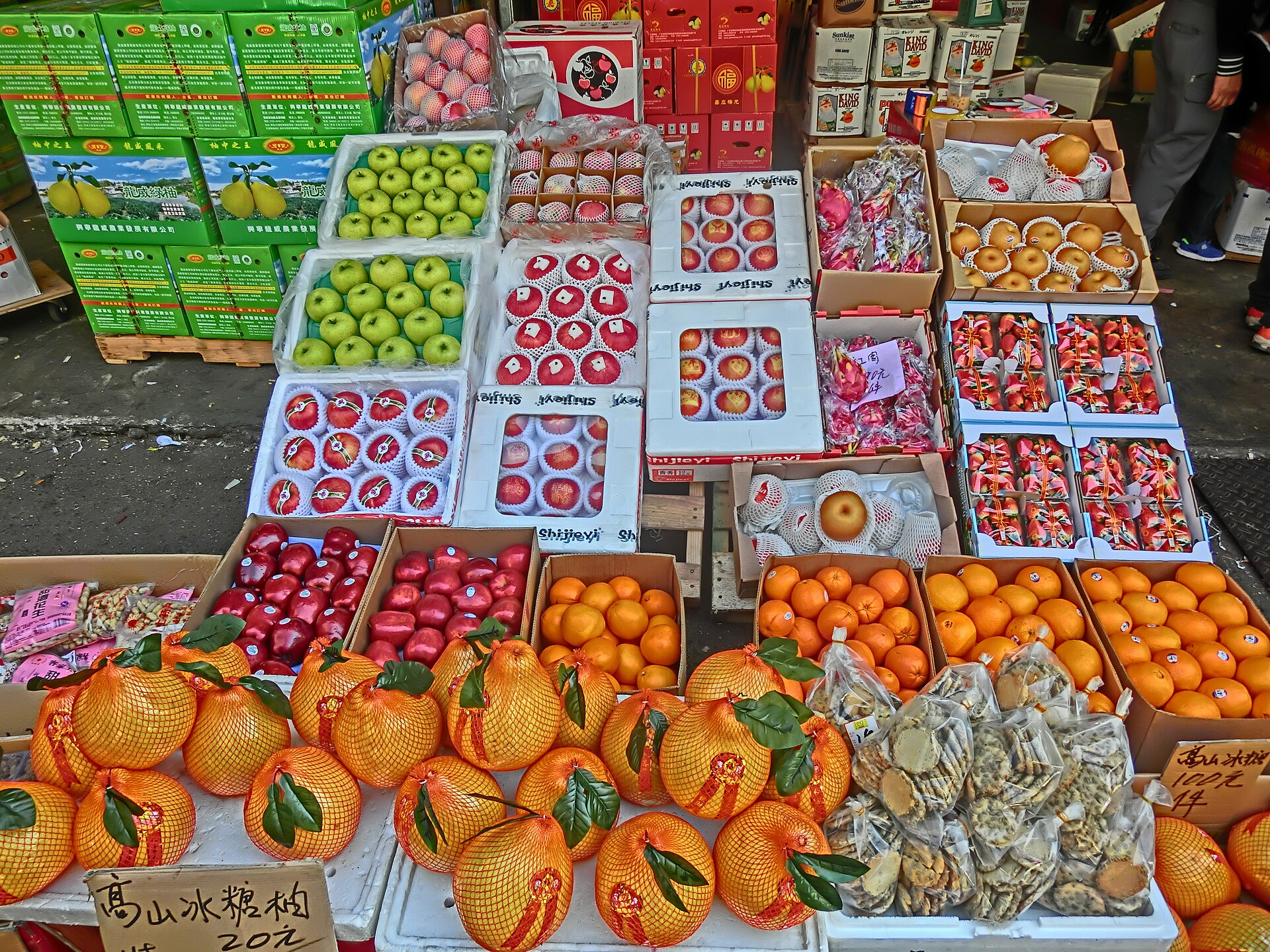
The Yau Ma Tei Fruit Market is the only remaining wholesale fruit market operating from its original buildings in urban Hong Kong — a collection of 1913 Edwardian market buildings on Shek Lung Street that come alive in the pre-dawn hours when trucks arrive from the mainland loaded with tropical fruit for distribution across the territory. The market operates from about 1am to 8am, and visiting it in the early morning (or very late night) provides a glimpse of the commercial infrastructure that feeds 7.5 million people. The buildings themselves — nine two-storey pitched-roof structures with open-sided ground floors for loading and sorting — are Grade II historic buildings and the best surviving examples of early 20th-century market architecture in Hong Kong. During operating hours, the market floor is a controlled chaos of forklifts, fruit crates, and the sharp-voiced Cantonese negotiations that determine how much Hong Kong pays for its mangoes, lychees, watermelons, and dragon fruit. The market is adjacent to the Tin Hau Temple complex on Public Square Street and a few blocks from the Temple Street Night Market, creating a triangle of traditional Kowloon experiences — temple, night market, and wholesale market — within walking distance. The market is not a tourist attraction and has no visitor facilities, but walking through during the early morning loading provides one of the most authentic experiences of working Hong Kong available to visitors willing to set an alarm.