Walking Tours in Salzburg
Salzburg Town Walk
A 2 km GPS-guided walk through the heart of Austria. Visit Salzburg Town Walk, Mozartplatz, Residenzplatz, and New Residenz, Glockenspiel — with narrated stories at every stop.
Salzburg: Mozart, Music & the Altstadt
Walk the most musical city in the world — from Mozart's birthplace through the baroque squares of the Altstadt, across the Salzach to the Mirabell Gardens, and up to the Hohensalzburg fortress high above the rooftops.
30 Landmarks in Salzburg
Alter Markt
Alter Markt, 5020 Salzburg
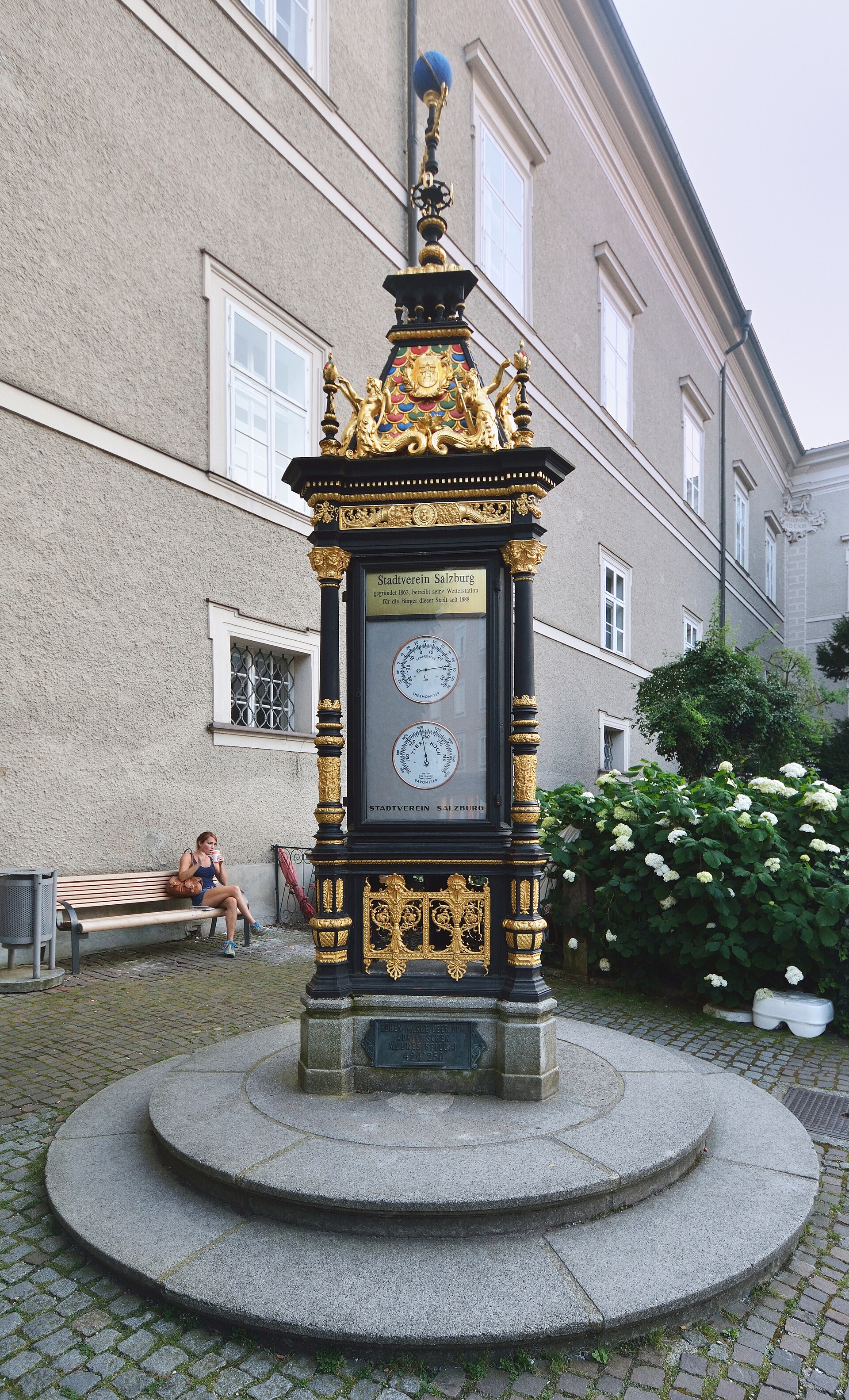
Salzburg's oldest marketplace has been the commercial heart of the city for over seven hundred years, and its compact, irregular shape tells the story of a square that evolved organically from medieval trade rather than being imposed by Baroque architects. Unlike Residenzplatz, which was deliberately bulldozed into existence by Wolf Dietrich, the Alter Markt grew from the daily rhythms of buying and selling — butchers, bakers, cloth merchants, and spice traders setting up stalls in the spaces between buildings. At the centre of the square stands a small fountain, and on the eastern side is the Hofapotheke, the old court pharmacy, which has been dispensing medicine from the same location since 1591. The pharmacy retains its original Baroque interior, complete with wooden cabinets, painted ceilings, and ceramic jars that once held remedies ranging from effective herbal treatments to substances that would now be classified as controlled. Café Tomaselli dominates one side of the square, and Café-Konditorei Fürst — home of the original Mozartkugel — faces it from across the cobblestones. Between these two institutions, the Alter Markt holds a concentration of Salzburg culinary history that few squares anywhere can match: three centuries of coffee culture on one side, a century and a half of handmade chocolate on the other. During Advent, the Alter Markt hosts one of Salzburg's most intimate Christmas markets. The stalls are smaller and less crowded than the Residenzplatz market around the corner, and the atmosphere benefits from the enclosed, human-scale architecture. Locals tend to prefer it. The Glühwein tastes the same, but the setting feels less like a performance and more like a neighbourhood gathering — which, for most of its history, is exactly what the Alter Markt was.
Augustiner Bräustübl
7 Lindhofstraße, Mülln, Salzburg, 5020, Austria
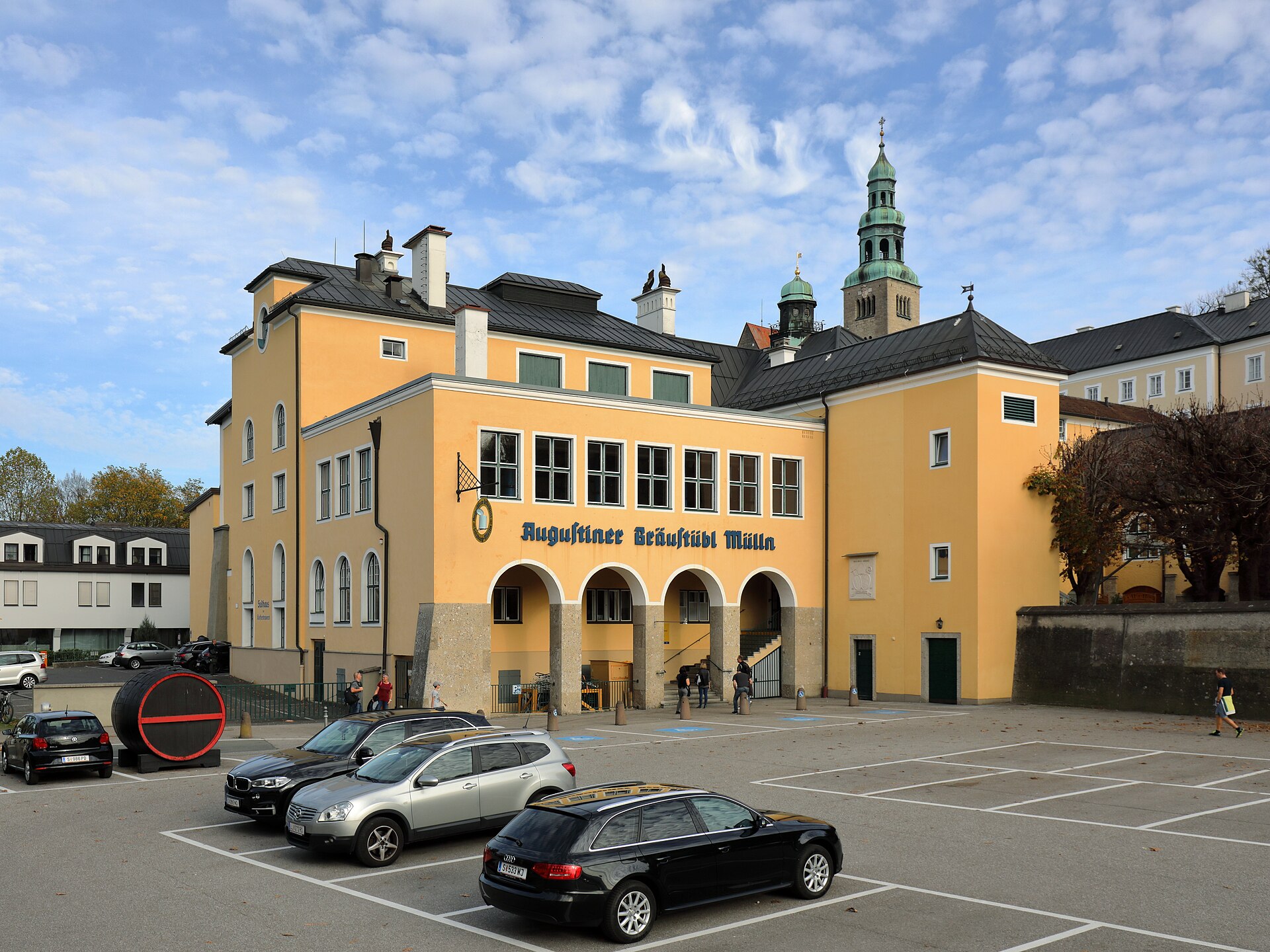
Augustinian monks founded this brewery in 1621 at the foot of the Mönchsberg in Salzburg's Mülln neighbourhood, and the beer has been flowing from the same location ever since. This is not a tourist recreation of a historic brewery — this is the real thing, the largest beer hall in Austria, with over 5,000 square metres of seating spread across five large halls, three cosy lounges, and a beer garden that seats 1,400 people. More than 600,000 visitors pass through each year, and the place hosts over 240 Stammtische — reserved tables for regulars, some of which have been held by the same families for generations. The brewing process is deliberately old-fashioned. The Augustiner Märzen takes roughly twelve weeks to produce using hops, malt, yeast, and water in strict adherence to the Bavarian Purity Law of 1516. What makes it exceptional is the detail: the beer wort is still open-chilled in the last remaining cooling vessel of its type in Austria, and fermentation happens in open vats. These are techniques that modern breweries abandoned decades ago for efficiency, but the monks knew what they were doing, and the beer proves it. You don't order at a bar here. You walk to the tap room, grab a ceramic stein from a wall of freshly washed mugs, and have it filled directly from wooden barrels. The ritual matters: you rinse the stein in a cold-water fountain before filling it. Along the corridor to the beer halls, a row of small food stalls sell cold cuts, cheese, pretzels, radishes, and other provisions. It's self-service medieval hospitality, updated just enough to include electrical lighting. Even Mozart drank here — or at least, even Mozart drank Augustiner beer, which has been brewed on this site since before his grandfather was born. The recipe hasn't changed. The atmosphere hasn't changed. If you visit one beer hall in your entire life, make it this one.
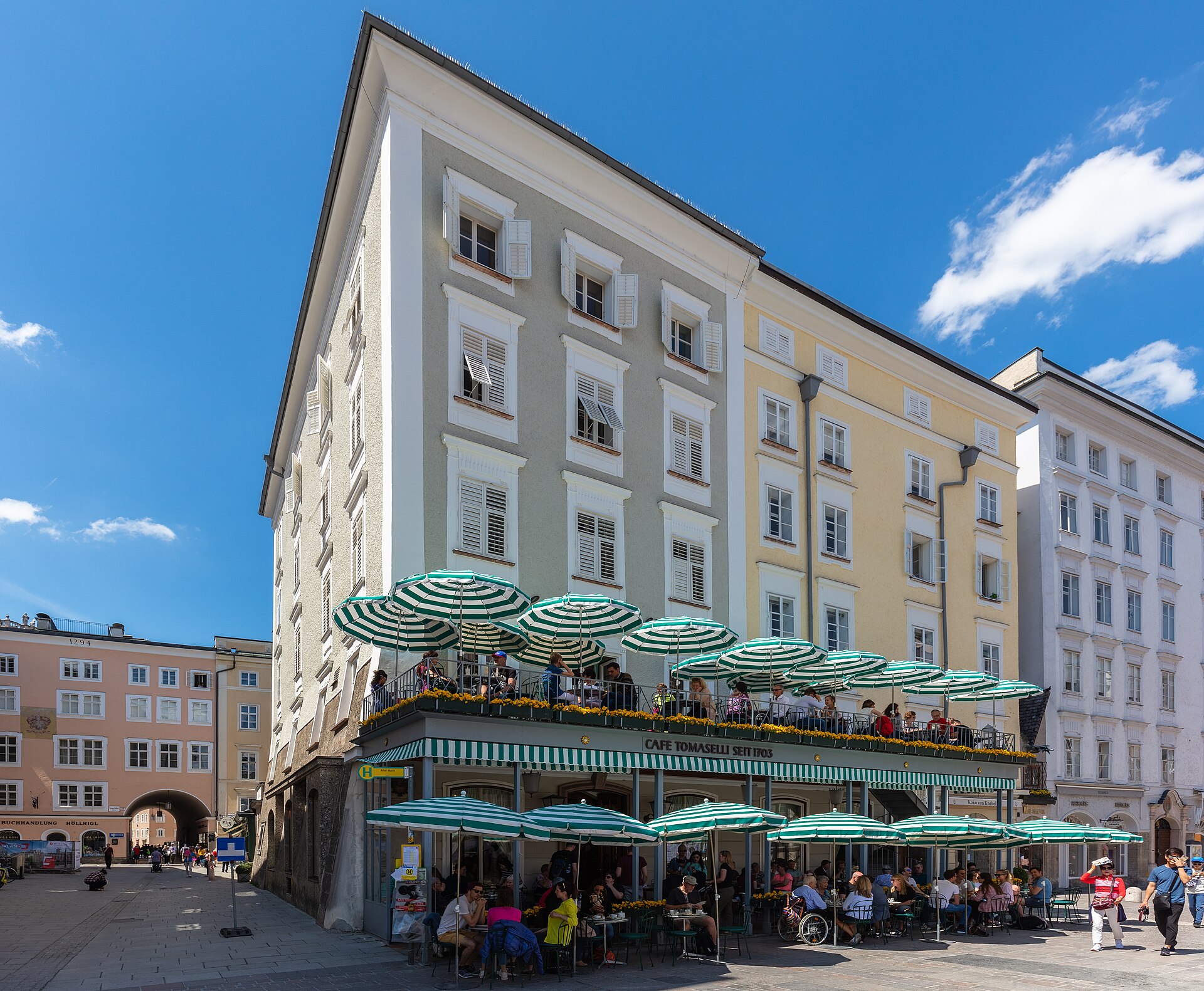
Café Tomaselli
9 Alter Markt, Altstadt, Salzburg, 5020, Austria
Austria's oldest coffee house has been serving caffeinated beverages on Salzburg's Alter Markt since a Frenchman named Johann Fontaine received a trade licence on March 31, 1700 to sell chocolate, tea, and coffee. That first shop, on nearby Goldgasse, was less a coffee house than a meeting place for university students. In 1764, Anton Staiger — major-domo to the archbishop — moved the operation to its current location on the Alter Markt and turned it into the most elegant café in town, attracting Salzburg's upper-middle class with the same social calculus that makes exclusive coffee shops work today. Mozart was a regular. He came here to drink almond milk, which tells you something lovely about the man — one of history's greatest musical geniuses sitting in a coffee house drinking almond milk while the world around him argued about politics and weather. Hugo von Hofmannsthal, who would later co-found the Salzburg Festival, and the great theatre director Max Reinhardt both frequented the café in the early 20th century. In 1852, Johanna Staiger sold the café to the confectioner Carl Tomaselli, son of the Milanese tenor Giuseppe Tomaselli, and the family has run it ever since. The current Tomaselli is the fifth generation. That kind of continuity — over 320 years as a coffee house, 170 years under one family — is rare anywhere in the world and almost unheard of in the hospitality industry. The café sits on the Alter Markt, Salzburg's oldest marketplace, and the ritual is unchanged: choose from the Tortenfrau's tray of pastries, order a Melange or an Einspänner, and sit at a marble-topped table watching the square. The terrace seats overlook the market fountain and, in December, the Christmas market stalls. It is the closest thing Salzburg has to a living room.
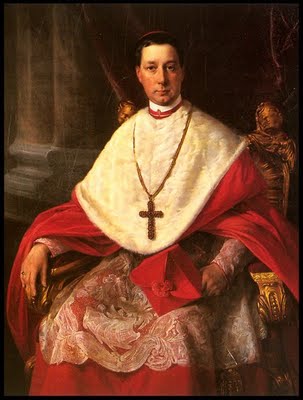
Café-Konditorei Fürst
Brodgasse 13, 5020 Salzburg
Around 1890, Salzburg confectioner Paul Fürst invented a bonbon that would become one of the most counterfeited sweets in the world. His Original Salzburger Mozartkugel — a sphere of pistachio marzipan wrapped in nougat and dipped in dark chocolate — was handcrafted, placed on a wooden stick for the chocolate dip, and wrapped in distinctive blue-and-silver foil. In 1905, Fürst won a Diplôme d'Honneur at the Paris World Exhibition for his creation, and the rest of the confectionery world immediately started copying him. Today, mass-produced "Mozartkugeln" are sold in every airport and souvenir shop in Austria. They come in red foil, gold foil, and variations that would make Paul Fürst weep. The original — still made by hand, one by one, using the same recipe and process — is available only at the four Fürst locations in Salzburg. Martin Fürst, the fifth generation of the family, oversees production. Each Mozartkugel is still placed on a stick, hand-dipped, and individually wrapped. There is no factory line, no mass production, no export. The main shop sits on the Alter Markt, Salzburg's oldest marketplace, directly across from Café Tomaselli. The building dates to 1884, and the glass display cases are filled with handmade chocolates, tortes, and pastries that represent the quieter side of Austrian Konditorei tradition — the side that values craft over scale. The irony of the Mozartkugel mirrors Salzburg's relationship with Mozart himself. Someone creates something extraordinary, the world copies it endlessly, and the original gets lost in the noise. But if you buy one from Fürst — fresh, slightly imperfect from handwork, the pistachio marzipan genuinely green rather than dyed — you'll taste the difference immediately. Some things are worth the original.
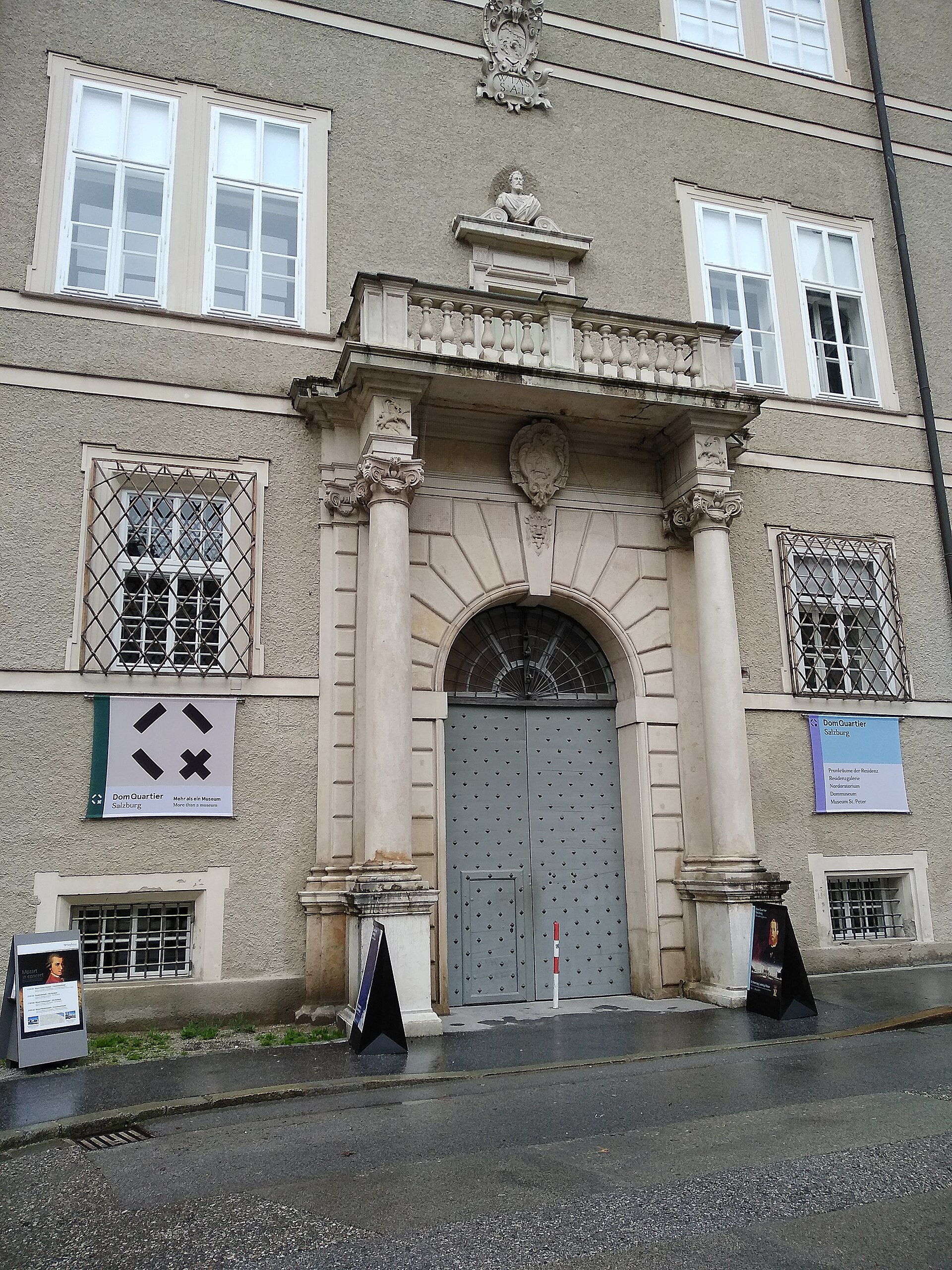
DomQuartier
1 Residenzplatz, Altstadt, Salzburg, 5020, Austria
The DomQuartier opened in 2014 by doing something that hadn't been possible for two hundred years: reconnecting the spaces where Salzburg's prince-archbishops lived, worshipped, and ruled. The museum route links the Residenz state rooms, the cathedral gallery, and the St. Peter's Abbey collections through a series of walkways and terraces that allow you to move between buildings without returning to street level. For the first time since the secularisation of 1803, you can walk through the entire ecclesiastical power complex as the archbishops themselves did. The route covers 15,000 square metres across multiple buildings and includes over 2,000 artworks. The highlight for many visitors is the Residenz state rooms — particularly the Carabinieri Hall with its Johann Michael Rottmayr ceiling frescoes and the Conference Hall, where prince-archbishops received ambassadors, issued decrees, and ran what was effectively an independent state for eight centuries. The cathedral terrace offers a perspective most visitors never see: you step outside at gallery level and find yourself looking down into the Domplatz from above, at roughly the same height as the cathedral's Baroque facade statues. During the Salzburg Festival, this is where Jedermann is performed below you in the square — if you time your visit right, you can watch the set-up from a vantage point usually reserved for angels and gargoyles. The Long Gallery connecting the Residenz to the cathedral contains the art collection — Flemish masters, Italian Renaissance works, and Austrian Baroque paintings arranged in the same rooms where they were originally hung by the prince-archbishops who collected them. These were men with enormous budgets, excellent taste, and a need to impress visiting dignitaries. The collection they assembled rivals many national galleries, housed in rooms that are themselves works of art.
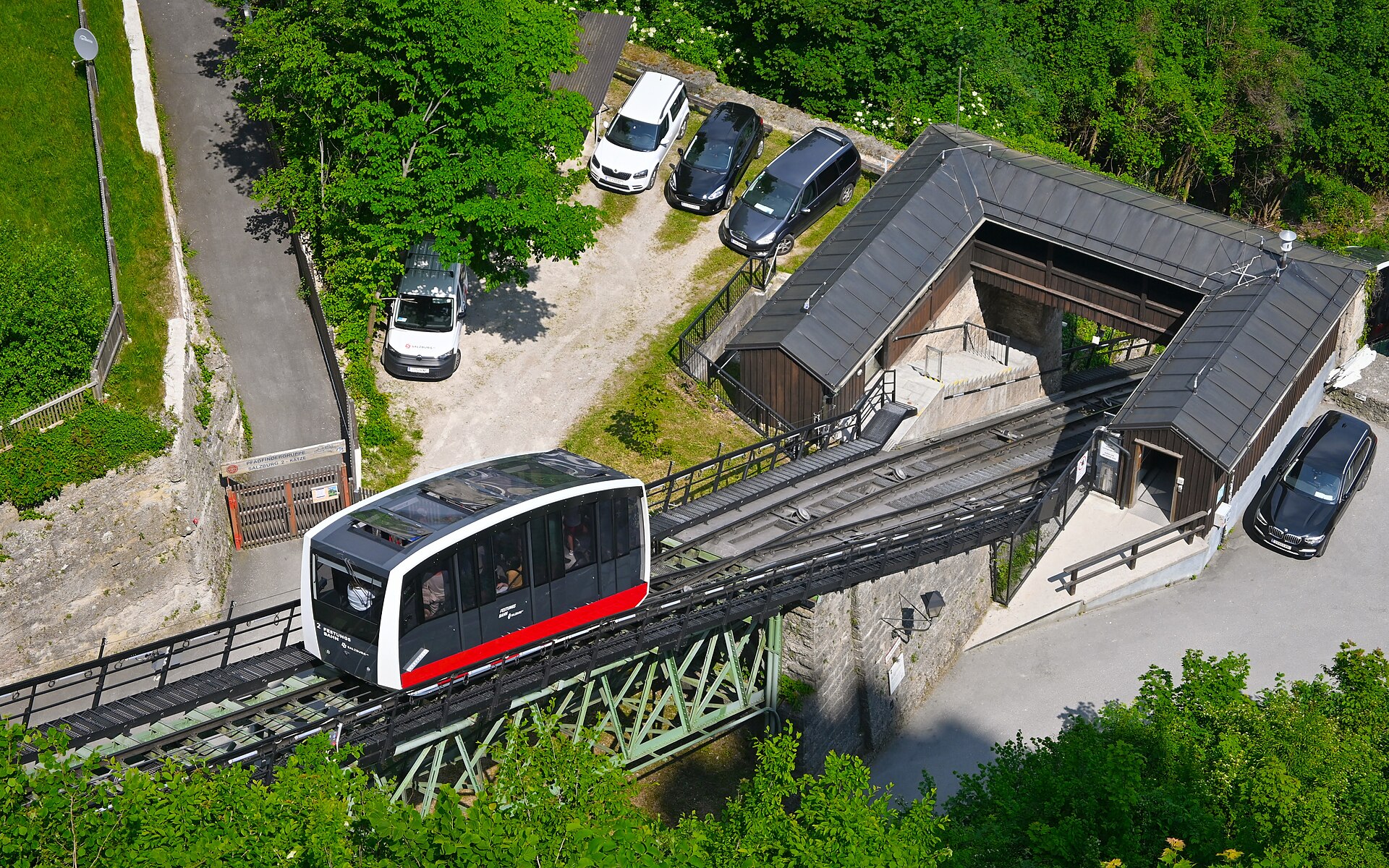
Festungsbahn
4 Festungsgasse, Altstadt, Salzburg, 5020, Austria
The Festungsbahn is one of the oldest funicular railways in Austria, first carrying passengers to Hohensalzburg Fortress in 1892. But the idea of mechanised transport up the Festungsberg is much older than that. In the 16th century, a primitive goods lift powered by human labour hauled supplies up the steep cliff face to the fortress — materials, food, and ammunition that would have taken considerable effort to carry by foot up the vertiginous medieval path. The modern funicular covers 198 metres of track on a 62% gradient, making the one-minute journey from Festungsgasse in the old town to the fortress courtyard. It runs on rails through a tunnel cut partly through rock and partly on the exposed cliff face, offering fleeting but spectacular views of the old town rooftops as you ascend. At peak capacity, the system can transport over a thousand people per hour, which during summer tourist season it regularly needs to. The current cars date from a 2011 modernisation, but the route and the basic engineering principle haven't changed since 1892: a cable pulls one car up while the other descends, the weight of each counterbalancing the other. It is simple, elegant, Victorian-era engineering that still works perfectly. The alternative is walking up the medieval footpath — a steep fifteen-minute climb through covered passages and stone gateways. The walk is worth doing at least once, not just for the exercise but because the path itself is part of the fortress's defensive design: narrow, twisting, and overlooked by arrow slits and murder holes. Every step was designed to make an attacker's life miserable. The funicular, by contrast, was designed to make a tourist's life easy. Both approaches tell you something about what Salzburg values at different points in its history.
Franziskischlössl
9 Kapuzinerberg, Altstadt, Salzburg, 5020, Austria
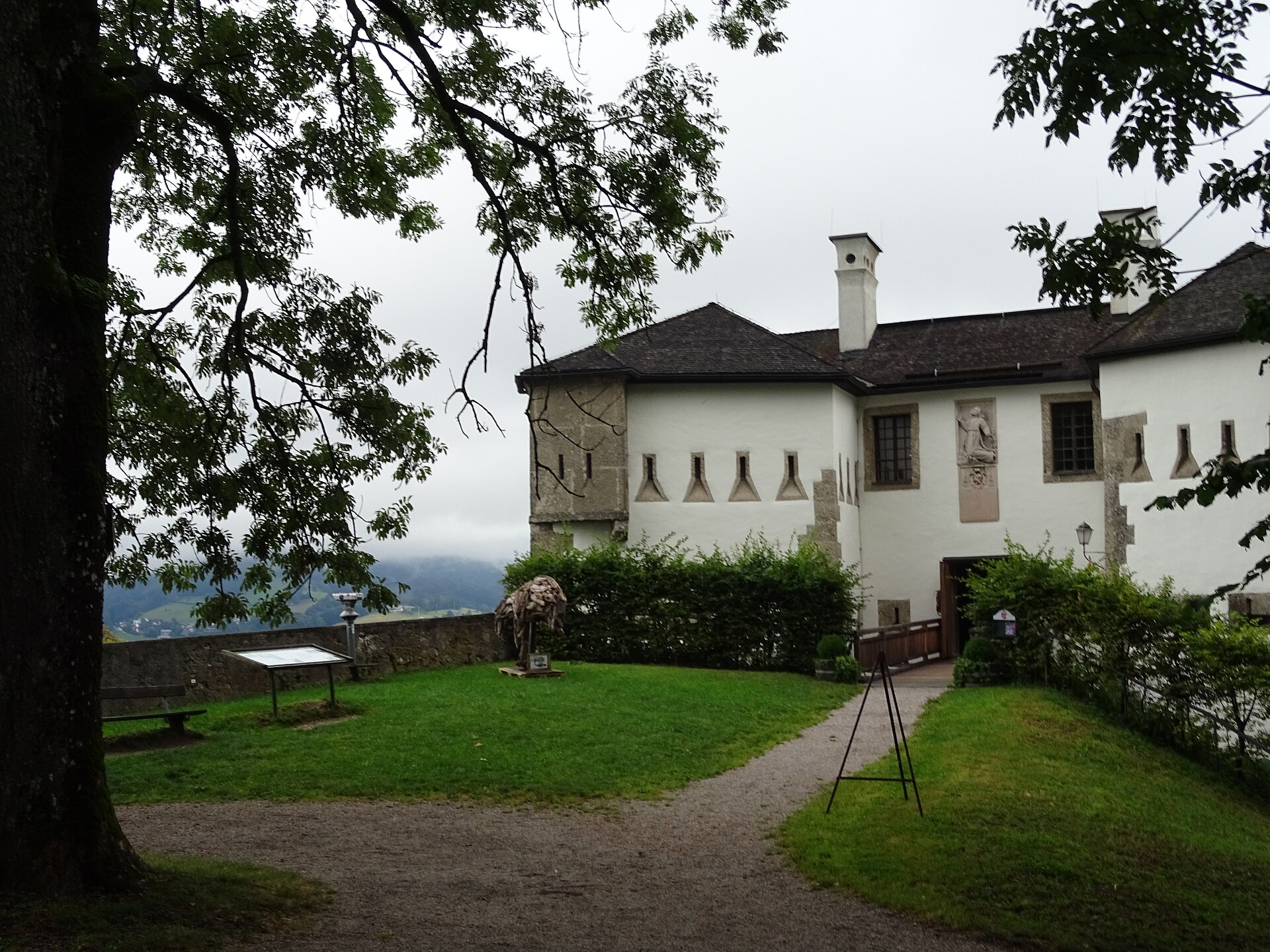
Perched on the summit of Kapuzinerberg, this small fortress was built during the Thirty Years' War as part of Archbishop Paris Lodron's ambitious project to make Salzburg impregnable. Construction began in 1629 and was completed by 1648, just in time for the war to end. The fortress was strategically placed as a lookout and defensive bastion, giving the city early warning of approaching armies — which, during a war that killed roughly eight million people, was not an abstract concern. Lodron's fortification plan was remarkably successful: Salzburg was one of the very few Central European cities that survived the Thirty Years' War without being sacked, burned, or besieged. Whether this was due to Lodron's walls or to shrewd diplomacy is debated, but the Franziskischlössl stands as physical evidence of a prince-archbishop who took defence seriously. After Napoleon rendered Salzburg's defences irrelevant in 1800, the fortress lost its military purpose. A tavern was installed in 1849, and throughout the 19th and early 20th centuries, the Franziskischlössl became a popular hiking destination for Salzburgers who wanted a beer with a view. The 1920s saw it flourish as a scenic retreat, and it remained a beloved local spot for decades. In 2020, after years of restoration, the Franziskischlössl reopened as "The Castle" — a boutique hotel and restaurant that blends the original 17th-century architecture with contemporary hospitality. Two exclusive suites are available for overnight guests, and the restaurant serves Austrian cuisine with views that encompass the entire Salzburg basin. The hike up from the old town takes about twenty minutes, and you arrive at a place that has spent nearly four hundred years transitioning from fortress to tavern to boutique hotel — each incarnation using the same selling point: the view.
Getreidegasse
Getreidegasse, Altstadt, Salzburg, 5020, Austria
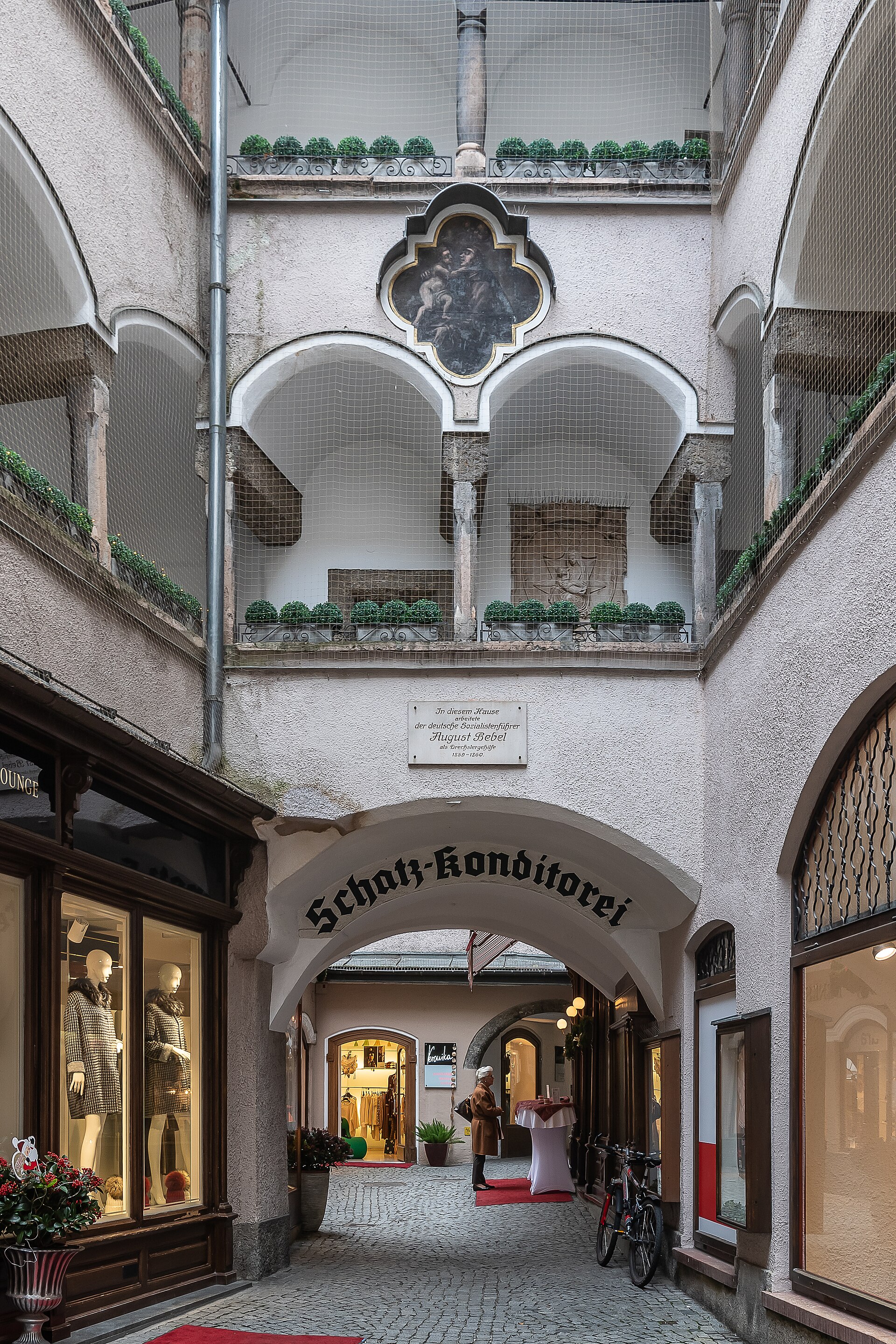
This narrow lane has been one of the most important routes through Salzburg since the Roman Age, and its name has nothing to do with grain. "Getreidegasse" evolved from the old German "Trabgasse" — from traben, to trot — because this was where people and horses moved through the city. The first written mention dates to 1150, though the street was already ancient by then. For centuries it served as the commercial heart of the city, lined with trading houses, apothecaries, breweries, and the homes of councilmen, judges, and minters. What makes Getreidegasse visually unforgettable are the wrought-iron guild signs that hang above nearly every shopfront. These Zunftzeichen originated in the Middle Ages, when most people couldn't read. A locksmith hung a key, a baker hung a pretzel, a shoemaker hung a boot. The tradition survived the centuries, and today even McDonald's and Zara display ornate wrought-iron signs to fit in. A metalworking shop called Wieber still manufactures these signs by hand, using techniques that haven't fundamentally changed in four hundred years. The tall, narrow townhouses lining the street hide a secret: walk through many of their archway passages and you'll discover hidden courtyards that open into a parallel world of quiet cafes, artisan shops, and small gardens. These Durchhäuser — literally "through-houses" — are one of Salzburg's most charming architectural features, and most tourists walk right past them. Mozart was born at Number 9, and his birthplace museum draws enormous crowds. But Getreidegasse deserves attention beyond its most famous resident. This is a street that has functioned as a marketplace for nearly a thousand years, and the wrought-iron signs swinging in the breeze are a living link to a time when your shopfront was your brand.
Hangar-7
7 Wilhelm-Spazier-Straße, Maxglan, Salzburg, 5020, Austria
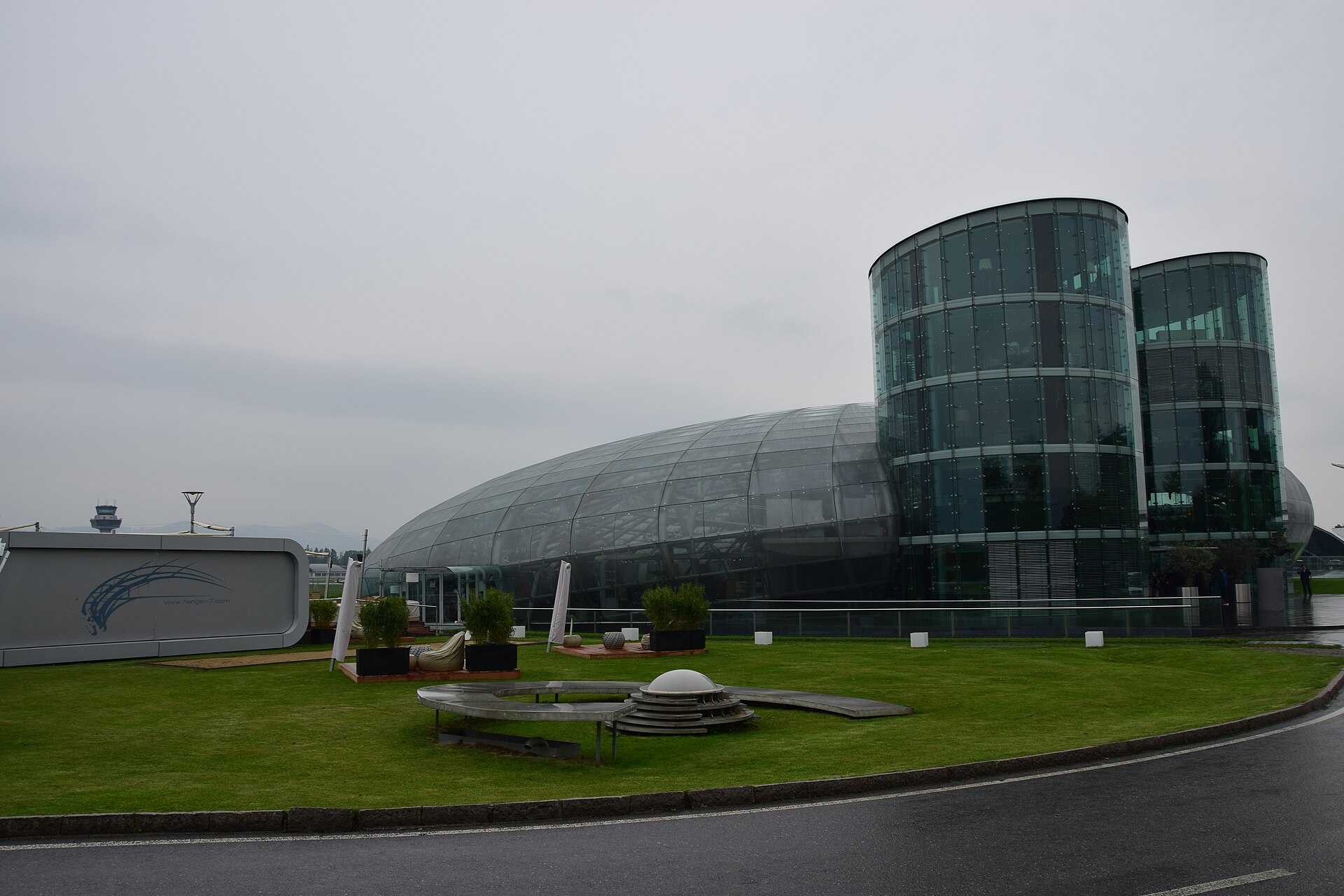
Dietrich Mateschitz, the co-founder of Red Bull, wanted a hangar for his collection of historic aircraft. What he got was one of the most ambitious architectural statements in Austria. Designed by Salzburg-based architect Volkmar Burgstaller, Hangar-7 spans 67 by 100 metres without a single internal support column — a shell structure of this shape and scale had never been attempted before. Construction began in January 2001 and the building opened in August 2003, clad in 1,754 curved glass panels held together by 1,200 tonnes of steel. The lights embedded in the concrete floor are arranged in the exact constellation of stars as seen from Salzburg on August 22, 2003 — the night of the opening. It is the kind of obsessive, money-is-no-object detail that defines the entire project. Inside, vintage aircraft from the Flying Bulls collection share the floor with Formula One cars, contemporary art installations, and rotating exhibitions that treat speed, engineering, and aesthetics as interchangeable concepts. The building also houses Ikarus, a Michelin-starred restaurant where a different guest chef from around the world takes over the kitchen each month, cooking their signature menu with the restaurant's staff. It is arguably the most unusual fine-dining concept in Europe — imagine a restaurant that changes its entire personality twelve times a year — and it sits inside an aircraft hangar next to an airport. The whole experience is free. You can walk in, look at a P-38 Lightning fighter from World War II, admire a contemporary sculpture, have a drink at the Mayday Bar beneath the wing of a historical aircraft, and leave without spending a cent. Hangar-7 is located adjacent to Salzburg Airport, about a fifteen-minute drive from the old town, and it represents a version of Salzburg that has absolutely nothing to do with Mozart or the Baroque. Which is exactly the point.
Hellbrunn Palace & Trick Fountains
37 Fürstenweg, Hellbrunn, Salzburg, 5020, Austria
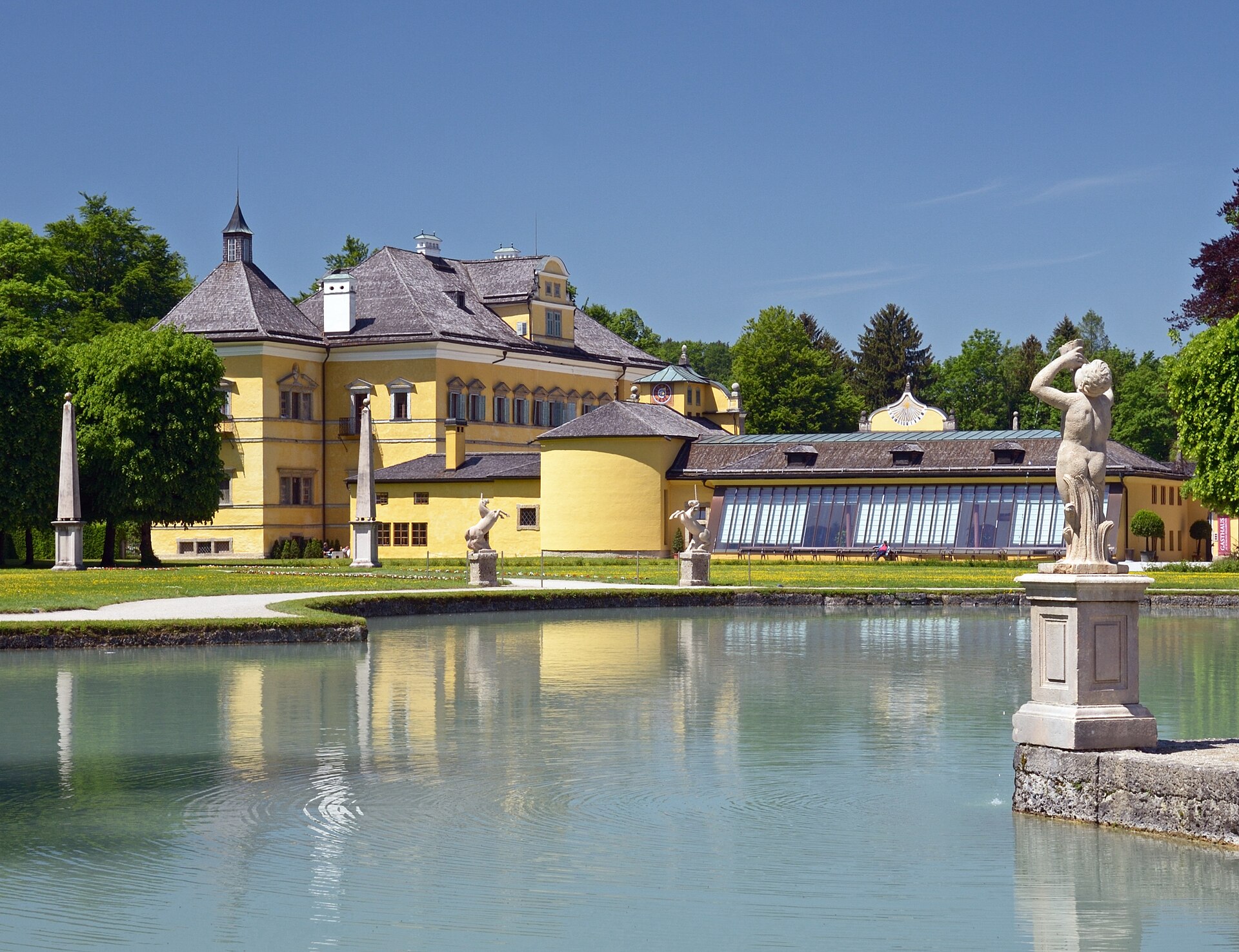
Prince-Archbishop Markus Sittikus built Hellbrunn between 1612 and 1615 as a summer pleasure palace, and in a detail that tells you everything about his personality, he deliberately included no bedrooms. This was purely a day palace for entertaining guests — the Archbishop always returned to the city at night. What he did include were the most elaborate practical jokes in European architectural history. The trick fountains are Sittikus's masterpiece of mischief. He would invite guests to dine at a stone table in the gardens, and midway through the meal, hidden water jets would drench everyone at the table. Everyone except Sittikus himself, who always occupied the one dry seat. Four centuries later, tour guides still gleefully soak visitors at the same table using the same mechanism. The entire hydraulic system runs on natural spring pressure from the Hellbrunn mountain — no electric pumps, no modern technology. The same gravity-fed system that operated in the 1610s powers every jet, grotto, and mechanical figure on the grounds today. The water-powered mechanical theatre, added in 1750 by Lorenz Rosenegger, features 163 tiny figures depicting life in a small Baroque town — hammering, sawing, marching, working — all powered entirely by water. Grottos adorned with shells, mirrors, and coloured stones house mythological scenes featuring Neptune, Diana, and other classical figures, all rendered in the Mannerist style that was already slightly old-fashioned when Sittikus built them. He didn't care. He wanted to impress and amuse, and he succeeded. The Sound of Music gazebo was relocated here from Leopoldskron Palace after too many tourists injured themselves recreating the "Sixteen Going on Seventeen" dance scene. It sits in the park now, behind glass, which tells you everything about the intersection of romance and liability insurance.
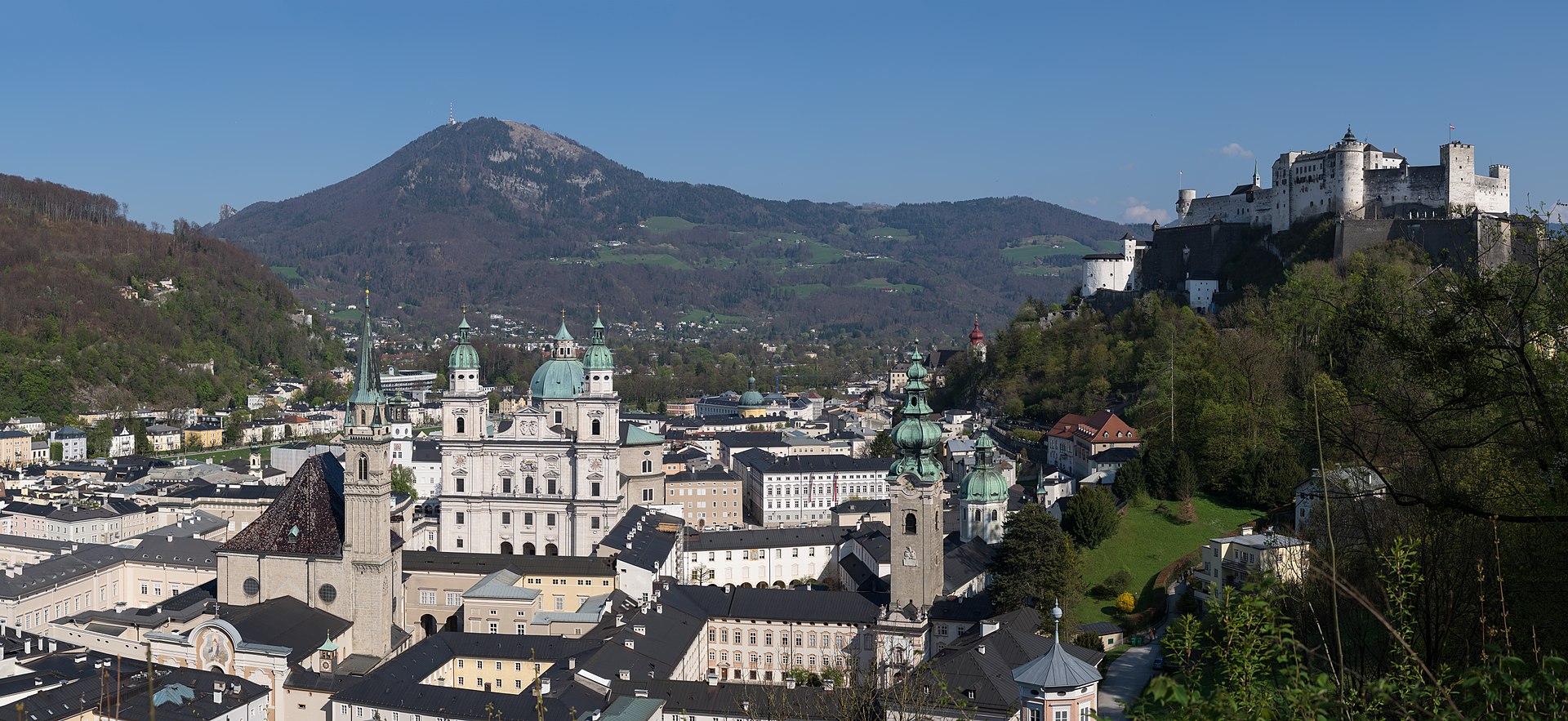
Hohensalzburg Fortress
34 Mönchsberg, Altstadt, Salzburg, 5020, Austria
This fortress has loomed over Salzburg for nearly a thousand years, and in all that time, nobody has ever managed to take it by force. Built in 1077 by Archbishop Gebhard during the Investiture Controversy — a power struggle between the Pope and the Holy Roman Emperor that makes modern politics look civilised — Hohensalzburg started as a simple wooden fortification on the Festungsberg hill. Over the next four centuries, successive prince-archbishops turned it into one of the largest medieval castles in Europe, stretching 250 metres long and 150 metres wide. Archbishop Leonhard von Keutschach gave the fortress its current appearance around 1500, adding the ornate Gothic state rooms that still survive. The Golden Chamber, with its blue and gold star-studded ceiling and a massive ceramic tile stove from 1501, is one of the finest late-Gothic interiors in Europe. Keutschach was so proud of his work that he had his coat of arms — a turnip — carved into seemingly every available surface. A prince-archbishop whose family crest was a root vegetable. You cannot make this up. The only serious siege came in 1525 during the German Peasants' War, when miners, farmers, and townspeople tried to oust Prince-Archbishop Matthäus Lang. They failed. The fortress held, and Lang waited them out. Two centuries later, during the Napoleonic Wars, the fortress was surrendered without a fight to French troops in 1800 — the one time the castle changed hands, not a single shot was fired. Since 1892, you can ride the Festungsbahn funicular railway to the top instead of walking the steep medieval path. It is one of the oldest funiculars in Austria, and it delivers you to views that stretch across the old town rooftops to the Austrian Alps beyond. On a clear day, you can see into Germany.
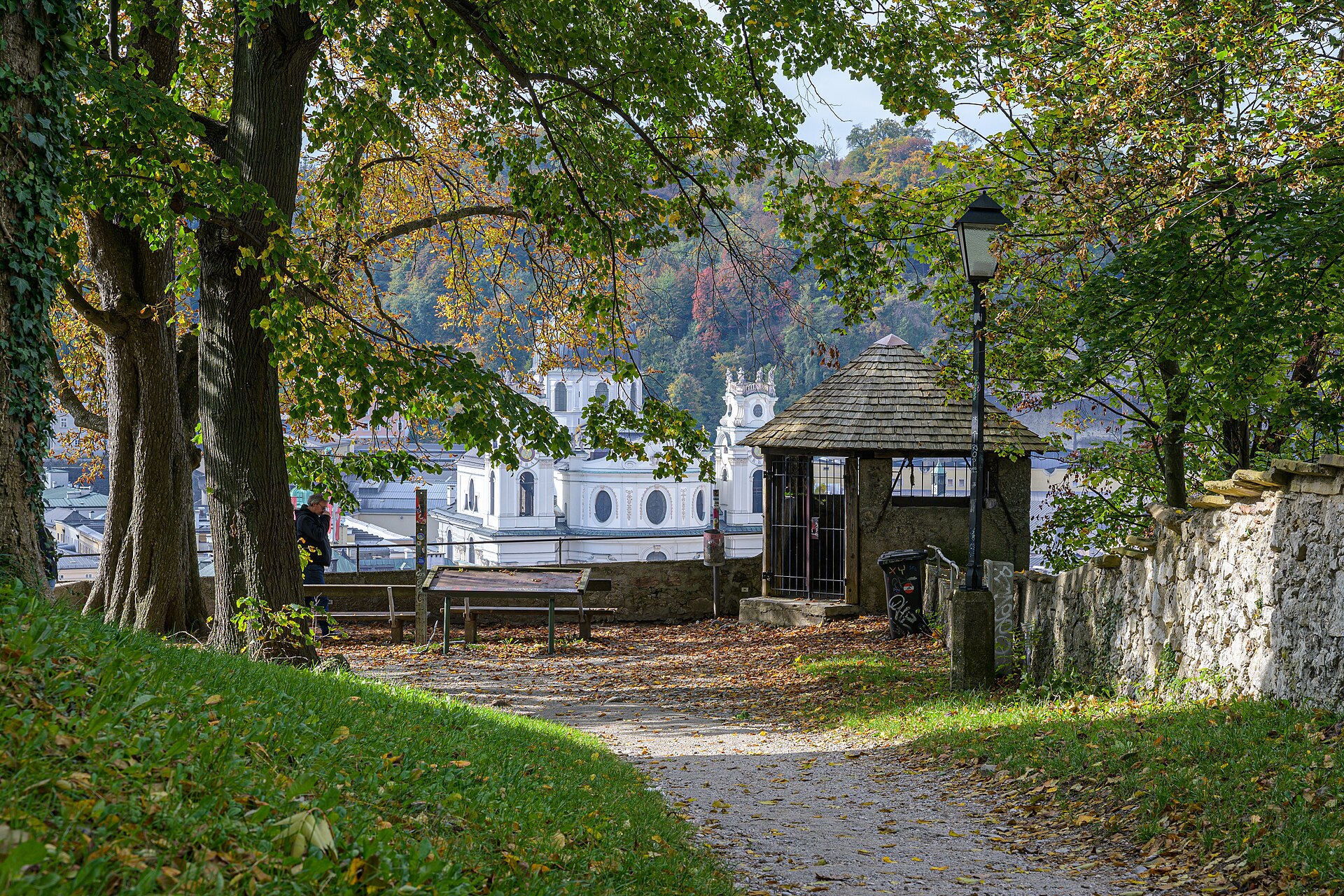
Kapuzinerberg
Altstadt, Salzburg, Austria
Rising 640 metres on the eastern bank of the Salzach, Kapuzinerberg is the quieter, wilder counterpart to the fortress-crowned Festungsberg across the river. Humans have been settling on this hill since the Neolithic period, with major prehistoric settlements dating to around 1100 BC. Today it serves as Salzburg's green lung — a forested urban mountain where you can walk from the city centre to genuine wilderness in fifteen minutes. And you might share the path with wild chamois: a colony of these Alpine mountain goats has lived on the rocky outcrops of Kapuzinerberg for decades, one of the only urban chamois populations in the world. The Capuchin monastery at the summit was built between 1599 and 1605 on the ruins of a medieval fortress called the Trompeterschlössl, established by Prince-Archbishop Wolf Dietrich von Raitenau as a spiritual bulwark against the Reformation. The climb to the top takes you past thirteen oratories depicting the Stations of the Cross, built between 1736 and 1744, each one a small Baroque chapel carved into the hillside. Partway up the path, you'll pass the former home of Stefan Zweig, the Austrian writer who lived at the Paschinger Schlössl on the Kapuzinerberg from 1919 to 1934. This is where Zweig wrote some of his most celebrated works before fleeing the Nazis — first to London, then to Brazil, where he and his wife took their own lives in 1942. A memorial plaque marks the house, and the views from the terrace across to the old town are exactly the views Zweig would have seen each morning. At the Hettwer Bastei viewpoint near the top, you get a panoramic sweep across the old town rooftops, the cathedral domes, and the fortress looming on the opposite cliff — arguably the finest free view in Salzburg. Most tourists never make the climb, which is exactly what makes it so rewarding.
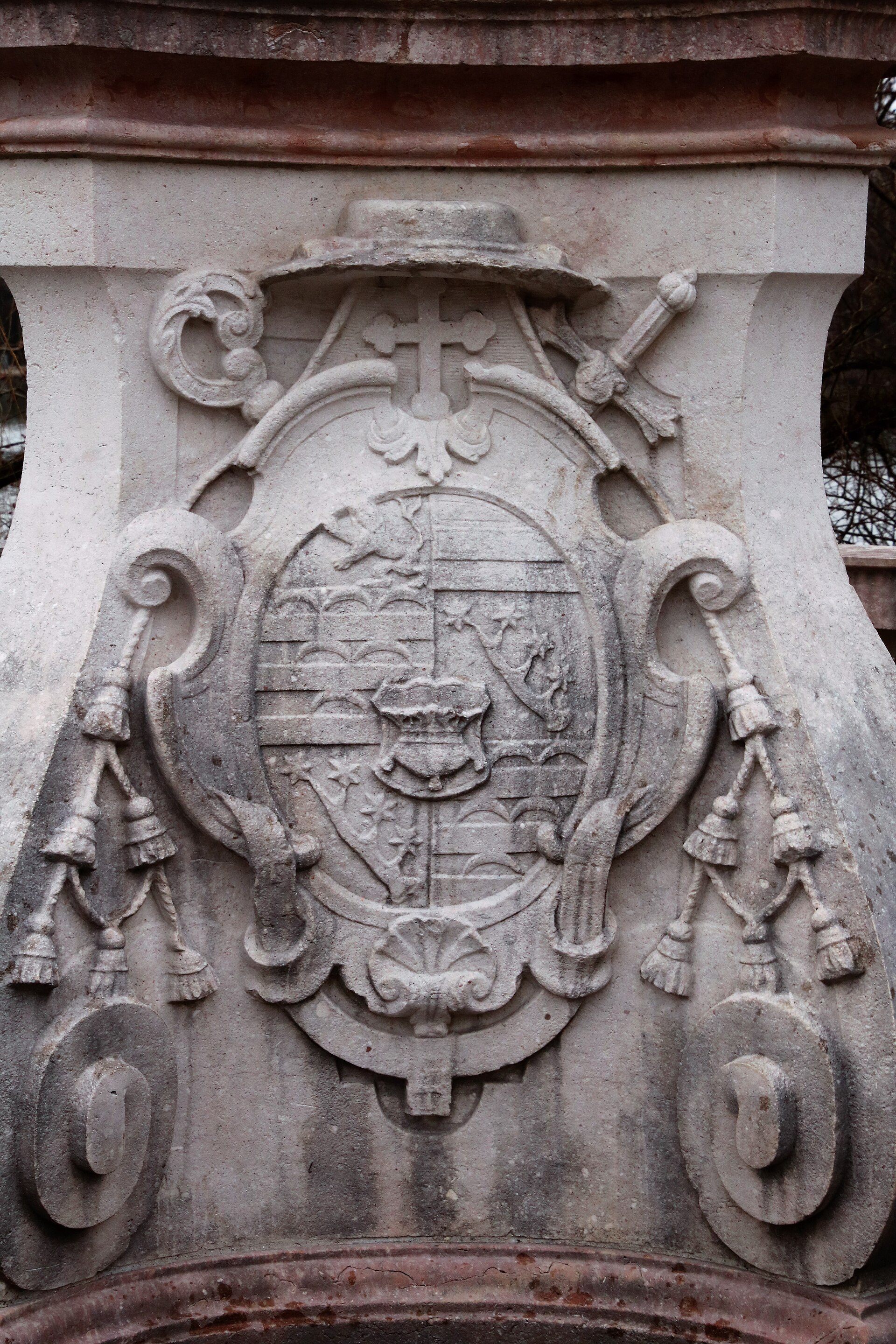
Leopoldskron Palace
56 Leopoldskronstraße, Riedenburg, Salzburg, 5020, Austria
Built in 1736 by Prince-Archbishop Leopold Anton von Firmian, Leopoldskron is a Rococo jewel set on the shore of a small lake, with the Untersberg mountain reflected in the water behind it. But its most influential resident wasn't an archbishop — it was Max Reinhardt, the visionary theatre director who bought the decaying palace in 1918 and spent years restoring it with local artisans. Reinhardt hosted legendary salons here, entertaining artists, writers, and intellectuals from across Europe, and it was from these gatherings that the idea for the Salzburg Festival was born. When the Nazis annexed Austria in 1938, Reinhardt — who was Jewish — was forced into exile, and Leopoldskron was confiscated. He died in New York in 1943, never returning to the palace he had lovingly restored. After the war, the property was eventually returned and became the home of the Salzburg Global Seminar, an international fellowship program founded in 1947 that continues to bring together emerging leaders from around the world. For most visitors, though, Leopoldskron is the Sound of Music house. When Hollywood scouts arrived in 1964, they chose this palace as the exterior of the von Trapp family home. The famous Venetian Salon — with its gold wall panels and mirrors — was meticulously replicated in a Hollywood studio for the ballroom dance scene. The lake out back is where the children and Maria capsized the rowboat. And the white gazebo where Liesl danced "Sixteen Going on Seventeen" originally stood in the palace gardens before being relocated to Hellbrunn after tourists kept injuring themselves. Leopoldskron is now a boutique hotel, and you can book a room in the palace where Reinhardt dreamed up the Salzburg Festival and Julie Andrews pretended to be a nun. The views across the lake to the Untersberg are unchanged.
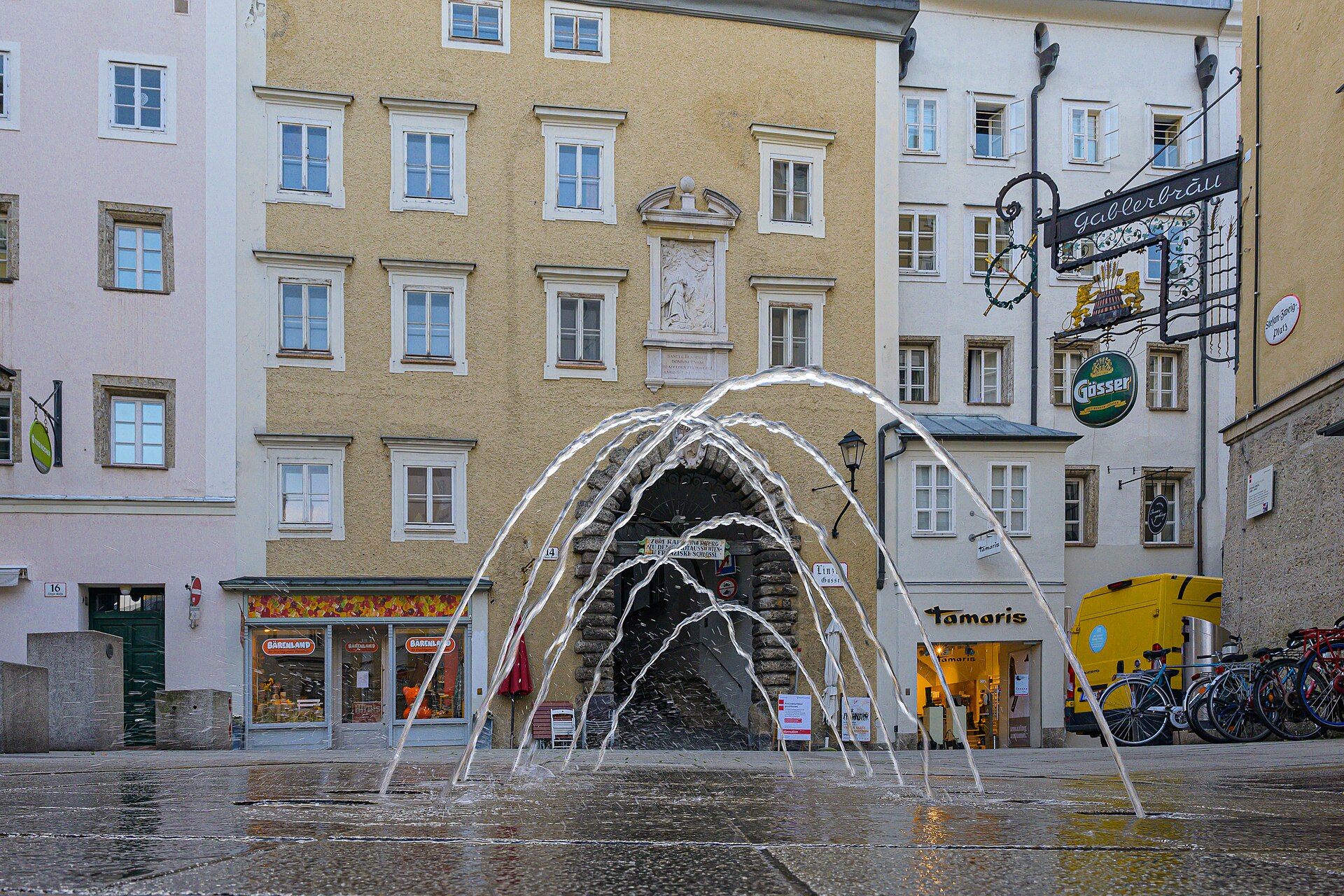
Linzergasse
Linzer Gasse, Altstadt, Salzburg, 5020, Austria
If Getreidegasse is Salzburg's tourist shopping street, Linzergasse is its local equivalent — a long, narrow lane on the right bank of the Salzach that runs parallel to the river and leads from the Staatsbrücke bridge toward the Kapuzinerberg. Named after the road to Linz, it served historically as the main commercial artery on the eastern side of the city, and it retains a character that feels distinctly less polished and more lived-in than the pristine old town across the water. The street is lined with small independent shops, bakeries, and restaurants that cater to residents as much as visitors. Traditional butchers sit alongside contemporary boutiques, and the architecture is a mix of medieval townhouses and more modest 18th and 19th-century buildings. The facades are less spectacular than Getreidegasse's, which is precisely why the prices are lower and the atmosphere is more relaxed. Partway along Linzergasse, a narrow passage leads to the Sebastian Cemetery (Sebastiansfriedhof), a walled burial ground modelled on the Italian campo santo tradition. Archbishop Wolf Dietrich von Raitenau — the man who reshaped Salzburg's skyline and fathered fifteen children with his mistress — is buried here in the elaborate Gabriel Chapel he designed for himself. Mozart's father Leopold is also buried here, as is Paracelsus, the 16th-century physician and alchemist who helped found modern toxicology. Three centuries of Salzburg history lie within a few metres of each other. The southern end of Linzergasse opens onto the Platzl, a small square where the approach to the Kapuzinerberg begins. From here, you can start the climb past the Stations of the Cross to the Capuchin monastery, or simply sit with a coffee and watch the locals go about their morning. Linzergasse rewards the visitor who prefers authenticity over spectacle.
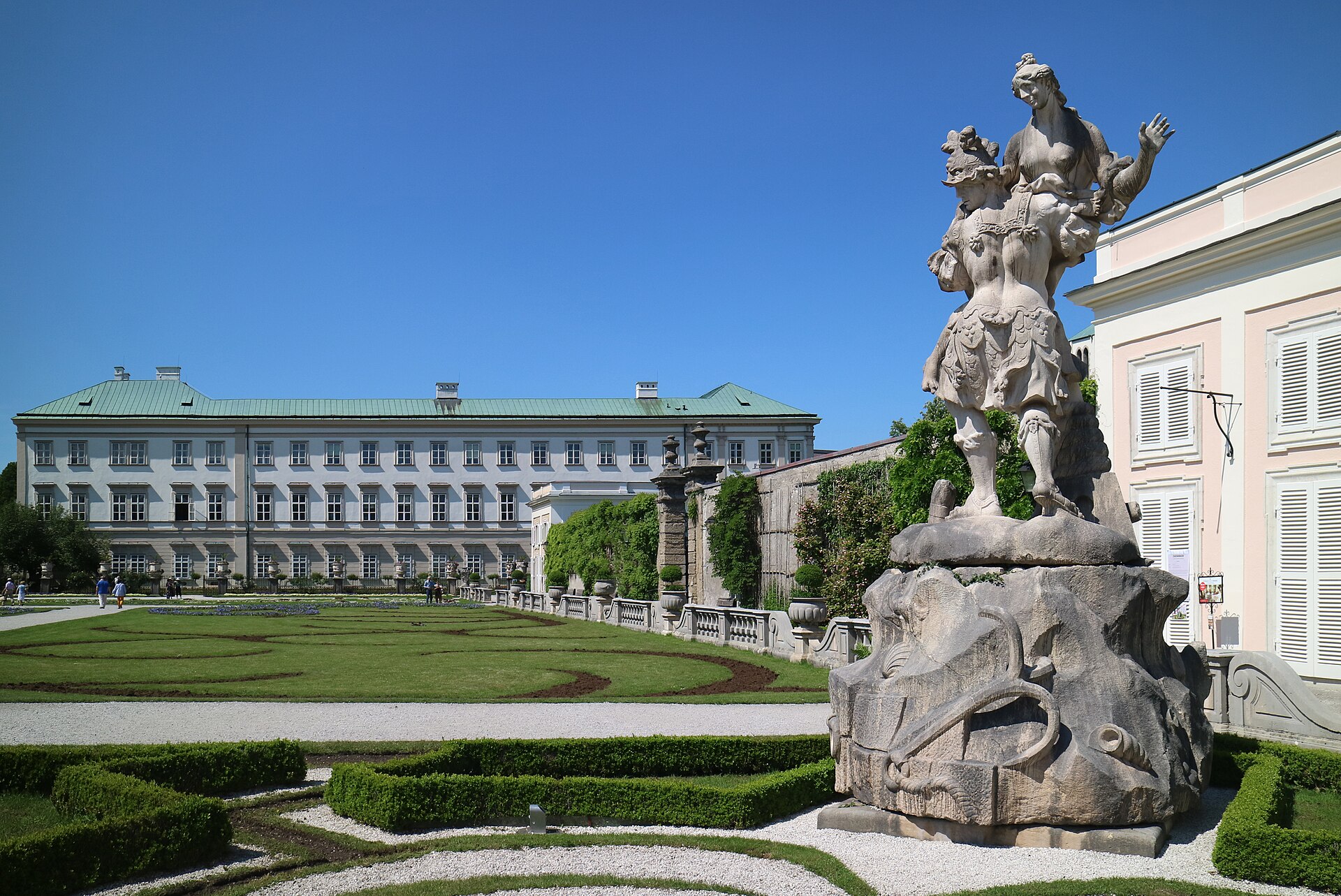
Mirabell Palace & Gardens
4 Mirabellplatz, Altstadt, Salzburg, 5020, Austria
Prince-Archbishop Wolf Dietrich von Raitenau built this palace in 1606 for his mistress Salome Alt and their fifteen children. Let that sink in: a Catholic archbishop, supposedly celibate, built a palace for his lover and their enormous family, and named it Schloss Altenau after her. The scandal was monumental even by Renaissance standards, and when Wolf Dietrich's successor Markus Sittikus seized power, he banished Salome and the children, then renamed the palace Mirabell — from the Italian mirabile and bella, meaning "wonderful" and "beautiful" — as if a name change could erase the whole affair. The gardens were reshaped around 1690 by Johann Bernhard Fischer von Erlach, the architect who would go on to design half of Vienna's most important buildings. His Baroque layout — geometric flowerbeds, mythological statues, the Pegasus fountain — remains largely intact and is now a UNESCO World Heritage Site. In 1965, Julie Andrews danced through these gardens with seven children singing "Do-Re-Mi" in The Sound of Music, and the scene has drawn millions of visitors ever since. You will see tourists recreating the steps daily. The palace's Marble Hall, with its gilded stucco and ceiling frescoes, is considered one of the most beautiful wedding venues in the world. Mozart himself performed concerts here as a child. Today it hosts chamber music concerts and civil wedding ceremonies — the Salzburg mayor's office is in the same building, so you can literally get married and file the paperwork without leaving the premises. Then there is the Zwergerlgarten, the dwarf garden. In 1715, Prince-Archbishop Franz Anton Harrach commissioned 28 marble dwarf statues, many modelled on real court dwarfs who served as entertainers. During the Enlightenment, the statues were considered tasteless and auctioned off. Seventeen survivors were eventually recovered and returned. They are profoundly weird and utterly charming.
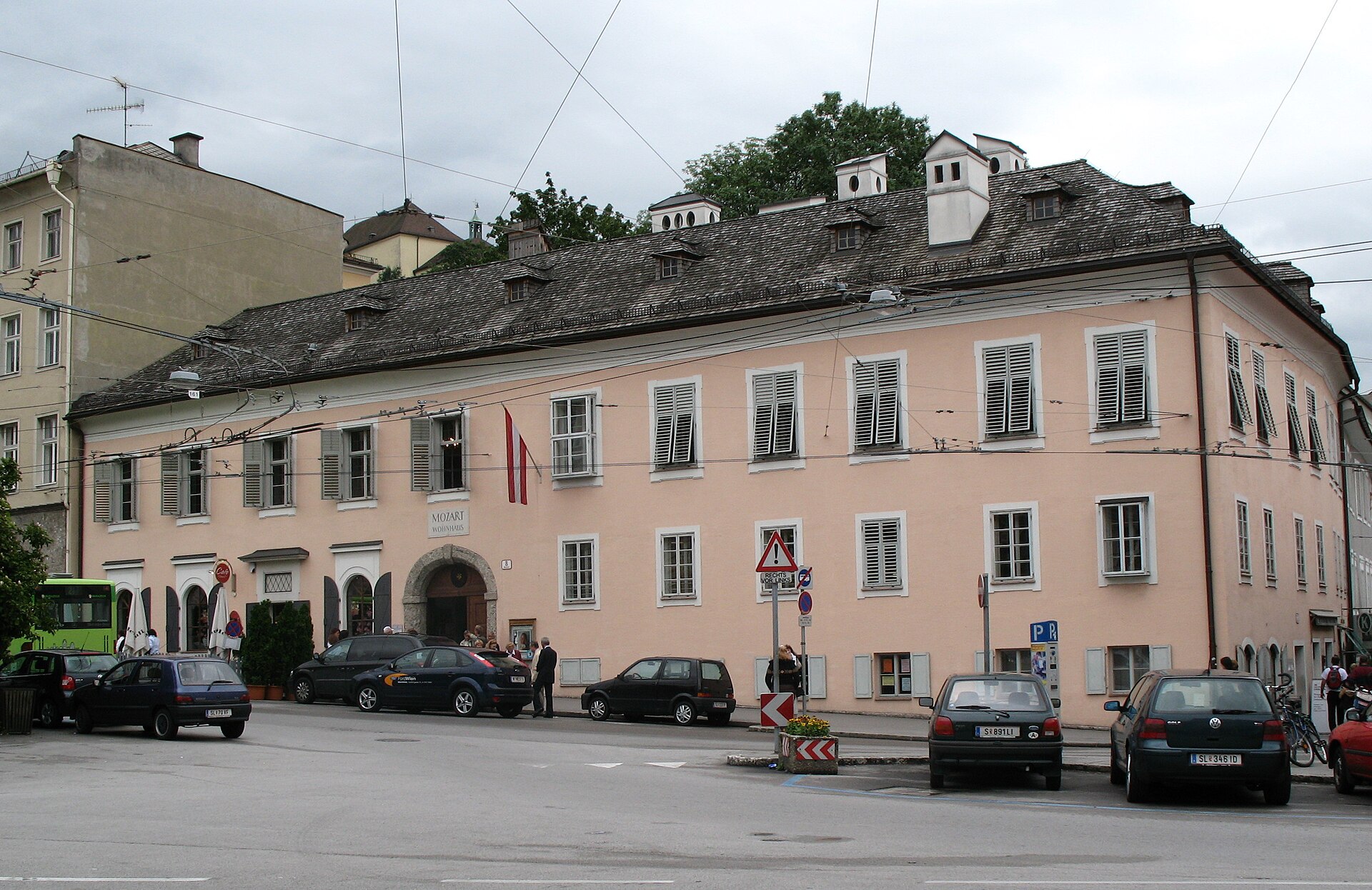
Mozart Residence
8 Makartplatz, Altstadt, Salzburg, 5020, Austria
In 1773, the Mozart family moved from their cramped apartment on Getreidegasse to this considerably more spacious house on what was then called Hannibalplatz. The building was known as the Tanzmeisterhaus — the Dance Master's House — because since 1711, the court dancing master Johann Lorenz Spöckner had held dance lessons for Salzburg's nobility in its large rooms. For Wolfgang Amadeus Mozart, now seventeen years old, the move meant more space to compose, and compose he did: symphonies, serenades, divertimenti, piano and violin concertos, masses, and the beginnings of operas poured out of these rooms between 1773 and 1780. This was the house where Mozart lived during the years he grew from prodigy to artist — and the years he grew to hate Salzburg. His increasingly bitter relationship with the new Archbishop Hieronymus Colloredo, who treated him as a servant rather than a genius, culminated in 1781 when Mozart was literally kicked out of the archbishop's service (the secretary Count Arco reportedly booted him through a door). Mozart left for Vienna and never lived in Salzburg again. His father Leopold stayed in the house until his death in 1787. Allied bombs destroyed much of the building in 1944, and it was rebuilt in 1996 and reopened as a museum by the International Mozarteum Foundation. The collection includes musical instruments, documents, and family portraits. In 2022, the museum received a remarkable addition: the Zauberflötenhäuschen, a small wooden summerhouse in which Mozart is said to have composed portions of The Magic Flute. The tiny structure was relocated here from Vienna, giving visitors the chance to stand in the space where one of opera's greatest works may have taken shape. The house sits on Makartplatz, facing the Salzburg State Theatre and the Trinity Church. The neighbourhood is quieter than the old town across the river, which somehow feels right for a museum dedicated to a man who needed silence to create.
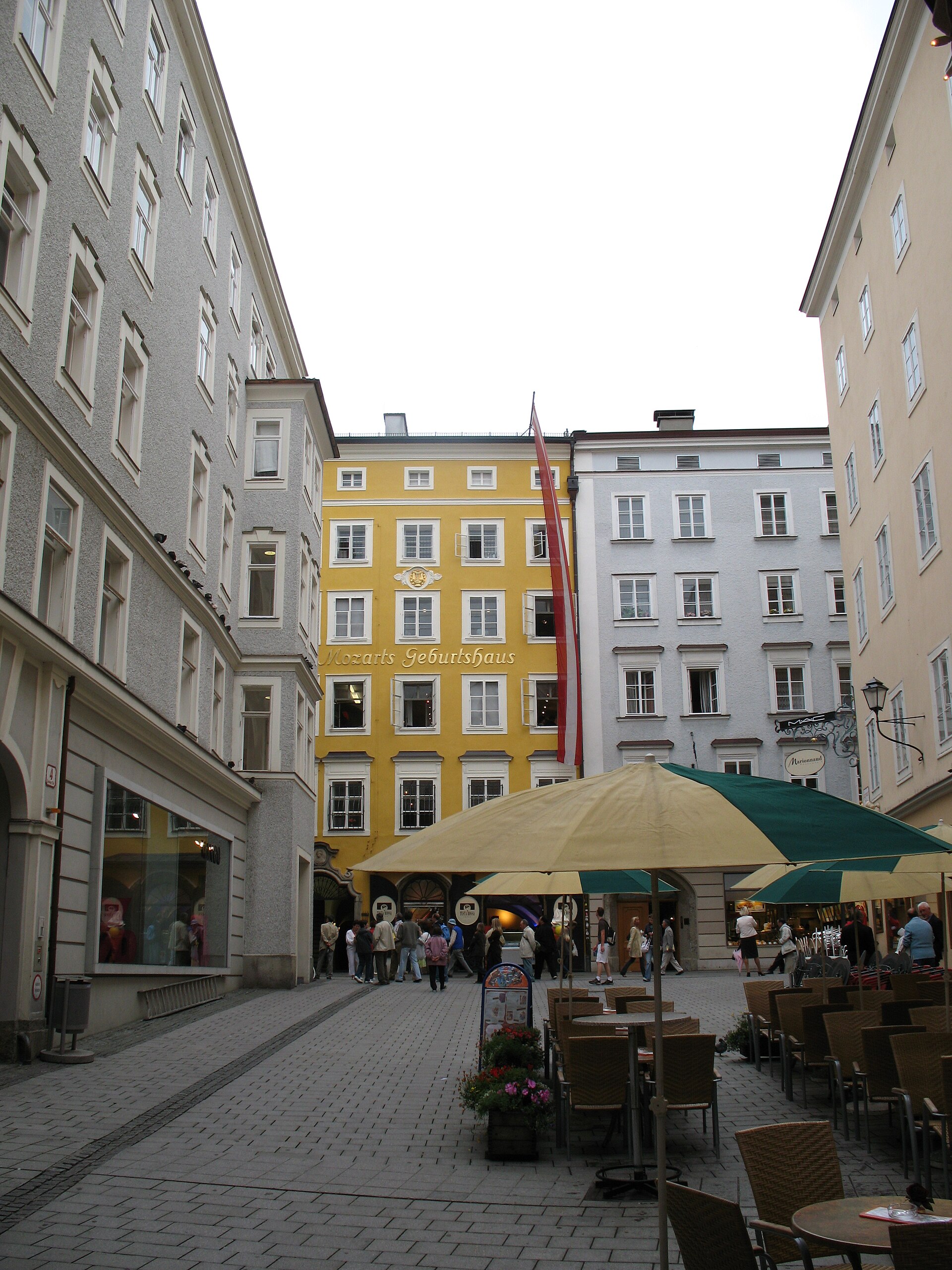
Mozart's Birthplace
9 Getreidegasse, Altstadt, Salzburg, 5020, Austria
On January 27, 1756, in a third-floor apartment of a medieval townhouse on Salzburg's busiest shopping street, Anna Maria Mozart gave birth to a boy she named Johannes Chrysostomus Wolfgangus Theophilus. The world would come to know him simply as Wolfgang Amadeus Mozart. The family lived in this building for twenty-six years, paying rent to their landlord Johann Lorenz Hagenauer, and it was here that the young Wolfgang first touched a keyboard and began composing music that would reshape Western civilisation. The house itself is older than Mozart by centuries — built in the 12th century on ground that once belonged to the Benedictine monks of St. Peter's Abbey. Today it is one of the most visited museums in Austria, drawing hundreds of thousands of visitors annually. On the third floor, you can see Mozart's childhood violin, the instrument he played on concert tours across Europe as a six-year-old prodigy dragged from court to court by his ambitious father Leopold. The second floor houses the clavichord on which he composed The Magic Flute, one of the most performed operas in history, written in the final year of his life. What makes this museum genuinely moving is the smallness of it. This was not a palace or a grand estate. It was a modest apartment in a commercial building, the kind of place where a court musician could afford the rent. Mozart was born into Salzburg's middle class, and the city repaid his genius with frustration and neglect — he left at twenty-five, calling the place a prison. The irony is almost too perfect: the city that couldn't keep Mozart alive now makes a significant portion of its tourism revenue from his name. The International Mozarteum Foundation opened the museum here on June 15, 1880, less than a century after his death. Every room is small, every ceiling low. It's a reminder that genius doesn't require grand surroundings.
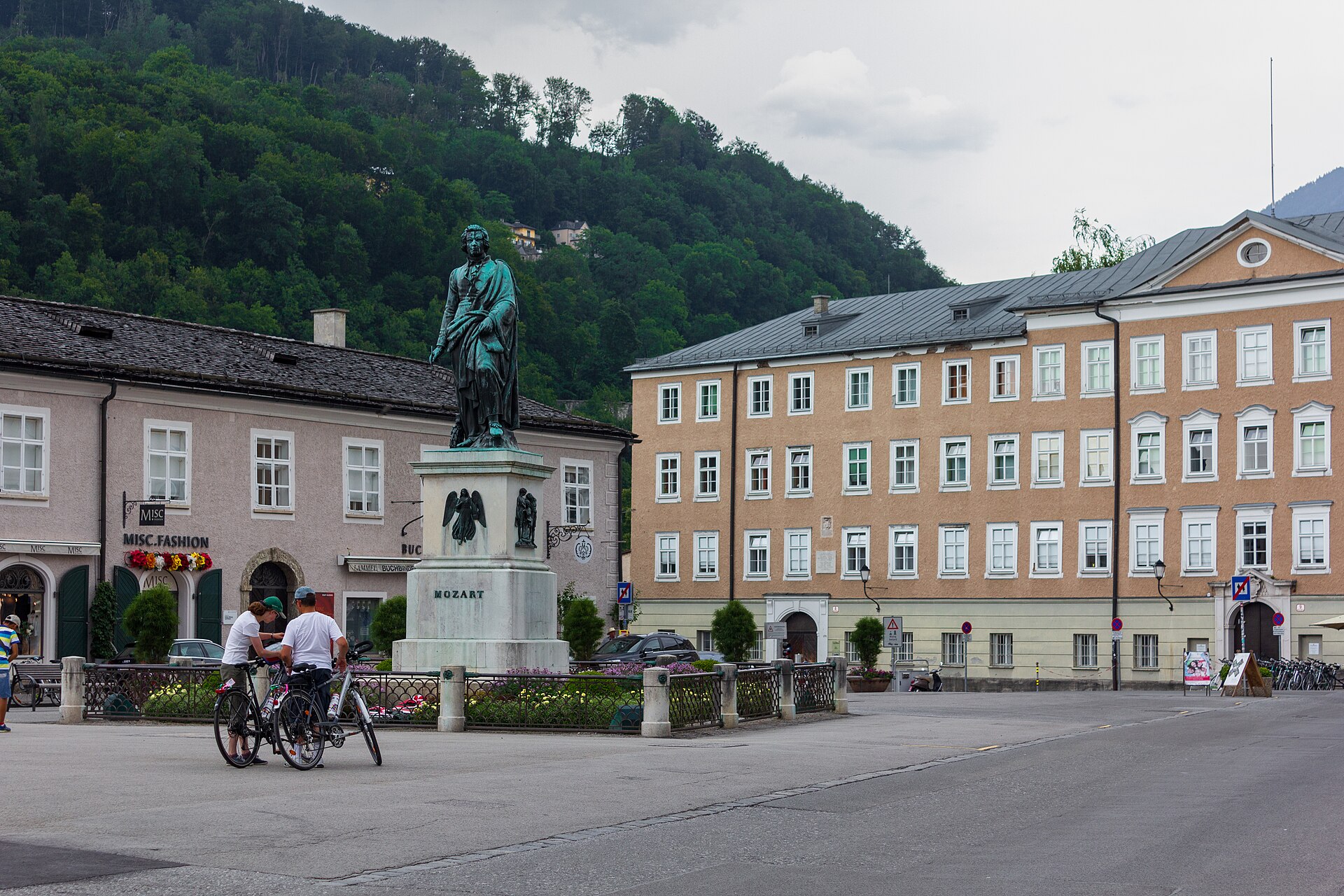
Mozartplatz
Altstadt, Salzburg, Austria
This elegant square in the heart of Salzburg's old town was not always dedicated to Mozart. Originally called Michaelsplatz, it was renamed in honour of the city's most famous son — who, let's remember, despised living here and fled at the earliest opportunity. The centrepiece is a bronze statue by Bavarian sculptor Ludwig Schwanthaler, erected in 1842 to mark what should have been the 50th anniversary of Mozart's death. It was a year late because during foundation excavation, workers discovered a Roman mosaic in the ground, and the whole project had to pause for archaeology. The mosaic, still visible beside the statue's marble base, bears the inscription "hic habitat felicitas, nihil intret mali" — "here lives happiness, may nothing evil enter." Whether this referred to a Roman home, a bathhouse, or something else entirely remains debated, but it's a strangely fitting motto for a square dedicated to a man who created some of the most joyful music ever written. King Ludwig I of Bavaria — the same Ludwig whose grandson would go on to build the fairy-tale castles — donated the marble pedestal for the statue. The original centrepiece of the square was a Baroque fountain topped with a statue of Saint Michael, which was removed in 1841 to make way for Mozart. The Archangel was, essentially, evicted to make room for a composer. In Salzburg, art outranks heaven. Mozart himself would have had complicated feelings about the tribute. He was born two streets away, baptised in the cathedral around the corner, and grew up playing concerts in the nearby Residenz. But by his mid-twenties he was writing furious letters about Salzburg's cultural backwardness and couldn't wait to leave. The statue gazes thoughtfully into the middle distance — perhaps wondering why the city that drove him away now can't stop celebrating him.
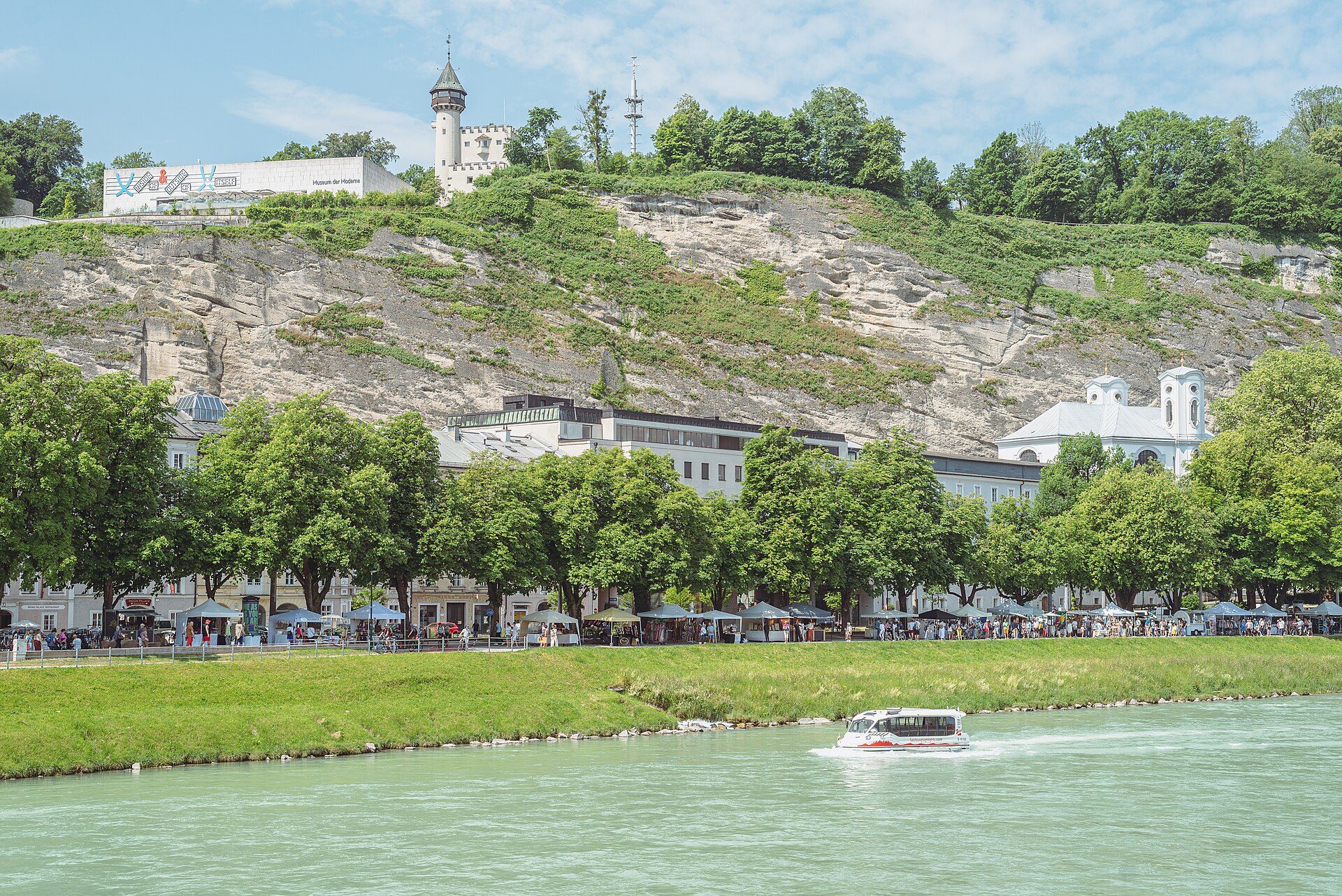
Museum der Moderne
32 Mönchsberg, Altstadt, Salzburg, 5020, Austria
Perched sixty metres above the old town on the sheer cliff of the Mönchsberg, the Museum der Moderne sits where the legendary Café Winkler once dominated the Salzburg skyline for decades. When the café was demolished, 145 architectural teams competed to design its replacement. The Munich-based firm of Friedrich Hoff Zwink won, and the museum opened in October 2004 — a sharp-edged modernist box clad entirely in local Untersberg marble that manages to look both confrontational and inevitable against the Baroque cityscape below. The building houses roughly 25,000 square feet of gallery space across three levels, exhibiting 20th and 21st-century art with a particular strength in photography and graphic works. The permanent collection holds around 55,000 pieces, with a focus on Austrian photography after 1945 and an expanding international contemporary collection. The temporary exhibitions rotate frequently and often feature challenging, boundary-pushing work — this is not a museum that plays it safe. But the real draw might be the panorama terrace. Step outside the museum and you're standing on the edge of a cliff with the entire old town spread below you — cathedral domes, Getreidegasse rooftops, the river, the fortress on the opposite hill. On a clear day, the Alps fill the southern horizon. It is one of the most photographed viewpoints in Salzburg and it's free to access even without a museum ticket. You reach the museum via the Mönchsbergaufzug, an elevator blasted through sixty metres of solid rock. The original lift was built in 1890 by banker Karl Leitner, powered by batteries charged during daylight hours when the electricity wasn't needed for street lamps. Today's modernised version carries 1.3 million passengers a year, making the thirty-second ride from the old town to the clifftop one of Salzburg's most efficient transitions from medieval to contemporary.
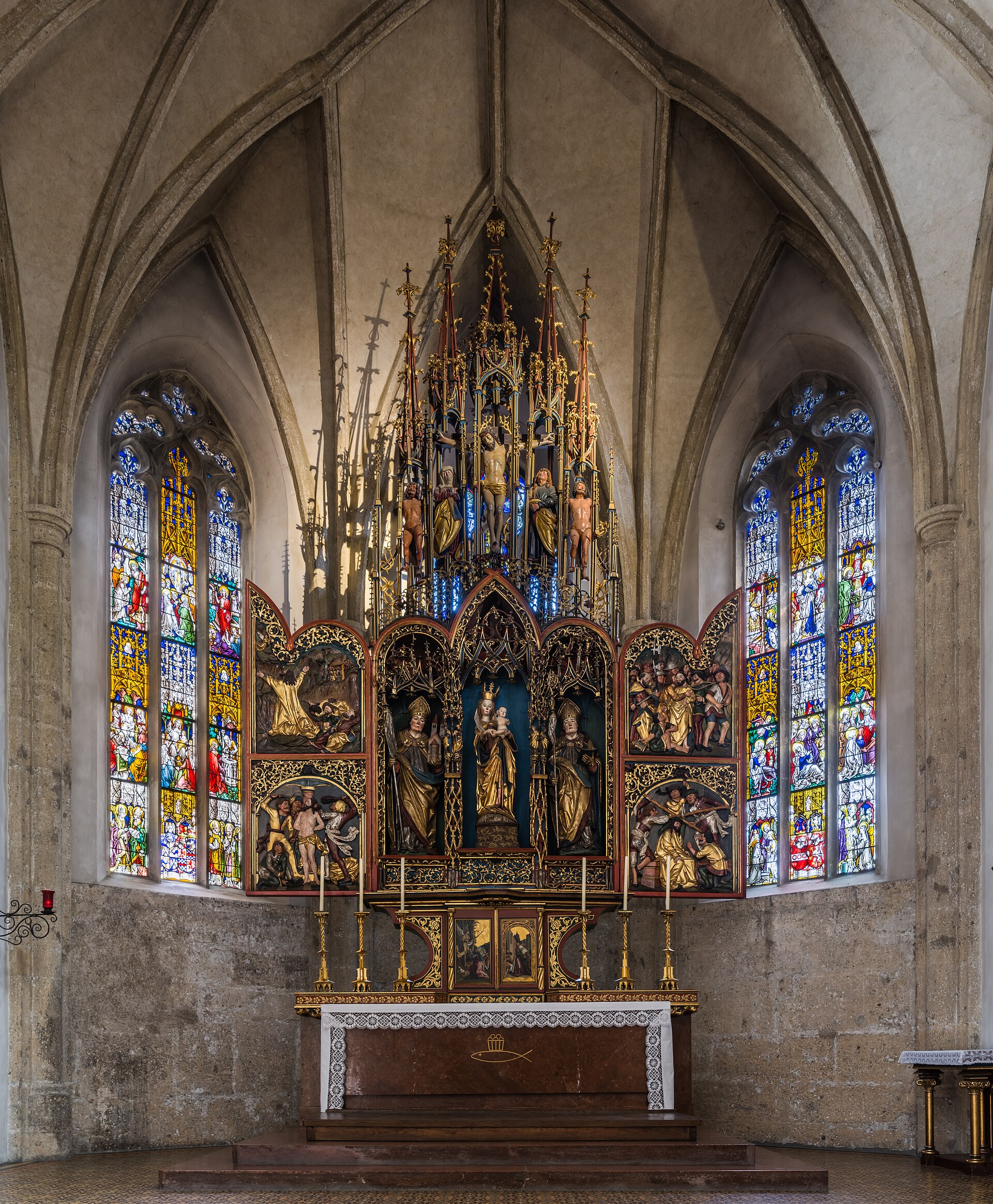
Nonnberg Abbey
2 Nonnberggasse, Altstadt, Salzburg, 5020, Austria
Founded around 714 by Saint Rupert of Salzburg, Nonnberg is the oldest continuously operating nunnery in the German-speaking world. That is thirteen centuries of unbroken Benedictine religious life in the same location, through plagues, wars, fires, Reformation, Counter-Reformation, Napoleon, two world wars, and the complete transformation of the society around it. The first abbess was Saint Erentrudis, either Rupert's niece or sister — the historical record is uncertain, which is understandable given that it's been over 1,300 years. The current church was consecrated in 1009 by Emperor Henry II, making it the second-oldest Marian church in Salzburg. A devastating fire in 1423 destroyed the church and much of the complex, and the Gothic rebuilding took over thirty years, starting in 1464. Behind the high altar, a stunning late-Gothic winged altarpiece survives, along with fragments of Romanesque frescoes that are among the oldest in Austria. The nuns still sing Gregorian chant every morning at 6:45 — a daily practice that connects the present to the very earliest years of the abbey. For most of the world, though, Nonnberg is famous for something that happened in the 1920s: a young novice named Maria Kutschera was sent by the abbess to serve as a governess to the seven children of Baron Georg von Trapp. She married the baron, they formed a family singing group, and their story became the basis for The Sound of Music. The scenes of Maria walking to the abbey gates and the nuns singing "How Do You Solve a Problem Like Maria?" were filmed here. Visitors still photograph the distinctive iron gateway, imagining Julie Andrews walking through it. The abbey is an active convent and is only partially open to visitors. The nuns maintain their privacy with characteristic Benedictine calm. You can enter the church but not the cloister, which feels entirely appropriate for a place that has spent thirteen hundred years cultivating silence.
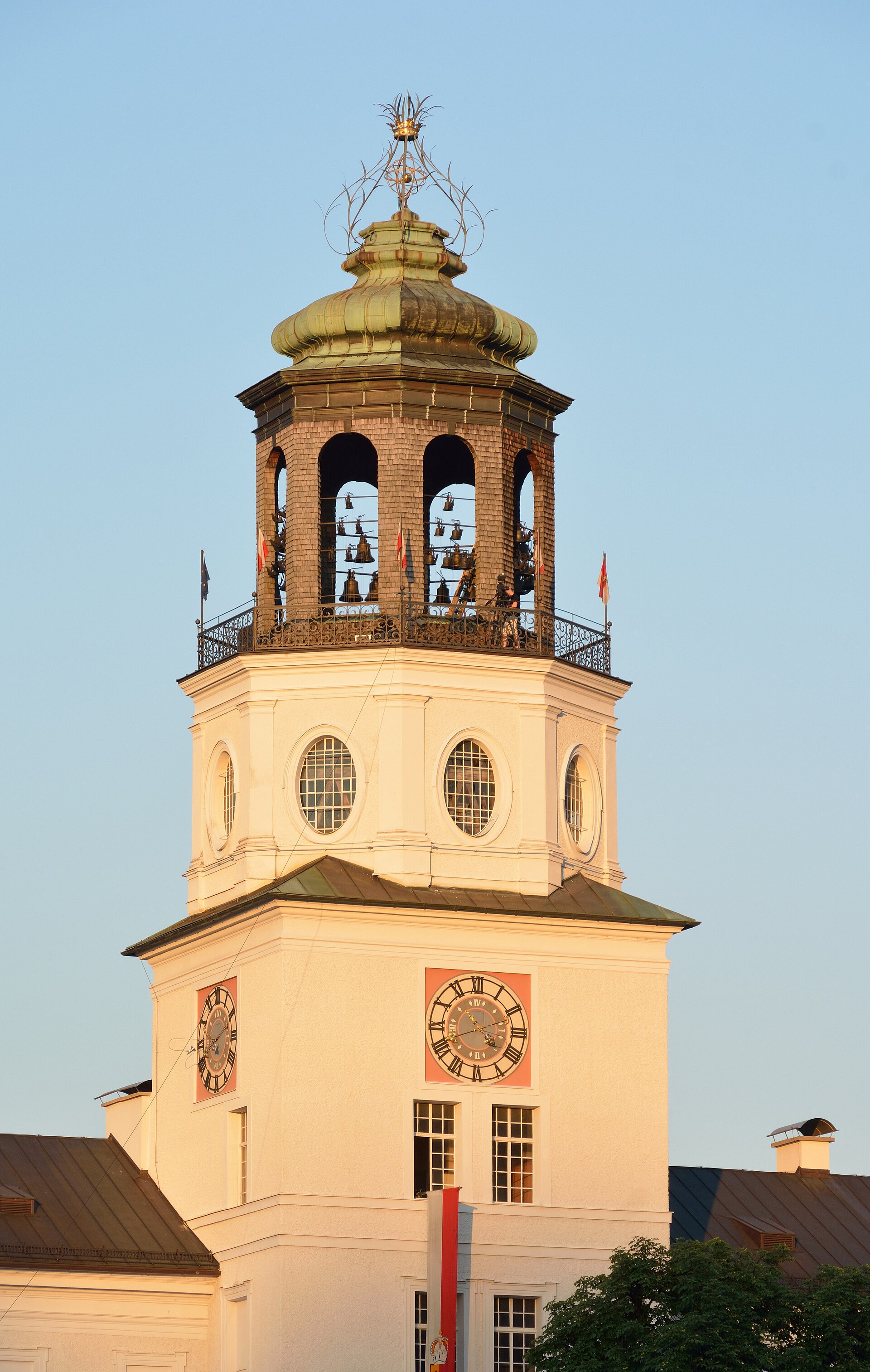
Residenzplatz & Salzburg Residenz
1 Residenzplatz, Altstadt, Salzburg, 5020, Austria
For centuries, Salzburg was not part of Austria at all. It was an independent ecclesiastical principality, and the prince-archbishops who ran it lived like kings. This was their palace. First mentioned around 1120, the Residenz was expanded and rebuilt over centuries until Wolf Dietrich von Raitenau — the same man who built Mirabell for his mistress — demolished the medieval core and replaced it with an Italianate palace that announced Salzburg's arrival as a Baroque powerhouse. The building has roughly 180 rooms and three large courtyards, and the Carabinieri Hall alone features ceiling frescoes by Johann Michael Rottmayr that took years to complete. Residenzplatz itself was carved out of the medieval city fabric by Wolf Dietrich, who had an entire neighbourhood demolished to create this grand piazza in front of his palace. At its centre stands the Residenzbrunnen, designed by Tommaso di Garona and erected between 1656 and 1661 from local Untersberg marble. It is considered the largest Baroque fountain in Central Europe, and it earned that reputation honestly — the thing is enormous, with Tritons, horses, and dolphins wrestling water into submission. The Residenzgalerie on the upper floors houses a collection of European paintings from the 16th to 19th centuries, including works by Rembrandt, Rubens, and Brueghel. But the most telling detail about the Residenz might be this: when Napoleon's troops arrived in 1800, the last prince-archbishop fled, and the building was handed over to the Habsburgs. The palace that represented eight hundred years of ecclesiastical independence became just another government building. The frescoes stayed, but the power evaporated. Today, the square serves as the setting for Salzburg's famous Christmas market, where the Baroque architecture glows with fairy lights and the smell of Glühwein drifts across the cobblestones.
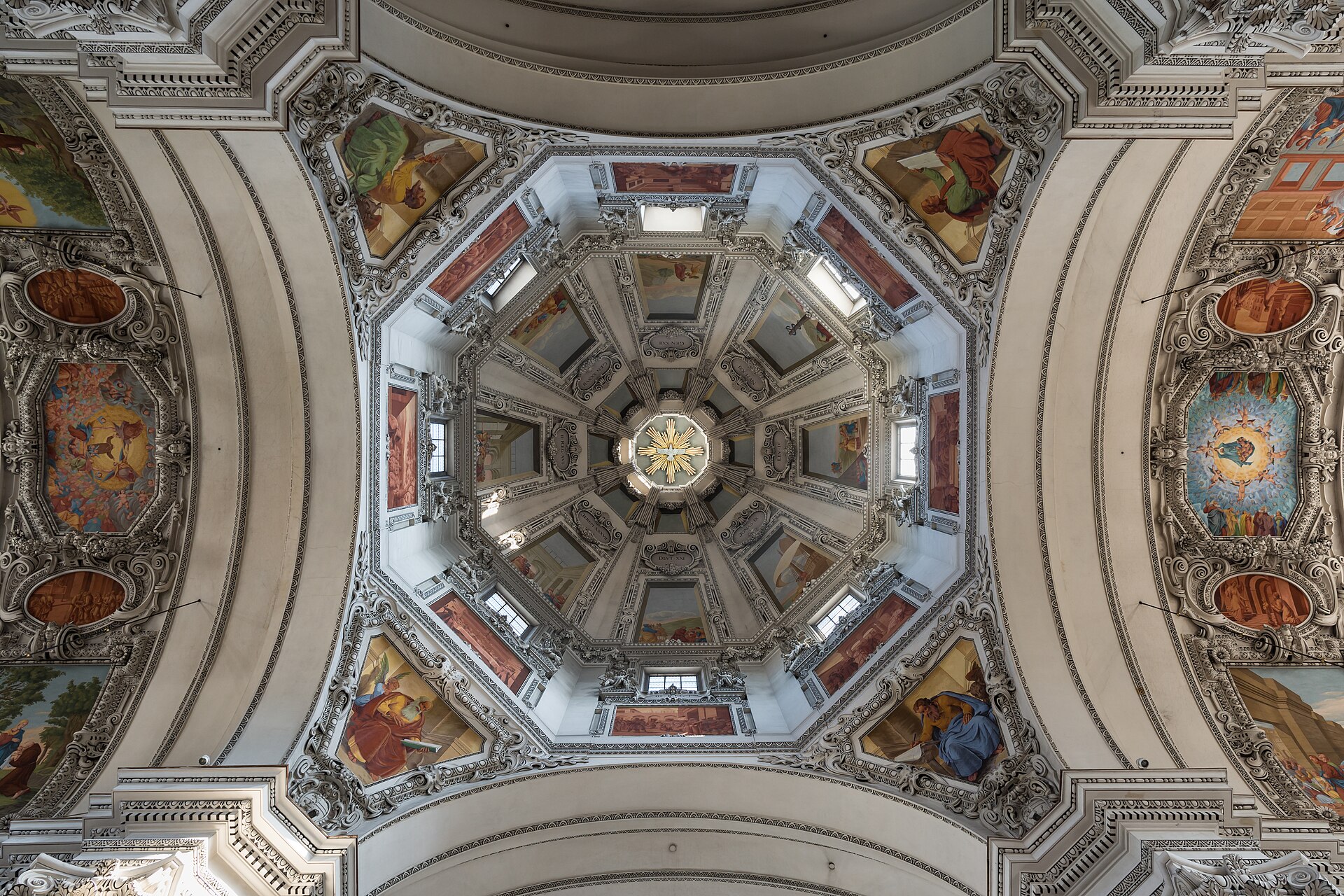
Salzburg Cathedral
1A Domplatz, Altstadt, Salzburg, 5020, Austria
This cathedral has been built, burned, destroyed, and rebuilt so many times that its current incarnation — the magnificent Baroque structure you see today — is essentially version four. The first cathedral was constructed by Saint Vergilius around 774, and it was enormous for its time: 66 metres long. That building burned in 1167 when the city was torched during a feud between the Emperor and the Pope. The replacement burned again in 1598. Prince-Archbishop Wolf Dietrich von Raitenau, never one for half-measures, decided to demolish what was left and start from scratch. The result, designed by Italian architect Santino Solari and completed in 1628, was the first Baroque cathedral north of the Alps. Its marble facade, flanked by two towers and crowned with a green copper dome, announced to the world that Salzburg's prince-archbishops had money, taste, and absolutely no interest in Protestant austerity. The interior seats 10,000 people and is 101 metres long — a space designed to overwhelm, and it succeeds. Mozart was baptised in this cathedral on January 28, 1756, the day after his birth. The bronze baptismal font from 1321 still stands in the church, making it nearly five hundred years older than the building around it. Every summer since 1920, the cathedral's facade has served as the backdrop for performances of Hugo von Hofmannsthal's Jedermann during the Salzburg Festival — the play that launched the world's most prestigious classical music festival. In 1944, a single American bomb crashed through the central dome, leaving a gaping hole above the crossing. Restoration took until 1959, and the rebuilt dome is slightly different from the original — a quiet scar from a war that touched even the most sacred spaces.
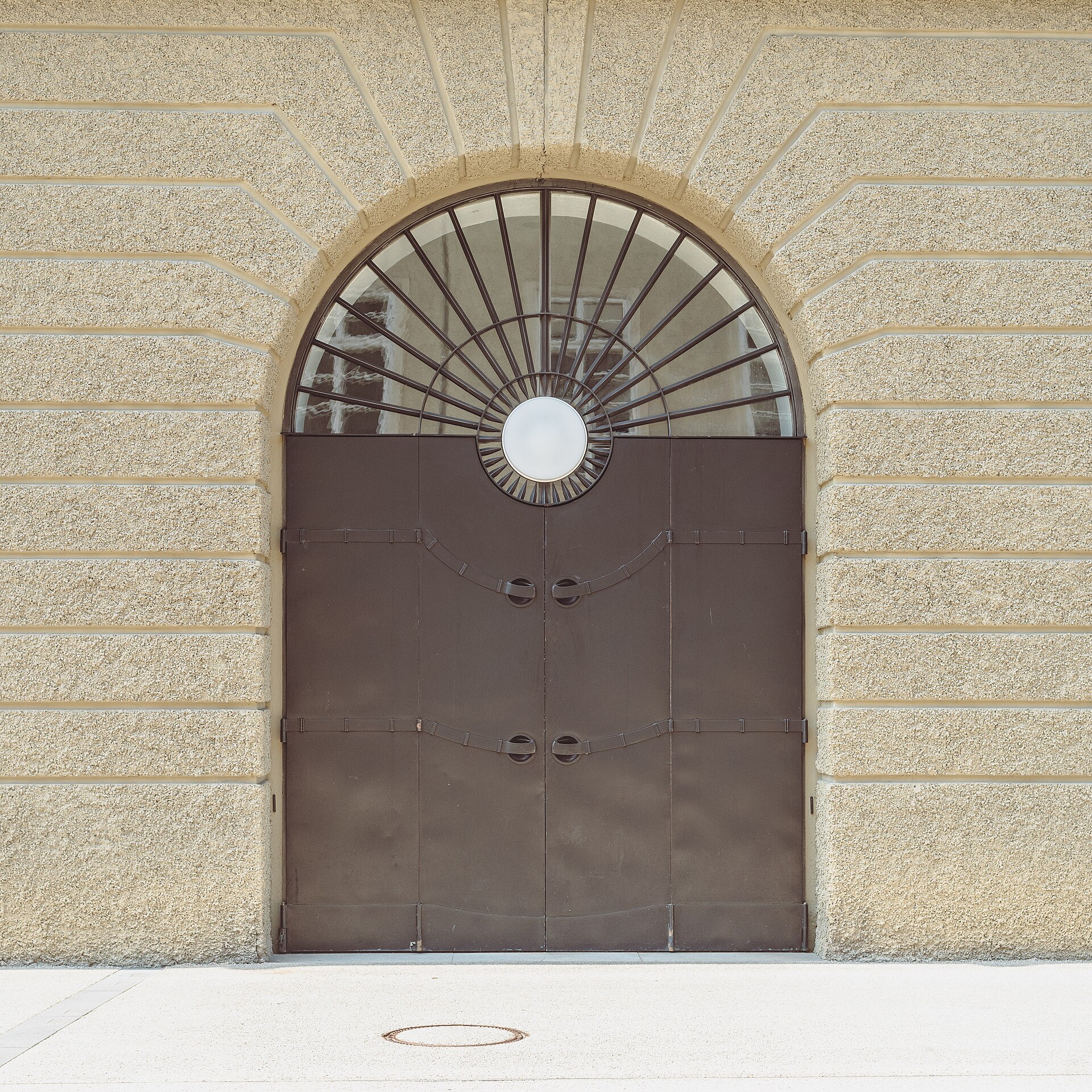
Salzburg Festival Halls
Hofstallgasse 1, 5020 Salzburg
The Salzburg Festival is the largest and most prestigious classical music festival in the world, selling roughly 250,000 tickets across six weeks each summer. It was founded in 1920 by three men who wanted to use art to heal a shattered continent: theatre director Max Reinhardt, poet Hugo von Hofmannsthal, and composer Richard Strauss. The inaugural performance — Hofmannsthal's morality play Jedermann, staged on the steps of Salzburg Cathedral — was deliberately chosen to remind a post-war audience that culture could still matter. That play is still performed in the same location every single year, over a century later. The festival complex is itself carved partly into the Mönchsberg cliff face. The first festival hall was built in 1925 on the site of the old archiepiscopal riding school. The Felsenreitschule — the rock riding school — retains its triple arcade of arches cut into the living rock, creating one of the most dramatically atmospheric performance spaces in the world. The Großes Festspielhaus, the main venue, opened in 1960 with significant input from Herbert von Karajan regarding the acoustic design. Its stage is one of the widest in Europe. The Nazis attempted to co-opt the festival after the 1938 Anschluss, and several key figures — including Max Reinhardt, who was Jewish — were forced into exile. Reinhardt died in New York in 1943, never having returned to the institution he created. The festival resumed after the war, and its deliberate continuation of Reinhardt's vision became an act of cultural restitution as much as artistic programming. Today, performances span opera, drama, and orchestral concerts, with the Vienna Philharmonic as the festival's resident orchestra. Tickets for premier performances can cost hundreds of euros and sell out months in advance. For many in the classical music world, this is the pinnacle.
Salzburg Hauptbahnhof
Südtiroler Platz 1, 5020 Salzburg
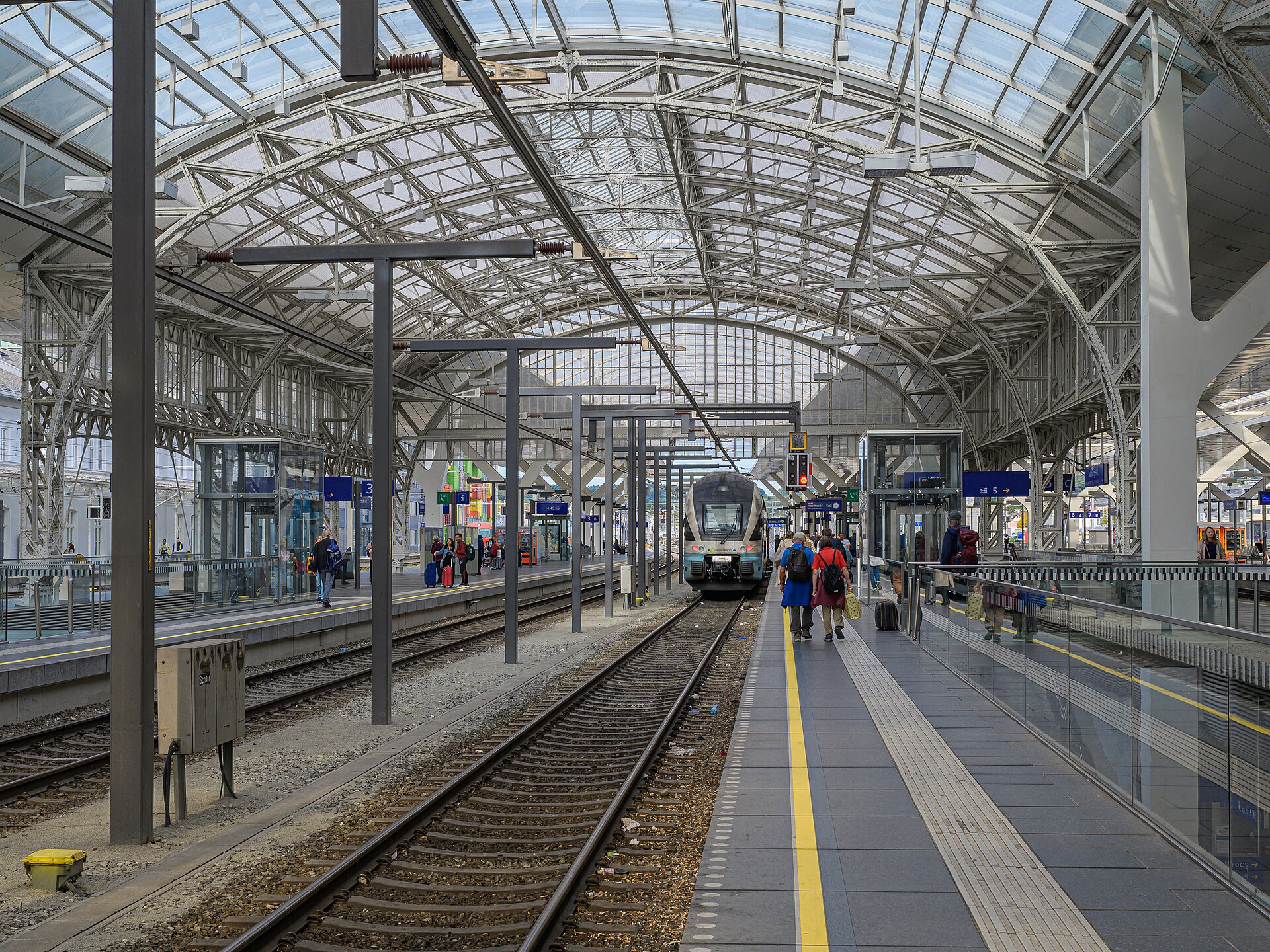
Salzburg's main railway station was completely rebuilt between 2008 and 2014, and the result is one of the most elegant modern train stations in Central Europe. The original station dated to 1860, when the Empress Elisabeth Railway connected Salzburg to Vienna, and was expanded several times before Allied bombing damaged it severely in 1944. Post-war repairs were functional rather than beautiful, and by the 2000s, the station was outdated and overwhelmed by the fifteen million passengers passing through annually. The redesign, by the Viennese architecture firm kadawittfeldarchitektur, kept the station operational throughout construction — no small feat when you're essentially rebuilding a house while people are living in it. The new canopy structure is the signature element: flowing, white, tent-like roof forms that float above the platforms, providing cover without enclosure. The design references both Alpine snow landscapes and the Baroque curves of the old town, and it manages to feel both contemporary and contextually appropriate. Below the platforms, a new underground shopping concourse connects the station to the surrounding neighbourhood, and the forecourt on Südtiroler Platz was redesigned as a public space. Architecturally, the station won multiple design awards and demonstrated that a transport hub could be a genuine piece of civic architecture rather than just a building you pass through. For travellers, the station is a gateway in multiple directions. Direct trains connect Salzburg to Vienna in two and a half hours, Munich in ninety minutes, and Zurich in five hours. The proximity to the German border — just five kilometres away — means the station serves as a de facto international hub. If you arrive in Salzburg by train, the station itself provides the first impression, and it's a good one: a building that says this city cares about how things look.
Salzburg Marionette Theatre
Schwarzstraße 24, 5020 Salzburg
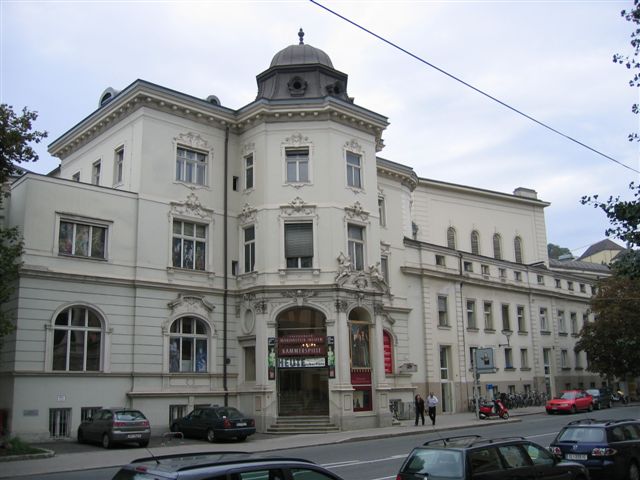
Professor Anton Aicher founded the Salzburg Marionette Theatre in 1913 with a single puppeteer and a dream of performing full-length operas with marionettes. Over a century later, it is the oldest continuously operating marionette theatre in the world, and its productions of Mozart operas — performed with intricately carved puppets manipulated by up to ten strings each — are considered among the finest puppet theatre in existence. In 2016, UNESCO added the theatre to its Representative List of the Intangible Cultural Heritage of Humanity. Puppets, officially, as world heritage. Each marionette is handcrafted in the theatre's own workshop, carved from linden wood with faces painted by specialised artists. The largest figures stand about 60 centimetres tall and weigh several kilograms, requiring considerable skill and stamina from the puppeteers who work them from an elevated bridge above the stage. The repertoire centres on Mozart — The Magic Flute, Don Giovanni, The Marriage of Figaro — but also includes works by Rossini, Strauss, and Humperdinck, plus a popular Sound of Music production that draws tourists who've just visited all the filming locations. What makes the Salzburg Marionette Theatre genuinely extraordinary rather than merely charming is the seriousness with which it treats the art form. These are not simplified children's shows. The music is performed by major orchestras and opera singers on recordings made specifically for the theatre. The staging, lighting, and costume design rival full-scale opera productions. The puppets move with a fluidity that borders on uncanny — audiences regularly report forgetting they are watching puppets within the first few minutes. The theatre is housed in a building next to Mirabell Palace and seats around 350 people. Performances sell out regularly, and the company tours internationally. It remains family-connected to this day, carrying on Aicher's original vision: that puppets can communicate the full emotional range of opera if you take them seriously enough.
St. Peter's Abbey
Sankt-Peter-Bezirk 1, 5020 Salzburg
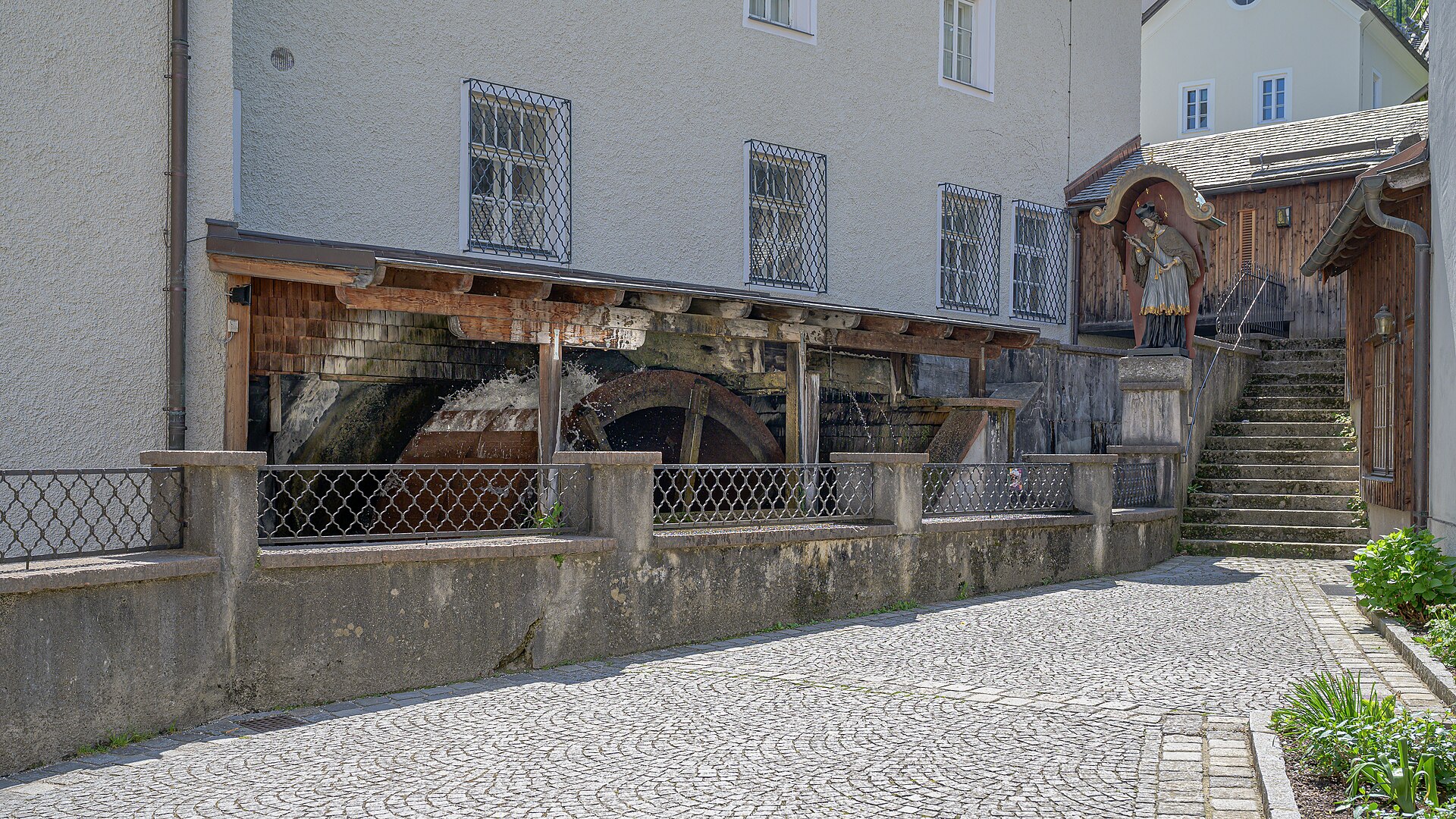
Founded around 696 by Saint Rupert of Salzburg, St. Peter's is the oldest monastery in the German-speaking world and one of the oldest in Europe. Rupert arrived from Worms as a missionary bishop and established the monastery as the spiritual foundation of what would become the city of Salzburg. That the abbey is still functioning after over 1,300 years — monks still live and worship here — is one of those facts that sounds like a typo until you stand in the courtyard and see the layers of history built into every wall. The abbey church has been rebuilt and renovated so many times that it contains elements from nearly every major architectural period. The basic Romanesque structure dates from the 12th century, but Baroque renovations in the 17th and 18th centuries added the elaborate ceiling frescoes, gilded stucco, and ornate altarpieces that dominate the interior today. The result is a palimpsest — a building that reveals its history layer by layer if you know where to look. Stiftsbäckerei St. Peter, the abbey bakery, has been baking bread on the premises since at least 1160, making it one of the oldest bakeries in the world. They still use a wood-fired oven, and the bread — particularly the dark rye — is excellent. You can buy it at the small shop beside the abbey, and it is one of the most authentic food experiences in Salzburg: bread made by the same institution, in the same location, using methods that haven't fundamentally changed in nearly nine hundred years. The Stiftskeller St. Peter, the restaurant attached to the abbey, claims to be one of the oldest restaurants in Central Europe, with records suggesting it has served food since around 803. Whether that makes it a continuous restaurant or simply a very old building that has periodically contained food is a matter of some academic debate, but the vaulted dining rooms and traditional Salzburg cuisine make the case for continuity convincingly.
St. Peter's Cemetery & Catacombs
Sankt-Peter-Bezirk 1, 5020 Salzburg
This cemetery has been in continuous use since around 700 AD, making it one of the oldest burial grounds in the German-speaking world. Tucked against the sheer rock face of the Festungsberg, directly below Hohensalzburg Fortress, the Petersfriedhof is a place where wrought-iron crosses, Baroque tomb markers, and flower-covered graves crowd together in a space that feels both impossibly beautiful and quietly unsettling. The oldest surviving tombstone dates from 1288, but people were burying their dead here centuries before anyone thought to label the graves. Carved into the cliff face above the cemetery are catacombs that predate the cemetery itself. These rock-hewn chambers likely originated as early Christian meeting places during the Migration Period of the 5th century, when Saint Severinus of Noricum ministered to the last Roman communities in the region. They were not burial chambers — they were places of worship and refuge, carved by hand into solid rock at a time when Christianity was still a precarious business north of the Alps. Two chapels survive inside the catacombs. The Gertraudenkapelle was consecrated in 1178 under Archbishop Conrad of Wittelsbach and dedicated, remarkably, to Thomas Becket of Canterbury — the English archbishop murdered in his own cathedral only eight years earlier. It is one of the earliest Becket dedications outside England, evidence of how rapidly his martyrdom became an international cause. Among the notable graves in the cemetery are Mozart's sister Nannerl (Maria Anna Mozart) and Michael Haydn, younger brother of the more famous Joseph and a fine composer in his own right. The late-Gothic Margarethenkapelle in the centre of the grounds is surrounded by the tombs of Salzburg's merchants, scholars, and artists — the people who made this city work while the archbishops got the credit.
Steingasse
Steingasse, 5020 Salzburg
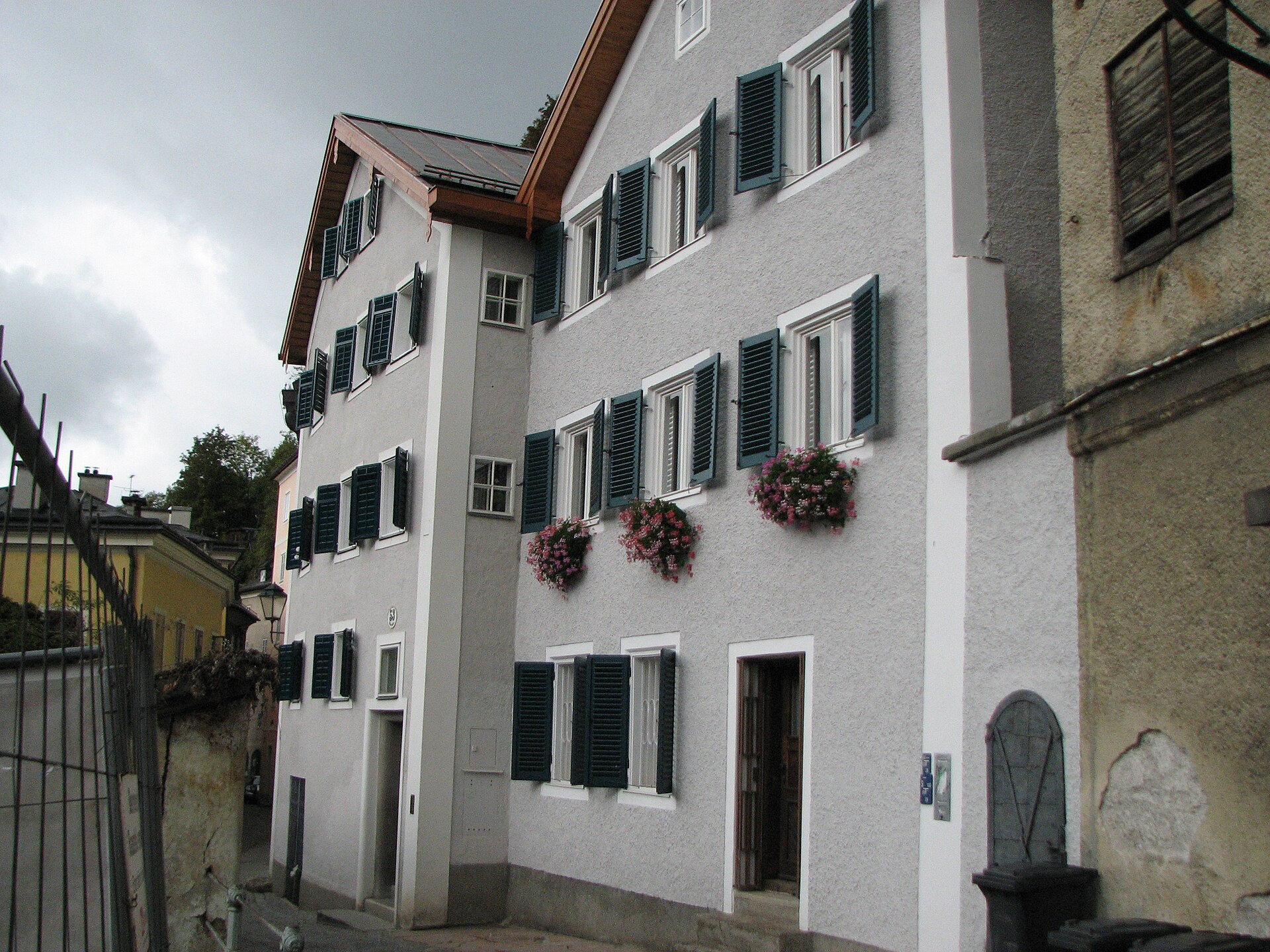
While tourists crowd Getreidegasse across the river, Steingasse sits in comparative quiet — which is ironic, because for most of Salzburg's history, this narrow lane on the east bank of the Salzach was the far more important street. This was the main medieval trade route to Italy, the road along which salt — Salzburg's founding commodity and the origin of its name — was transported south over the Alps. The lane is so narrow in places that two people can barely pass, and the buildings lean in overhead, creating a dim, atmospheric corridor that feels genuinely medieval. At the southern end stands the Inneres Steintor, Salzburg's oldest surviving gate, built in 1280 and extended during the Thirty Years' War in 1634. Walk through it and you're stepping through a threshold that has been in continuous use for over seven centuries. The gate once marked the boundary of the city, and Steingasse was the road beyond — a place of craftspeople who needed water for their trades: butchers, potters, dyers, tanners. These were not the wealthy merchants of Getreidegasse. This was working-class Salzburg. Joseph Mohr, who wrote the lyrics to "Silent Night" — the most-recorded Christmas song in history, translated into over 300 languages — was born on Steingasse in 1792. He was the illegitimate son of a seamstress, and since no respectable citizen would serve as godfather to an illegitimate child, his godfather was the town executioner. A memorial plaque marks what is believed to be his birthplace, though the actual house was destroyed in World War II and the plaque may be on the wrong building. Today, Steingasse has quietly become one of Salzburg's most interesting bar streets, with small cocktail bars and wine caves tucked into medieval vaulted cellars. It is everything Getreidegasse isn't: dark, atmospheric, slightly rough around the edges, and all the better for it.
Stieglkeller
Festungsgasse 10, 5020 Salzburg
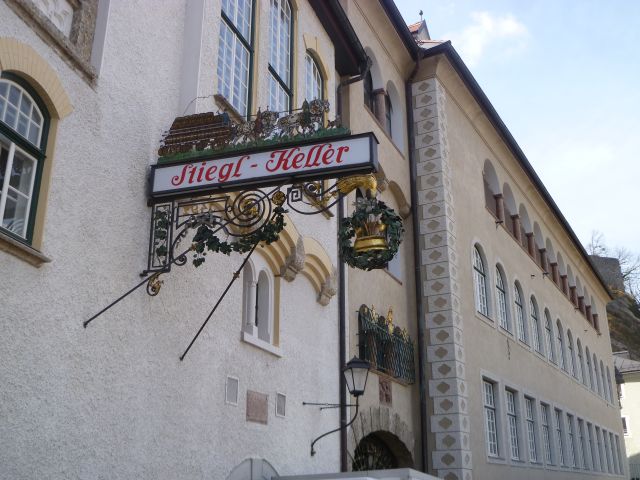
The Stiegl Brewery was first documented on June 16, 1492 — the same year Columbus sailed for America — making it one of the oldest private breweries in Austria. The name "Stiegl" comes from a small set of steps (Stiegl in dialect) that once stood beside the original brewhouse on the Gstätten. By the 17th century, there were over a hundred brewers in the Salzburg region, but Stiegl had the highest capacity of the twelve breweries operating within the city walls. Even Mozart drank Stiegl beer, and given his fondness for Salzburg's beer gardens, probably more than was strictly advisable. The Stieglkeller itself was born of necessity. In the early 19th century, the brewery needed cold storage, and in 1820 it acquired a building at Festungsgasse — the steep lane leading up to the fortress — and carved storage cellars directly into the Mönchsberg rock. The beer was lagered in the mountain, kept cool by stone and darkness. In 1838, the brewery received an official licence to serve beer from these cellars, and the Stieglkeller has been pouring pints on the fortress approach ever since. Munich architect Franz Zell gave the beer hall its current appearance in 1925-26, adding terraced gardens and arcaded dining halls that cascade down the hillside. The views are extraordinary: you sit on a terrace cut into the cliff, looking across the old town rooftops while drinking beer that has been brewed to the same standards for over five hundred years. Below you, tourists trudge up the steep path to the fortress. Above you, the fortress looms. It is an excellent place to take a break. The Stiegl brewery moved its main production facility out of the city centre in 1912, but the Stieglkeller remains on Festungsgasse, a beer garden literally built into a mountain, serving the same city that has been drinking this beer for over half a millennium.
Untersberg
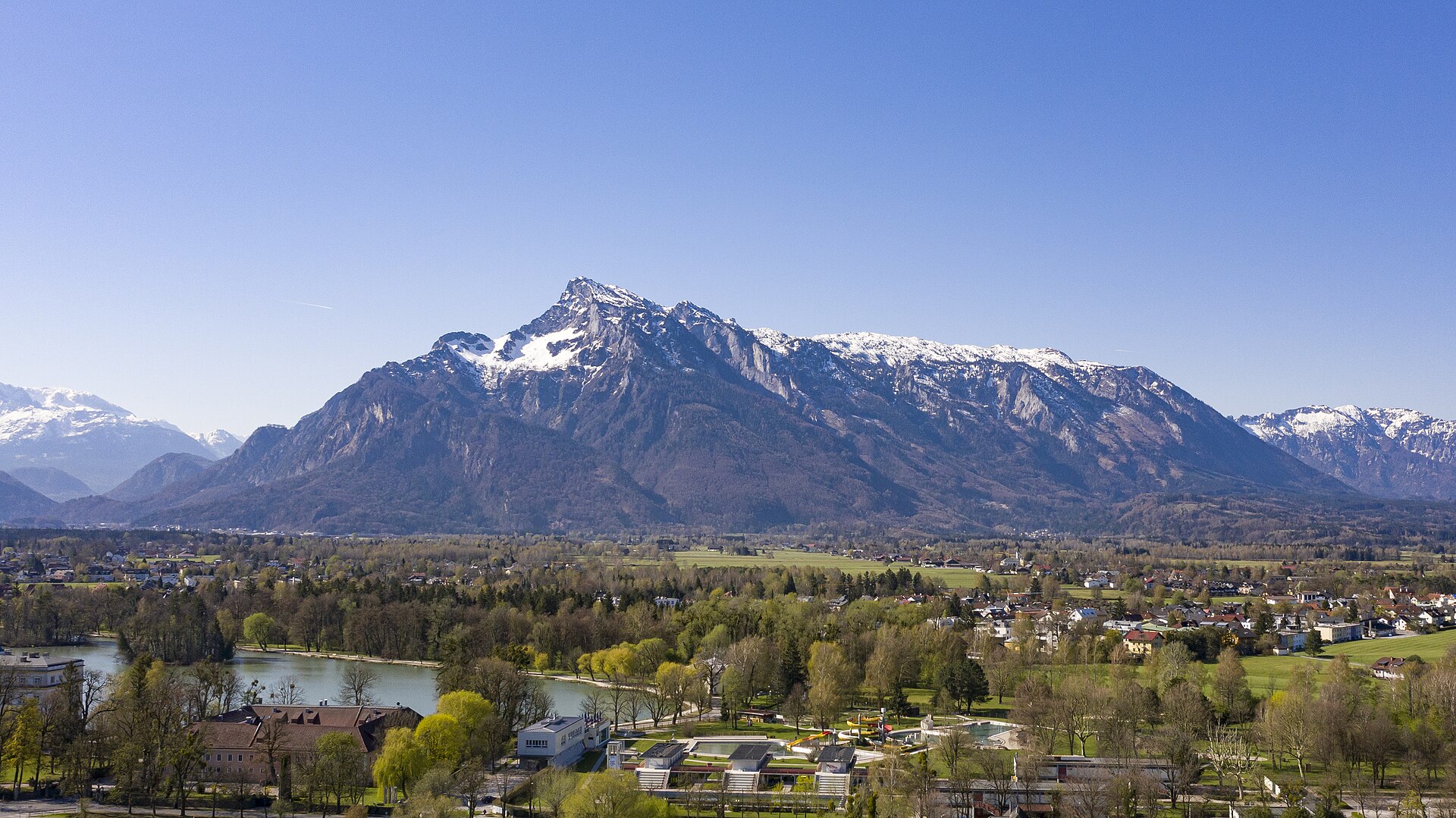
Dr.-Friedrich-Oedl-Weg 2, 5083 Gartenau
According to legend, Emperor Charlemagne sits sleeping inside the Untersberg, waiting for his resurrection. Every hundred years he wakes, and if ravens are still circling the mountain, he falls back asleep for another century. The mountain has been accumulating myths like this for millennia, and it's easy to understand why — the Untersberg is an enormous limestone massif rising to 1,973 metres directly on the Austrian-German border, visible from every point in Salzburg, dominating the southern horizon like something out of Tolkien. The cable car, which began operations on April 27, 1961, climbs 1,320 metres in altitude from the base station in Grödig at 456 metres to the summit station at 1,776 metres. The ride takes about ten minutes and delivers you from a pastoral valley floor to genuine alpine terrain — bare rock, snow fields, and views that stretch across the Salzburg basin to the Bavarian Alps. On a clear day, you can see as far as the Großglockner, Austria's highest peak. The Untersberg is riddled with caves — over 400 mapped entrances lead into a labyrinth of tunnels that remain largely unexplored. The mountain straddles the border between Austria and Germany, and you can hike from the summit station along the ridge and technically walk into Germany without seeing a border post or another person. The so-called Wild Hunt — a mythological procession of spectral hunters racing through the sky — is traditionally associated with the Untersberg in local folklore, believed to stem from Celtic rituals for appeasing the storm gods. The summit plateau offers hiking trails of varying difficulty, from gentle walks along the ridge to serious alpine routes requiring proper equipment. In winter, the area becomes a snow-covered wonderland that feels entirely disconnected from the Baroque city below. The contrast is the point: Salzburg is a place where you can visit a cathedral in the morning and stand above the clouds by lunch.