14 Stunning Architecture Landmarks in Mumbai
14 landmarks with verified facts and stories
Asiatic Society & Town Hall
Horniman Circle, Mumbai, 400001, India
The Asiatic Society of Mumbai occupies the Town Hall — a Greek Revival masterpiece of 30 Doric columns completed in 1833 that is one of the finest neoclassical buildings in India and the oldest surviving public building in Mumbai.
Bandra-Worli Sea Link
Bandra Worli Sea Link, Bandra West, Mumbai, 400050, India
The Bandra-Worli Sea Link is a 5.
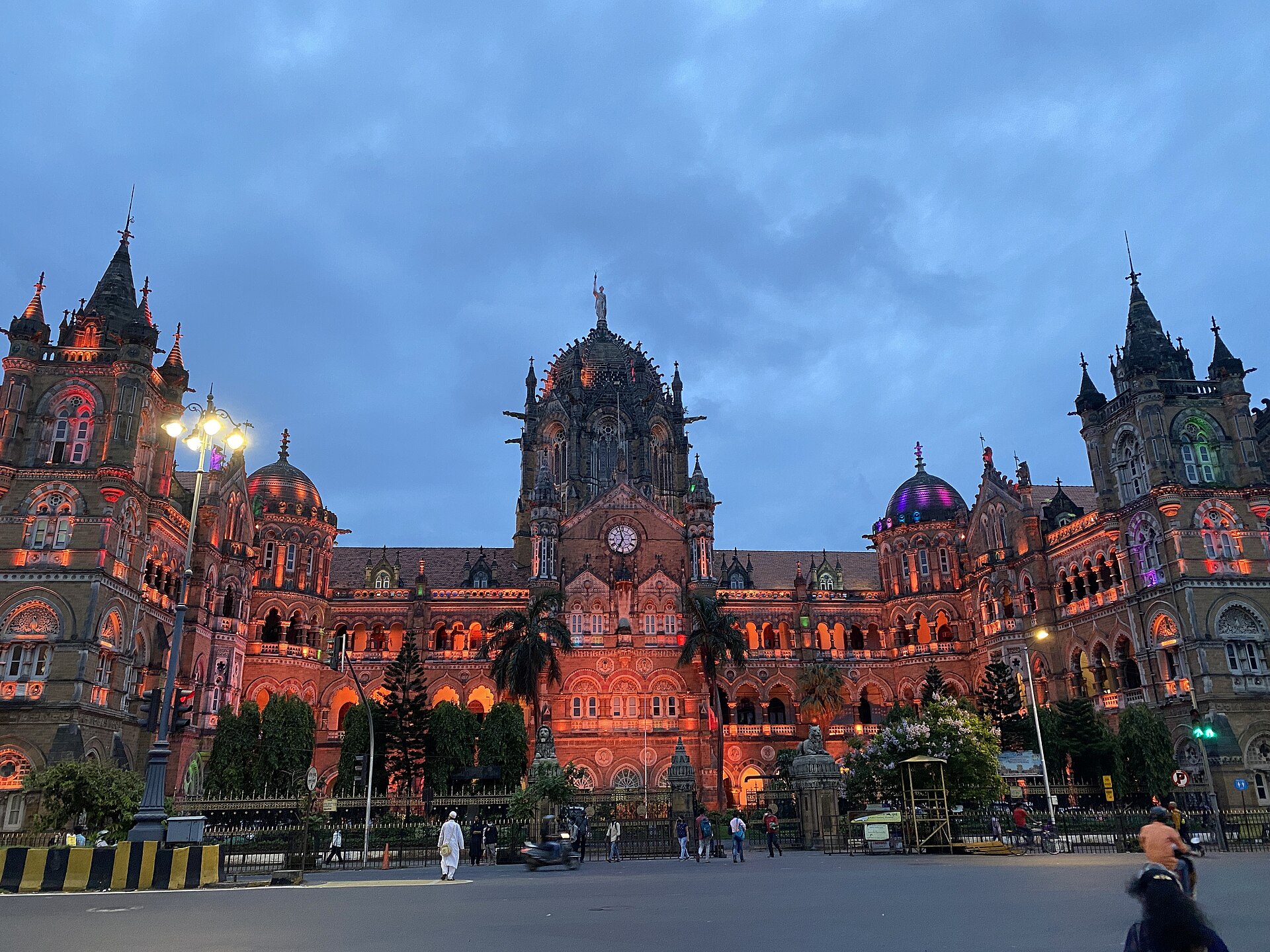
Chhatrapati Shivaji Maharaj Terminus (CST)
Dadabhai Naoroji Road, Fort, Mumbai, 400001, India
CST (formerly Victoria Terminus) is the most extravagant railway station in the world — a UNESCO World Heritage Victorian Gothic Revival building completed in 1888 that handles 3 million commuters daily and is simultaneously a functioning transport hub and a monument to the confidence of the British Raj at its peak.
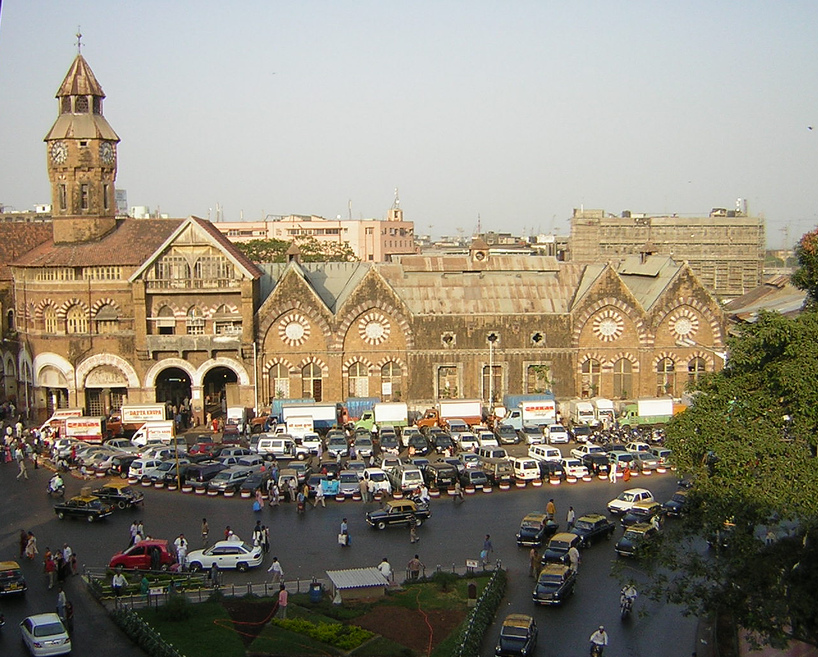
Crawford Market (Mahatma Jyotiba Phule Mandai)
Dadabhai Naoroji Road, Fort, Mumbai, 400001, India
Crawford Market is Mumbai's grandest Victorian market hall — a stone building designed by William Emerson in 1869 with bas-reliefs by Rudyard Kipling's father (John Lockwood Kipling) and a Norman-Gothic interior that provides the setting for one of Mumbai's most intense commercial experiences.
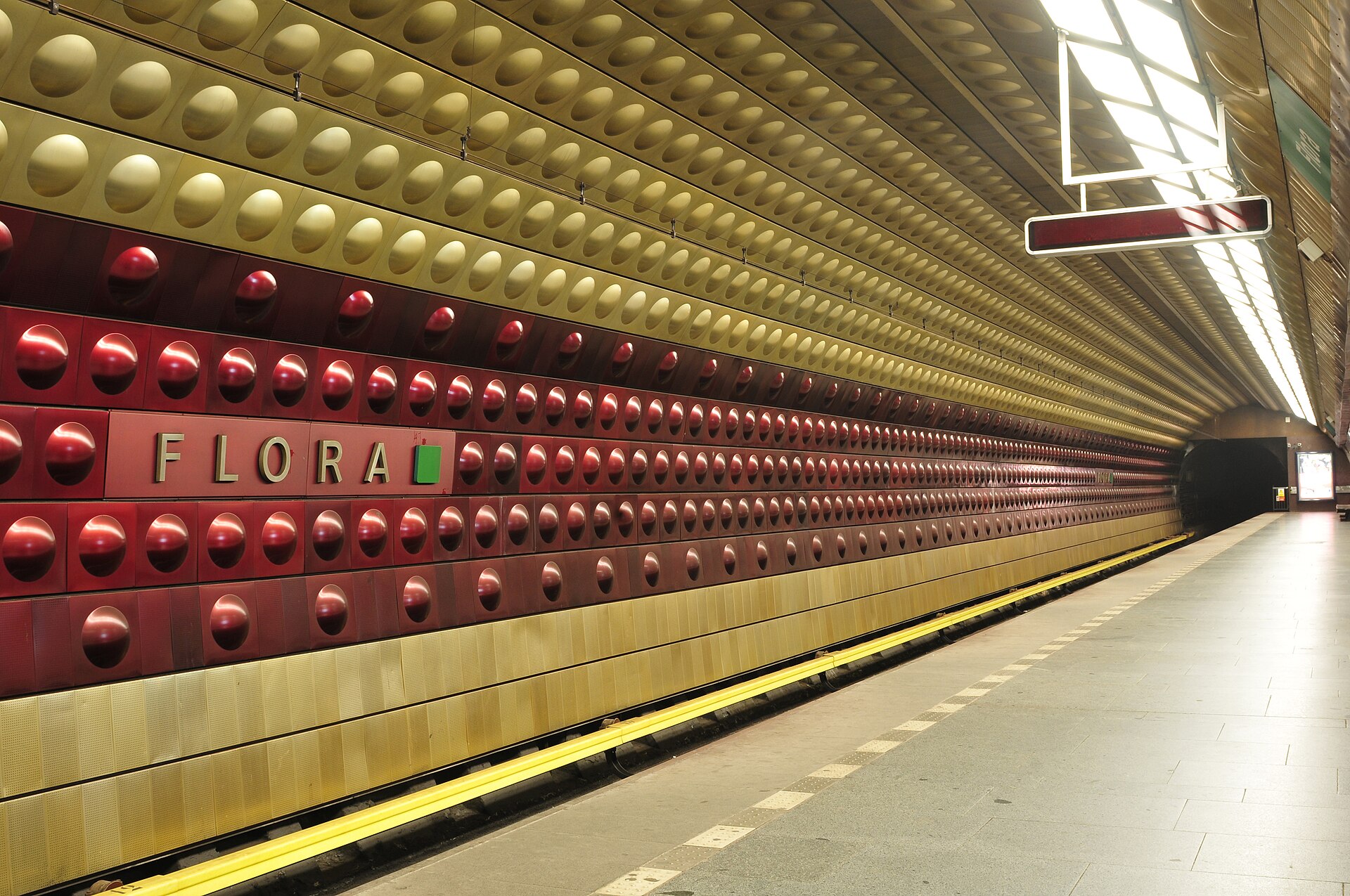
Flora Fountain (Hutatma Chowk)
Veer Nariman Road, Fort, Mumbai
Flora Fountain is a Victorian-era stone fountain at the heart of the Fort business district, erected in 1864 at the junction of five streets where the old Bombay Fort's Churchgate once stood (demolished in 1860 when the city expanded beyond its walls).
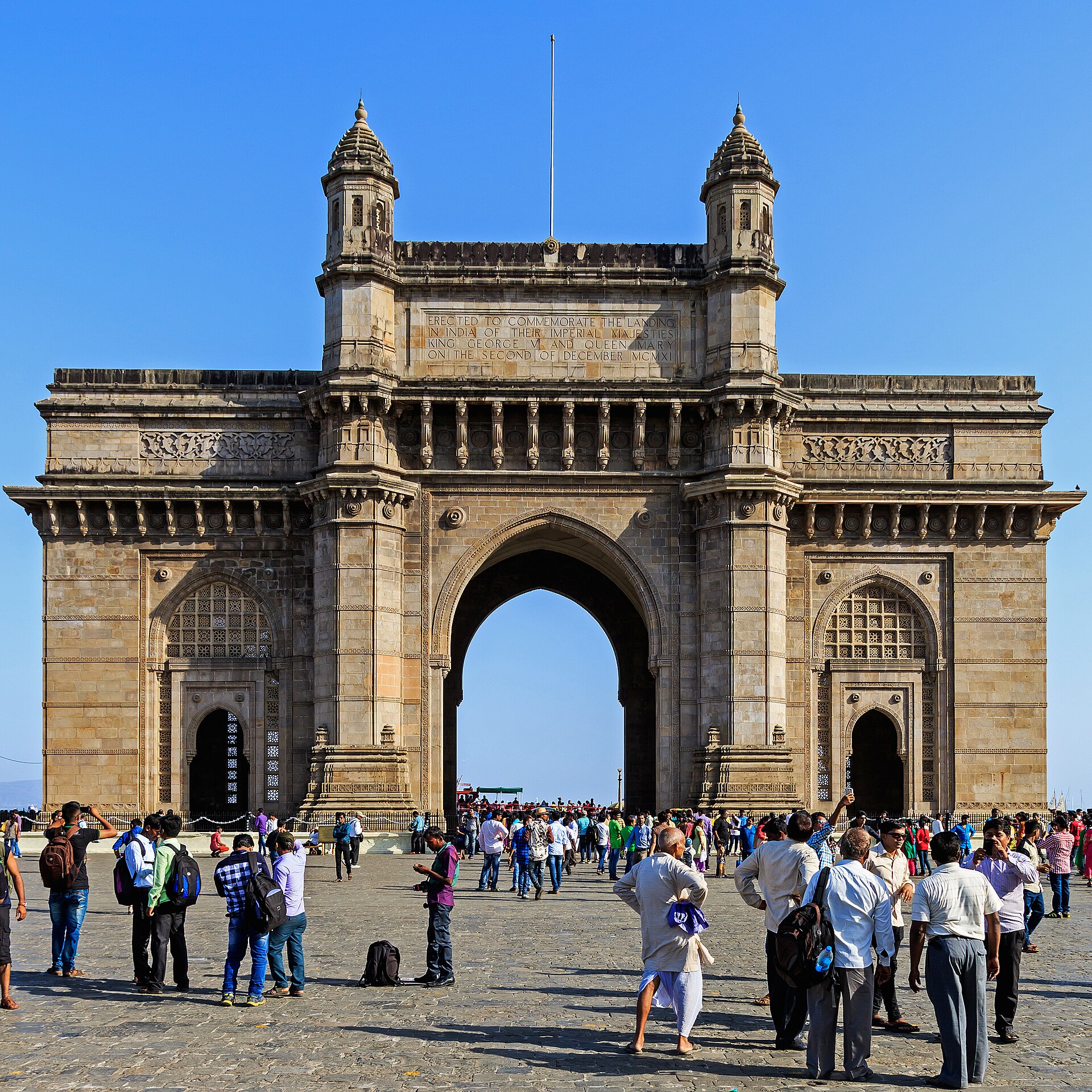
Gateway of India
Haji Niyaz Ahmed Azmi Marg, Colaba, Mumbai, 400001, India
The Gateway of India is Mumbai's defining landmark — a 26-metre basalt arch on the waterfront built to commemorate King George V's visit to India in 1911 and completed in 1924, just 23 years before the last British troops marched through it in 1948 as India gained independence.
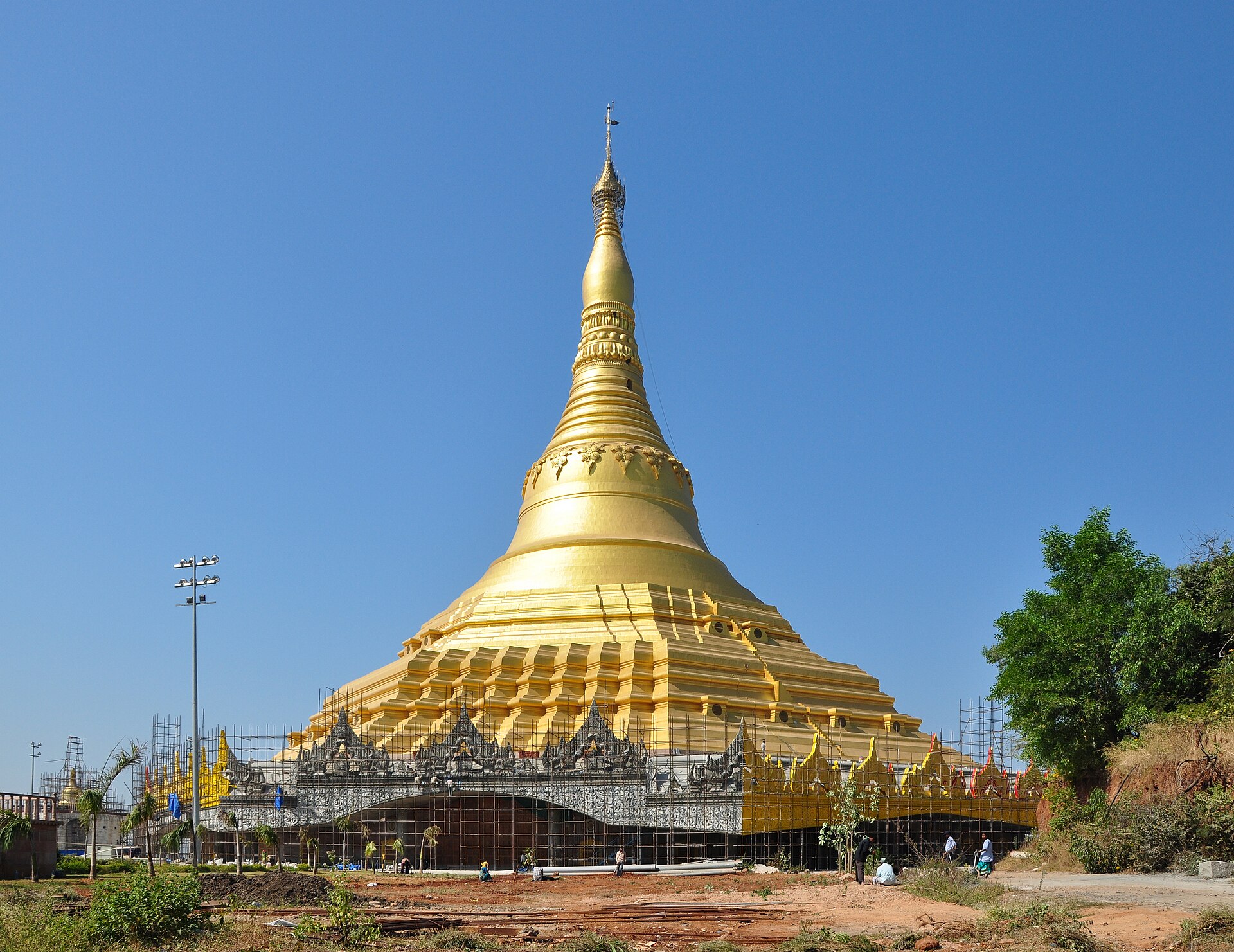
Global Vipassana Pagoda
Gorai Road, Borivali West, Mumbai, 400092, India
The Global Vipassana Pagoda is a massive golden-domed meditation hall on a peninsula north of Mumbai, inaugurated in 2009 as the world's largest stone-dome structure without supporting pillars — a 96-metre diameter hall that can seat 8,000 people in silent Vipassana meditation.
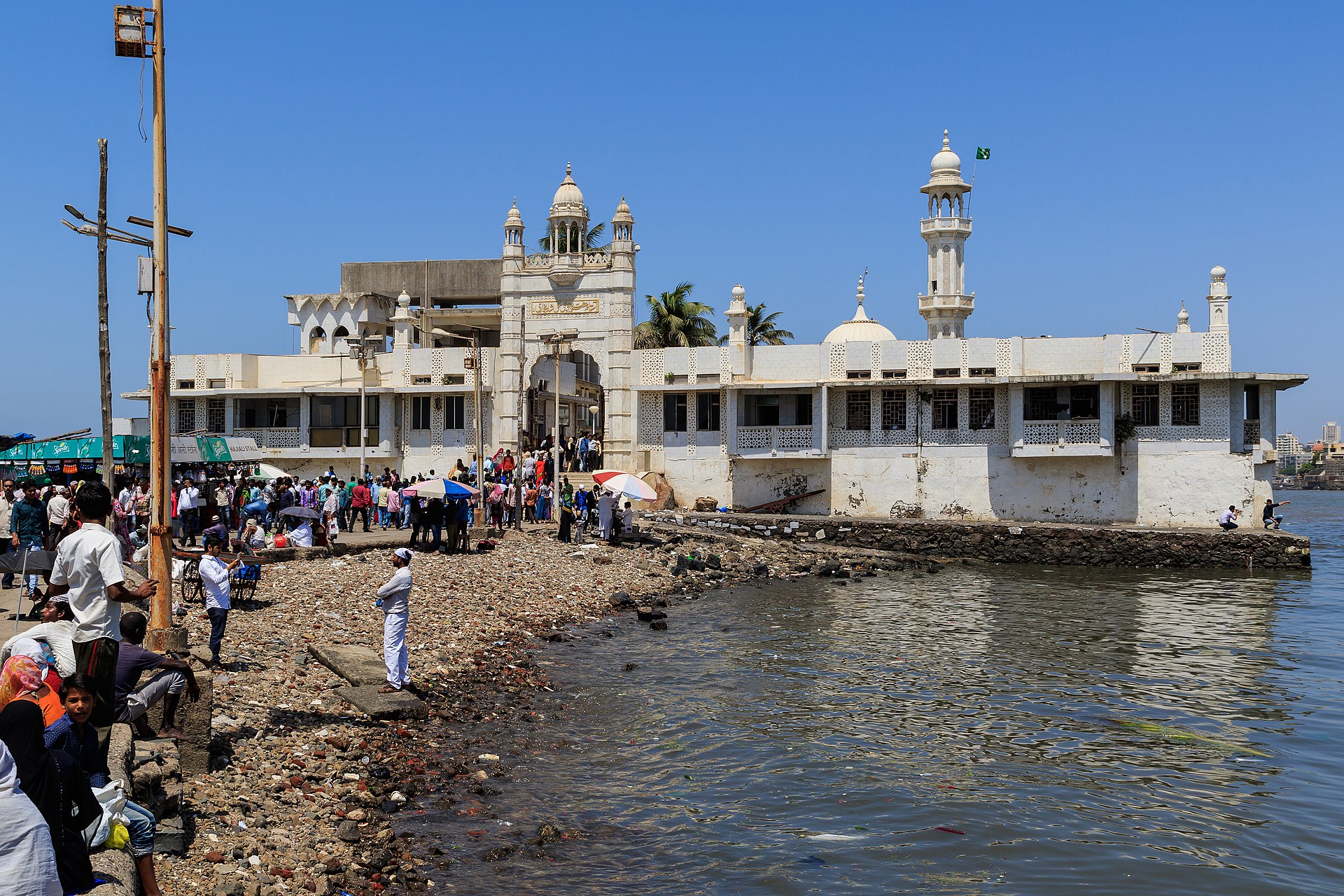
Haji Ali Dargah
Haji Ali, Mumbai
Haji Ali Dargah is a mosque and tomb built on a tiny island in the Arabian Sea, connected to the Mumbai mainland by a 500-metre causeway that is submerged at high tide — creating a building that appears to float on the water.
ISKCON Juhu Temple
Juhu, Mumbai, 400049, India
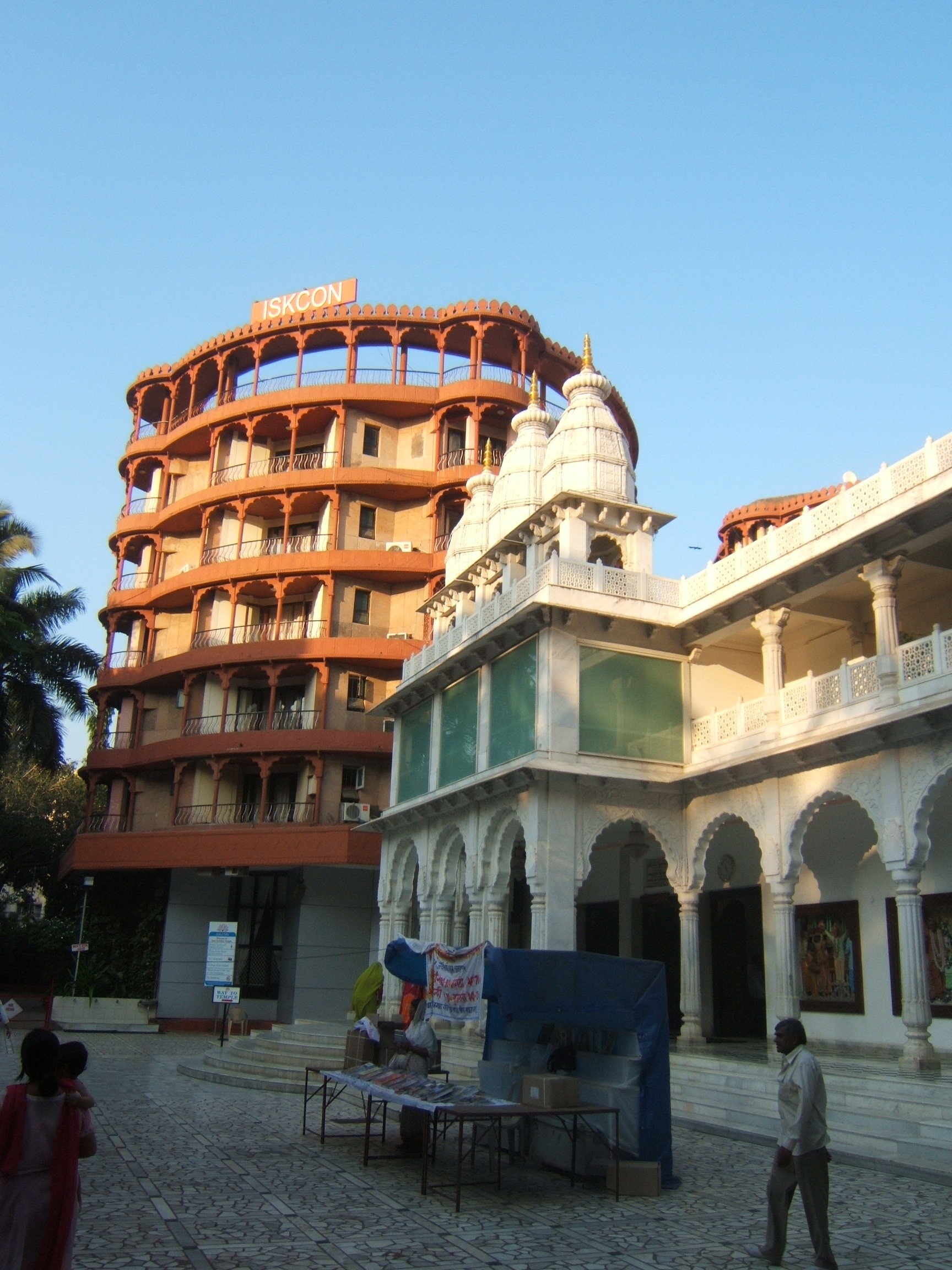
The ISKCON Juhu Temple (formally Sri Sri Radha Rasabihari Temple) is the largest Hare Krishna temple in Asia — a marble and gold complex inaugurated in 1978 under the guidance of ISKCON founder Srila Prabhupada, with a towering shikhara (spire) visible across Juhu and an interior decorated with mirror-work, murals from the life of Krishna, and the three altar deities (Radha-Rasabihari, Sita-Rama-Laxman-Hanuman, and Gaura-Nitai) who are the focus of daily worship.
Kala Ghoda Art District
Nariman Point, Mumbai, 400021, India
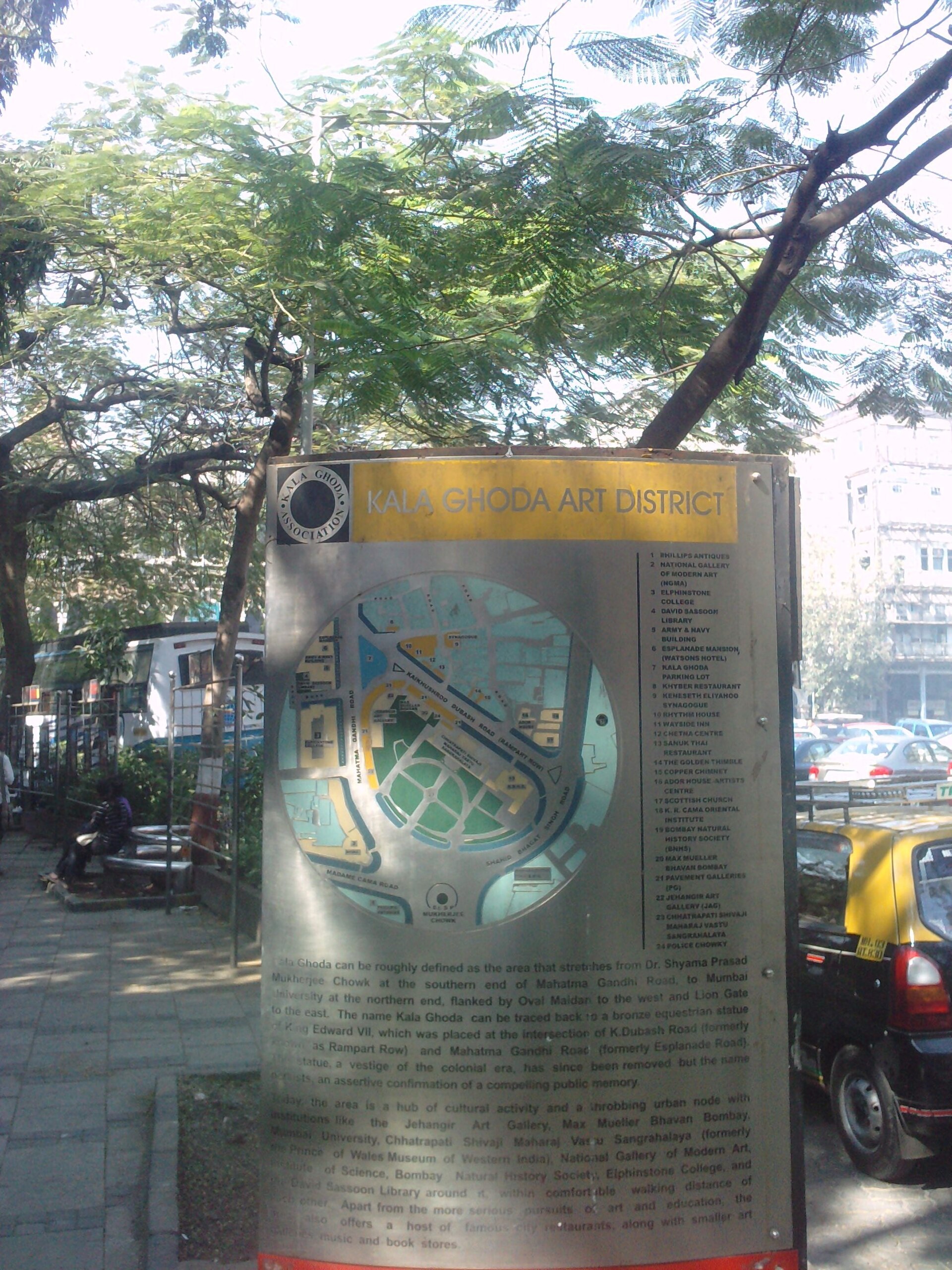
Kala Ghoda is Mumbai's art district — a neighbourhood of Victorian and Art Deco buildings in the Fort area that houses the Chhatrapati Shivaji Maharaj Vastu Sangrahalaya (formerly the Prince of Wales Museum, Mumbai's most important museum), the Jehangir Art Gallery, the National Gallery of Modern Art, and the independent galleries and design studios that make this the cultural centre of the city.
Mount Mary Basilica
Mount Mary Road, Bandra West, Mumbai, 400050, India
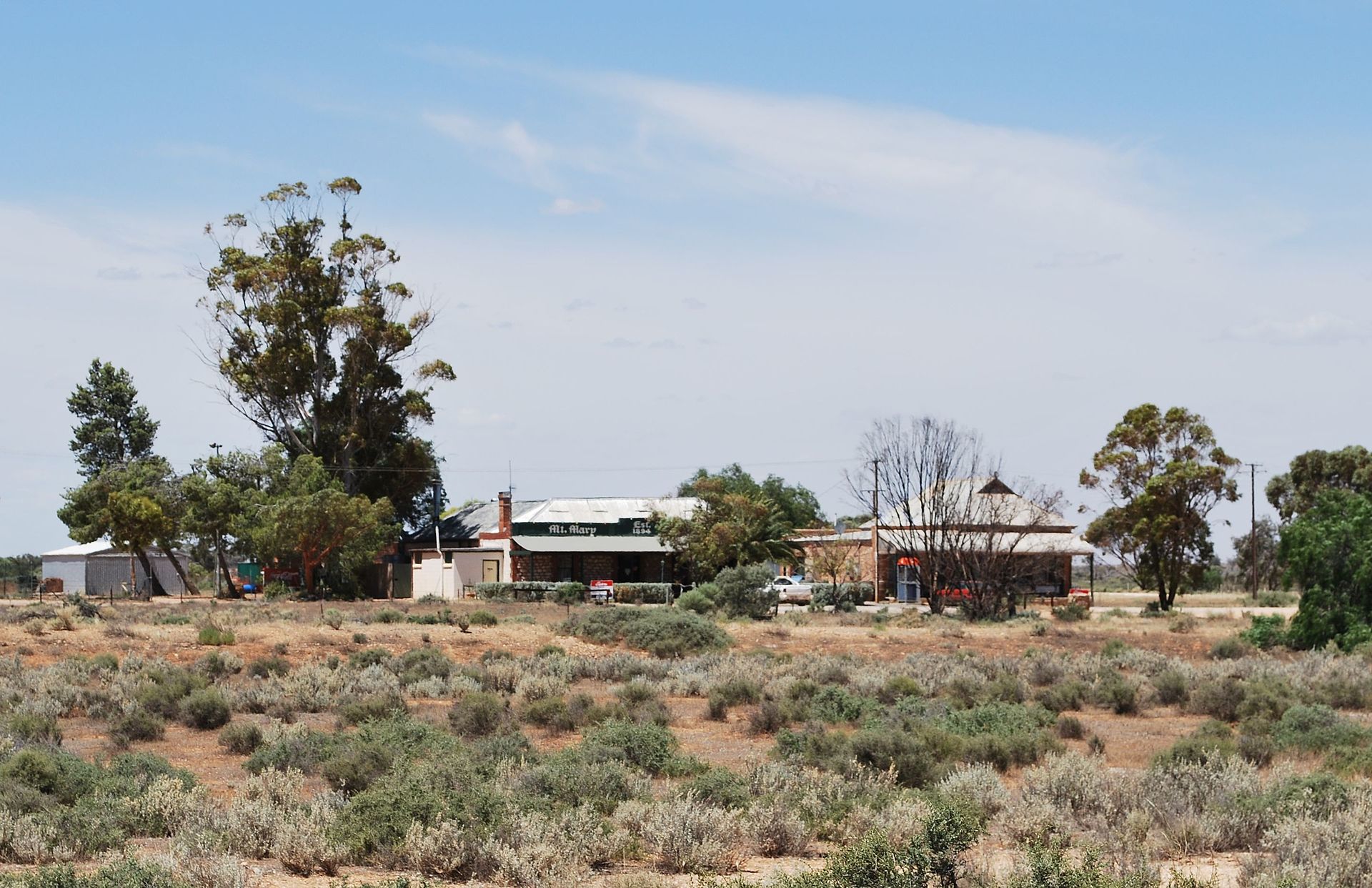
Mount Mary Basilica is a Roman Catholic church on a hill in Bandra that is one of Mumbai's most visited religious sites, drawing Hindus, Muslims, and Christians who come to pray to the statue of Our Lady of the Mount — a 16th-century Portuguese-era Madonna believed to answer prayers.
Mumbai Art Deco Heritage
Marine Drive, Mumbai, 400002, India
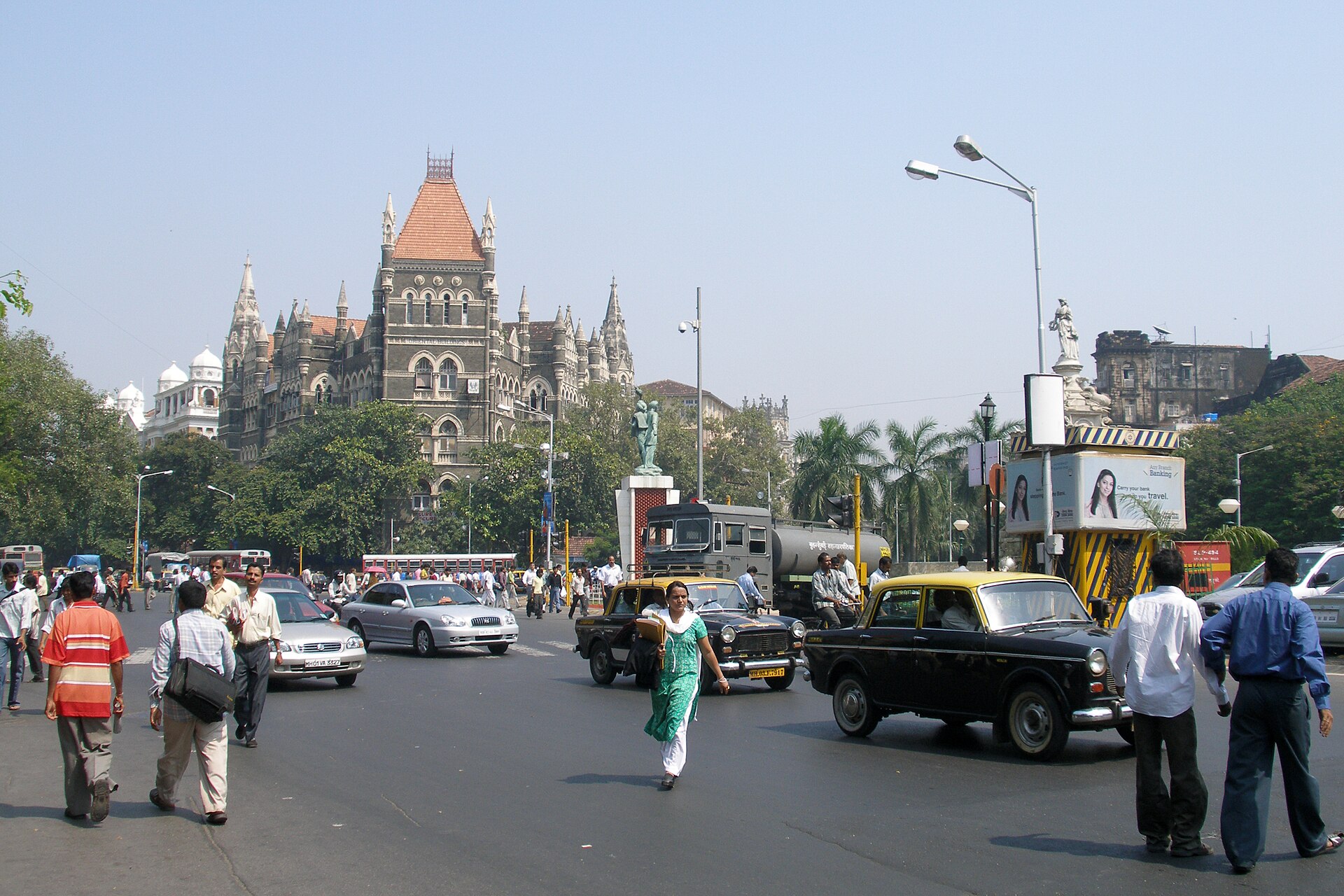
Mumbai has the second-largest concentration of Art Deco buildings in the world (after Miami Beach) — over 200 buildings in the Fort and Marine Drive areas that were built between 1930 and 1950, when Bombay (as it was then) was one of the wealthiest cities in the British Empire and its architects embraced the Deco style with an enthusiasm that produced some of the finest examples of tropical Art Deco anywhere.
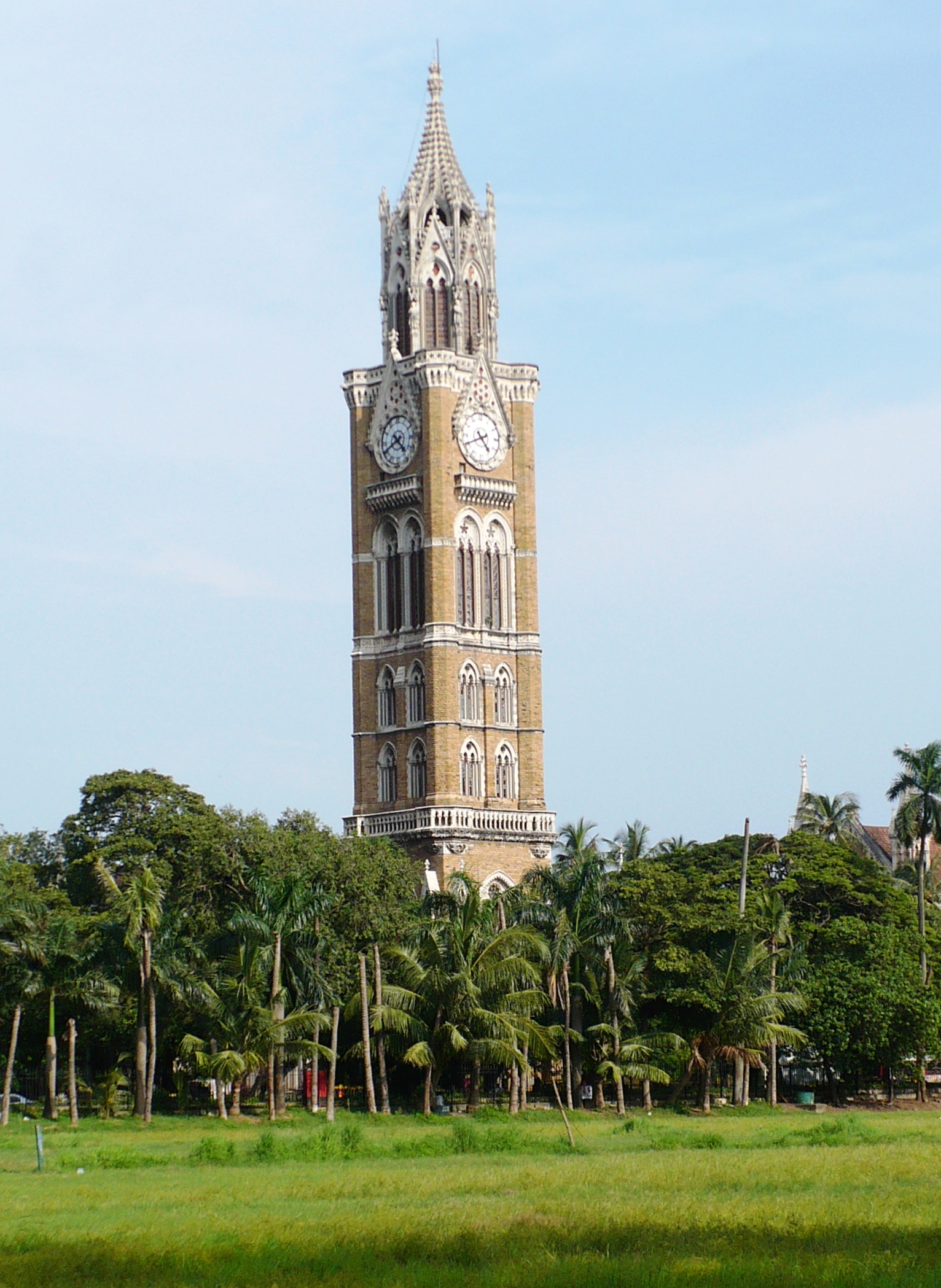
Rajabai Clock Tower
Mumbai, India
The Rajabai Clock Tower is a 85-metre Venetian-Gothic clock tower at the University of Mumbai's Fort campus, designed by Sir George Gilbert Scott (the British architect behind the St Pancras Hotel in London) and completed in 1878.
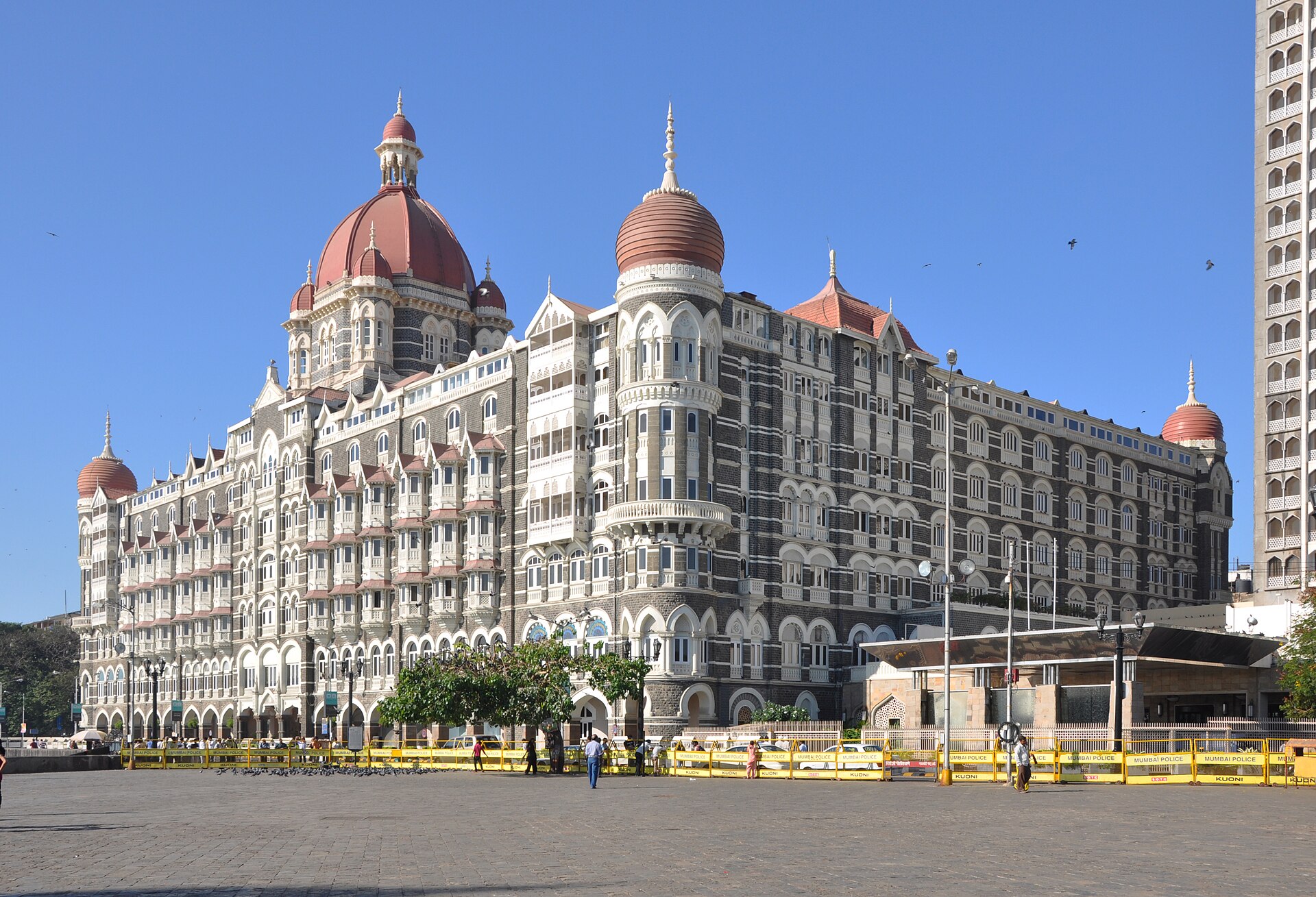
Taj Mahal Palace Hotel
Haji Niyaz Ahmed Azmi Marg, Colaba, Mumbai, 400001, India
The Taj Mahal Palace is India's most famous hotel — a grand Moorish-Gothic-Renaissance structure built in 1903 by Jamsetji Tata (founder of the Tata industrial dynasty) who was allegedly refused entry to a 'whites-only' hotel and decided to build one that would be the finest in the city.
Explore architecture in Mumbai
GPS-guided narration at every landmark. Tap a spot on the map, hear the story. Every fact verified.