Walking Tours in Mumbai
Mumbai: Colonial Fort & Gateway of India
Walk the grandest remnant of the British Raj — from the triumphal arch of the Gateway of India through the Victorian Gothic campus of the University and High Court to the Art Deco promenade of Marine Drive.
Mumbai: Gateway to India
Mumbai is the financial capital of India, the home of Bollywood, and the most densely populated city on earth — twenty-one million people on a narrow peninsula that was, until the British connected seven islands with causeways in the seventeenth and eighteenth centuries, an archipelago. The city exists because of cotton and opium: the British East India Company made its first fortune here trading both, and the wealth that flowed in built the extraordinary Victorian Gothic and Edwardian buildings of South Mumbai — the CST railway terminus, the High Court, the University of Mumbai, the General Post Office — a city of institutional ambition in the tropics, built on land literally reclaimed from the sea. Walk slowly. The proportions are enormous.
30 Landmarks in Mumbai
Asiatic Society & Town Hall
Horniman Circle, Mumbai, 400001, India
The Asiatic Society of Mumbai occupies the Town Hall — a Greek Revival masterpiece of 30 Doric columns completed in 1833 that is one of the finest neoclassical buildings in India and the oldest surviving public building in Mumbai. The Town Hall houses a library of over 100,000 volumes including rare Sanskrit manuscripts, the original manuscript of Dante's 'Divine Comedy' (one of only two copies in the world), and a collection of Greek and Roman coins. The 30 steps leading up to the portico are one of Mumbai's most recognisable film locations — featured in countless Bollywood scenes — and the view from the top looking across Horniman Circle to the Dutch-gabled buildings that surround the gardens is one of the best survivals of colonial Bombay urbanism. The library is open to visitors on request, and the reading room with its marble busts and colonial-era furniture is a time capsule of 19th-century intellectual life.
Bandra-Worli Sea Link
Bandra Worli Sea Link, Bandra West, Mumbai, 400050, India
The Bandra-Worli Sea Link is a 5.6-kilometre cable-stayed bridge across Mahim Bay that has become modern Mumbai's defining engineering achievement — an eight-lane toll bridge completed in 2009 that connects the western suburbs (Bandra, Juhu, the airport) to South Mumbai's business district and that cut the commute between the two from over an hour to 10 minutes. The bridge is the first cable-stayed bridge in India built over open sea. The view of the bridge from the Bandra Bandstand promenade or from Worli Seaface at sunset — when the cables are illuminated and the towers are silhouetted against the sky — is one of Mumbai's most photographed contemporary views. The bridge uses steel wires equivalent to the circumference of the earth and concrete enough to build Tower of Pisa seven times over.
Banganga Tank
Walkeshwar, Mumbai, 400006, India
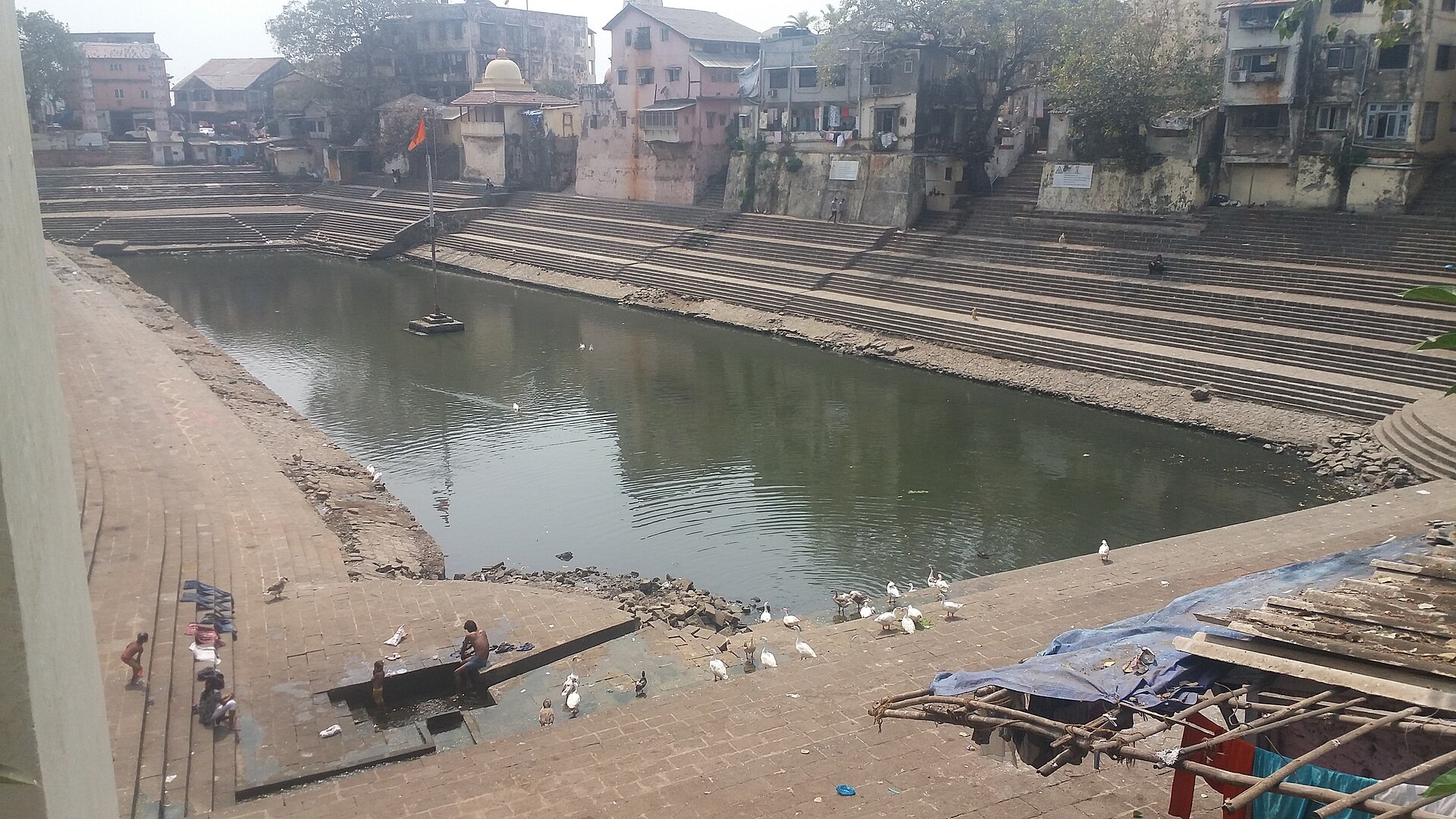
Banganga Tank is Mumbai's oldest surviving structure — a sacred water tank at the tip of Malabar Hill that predates the city itself, dating to approximately 1127 AD and associated with the legend of Lord Rama, who shot an arrow into the ground to create a freshwater spring during his journey to Lanka. The tank, surrounded by temples and the cremation ghats where Mumbai's Hindu dead are cremated, is one of the few places in the city where the pre-colonial, pre-British history of the island is physically present. The tank sits incongruously in one of Mumbai's wealthiest neighbourhoods (Malabar Hill apartments cost millions of dollars), and the contrast between the ancient, religion-saturated tank and the luxury towers visible above provides one of Mumbai's most characteristic juxtapositions.
Bollywood & Film City
Film City Road, Goregaon East, Mumbai, 400065, India
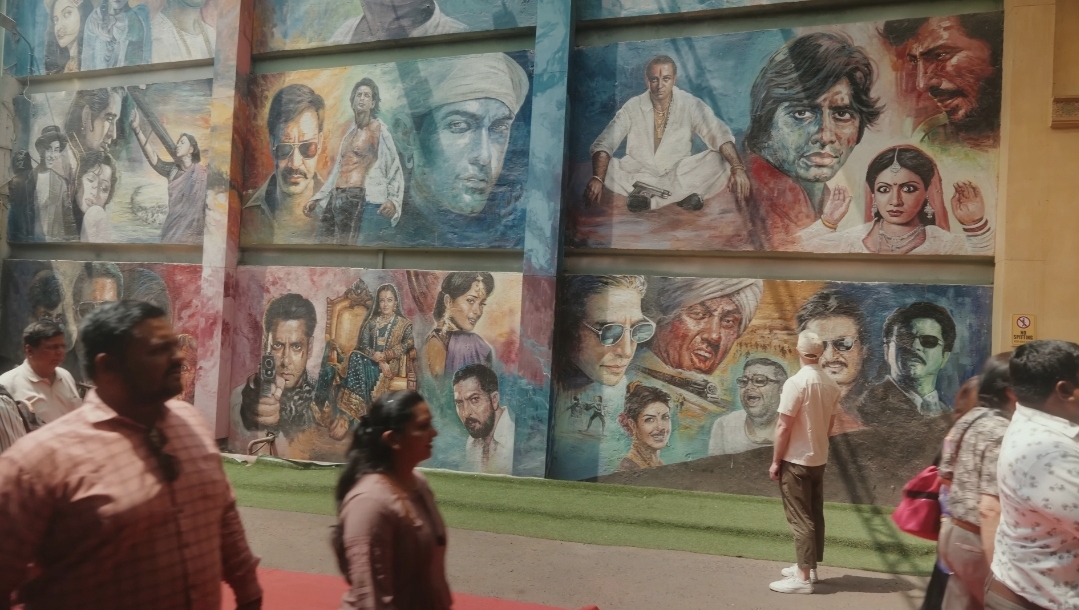
Mumbai is the home of Bollywood — the Hindi-language film industry that produces over 1,500 films per year (more than Hollywood), employs hundreds of thousands of people, and generates the movies, music, and dance sequences that are the dominant popular culture across South Asia, the Middle East, and the Indian diaspora worldwide. Film City in Goregaon is the largest studio complex, with over 20 sound stages and outdoor sets. Bollywood tours (offered by several operators) provide behind-the-scenes access to studios, live show tapings, and occasionally the sets of films in production. The tours provide context for an industry that, while globally less well-known than Hollywood, produces more films for a larger audience and has a cultural influence that shapes fashion, music, and social attitudes across 1.4 billion people. The Bollywood connection is visible throughout Mumbai — in the Art Deco cinemas of the Fort district (the Regal, the Eros), in the posters and promotional material that covers every available surface, and in the star homes of Bandra (where fans gather outside Shah Rukh Khan's Mannat mansion hoping for a glimpse of the actor).
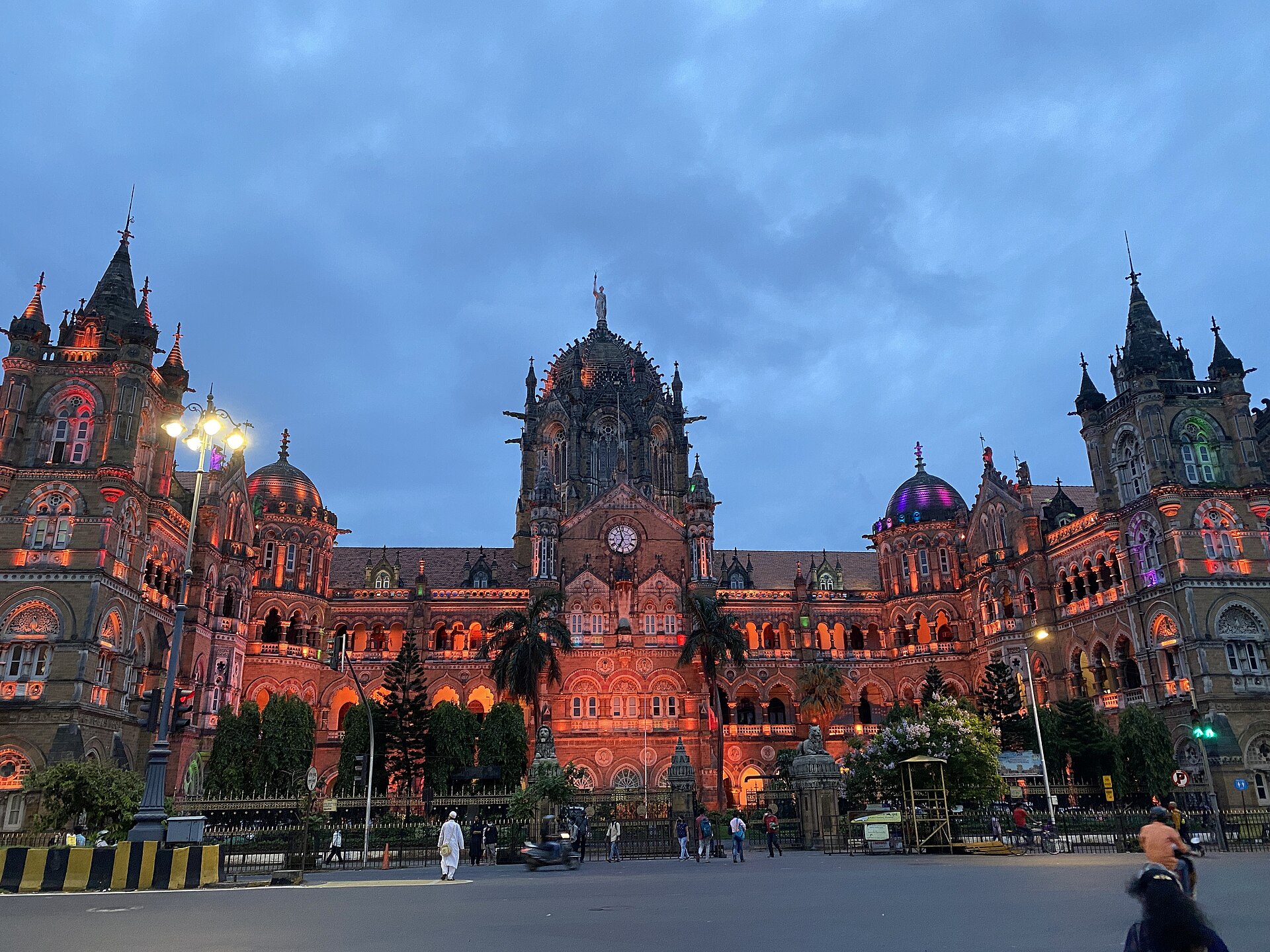
Chhatrapati Shivaji Maharaj Terminus (CST)
Dadabhai Naoroji Road, Fort, Mumbai, 400001, India
CST (formerly Victoria Terminus) is the most extravagant railway station in the world — a UNESCO World Heritage Victorian Gothic Revival building completed in 1888 that handles 3 million commuters daily and is simultaneously a functioning transport hub and a monument to the confidence of the British Raj at its peak. The building, designed by Frederick William Stevens, combines Gothic arches, stained glass, decorative tiles, and a profusion of carved stone animals and figures with Indian architectural elements in a style that is aggressively, joyfully excessive. The terminus took 10 years to build and cost £260,000 (a fortune in 1888), and the interior — with its ribbed ceilings, carved columns, and the grand staircase that divides the booking hall — is as ornate as the exterior. The stone figure of 'Progress' atop the central dome holds a torch that illuminates the building at night.
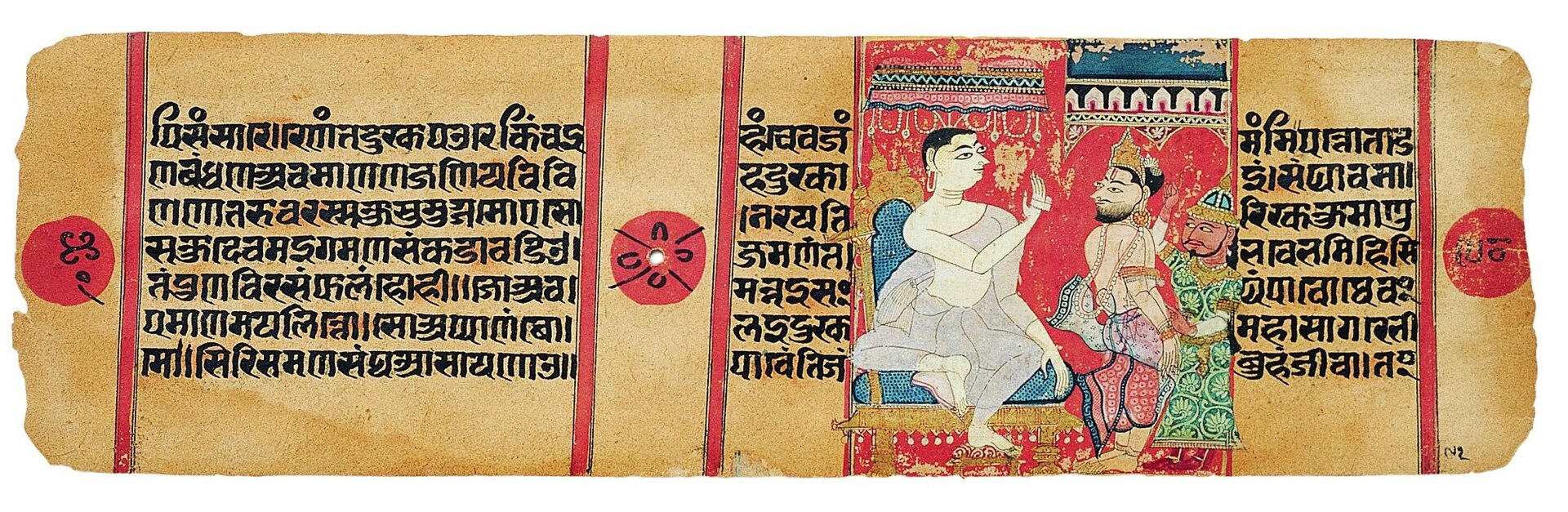
Chhatrapati Shivaji Maharaj Vastu Sangrahalaya
Mahatma Gandhi Road, Goregaon West, Mumbai, 400104, India
CSMVS (formerly the Prince of Wales Museum) is Mumbai's most important museum — a domed Indo-Saracenic masterpiece completed in 1922 to commemorate the 1905 visit of King George V (then Prince of Wales), housing one of India's finest collections of art, archaeology, and natural history. The museum's 50,000+ objects span the Indus Valley civilisation, Mughal miniatures, Tibetan and Nepalese art, European paintings, and the Himalayan bronze and sculpture galleries that are widely considered the finest in South Asia. The building itself, designed by George Wittet (who also designed the Gateway of India), is set in a garden in the Kala Ghoda district and is one of the most photographed examples of the Indo-Saracenic style. Allow at least two hours for the main galleries; the Premchand Roychand Gallery of decorative arts and the natural history wing are often overlooked but worth the time.
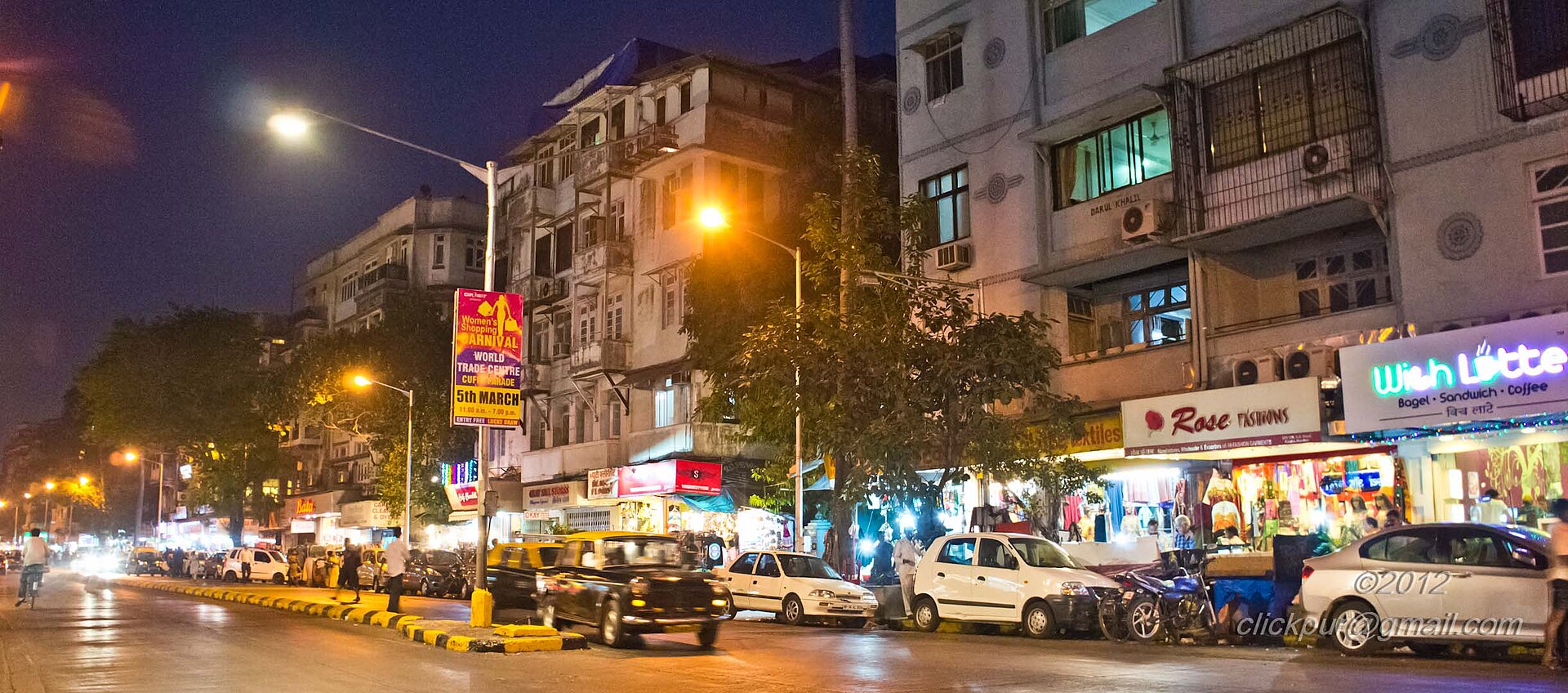
Colaba Causeway
Shahid Bhagat Singh Marg, Colaba, Mumbai, 400005, India
Colaba Causeway is Mumbai's most famous shopping and eating street — a commercial corridor in the Colaba district south of the Gateway of India that combines street vendors (selling everything from jewellery and clothing to antiques and bootleg Bollywood DVDs), colonial-era cafés, and the tourist-oriented commerce of a neighbourhood that has been Mumbai's first point of contact with visitors since the days of the steamship. The cafés along the Causeway — Leopold Café (a backpacker institution since the 1970s and a target in the 2008 attacks, whose bullet holes are preserved in the walls), Café Mondegar (with murals by cartoonist Mario Miranda), and Theobroma (the bakery whose brownies have a citywide cult following) — provide the social infrastructure of a neighbourhood that functions as Mumbai's living room for both residents and visitors.
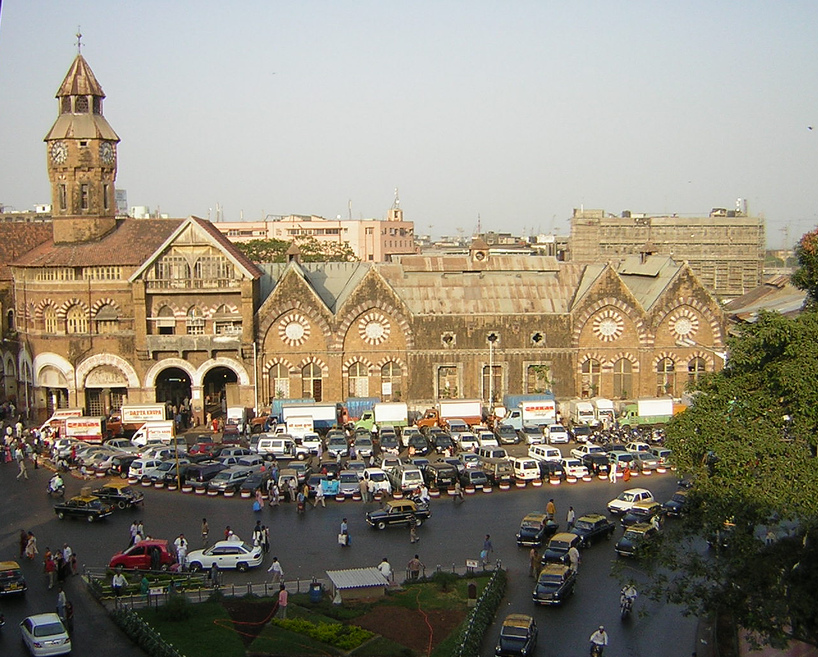
Crawford Market (Mahatma Jyotiba Phule Mandai)
Dadabhai Naoroji Road, Fort, Mumbai, 400001, India
Crawford Market is Mumbai's grandest Victorian market hall — a stone building designed by William Emerson in 1869 with bas-reliefs by Rudyard Kipling's father (John Lockwood Kipling) and a Norman-Gothic interior that provides the setting for one of Mumbai's most intense commercial experiences. The market sells fruit, vegetables, spices, meat, poultry, and the exotic pets (parrots, fish, puppies) that Mumbai's appetite for animal companionship demands. The fruit section is the most visitor-friendly — pyramids of Alphonso mangoes (in season April-June, considered the world's finest mango), pomegranates, custard apples, and the 50+ varieties of banana that India produces are displayed with the aesthetic care of a gallery exhibition. The spice section fills the air with the combined fragrance of turmeric, cardamom, cinnamon, and the masala blends that define Indian cooking.
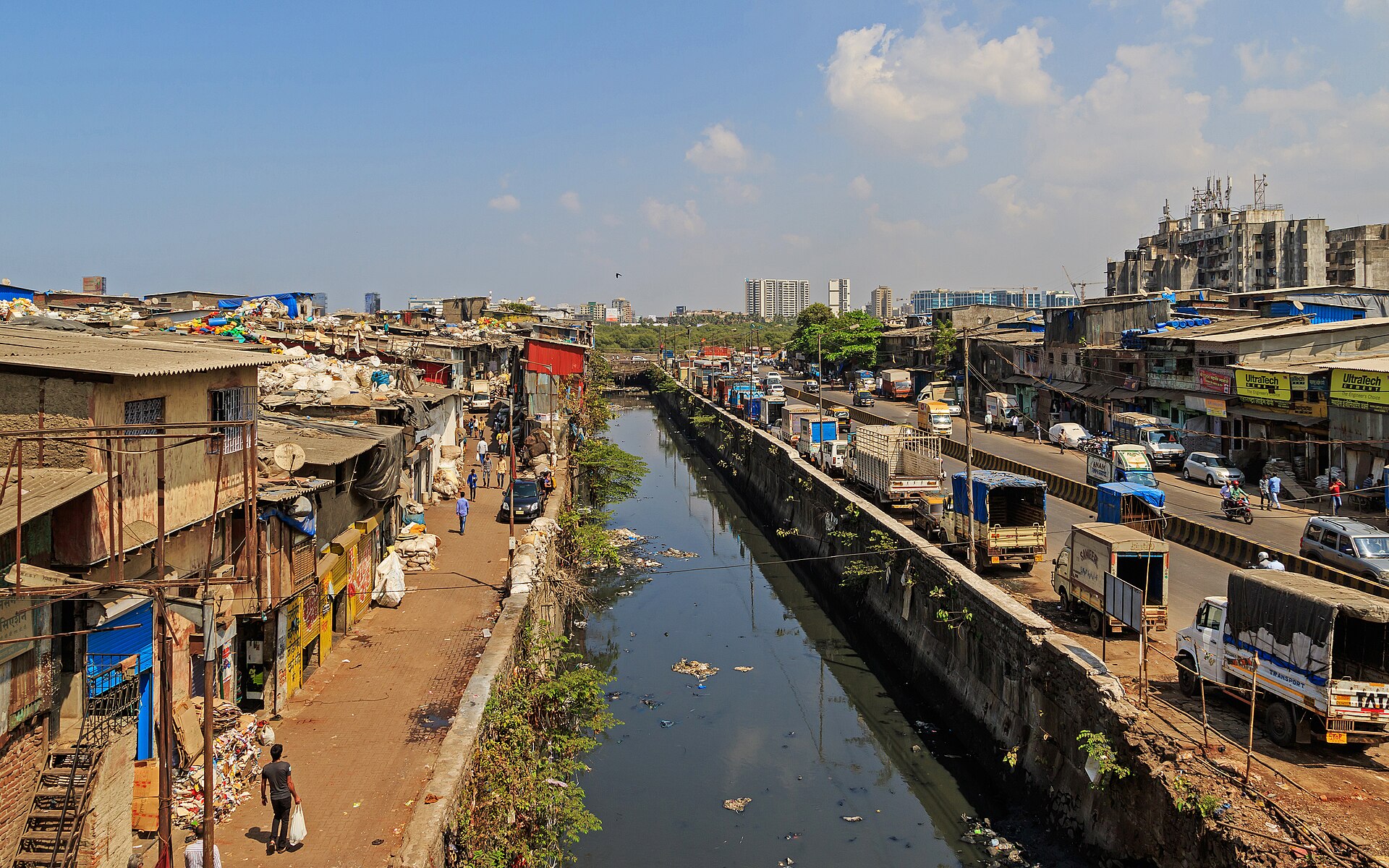
Dharavi
Dharavi, Mumbai, 400017, India
Dharavi is one of the largest slums in Asia — a 2.1-square-kilometre neighbourhood of over 600,000 people between Mumbai's two railway lines that is simultaneously a symbol of urban poverty and a $1 billion annual economy of recycling, pottery, leather work, garment production, and the small-scale manufacturing that makes Dharavi one of the most productive informal economies in the world. Guided tours (run by companies like Reality Tours, which returns 80% of profits to community development) provide a respectful introduction to a neighbourhood that defies the misery narrative — Dharavi is poor but industrious, crowded but community-oriented, and the entrepreneurial energy visible in every workshop and home-based business challenges assumptions about what poverty looks like. Photography restrictions protect residents' privacy.
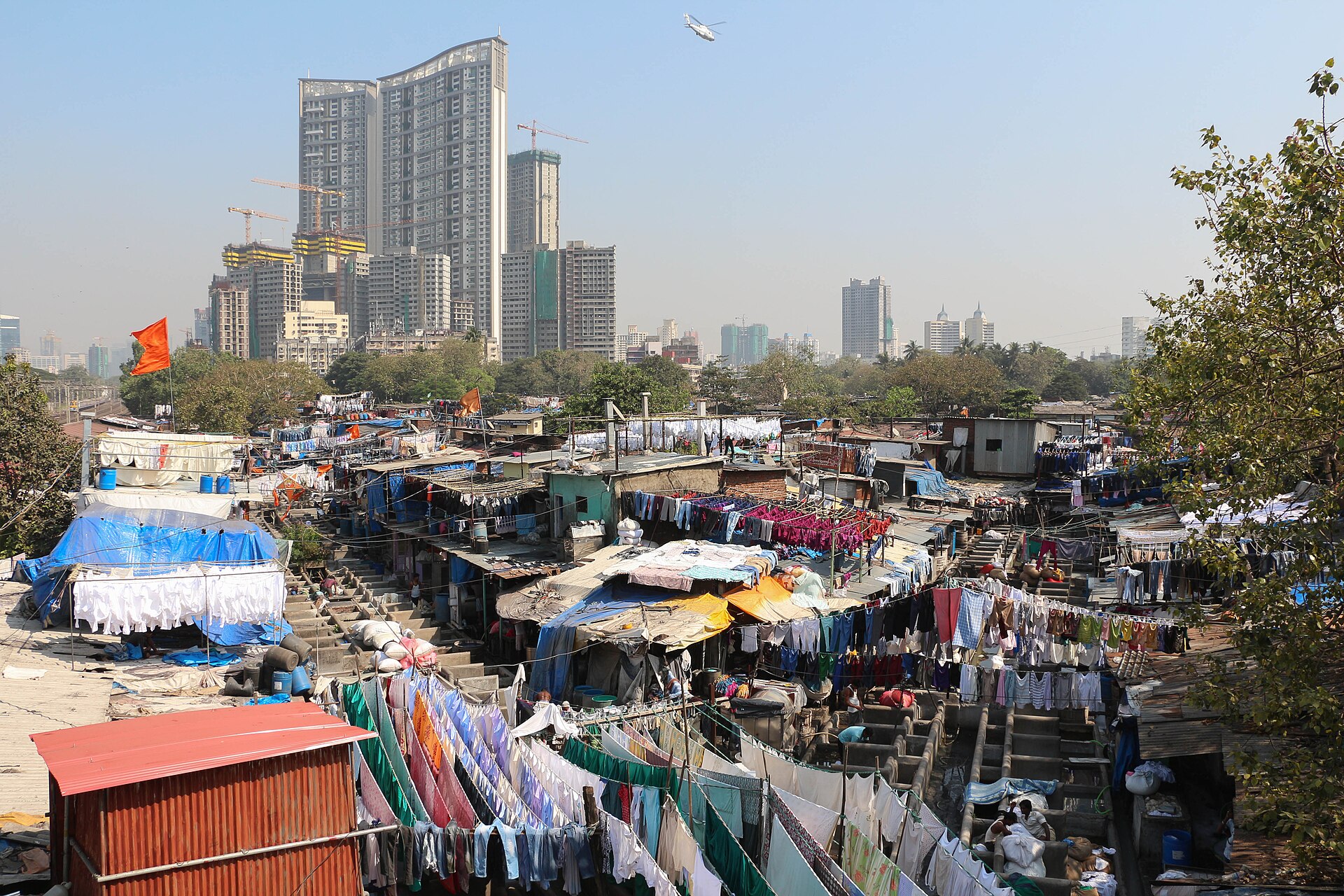
Dhobi Ghat
Mahalaxmi, Mumbai, 400018, India
Dhobi Ghat is the world's largest open-air laundry — a 140-year-old complex of concrete wash pens where over 7,000 dhobis (washermen and washerwomen) hand-wash clothes and linens from Mumbai's hotels, hospitals, and households using methods that have been used since the facility was built during the British Raj. The ghat processes an estimated 500,000 garments daily. The best view is from the Mahalaxmi Road bridge above, where the rows of wash pens — each dhobi working in a concrete bay, beating clothes against stone — create a pattern of labour, water, and colour that is simultaneously photogenic and sobering. The dhobi community has lived and worked here for generations, and the facility's survival in a city where land is worth thousands of dollars per square metre is a testament to the political power of a community that Mumbai literally cannot function without.
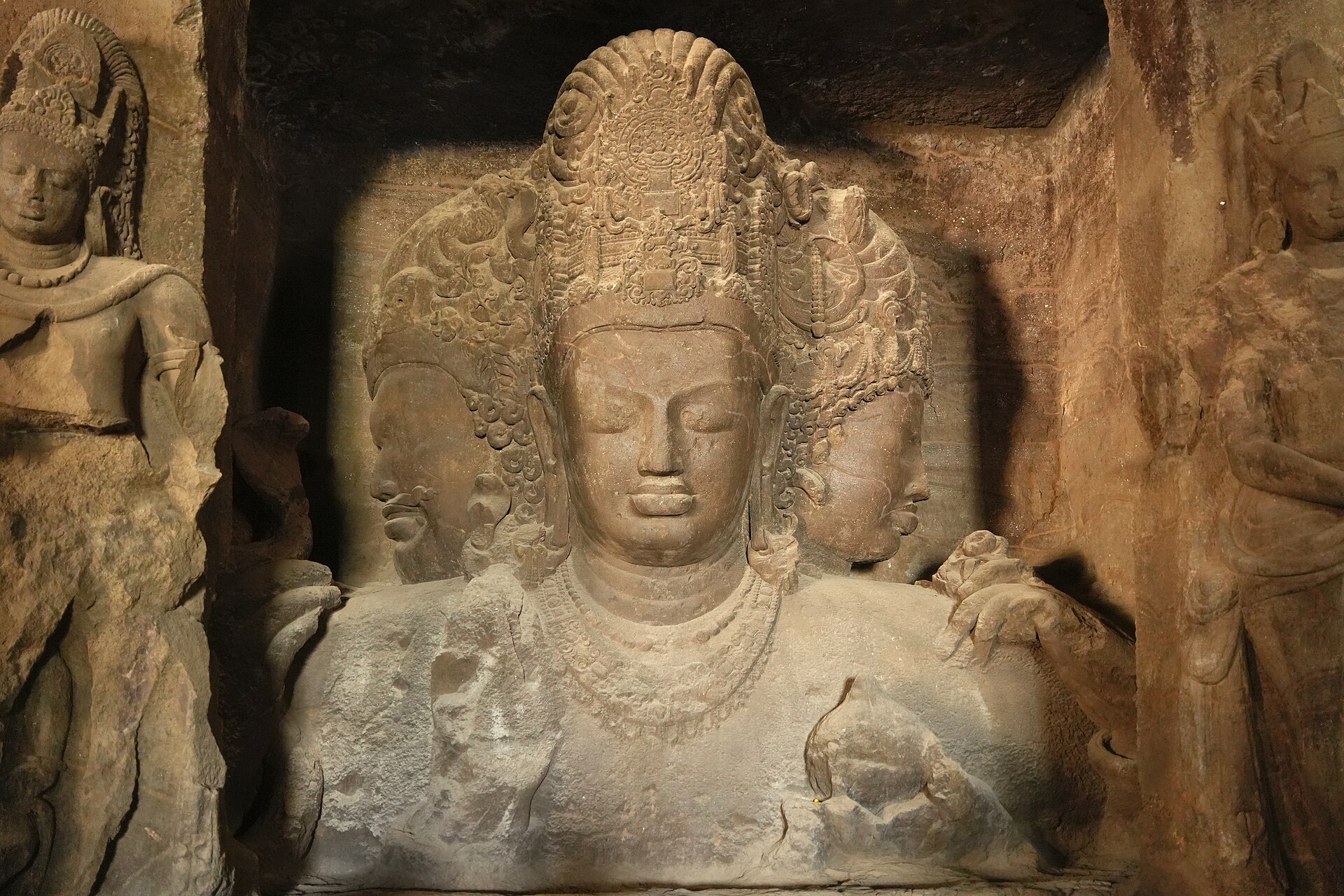
Elephanta Caves
Uran, Elephanta Caves, 400021, India
The Elephanta Caves are a UNESCO World Heritage Site — a group of 5th to 8th-century rock-cut Hindu temples on an island in Mumbai Harbour whose central Trimurti sculpture (a three-faced representation of Shiva as creator, preserver, and destroyer, carved from a single rock and standing 6 metres tall) is one of the masterpieces of Indian sculpture. The caves are reached by a one-hour ferry from the Gateway of India. The main cave (Cave 1) is a vast columned hall carved entirely from basalt rock, with sculptural panels depicting Shiva in various forms — as Nataraja (Lord of the Dance), as Ardhanarishvara (half-male, half-female), and the famous Trimurti whose three faces express serenity, compassion, and controlled fury simultaneously.
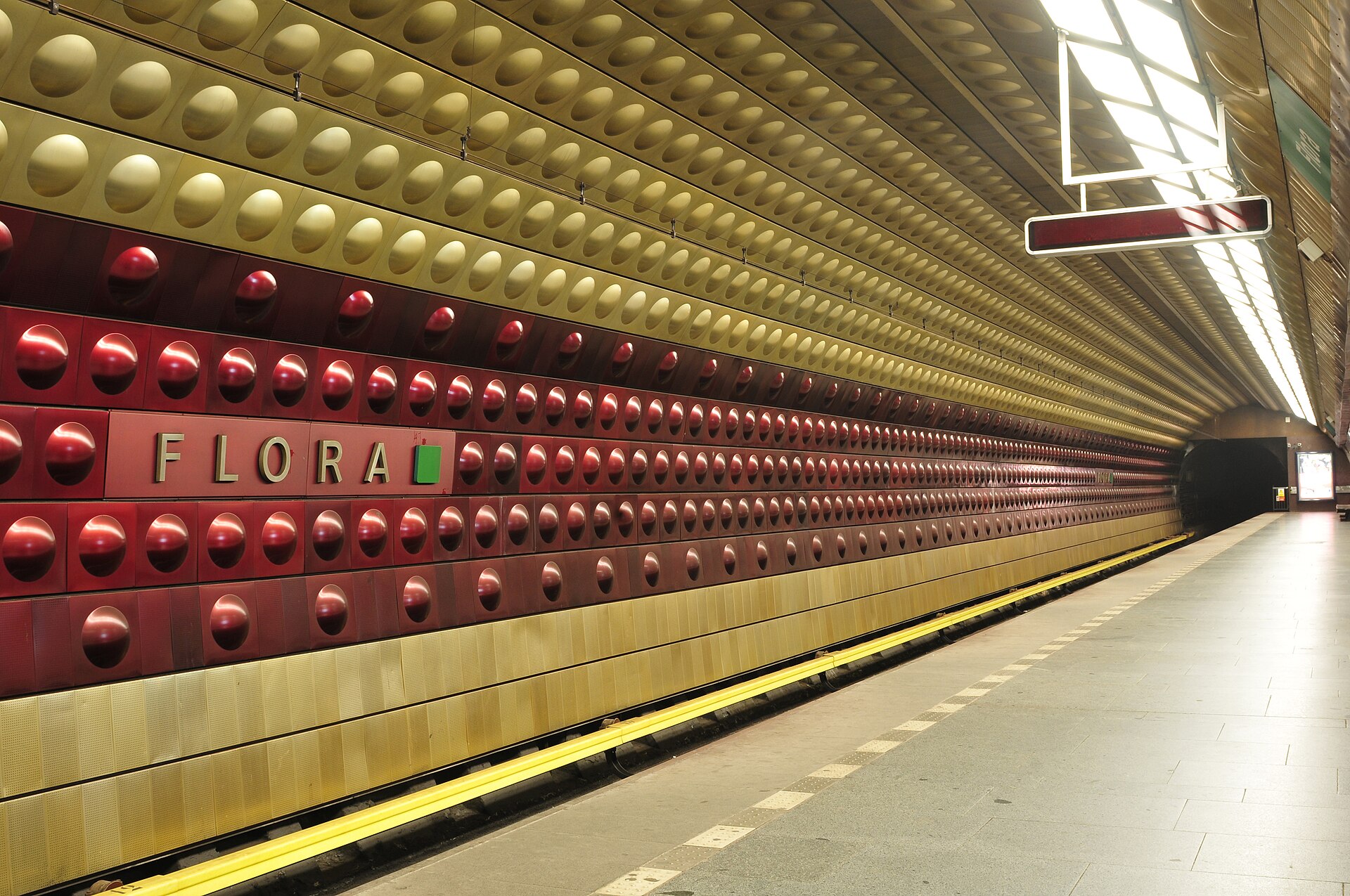
Flora Fountain (Hutatma Chowk)
Veer Nariman Road, Fort, Mumbai
Flora Fountain is a Victorian-era stone fountain at the heart of the Fort business district, erected in 1864 at the junction of five streets where the old Bombay Fort's Churchgate once stood (demolished in 1860 when the city expanded beyond its walls). The fountain, carved by James Forsythe from Portland stone and depicting the Roman goddess Flora, was dedicated to Sir Bartle Frere, the governor whose urban planning created modern Bombay. The square around the fountain was renamed Hutatma Chowk (Martyrs' Square) in 1960 to commemorate the 105 protesters killed during the Samyukta Maharashtra movement that demanded a separate Marathi-speaking state. The combination of the imperial fountain and the martyrs' memorial — both on the same plaza — captures the layered history of a city that has kept the colonial monuments while reinterpreting their meaning.
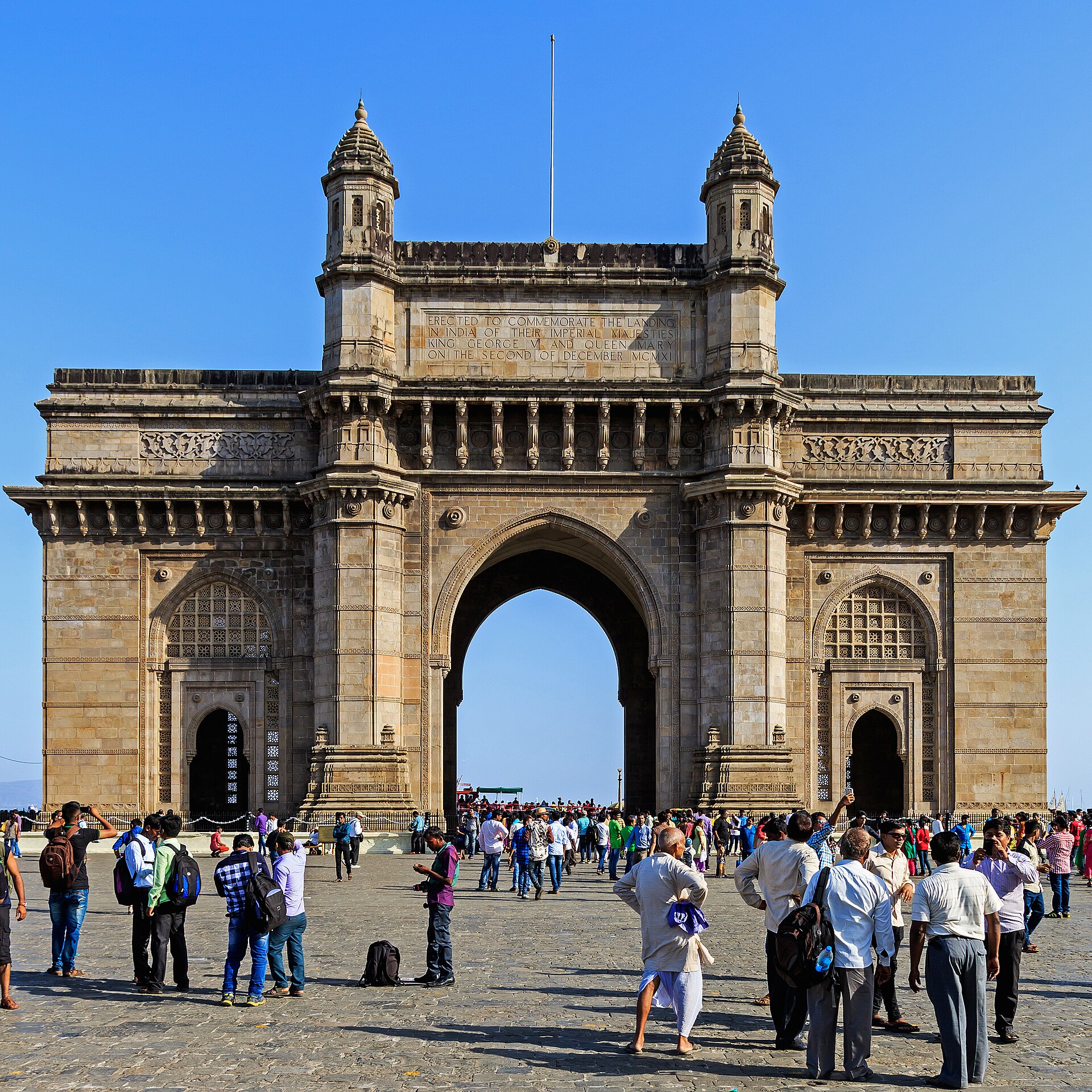
Gateway of India
Haji Niyaz Ahmed Azmi Marg, Colaba, Mumbai, 400001, India
The Gateway of India is Mumbai's defining landmark — a 26-metre basalt arch on the waterfront built to commemorate King George V's visit to India in 1911 and completed in 1924, just 23 years before the last British troops marched through it in 1948 as India gained independence. The arch, designed by George Wittet in the Indo-Saracenic style (blending Hindu, Muslim, and European architectural elements), faces the Arabian Sea and is the first thing visible when arriving by boat — the view that every immigrant, trader, and coloniser has seen since Mumbai became a port city. The Gateway faces the Taj Mahal Palace Hotel across a small plaza, and the combination of the arch and the hotel — both monuments to the British Raj, both now symbols of Indian national pride — creates the most photographed pairing in Mumbai. The harbour behind the Gateway is the departure point for ferries to Elephanta Island.
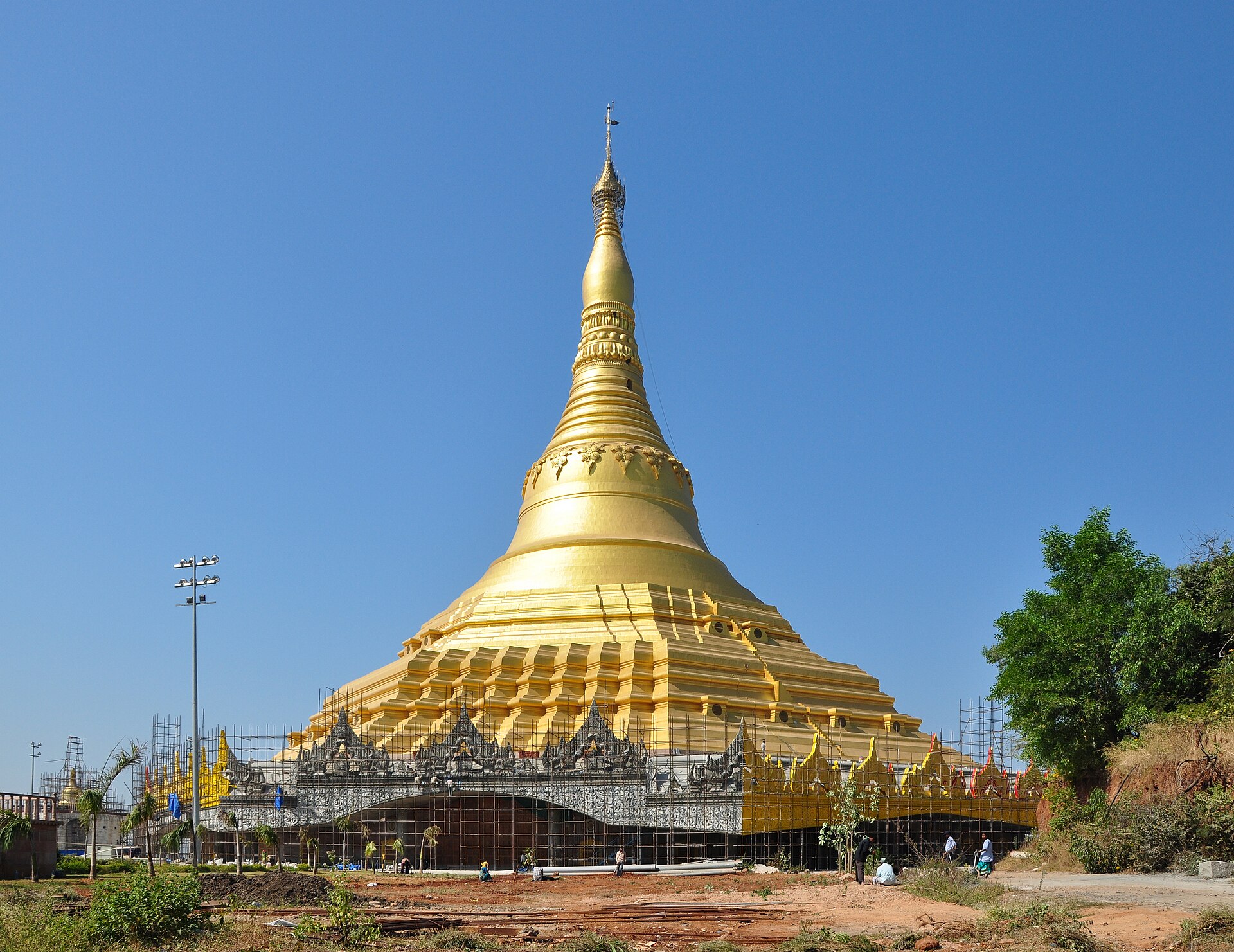
Global Vipassana Pagoda
Gorai Road, Borivali West, Mumbai, 400092, India
The Global Vipassana Pagoda is a massive golden-domed meditation hall on a peninsula north of Mumbai, inaugurated in 2009 as the world's largest stone-dome structure without supporting pillars — a 96-metre diameter hall that can seat 8,000 people in silent Vipassana meditation. The pagoda is inspired by Myanmar's Shwedagon and was built to honour S. N. Goenka, the industrialist-turned-meditation-teacher who popularised Vipassana globally. Reaching the pagoda requires a ferry from Gorai Creek — the journey itself, across a saltwater estuary with mangroves and fishing boats, is one of the most unexpectedly scenic escapes from central Mumbai. The pagoda complex includes an art gallery on the Buddha's life, a meditation centre (which offers free 10-day silent courses), and gardens, with the pagoda's gold exterior visible from kilometres away across the creek.
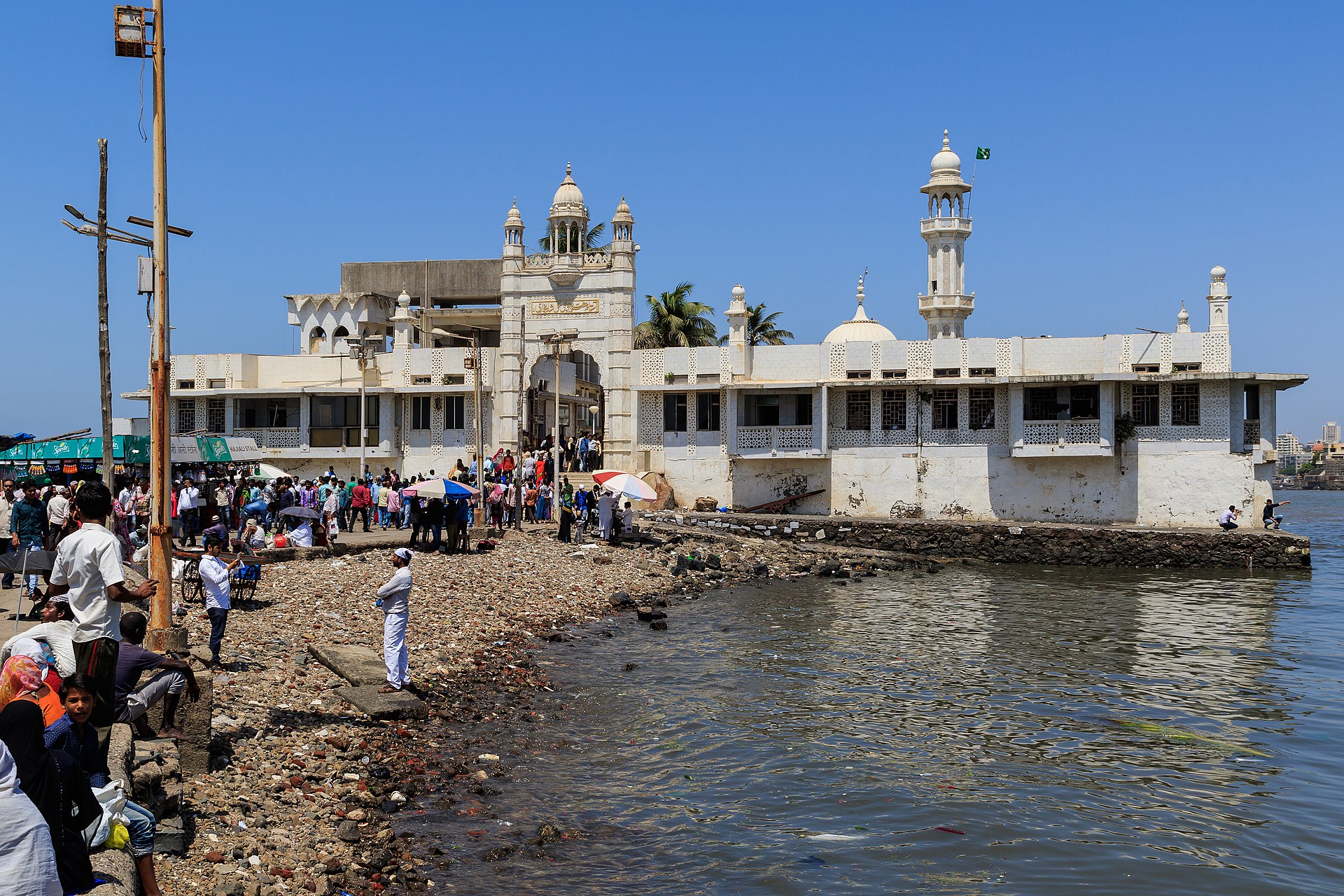
Haji Ali Dargah
Haji Ali, Mumbai
Haji Ali Dargah is a mosque and tomb built on a tiny island in the Arabian Sea, connected to the Mumbai mainland by a 500-metre causeway that is submerged at high tide — creating a building that appears to float on the water. The dargah (shrine) honours the 15th-century Muslim saint Haji Ali Shah Bukhari, and the white marble and mirror-work mosque is one of the most photographed buildings in Mumbai. The walk along the causeway — with the sea on both sides, the shrine ahead, and the Mumbai skyline behind — is one of the most atmospheric approaches to any religious site in India. At high tide the causeway disappears, and the shrine becomes an island, which adds a tidal dimension to the visiting experience.
Hanging Gardens of Malabar Hill
Simla Nagar, Mumbai, 400006, India
The Hanging Gardens (Pherozeshah Mehta Gardens) are terraced gardens on the western slope of Malabar Hill that sit atop the reservoir supplying much of South Mumbai with drinking water — an arrangement that allegedly dates to the 1880s when the reservoir was covered and planted to prevent the Parsi Towers of Silence nearby from contaminating the water with vultures dropping bits of bone. The gardens were laid out in 1881 and renovated in 1921, and the topiary animals, formal hedges, and terraced lawns provide one of the few green spaces in South Mumbai. Across the road is the Kamala Nehru Park with its famous 'Old Woman's Shoe' structure — a nursery-rhyme-inspired children's play structure that has been a Mumbai family fixture for generations. The combined parks offer sweeping sunset views over Marine Drive and Back Bay.
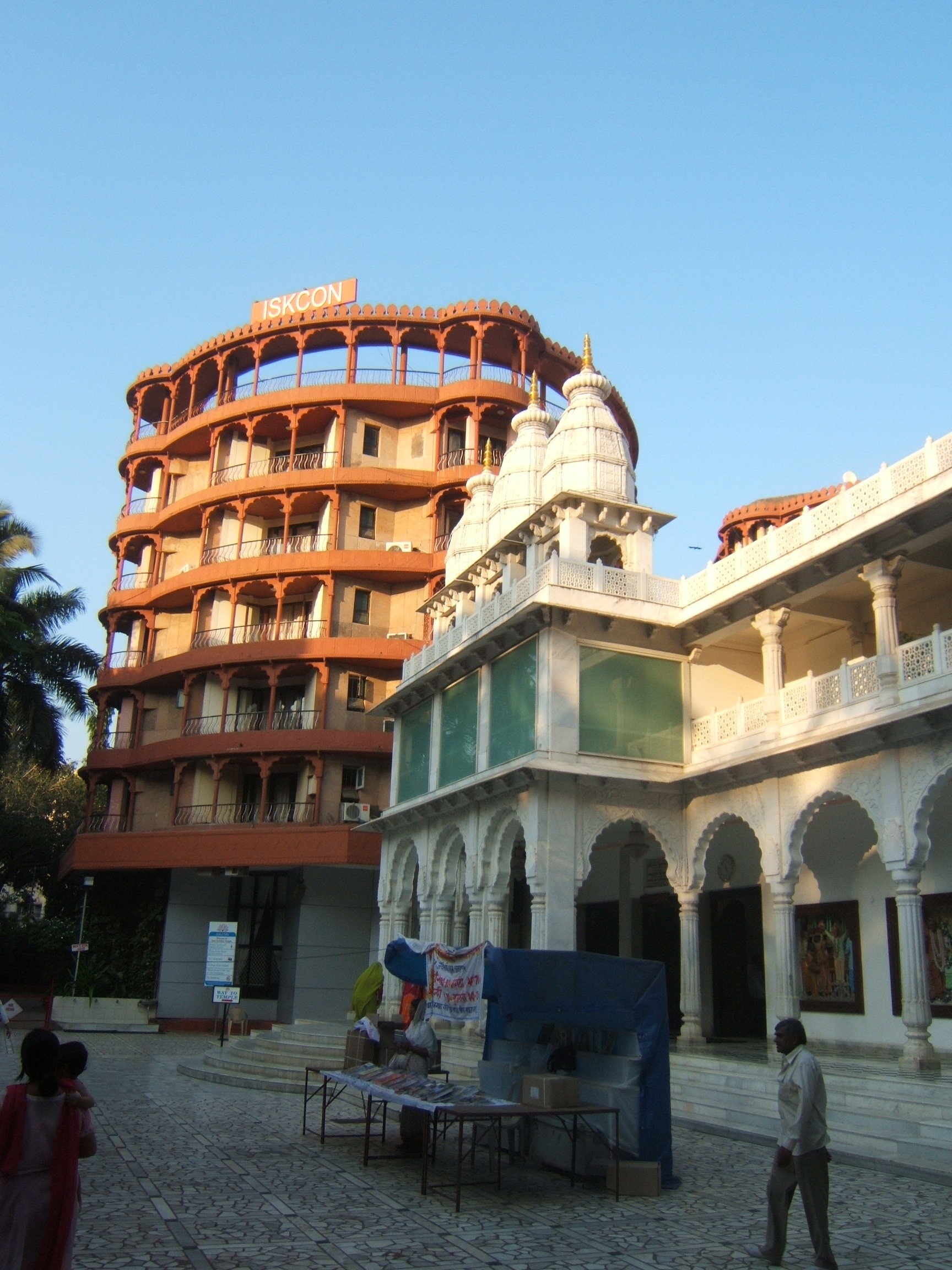
ISKCON Juhu Temple
Juhu, Mumbai, 400049, India
The ISKCON Juhu Temple (formally Sri Sri Radha Rasabihari Temple) is the largest Hare Krishna temple in Asia — a marble and gold complex inaugurated in 1978 under the guidance of ISKCON founder Srila Prabhupada, with a towering shikhara (spire) visible across Juhu and an interior decorated with mirror-work, murals from the life of Krishna, and the three altar deities (Radha-Rasabihari, Sita-Rama-Laxman-Hanuman, and Gaura-Nitai) who are the focus of daily worship. The temple hosts aartis (worship ceremonies) throughout the day accompanied by kirtan (devotional chanting) that draws both Hare Krishna devotees and curious visitors. The Govinda's vegetarian restaurant on the premises serves one of Mumbai's best pure-vegetarian thalis, and the gardens, bookshop, and guest house make ISKCON Juhu a self-contained spiritual campus in the middle of one of Mumbai's most secular suburbs.
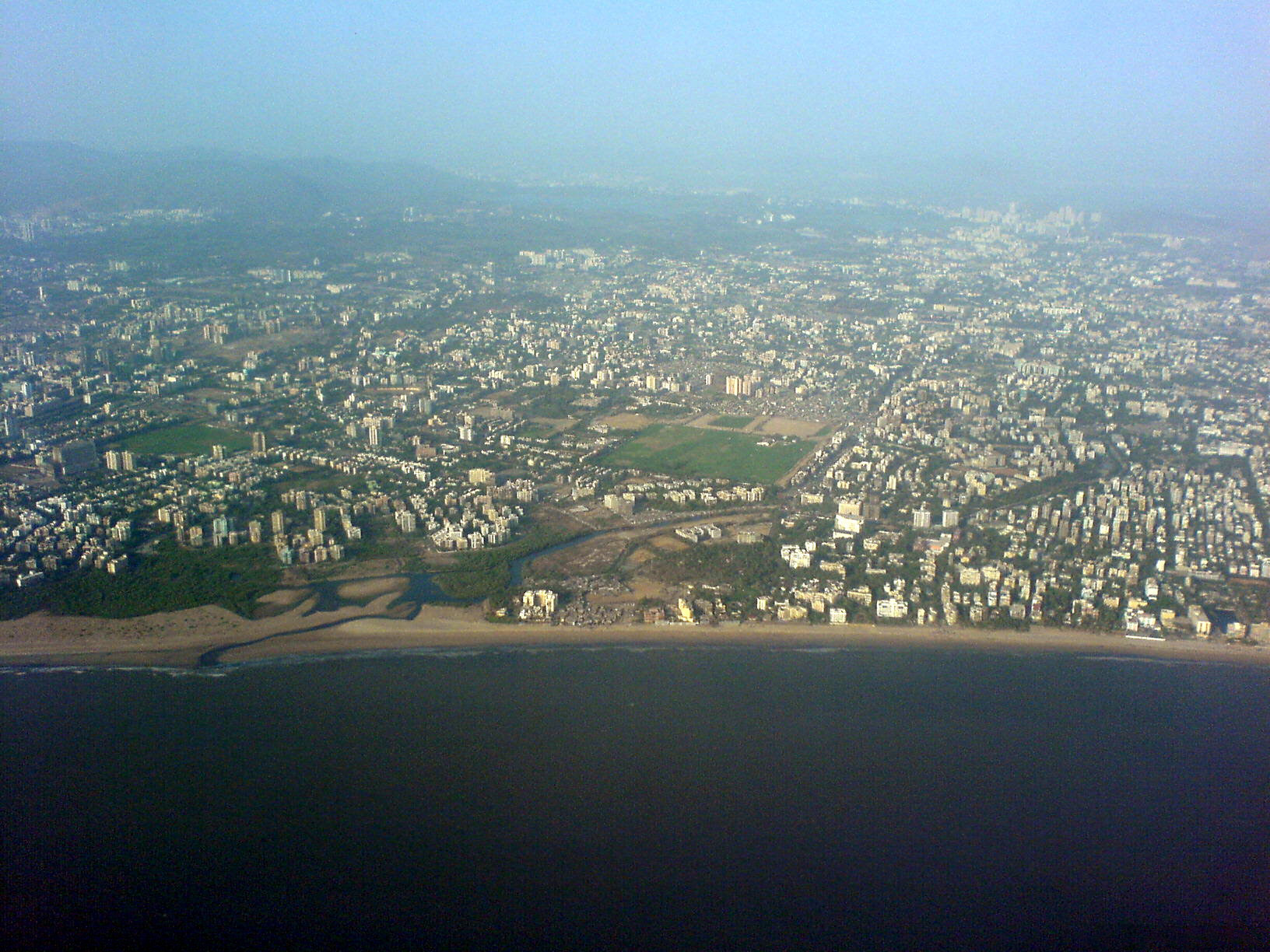
Juhu Beach
Juhu, Mumbai, 400049, India
Juhu Beach is Mumbai's most famous beach — a 6-kilometre stretch of sand in the northern suburbs that is simultaneously a social gathering place, a street food paradise, and the backyard of Bollywood, with the beachfront homes of Amitabh Bachchan (Jalsa) and other film stars lining the southern end. The beach is crowded every evening with families, horse-drawn carriages, acrobats, and food vendors serving the pav bhaji, bhel puri, and fresh coconuts that define a Mumbai beach evening. Like Chowpatty, Juhu is not a swimming beach (pollution levels are high), but it is one of the great democratic spaces in Mumbai — a place where film stars and slum residents share the same sand, and where the sunset over the Arabian Sea is free and spectacular. The Sunday evening crowds are the largest, when the beach takes on the character of a festival ground.
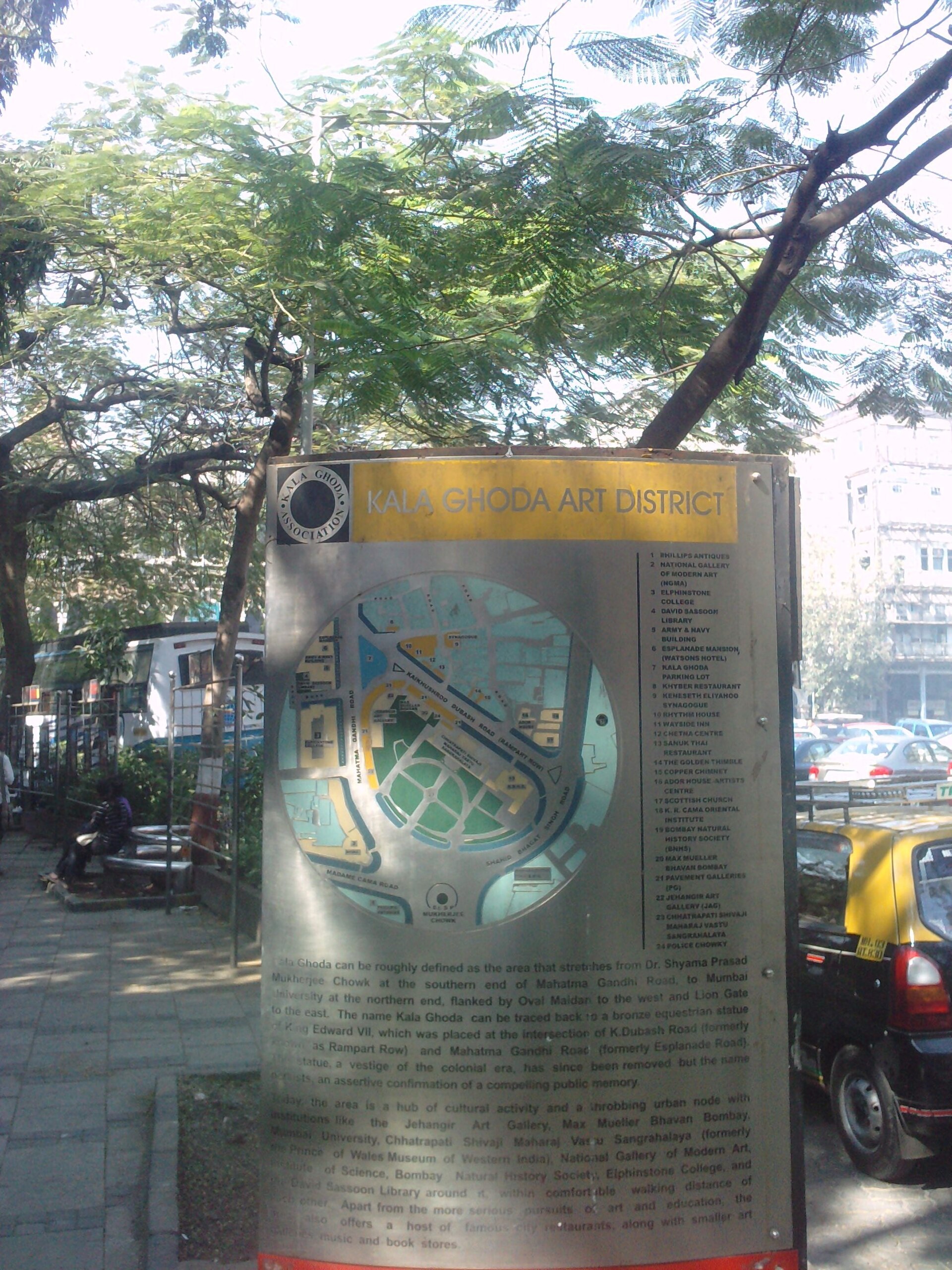
Kala Ghoda Art District
Nariman Point, Mumbai, 400021, India
Kala Ghoda is Mumbai's art district — a neighbourhood of Victorian and Art Deco buildings in the Fort area that houses the Chhatrapati Shivaji Maharaj Vastu Sangrahalaya (formerly the Prince of Wales Museum, Mumbai's most important museum), the Jehangir Art Gallery, the National Gallery of Modern Art, and the independent galleries and design studios that make this the cultural centre of the city. The annual Kala Ghoda Arts Festival (usually February) transforms the streets into an open-air gallery, performance space, and food festival that draws over a million visitors and is the most important cultural event in Mumbai. The museum's collection spans pre-historic artifacts, Mughal miniatures, European art, and the natural history specimens that make it India's most encyclopaedic museum.
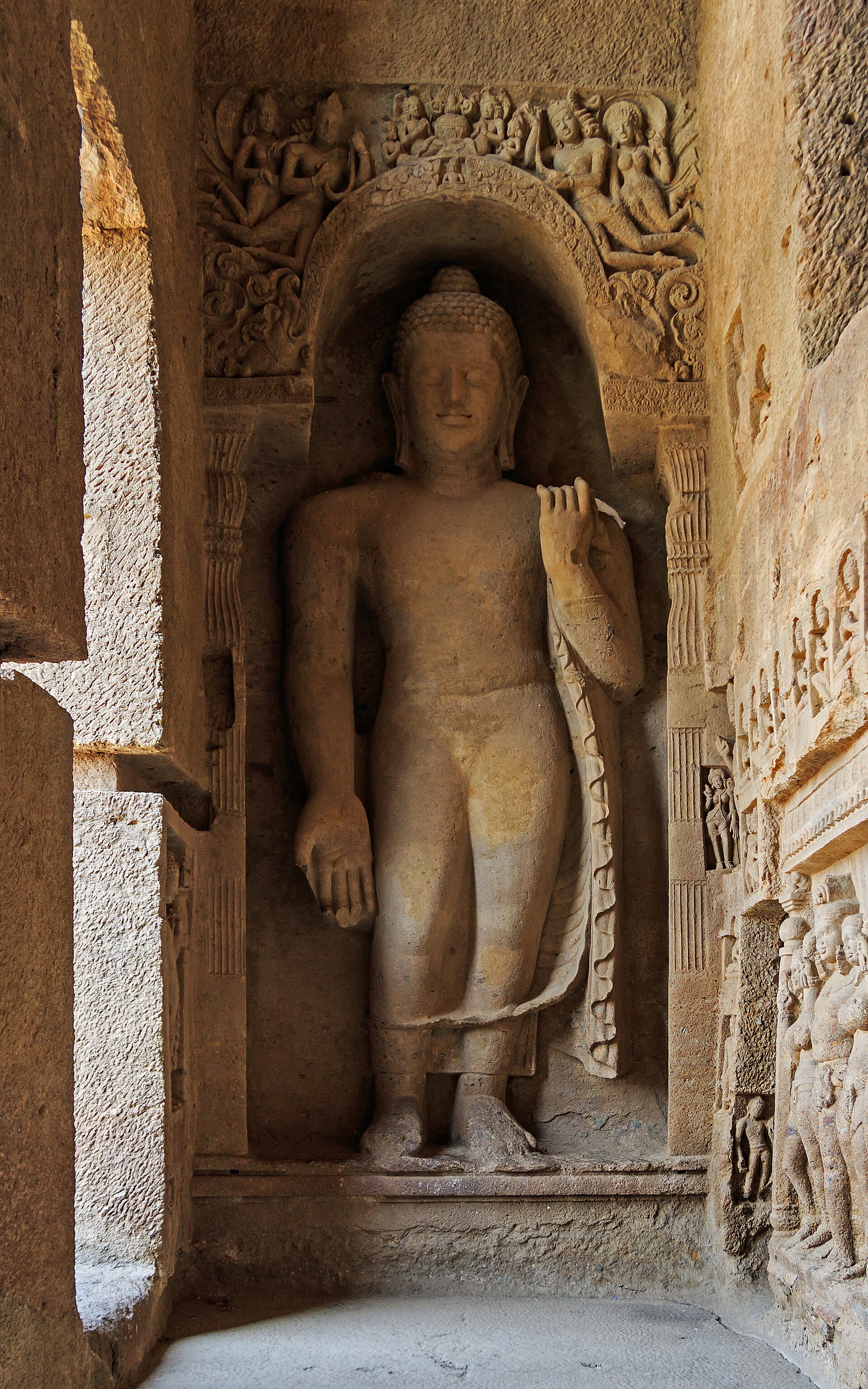
Kanheri Caves
Mumbai Suburban, Mumbai, 400066, India
The Kanheri Caves are a complex of 109 rock-cut Buddhist caves carved into a basalt hillside in Sanjay Gandhi National Park between the 1st century BC and 10th century AD — making them one of the longest continuously inhabited monastic sites in India. The caves include viharas (monasteries), chaityas (prayer halls with stupas), and an elaborate water management system of cisterns and channels carved into the rock that supplied the community of hundreds of monks who lived here when Mumbai was still a remote trading post. The main chaitya (Cave 3) has a vaulted ceiling, carved columns, and a 5-metre-tall stupa that creates a space of extraordinary acoustic and spiritual power. The caves sit within Sanjay Gandhi National Park — a 104-square-kilometre forest inside Mumbai's city limits that also contains a lion and tiger safari, and where leopards from the park occasionally wander into the surrounding suburbs.
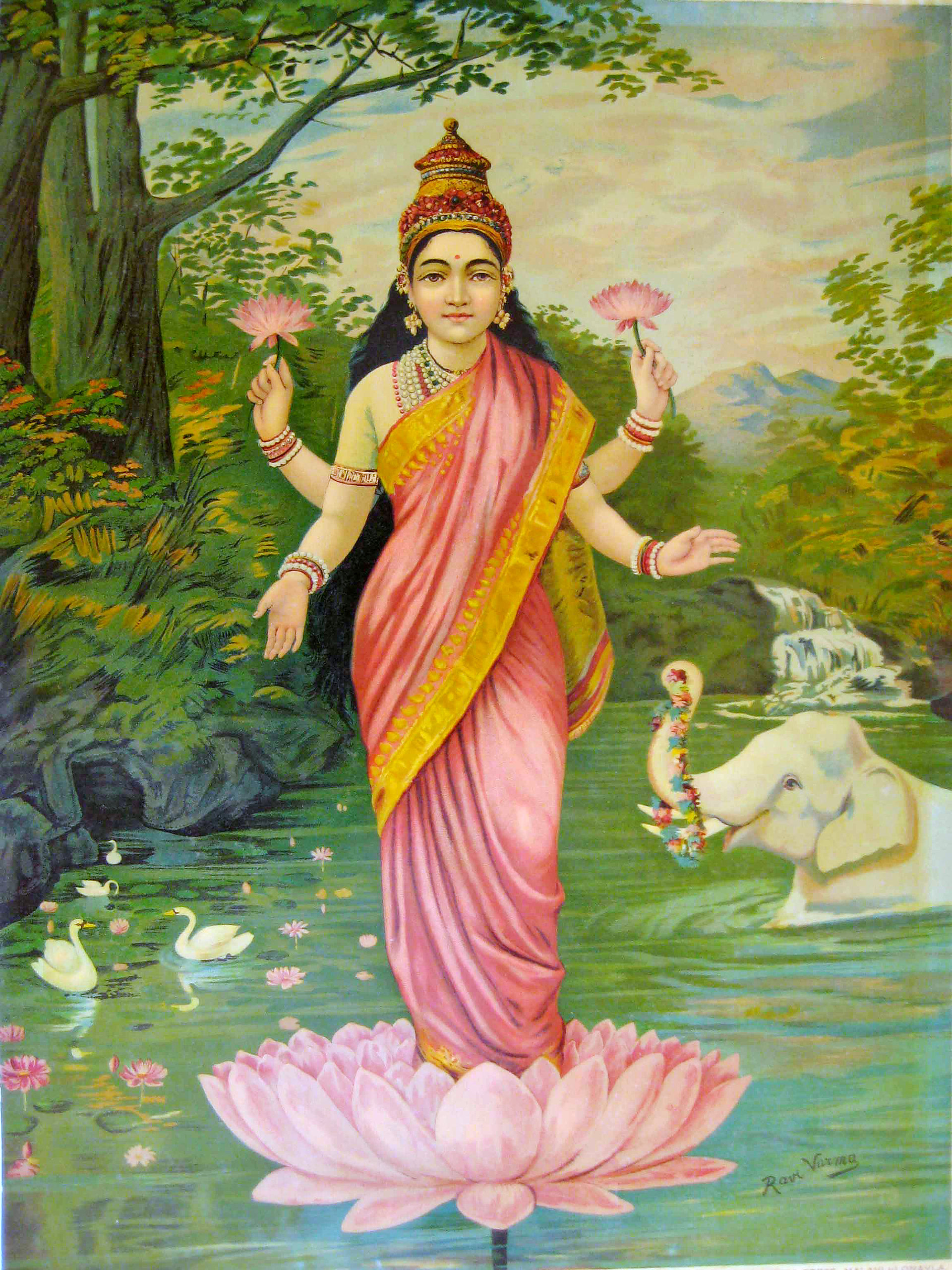
Mahalaxmi Temple
Mahalaxmi Temple Lane, Cumballa Hill, Mumbai, 400026, India
The Mahalaxmi Temple is one of Mumbai's oldest Hindu temples — built in 1831 on a headland overlooking the Arabian Sea, it is dedicated to the three goddesses Mahalaxmi (wealth), Mahakali (power), and Mahasaraswati (knowledge), whose idols were allegedly recovered from the sea by a devotee following a dream. The temple's seaside location makes it one of the most atmospheric in the city, with the sea-spray-washed courtyard and the coconut-and-flower offerings drifting off into the waves after worship creating a sensory experience that most inland temples cannot match. The temple is particularly busy during Navratri (usually October) when devotees queue for hours to make offerings of coconuts, flowers, and gold-dipped bangles. The surrounding neighbourhood of Mahalaxmi is also home to the Mahalaxmi Racecourse and the Dhobi Ghat, creating a concentrated cultural cluster of temple, turf, and laundry that captures the layered life of Mumbai.
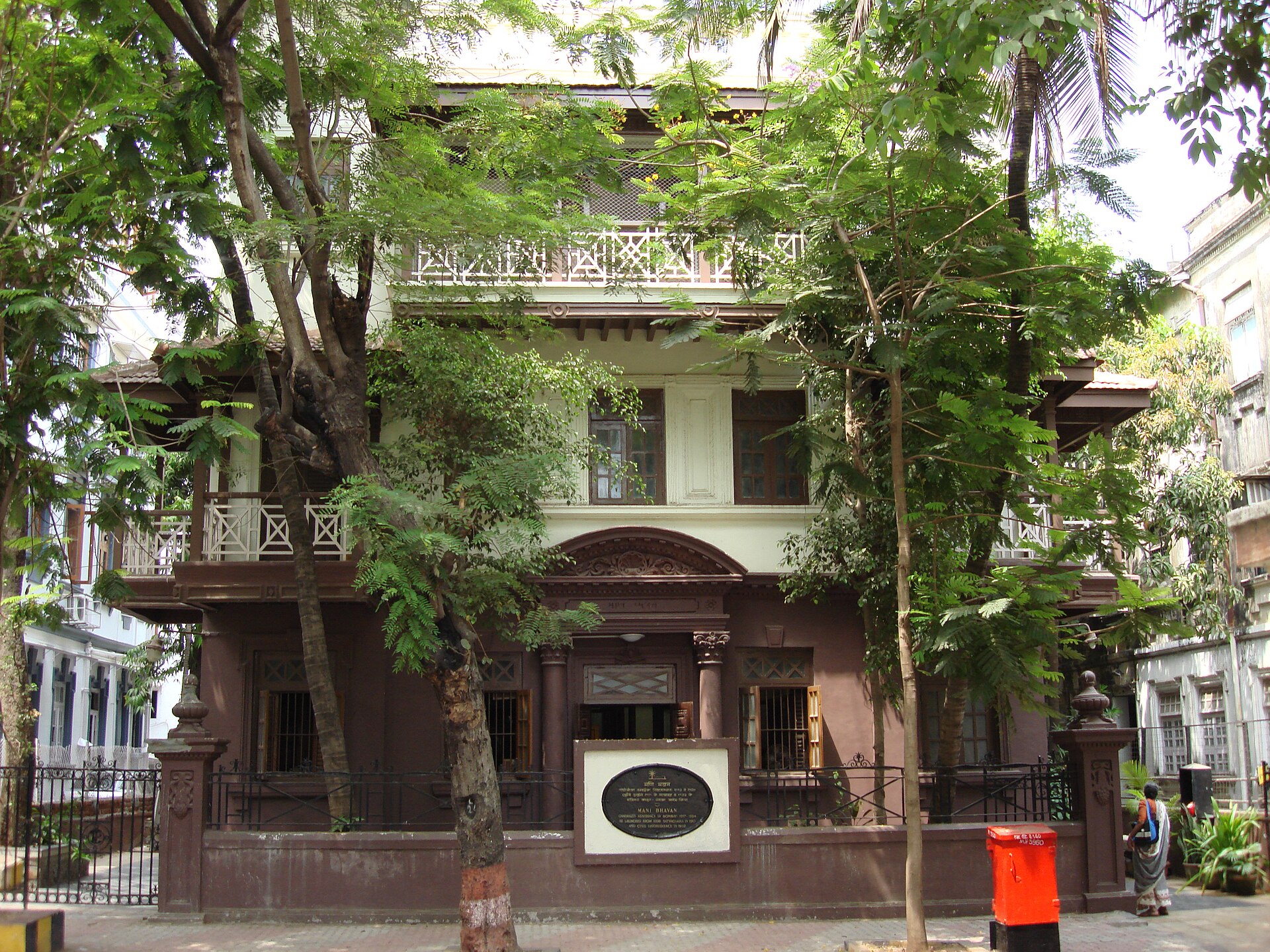
Mani Bhavan Gandhi Museum
Laburnum Road, Gamdevi, Mumbai, 400007, India
Mani Bhavan is the two-storey house where Mahatma Gandhi stayed during his visits to Bombay between 1917 and 1934 — the base from which he launched the Non-Cooperation Movement (1920), the Civil Disobedience Movement (1932), and where he first experimented with the charkha (spinning wheel) that became the symbol of Indian self-reliance. The house, now a museum, preserves Gandhi's room (with his spinning wheel and low writing desk), a library of Gandhi's writings, and a photographic exhibition of his life. The museum is in the quiet residential neighbourhood of Gamdevi near Malabar Hill — the opposite of the crowded colonial Fort district — and the contemplative atmosphere suits a site dedicated to a man who opposed urbanisation, industrialisation, and the imperial edifice whose fall he led. The street outside, Laburnum Road, retains some of the 1920s character that Gandhi would have known.
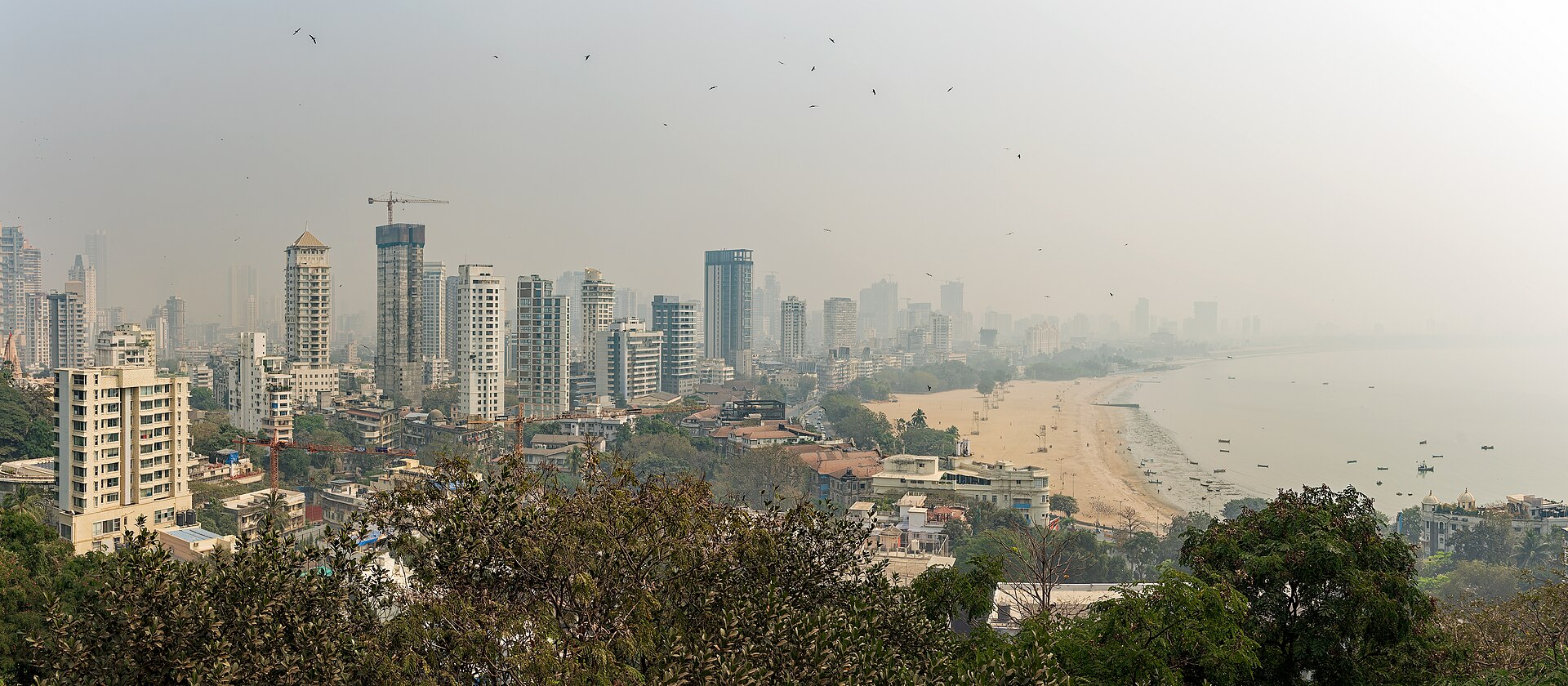
Marine Drive & Chowpatty Beach
Marine Drive, Nariman Point, Mumbai, 400021, India
Marine Drive is Mumbai's 3.6-kilometre Art Deco waterfront promenade — a sweeping arc of 1930s apartment buildings along Back Bay that locals call the 'Queen's Necklace' for the string of streetlights that curves along the shore at night. The promenade is Mumbai's evening ritual — thousands of people walking, sitting on the sea wall, eating bhel puri from beach vendors, and watching the sunset over the Arabian Sea in the kind of democratic public gathering that makes Mumbai feel alive in a way that few other megacities can match. Chowpatty Beach at the northern end of Marine Drive is not a swimming beach (the water is polluted) but a social beach — the sand fills with families, food vendors, and the beach culture that treats the shoreline as an extension of the living room. The bhel puri (puffed rice, vegetables, and tamarind chutney) and pav bhaji (spiced vegetable curry with buttered bread) served from Chowpatty's stalls are Mumbai's most beloved street foods.
Mount Mary Basilica
Mount Mary Road, Bandra West, Mumbai, 400050, India
Mount Mary Basilica is a Roman Catholic church on a hill in Bandra that is one of Mumbai's most visited religious sites, drawing Hindus, Muslims, and Christians who come to pray to the statue of Our Lady of the Mount — a 16th-century Portuguese-era Madonna believed to answer prayers. The current Neo-Gothic building dates to 1904, but the site has been a pilgrimage destination since the 17th century. The annual Bandra Fair (Bandra Feast) held the week after 8 September fills the streets around the basilica with over a million pilgrims and the stalls selling wax figures, candles, and the traditional Bandra Fair sweets (hand-churned butter, sugar candy figures) that are unique to this festival. The view from the basilica steps across Bandra and the Bandra-Worli Sea Link is one of the best in the northern suburbs.
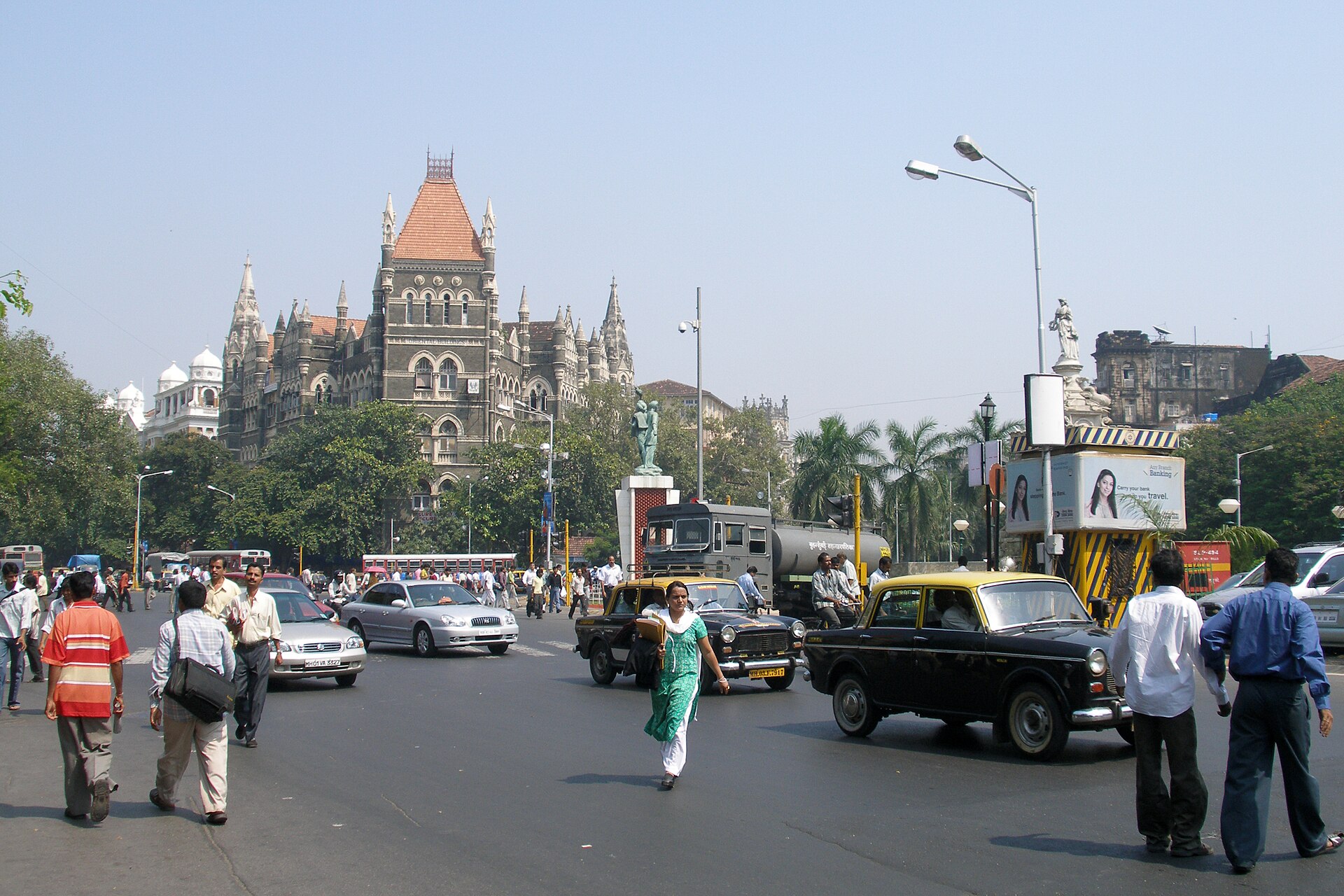
Mumbai Art Deco Heritage
Marine Drive, Mumbai, 400002, India
Mumbai has the second-largest concentration of Art Deco buildings in the world (after Miami Beach) — over 200 buildings in the Fort and Marine Drive areas that were built between 1930 and 1950, when Bombay (as it was then) was one of the wealthiest cities in the British Empire and its architects embraced the Deco style with an enthusiasm that produced some of the finest examples of tropical Art Deco anywhere. The Art Deco buildings along Marine Drive (the Soona Mahal, the Eros Cinema, the apartment blocks whose curved facades create the 'Queen's Necklace' profile) and in the Fort area (the Regal Cinema, the New India Assurance Building) represent an adaptation of European and American Deco to the tropical climate — the buildings use horizontal bands to create shade, curved balconies to catch the sea breeze, and the decorative motifs (sunbursts, geometric patterns, stylised flowers) that distinguish Deco from the Victorian Gothic that dominates the rest of the Fort district. The Art Deco Mumbai trust offers guided walking tours that explain the architectural and social history of the buildings, many of which are residential and still inhabited by the families who moved in when they were built.

Mumbai Street Food Trail
Colaba Cross Road, Colaba, Mumbai, 400005, India
Mumbai's street food is the most diverse, affordable, and flavourful in India — a culinary ecosystem of vendors, stalls, and tiny restaurants serving the foods that feed 20 million people daily and that represent every regional Indian cuisine adapted for the pace of a city that never stops moving. The essential dishes include vada pav (a spiced potato fritter in a bun — Mumbai's burger), pav bhaji (mashed vegetable curry with buttered bread), bhel puri (puffed rice with chutneys), dabeli (a Gujarati spiced potato sandwich), and the dosas and idlis that South Indian migrants brought to Mumbai and that are now ubiquitous. The most concentrated street food areas include Mohammed Ali Road (the Muslim quarter's late-night food scene, spectacular during Ramadan), Khau Galli near CST (an alley of food stalls serving office workers), and the Colaba Causeway vendors. Leopold Café (a Colaba institution since 1871, mentioned in 'Shantaram') and Bademiya (a late-night kebab institution behind the Taj Hotel) are the most famous individual establishments.
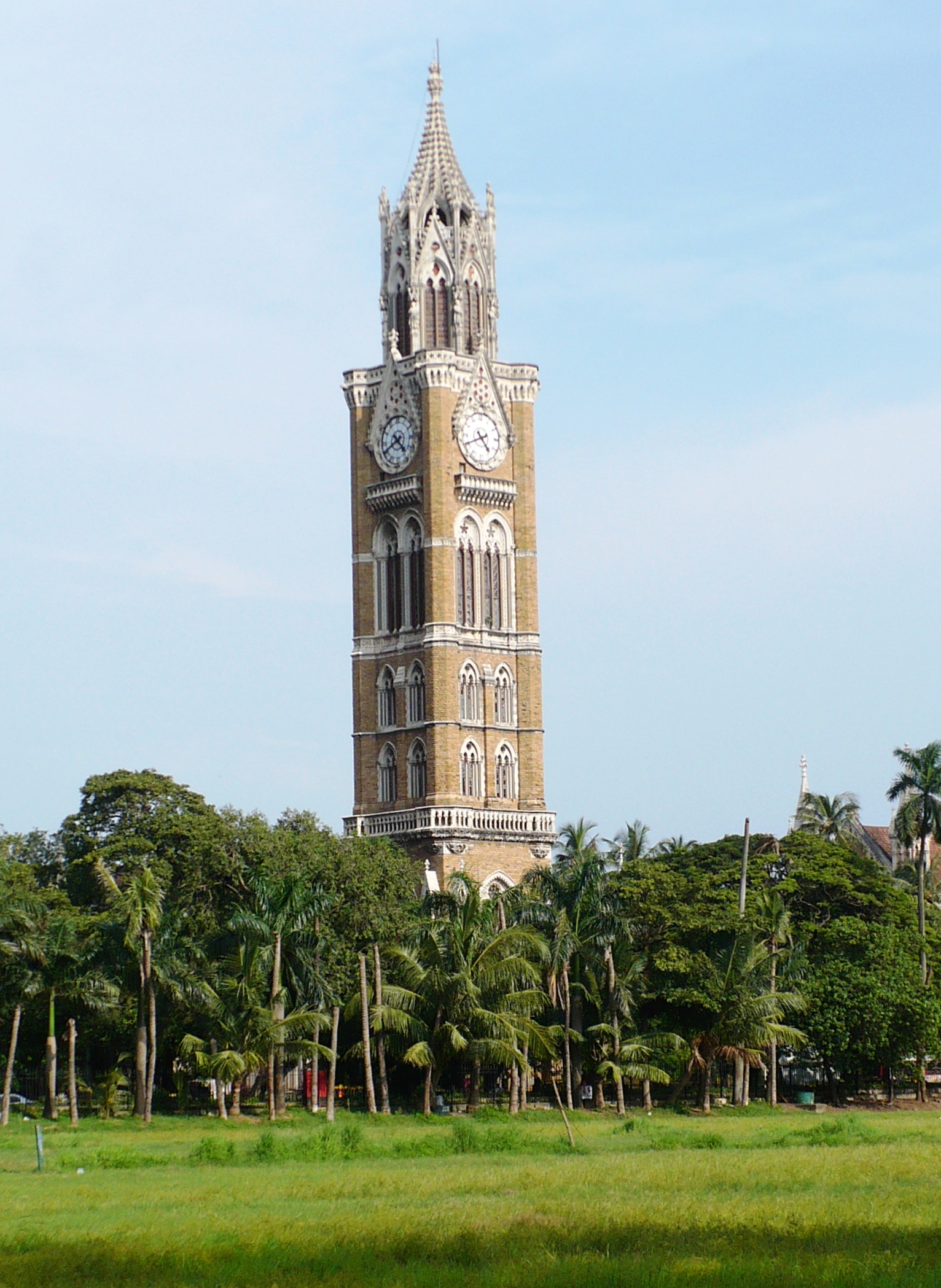
Rajabai Clock Tower
Mumbai, India
The Rajabai Clock Tower is a 85-metre Venetian-Gothic clock tower at the University of Mumbai's Fort campus, designed by Sir George Gilbert Scott (the British architect behind the St Pancras Hotel in London) and completed in 1878. The tower, modelled on Big Ben, was funded by stockbroker Premchand Roychand and named after his mother Rajabai, who was blind — the tower's chimes were designed so she could tell the time by ear from the family home on Malabar Hill. The tower forms part of the University Library complex along with Mumbai's University Convocation Hall, and the ensemble — one of the finest Gothic Revival groups in Asia — is a UNESCO World Heritage Site as part of the Victorian and Art Deco Ensembles of Mumbai. The interior is not generally open to the public, but the exterior view from the Oval Maidan is one of the defining images of colonial Bombay.
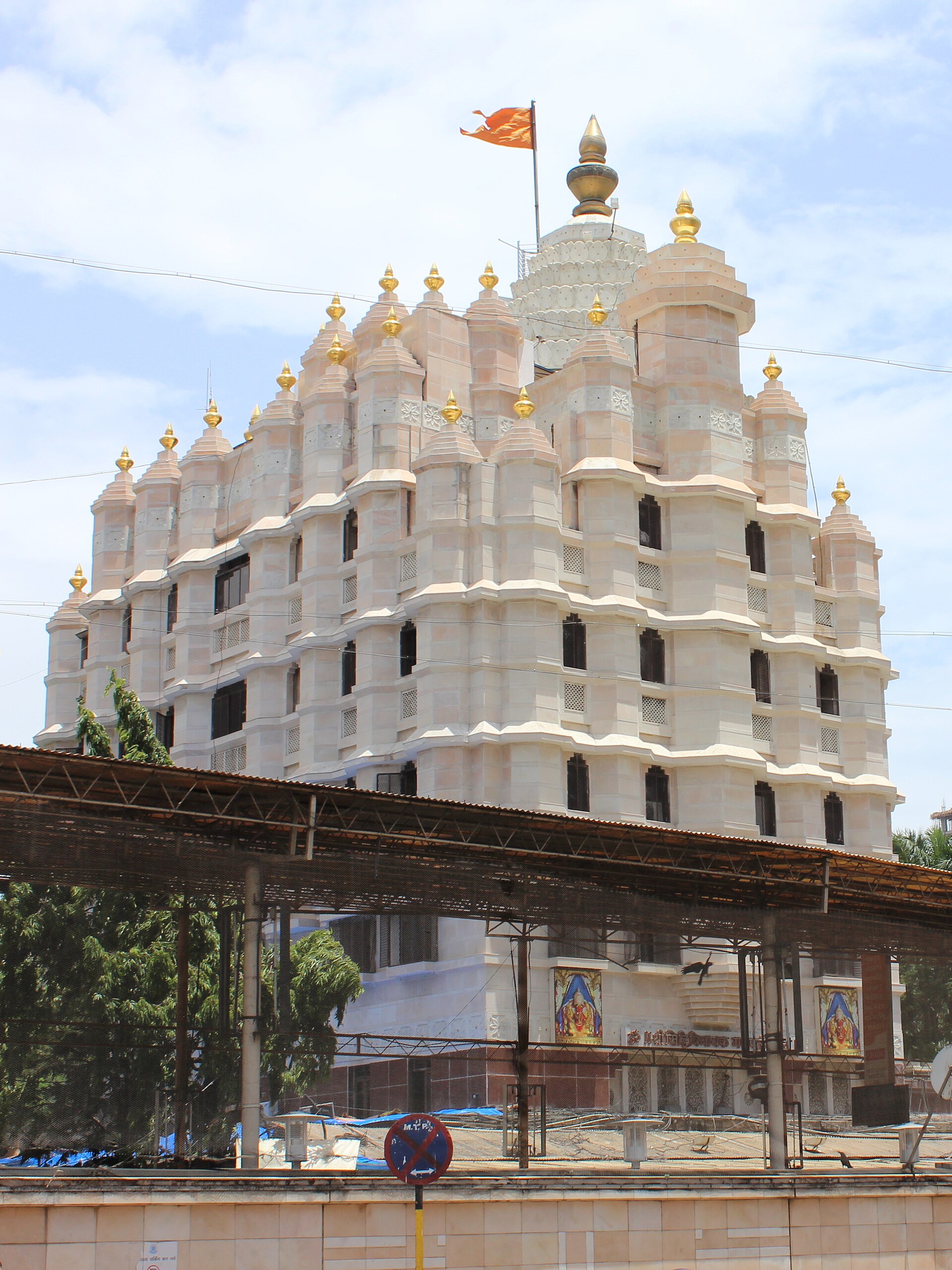
Siddhivinayak Temple
Mumbai, India
Siddhivinayak is Mumbai's most famous Hindu temple — a Ganesh shrine in Prabhadevi founded in 1801 whose tiny black-stone deity (depicted with his trunk tilted to the right, a rare configuration believed to be particularly powerful) draws up to 200,000 devotees daily, making it one of the wealthiest temples in India. Bollywood stars, cricketers, and politicians visit before major undertakings, and the temple's donation box reportedly receives gold, cash, and jewels worth millions of dollars annually. The golden-domed sanctum is small — typical queue times are 1-2 hours, with Tuesdays (Ganesh's day) seeing queues of 4+ hours — but the crowds, devotional singing, and the ritual circumambulation of the shrine create an atmosphere of intense faith that captures Hindu popular religion at its most alive. VIP darshan tickets cut the wait time for those willing to pay.
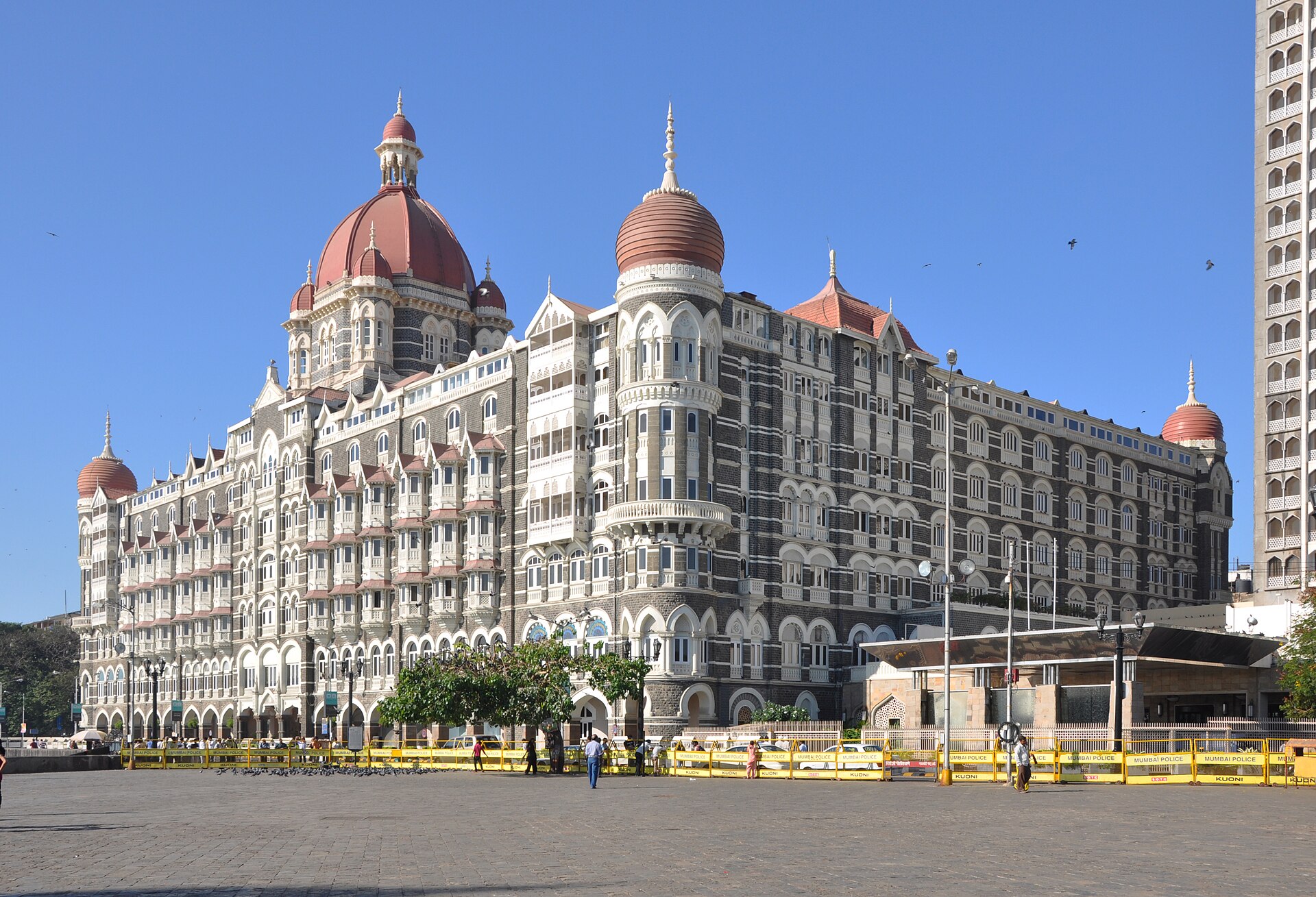
Taj Mahal Palace Hotel
Haji Niyaz Ahmed Azmi Marg, Colaba, Mumbai, 400001, India
The Taj Mahal Palace is India's most famous hotel — a grand Moorish-Gothic-Renaissance structure built in 1903 by Jamsetji Tata (founder of the Tata industrial dynasty) who was allegedly refused entry to a 'whites-only' hotel and decided to build one that would be the finest in the city. The hotel, which survived the 2008 Mumbai terror attacks (when gunmen laid siege for four days), has become a symbol of Mumbai's resilience and its identity as India's most cosmopolitan city. The hotel is open to non-guests for its restaurants (including Wasabi by Morimoto and the Sea Lounge with harbour views), the lobby, and the heritage wing that preserves the original Edwardian interior. High tea at the Sea Lounge — overlooking the Gateway and the harbour — is Mumbai's most civilised afternoon tradition.
Worli Koliwada
Worli, Mumbai, 400030, India
Worli Koliwada is the oldest surviving fishing village in Mumbai — home to the Koli community, the indigenous fisherfolk who have lived on these islands since before the Portuguese arrived in 1534 and whose culture, cuisine, and settlements predate the city by centuries. The village sits on a peninsula beside the Bandra-Worli Sea Link, and the contrast between the modern bridge and the traditional wooden fishing boats drawn up on the beach below is one of Mumbai's most striking juxtapositions. The Koli community is Mumbai's cultural root — the city's name allegedly derives from Mumba Devi, the Koli mother goddess — and the annual Koli festival with its dance, drum music, and seafood feasts is one of the best chances to experience the pre-colonial heritage of the city. The 17th-century Worli Fort at the tip of the peninsula provides a small-scale reminder of the colonial wars fought for control of these islands.