12 Cultural Landmarks in Buenos Aires
12 landmarks with verified facts and stories
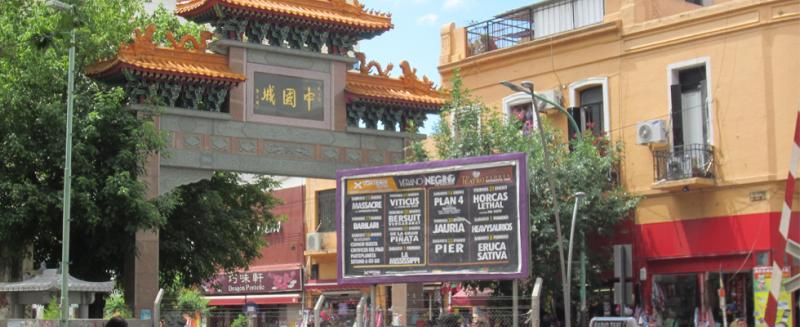
Barrio Chino (Chinatown)
13 Malasia, Comuna 14, Buenos Aires, B1758, Argentina
Buenos Aires' Barrio Chino is a compact but vibrant Chinatown in the Belgrano neighbourhood — a two-block stretch of Asian supermarkets, restaurants, and shops that reflects the city's small but growing East Asian community and serves as the best place in Buenos Aires to eat dumplings, ramen, and dim sum.
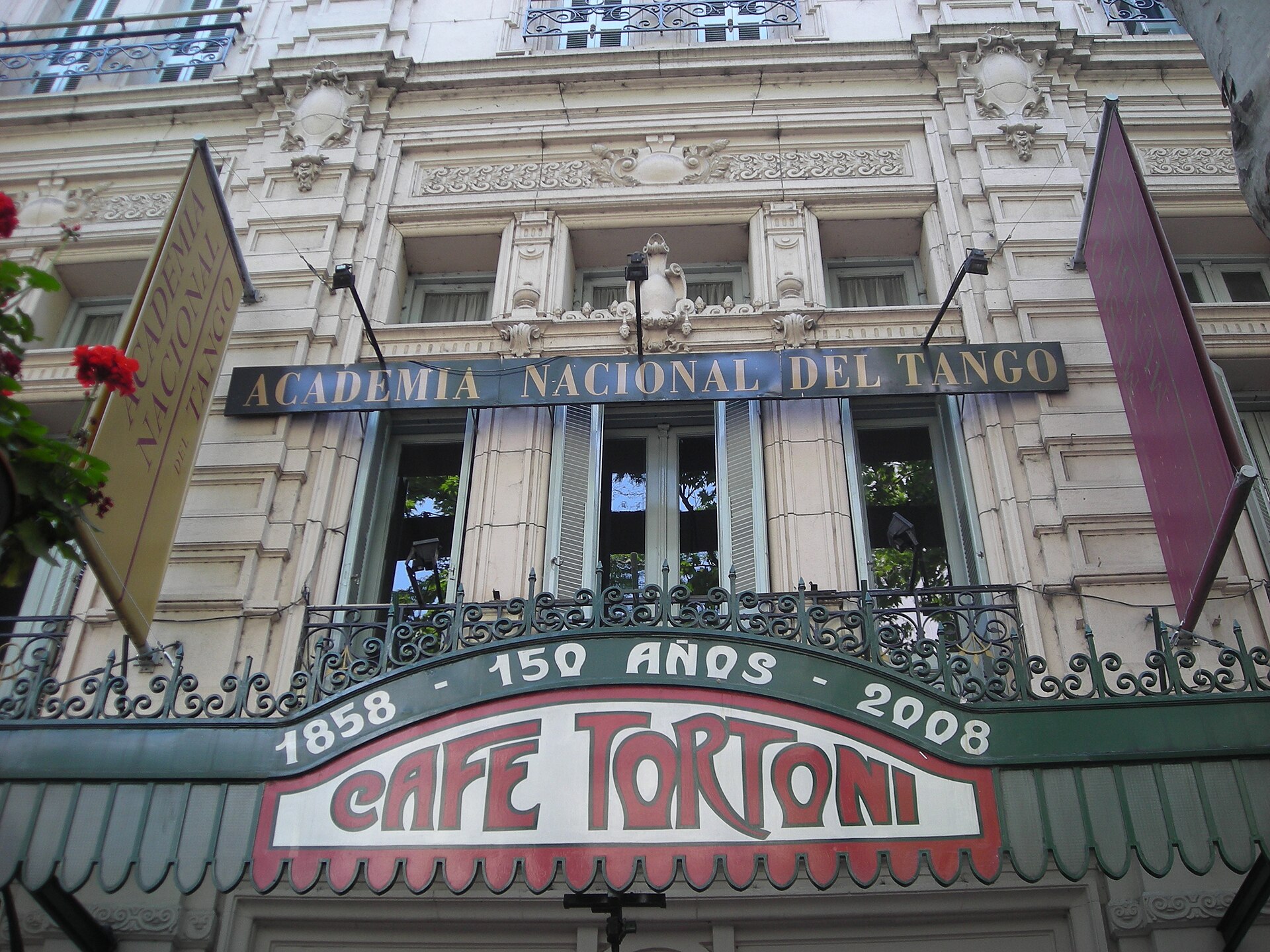
Café Tortoni
825 Avenida de Mayo, Comuna 1, Buenos Aires, C1084, Argentina
Café Tortoni is the oldest coffee house in Buenos Aires — open since 1858 on Avenida de Mayo, and the café that most embodies the city's literary and intellectual tradition.
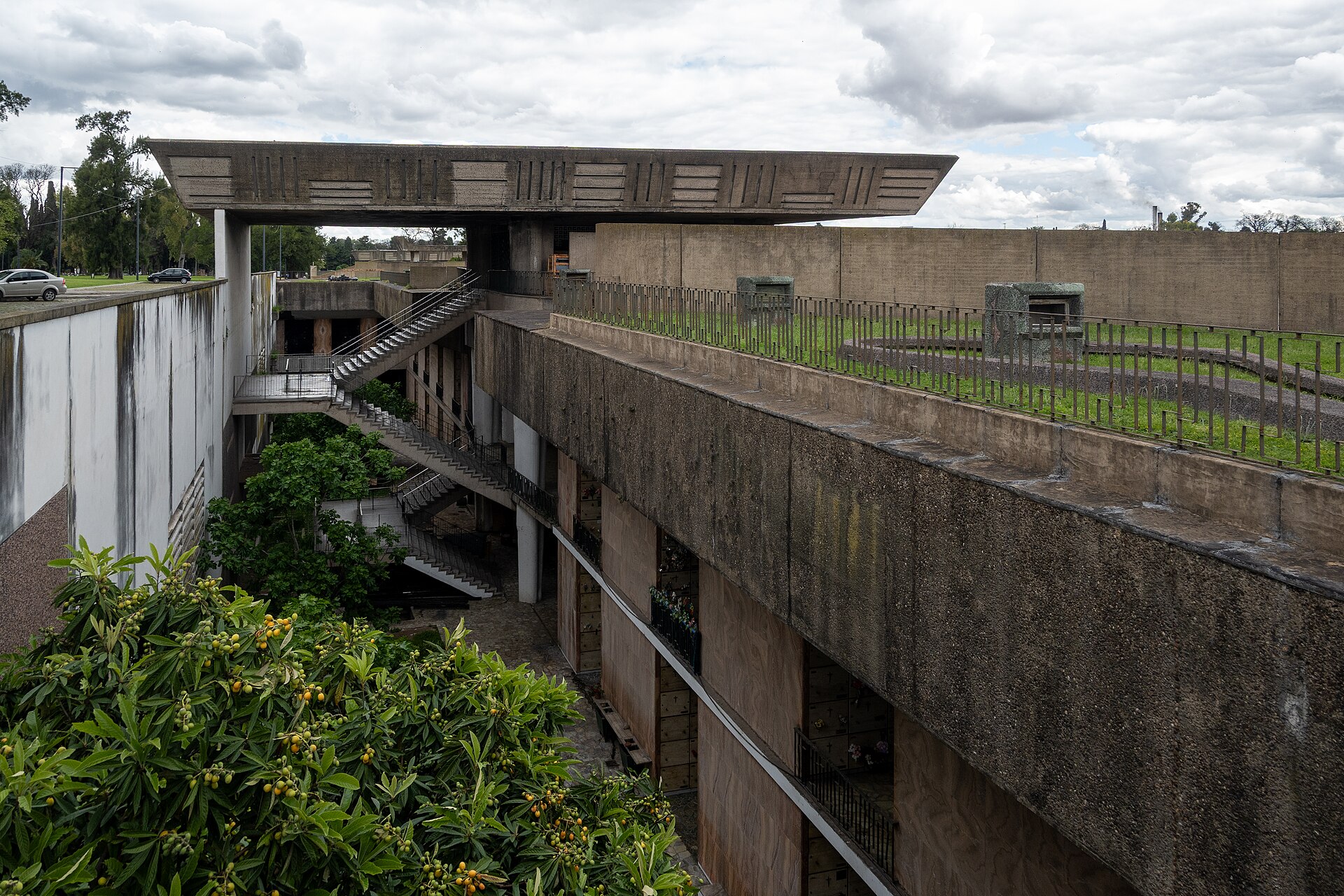
Cementerio de la Chacarita
680 Guzmán, Comuna 15, Buenos Aires, C1427, Argentina
Chacarita is Buenos Aires' largest cemetery and Recoleta's working-class counterpart — a massive necropolis that houses the remains of Carlos Gardel (the greatest tango singer in history), Juan Domingo Perón (the populist president who shaped modern Argentina), and the everyday porteños whose tombs tell the story of the city's immigrant communities in a way that Recoleta's elite vaults cannot.
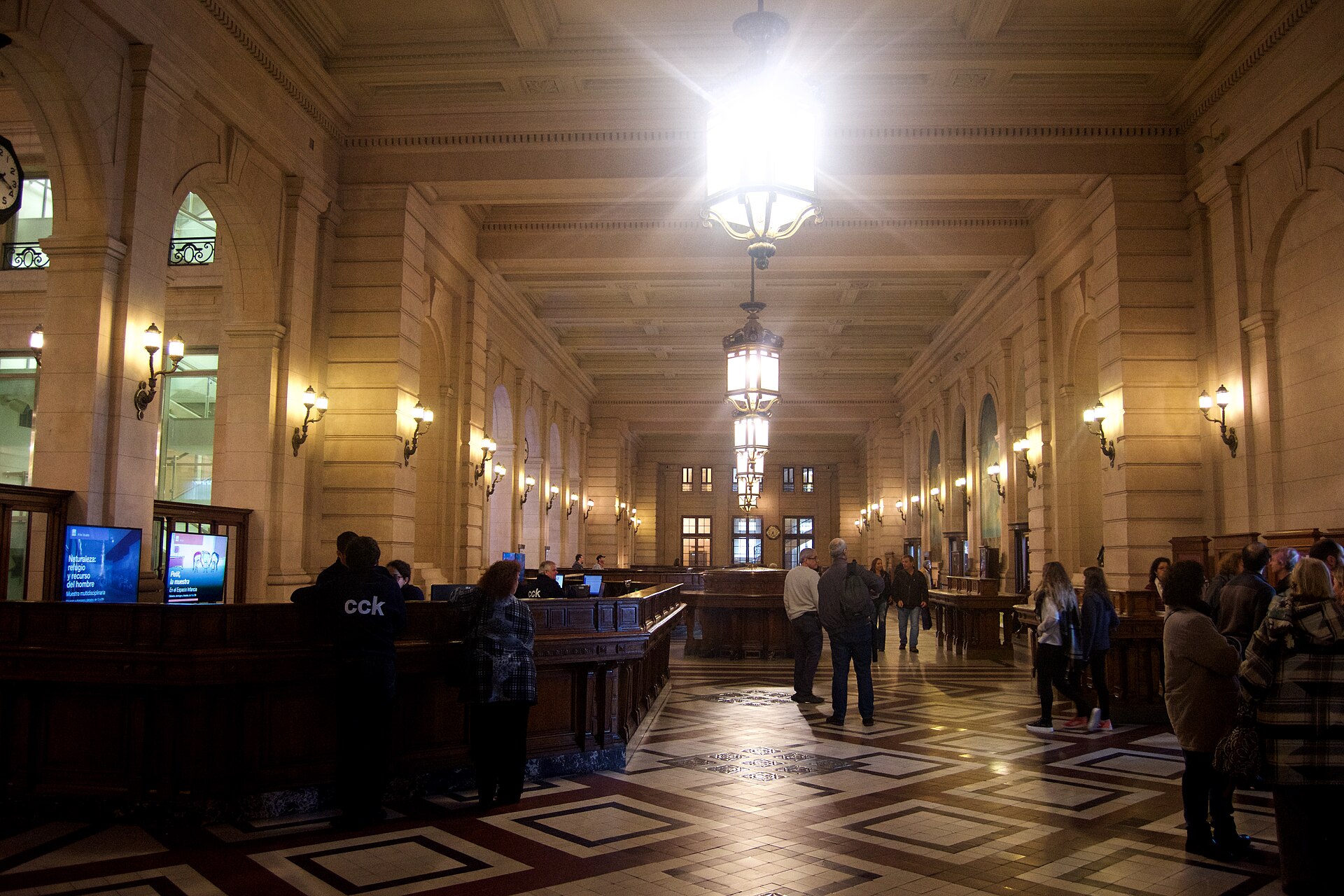
Centro Cultural Kirchner (CCK)
151 Calle Sarmiento, Comuna 1, Buenos Aires, C1041, Argentina
The Centro Cultural Kirchner is the largest cultural centre in Latin America — a converted early 20th-century post office building that was transformed in 2015 into a massive cultural complex housing concert halls, exhibition galleries, and the Blue Whale (La Ballena Azul), a 1,950-seat concert hall with acoustics designed by Nagata Acoustics (the same firm that designed the acoustics of the Elbphilharmonie in Hamburg and Suntory Hall in Tokyo).
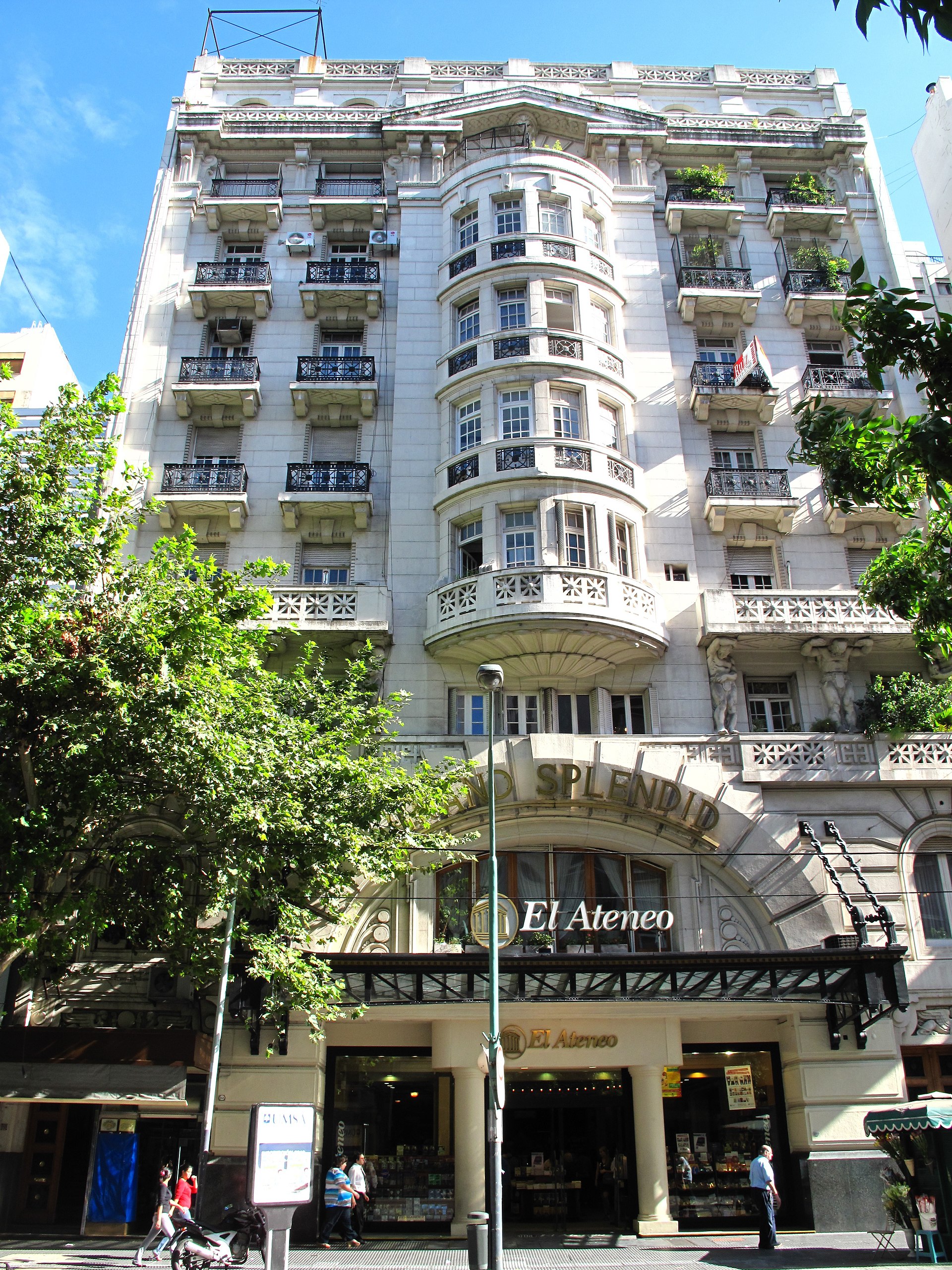
El Ateneo Grand Splendid
Av. Santa Fe 1860, Recoleta, Buenos Aires
El Ateneo Grand Splendid is the most beautiful bookshop in the world — a 1919 theatre converted into a bookstore in 2000 that preserved the ornate ceiling frescoes, the gilded balconies, the crimson stage curtain, and the theatre boxes (now reading nooks) while filling the auditorium floor with bookshelves.
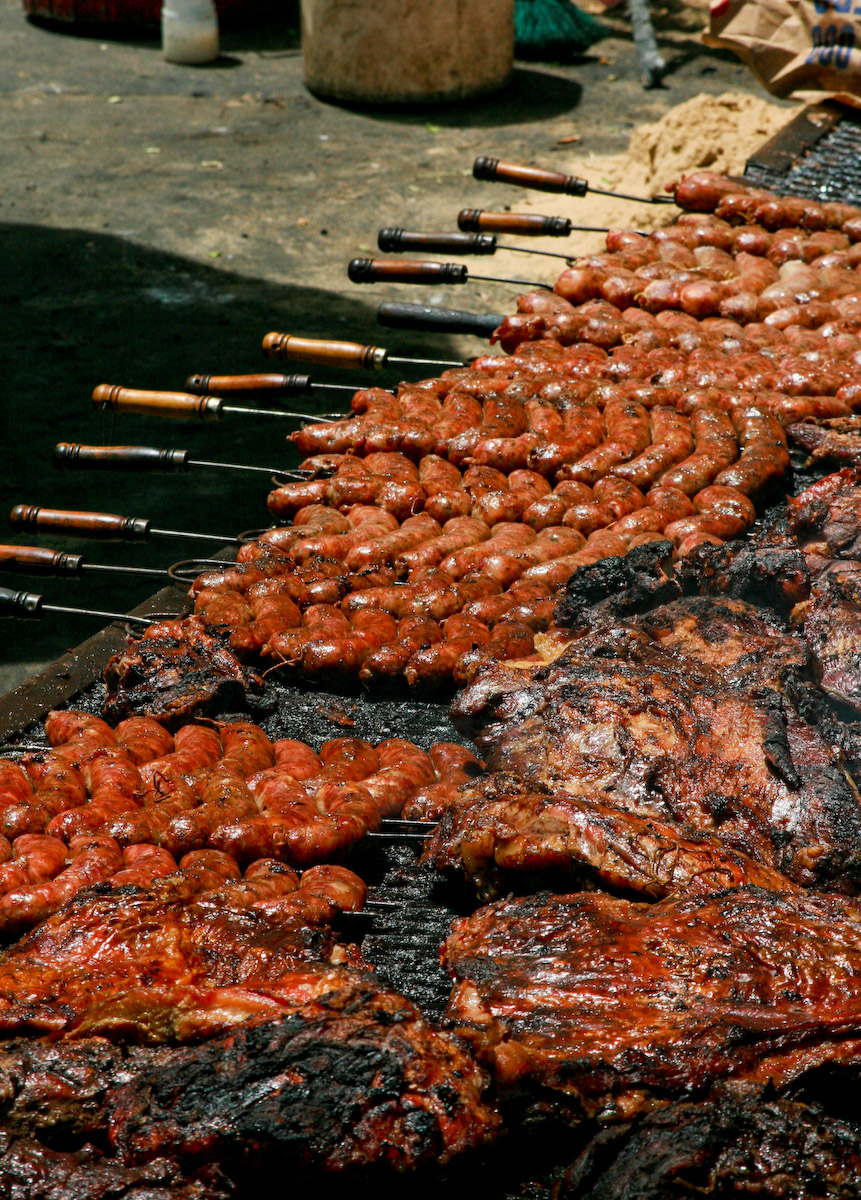
Feria de Mataderos
Lisandro de la Torre, Comuna 8, Buenos Aires, C1439, Argentina
The Feria de Mataderos is Buenos Aires' gaucho market — a Sunday street fair in the far western neighbourhood of Mataderos (named for the slaughterhouses that once operated here) that celebrates the rural Argentine traditions of horsemanship, folk music, and the asado (barbecue) culture that defines the country's identity far more than tango or Borges.
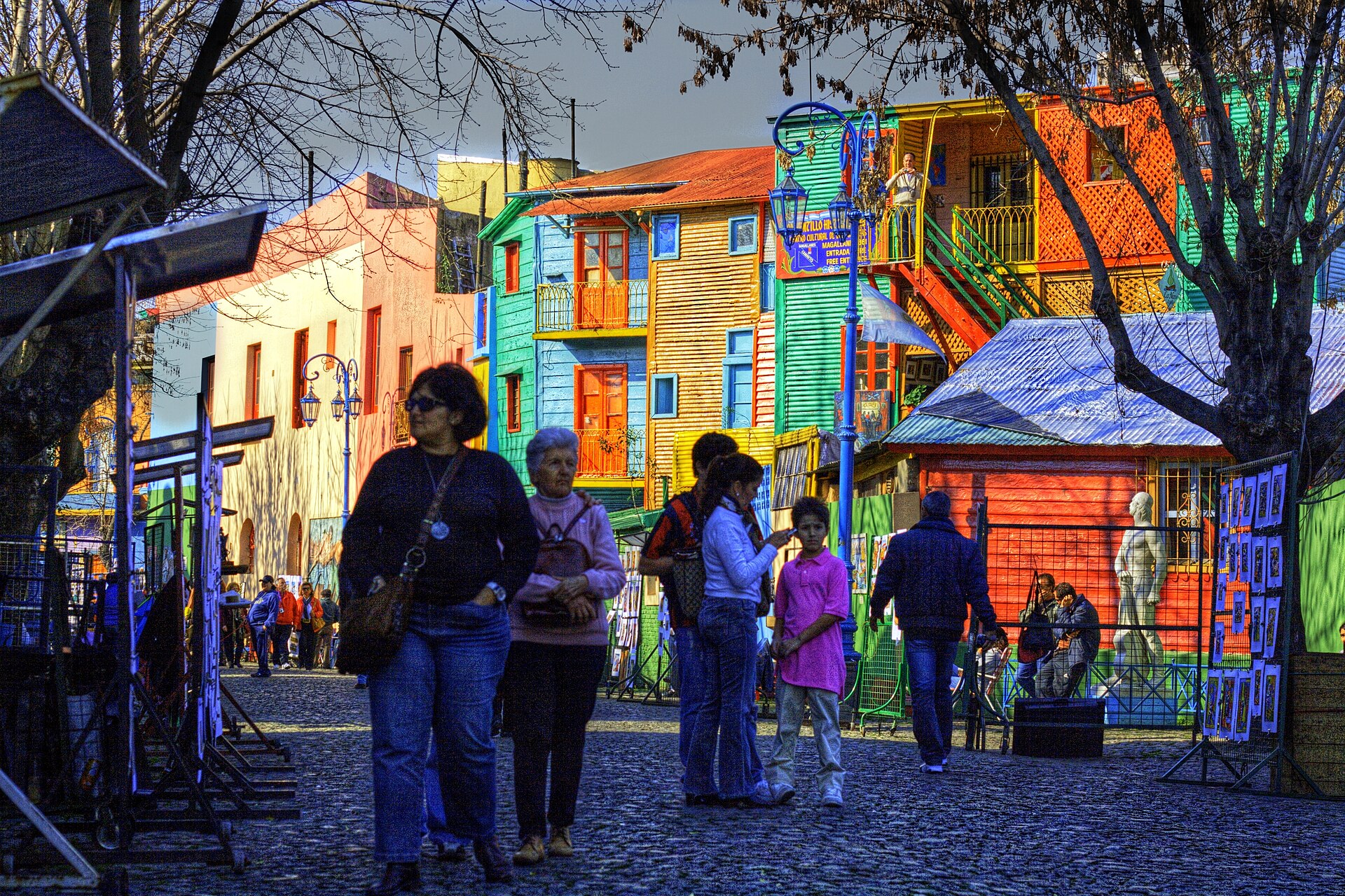
La Boca & Caminito
Buenos Aires, Argentina
La Boca is Buenos Aires' most colourful neighbourhood — a working-class district at the mouth of the Riachuelo River where Italian immigrant shipyard workers painted their corrugated-iron houses with leftover ship paint, creating the rainbow streetscape that has become the defining image of the city.
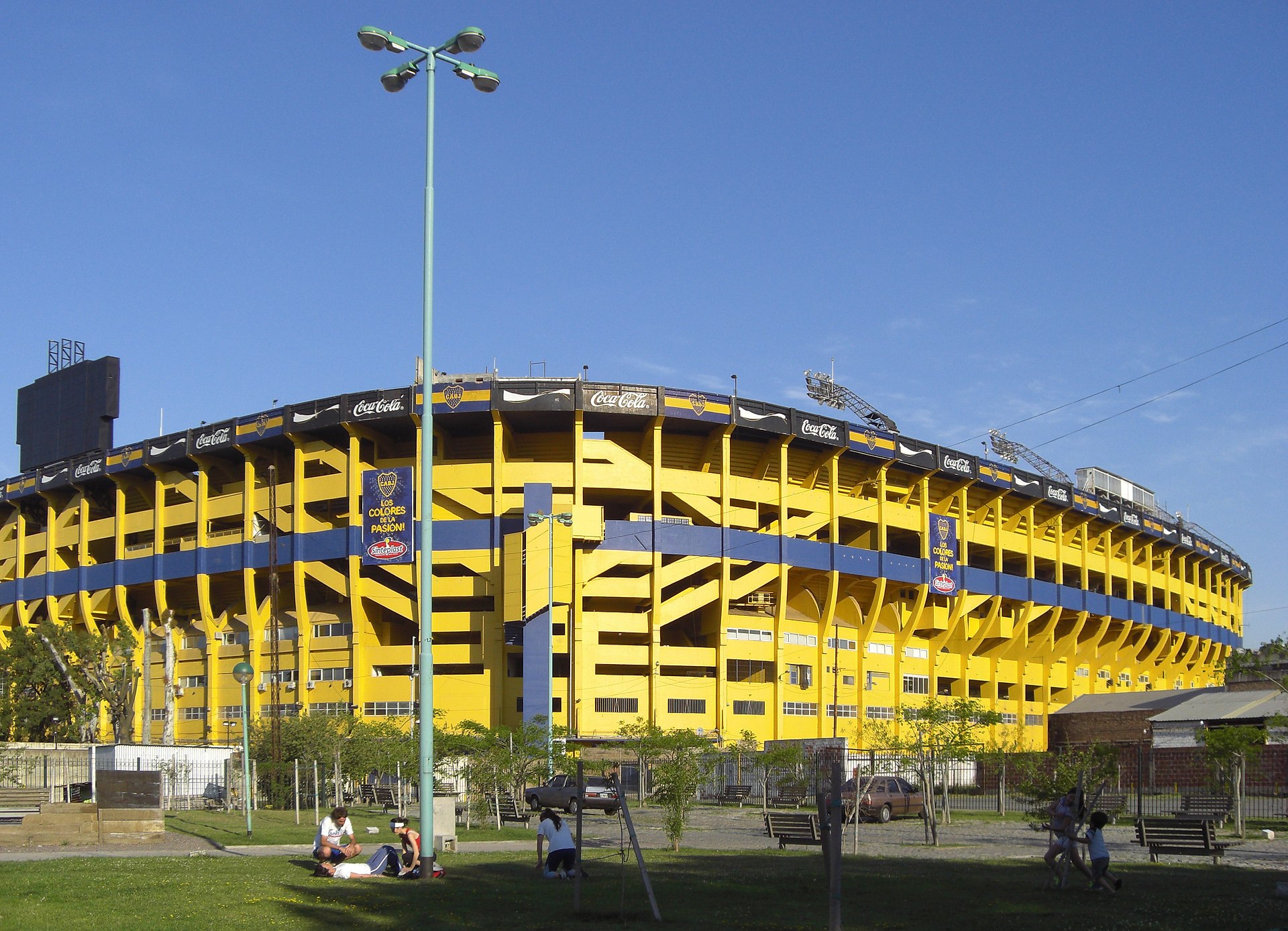
La Bombonera (Boca Juniors Stadium)
Brandsen 805, La Boca, Buenos Aires
La Bombonera is the most famous football stadium in South America — a 54,000-seat cauldron in La Boca that has been home to Boca Juniors since 1940 and is named "The Chocolate Box" for its distinctive rectangular shape with one steep, towering stand.
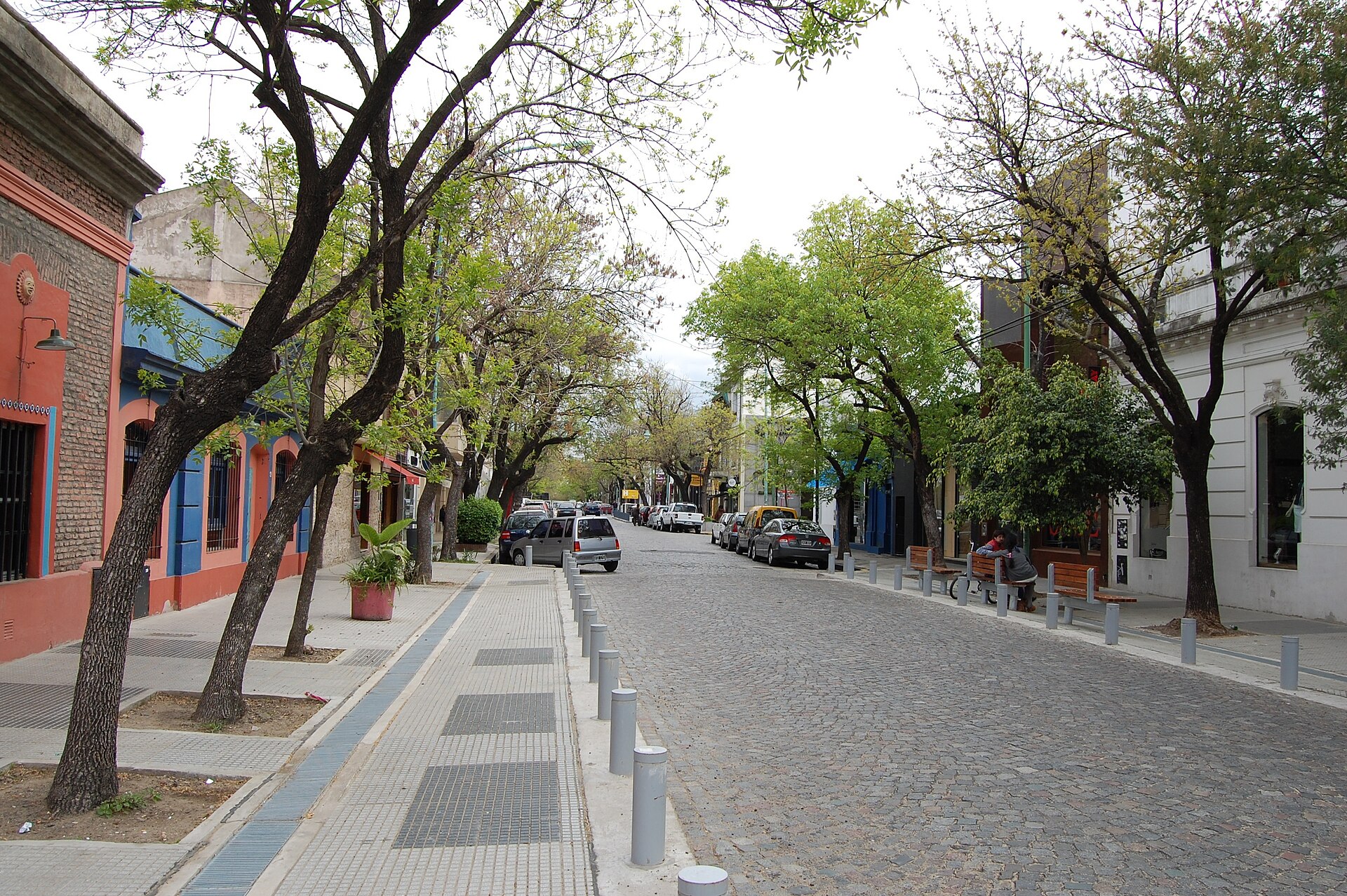
Palermo & Palermo Soho
1595 Serrano, Comuna 14, Buenos Aires, B1609, Argentina
Palermo is Buenos Aires' largest and most diverse neighbourhood — a sprawling barrio that contains the city's biggest park, its best restaurants, its trendiest boutiques, and a nightlife scene that starts after midnight and continues until the sun comes up.
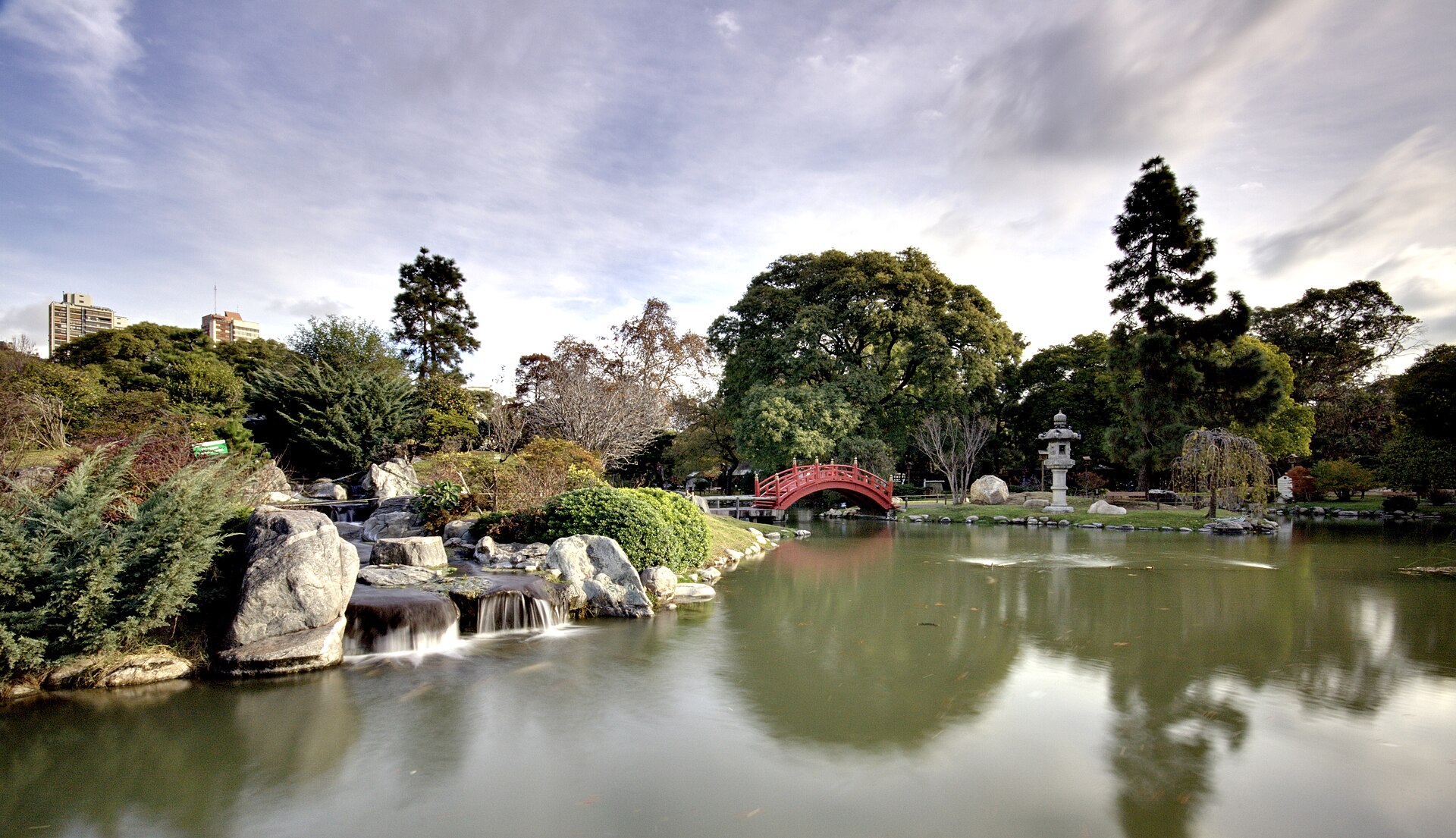
Palermo Bosques (Japanese Garden & Rose Garden)
2966 Adolfo Bioy Casares, Comuna 2, Buenos Aires, C1129, Argentina
The Japanese Garden (Jardín Japonés) in the Bosques de Palermo is the largest Japanese garden outside Japan — a 2.
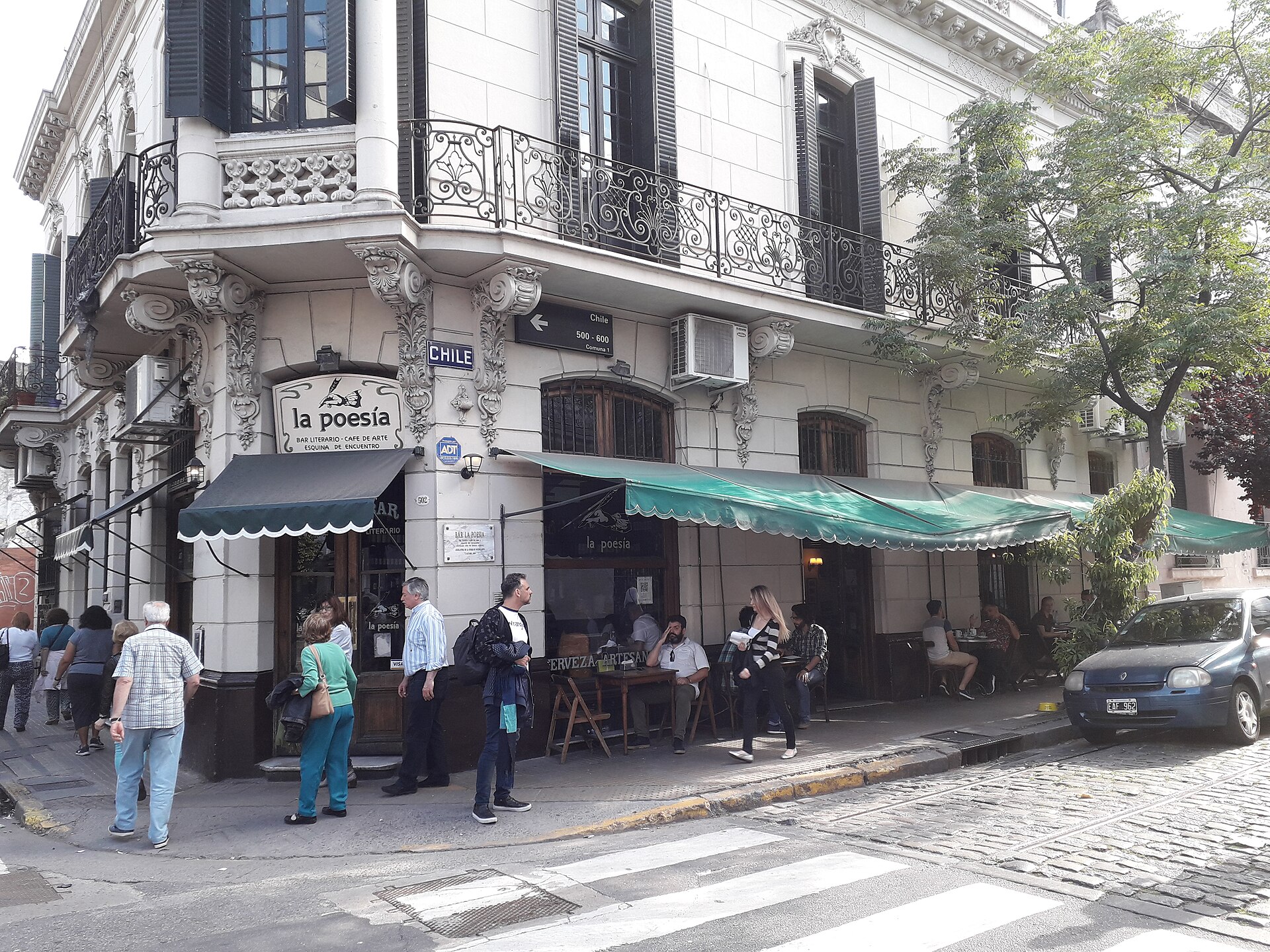
San Telmo
1 Defensa, Comuna 1, Buenos Aires, B1718, Argentina
San Telmo is Buenos Aires' oldest residential neighbourhood — a district of colonial-era houses, antique shops, tango bars, and the famous Sunday market that transforms Defensa Street into a 10-block open-air bazaar of antiques, crafts, street food, and tango performances.
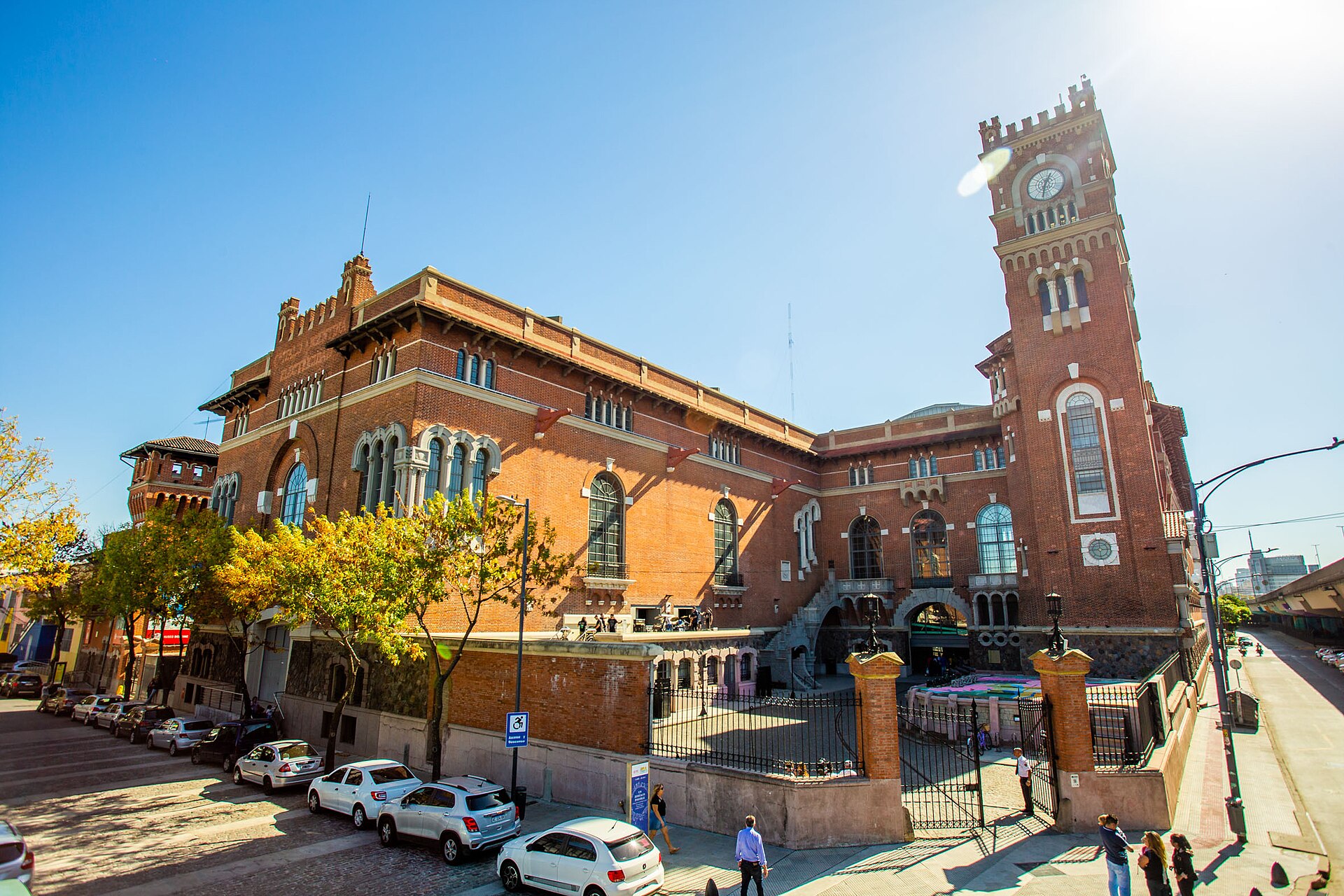
Usina del Arte
1 Agustín R. Caffarena, Comuna 4, Buenos Aires, B1845, Argentina
Usina del Arte is a converted power station in La Boca that has become one of Buenos Aires' most impressive cultural venues — a 1916 industrial building of red brick and exposed steel that was abandoned for decades before being restored as a concert hall, art gallery, and event space in 2012.
Explore culture in Buenos Aires
GPS-guided narration at every landmark. Tap a spot on the map, hear the story. Every fact verified.