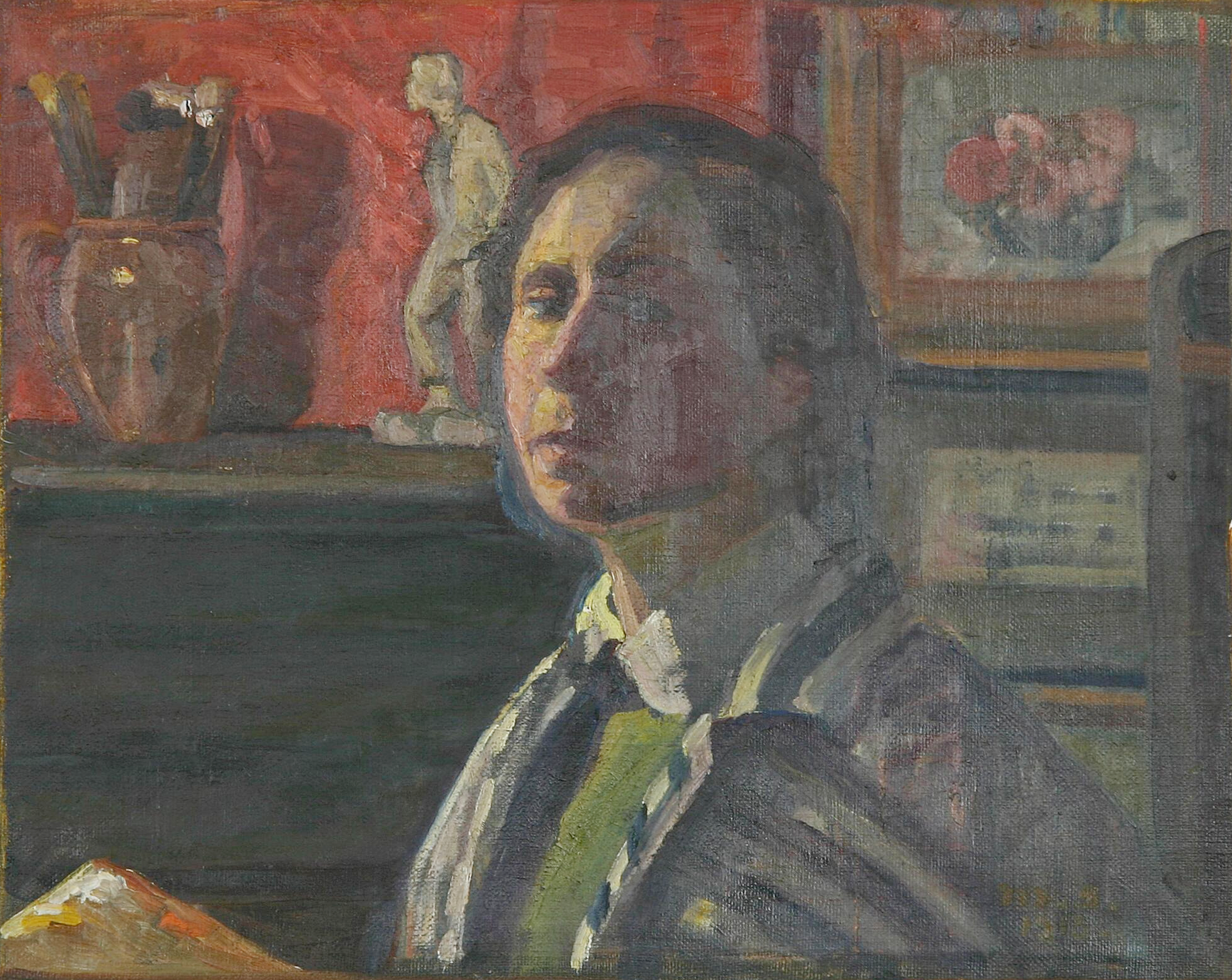
Bakarí Sandholt
36 Laugavegur, Þingholt, Reykjavík, 101, Iceland
Bakarí Sandholt is the most famous bakery in Reykjavik — a fourth-generation family bakery (founded in 1920 and moved to the current Laugavegur location in 2013) that has become a mandatory stop for both locals and visitors and that anchors the city's booming artisanal bakery culture.
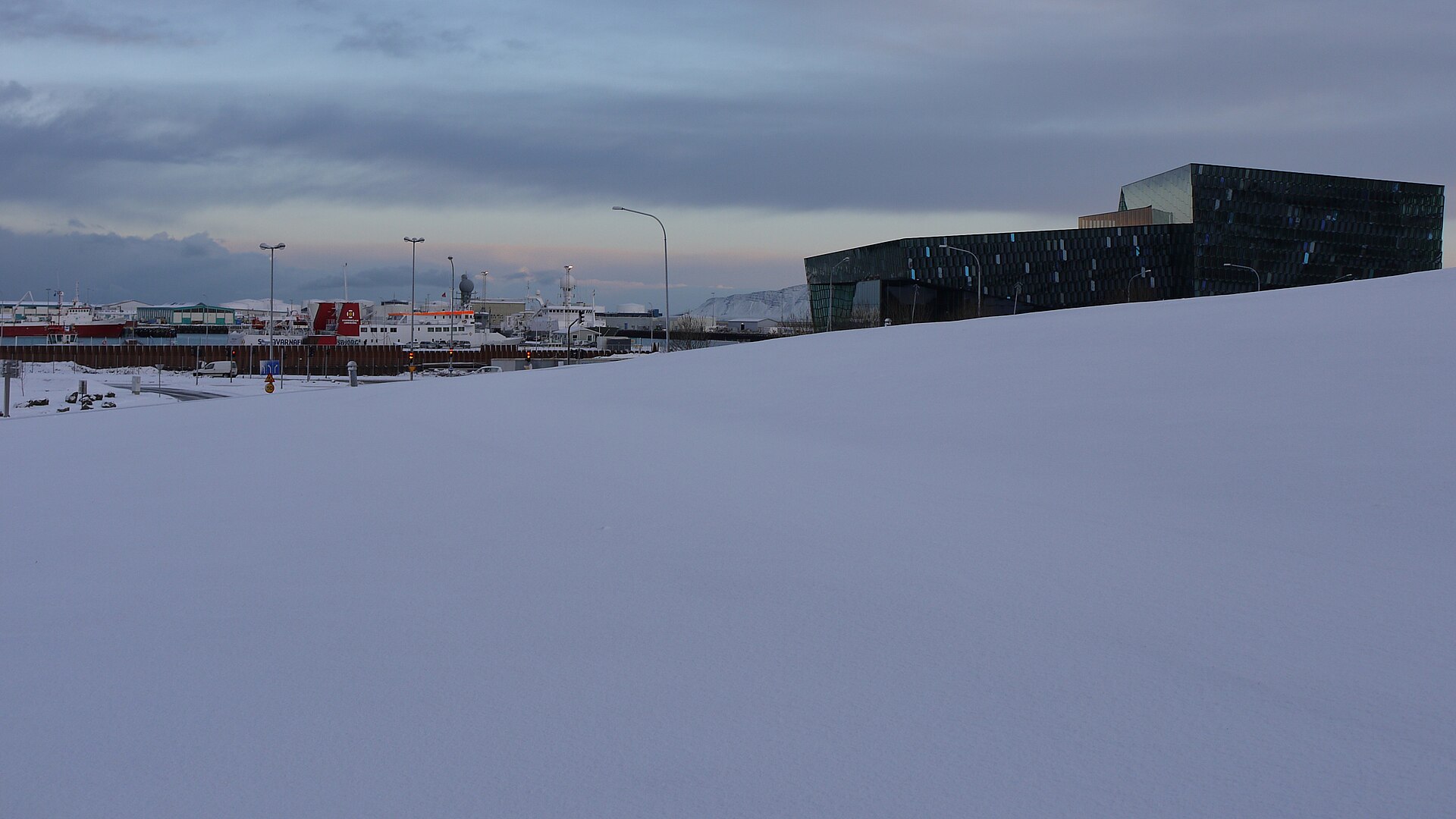
Harpa Concert Hall
2 Austurbakki, Miðbær, Reykjavík, 101, Ísland
Harpa is Reykjavik's most striking modern building — a concert hall and conference centre on the harbour front designed by Henning Larsen Architects and Ólafur Elíasson (the Icelandic-Danish artist whose light installations have appeared in major museums worldwide).
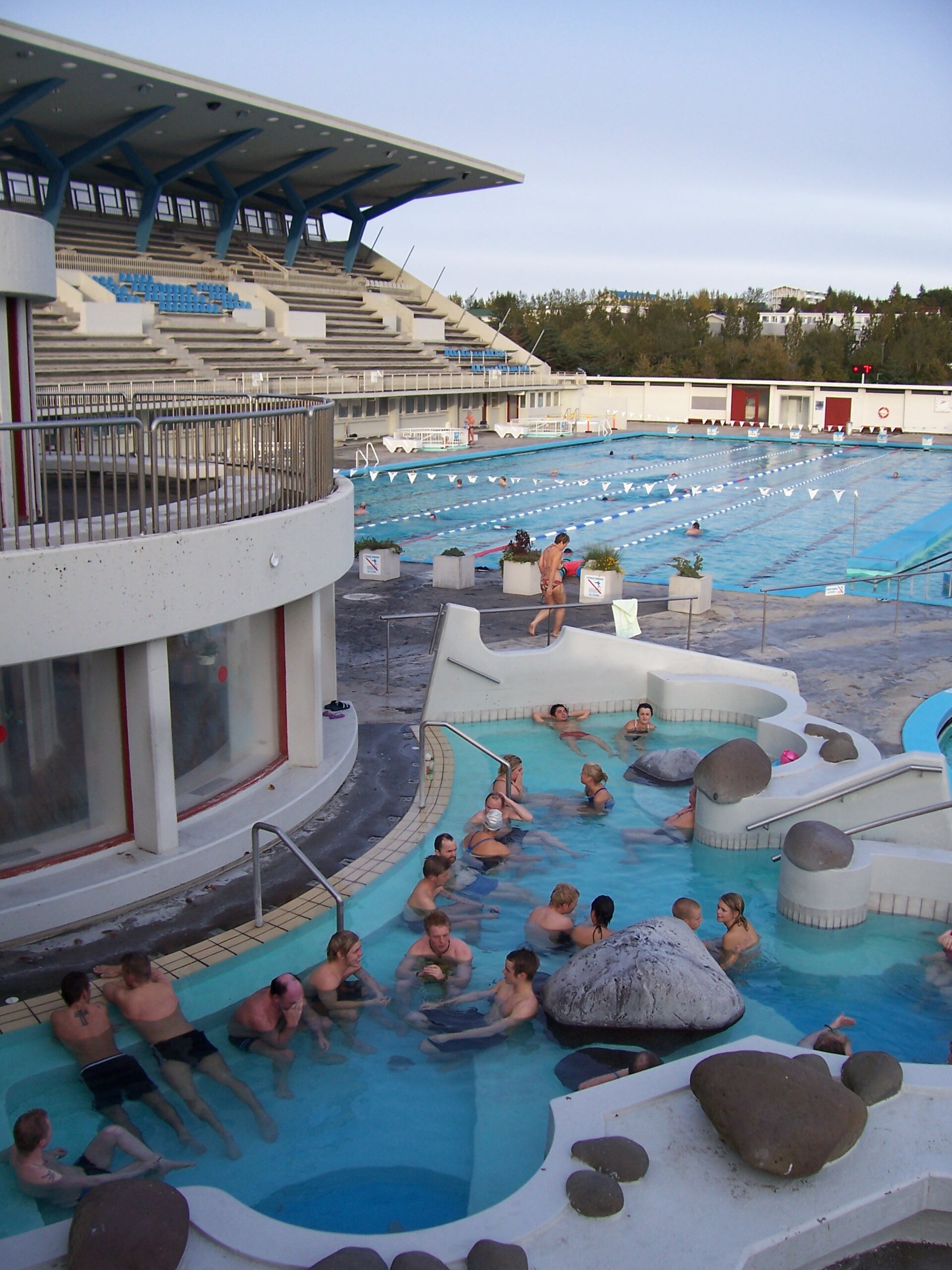
Icelandic Hot Pot Culture
Various swimming pools, Reykjavík
Iceland's geothermal swimming pools (sundlaugar) are the country's most important social institution — outdoor pools heated by volcanic water to 38-44°C where Icelanders swim laps, soak in hot pots (heitir pottar), and conduct the conversations that hold Icelandic society together.
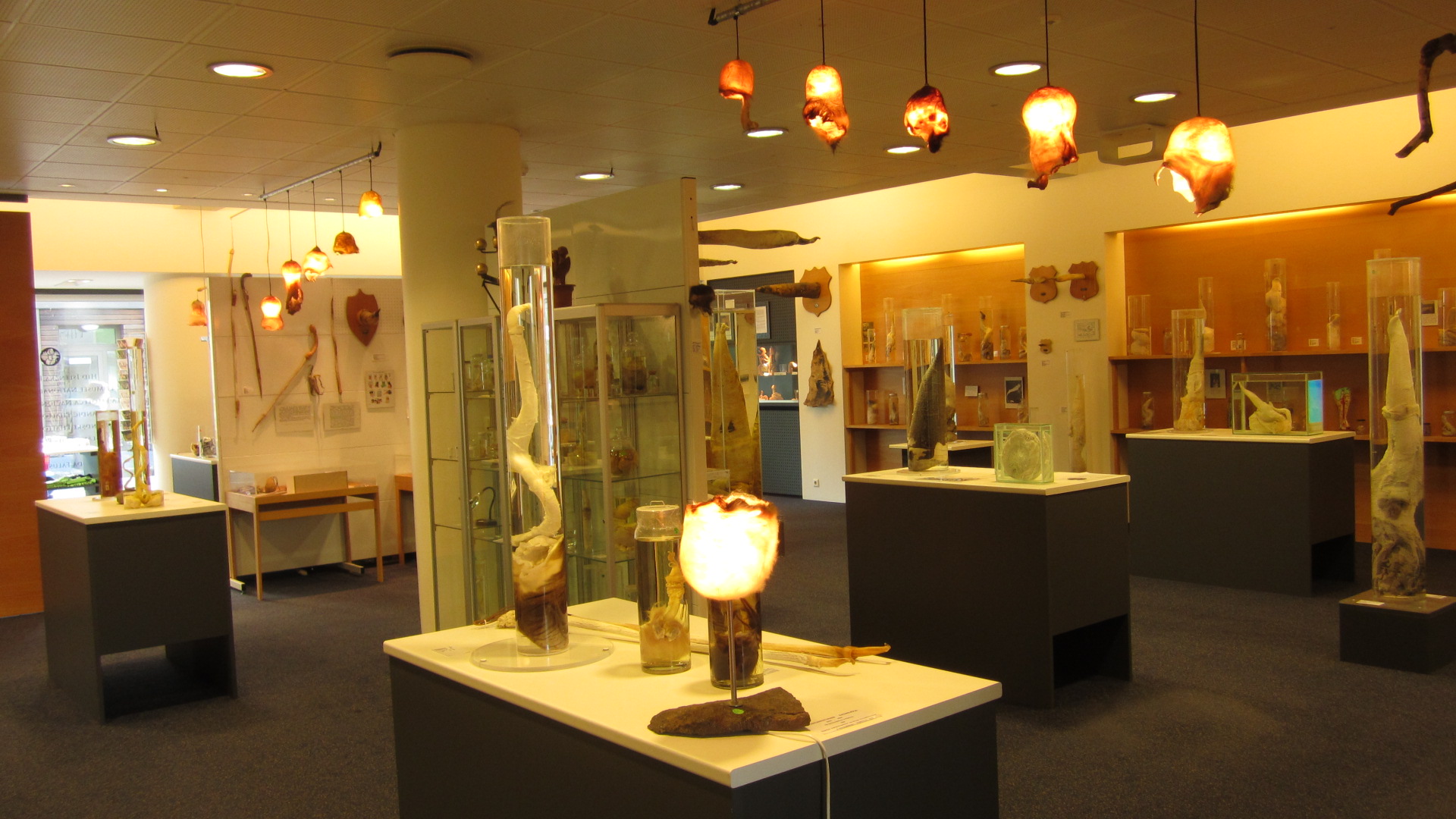
Icelandic Phallological Museum
Kalkofnsvegur, Skuggahverfi, Reykjavík, 101, Iceland
The Icelandic Phallological Museum is the world's only museum dedicated entirely to penises — a genuinely academic natural-history collection of over 400 penises and penile parts from 100 different mammalian species, including whales, walruses, seals, Arctic foxes, and domestic animals, along with a human specimen donated by a 95-year-old Icelandic farmer.
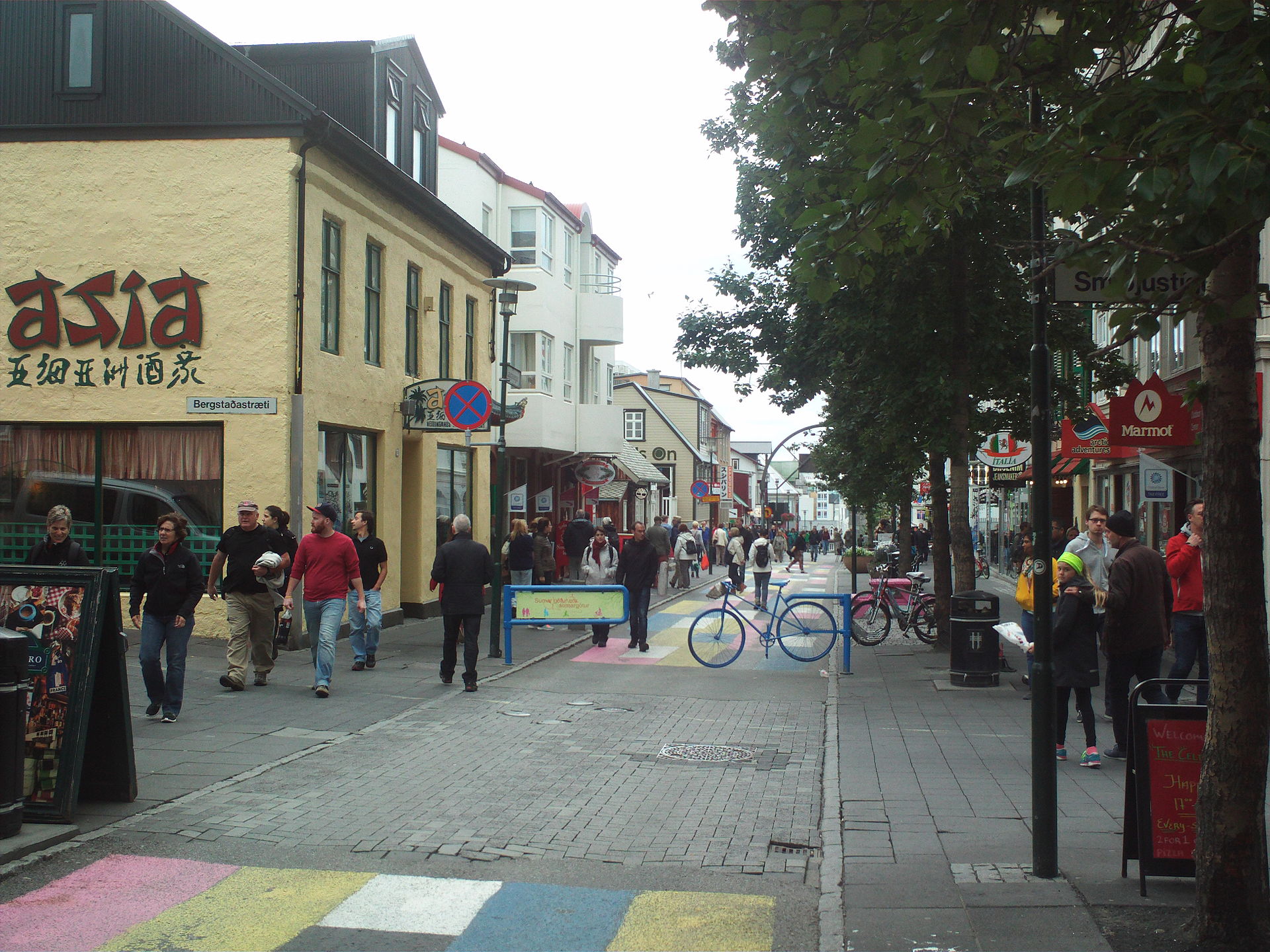
Laugavegur (Main Shopping Street)
101 Laugavegur, Hlemmur, Reykjavík, 105, Iceland
Laugavegur is Reykjavik's main commercial street — a colourful corridor of shops, restaurants, bars, and the kind of independent retail that survives in a city small enough (130,000 people) to support local businesses over chains.

Old Harbour & Grandi District
Old Harbour, Grandi, Reykjavík
The Old Harbour and Grandi district is Reykjavik's most dynamic neighbourhood — a former fishing harbour and fish-processing area that has been converted into a waterfront district of restaurants, museums, and the kind of creative-industrial spaces that emerge when fishing warehouses become too valuable to use for fish.
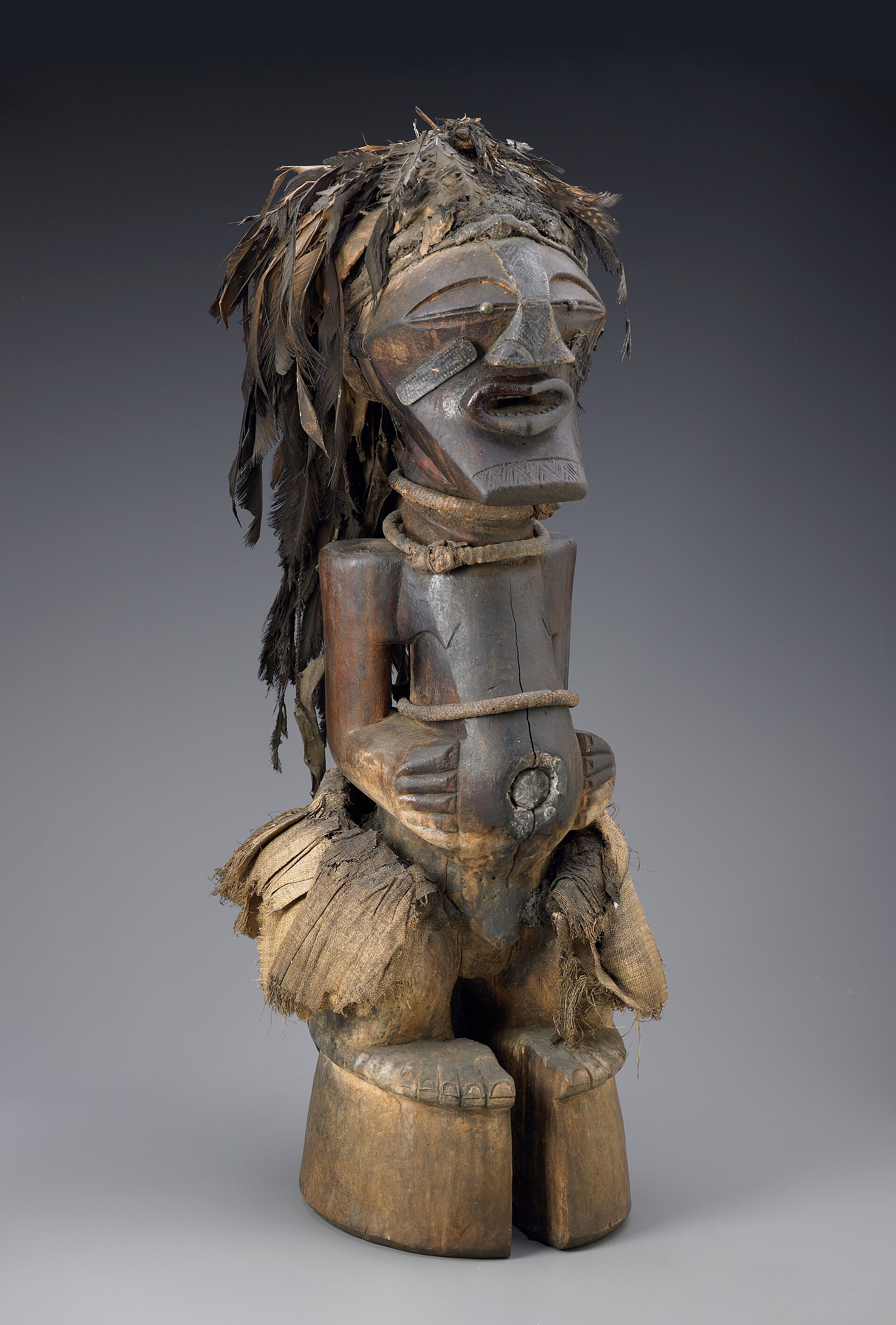
Reykjavik Art Museum
Tryggvagata 17, Reykjavik
The Reykjavik Art Museum is Iceland's largest art museum — spread across three buildings (Hafnarhús by the harbour, Kjarvalsstaðir on the eastern edge of the old town, and Ásmundarsafn north of the centre), each with its own focus.
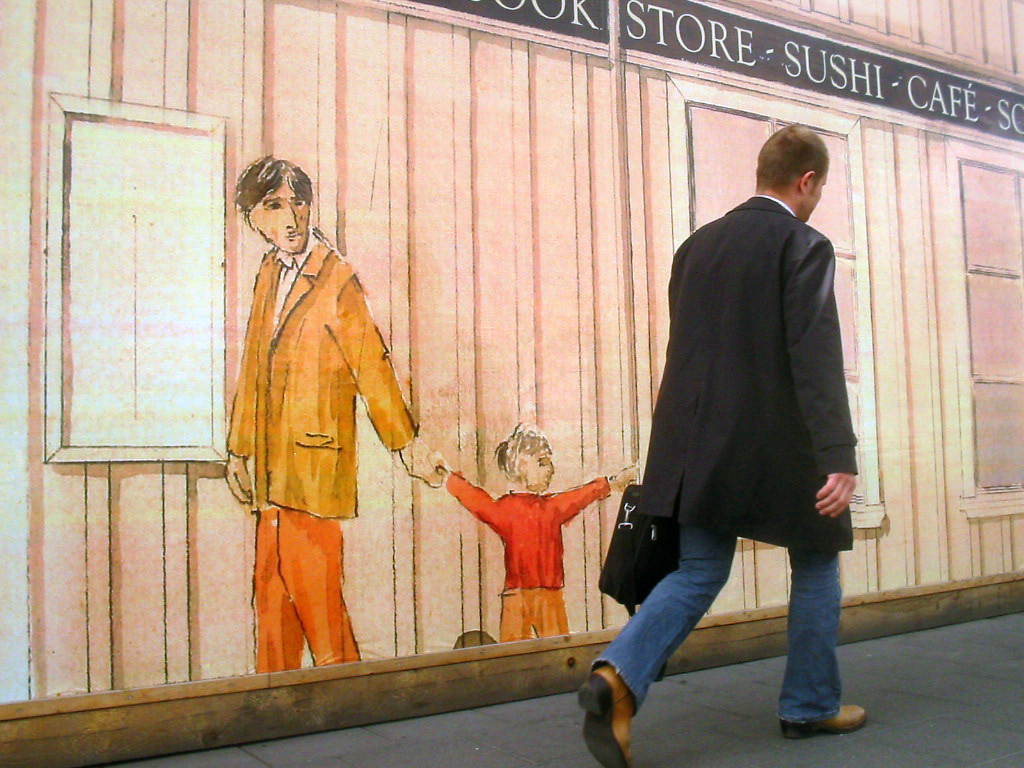
Reykjavik City Centre Murals & Street Art
Various locations, 101 Reykjavík
Reykjavik has one of the most concentrated street art scenes in Europe — a collection of large-scale murals covering building facades throughout the 101 postal code area (downtown Reykjavik) that was partly formalised by the city-sponsored Wall Poetry project and has since expanded organically as international and Icelandic artists have added work to the city's walls.
Saga Museum
2 Grandagarður, Vesturhöfn, Reykjavík, 101, Iceland
The Saga Museum at the Grandi harbour district brings the Icelandic sagas to life through 17 life-sized wax figure tableaux depicting key scenes and characters from Iceland's foundational medieval literature — Ingólfur Arnarson (the first permanent settler in 874 AD), Leifur Eiríksson (who reached North America 500 years before Columbus), Snorri Sturluson (the medieval historian and author of the Prose Edda), and the Viking-era witch burnings, raids, and feuds that shape Icelandic self-understanding.
Settlement Exhibition (871±2)
Aðalstræti 16, Reykjavik
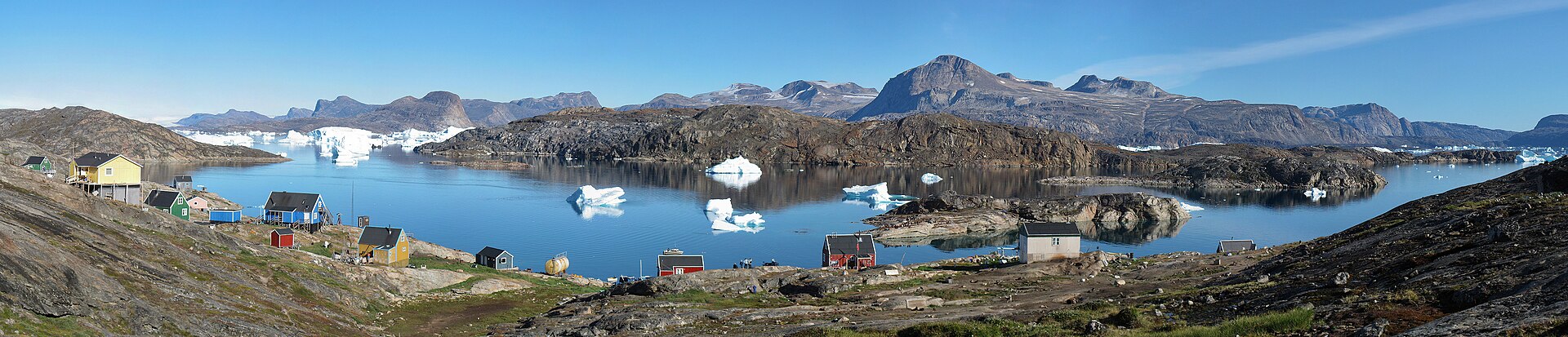
The Settlement Exhibition is built around the excavated remains of one of the oldest longhouses in Reykjavik — discovered in 2001 during construction on Aðalstræti (Reykjavik's oldest street) and dated to around 871 AD, making it one of the earliest Viking Age settlements in Iceland.
Sky Lagoon
44-48 Vesturvör, Kópavogur, Kópavogur, 200, Iceland
The Sky Lagoon is Reykjavik's premium geothermal lagoon — a 2021 addition to the Icelandic bathing culture, located 8 kilometres south of central Reykjavik in Kársnes (Kópavogur) and featuring an 80-metre infinity edge that merges the lagoon water with the North Atlantic horizon, creating a swimming experience where you appear to float into the sea.
Explore culture in Reykjavik
GPS-guided narration at every landmark. Tap a spot on the map, hear the story. Every fact verified.