Walking Tours in Reykjavik
30 Landmarks in Reykjavik
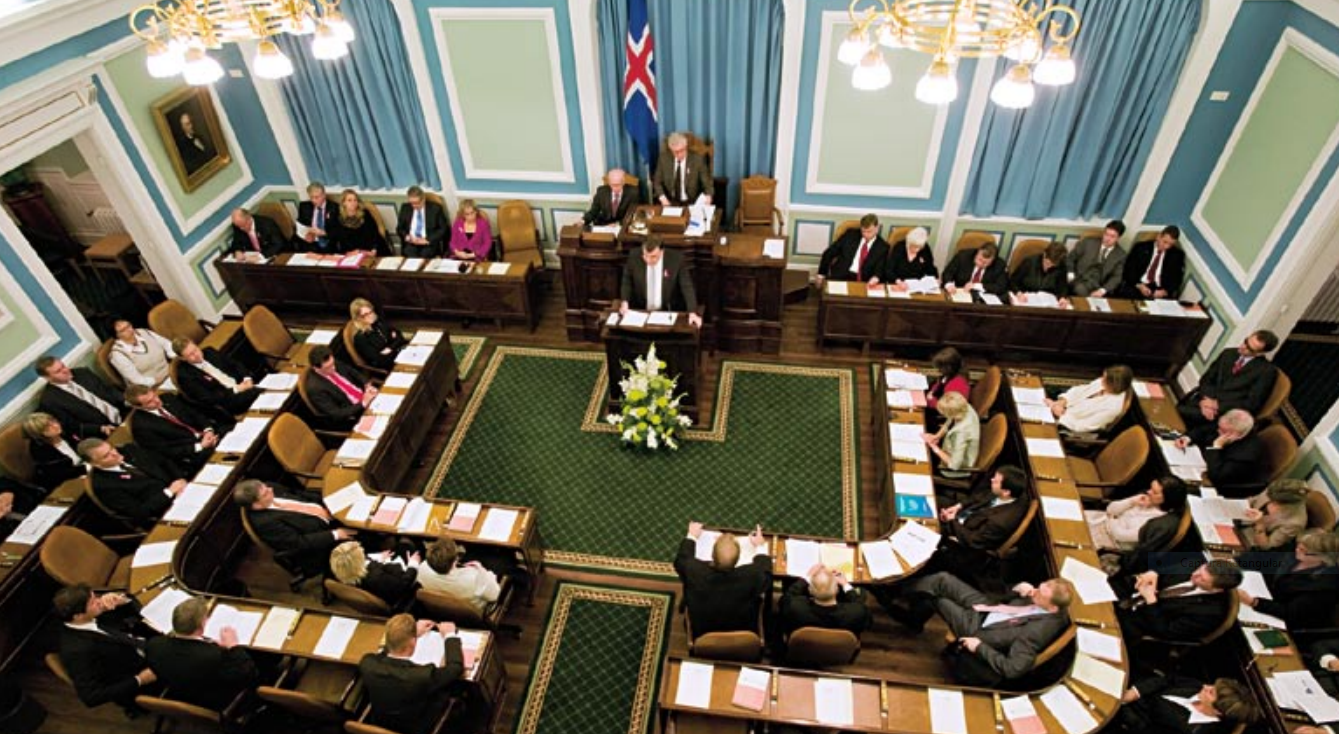
Alþingishúsið (Parliament House)
Austurvöllur, Reykjavik
Alþingishúsið is Iceland's parliament building — a relatively modest two-storey basalt-and-rhyolite stone house on Austurvöllur square completed in 1881, housing the Alþingi (one of the oldest parliaments in the world, founded in 930 AD at Þingvellir and moved to Reykjavik in 1844 after centuries of Danish rule). The building's restrained Neoclassical design reflects the pragmatic modesty that Icelanders prize in their institutions — the parliament has 63 MPs, works part-time, and is still approachable enough that Icelanders routinely protest on the square outside. The flower garden behind the parliament (Alþingisgarðurinn) is Iceland's first public garden, opened in 1895, and contains a statue of Hannes Hafstein (Iceland's first prime minister). The square in front, Austurvöllur, centres on a statue of Jón Sigurðsson (Iceland's 19th-century independence hero) and is used for the annual Independence Day celebrations on 17 June.
Bæjarins Beztu Pylsur
Tryggvagata 1, Reykjavik
Bæjarins Beztu Pylsur ('the town's best hot dogs') is Reykjavik's most famous food stand — a tiny red-and-white kiosk on Tryggvagata near the old harbour that has been serving hot dogs since 1937. The pylsa (Icelandic hot dog) uses a distinctive lamb-based sausage (with some pork and beef mixed in), and the signature order — 'eina með öllu' ('one with everything') — includes ketchup, sweet brown mustard (pylsusinnep), remoulade, raw white onion, and crispy fried onion on top. Bill Clinton famously ate a hot dog here in 2004 during a state visit, and the stand has since displayed a photograph of him with a hot dog (Clinton ordered only mustard, which horrified local purists). James Hetfield of Metallica and Anthony Bourdain have also been photographed here. Queues are usually short — the kiosk serves quickly — and an Icelandic hot dog for around 700 kr is one of the only cheap meals in Reykjavik.
Bakarí Sandholt
36 Laugavegur, Þingholt, Reykjavík, 101, Iceland
Bakarí Sandholt is the most famous bakery in Reykjavik — a fourth-generation family bakery (founded in 1920 and moved to the current Laugavegur location in 2013) that has become a mandatory stop for both locals and visitors and that anchors the city's booming artisanal bakery culture. The bakery's signature items include the snúður (a glazed cinnamon roll that is the Icelandic national pastry), sourdough loaves, open-faced sandwiches, and pastries made using European techniques adapted to Icelandic ingredients. The storefront is bright, wood-lined, and consistently busy — the queue stretches out the door during morning rush, but usually moves quickly. Sit at the counter for a coffee and snúður, or take away to eat while walking Laugavegur. The Saturday-morning queue is a good snapshot of Reykjavik life: young families, hungover club-goers, elderly Icelanders, and tourists all mingling with no social stratification.

Blue Lagoon
Norðurljósavegur 9, 240 Grindavík
The Blue Lagoon is Iceland's most visited attraction — a geothermal spa in a lava field on the Reykjanes Peninsula whose milky-blue, mineral-rich water (70% seawater, 30% freshwater, heated to 37-40°C by the nearby Svartsengi geothermal power plant) has become the image that sells Iceland to the world. The lagoon is man-made (the water is runoff from the power plant, which discovered the water's skin-beneficial properties by accident), but the setting — steam rising from turquoise water in a black lava landscape — is genuinely otherworldly. The lagoon's silica mud (white, mineral-rich sediment that accumulates on the bottom) is used as a face mask by every bather, creating the surreal image of hundreds of people floating in blue water with white faces. The on-site restaurant, bar (serving drinks in the water), and the luxury Retreat Hotel make the Blue Lagoon more spa resort than natural wonder, and the prices (entry from ISK 9,990, about $75) reflect its status as Iceland's premium tourist experience. The Blue Lagoon is 47 kilometres from Reykjavik (about 45 minutes by car or bus), near Keflavík International Airport, making it a natural first or last stop for visitors arriving or departing.
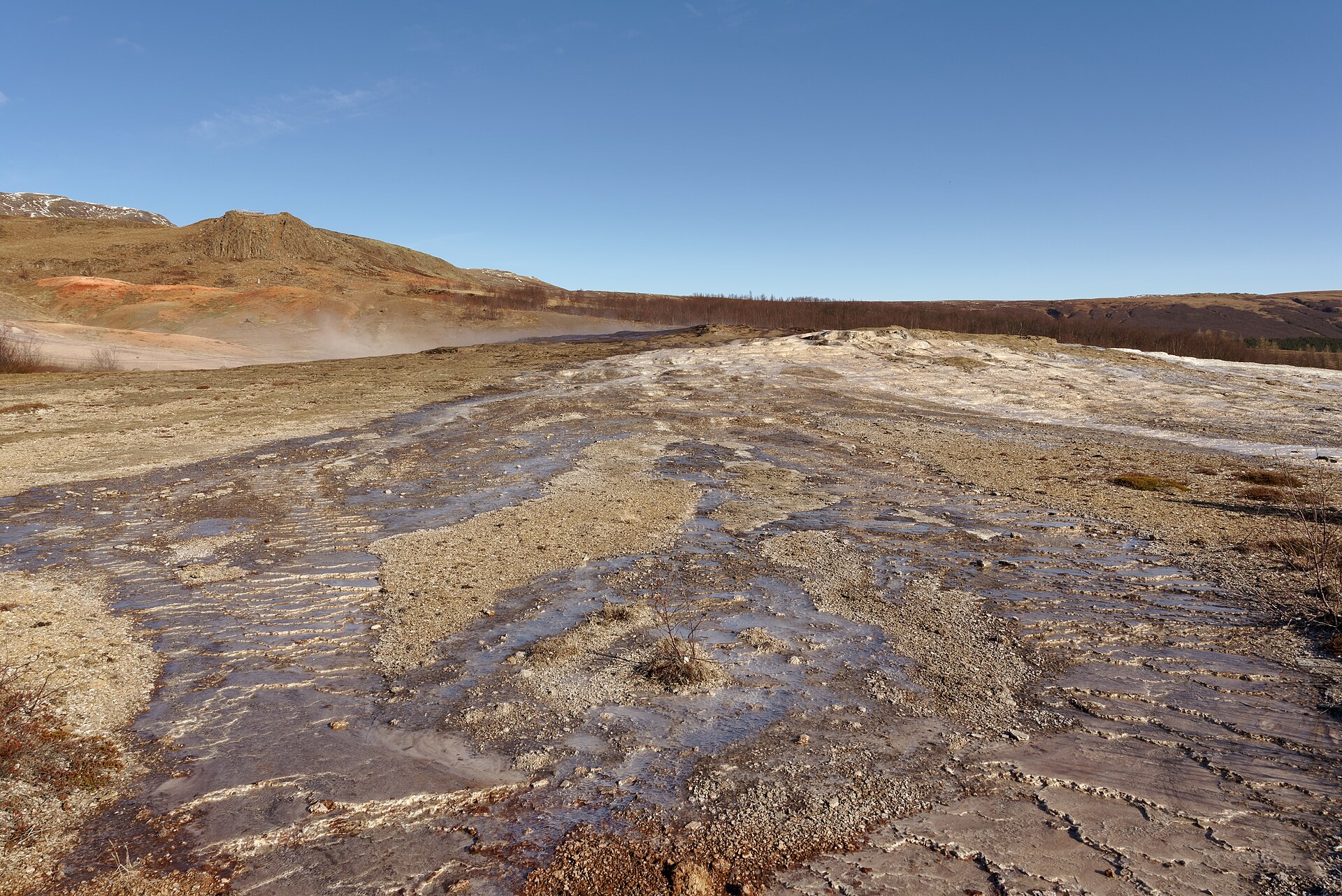
Geysir & Strokkur (Day Trip)
Haukadalur, Bláskógabyggð, Iceland
The Geysir geothermal area in Haukadalur valley is the second stop on the Golden Circle route — the site that gave every geyser in the world its name. The original Great Geysir (which once erupted to 170 metres) has been mostly dormant since 1916, but its neighbour Strokkur erupts reliably every 5-10 minutes to heights of 15-30 metres, making it one of the most predictable large geysers in the world. The geothermal area includes dozens of bubbling mud pots, hot springs, and fumaroles that create a sulphurous, steam-filled landscape with colours ranging from turquoise to orange depending on mineral content. The viewing area is free, and the adjacent Geysir Center has restaurants and a small museum. The site is 95 kilometres from Reykjavik on Route 35; combine with Þingvellir and Gullfoss for the classic Golden Circle day trip.
Golden Circle (Day Trip)
Mánaleið, Skuggahverfi, Reykjavík, 101, Iceland
The Golden Circle is Iceland's most popular day trip — a 300-kilometre loop from Reykjavik that passes through three of the country's most important natural and historical sites: Þingvellir (where the world's oldest parliament met from 930 AD and where the North American and Eurasian tectonic plates visibly separate), Geysir (the geothermal area whose Strokkur geyser erupts every 5-10 minutes, shooting boiling water 30 metres into the air), and Gullfoss (a two-tiered waterfall on the Hvítá river that plunges 32 metres into a canyon). Þingvellir is a UNESCO World Heritage Site where the Alþingi (the Icelandic parliament, the oldest in the world) gathered annually from 930 to 1798, making decisions by consensus in an open-air assembly that predated European parliamentary democracy by centuries. The site sits in a rift valley where the tectonic plates diverge at about 2.5 centimetres per year, creating a visible geological boundary that you can walk between.
Gullfoss Waterfall (Day Trip)
Gullfoss Waterfall, Iceland
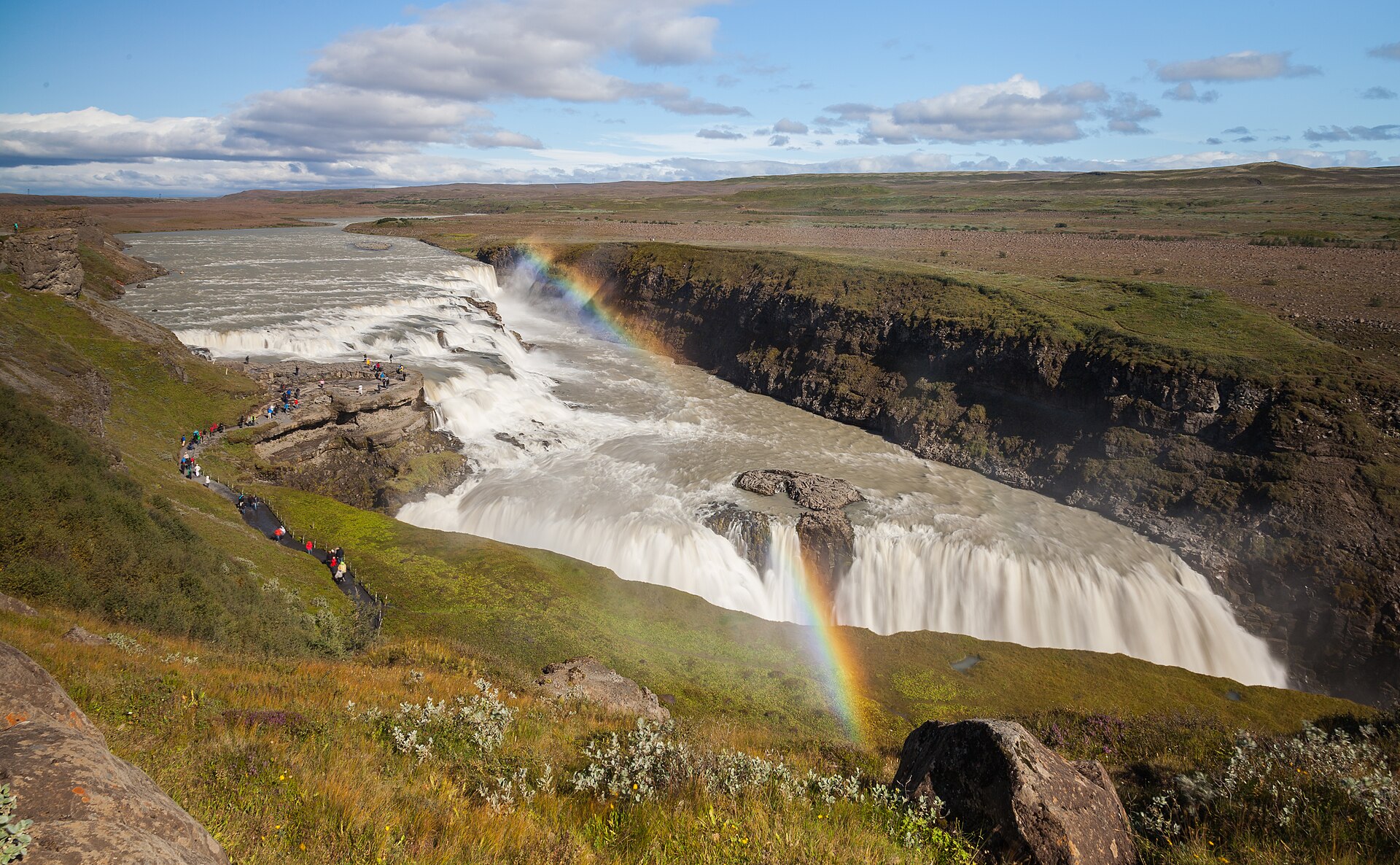
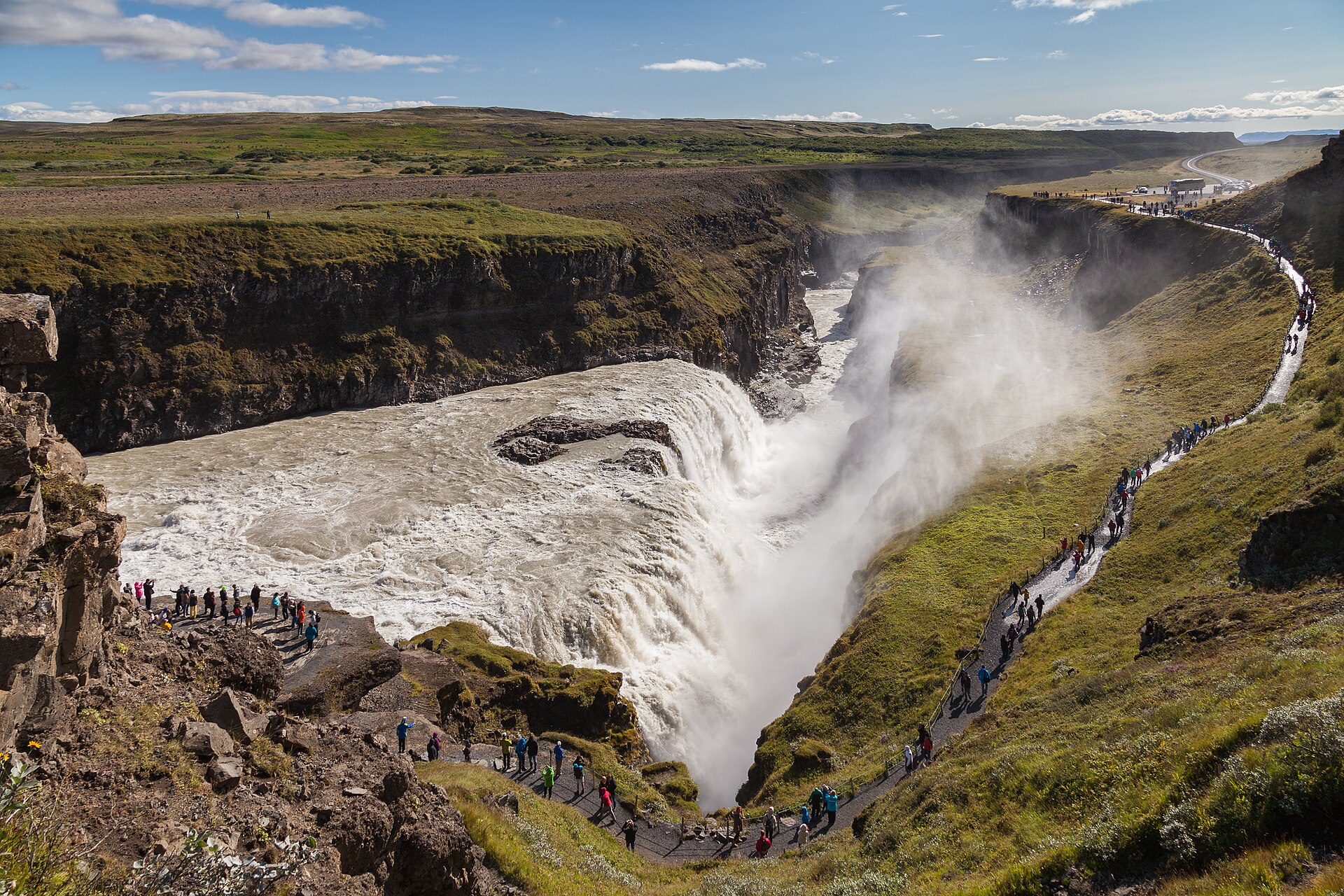
Gullfoss ('Golden Falls') is the most famous waterfall in Iceland and the third stop on the Golden Circle route — a two-tier cascade on the Hvítá river that drops a total of 32 metres in two stages into a 70-metre deep canyon, generating enormous clouds of spray that create rainbows on sunny days and give the waterfall its name. The falls handle an average of 140 cubic metres per second (500 cubic metres per second during summer melt). The falls were famously saved from a hydroelectric scheme in the early 20th century by Sigríður Tómasdóttir, the daughter of the landowner, who walked repeatedly to Reykjavik from her farm (a distance of 120 kilometres each way) to protest the development — a story commemorated by a plaque at the viewpoint. Two viewing platforms provide different perspectives: the upper viewpoint gives the widest angle, while the lower path takes you close enough to feel the spray.
Hallgrímskirkja
Hallgrímstorg 101, 101 Reykjavík
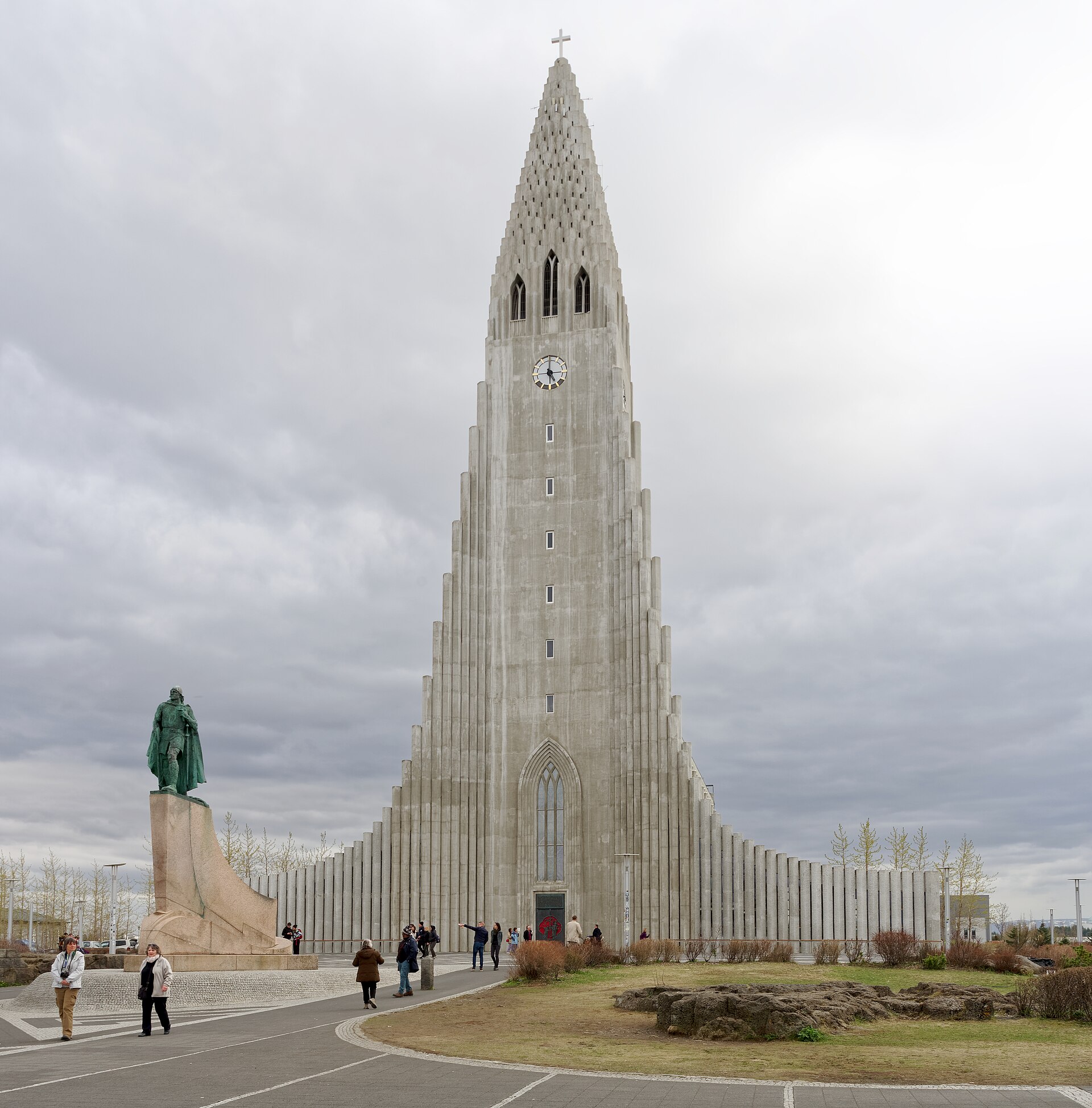
Hallgrímskirkja is Iceland's largest church and Reykjavik's most recognisable landmark — a 74.5-metre expressionist concrete tower designed by Guðjón Samúelsson in 1937 (but not completed until 1986) whose facade is shaped to evoke basalt columns, the hexagonal volcanic rock formations that define Iceland's landscape. The tower observation deck provides the best 360-degree view of Reykjavik — the colourful tin-roofed houses, the harbour, and on clear days the Snæfellsjökull glacier 120 kilometres across the bay. The church took 41 years to build (Icelandic construction moves at the pace of a country with 330,000 people and long winters), and the organ inside — a 5,275-pipe instrument built by Johannes Klais of Bonn — is one of the largest in Europe. The statue of Leif Erikson in front of the church (donated by the United States in 1930 for Iceland's Alþingi millennium) points west toward North America, which Leif reached 500 years before Columbus.
Harpa Concert Hall
2 Austurbakki, Miðbær, Reykjavík, 101, Ísland
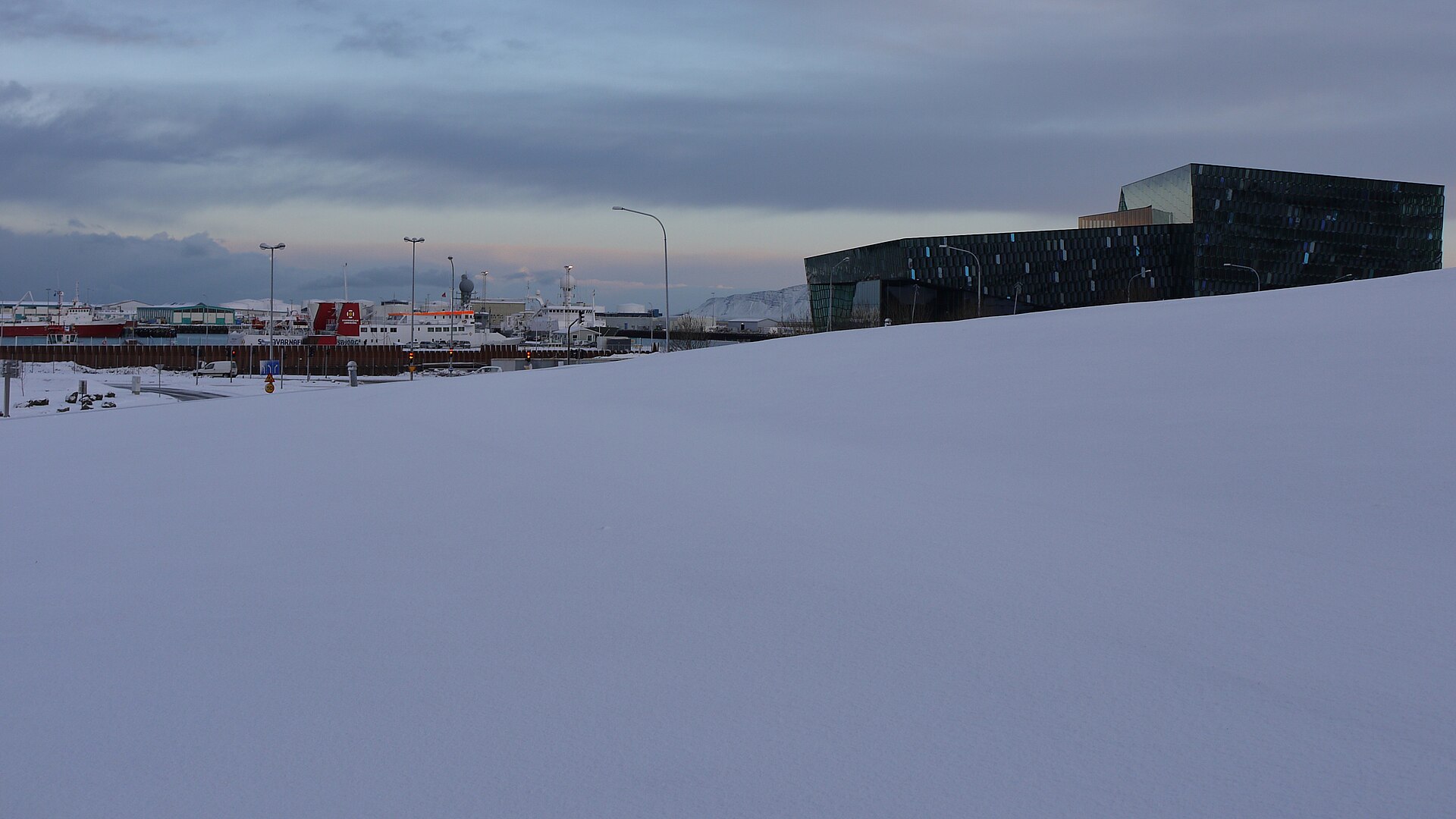
Harpa is Reykjavik's most striking modern building — a concert hall and conference centre on the harbour front designed by Henning Larsen Architects and Ólafur Elíasson (the Icelandic-Danish artist whose light installations have appeared in major museums worldwide). The building's facade is a geometric honeycomb of coloured glass panels (designed by Elíasson) that catch and reflect the Icelandic light in patterns that change continuously with the weather, the time of day, and the season. The building opened in 2011 and was controversial — construction began during the 2008 financial crisis that collapsed Iceland's banking system, and completing the building became a statement of cultural defiance rather than economic prudence. The Iceland Symphony Orchestra and the Icelandic Opera are the resident companies, and the main hall (Eldborg, seating 1,800) has acoustics designed by Artec Consultants.
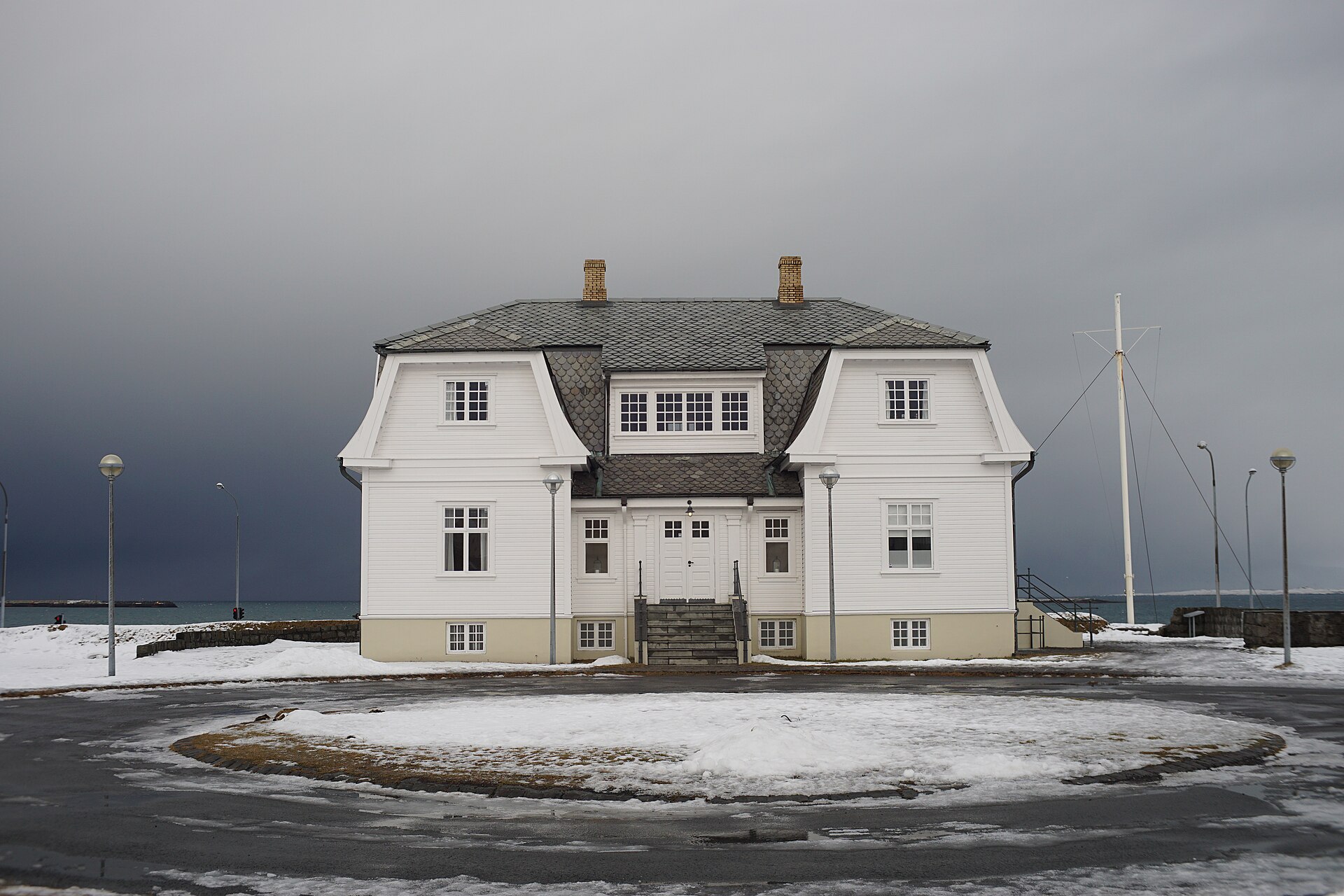
Höfði House
Borgartún, Tún, Reykjavík, 105, Iceland
Höfði House is a white wooden mansion on the north shore of Reykjavik — best known internationally as the site of the 1986 summit between Ronald Reagan and Mikhail Gorbachev that helped end the Cold War. The building was originally constructed in 1909 as the residence of the French Consul to Iceland, later served as home to the British ambassador (who claimed it was haunted by a 'White Lady' and reportedly convinced Parliament to sell it), and is now owned by the City of Reykjavik and used as a reception venue. The house is not usually open to visitors (only by appointment or during occasional open days), but the exterior and the seaside setting — with views across Faxaflói bay to Mount Esja — are striking on their own. A commemorative plaque marks the Reagan-Gorbachev summit, and the location is a natural stop on a walk along the northern waterfront between Harpa and the Sun Voyager.
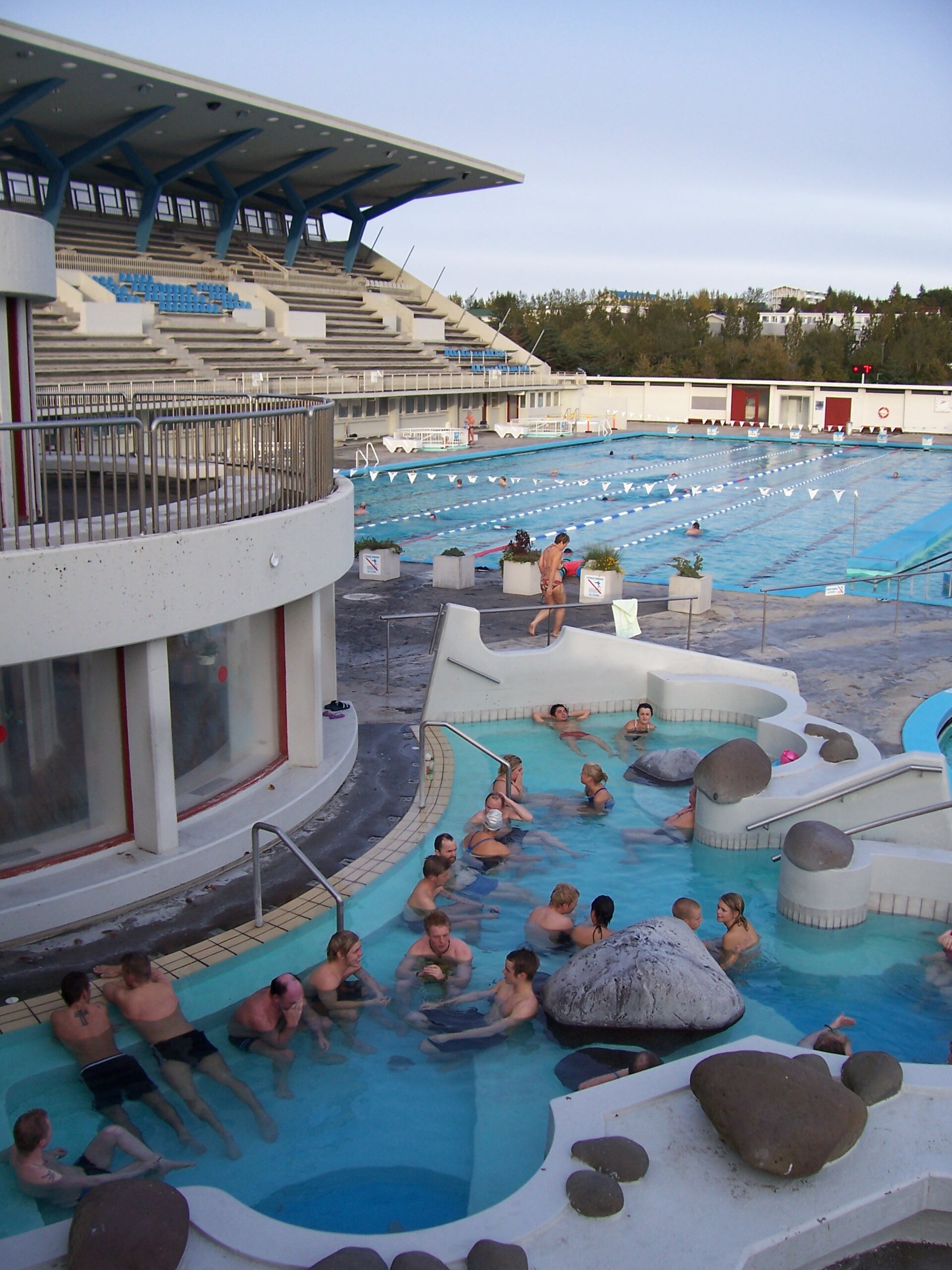
Icelandic Hot Pot Culture
Various swimming pools, Reykjavík
Iceland's geothermal swimming pools (sundlaugar) are the country's most important social institution — outdoor pools heated by volcanic water to 38-44°C where Icelanders swim laps, soak in hot pots (heitir pottar), and conduct the conversations that hold Icelandic society together. Every neighbourhood in Reykjavik has a public pool, and the tradition of meeting friends at the hot pot (rather than at a bar or café) is the social ritual that defines Icelandic daily life. The pools are cheap (about ISK 1,000 / $7), open early (typically 6am, when the pre-work crowd arrives), and used by every demographic — business executives, teenagers, retirees, and the parents who bring toddlers to the children's pools all share the same hot water in the same democratic spirit. The etiquette requires showering thoroughly (without swimsuit) before entering the pool, which foreigners sometimes find startling but which Icelanders consider basic hygiene. The best pools in Reykjavik include Vesturbæjarlaug (a neighbourhood pool with a stunning hot pot overlooking the bay), Laugardalslaug (the city's largest pool complex), and Nauthólsvík (a geothermally heated beach lagoon on the coast). The Sky Lagoon (a newer, more luxury-oriented geothermal spa on the Kársnes Peninsula) provides the Blue Lagoon experience closer to the city.
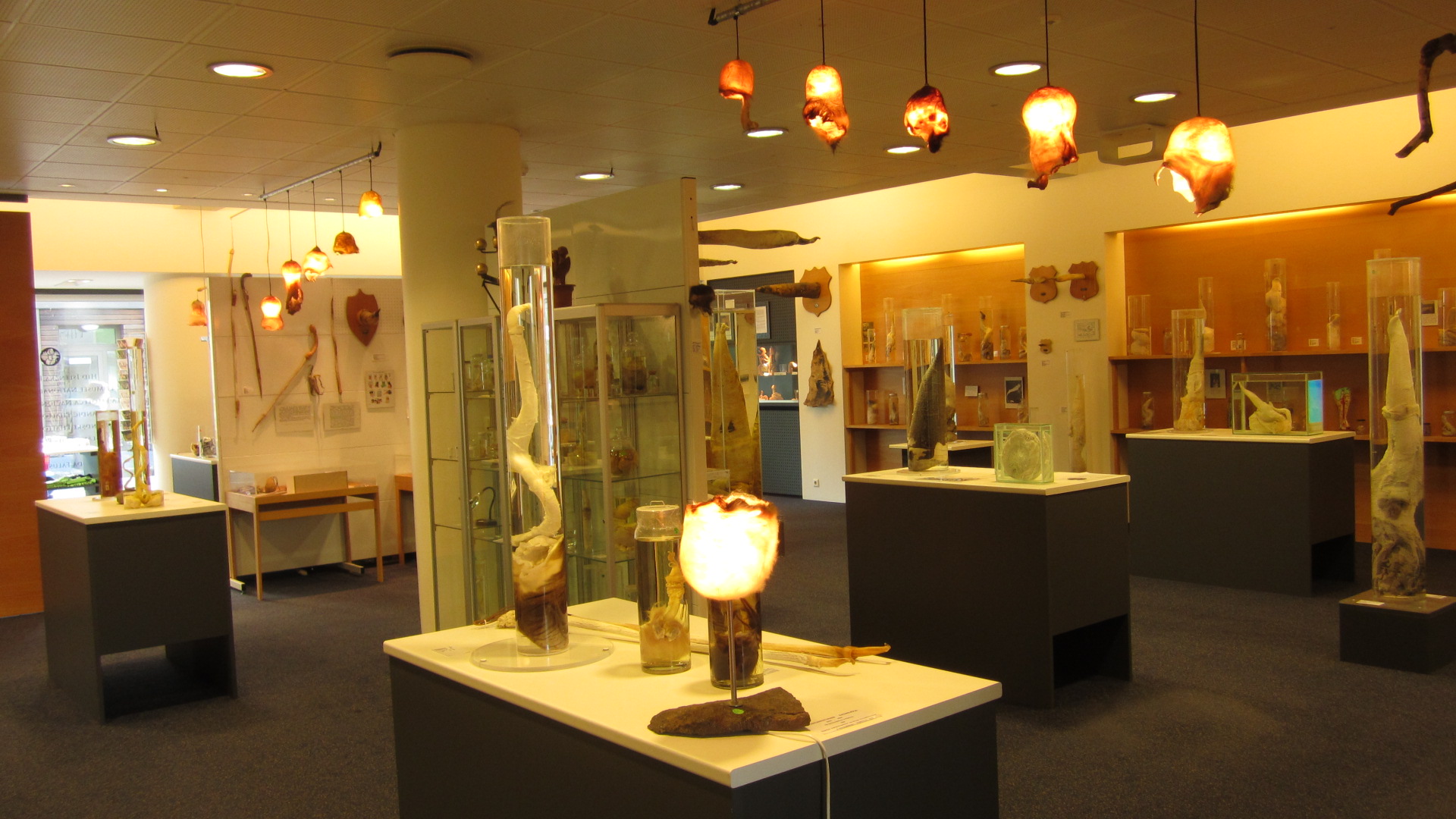
Icelandic Phallological Museum
Kalkofnsvegur, Skuggahverfi, Reykjavík, 101, Iceland
The Icelandic Phallological Museum is the world's only museum dedicated entirely to penises — a genuinely academic natural-history collection of over 400 penises and penile parts from 100 different mammalian species, including whales, walruses, seals, Arctic foxes, and domestic animals, along with a human specimen donated by a 95-year-old Icelandic farmer. The museum was founded by retired teacher Sigurður Hjartarson in 1997 in rural Iceland and moved to Reykjavik in 2011. The museum is serious, scientific, and only occasionally winking — specimens are preserved in formaldehyde or as dried display pieces, and the educational labels treat the subject with the same respectful detail that a natural history museum would bring to any other organ. The Hollywood-themed gift shop and penis-shaped souvenirs provide the comic counterweight to the scholarly tone inside.
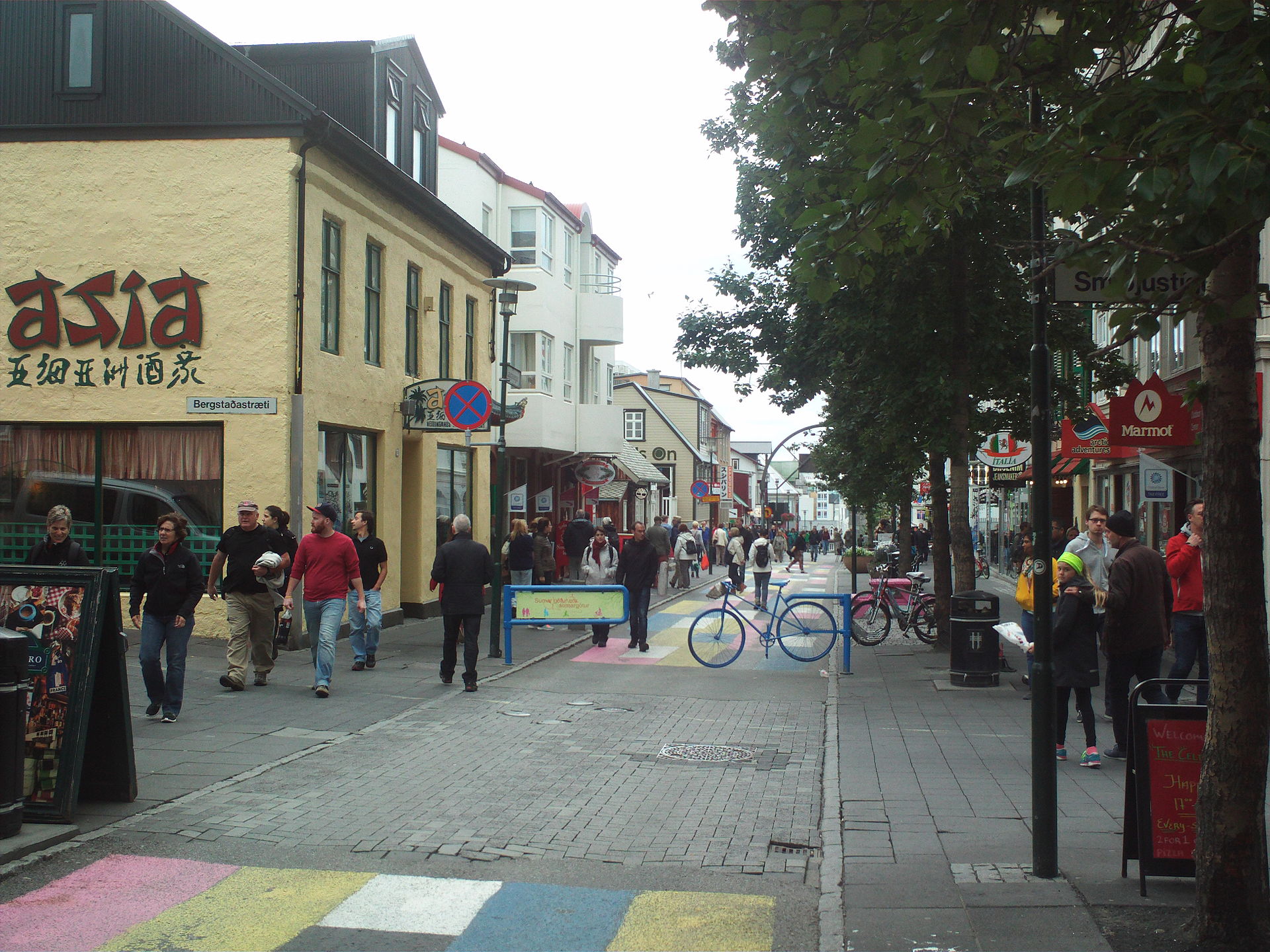
Laugavegur (Main Shopping Street)
101 Laugavegur, Hlemmur, Reykjavík, 105, Iceland
Laugavegur is Reykjavik's main commercial street — a colourful corridor of shops, restaurants, bars, and the kind of independent retail that survives in a city small enough (130,000 people) to support local businesses over chains. The street runs from the harbour area east toward Hlemmur bus station and contains virtually everything Reykjavik has to offer in terms of dining, drinking, and the Icelandic design (woolens, ceramics, jewellery) that has become a significant cultural export. The food scene on and around Laugavegur reflects Iceland's culinary evolution — from the traditional (fermented shark, dried fish, lamb soup) to the contemporary (the seafood restaurants, ramen bars, and the hot dog stands that serve the pylsur that is Iceland's most beloved fast food — a lamb, pork, and beef hot dog served with raw and fried onions, ketchup, sweet mustard, and rémoulade). Bæjarins Beztu Pylsur, a hot dog stand operating since 1937, is the most famous fast food establishment in Iceland.
National Museum of Iceland
Suðurgata 41, 102 Reykjavík
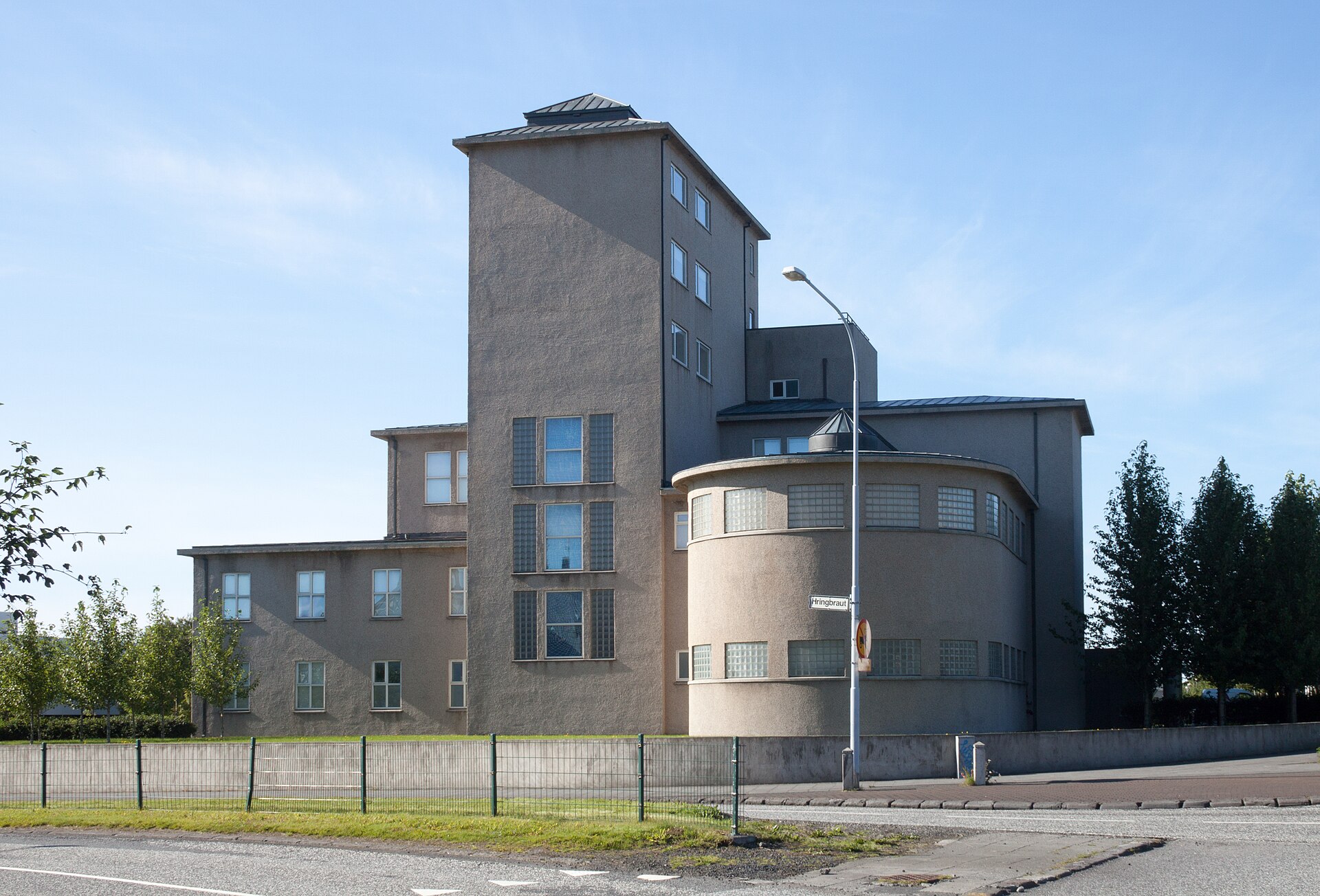
The National Museum of Iceland traces the history of Iceland from the Settlement Age (874 AD) to the present — a compact but well-curated collection that explains how a volcanic island in the North Atlantic, settled by Vikings and their Celtic slaves, became one of the wealthiest and most literate societies on Earth. The collection includes the Valþjófsstaður church door (a 13th-century carved wooden door depicting the legend of the knight and the lion), Viking-age artifacts, medieval manuscripts, and the objects of daily life that document 1,100 years of Icelandic civilisation. The museum's narrative is engaging — Iceland's small population (currently 380,000, roughly the same as it was in 1100) means that national history feels personal rather than abstract, and the museum's presentation emphasises the human stories behind the artifacts. The DNA exhibition, which explains Iceland's unique genetic heritage (the population is genetically homogeneous enough to serve as a medical research resource, and the national genome database deCODE has contributed to global medical research), adds a contemporary scientific dimension.
Northern Lights & Midnight Sun
Various viewing locations, Reykjavik & surrounds
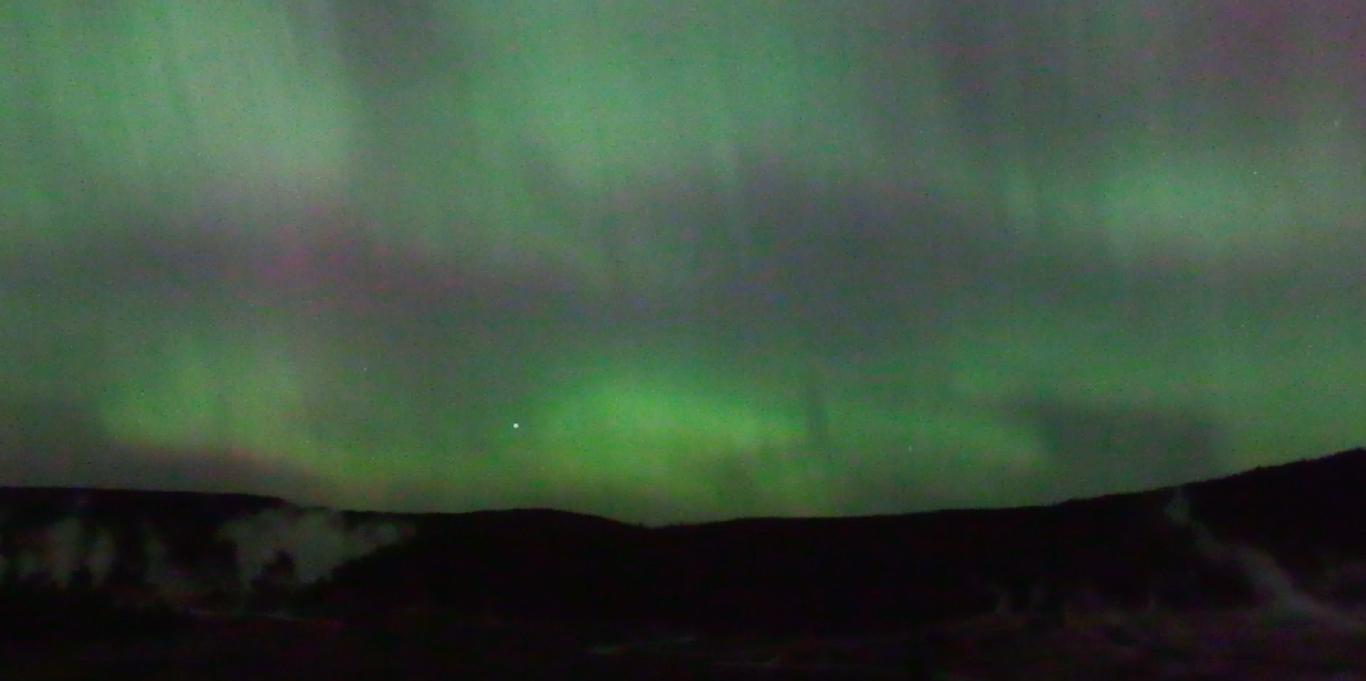
The Northern Lights (Aurora Borealis) are visible from Reykjavik and the surrounding countryside from September through March — curtains of green, purple, and white light that ripple across the sky when charged particles from the sun interact with the Earth's magnetic field. Iceland's position just below the Arctic Circle makes it one of the best places in the world to see the aurora, and the combination of dark winter skies, minimal light pollution outside the city, and the volcanic landscape creates viewing conditions that are among the most dramatic available. The lights are unpredictable — they depend on solar activity, cloud cover, and magnetic conditions — and the Icelandic Met Office issues a daily aurora forecast that becomes the most-consulted piece of information in the country during winter. Viewing from within Reykjavik is possible (from Grótta lighthouse or the harbour area) but is hampered by city light; the best viewing is 30-60 minutes outside the city. The counterpart experience is the midnight sun — from mid-May to late July, the sun barely sets (remaining above the horizon for 24 hours around the June solstice), and the perpetual twilight-golden light that bathes Reykjavik during the summer nights creates a different kind of natural spectacle. The midnight sun golf tournament (played at midnight under natural light) and the Secret Solstice music festival are celebrations of the light that darkness-accustomed Icelanders treat as a seasonal gift.

Old Harbour & Grandi District
Old Harbour, Grandi, Reykjavík
The Old Harbour and Grandi district is Reykjavik's most dynamic neighbourhood — a former fishing harbour and fish-processing area that has been converted into a waterfront district of restaurants, museums, and the kind of creative-industrial spaces that emerge when fishing warehouses become too valuable to use for fish. Grandi Mathöll, a food hall in a converted fish factory, concentrates the best of Reykjavik's food scene under one roof — Icelandic seafood, lamb, and the New Nordic cuisine that Iceland has adopted and adapted. The Marshall House (a converted herring factory) houses the galleries of Ólafur Elíasson, Living Art Museum, and the Kling & Bang gallery, creating a contemporary art hub. The FlyOver Iceland experience (a simulation ride over Icelandic landscapes) and the Whales of Iceland museum (life-size whale models in a cavernous warehouse) add family-friendly attractions. The harbour itself remains partly working — fishing boats, whale-watching vessels, and the ferry to Viðey Island share the basin, and the fish market at the harbour (Kolaportið flea market, open weekends) sells dried fish, fermented shark, and the secondhand goods that Icelanders trade with the matter-of-factness of a nation that has been recycling since before the word existed.
Perlan (The Pearl)
Varmahlíð 1, 105 Reykjavík
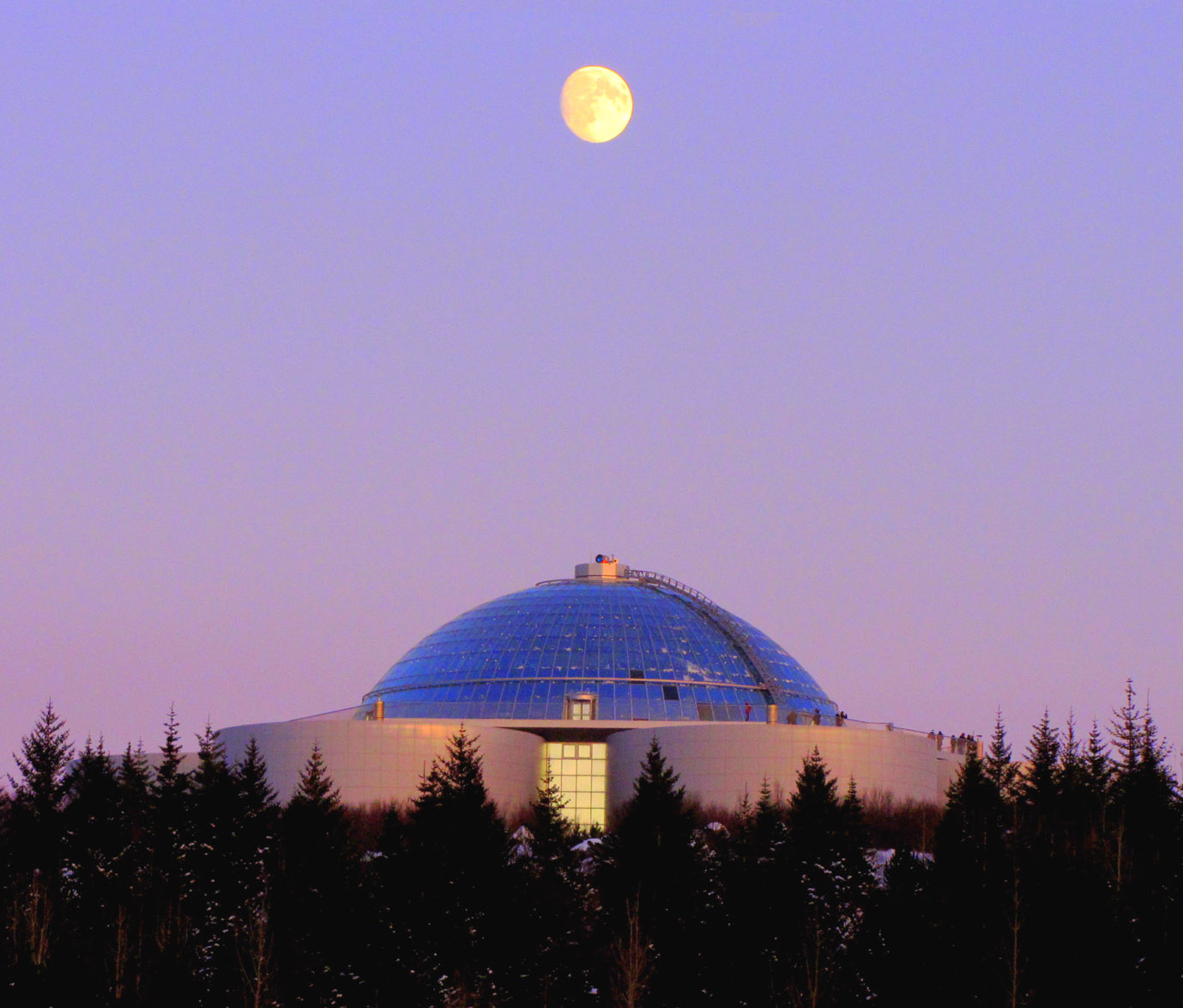
Perlan is a glass dome built on top of six geothermal water storage tanks on Öskjuhlíð hill — a museum, observation deck, and planetarium that provides both a 360-degree view of Reykjavik and an immersive education in Iceland's geology, glaciology, and natural phenomena. The building, completed in 1991, converted the city's hot water tanks (which store the geothermal water that heats Reykjavik's buildings) into a multi-purpose cultural centre. The Wonders of Iceland exhibition uses a real indoor ice cave (maintained at -10°C using 350 tonnes of snow), a planetarium showing Northern Lights films, and interactive exhibits on volcanic eruptions, earthquakes, and the tectonic forces that created Iceland to explain the country's geology. The observation deck provides the most comprehensive view of Reykjavik — the colourful city below, the harbour, and the surrounding mountains and ocean in every direction. The building sits on Öskjuhlíð, a forested hill that was planted with trees by Reykjavik residents in the 1950s (Iceland was almost entirely deforested by the Vikings, and reforestation has been a national project since). The walking paths through the forest and up to Perlan provide one of the few woodland walking experiences available near Reykjavik.
Reykjavik Art Museum
Tryggvagata 17, Reykjavik
The Reykjavik Art Museum is Iceland's largest art museum — spread across three buildings (Hafnarhús by the harbour, Kjarvalsstaðir on the eastern edge of the old town, and Ásmundarsafn north of the centre), each with its own focus. Hafnarhús, the main waterfront building in a converted 1930s warehouse, houses contemporary Icelandic art including the definitive collection of Erró (Guðmundur Guðmundsson), Iceland's most internationally known living artist whose pop-art collages and political paintings fill an entire dedicated wing. Kjarvalsstaðir is dedicated to Jóhannes Kjarval (1885-1972), Iceland's national artist, whose paintings of the Icelandic landscape — with its bizarre lava forms, mosses, and northern light — became fundamental to the country's visual identity. Ásmundarsafn is the sculpture garden and former studio of Ásmundur Sveinsson. A single ticket includes all three buildings.
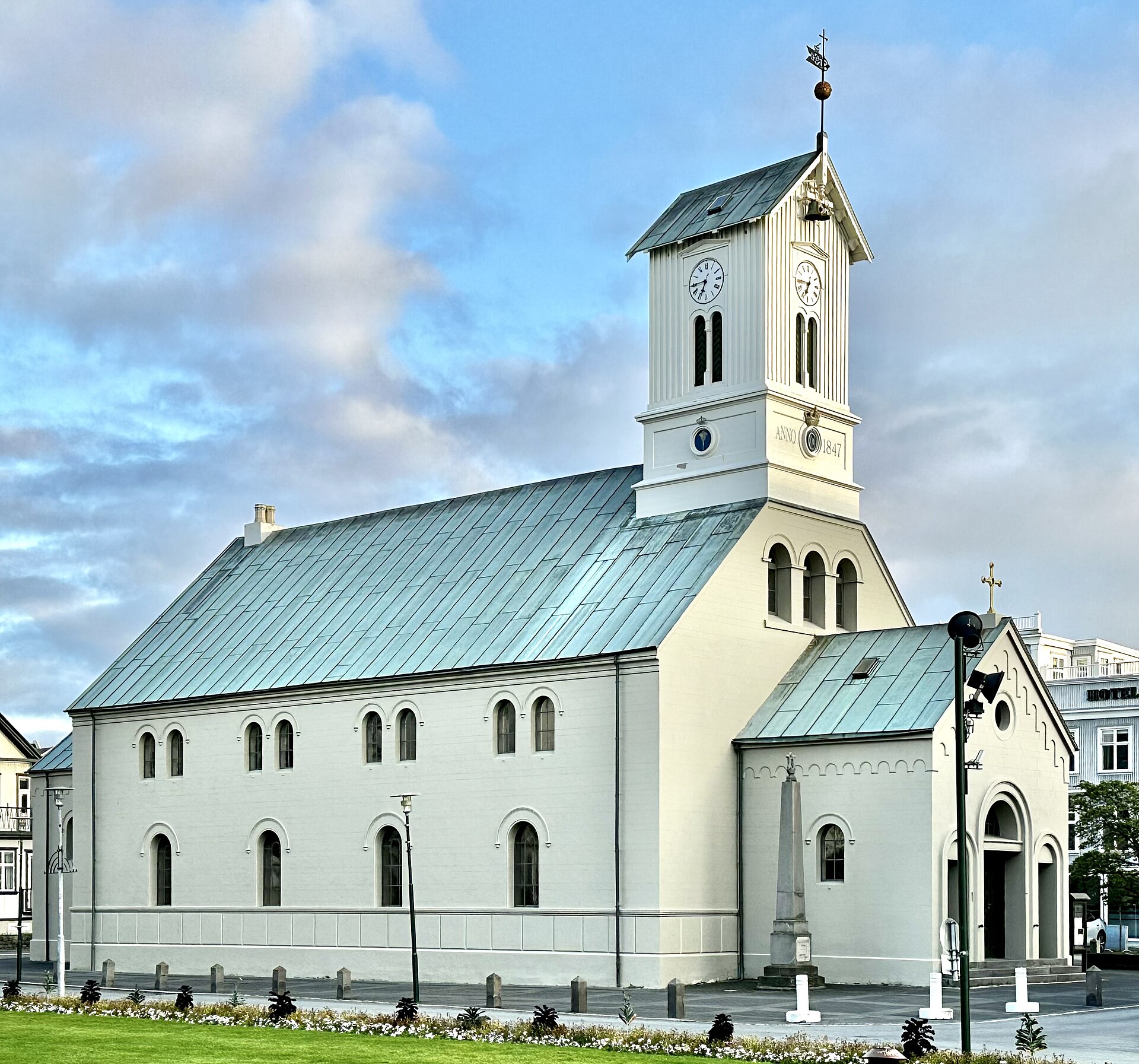
Reykjavik Cathedral (Dómkirkjan)
Austurvöllur, Reykjavik
Dómkirkjan í Reykjavík — the Reykjavik Cathedral — is Iceland's national Lutheran cathedral and, unlike Hallgrímskirkja (which is more famous as a landmark), is the church most Icelanders still consider the spiritual heart of the capital. The small, white-walled Neoclassical building was completed in 1796 on Austurvöllur square beside the parliament, and has been the venue for every significant state religious ceremony since — coronations, state funerals, and the annual opening of the Alþingi (when all 63 MPs process from parliament across the square to the cathedral for a service). The cathedral is intimate inside — seats 300 — with a simple white interior punctuated by a baptismal font designed by Bertel Thorvaldsen (the Danish-Icelandic sculptor Iceland considers its own). The cathedral is open to visitors for a quiet visit when no service is in progress.
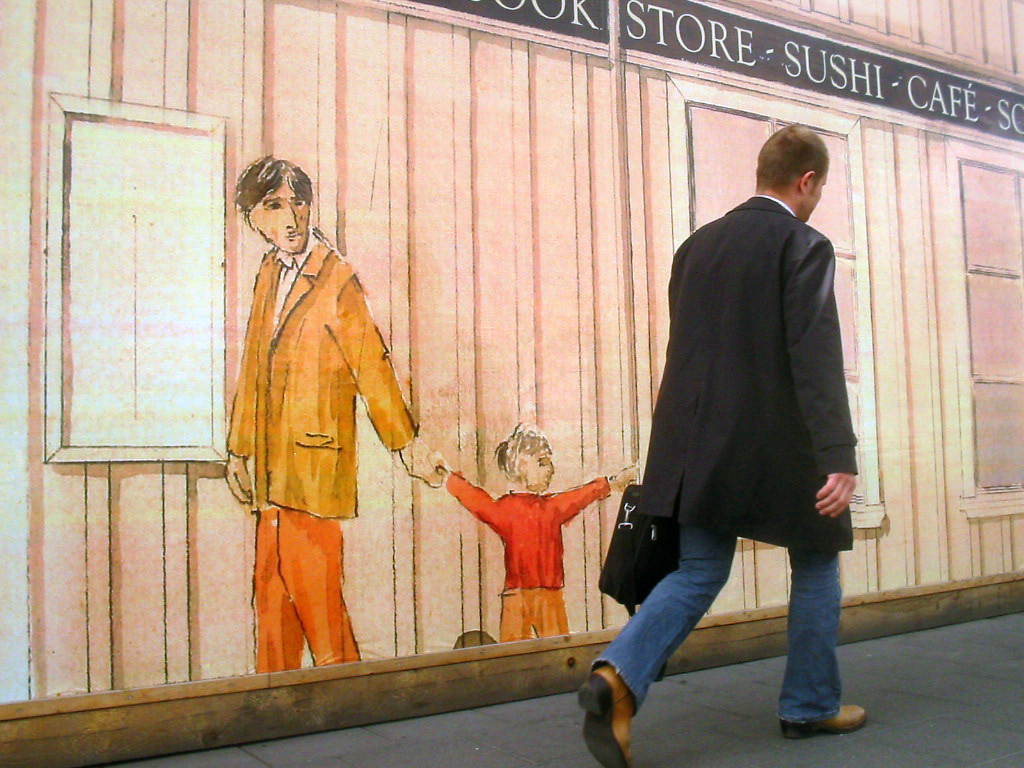
Reykjavik City Centre Murals & Street Art
Various locations, 101 Reykjavík
Reykjavik has one of the most concentrated street art scenes in Europe — a collection of large-scale murals covering building facades throughout the 101 postal code area (downtown Reykjavik) that was partly formalised by the city-sponsored Wall Poetry project and has since expanded organically as international and Icelandic artists have added work to the city's walls. The murals cover subjects from Icelandic nature (whales, puffins, the Northern Lights) to political commentary, abstract art, and portraits, and the density of painted facades in the compact city centre means you encounter street art every few minutes while walking. The most notable works include pieces by Australian artist Guido van Helten, Belgian artist ROA, and Icelandic artists Sara Riel and Sigríður Rún, whose works use the small city's walls as a gallery that is free, democratic, and continuously evolving. The street art reflects Reykjavik's outsized cultural ambition — a city of 130,000 people that produces art, music (Björk, Sigur Rós, Of Monsters and Men all emerged from this tiny scene), literature (Iceland publishes more books per capita than any other country), and design at a volume that cities ten times its size can't match. The colourful corrugated-iron buildings that the murals decorate are themselves architectural treasures — many date to the late 19th and early 20th centuries and are protected heritage.
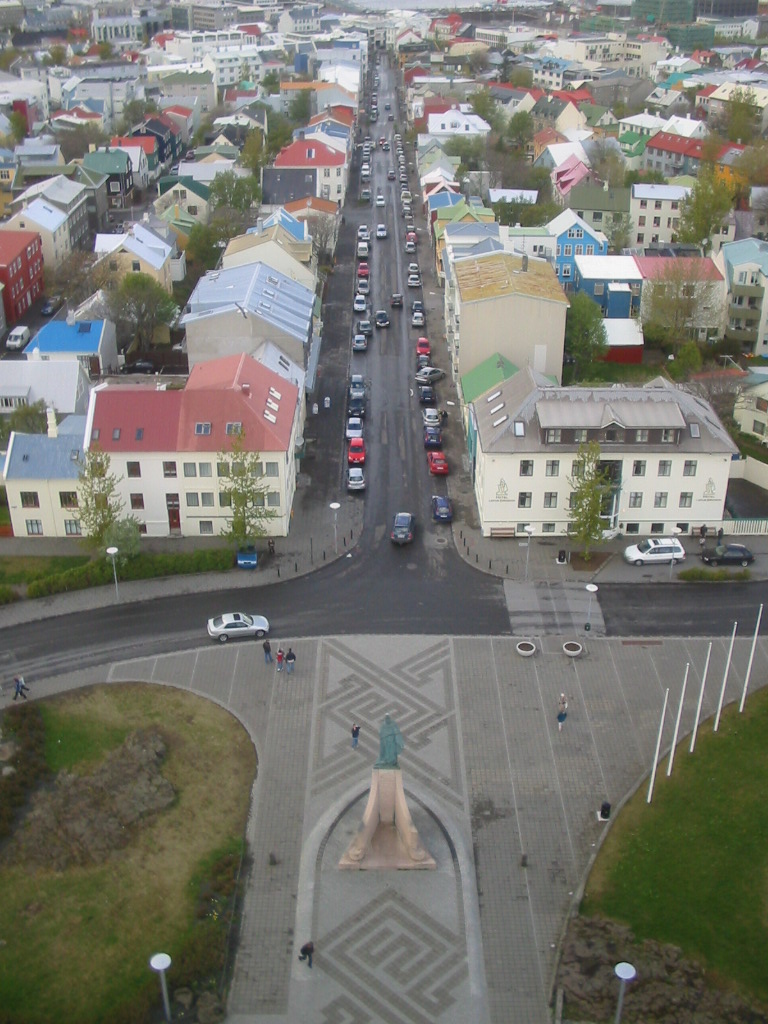
Reykjavik's Colourful Houses
Various streets, 101 Reykjavík
Reykjavik's colourful corrugated-iron houses are the city's visual signature — small, brightly painted buildings with tin roofs and cladding that were built from the late 19th century onward and give the city centre its distinctive toytown appearance. The houses are painted in every colour (red, blue, green, yellow, turquoise, pink) and the cumulative effect — rows of colourful houses against a grey sky, with the church spire and mountains behind — creates the postcard image that defines Reykjavik. The corrugated iron was originally imported from Britain (Iceland has no native iron ore or timber for traditional construction) and was a practical solution to the harsh climate — lightweight, waterproof, and resistant to the wind that makes traditional construction methods impractical. The painting tradition evolved partly from the need to protect the iron from rust and partly from the desire to brighten a landscape that spends four months in near-darkness. The houses on Skólavörðustígur (the street leading from Laugavegur up to Hallgrímskirkja), Þingholtsstræti, and the streets around Tjörnin (the city-centre lake) contain the most concentrated collection of colourful houses, and walking these streets — past the painted facades, the small gardens, and the cats that occupy every available windowsill — is the most characterful experience in downtown Reykjavik.
Saga Museum
2 Grandagarður, Vesturhöfn, Reykjavík, 101, Iceland
The Saga Museum at the Grandi harbour district brings the Icelandic sagas to life through 17 life-sized wax figure tableaux depicting key scenes and characters from Iceland's foundational medieval literature — Ingólfur Arnarson (the first permanent settler in 874 AD), Leifur Eiríksson (who reached North America 500 years before Columbus), Snorri Sturluson (the medieval historian and author of the Prose Edda), and the Viking-era witch burnings, raids, and feuds that shape Icelandic self-understanding. The figures are remarkably detailed (modelled on real contemporary Icelanders, many of whom are relatives of the sculptor), and the audio guide (available in 13 languages) provides enough historical context for the uninitiated. The museum is especially useful for understanding Iceland's medieval literary heritage before visiting Þingvellir or the saga sites in the northern and western parts of the country.
Settlement Exhibition (871±2)
Aðalstræti 16, Reykjavik
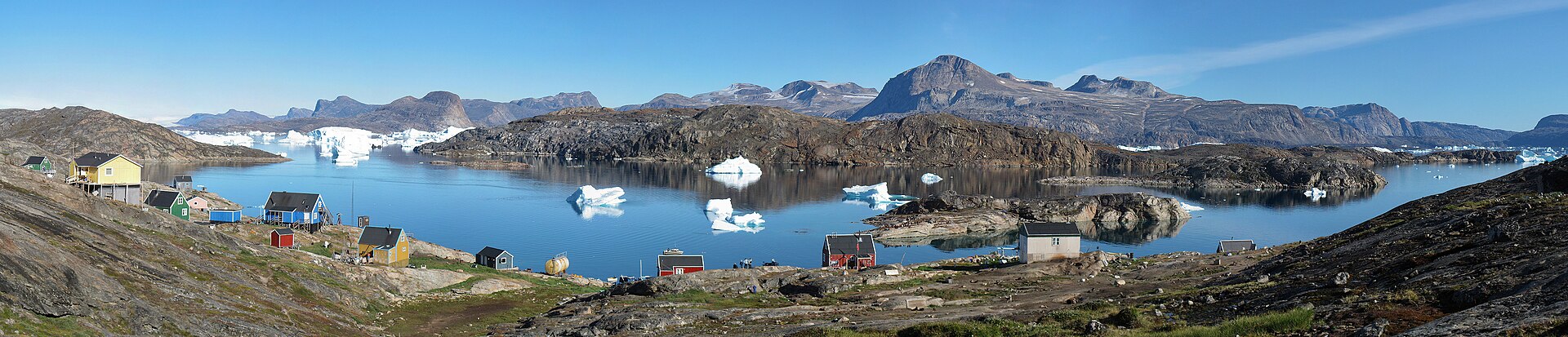
The Settlement Exhibition is built around the excavated remains of one of the oldest longhouses in Reykjavik — discovered in 2001 during construction on Aðalstræti (Reykjavik's oldest street) and dated to around 871 AD, making it one of the earliest Viking Age settlements in Iceland. The museum is named '871±2' for the precise dating made possible by the thin layer of volcanic ash from a major eruption. The longhouse itself — about 20 metres long, with turf walls and a hearth down the centre — sits in situ under a glass floor, with the excavated remains viewable from walkways above. Multimedia displays reconstruct the appearance of 10th-century Reykjavik (tiny — maybe 10 families in turf houses near the coast), explain the technology and daily life of early settlers, and put the findings in the context of Iceland's broader settlement between about 870 and 930 AD.
Sky Lagoon
44-48 Vesturvör, Kópavogur, Kópavogur, 200, Iceland
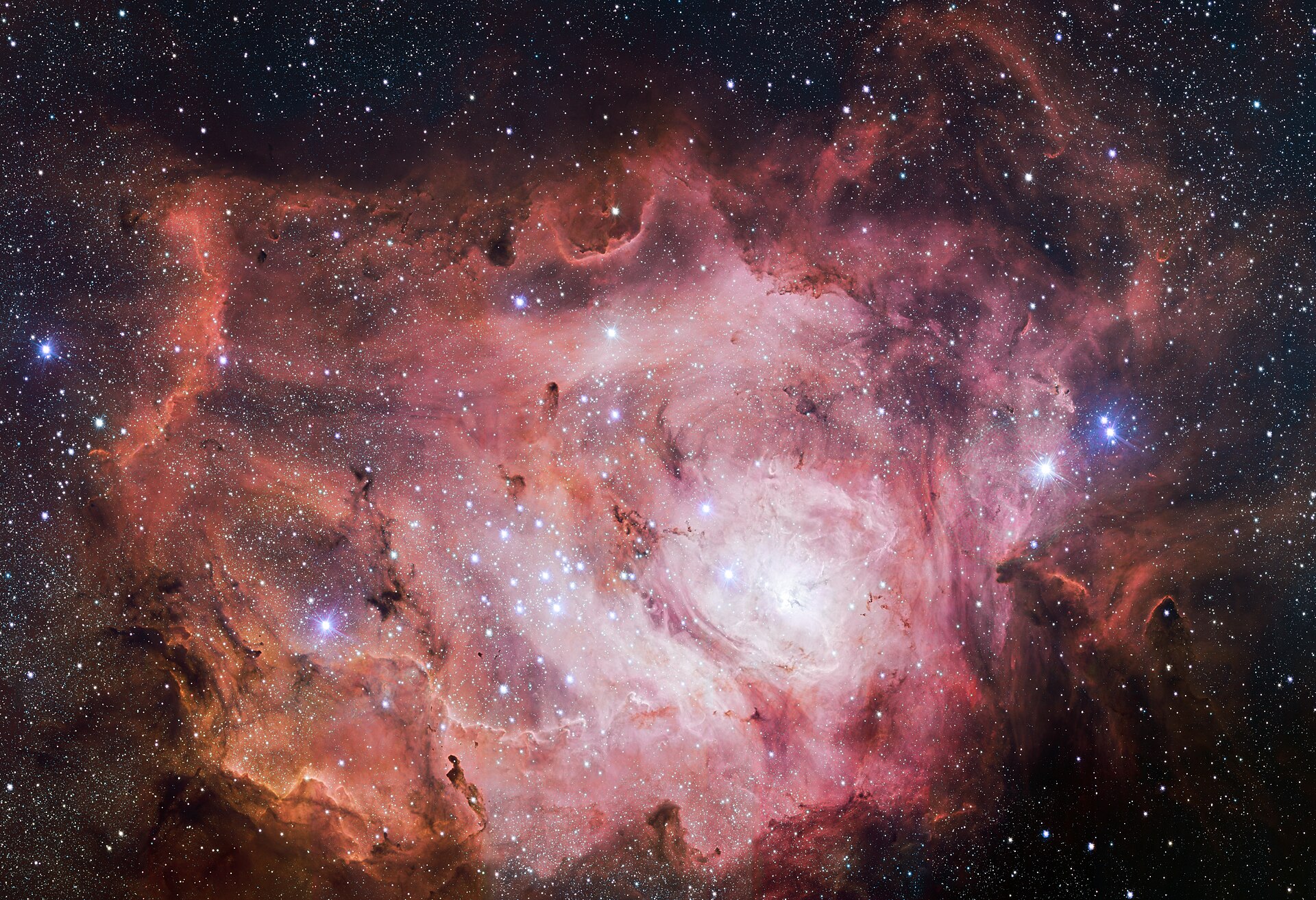
The Sky Lagoon is Reykjavik's premium geothermal lagoon — a 2021 addition to the Icelandic bathing culture, located 8 kilometres south of central Reykjavik in Kársnes (Kópavogur) and featuring an 80-metre infinity edge that merges the lagoon water with the North Atlantic horizon, creating a swimming experience where you appear to float into the sea. The water is geothermally heated to 38-40°C year-round, and the lagoon is set in dramatic lava rock landscaping. The Sky Lagoon's signature 'Ritual' — a seven-step bathing routine (warm lagoon, cold plunge, sauna, cold mist, body scrub, steam, warm water) — is a contemporary interpretation of Icelandic bathing traditions. The lagoon is smaller and more manageable than the Blue Lagoon, and its proximity to Reykjavik makes it a better choice for short trips. Book ahead; late-afternoon into sunset is the most atmospheric time.
Snæfellsnes Peninsula (Day Trip)
Snæfellsnes Peninsula, Western Iceland
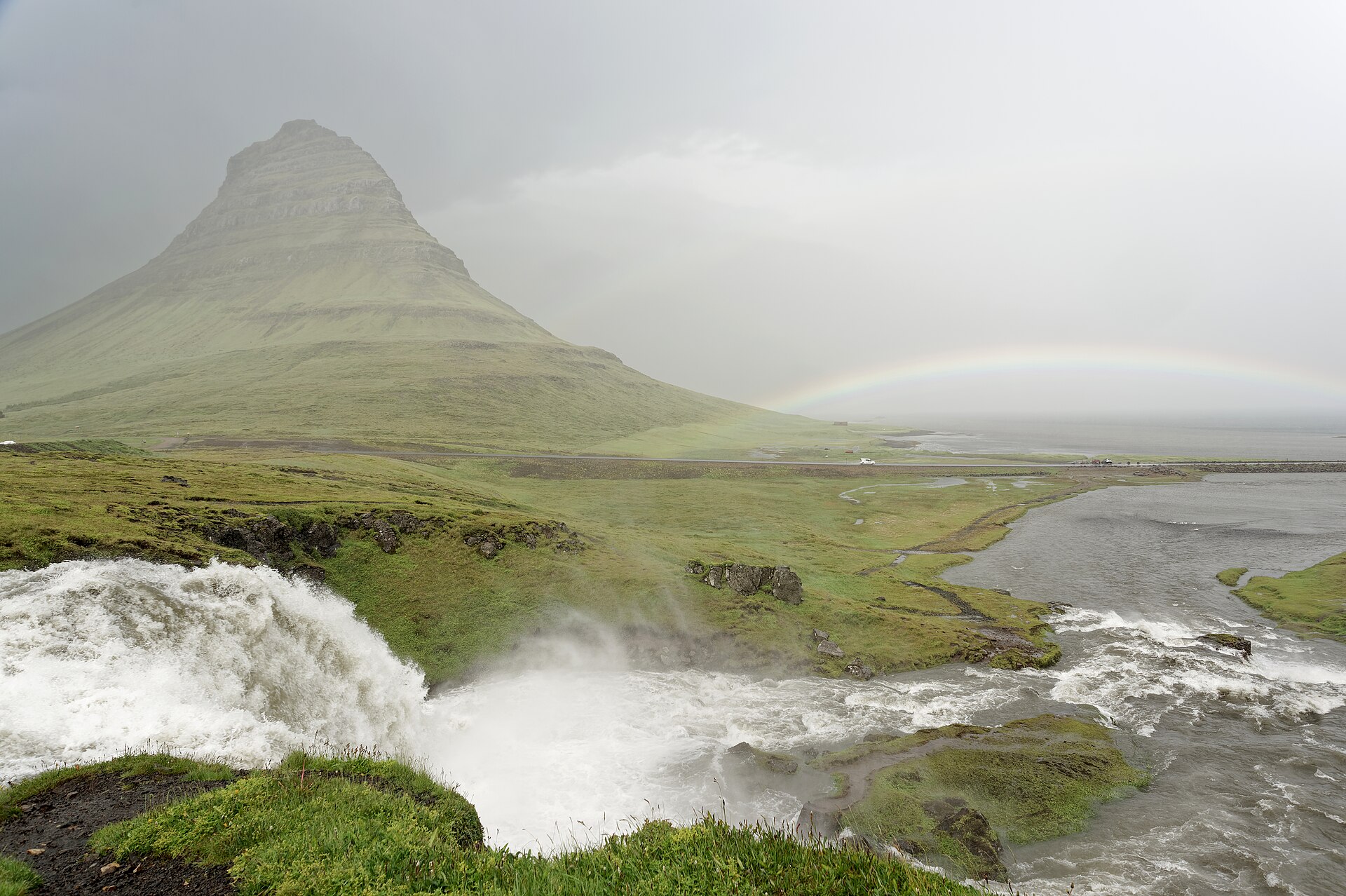
The Snæfellsnes Peninsula is 'Iceland in miniature' — a 90-kilometre finger of land northwest of Reykjavik that contains a glacier-capped volcano (Snæfellsjökull, the setting for Jules Verne's 'Journey to the Centre of the Earth'), black sand beaches, dramatic sea cliffs, lava fields, fishing villages, and the full range of Icelandic landscapes compressed into a single day trip. The peninsula's highlights include Kirkjufell (the most photographed mountain in Iceland, a symmetrical cone that has appeared in Game of Thrones and every Iceland tourism brochure), Djúpalónssandur (a black pebble beach with the rusted remains of a British trawler shipwrecked in 1948), Arnarstapi (a coastal village with a sea arch and a cliff walk through nesting seabird colonies), and the Snæfellsjökull glacier itself (visible from Reykjavik on clear days, 120km across the bay). The drive from Reykjavik takes about 2 hours (175km to the peninsula's base), and a full circuit of the peninsula is about 200km — manageable in a long summer day but requiring overnight accommodation in winter when daylight is limited. The peninsula is less visited than the Golden Circle and South Coast, which means the landscapes feel more personal — at several stops, you may be the only person at a viewpoint that in any other country would have a car park and a gift shop.
Sun Voyager (Sólfar)
101 Sæbraut, Lækir, Reykjavík, 105, Iceland
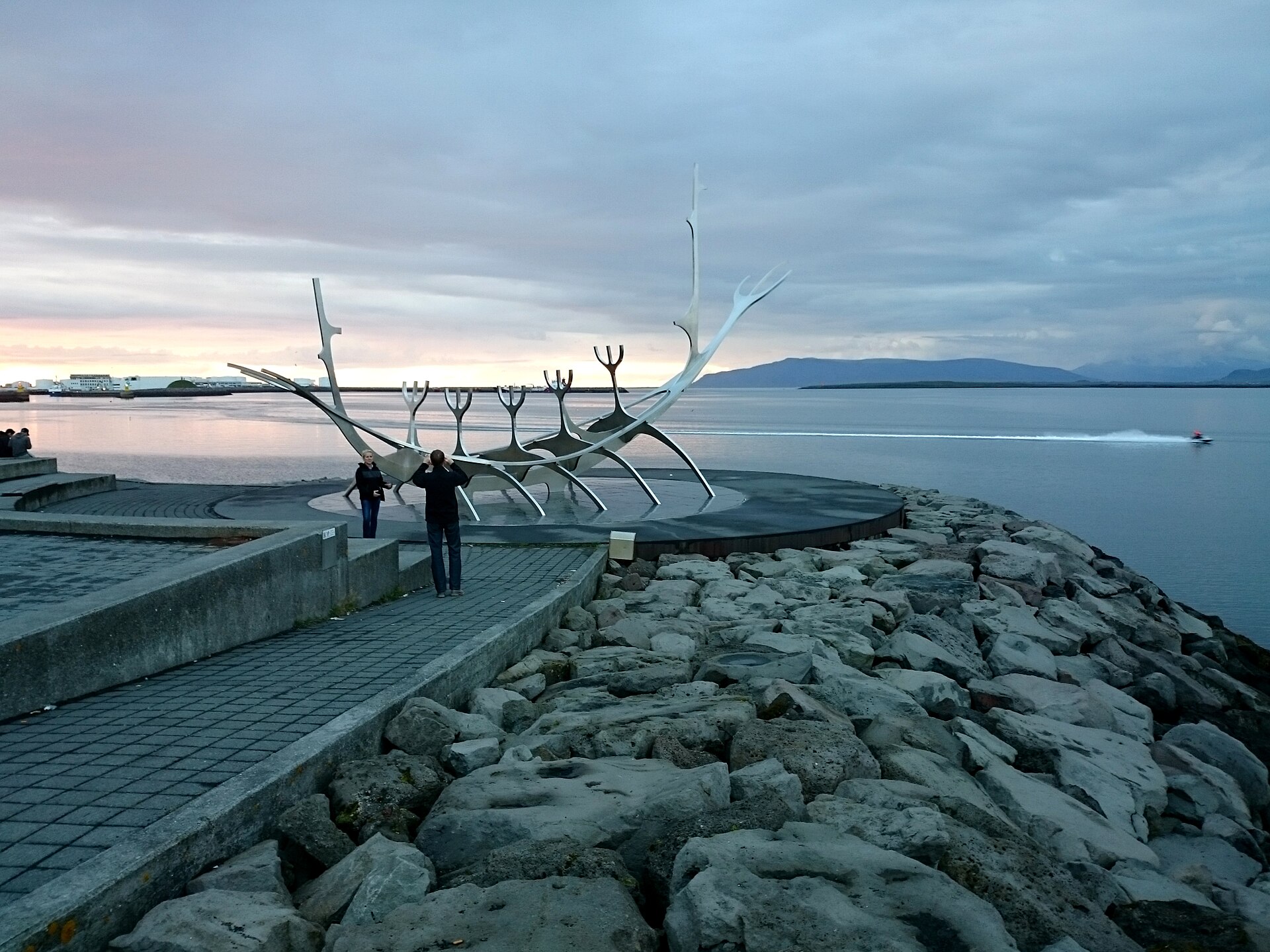
The Sun Voyager is Reykjavik's most photographed sculpture — a stainless steel representation of a Viking longship by Jón Gunnar Árnason, installed on the harbour front in 1990. The sculpture faces north across Faxaflói Bay toward the mountains of the Esja range, and the combination of steel, water, and the Icelandic light (which at northern latitudes has a quality of clarity and colour that lower latitudes can't produce) makes the Sun Voyager one of the most photogenic public artworks in any Nordic city. The sculpture is not a Viking ship — Árnason described it as 'a dream boat, an ode to the sun, symbolising the promise of undiscovered territory, a dream of hope, progress, and freedom.' The abstract form suggests a vessel without specifying one, which makes it simultaneously a reference to Iceland's seafaring history and a universal symbol of exploration. The sculpture sits on the Sæbraut waterfront promenade, and the sunset behind the Esja mountains with the Sun Voyager in silhouette is the most popular photograph taken in Reykjavik.
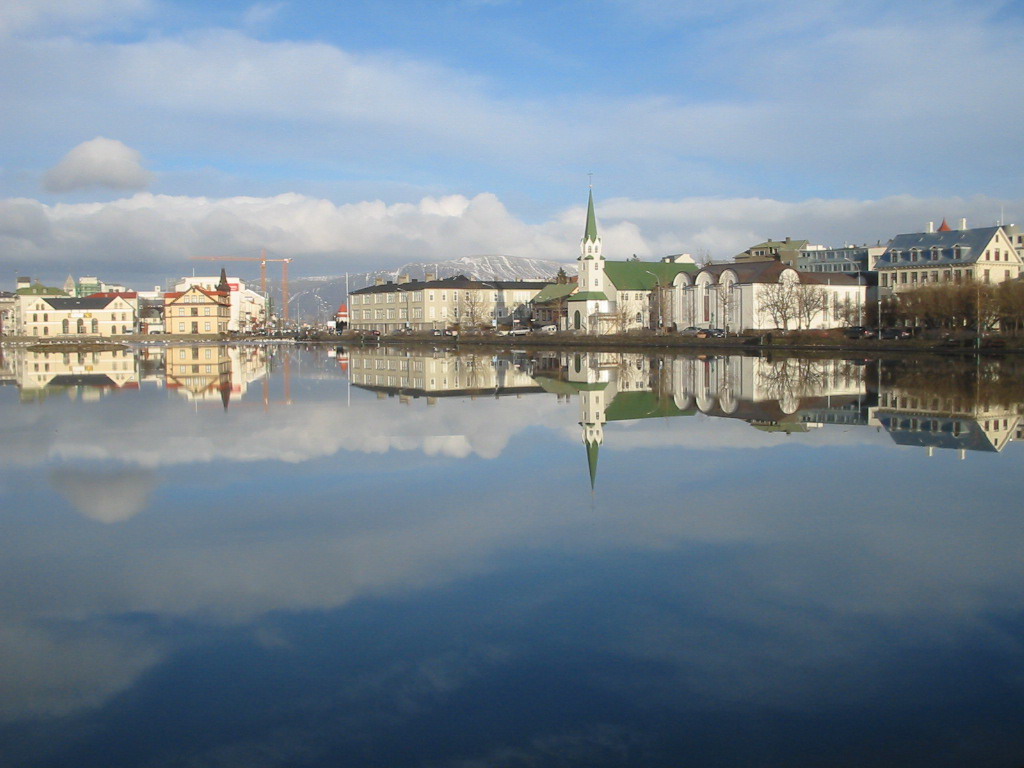
Tjörnin (The Pond)
Tjörnin, Reykjavik
Tjörnin is the small lake (literally 'the pond') in the centre of Reykjavik — a rectangular body of water bordered by Ráðhús (Reykjavik City Hall), the Lutheran Free Church, and the National Gallery of Iceland. Tjörnin is home to over 40 species of resident and migratory birds, most famously Arctic terns, whooper swans, and mallards, with feeding the ducks (using bread soaked in water or, better, unsalted oats) being a traditional Reykjavik family activity. In winter Tjörnin freezes over and becomes a natural skating rink — the city runs heated jets under part of the pond to keep a portion open for birds, and the contrast between the frozen expanse and the open channel of water with ducks and swans is one of the iconic Reykjavik winter images. The pond has been the setting of significant events in Icelandic literature and politics since the 19th century.
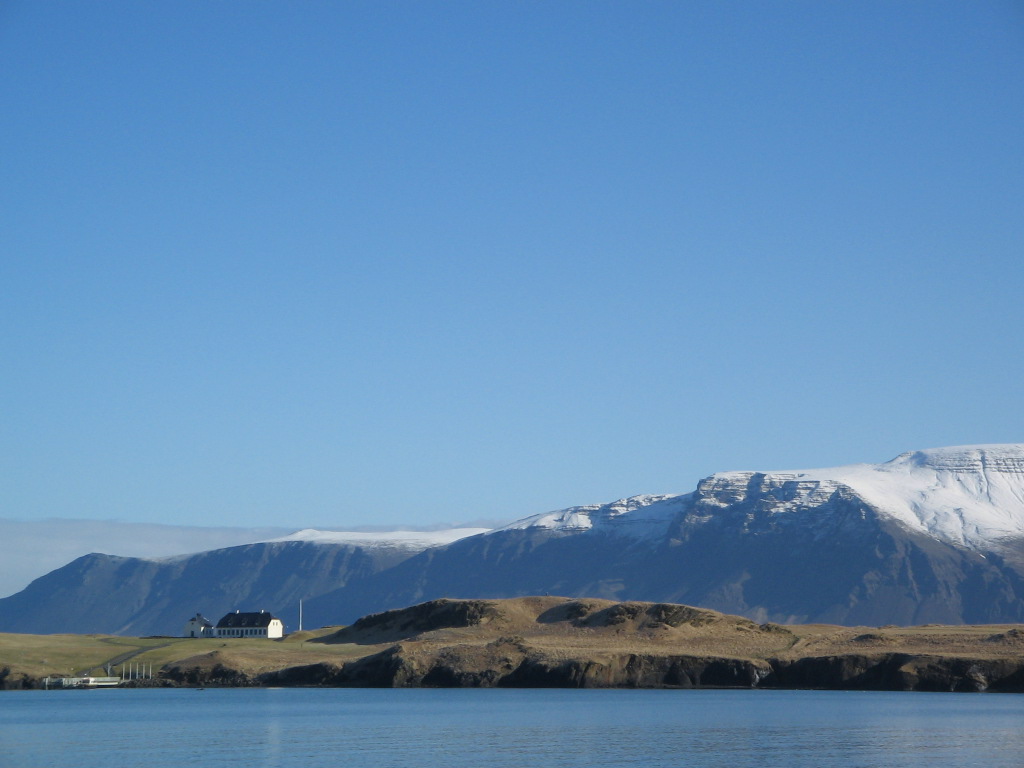
Viðey Island (Day Trip)
Viðey Island, Kollafjörður
Viðey is a small flat island in Kollafjörður bay a short ferry ride from Skarfabakki harbour (10 minutes) that combines the Viðey Stofa (the oldest stone building in Iceland, completed in 1755), Iceland's first church (from 1774), and Yoko Ono's Imagine Peace Tower — a luminous beacon switched on each year from 9 October (John Lennon's birthday) to 8 December (the anniversary of his death), projecting light for up to 4 kilometres into the sky. Ono chose Viðey for its symbolism — a small peaceful island between continents. The island has walking trails, nesting seabird colonies, sheep, and a remarkable Richard Serra sculpture installation ('Áfangar'), nine pairs of basalt columns arranged around the island's highest point. Viðey is easy to combine with whale watching or a visit to Grandi, and the ferry schedule requires planning — check in advance.
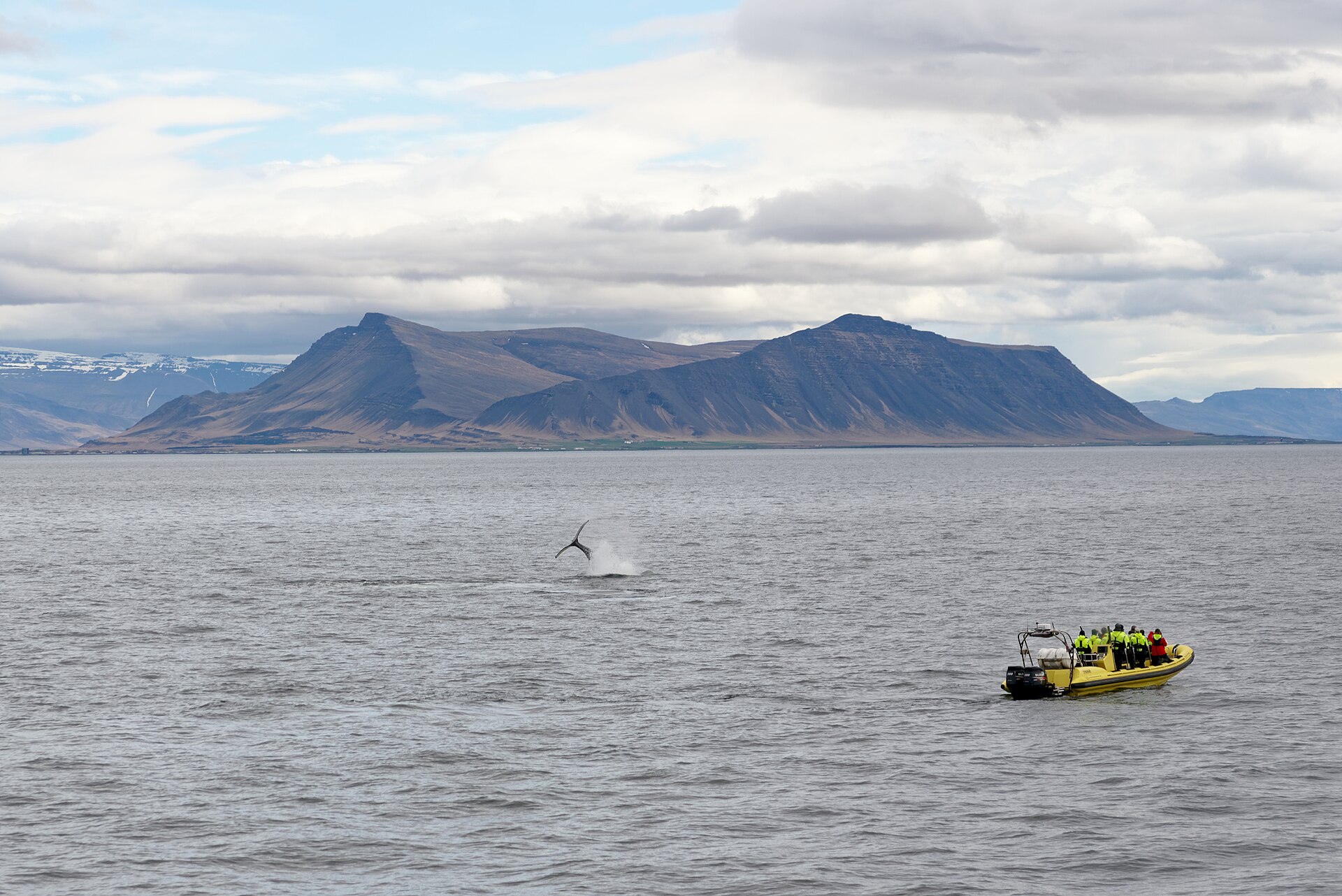
Whale Watching from Reykjavik
2 Ægisgarður, Vesturhöfn, Reykjavík, 101, Iceland
Whale watching from Reykjavik's Old Harbour is one of Iceland's most popular activities — boat tours departing year-round into Faxaflói Bay where humpback whales, minke whales, dolphins, and porpoises are regularly sighted within an hour of the harbour. The success rate (typically 90%+ in summer) and the proximity of the whales to the city make Reykjavik one of the best urban whale-watching destinations in the world. The tours depart from the Old Harbour (Ægisgarður), where several competing companies operate boats ranging from large passenger vessels to smaller RIBs (rigid inflatable boats) that offer closer encounters with the whales. The humpback whales are the stars — their breaching (launching out of the water), tail-slapping, and the blow (the spray from their exhaled breath visible at distance) provide the dramatic moments that make whale watching an emotional rather than merely observational experience. The Old Harbour itself has evolved from a working fishing harbour into a mixed-use waterfront — whale watching companies, restaurants (including the Grandi Mathöll food hall in a converted fish factory), and the Maritime Museum share the harbour with the fishing boats that still land their catch here. The combination of whale watching, harbour dining, and Harpa concert hall (adjacent to the harbour) creates a waterfront itinerary that covers Reykjavik's relationship with the sea from fishing to tourism.
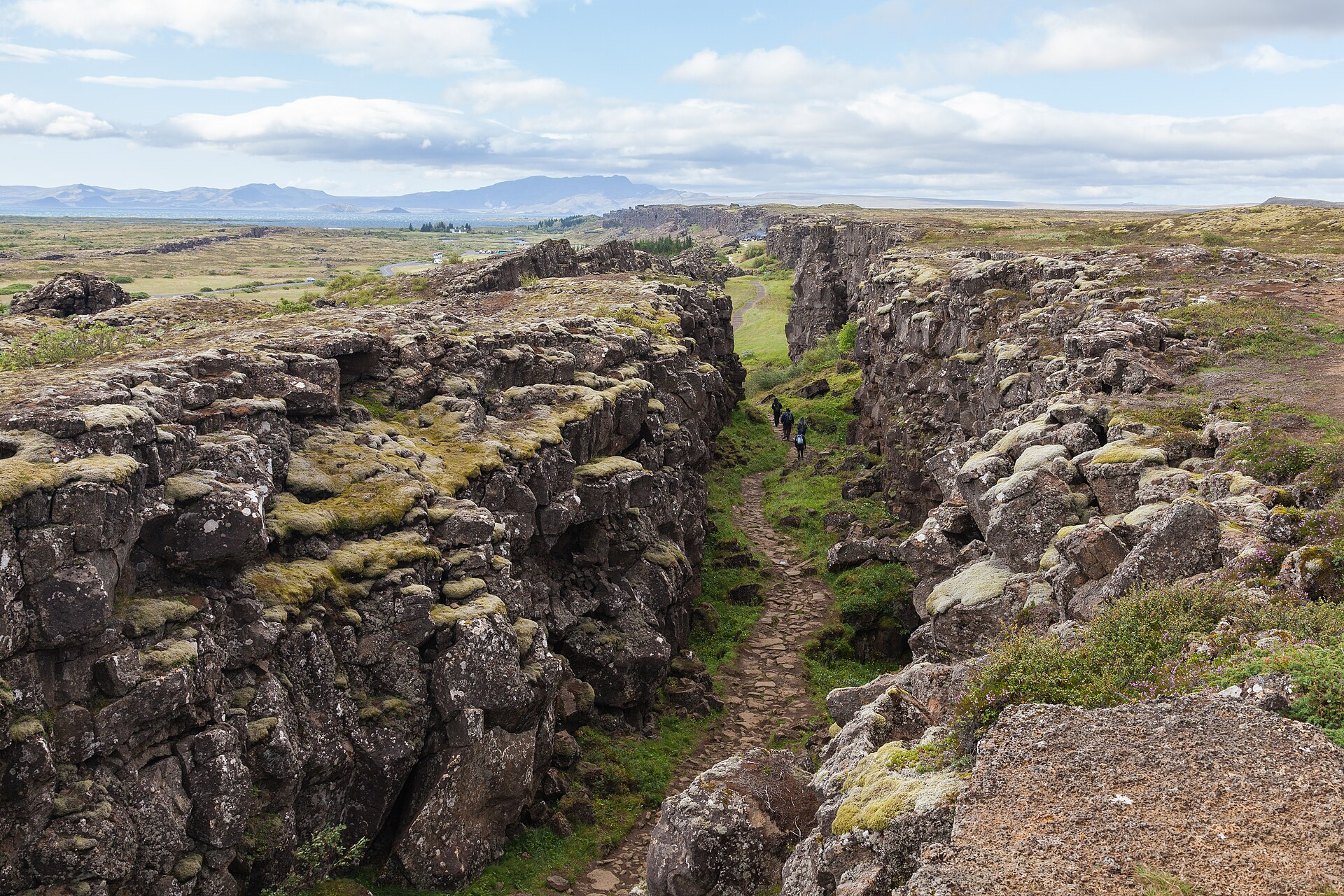
Þingvellir (Day Trip)
Þingvellir National Park, Iceland
Þingvellir ('Parliament Plains') is a UNESCO World Heritage national park 45 kilometres east of Reykjavik that combines geological drama with foundational Icelandic history. The site is the meeting place of the North American and Eurasian tectonic plates — you can literally walk through the crack between continents, with the plates moving apart at about 2 centimetres per year — and was the location of Iceland's founding parliament, the Alþingi, which met here annually from 930 AD to 1798. The Law Rock (Lögberg), where the speaker recited all of Iceland's laws from memory every three summers, is marked by a flagpole. The ravine of Almannagjá (a dramatic rift valley formed by the plate separation) is the park's most spectacular geological feature, and the crystal-clear Silfra fissure in the park's southern lake (Þingvallavatn) is one of the world's most famous cold-water dives. Þingvellir is the first stop on the Golden Circle route.