
Dalmatian Cuisine & Konoba Culture
Various konobas, Split old town
Dalmatian cuisine is Mediterranean cooking at its simplest and best — grilled fish, olive oil, seasonal vegetables, and the wines from the surrounding islands and hillsides that make the Adriatic coast one of Europe's great food regions.
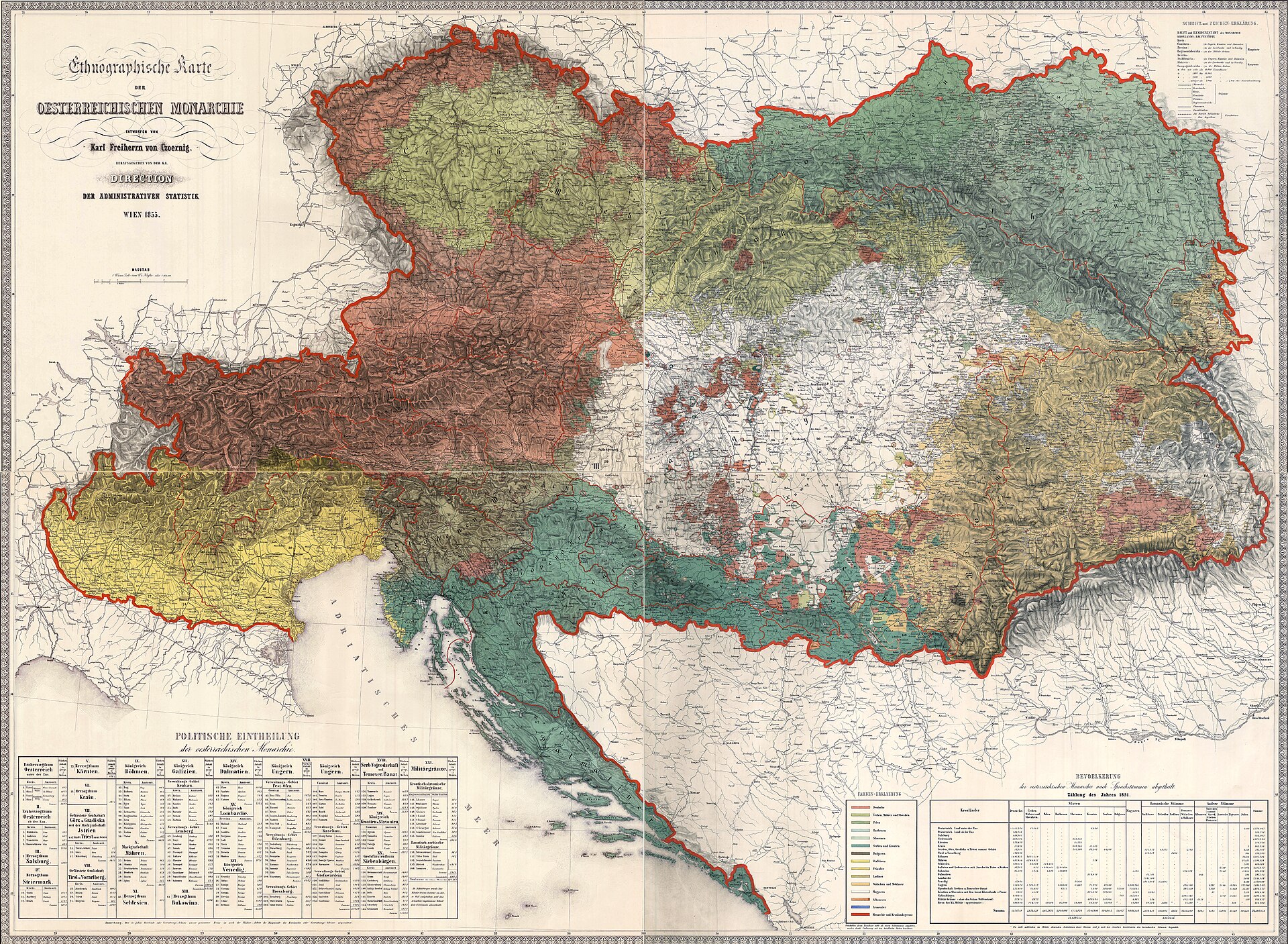
Ethnographic Museum
Iza Vestibula 4, Split
The Ethnographic Museum is housed within the imperial apartments of Diocletian's Palace — the only museum in the world that occupies the living quarters of a Roman emperor — and traces the folk culture of Dalmatia from the 17th century to the present through costumes, textiles, tools, and reconstructed interiors.
Froggyland Museum
5 Kralja Tomislava, Grad, Split, 21000, Croatia
Froggyland is Split's most bizarre museum — 507 taxidermied frogs posed in 21 elaborate dioramas depicting human scenes (a classroom, a gym, a dentist's office, a village festival) that were created over a decade between 1910 and 1920 by Hungarian taxidermist Ferenc Mere.

Game of Thrones Tour
Diocletian's Palace, Split
Split and the surrounding Dalmatian coast were among the most heavily used filming locations in Game of Thrones, and the Split basement halls beneath Diocletian's Palace appeared as Daenerys's dragon chambers in Meereen, while the streets of the Diocletian's Palace appeared as the city streets of Meereen itself.
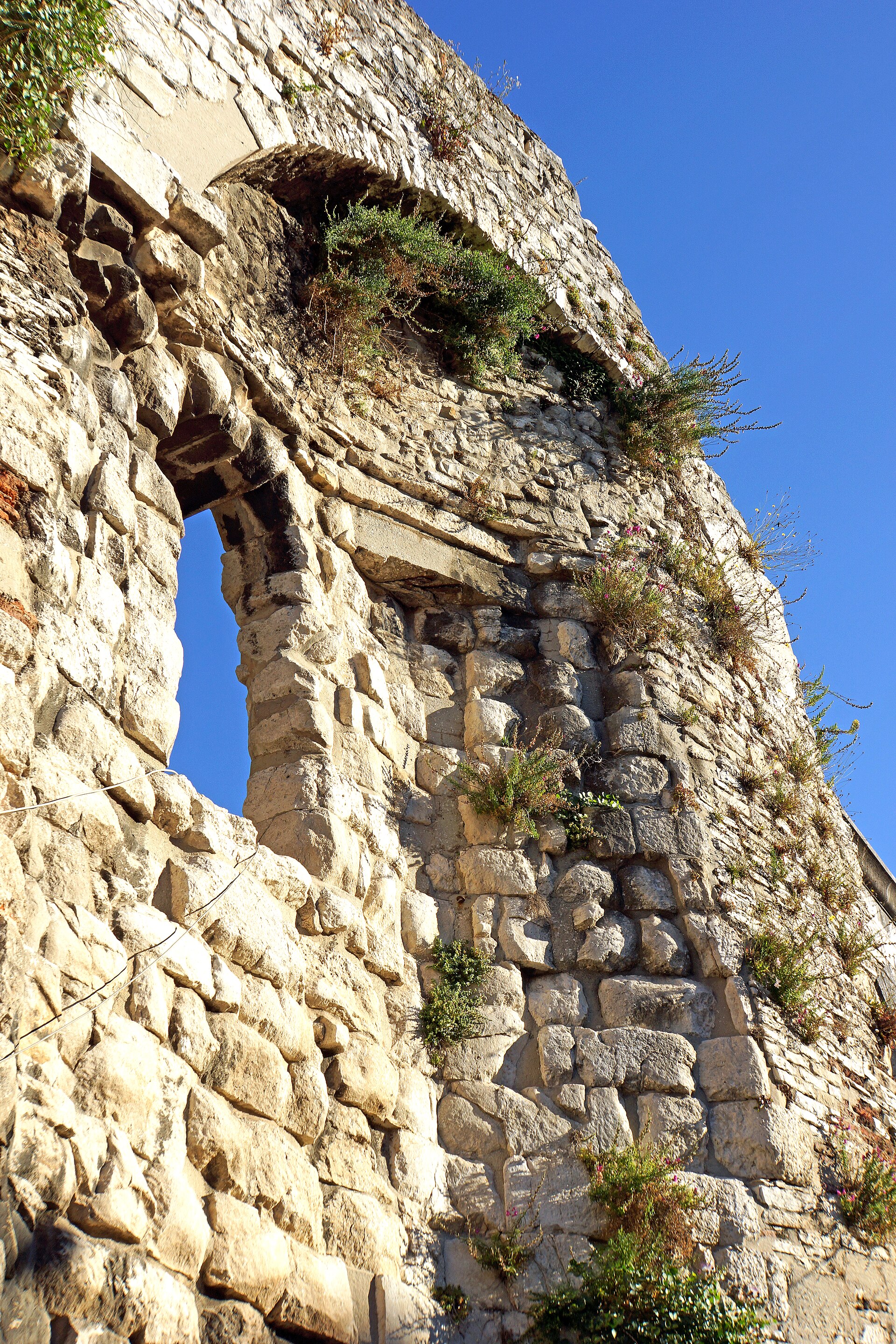
Green Market (Pazar)
Pazar, Split
The Green Market (Pazar) sits just outside the eastern wall of Diocletian's Palace — an open-air fruit, vegetable, and flower market that has been operating in this location for centuries and provides the most concentrated encounter with Dalmatian produce and the Mediterranean culinary tradition that defines Split's food culture.
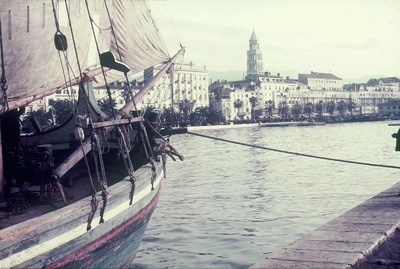
Matejuska Fishermens Port
Matejuška, Split
Matejuška is Split's old fishermen's port — a small stone harbour at the western end of the Riva where traditional wooden fishing boats (called gajetas and leutas) still moor and where the fishermen's community has maintained its presence despite the relentless expansion of tourist cafés along the waterfront.
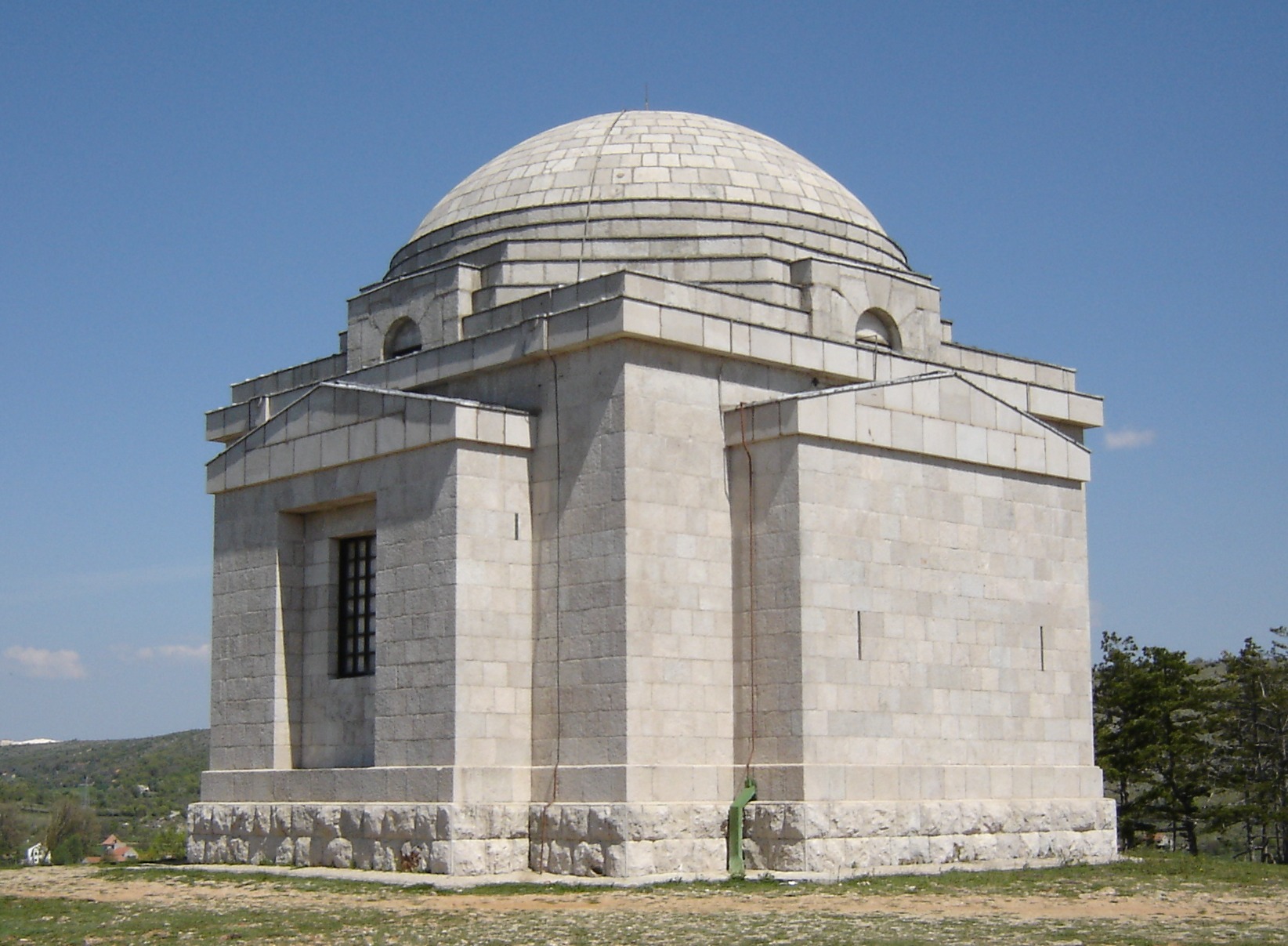
Mestrovic Gallery
46 Šetalište Ivana Meštrovića, Meje, Split, 21000, Croatia
The Meštrović Gallery is a villa-and-sculpture complex on the slopes of Marjan hill that was designed by Croatia's most famous sculptor, Ivan Meštrović (1883-1962), as his summer home and studio in the 1930s and is now a museum displaying his work.
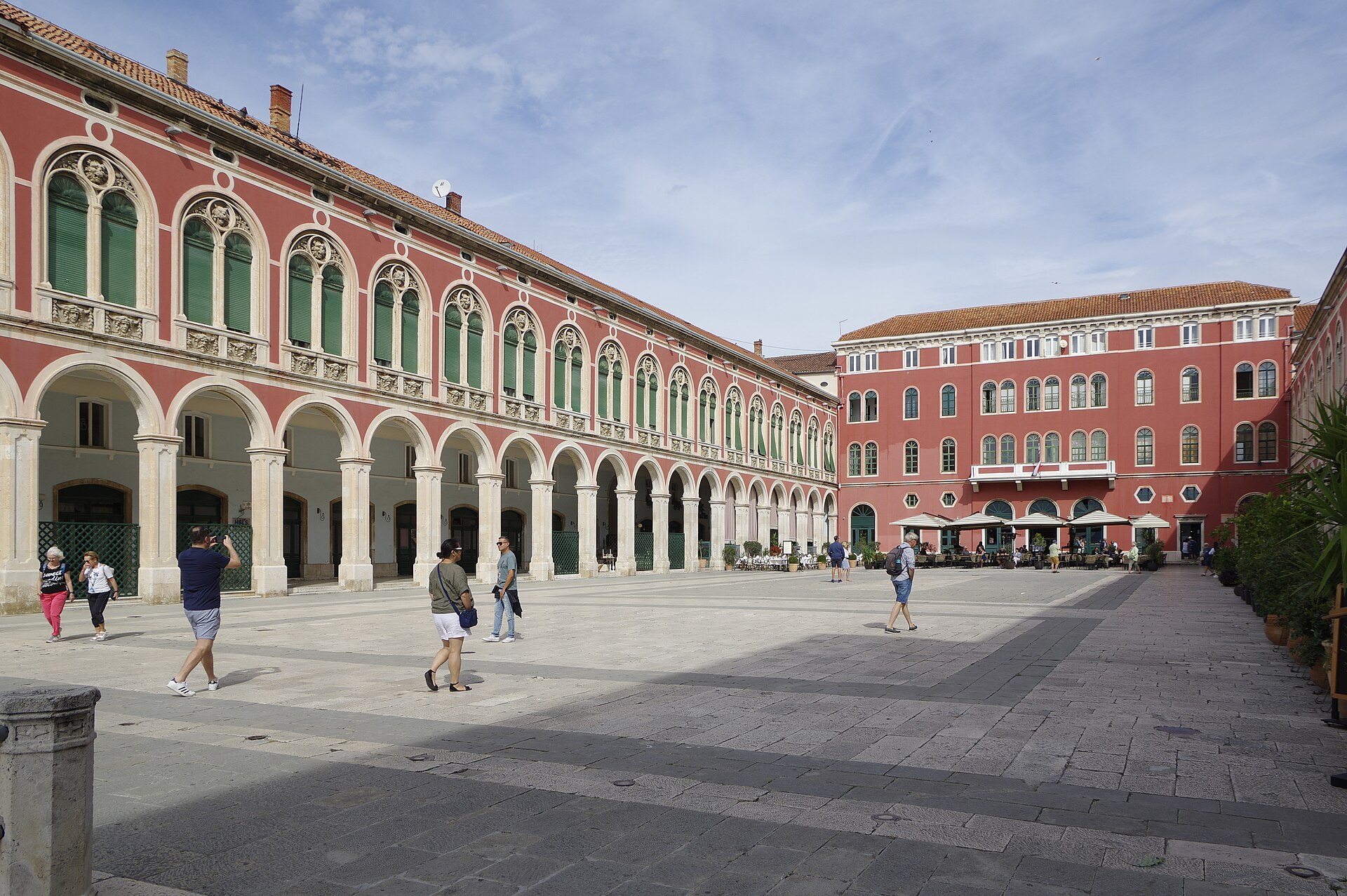
Prokurative (Republic Square)
Trg Republike, Grad, Split, 21000, Croatia
The Prokurative (officially Republic Square) is a Neo-Renaissance piazza built between 1859 and 1889 and modelled on St.
Split City Museum
Papalićeva 1, Split
The Split City Museum occupies the Papalić Palace — a 15th-century Venetian Gothic mansion tucked inside the walls of Diocletian's Palace that was designed by the same architect (Juraj Dalmatinac) who built the famous cathedral in Šibenik.
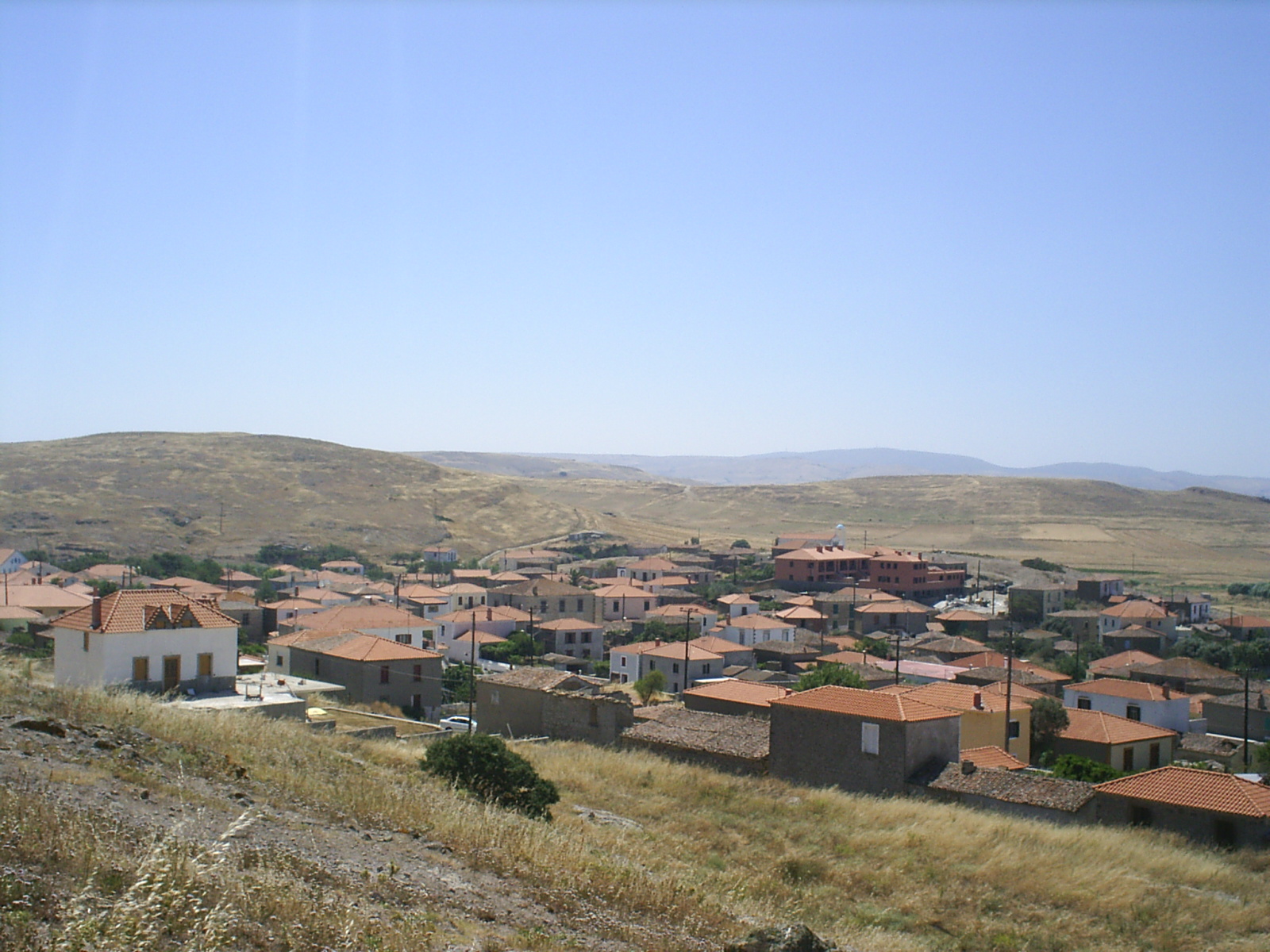
Varos Neighbourhood
Varoš, Split, Croatia
Varoš is Split's oldest neighbourhood outside the Roman palace — a hillside tangle of narrow alleys, stone houses, and tiny piazzas that grew up in the 7th century when refugees from the sacked Roman city of Salona settled around the palace walls.
Explore culture in Split
GPS-guided narration at every landmark. Tap a spot on the map, hear the story. Every fact verified.