Walking Tours in Split
30 Landmarks in Split
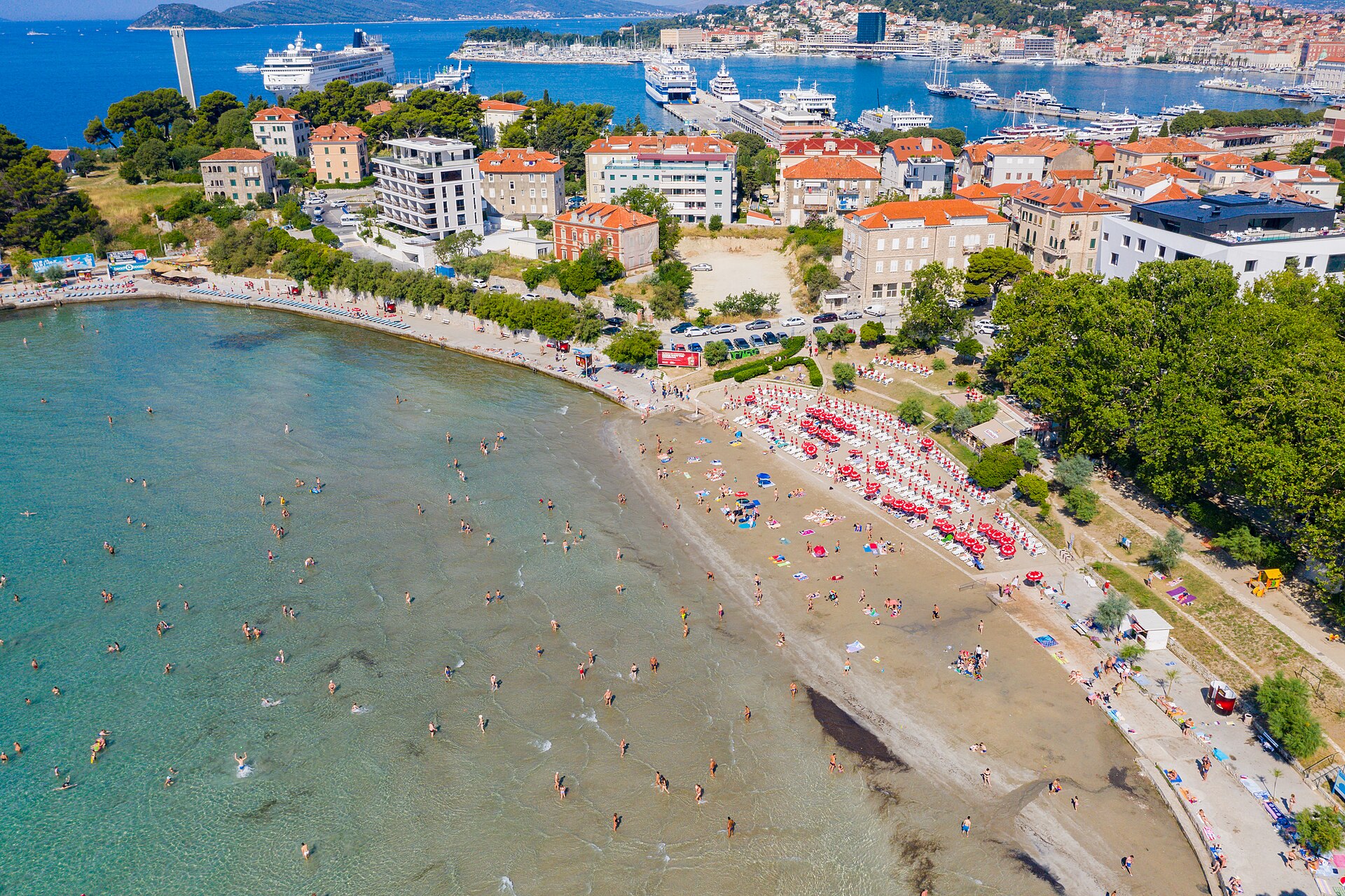
Bačvice Beach
Bačvice, Split, Croatia
Bačvice is Split's most popular city beach — a shallow, sandy cove east of the old town that is the spiritual home of picigin, a unique ball game played in knee-deep water that has been a Split tradition since the 1920s and was added to Croatia's list of intangible cultural heritage. The game involves keeping a small ball in the air using acrobatic dives, kicks, and palm slaps, and the players — who perform increasingly theatrical moves as the audience (the entire beach) watches — turn the shallows into a stage. The beach bar scene at Bačvice — particularly the clubs and lounges that line the promenade behind the beach — provides Split's evening entertainment in summer, and the combination of swimming, picigin, sunset cocktails, and the walk back to the old town along the harbour makes Bačvice the default summer day-to-evening destination.
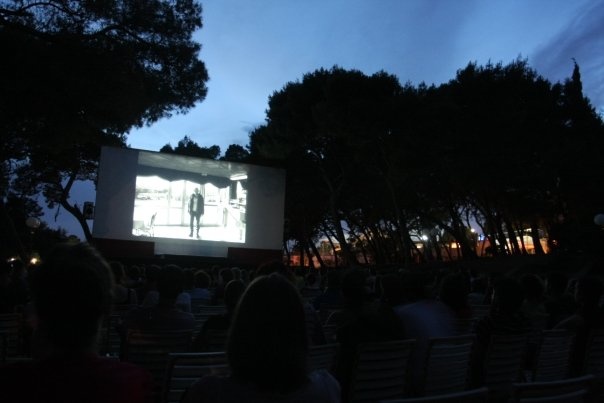
Bacvice Beach Nightlife
Bačvice, Split, Croatia
Bačvice is Split's main city beach — a crescent of sandy (rare on the rocky Croatian coast) shallow water 15 minutes' walk east of the old town that is simultaneously a family swimming beach, the home of the uniquely Split ball game called picigin, and the centre of the city's summer nightlife. The beach backs onto a 19th-century bathhouse that has been converted into a complex of bars, cafés, and clubs that run until dawn in July and August. Picigin is played in the shallow water — players stand in knee-deep water and hit a small rubber ball in the air with their palms, keeping it from touching the water for as long as possible through increasingly acrobatic dives. The game was invented by Split students in the early 20th century and is now officially recognised as part of Croatian cultural heritage. The annual Picigin World Championship is held on Bačvice in summer.
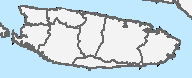
Brac Island (Day Trip)
Braće Ivandić, Promajna, 21320, Croatia
Brač is the largest island in central Dalmatia — a 395-square-kilometre island of limestone, olive groves, and pine forest reached by ferry from Split in under an hour, whose most famous attraction is Zlatni Rat ('Golden Horn'), a 634-metre pebbly spit that extends from the southern coast of Bol like a curved knife and changes shape with the wind. Zlatni Rat is one of the most photographed beaches in the Adriatic and appears on virtually every promotional photograph for Croatian tourism. Brač also produces the white limestone that built Diocletian's Palace in Split, parts of the White House in Washington DC, Roman monuments across Dalmatia, and most of the stone facades in Venice — the quarries at Pučišća are still active and visitors can watch apprentice stonemasons at the famous Pučišća Stonemasonry School. The island's highest point, Vidova Gora (778 metres), is the highest peak of any Adriatic island and offers panoramic views as far as Italy on clear days. The ferry from Split to Supetar takes 50 minutes.
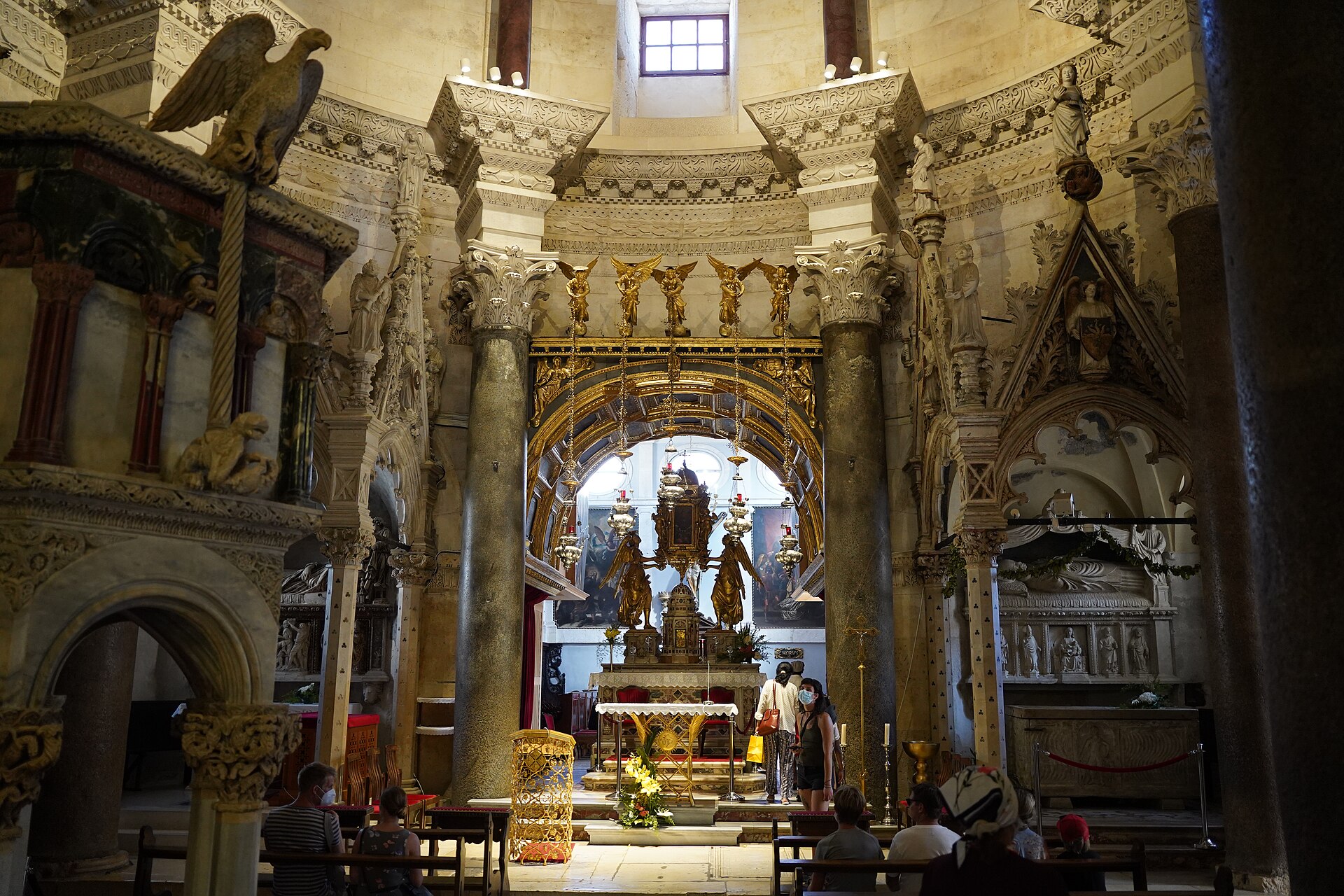
Cathedral of St. Domnius
Peristyle, Diocletian's Palace, Split
The Cathedral of St. Domnius is built inside Diocletian's octagonal mausoleum — making it one of the oldest cathedral buildings in the world and the only one that was originally a Roman emperor's tomb. Diocletian, who persecuted Christians more brutally than any other Roman emperor, would be horrified to know that his mausoleum now houses the relics of St. Domnius (the Christian bishop he had executed) and serves as the spiritual centre of the community that his palace was built to dominate. The cathedral's 57-metre bell tower (Romanesque at the base, Gothic above, rebuilt several times since the 13th century) is Split's most visible landmark and provides the best aerial view of the palace complex. The climb (200+ steps, narrow and steep near the top) rewards with a view straight down into the Peristyle and across the palace's rooftops.

Dalmatian Cuisine & Konoba Culture
Various konobas, Split old town
Dalmatian cuisine is Mediterranean cooking at its simplest and best — grilled fish, olive oil, seasonal vegetables, and the wines from the surrounding islands and hillsides that make the Adriatic coast one of Europe's great food regions. The konoba (traditional tavern) is the institution where this food is served — small, family-run restaurants with stone walls, wooden tables, and menus that change with what the fishermen caught and what the market offered. The essential dishes include pašticada (slow-braised beef in a sweet-and-sour wine sauce, the Dalmatian national dish), crni rižot (black risotto made with cuttlefish ink), grilled whole fish (branzino, orada, or whatever was swimming that morning), and the octopus prepared under a peka (a domed lid covered in embers, creating a slow-roasting environment that produces the tenderest octopus you'll eat anywhere). The wines — Plavac Mali from Hvar and the Pelješac Peninsula, Pošip from Korčula, Babić from Primošten — are the local accompaniment. Konoba Varoš, in the old neighbourhood west of the palace, and Konoba Matejuška, on the fishing harbour of the same name, are among the most authentic in the old town — small, busy, and serving food whose quality depends entirely on the morning's market.
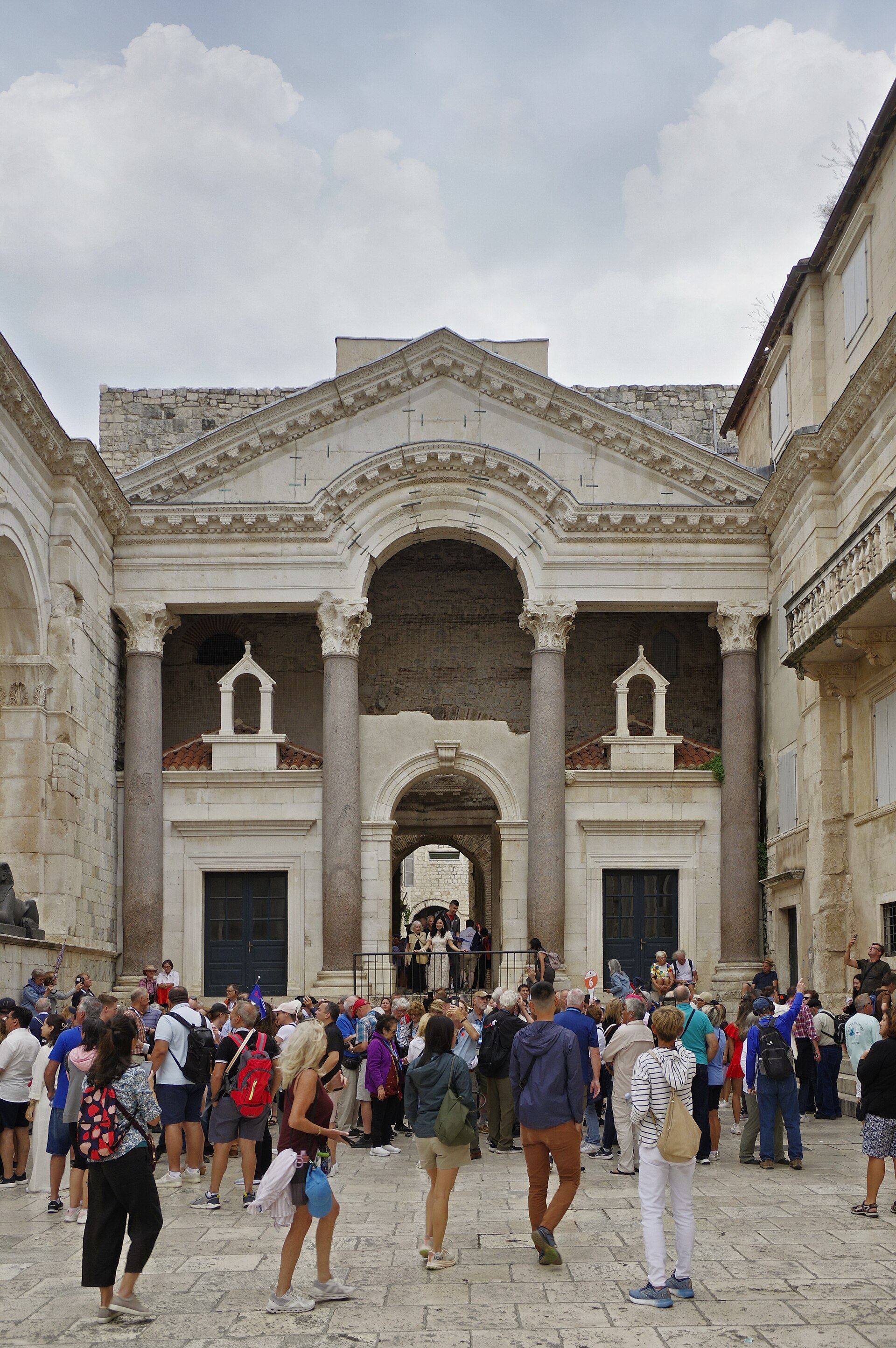
Diocletian's Palace
Diocletian's Palace, Split
Diocletian's Palace is one of the most extraordinary ancient Roman structures in existence — a fortified retirement palace built between 295 and 305 AD by Emperor Diocletian that has been continuously inhabited for 1,700 years and now forms the living heart of Split's old town. Unlike Pompeii or the Roman Forum, Diocletian's Palace is not a ruin — it's a neighbourhood of 3,000 residents who live, work, and drink coffee inside the walls of an imperial Roman compound. The palace covers 31,000 square metres (roughly half the area of the Vatican) and was built with white limestone from the nearby island of Brač (the same stone later used to build the White House). The original structure included Diocletian's private apartments, temples (to Jupiter and to Diocletian's patron deities), a mausoleum (now the Cathedral of St. Domnius, one of the oldest cathedral buildings in the world), and military quarters — all enclosed within walls that were 2 metres thick and up to 26 metres high. The Peristyle — the palace's central courtyard, flanked by granite columns brought from Egypt — is the living room of Split, where visitors sit on the ancient steps, musicians perform, and the cathedral bell tower (added in the 13th century to Diocletian's octagonal mausoleum) rises above. The basement halls (substructures) beneath the palace, which mirror the layout of the imperial apartments above and were used for storage, provide the most complete surviving example of Roman palace architecture.
Ethnographic Museum
Iza Vestibula 4, Split
The Ethnographic Museum is housed within the imperial apartments of Diocletian's Palace — the only museum in the world that occupies the living quarters of a Roman emperor — and traces the folk culture of Dalmatia from the 17th century to the present through costumes, textiles, tools, and reconstructed interiors. The setting alone makes the visit worthwhile: the museum's rooms are arranged around the vestibule (a circular domed hall that was Diocletian's audience chamber) and provide access to the palace's southern terrace with views across the Riva and the harbour. The collection's highlights include the elaborate gold-embroidered costumes of Konavle (south of Dubrovnik), the distinctive black-and-red striped textiles of the Dinaric zone, and the silver jewellery worn as dowry by women of the Zagora region inland from Split. The museum also includes a small ethnographic collection of musical instruments — the diple (bagpipes), gusle (single-string fiddle), and lirica (rebec) that accompanied traditional Dalmatian singing.
Froggyland Museum
5 Kralja Tomislava, Grad, Split, 21000, Croatia
Froggyland is Split's most bizarre museum — 507 taxidermied frogs posed in 21 elaborate dioramas depicting human scenes (a classroom, a gym, a dentist's office, a village festival) that were created over a decade between 1910 and 1920 by Hungarian taxidermist Ferenc Mere. The collection is unique in the world — no other museum has anything remotely similar, and the combination of Edwardian-era craftsmanship, obsessive patience, and faintly unsettling subject matter creates a museum experience that nothing else can replicate. Each diorama is rendered with extraordinary detail — miniature school chairs, tiny musical instruments, wallpapered walls — and the frogs themselves are anatomically exact, arranged in poses that show Mere understood both frog physiology and human body language. The museum is small (one room) and the ticket is cheap, but it's unforgettable.
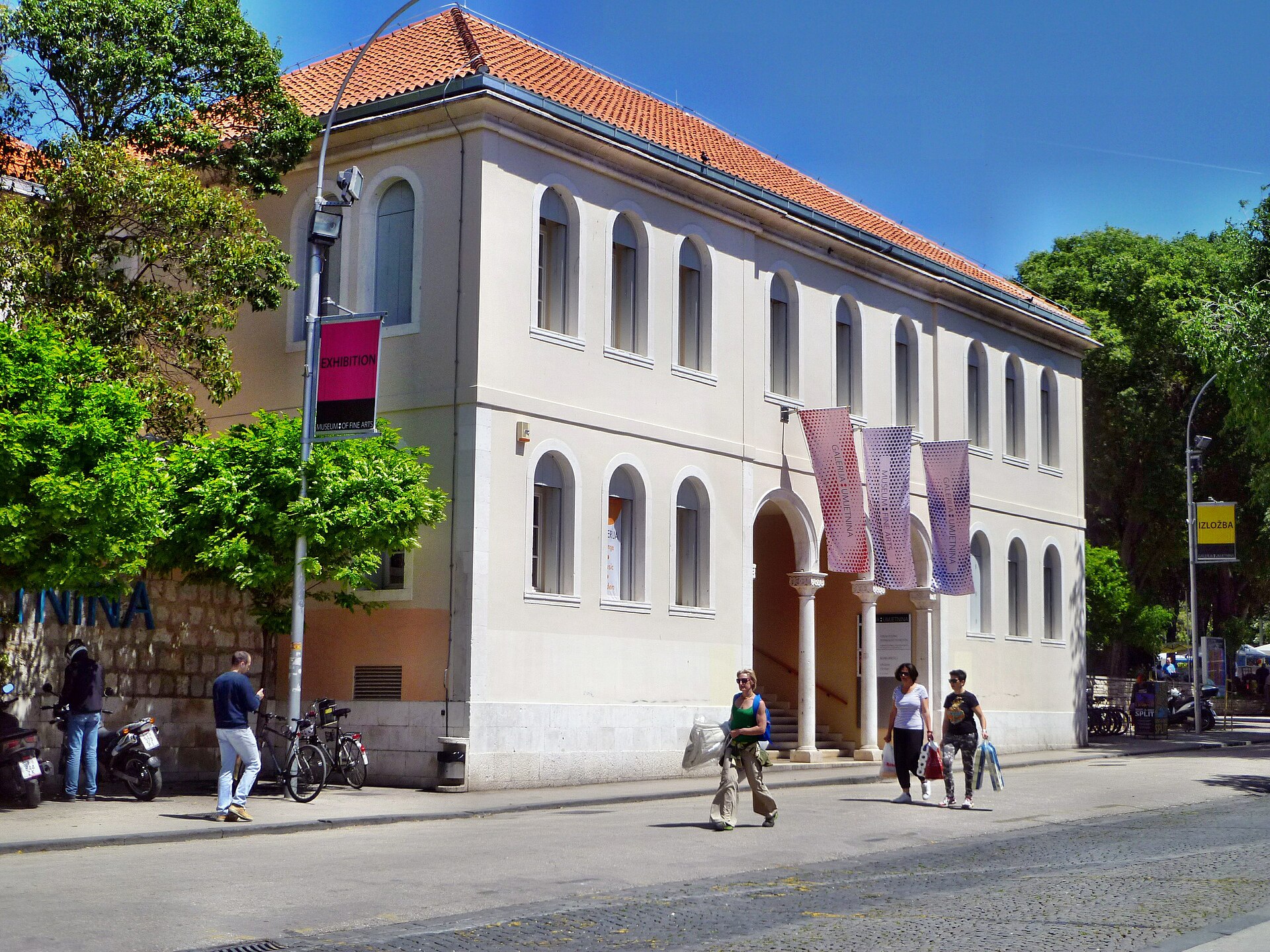
Gallery of Fine Arts (Galerija Umjetnina)
Kralja Tomislava 15, Split
The Gallery of Fine Arts is Split's most important art museum — a collection of Croatian art from the 14th century to the present housed in a building near the Golden Gate that includes medieval Dalmatian religious paintings, Venetian-influenced Renaissance work, and the Croatian modernists who connected this Adriatic coast to European art movements. The collection provides the art-historical context for the architecture and religious art visible throughout the palace and old town. The medieval collection includes Gothic polyptychs from Dalmatian workshops, Venetian paintings that document the centuries of Venetian rule, and the Buvina doors (a set of 13th-century carved walnut doors from the cathedral that are among the finest surviving examples of Romanesque wood carving in Croatia).
Game of Thrones Tour
Diocletian's Palace, Split
Split and the surrounding Dalmatian coast were among the most heavily used filming locations in Game of Thrones, and the Split basement halls beneath Diocletian's Palace appeared as Daenerys's dragon chambers in Meereen, while the streets of the Diocletian's Palace appeared as the city streets of Meereen itself. Themed tours (offered by several operators, about 2 hours) walk visitors through the specific locations used in the show, with photographs from each scene and explanations of what was filmed where. The tours also typically include external locations — Klis Fortress (Meereen), Žrnovnica (the Sons of the Harpy attack), and Kaštel Gomilica (Braavos) — though the full itinerary for the extended-coast tours requires most of a day. Even for non-fans, the tours provide context for how Split's Roman and medieval architecture doubled for fantasy cities in one of the most successful TV productions ever made.
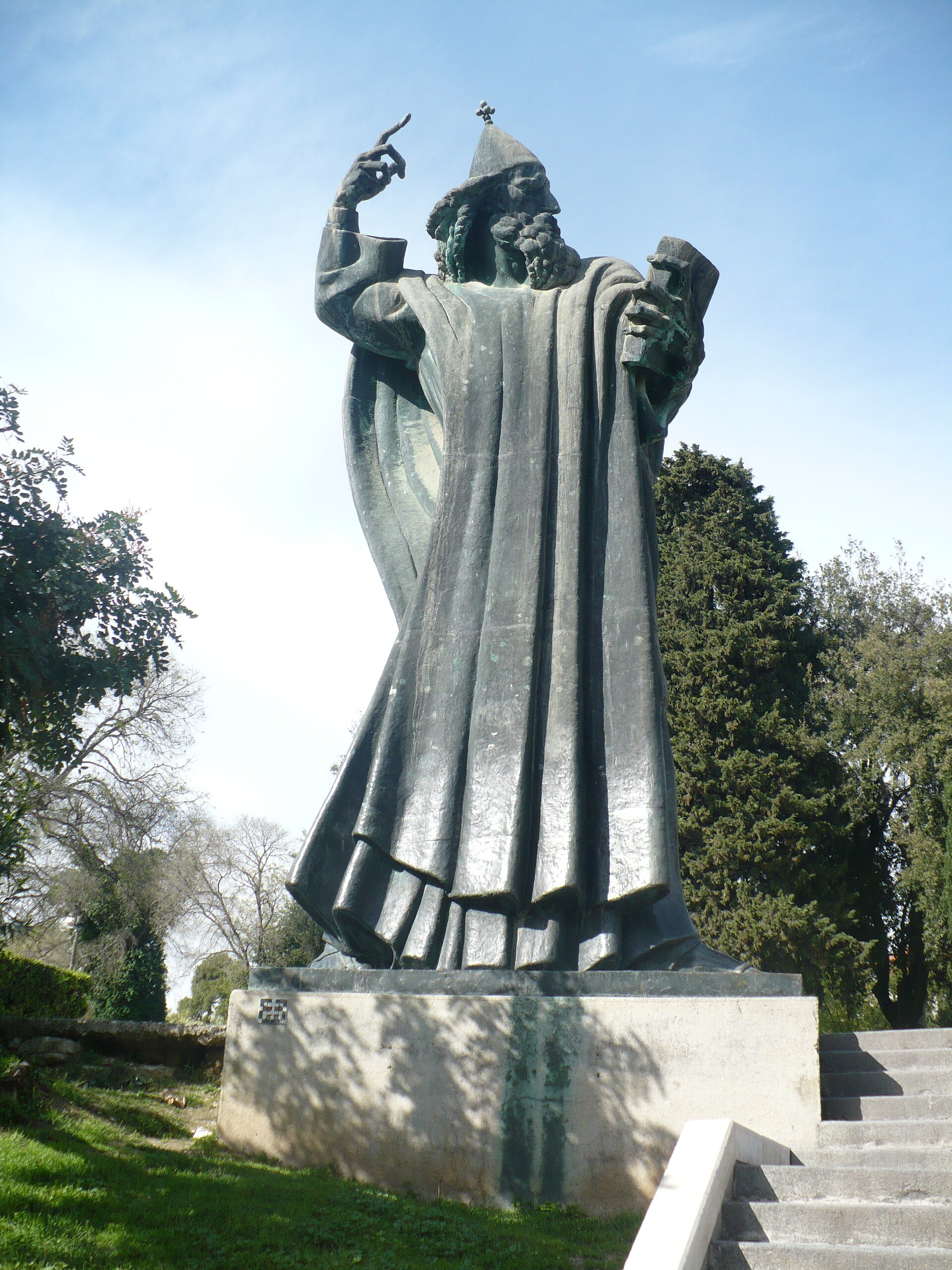
Golden Gate & Grgur Ninski Statue
3 Peristil, Grad, Split, 21000, Croatia
The Golden Gate (Porta Aurea) is the northern entrance to Diocletian's Palace — the most ornate of the palace's four gates, originally leading to the road to the imperial capital at Salona. Outside the gate stands the enormous bronze statue of Grgur Ninski (Gregory of Nin), a 10th-century Croatian bishop who fought for the use of the Croatian language in church services rather than Latin. The statue, by Ivan Meštrović (Croatia's most famous sculptor), has a big toe that has been polished gold by the thousands of visitors who rub it for good luck. The tradition of rubbing Grgur's toe for luck has made the statue the most-touched artwork in Croatia and Split's equivalent of the Juliet statue in Verona or Harvard's John Harvard statue.
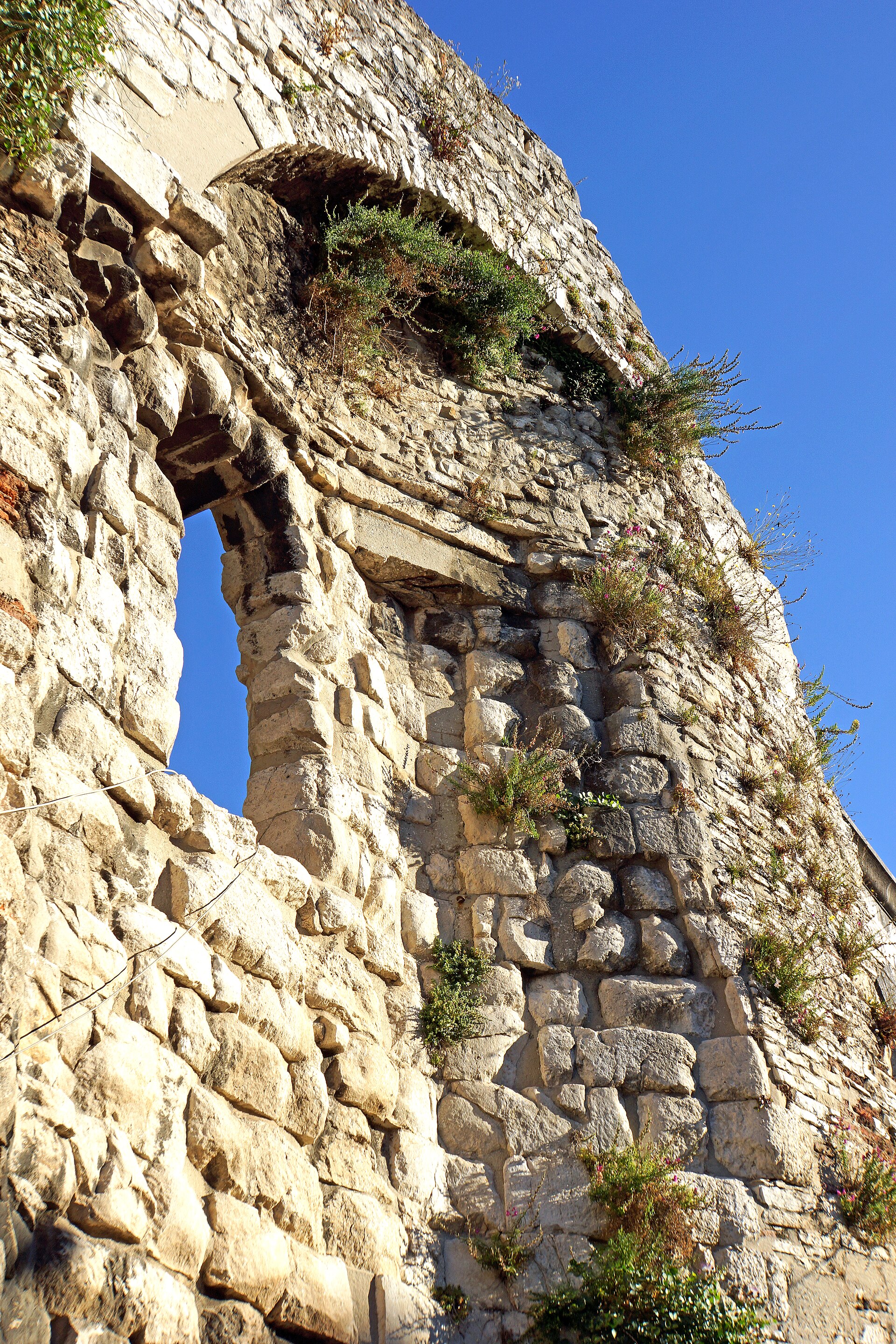
Green Market (Pazar)
Pazar, Split
The Green Market (Pazar) sits just outside the eastern wall of Diocletian's Palace — an open-air fruit, vegetable, and flower market that has been operating in this location for centuries and provides the most concentrated encounter with Dalmatian produce and the Mediterranean culinary tradition that defines Split's food culture. The market runs daily from early morning, and the stalls — selling figs, stone fruit, tomatoes, peppers, olive oil, lavender, and the dried herbs that Dalmatian cooking uses generously — create a morning ritual that connects the city to its agricultural hinterland.
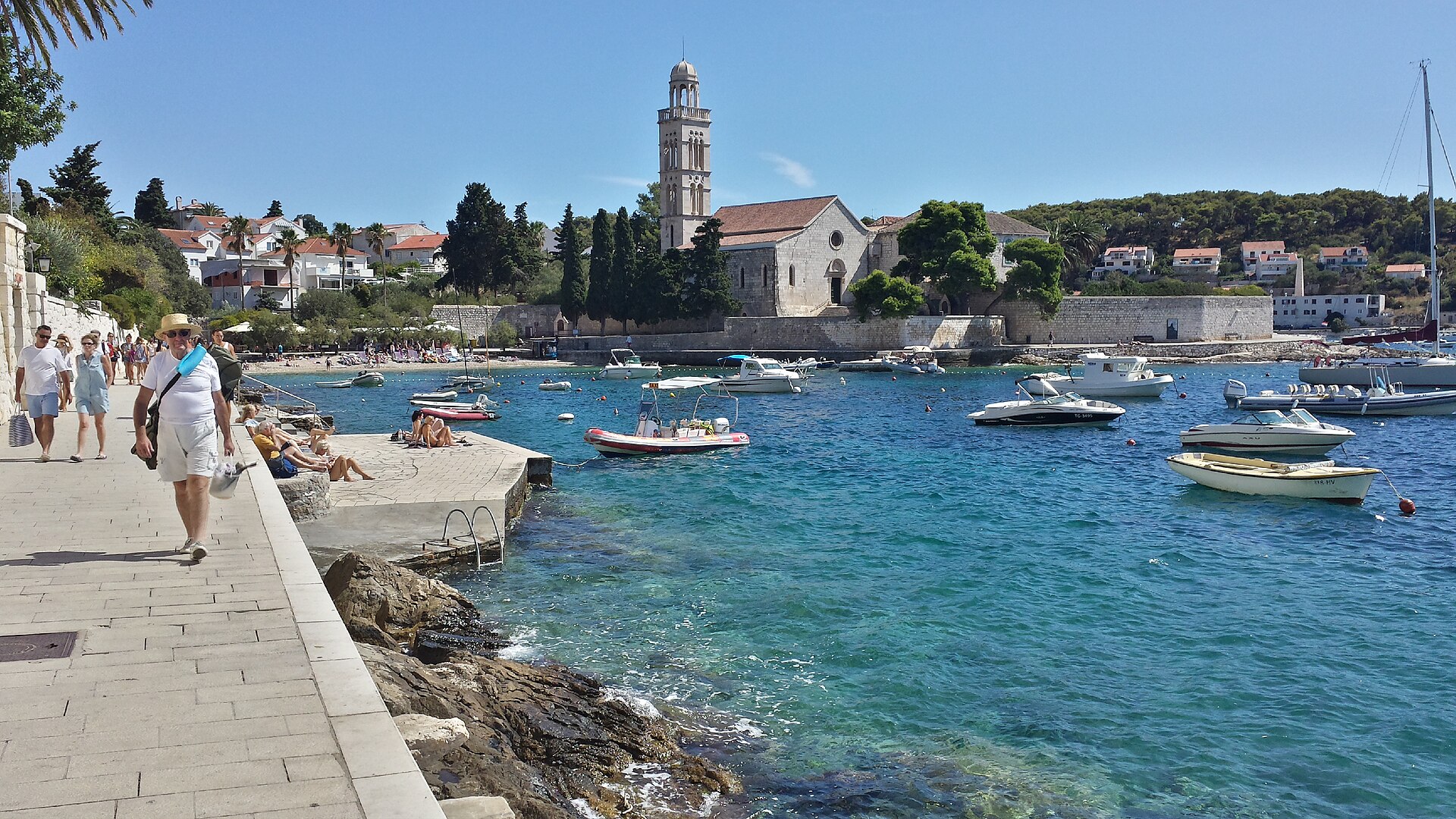
Hvar Island (Day Trip)
4 Ulica Grge Novaka, Hvar, 21450, Croatia
Hvar is the most glamorous island in Croatia — a long, lavender-scented island an hour by catamaran from Split whose town (Hvar Town) combines a 13th-century Venetian harbour, a hilltop fortress, and the yacht-and-cocktail nightlife that has made it the St. Tropez of the Adriatic. The island produces some of Croatia's finest wine (the indigenous Plavac Mali grape) and the lavender that blooms purple across the interior in June. Hvar Town's Renaissance square (Trg Sv. Stjepana, claimed to be the largest piazza in Dalmatia) is surrounded by the Venetian cathedral, the Arsenal (now a gallery and theatre), and the cafés that fill the square with tables every evening. The Fortica fortress above the town provides sunset views across the harbour and the Pakleni Islands offshore.
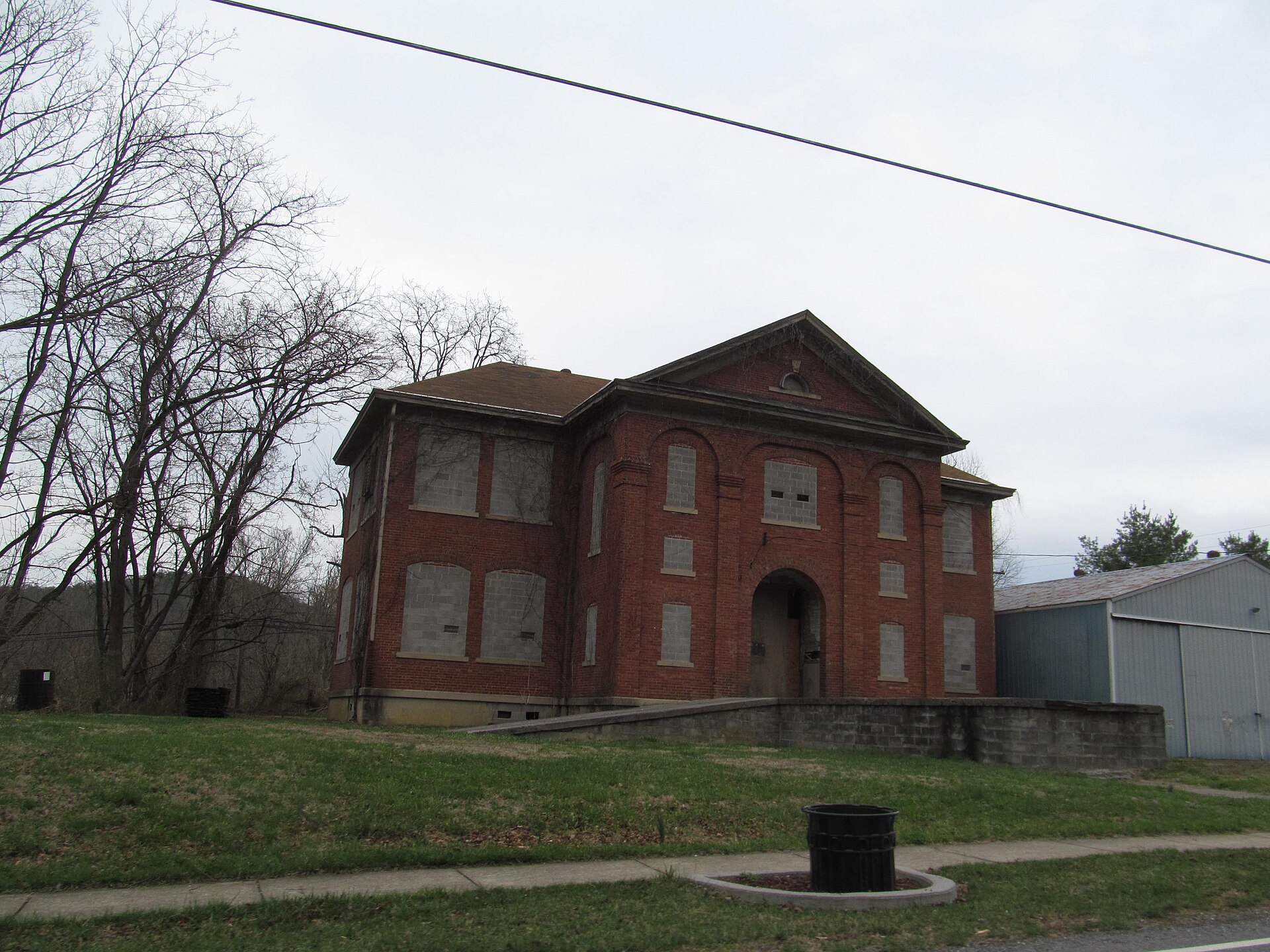
Iron Gate (Željezna Vrata)
Narodni trg, Grad, Split, 21000, Croatia
The Iron Gate is the western entrance of Diocletian's Palace and the only one of the four original gates that has been continuously in use since the 4th century — the others were buried, walled up, or rebuilt during the medieval period. The gate opens onto Narodni Trg (People's Square, also called Pjaca), which became Split's civic centre when the palace expanded beyond its walls. The Iron Gate incorporates the Church of Our Lady of the Belfry (Gospe od Zvonika) from the 11th century — the oldest Romanesque bell tower in Dalmatia — built into the original Roman gatehouse. The clock mounted above the gate still uses the original 24-hour Roman dial rather than the modern 12-hour format, a quirky survival that marks this as one of the few working Roman gates in the world.
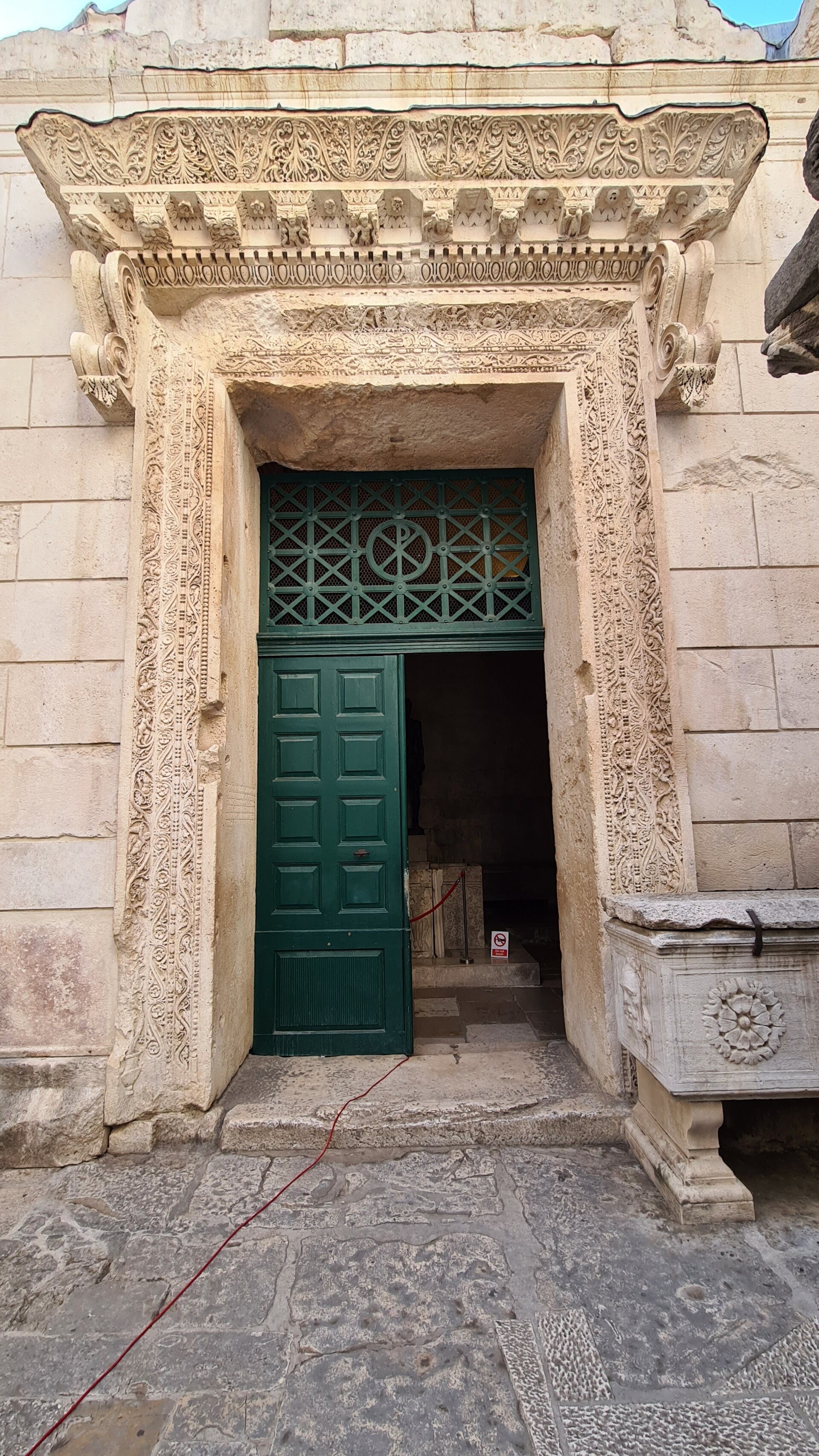
Jupiter's Temple
Diocletian's Palace, Split
The Temple of Jupiter is a remarkably preserved Roman temple within Diocletian's Palace — a small, barrel-vaulted structure originally dedicated to the king of the Roman gods and later converted into a Christian baptistery (a transition that mirrors the palace's own transformation from pagan imperial compound to Christian city). The temple's coffered barrel vault, carved with rosettes and geometric patterns, is the finest surviving example of Roman decorative stonework in Dalmatia. The sphinx guarding the temple entrance is one of twelve that Diocletian imported from Egypt (only two survive in Split), and the 11th-century baptismal font inside contains the earliest known Croatian royal inscription.
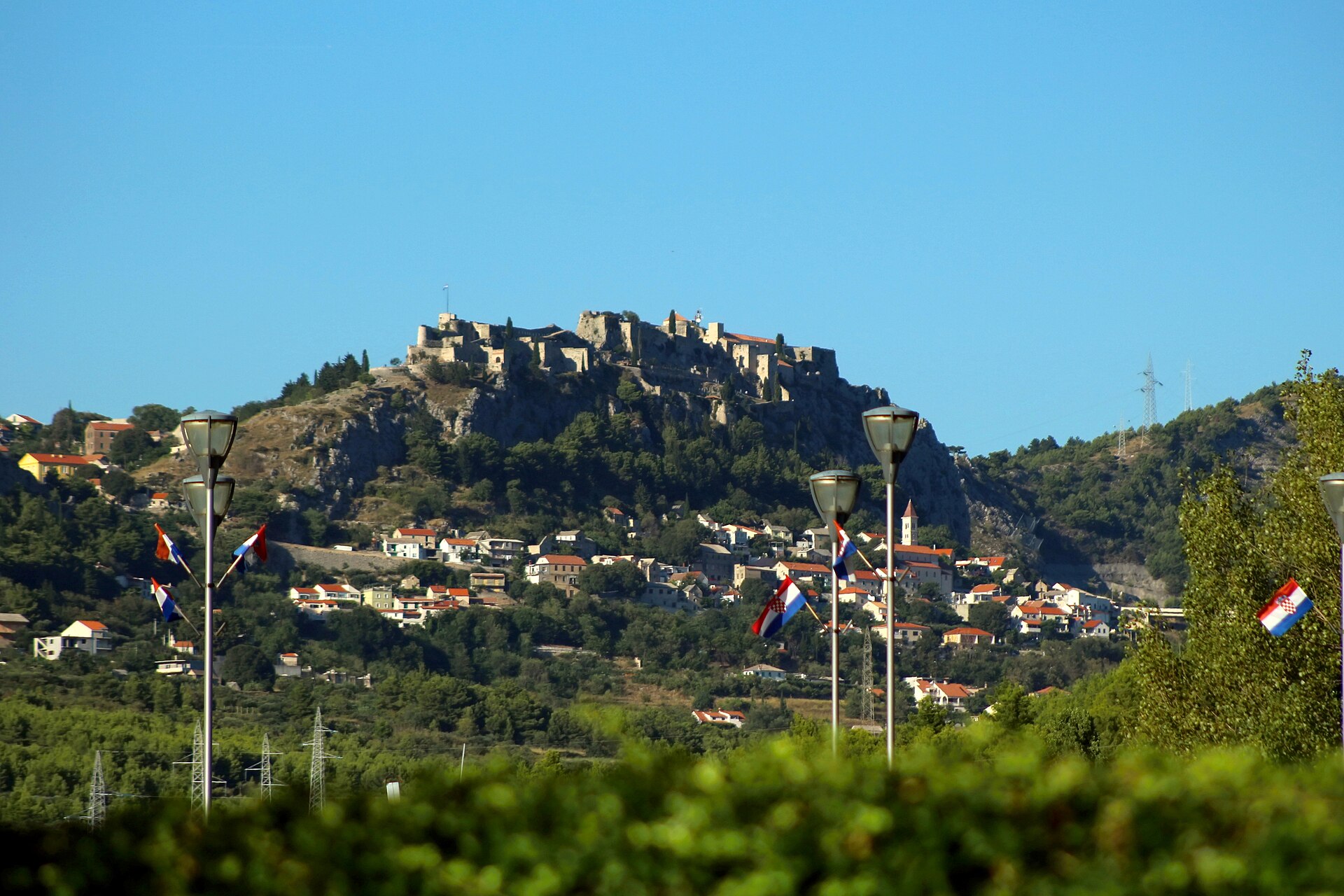
Klis Fortress (Day Trip)
Klis, 21231 Croatia
Klis Fortress dominates a mountain pass 12 kilometres north of Split — a medieval stronghold on a narrow ridge that controlled the only practical route between the coast and the Dalmatian hinterland and was the scene of some of the bloodiest sieges in Croatian history. The fortress was built on prehistoric foundations, expanded by the Romans, and reached its present form under the Croatian nobility before falling to the Ottomans in 1537 after resisting for decades under Captain Petar Kružić. For 111 years Klis was the western outpost of the Ottoman Empire in Europe, marked on every map of 'Christendom vs. the Turk' — until Venice finally recaptured it in 1648. The fortress was used as a filming location for Game of Thrones (representing the city of Meereen), and its dramatic position on the rock, with the Dinaric Alps behind and the Adriatic below, provides views and atmosphere that make it one of the best day trips from Split. Reached by bus #22 from Split in about 35 minutes.
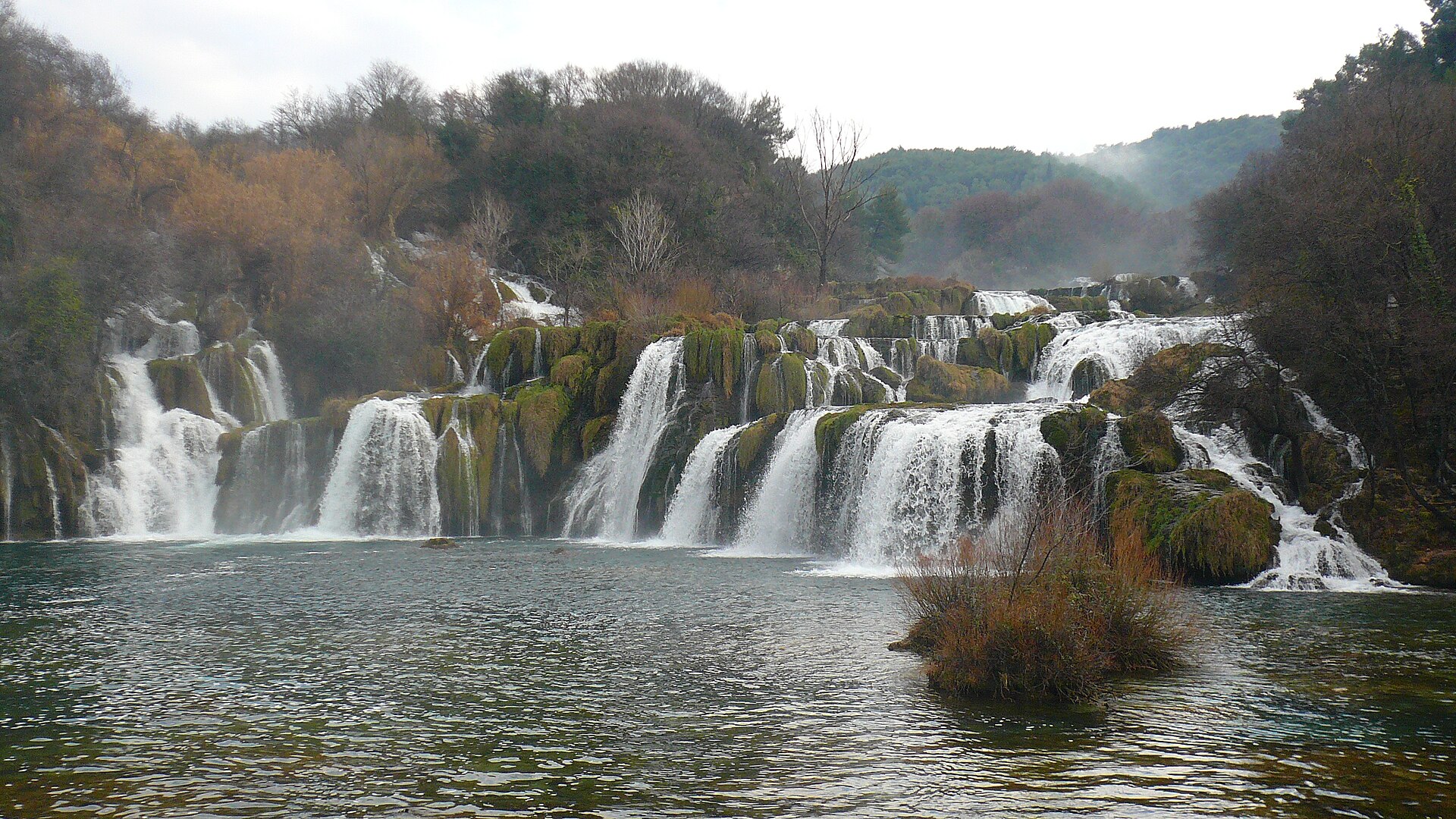
Krka National Park (Day Trip)
Krka National Park, Šibenik-Knin County
Krka National Park is the most accessible waterfall park in Croatia — a series of cascading travertine waterfalls on the Krka River, 80 kilometres north of Split, where you can swim in natural pools at the base of the Skradinski Buk waterfall (the park's most famous feature, a 45-metre cascade over 17 travertine steps). The park contains seven waterfalls, a Franciscan monastery on the island of Visovac in the middle of a lake, and the kind of emerald-green water that makes Croatian rivers famous. The most popular section is Skradinski Buk — a 1.5-kilometre wooden boardwalk through the waterfall system that passes through the spray of multiple cascades, past old watermills, and to the swimming area at the base. Swimming was restricted in recent years to protect the travertine formations, so check current regulations before planning.
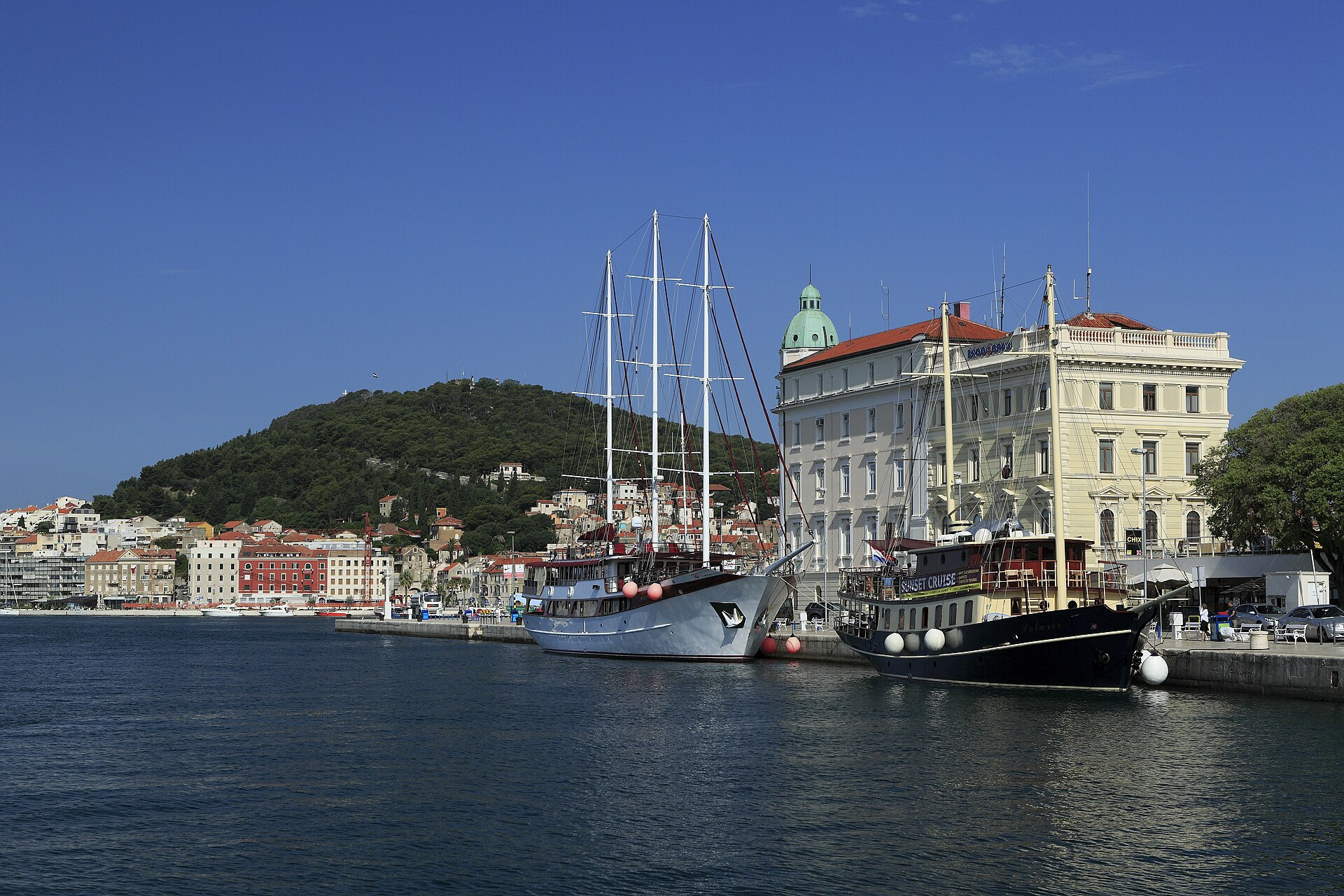
Marjan Hill
Park-šuma Marjan, Split
Marjan is Split's green lung — a forested hill on the peninsula west of the old town that provides the city's best hiking, the finest panoramic views, and the pine-scented escape from the summer heat that 170,000 residents need. The hill rises 178 metres above sea level and is covered in Aleppo pine forest planted in the early 20th century to prevent erosion, with walking and cycling paths that wind through the trees to viewpoints overlooking the city, the islands, and the Adriatic. The first viewpoint (Vidilica, reached in about 15 minutes from the old town) provides the classic Split panorama — the red rooftops of the old town, the harbour, and the mountains of the Dinaric Alps behind. The summit viewpoint extends the view to include the islands of Brač, Hvar, Šolta, and Vis. The Jewish cemetery on Marjan's northern slope and the medieval hermitage churches (Sv. Jere and Sv. Nikola) carved into the rock face add historical depth.
Matejuska Fishermens Port
Matejuška, Split
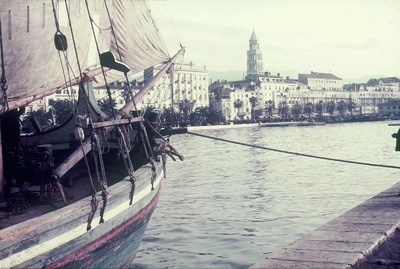
Matejuška is Split's old fishermen's port — a small stone harbour at the western end of the Riva where traditional wooden fishing boats (called gajetas and leutas) still moor and where the fishermen's community has maintained its presence despite the relentless expansion of tourist cafés along the waterfront. The area became fashionable in the 2010s after restoration, and the concrete breakwater is now Split's most popular evening gathering place for young locals who buy beers at nearby shops and sit on the stones watching the sunset. The Matejuška sunset ritual — with the sun dropping behind the Marjan peninsula, the fishing boats silhouetted against the water, and groups of friends passing bottles of wine — is Split at its most local. The restaurants and bars in the Varoš alleys just behind Matejuška are where the local food scene is most authentic; the Riva cafés 200 metres to the east feel touristy by comparison.
Mestrovic Gallery
46 Šetalište Ivana Meštrovića, Meje, Split, 21000, Croatia
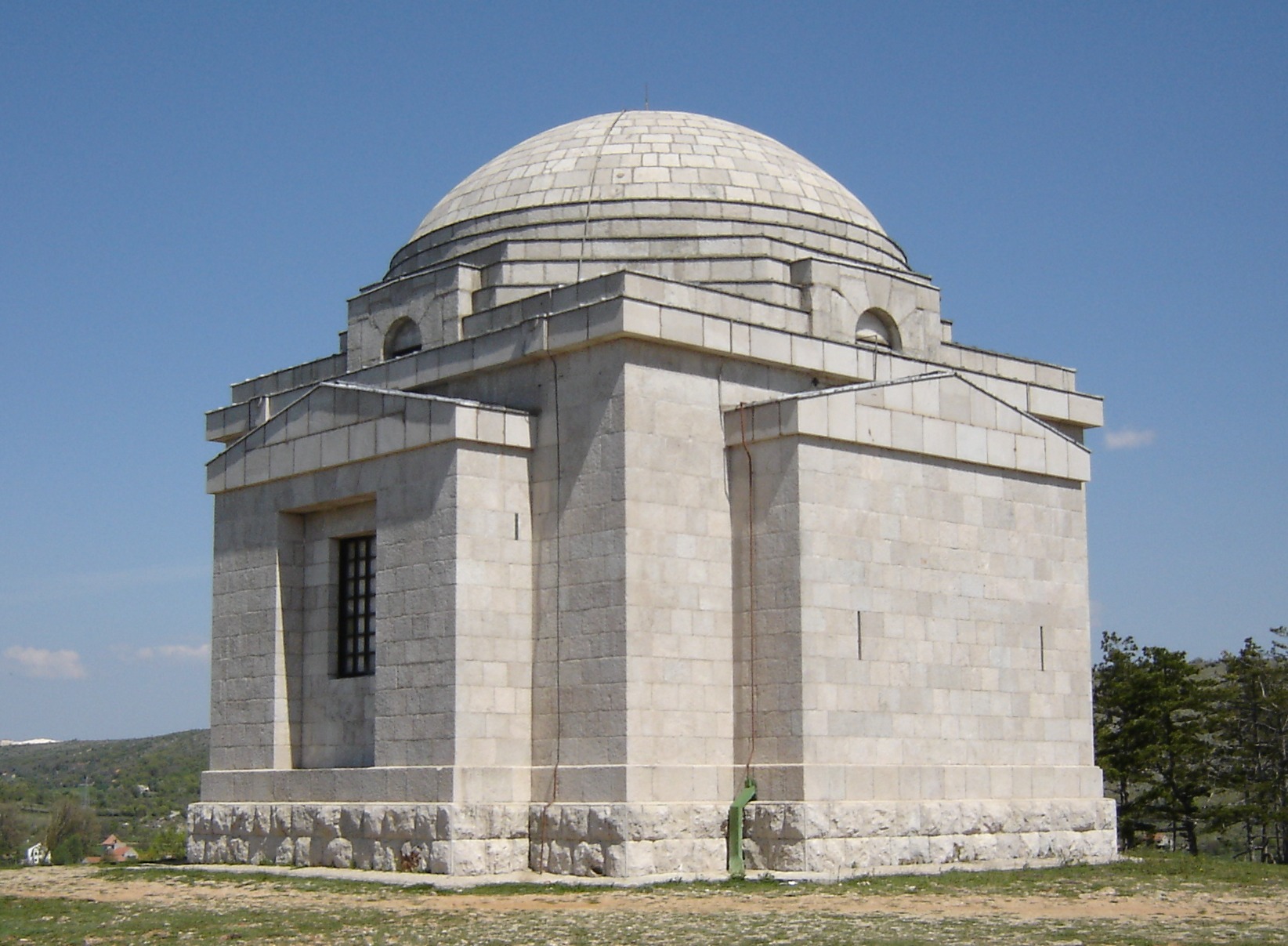
The Meštrović Gallery is a villa-and-sculpture complex on the slopes of Marjan hill that was designed by Croatia's most famous sculptor, Ivan Meštrović (1883-1962), as his summer home and studio in the 1930s and is now a museum displaying his work. Meštrović, who trained in Vienna under Auguste Rodin's circle and later became a professor at Syracuse University, is sometimes called 'the Croatian Rodin' and produced monumental sculpture that shaped Yugoslavia's public art in the interwar period. The villa's whitewashed walls, arched colonnades, and sculpture garden facing the Adriatic create one of the most atmospheric artist-house museums in Europe — a Mediterranean equivalent of Rodin's Hôtel Biron or Brancusi's studio in Paris. The ticket also includes entry to Kaštilac, a nearby chapel containing Meštrović's cycle of wooden reliefs on the Life of Christ (created during WWII when the sculptor was imprisoned by the Ustaše) — a more intense religious complement to the secular elegance of the main gallery.
Peristyle
Peristil, Diocletian's Palace, Split
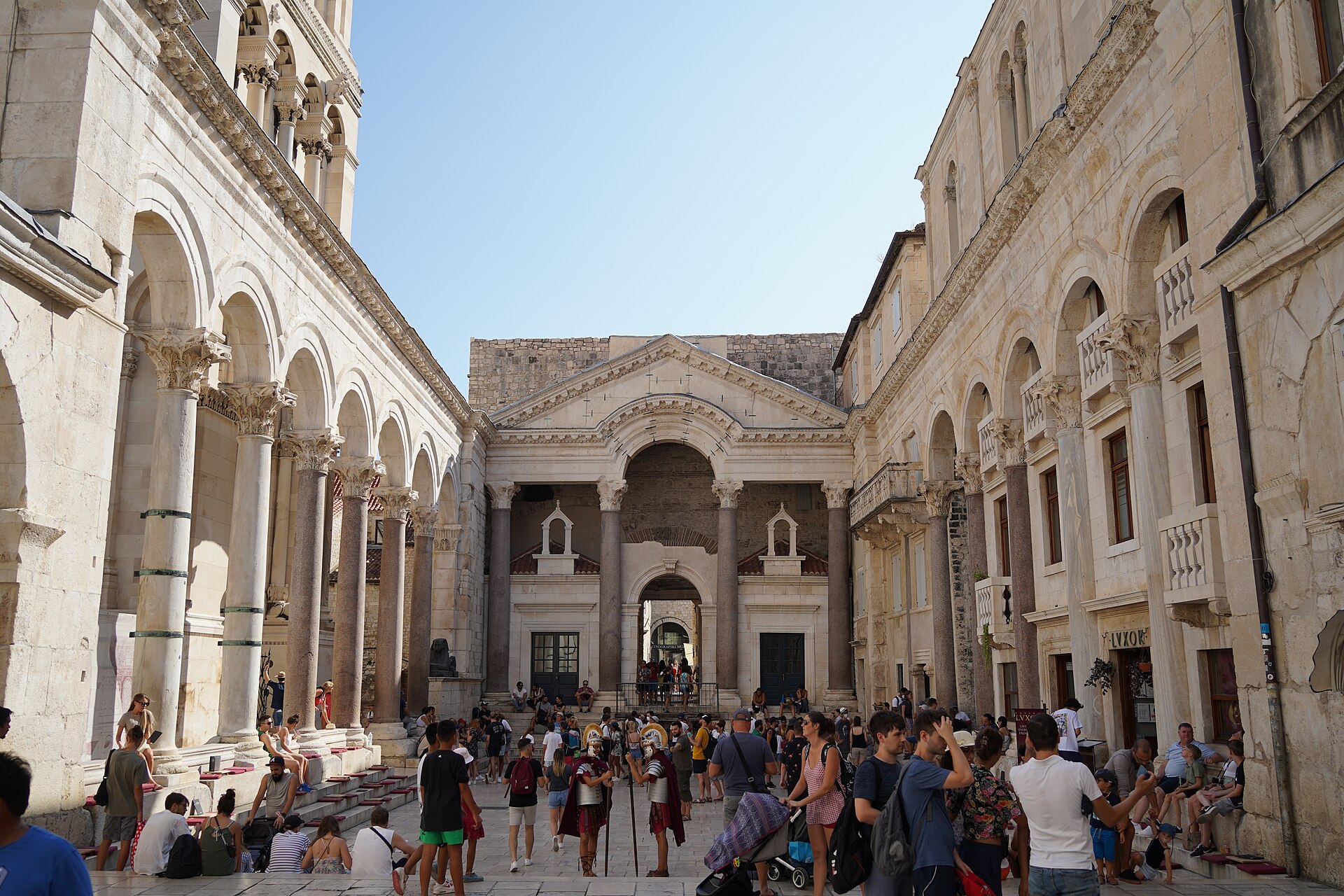
The Peristyle is the open-air courtyard at the centre of Diocletian's Palace — a colonnaded square flanked by granite columns imported from Egypt that was the ceremonial approach to the emperor's private apartments and is now the most photographed, most sat-upon, and most socially active ancient Roman space in the world. Visitors sit on the ancient steps drinking coffee, musicians perform under the columns, and the cathedral bell tower rises above. The Peristyle's acoustic properties (the colonnaded space creates natural amplification) make it one of Split's best performance venues, and summer evening concerts — classical, opera, Dalmatian klapa (a cappella) singing — use the Roman architecture as a stage set that no contemporary concert hall can match.
Prokurative (Republic Square)
Trg Republike, Grad, Split, 21000, Croatia
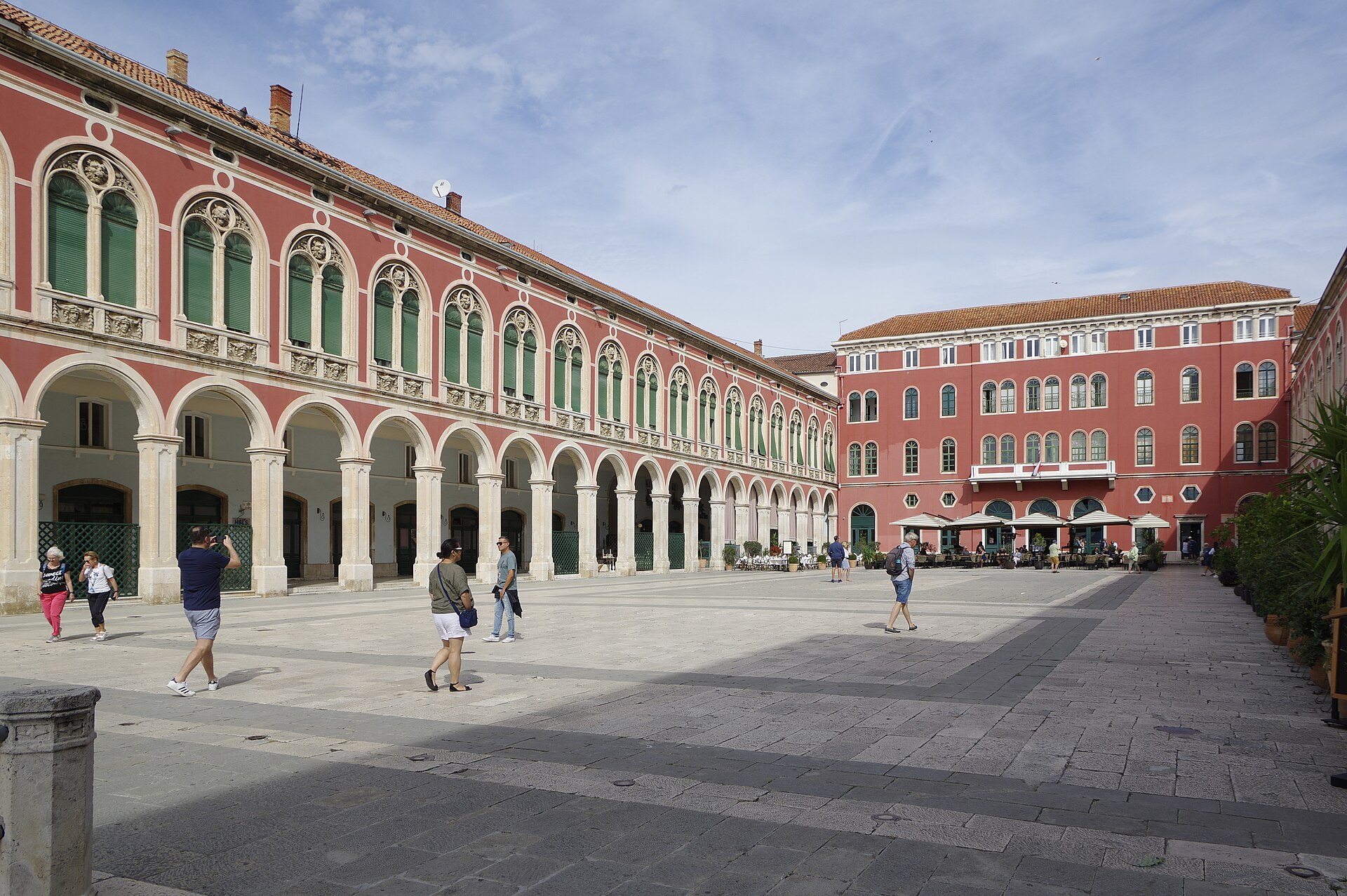
The Prokurative (officially Republic Square) is a Neo-Renaissance piazza built between 1859 and 1889 and modelled on St. Mark's Square in Venice — three sides of arcaded buildings enclosing a square that opens directly onto the Adriatic. The ensemble was designed by architect Ivan Buble during the Habsburg period as Split's attempt to claim the grand civic architecture of a European capital, and its cream-coloured façades and symmetrical arcades provide a striking contrast to the irregular stone of the Roman and medieval old town. The square is the main venue for the Split Summer Festival (July-August) with concerts, opera, and ballet staged against the colonnaded backdrop, and for the Melodies of the Croatian Adriatic (Melodije Jadrana), the city's annual festival of popular Dalmatian song. For the rest of the year, the cafés along the arcades — less touristy than those on the Riva — provide one of Split's most atmospheric places for an evening drink.
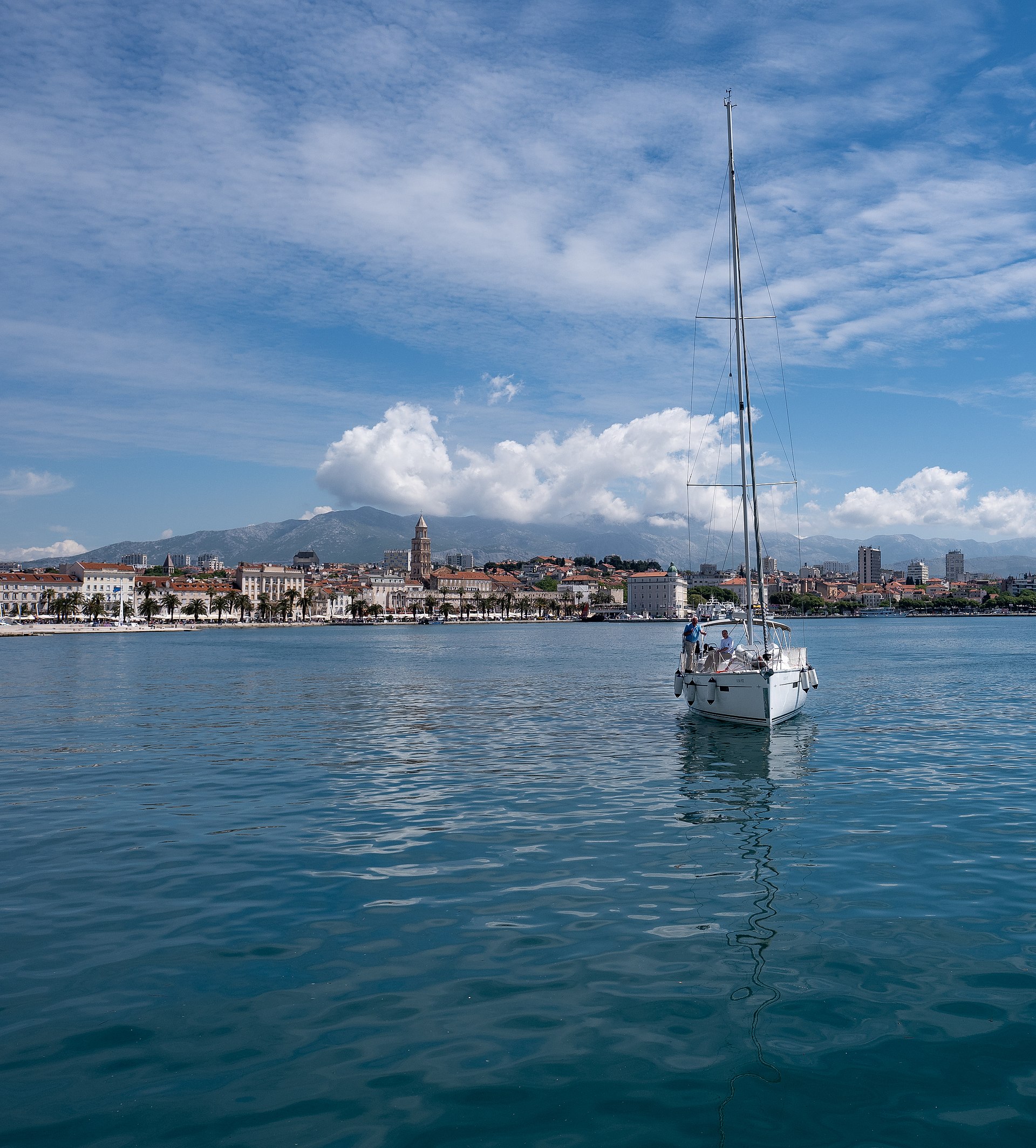
Riva Promenade
Splitska, Croatia
The Riva is Split's waterfront promenade — a palm-lined boulevard along the southern wall of Diocletian's Palace that is the city's daily gathering place, evening passeggiata route, and the spot where Splitčani have been drinking coffee and watching the harbour since the promenade was built in the 19th century. The Riva faces south across the harbour to the Marjan peninsula, and the afternoon sun that bathes the white stone in golden light creates the Mediterranean atmosphere that makes Split feel more Italian than Slavic. The café culture on the Riva is Split's most important social institution — the tables that line both sides of the promenade fill from morning through late evening with an unhurried procession of coffee drinkers who treat the Riva as an office, a living room, and a stage.
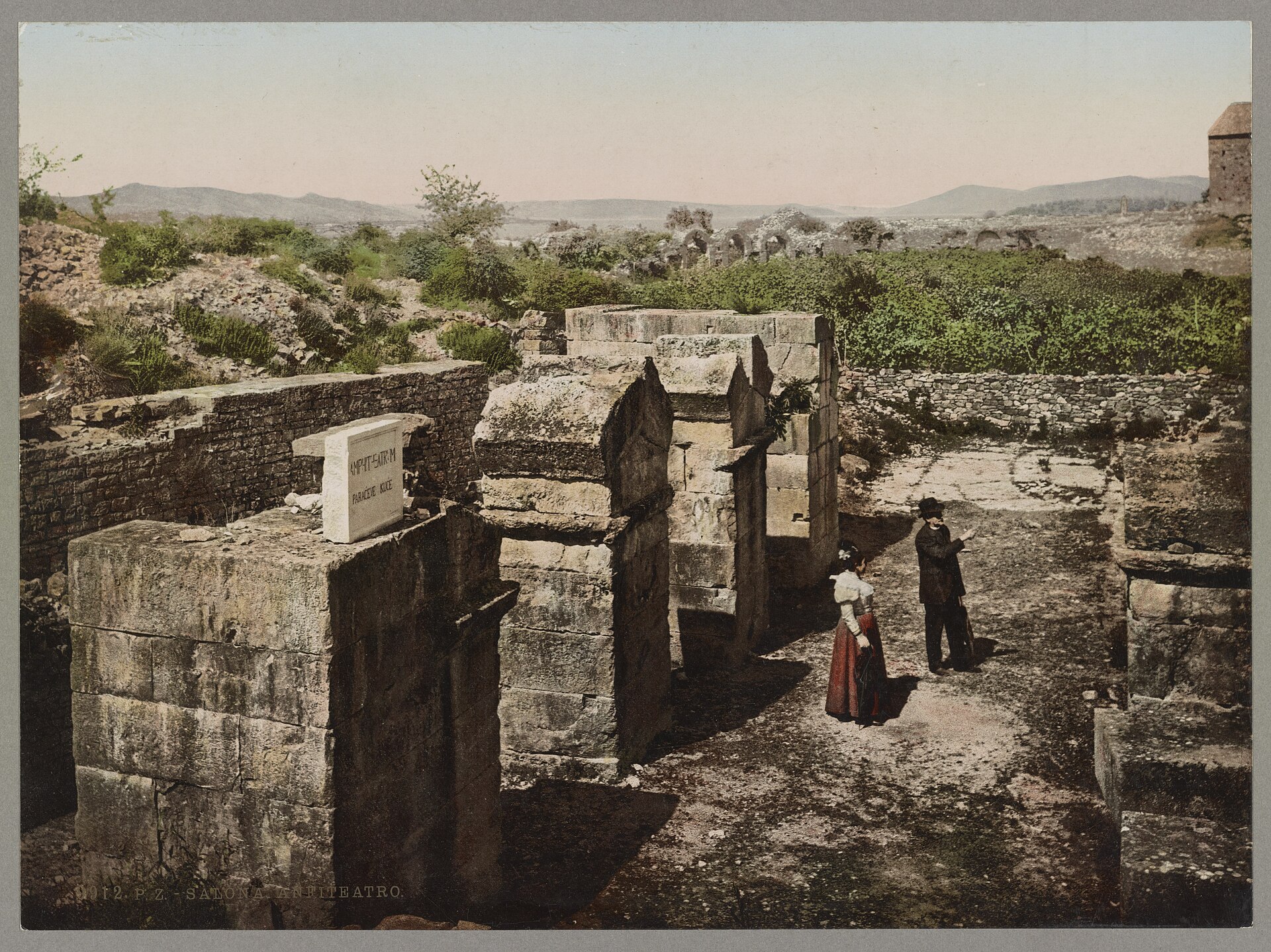
Salona Archaeological Site
Solin, Croatia
Salona was the capital of the Roman province of Dalmatia — a city of 60,000 people that was the largest urban centre on the eastern Adriatic and the birthplace of Emperor Diocletian (who retired to his palace in nearby Split after abdicating in 305 AD). The archaeological site, 5 kilometres north of Split in the modern town of Solin, contains the remains of the Roman city — an amphitheatre (seating 18,000), basilicas, baths, the city walls, and the necropolis where early Christian sarcophagi document the religion's spread through Dalmatia. Salona is vastly less visited than Diocletian's Palace despite being historically more significant — the ruins are spread across an open field, there are no crowds, and the experience of walking through the remains of a Roman provincial capital (with the modern suburbs visible in every direction) provides a perspective on the scale of Roman urban civilisation that the concentrated palace in Split can't convey.
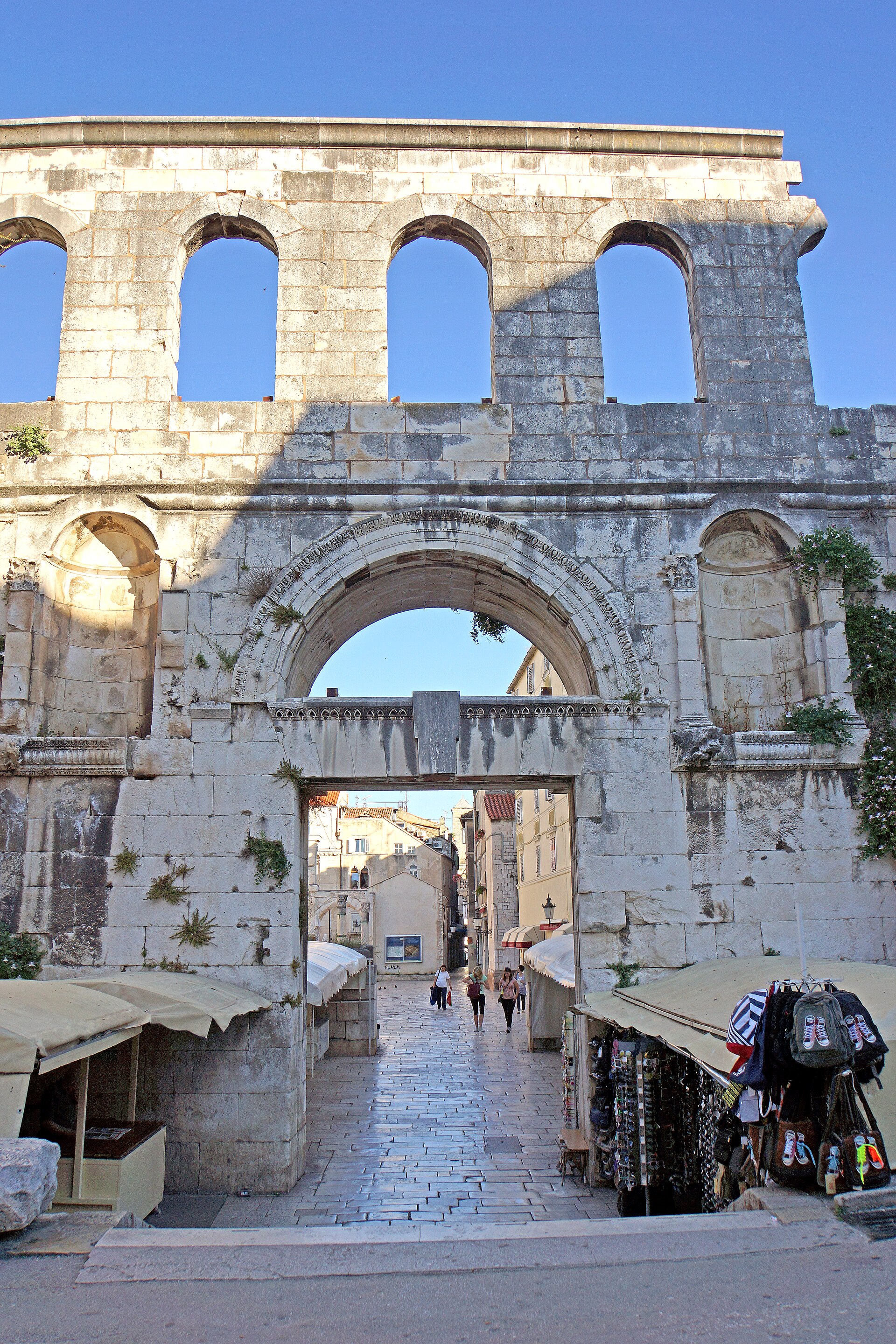
Silver Gate (Porta Argentea)
Hrvojeva, Split
The Silver Gate is the eastern entrance of Diocletian's Palace — one of the four original gates, walled up during the Middle Ages and only reopened in 1952 when the rubble was cleared. The gate opens onto the Pazar (Green Market), creating one of the most evocative juxtapositions in Split where farmers' stalls of tomatoes, olives, and figs fill the shadow of a Roman gate that saw legions march through 1,700 years ago. Passing through the gate, you enter the cardo maximus (the north-south Roman axis of the palace) and immediately encounter the Peristyle ahead. The walls on either side still show Roman stonework, medieval additions, and the scars of the 1952 clearance. The gate is named 'Silver' because each of the four palace gates was named for a metal (Silver east, Golden north, Iron west, Brass south), though the origin of the tradition is unclear.
Split City Museum
Papalićeva 1, Split
The Split City Museum occupies the Papalić Palace — a 15th-century Venetian Gothic mansion tucked inside the walls of Diocletian's Palace that was designed by the same architect (Juraj Dalmatinac) who built the famous cathedral in Šibenik. The palace interior, with its courtyard, stone staircase, and carved window frames, is itself the museum's most valuable artifact — a rare surviving example of the domestic architecture that Split's medieval patricians built inside the Roman shell. The collection traces Split's history from the Greek colony at Salona (before the Romans arrived) through the Venetian period, the Habsburg era, and the 20th-century wars that shaped modern Croatia. The top-floor exhibits on the 1991-1995 Homeland War include objects, photographs, and video testimony that provide crucial context for understanding Split's role in Croatia's independence struggle — context that the sunny tourist face of the city often obscures.
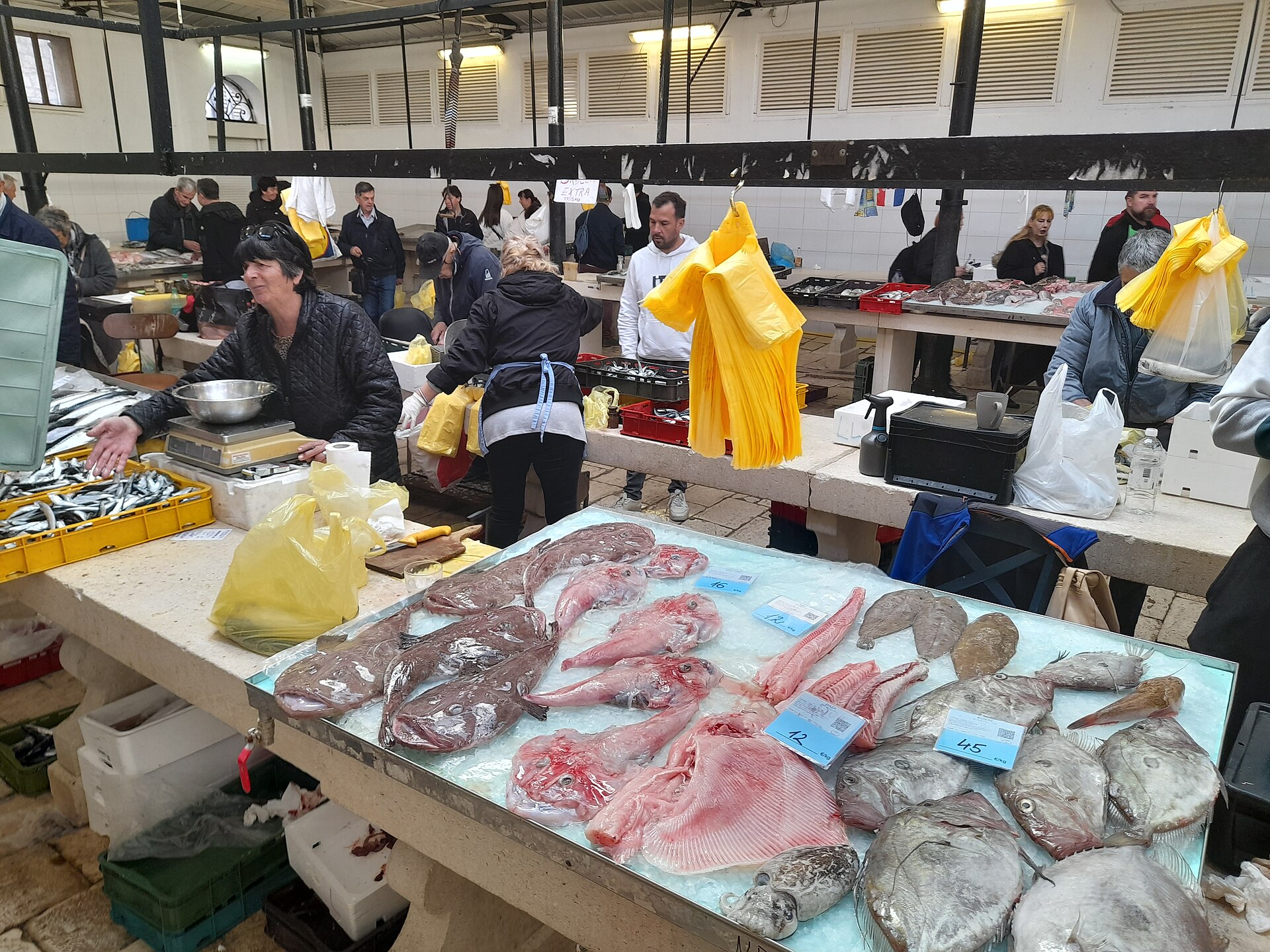
Split Fish Market
5 Obrov, Grad, Split, 21000, Croatia
The Peškarija (fish market) is housed in a elegant early 20th-century building on the harbour front, just outside the western wall of the palace. The market opens early morning when the fishermen bring in the night's catch, and the displays — whole branzino (sea bass), orada (sea bream), octopus, squid, sardines, and the shellfish that the Adriatic produces in abundance — represent the raw ingredients of Dalmatian cuisine. The market provides the most direct connection between Split's harbour (still a working fishing port despite the tourism) and its tables.
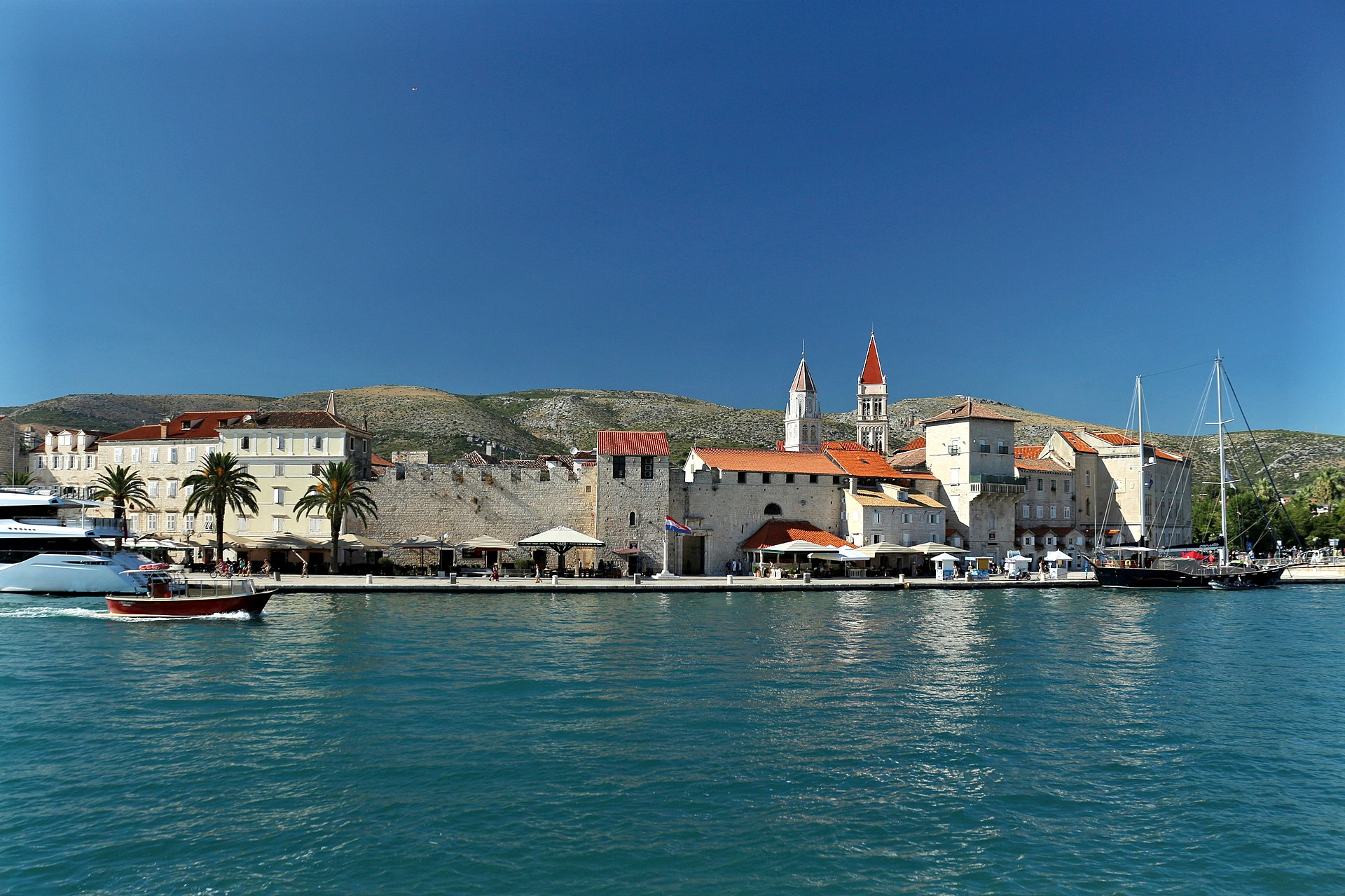
Trogir (Day Trip)
Trogir, Croatia
Trogir is a UNESCO World Heritage medieval town on a small island connected by bridges to the mainland 27 kilometres west of Split — a Venetian-influenced stone town whose old town is so densely packed with Romanesque and Gothic architecture that it earns the nickname 'museum town.' Trogir was founded by Greek colonists in the 3rd century BC (originally called Tragurion), and its continuous occupation for 2,300 years has produced a remarkable layer cake of architecture. The centrepiece is the 13th-century Cathedral of St. Lawrence, whose main portal was carved by Master Radovan in 1240 — one of the finest surviving works of medieval Dalmatian sculpture, with an Adam and Eve flanking lions and intricate biblical scenes. The cathedral's 47-metre bell tower (climbed via a hair-raising narrow staircase) provides panoramic views of the island, the bridges, and the Čiovo peninsula opposite. Trogir is easily reached by local bus in about 35 minutes.
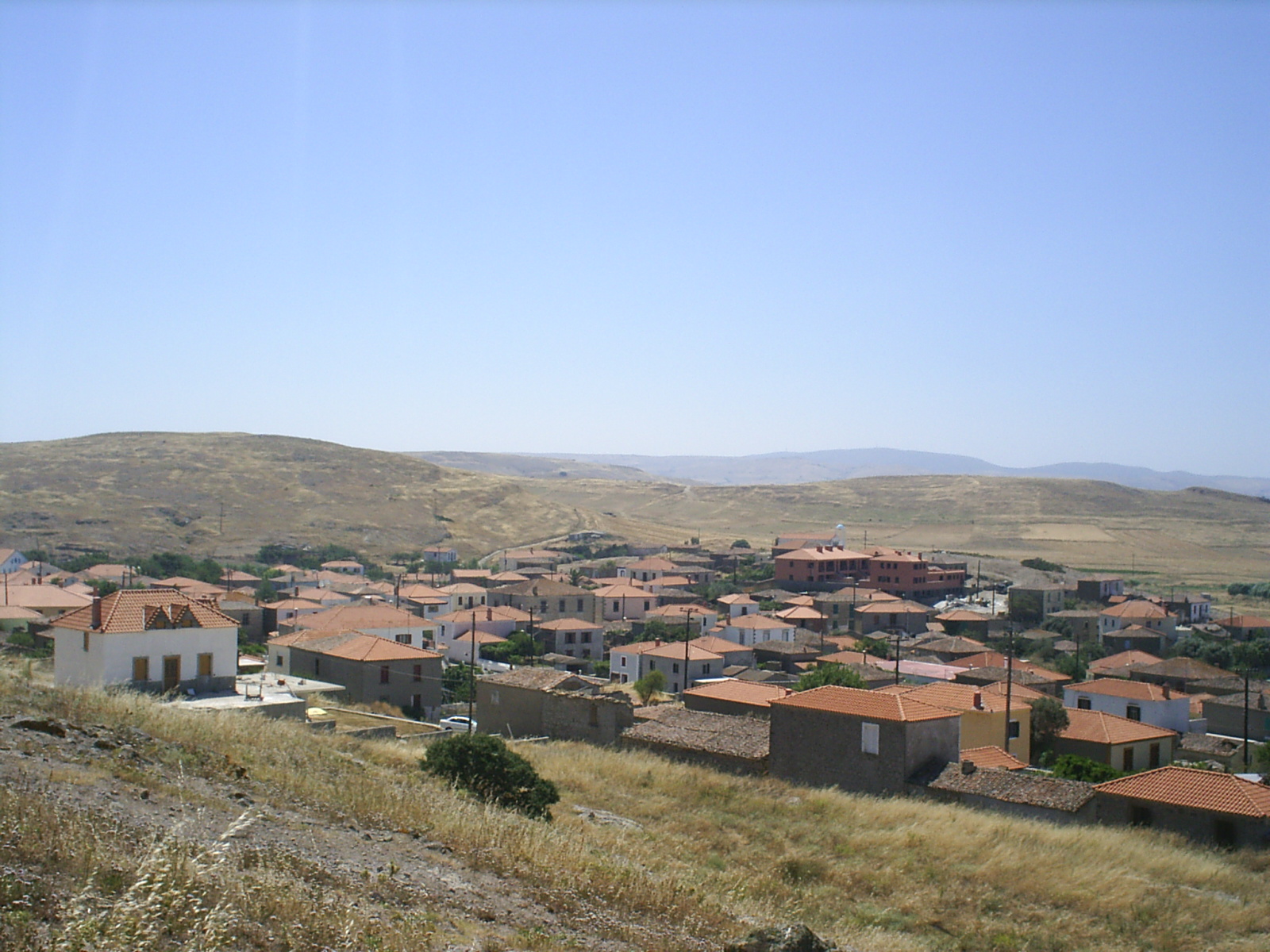
Varos Neighbourhood
Varoš, Split, Croatia
Varoš is Split's oldest neighbourhood outside the Roman palace — a hillside tangle of narrow alleys, stone houses, and tiny piazzas that grew up in the 7th century when refugees from the sacked Roman city of Salona settled around the palace walls. The neighbourhood climbs the slope between the old town and Marjan hill, and its pedestrian-only lanes (too narrow for any car) provide the most atmospheric domestic architecture in Split. The tiny Church of St. Nicholas (Sveti Nikola), built in the 11th century, is one of Dalmatia's earliest Romanesque churches and sits at the edge of Varoš on the way up to Marjan. The neighbourhood still has a working-class, lived-in quality that the polished Riva lacks — laundry hangs from balconies, cats doze on windowsills, and locals stop to chat in the alleys in a way that makes Varoš feel like the Split of 50 years ago.
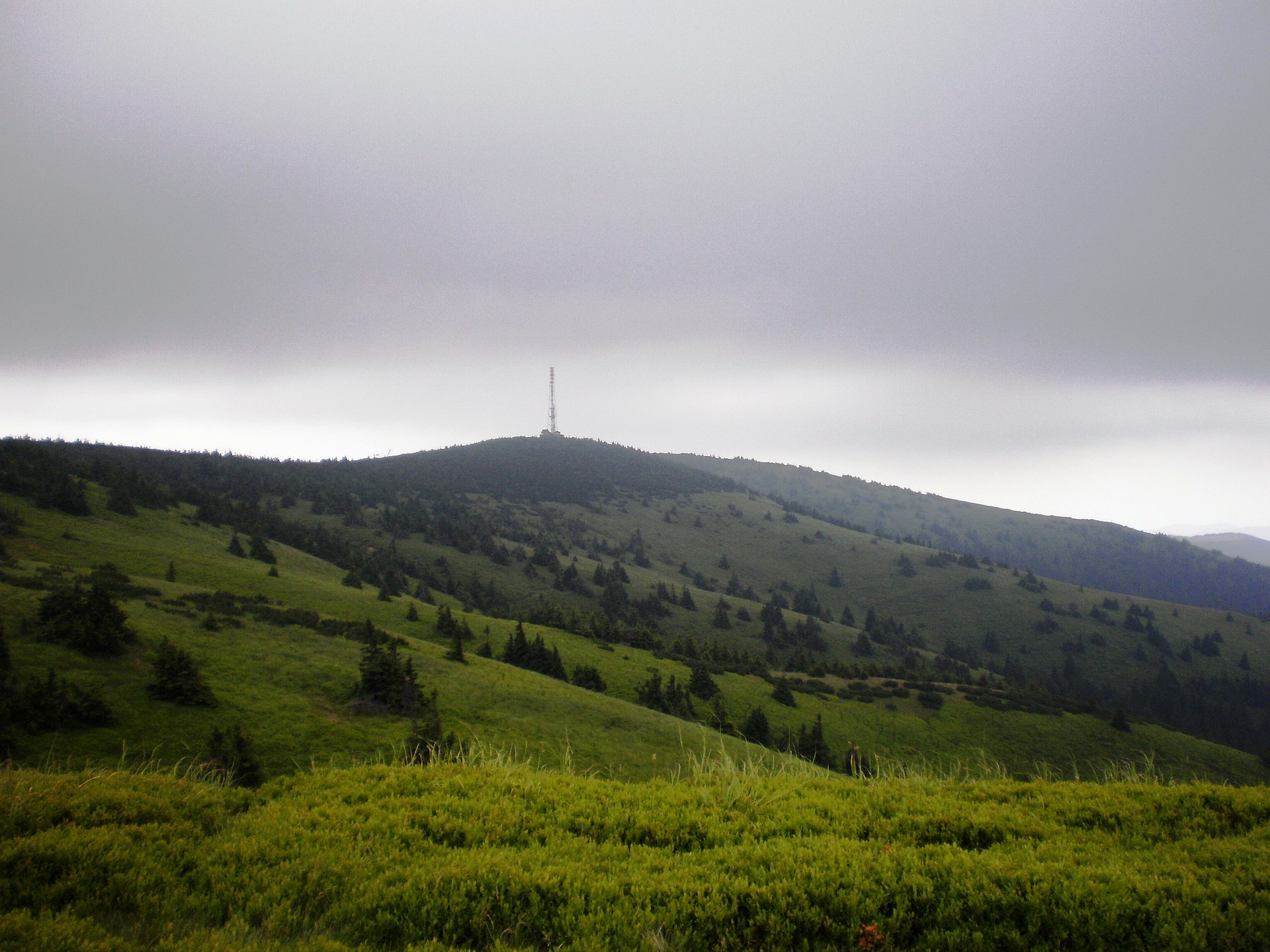
Vidilica Viewpoint
Nazorov prilaz, Varoš, Split, 21000, Croatia
Vidilica ('the viewpoint') is the first and most popular lookout on Marjan hill — a stone terrace with a café reached by climbing 314 steps from the old town (starting behind the Varoš neighbourhood) that provides the postcard view of Split that photographers, honeymooners, and sunset chasers all converge on. The terrace is roughly 130 metres above sea level and offers a direct line of sight down onto the red rooftops of Diocletian's Palace, the harbour, and across to the islands of Brač and Šolta. The climb up from Split takes about 15 minutes at a brisk pace, passing the medieval Varoš neighbourhood (the first settlement outside the Roman palace walls, dating to the 7th century when refugees from the sacked city of Salona moved inside Diocletian's compound), a Jewish cemetery (one of the oldest in Europe, active from 1573 to 1945), and several hermitage churches cut into the rock. The Vidilica café is a pleasant spot for a coffee at sunset — prices are higher than in town but the view is unmatched.