5 Hidden Gems in Cartagena Most People Walk Right Past
5 landmarks with verified facts and stories
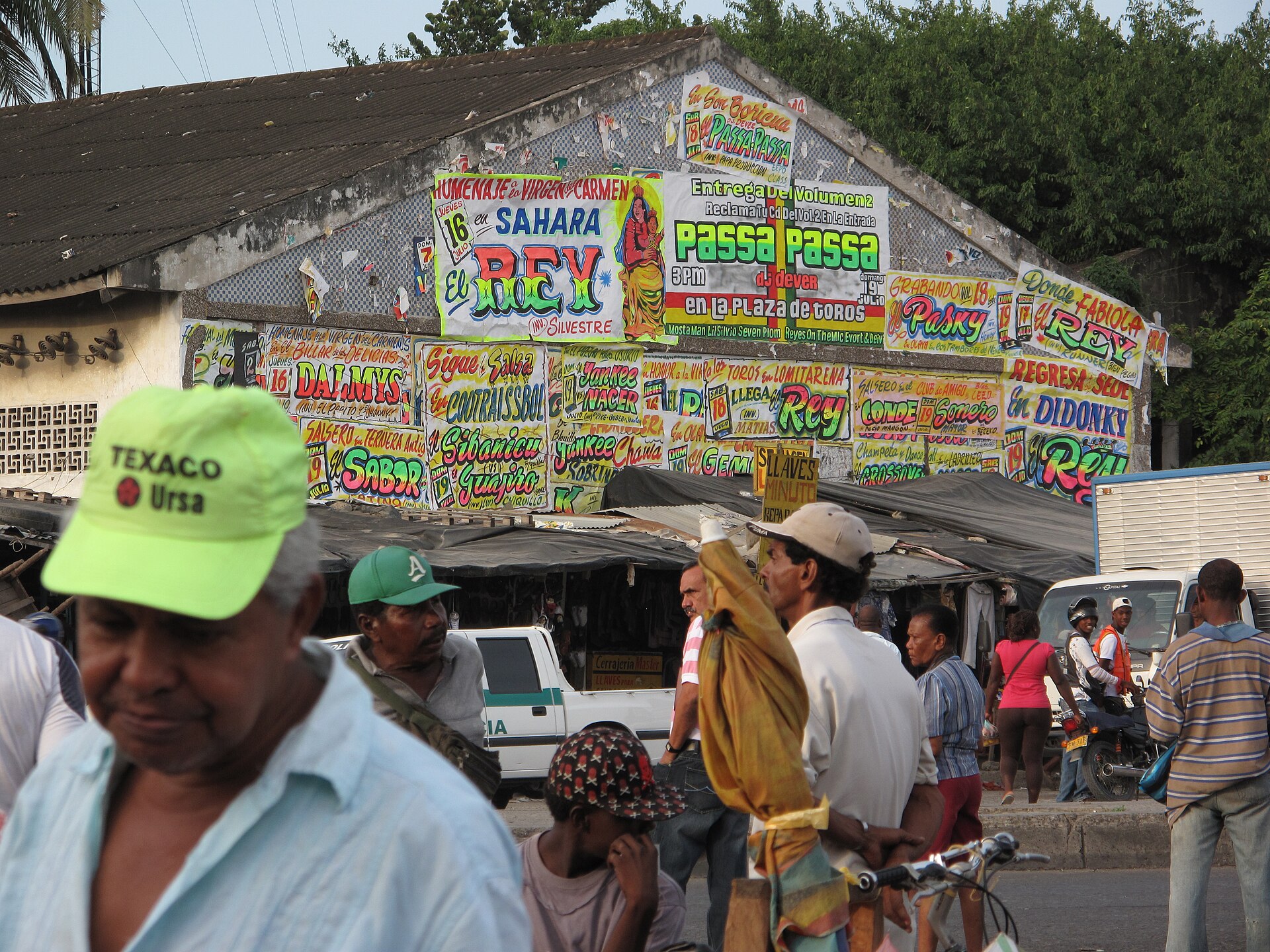
Bazurto Market
Puente de Bazurto, El Bosque, Cartagena, Colombia
Bazurto is Cartagena's real market — a sprawling, chaotic, intensely local market outside the tourist zone where the city's working population buys their fish, meat, fruit, and vegetables at prices that the walled city's restaurants charge three times more for.
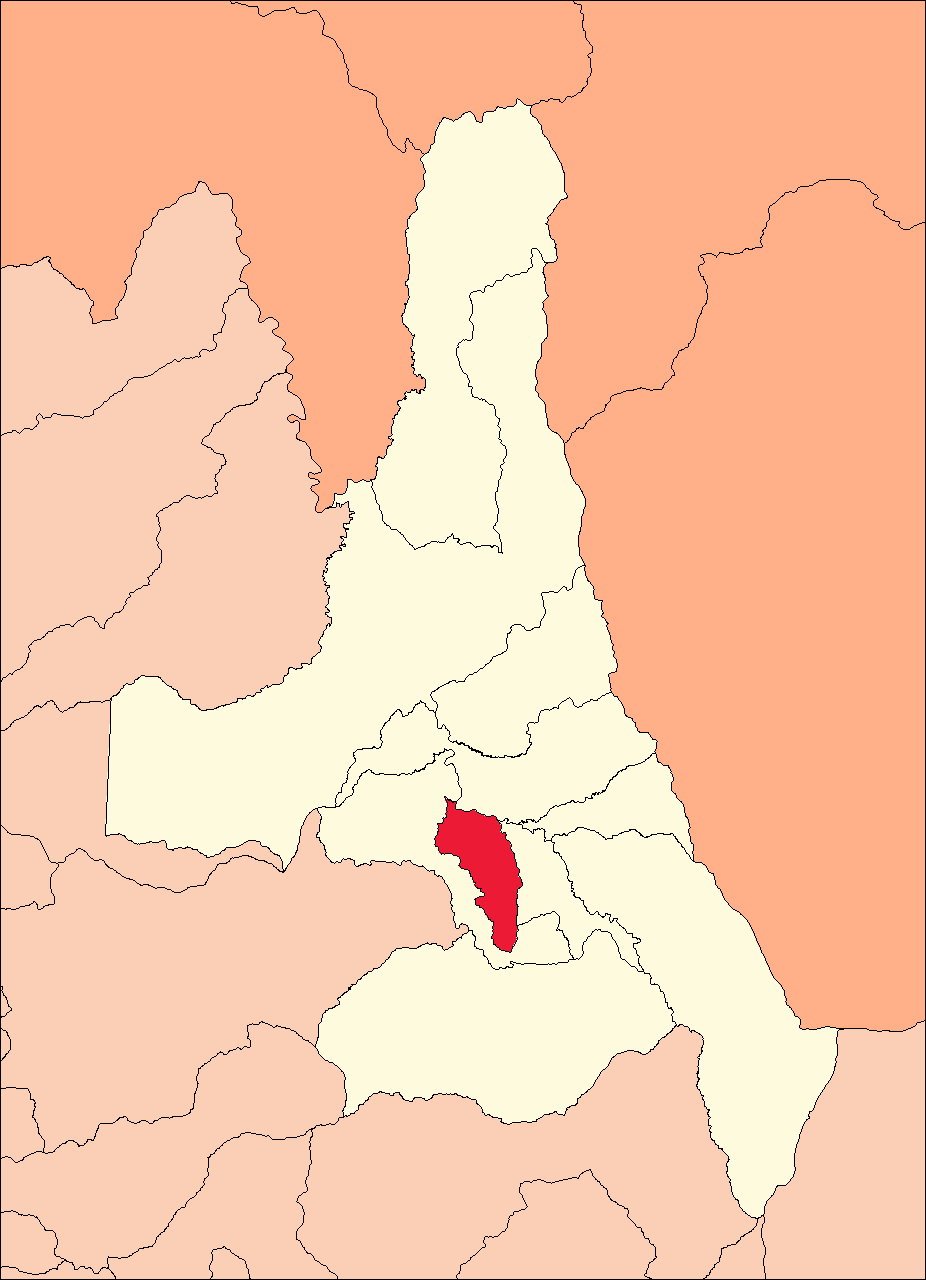
Castillo Grande
Barrio Bocagrande, Cartagena, Colombia
The Fuerte de San Juan de Manzanillo (known locally as Castillo Grande) is a small 17th-century fortress on the tip of the Bocagrande peninsula that guarded the southern entrance to Cartagena Bay — now sitting among the modern high-rises of the resort district.
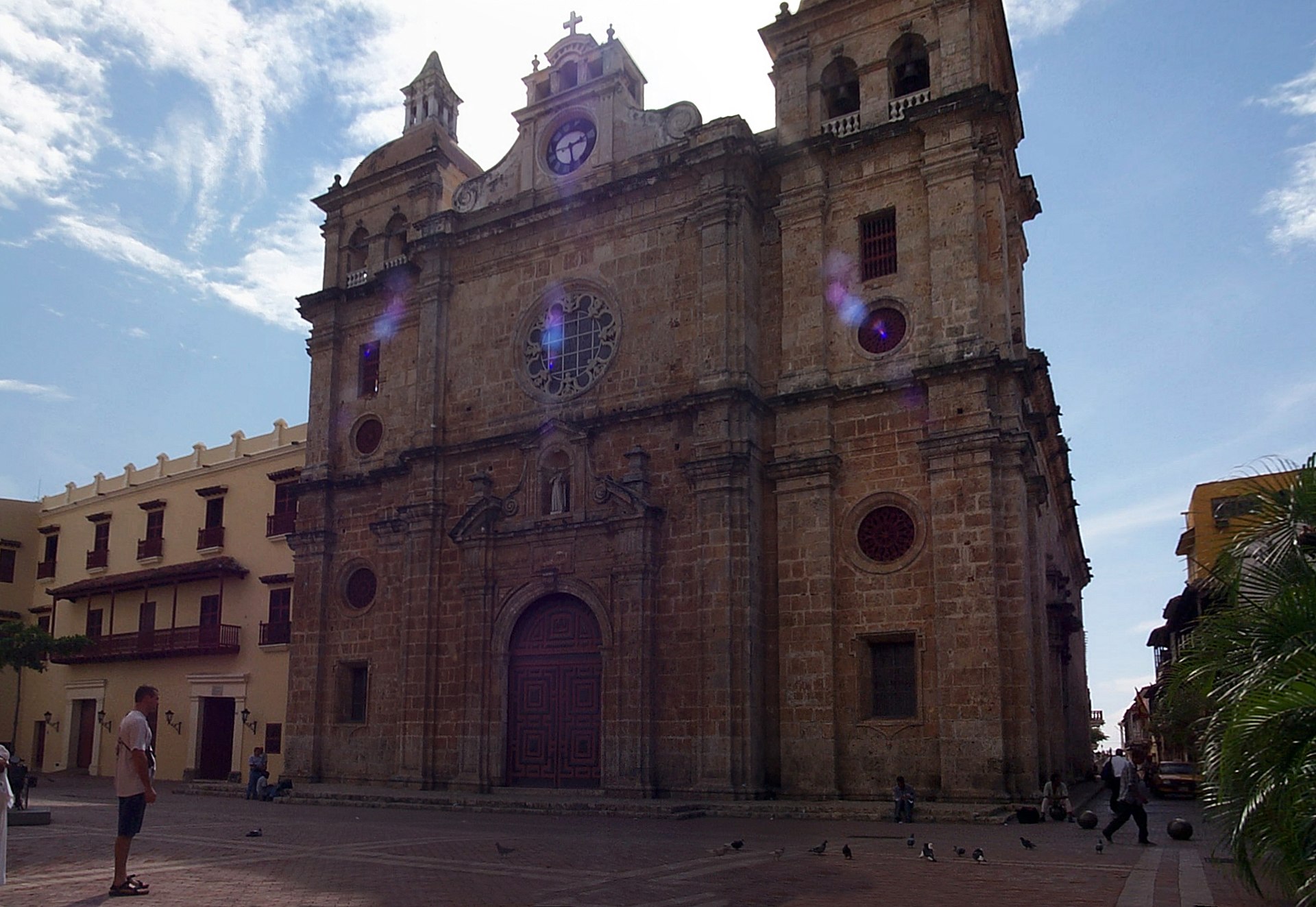
Convento de San Pedro Claver Courtyard
Calle San Pedro Claver, Centro, Cartagena, Colombia
The courtyard of the San Pedro Claver convent — accessible via a separate ticket from the main church — is one of the most beautiful Baroque cloisters in Colombia, a two-storey arcaded square in cream-coloured coral stone with a central well, carved columns, and a fruit garden that has been preserved from the colonial period.
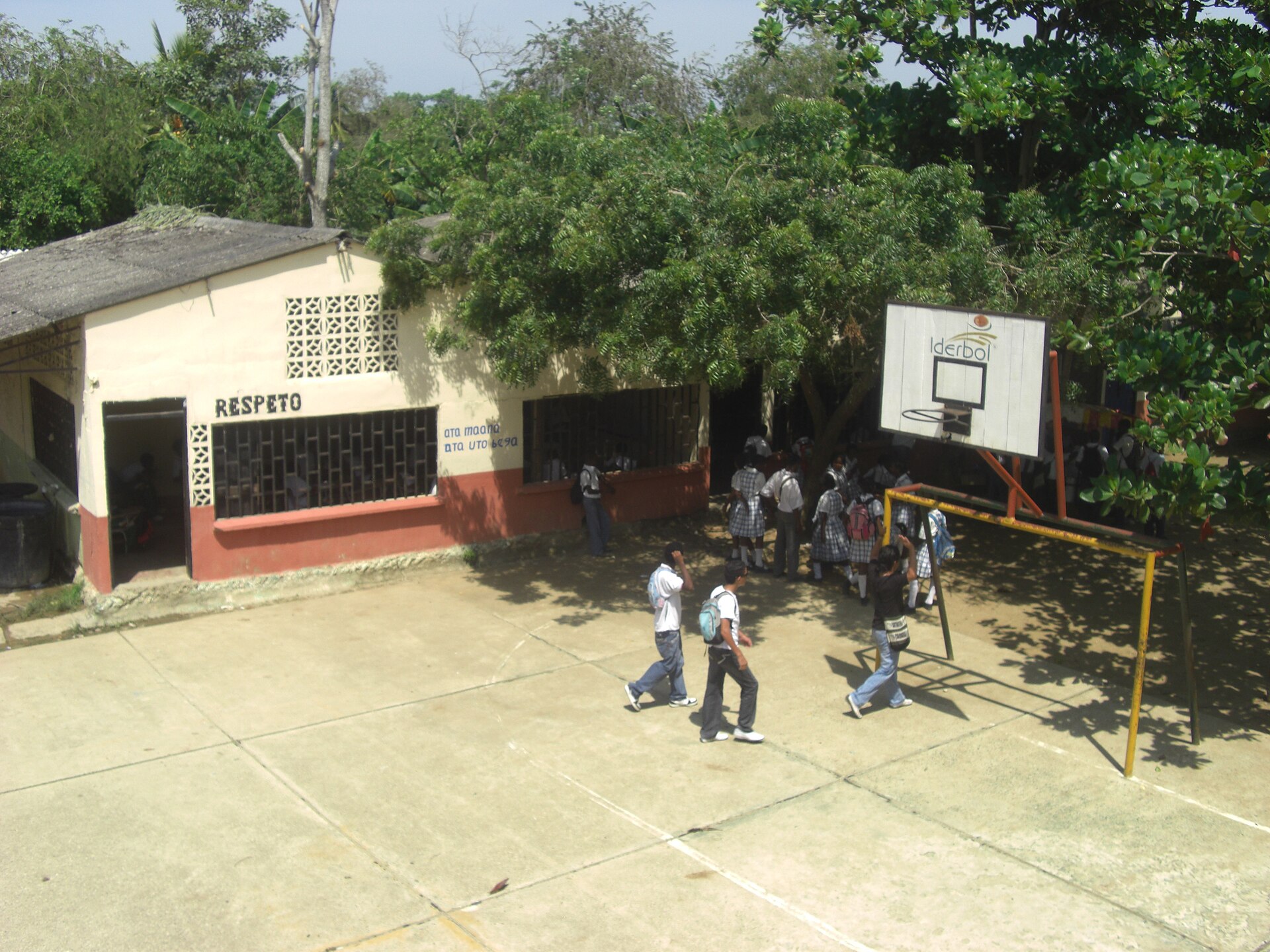
Palenque de San Basilio (Day Trip)
San Basilio del Palenque, Mahates, Colombia
San Basilio de Palenque is the first free Black settlement in the Americas — a village 50 kilometres south of Cartagena founded in the 17th century by escaped enslaved Africans (cimarrones) led by Benkos Biohó, who established an independent community in the foothills that the Spanish were never able to reconquer.

Santa Cruz de Manga
Calle Real de Manga, Cartagena
Manga is an island neighbourhood southeast of the walled city — connected by a bridge, less visited by tourists, and home to the largest concentration of Republican-era (late 19th / early 20th century) mansions in Cartagena.
Explore hidden gems in Cartagena
GPS-guided narration at every landmark. Tap a spot on the map, hear the story. Every fact verified.