Bandra-Worli Sea Link
Bandra Worli Sea Link, Bandra West, Mumbai, 400050, India
The Bandra-Worli Sea Link is a 5.
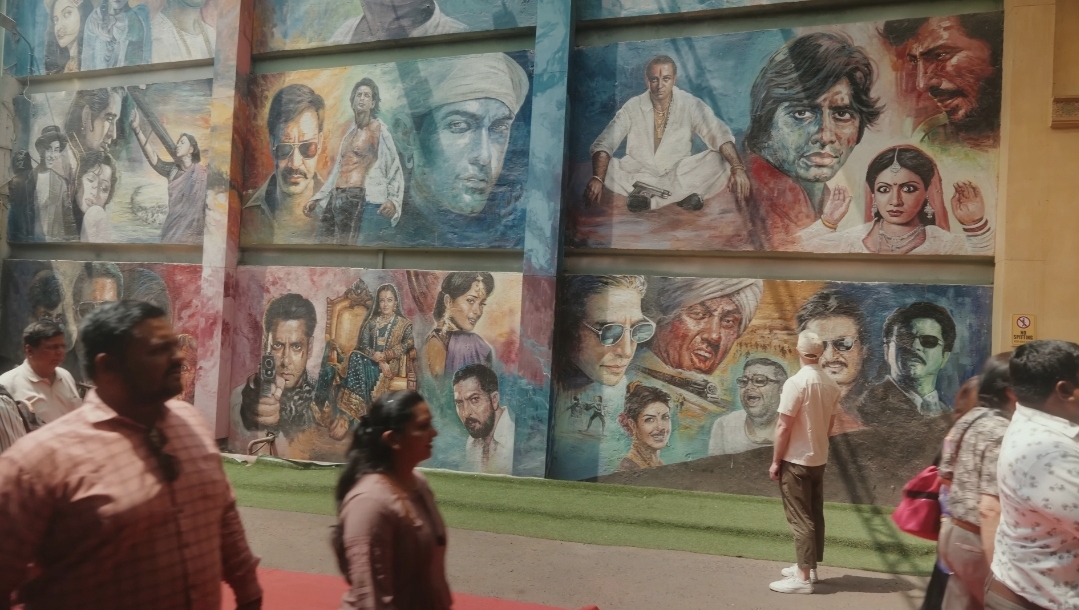
Bollywood & Film City
Film City Road, Goregaon East, Mumbai, 400065, India
Mumbai is the home of Bollywood — the Hindi-language film industry that produces over 1,500 films per year (more than Hollywood), employs hundreds of thousands of people, and generates the movies, music, and dance sequences that are the dominant popular culture across South Asia, the Middle East, and the Indian diaspora worldwide.
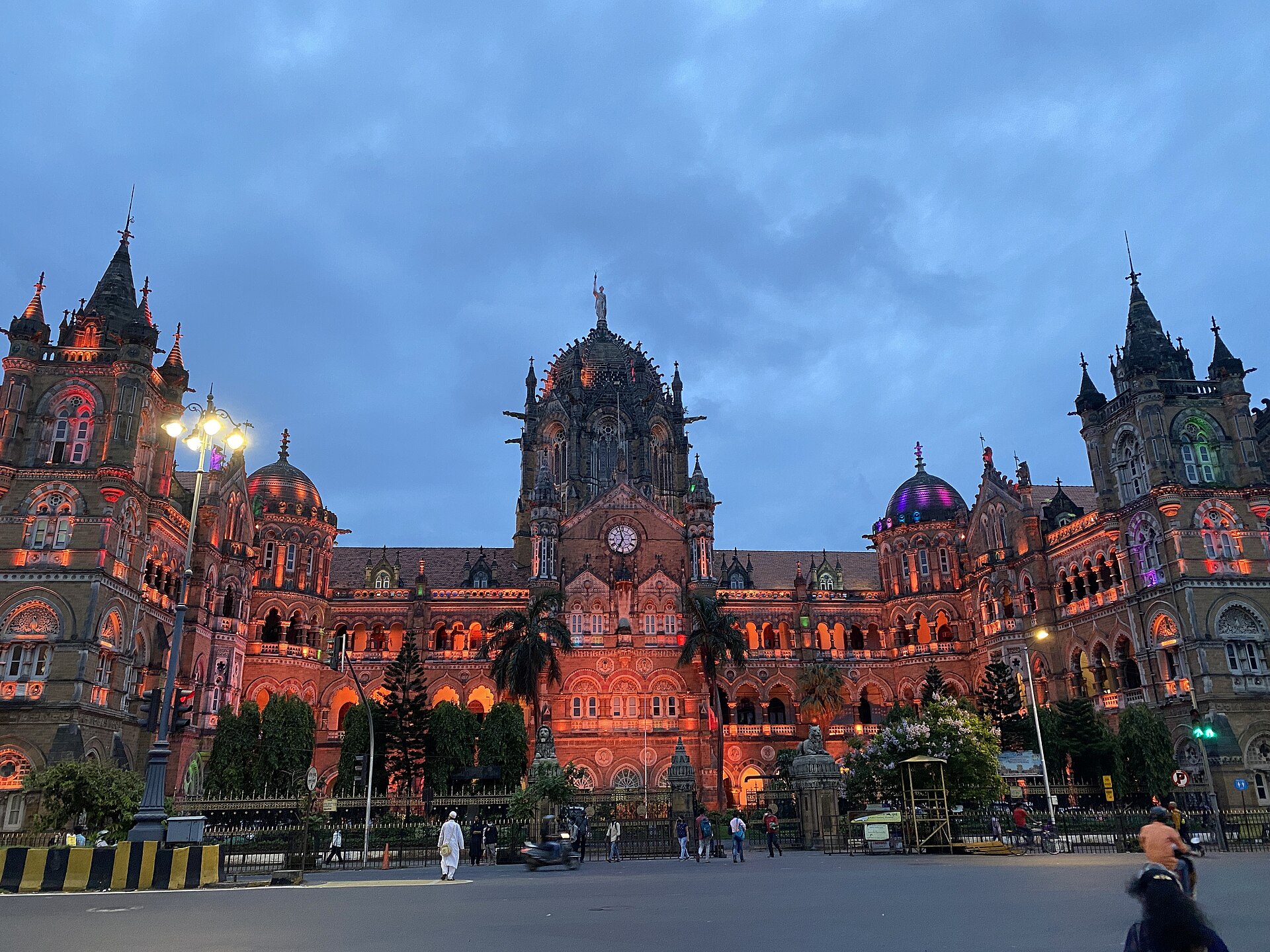
Chhatrapati Shivaji Maharaj Terminus (CST)
Dadabhai Naoroji Road, Fort, Mumbai, 400001, India
CST (formerly Victoria Terminus) is the most extravagant railway station in the world — a UNESCO World Heritage Victorian Gothic Revival building completed in 1888 that handles 3 million commuters daily and is simultaneously a functioning transport hub and a monument to the confidence of the British Raj at its peak.
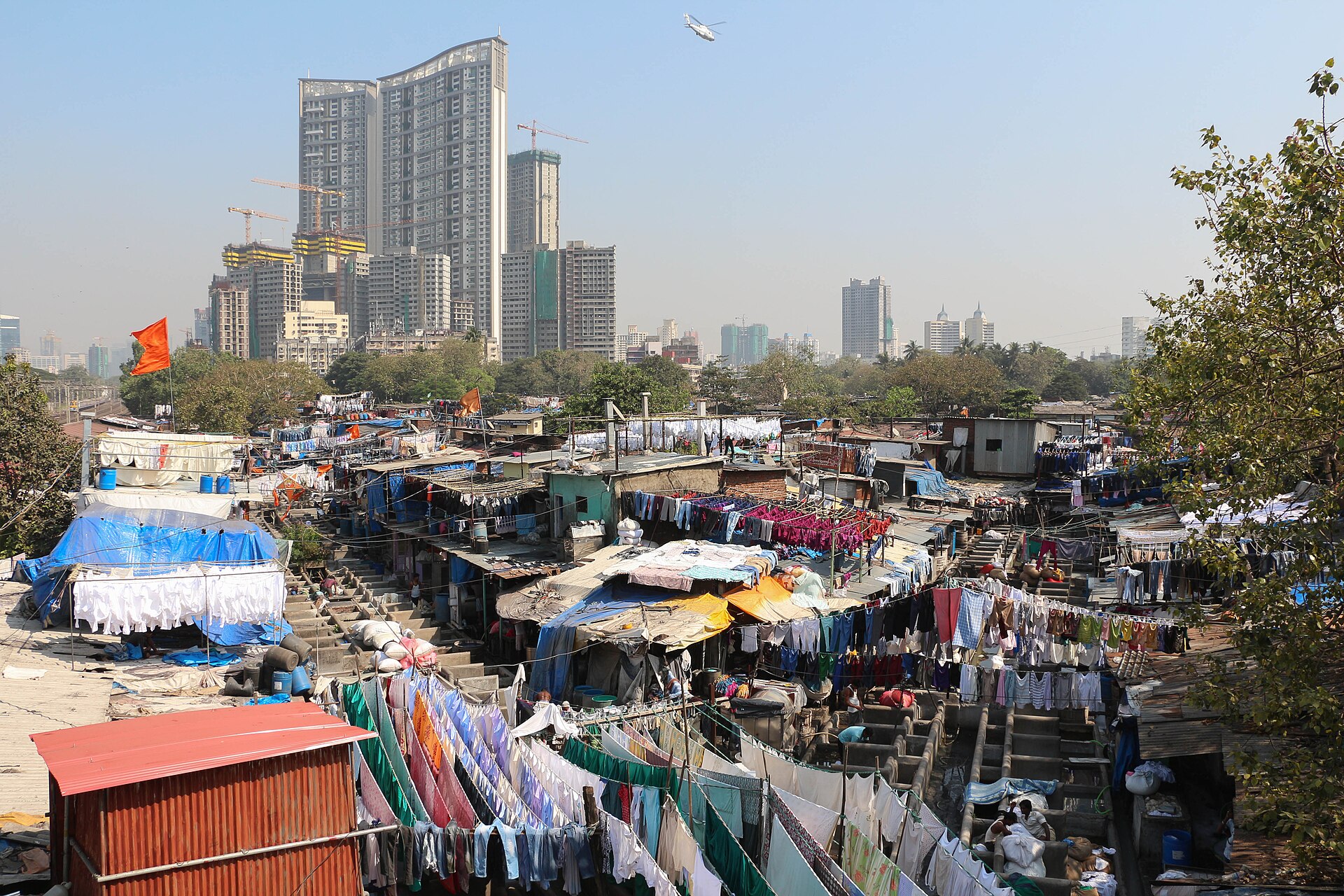
Dhobi Ghat
Mahalaxmi, Mumbai, 400018, India
Dhobi Ghat is the world's largest open-air laundry — a 140-year-old complex of concrete wash pens where over 7,000 dhobis (washermen and washerwomen) hand-wash clothes and linens from Mumbai's hotels, hospitals, and households using methods that have been used since the facility was built during the British Raj.
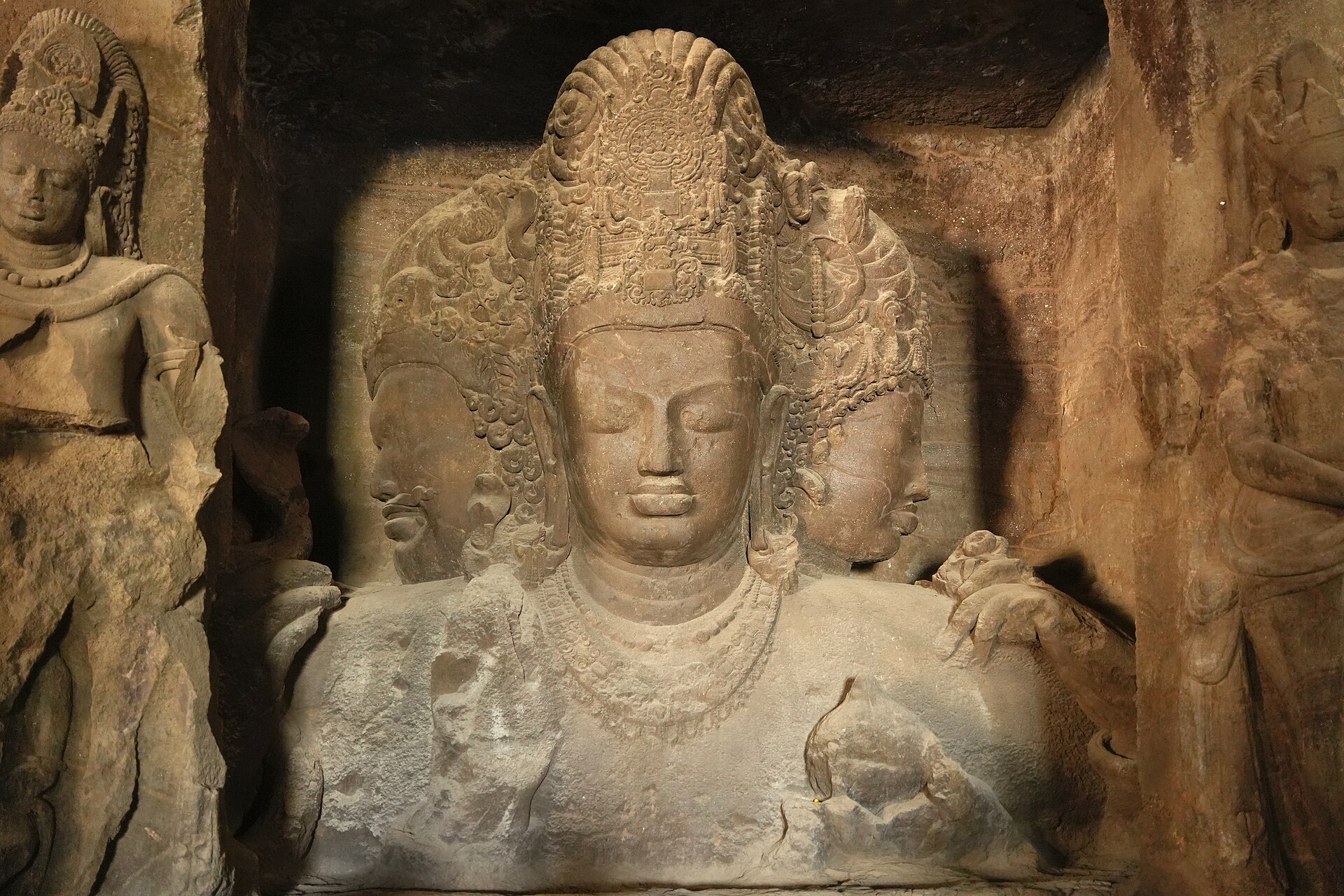
Elephanta Caves
Uran, Elephanta Caves, 400021, India
The Elephanta Caves are a UNESCO World Heritage Site — a group of 5th to 8th-century rock-cut Hindu temples on an island in Mumbai Harbour whose central Trimurti sculpture (a three-faced representation of Shiva as creator, preserver, and destroyer, carved from a single rock and standing 6 metres tall) is one of the masterpieces of Indian sculpture.
Flora Fountain (Hutatma Chowk)
Veer Nariman Road, Fort, Mumbai
Flora Fountain is a Victorian-era stone fountain at the heart of the Fort business district, erected in 1864 at the junction of five streets where the old Bombay Fort's Churchgate once stood (demolished in 1860 when the city expanded beyond its walls).
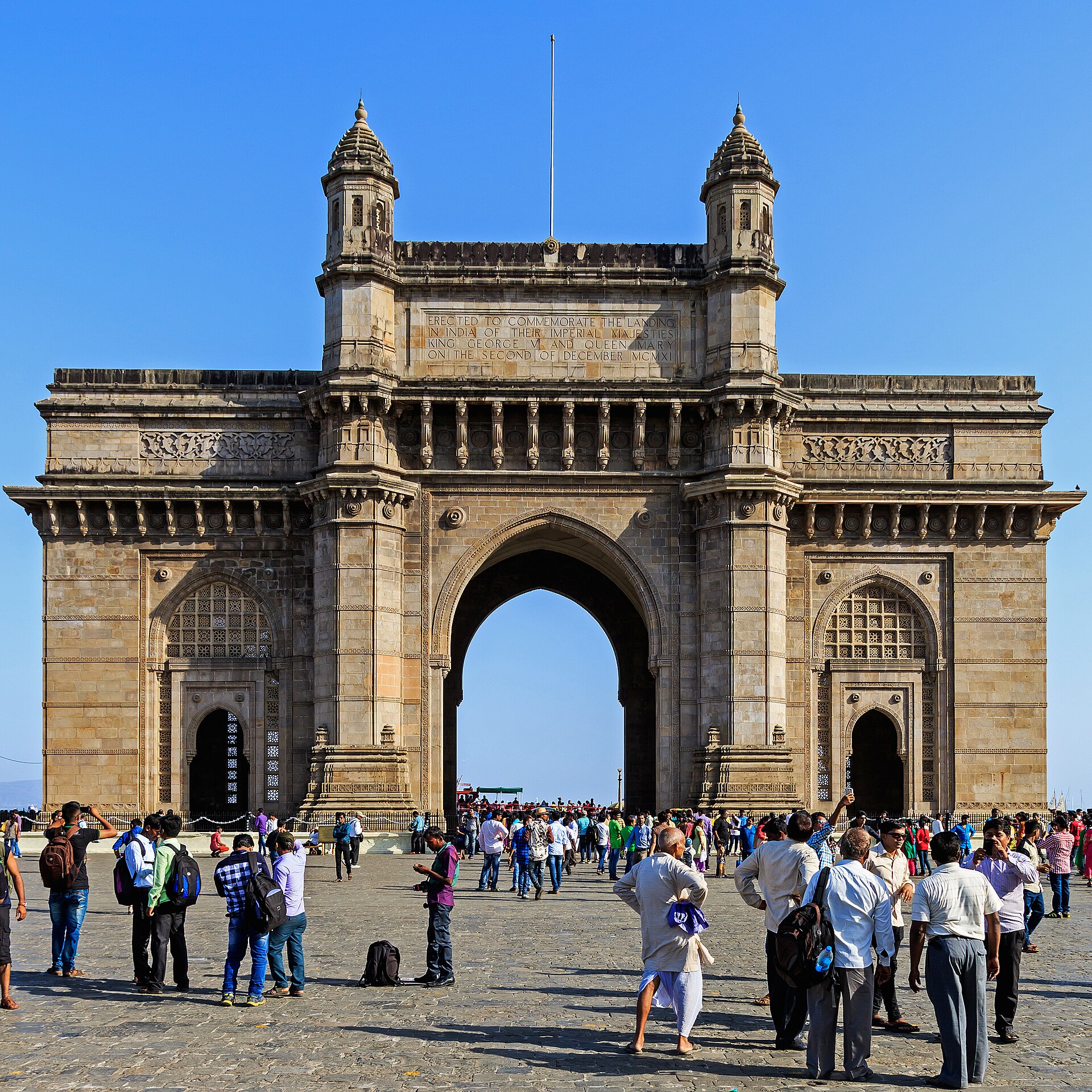
Gateway of India
Haji Niyaz Ahmed Azmi Marg, Colaba, Mumbai, 400001, India
The Gateway of India is Mumbai's defining landmark — a 26-metre basalt arch on the waterfront built to commemorate King George V's visit to India in 1911 and completed in 1924, just 23 years before the last British troops marched through it in 1948 as India gained independence.
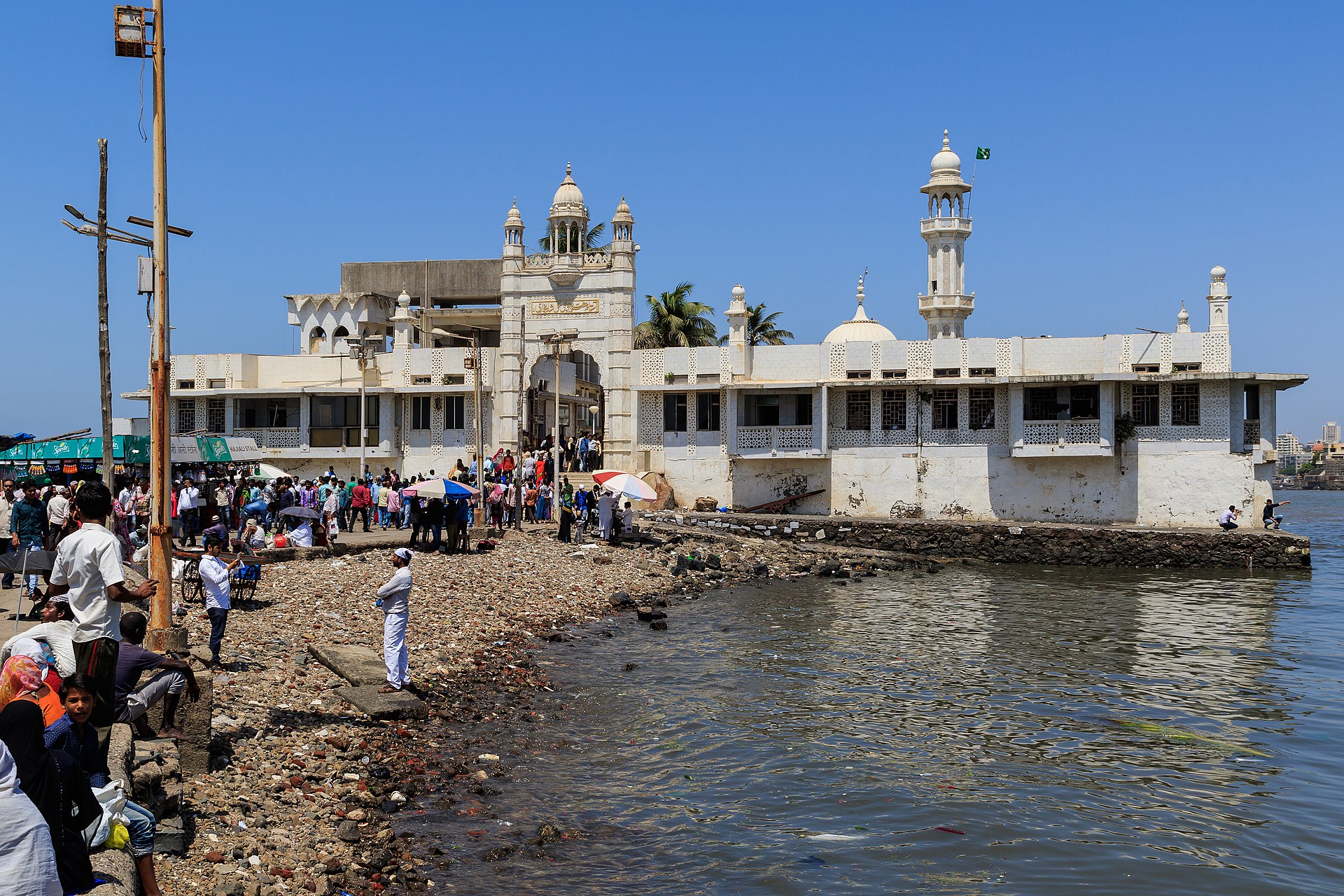
Haji Ali Dargah
Haji Ali, Mumbai
Haji Ali Dargah is a mosque and tomb built on a tiny island in the Arabian Sea, connected to the Mumbai mainland by a 500-metre causeway that is submerged at high tide — creating a building that appears to float on the water.
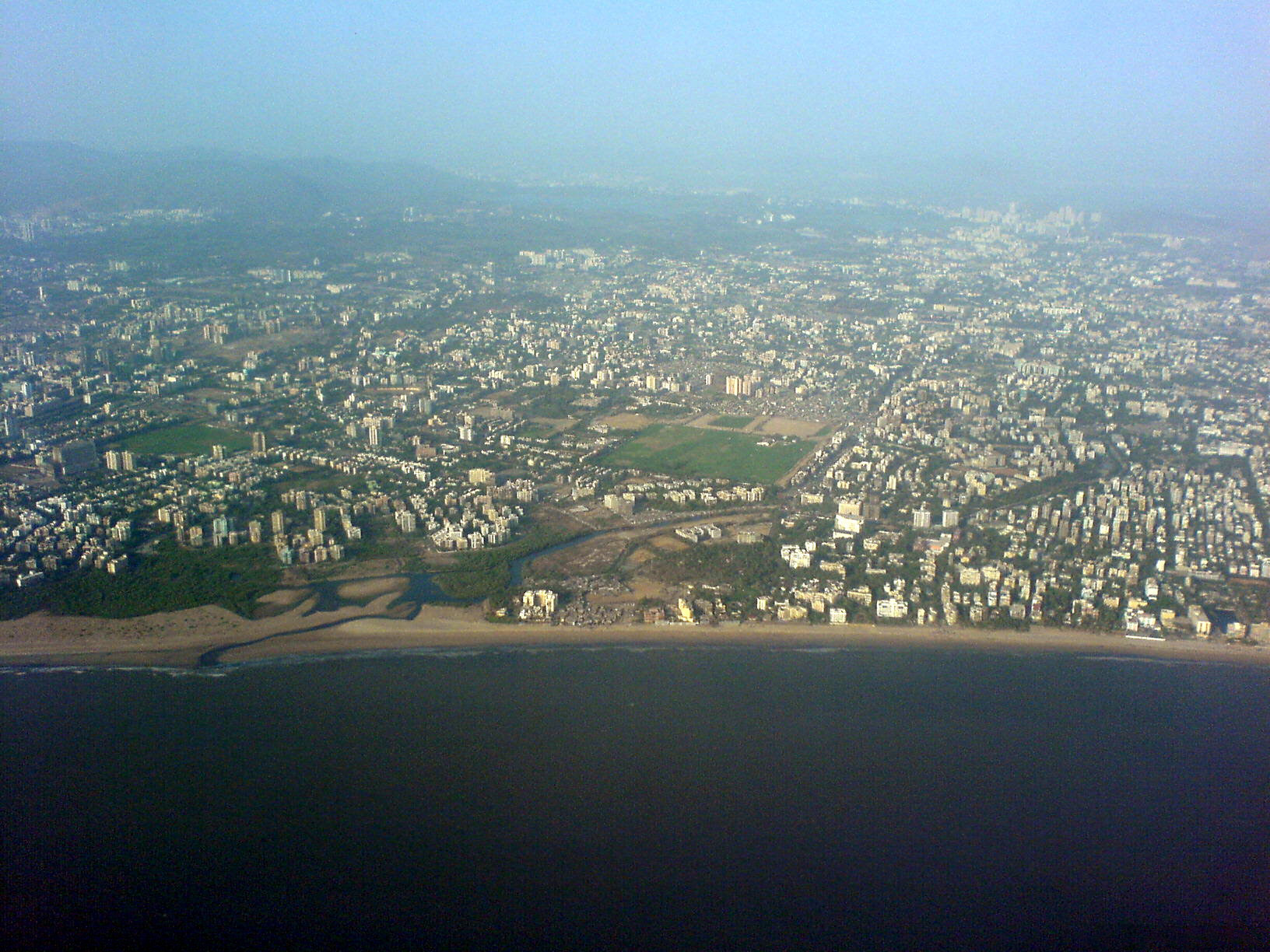
Juhu Beach
Juhu, Mumbai, 400049, India
Juhu Beach is Mumbai's most famous beach — a 6-kilometre stretch of sand in the northern suburbs that is simultaneously a social gathering place, a street food paradise, and the backyard of Bollywood, with the beachfront homes of Amitabh Bachchan (Jalsa) and other film stars lining the southern end.
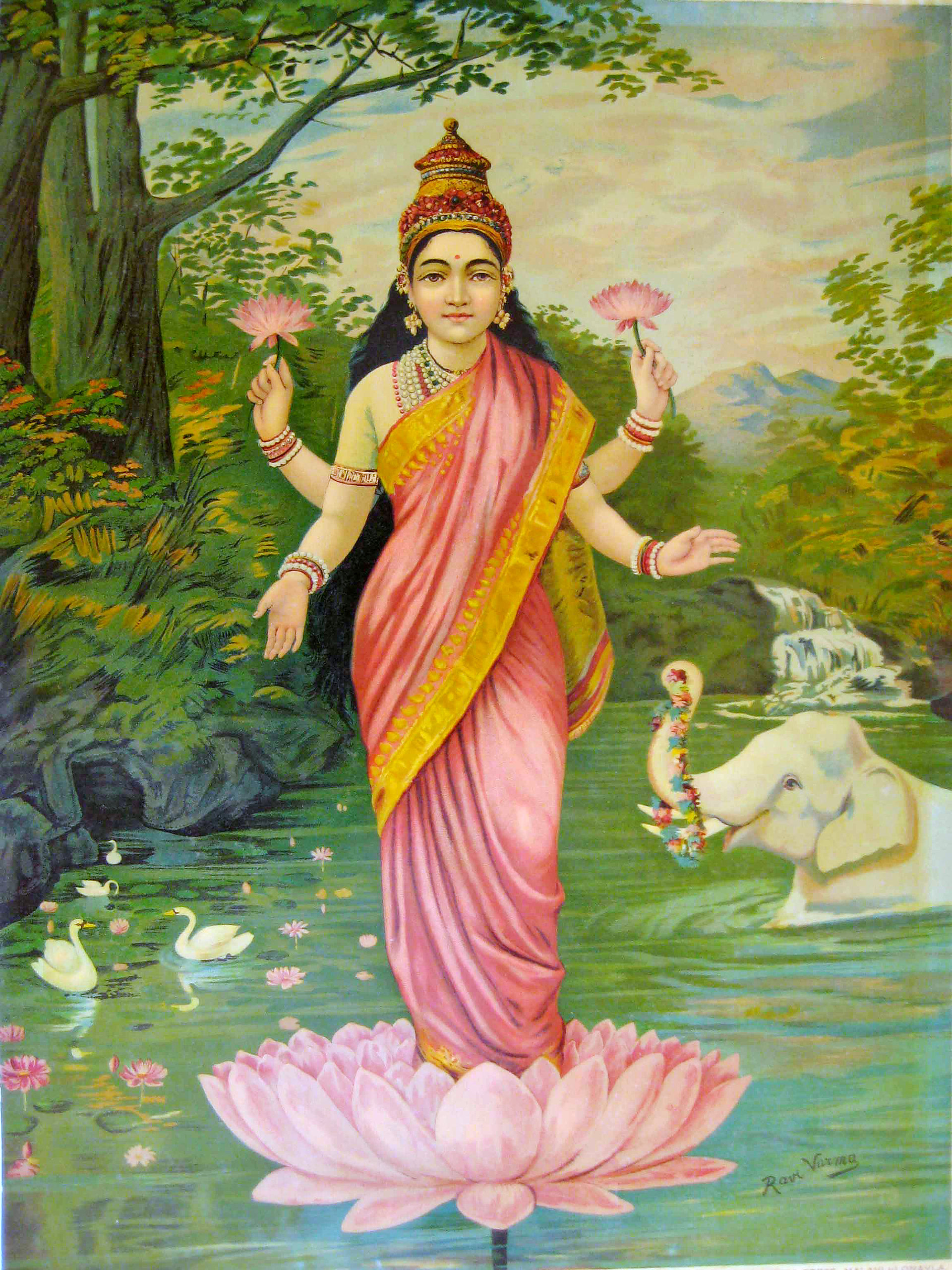
Mahalaxmi Temple
Mahalaxmi Temple Lane, Cumballa Hill, Mumbai, 400026, India
The Mahalaxmi Temple is one of Mumbai's oldest Hindu temples — built in 1831 on a headland overlooking the Arabian Sea, it is dedicated to the three goddesses Mahalaxmi (wealth), Mahakali (power), and Mahasaraswati (knowledge), whose idols were allegedly recovered from the sea by a devotee following a dream.
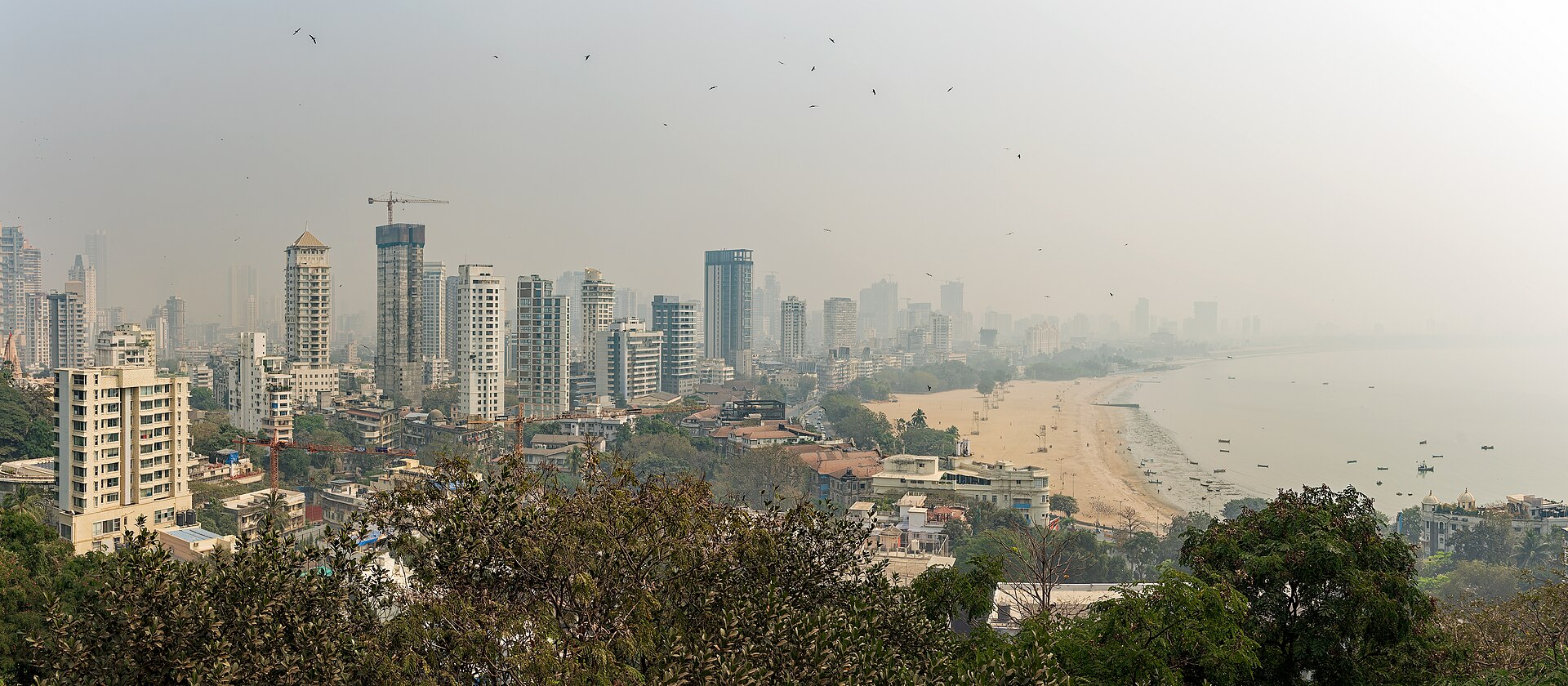
Marine Drive & Chowpatty Beach
Marine Drive, Nariman Point, Mumbai, 400021, India
Marine Drive is Mumbai's 3.
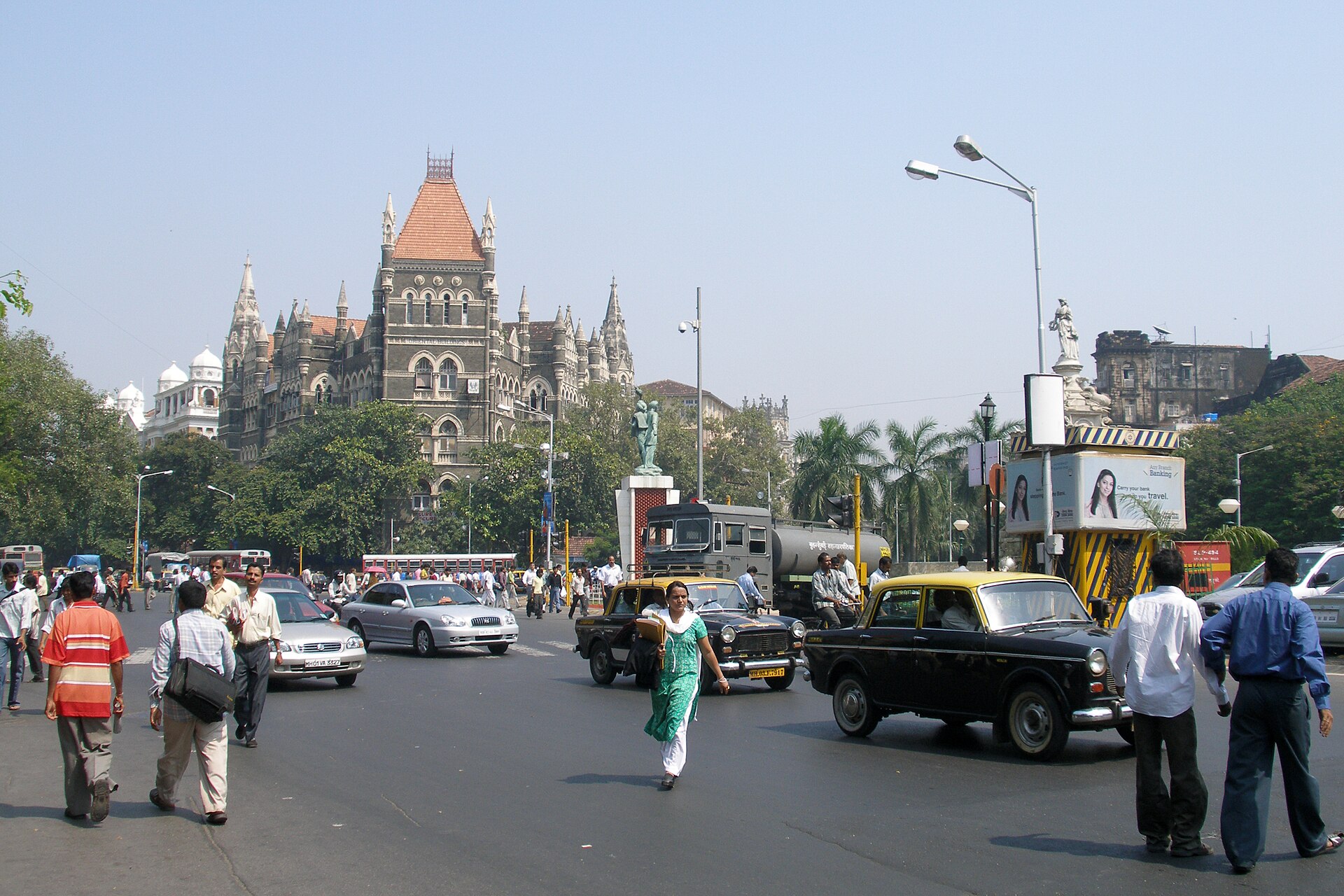
Mumbai Art Deco Heritage
Marine Drive, Mumbai, 400002, India
Mumbai has the second-largest concentration of Art Deco buildings in the world (after Miami Beach) — over 200 buildings in the Fort and Marine Drive areas that were built between 1930 and 1950, when Bombay (as it was then) was one of the wealthiest cities in the British Empire and its architects embraced the Deco style with an enthusiasm that produced some of the finest examples of tropical Art Deco anywhere.
Mumbai Street Food Trail
Colaba Cross Road, Colaba, Mumbai, 400005, India
Mumbai's street food is the most diverse, affordable, and flavourful in India — a culinary ecosystem of vendors, stalls, and tiny restaurants serving the foods that feed 20 million people daily and that represent every regional Indian cuisine adapted for the pace of a city that never stops moving.
Rajabai Clock Tower
Mumbai, India
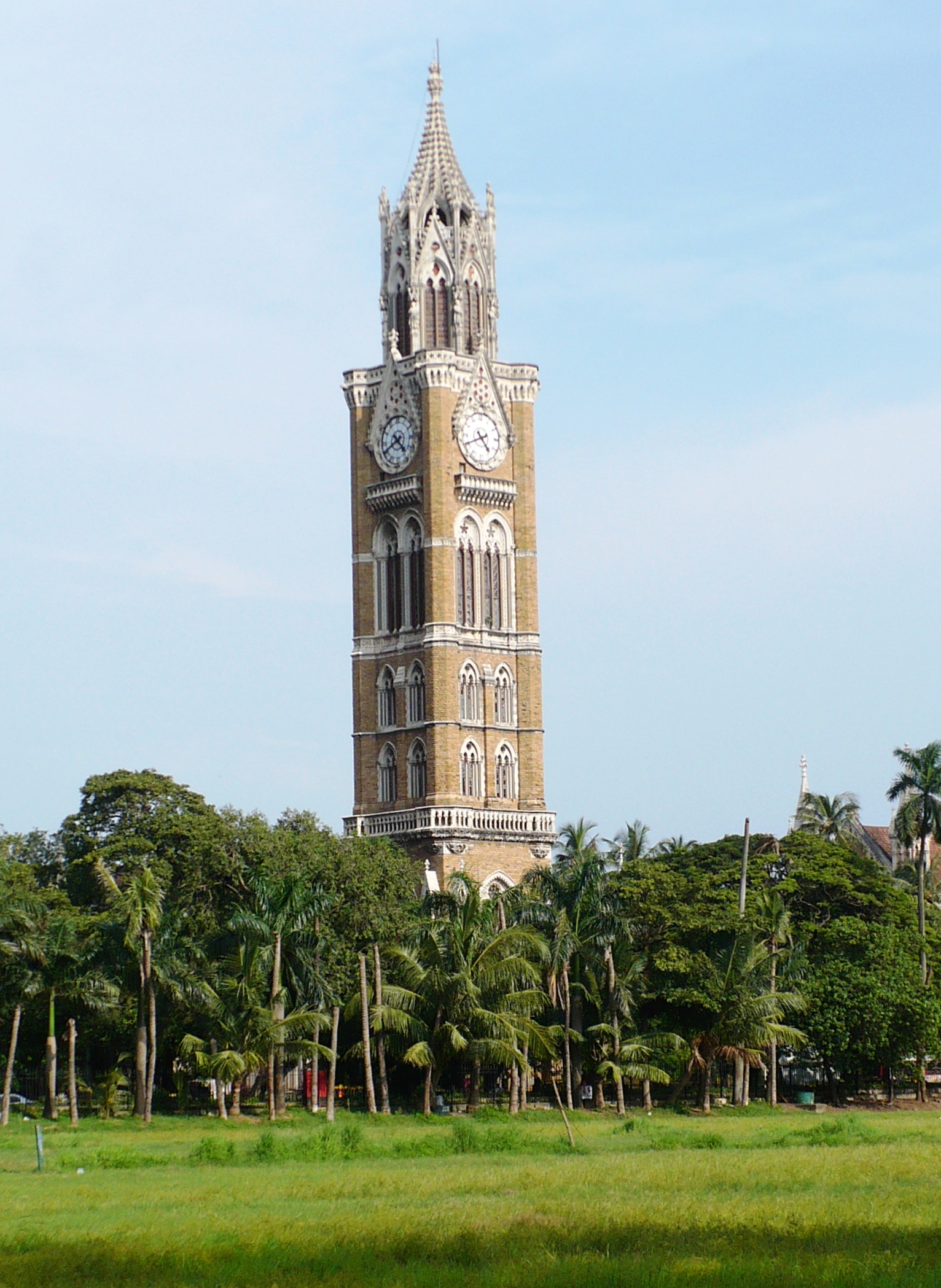
The Rajabai Clock Tower is a 85-metre Venetian-Gothic clock tower at the University of Mumbai's Fort campus, designed by Sir George Gilbert Scott (the British architect behind the St Pancras Hotel in London) and completed in 1878.
Siddhivinayak Temple
Mumbai, India
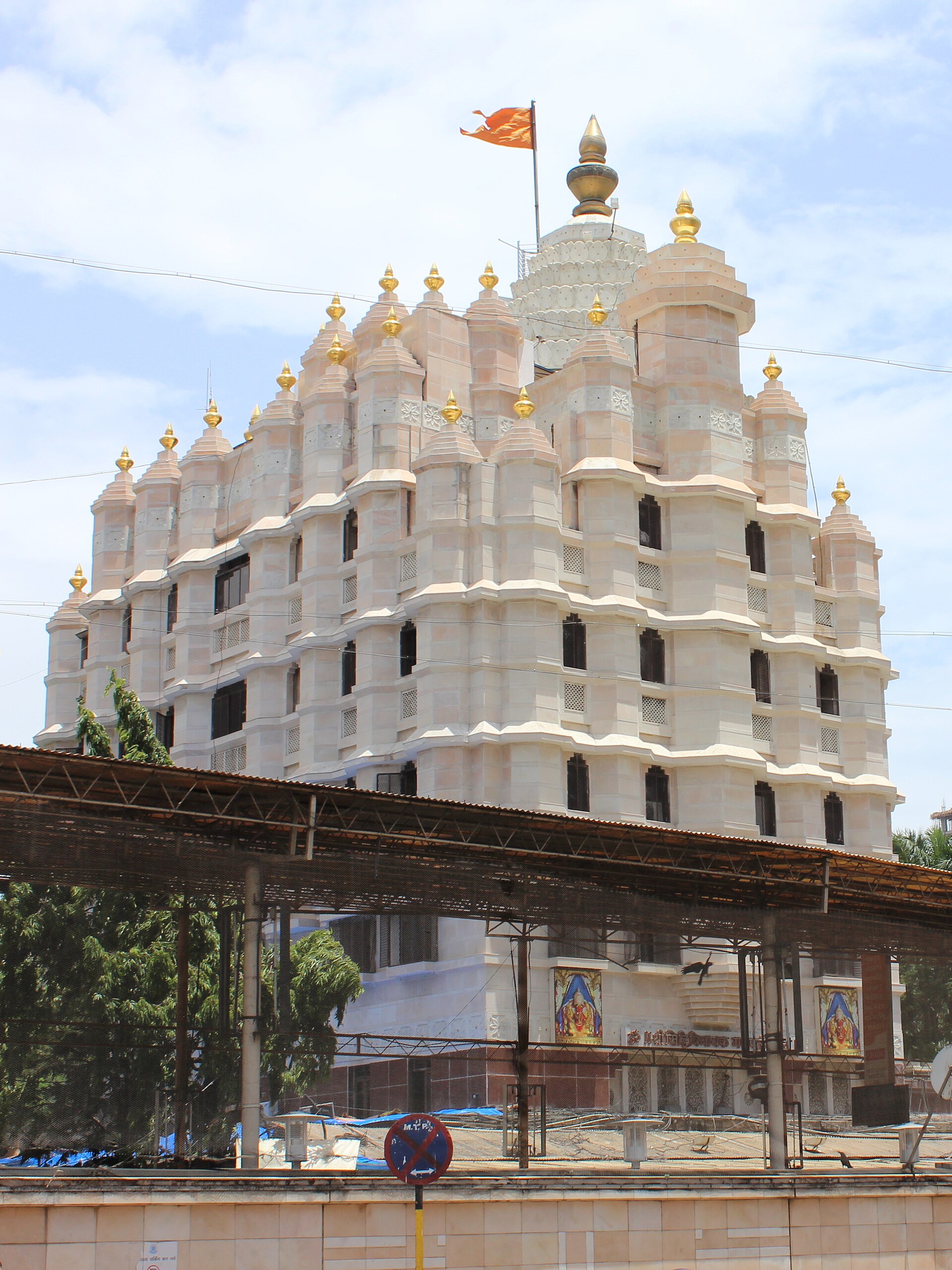
Siddhivinayak is Mumbai's most famous Hindu temple — a Ganesh shrine in Prabhadevi founded in 1801 whose tiny black-stone deity (depicted with his trunk tilted to the right, a rare configuration believed to be particularly powerful) draws up to 200,000 devotees daily, making it one of the wealthiest temples in India.
Taj Mahal Palace Hotel
Haji Niyaz Ahmed Azmi Marg, Colaba, Mumbai, 400001, India
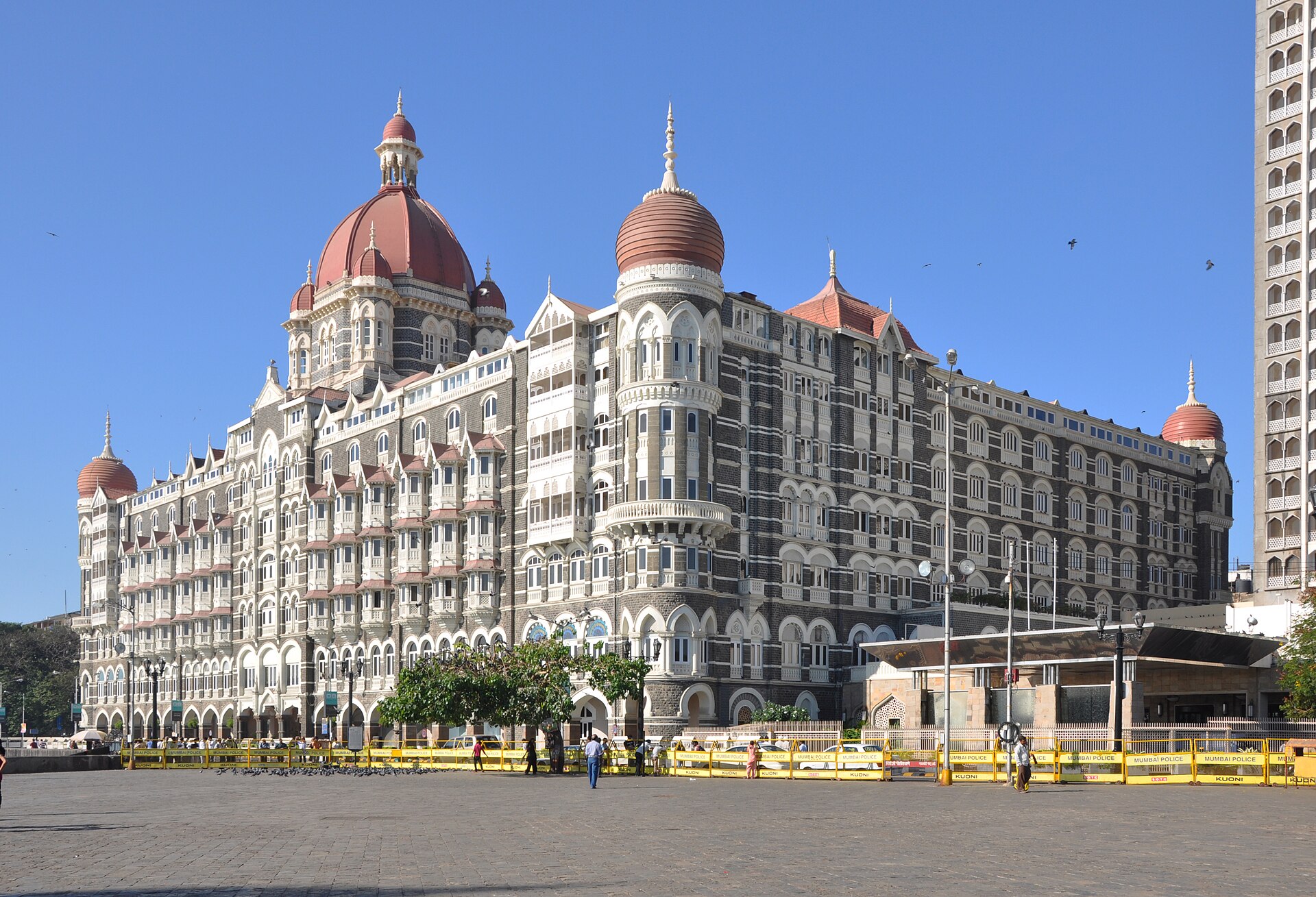
The Taj Mahal Palace is India's most famous hotel — a grand Moorish-Gothic-Renaissance structure built in 1903 by Jamsetji Tata (founder of the Tata industrial dynasty) who was allegedly refused entry to a 'whites-only' hotel and decided to build one that would be the finest in the city.
Explore iconic in Mumbai
GPS-guided narration at every landmark. Tap a spot on the map, hear the story. Every fact verified.