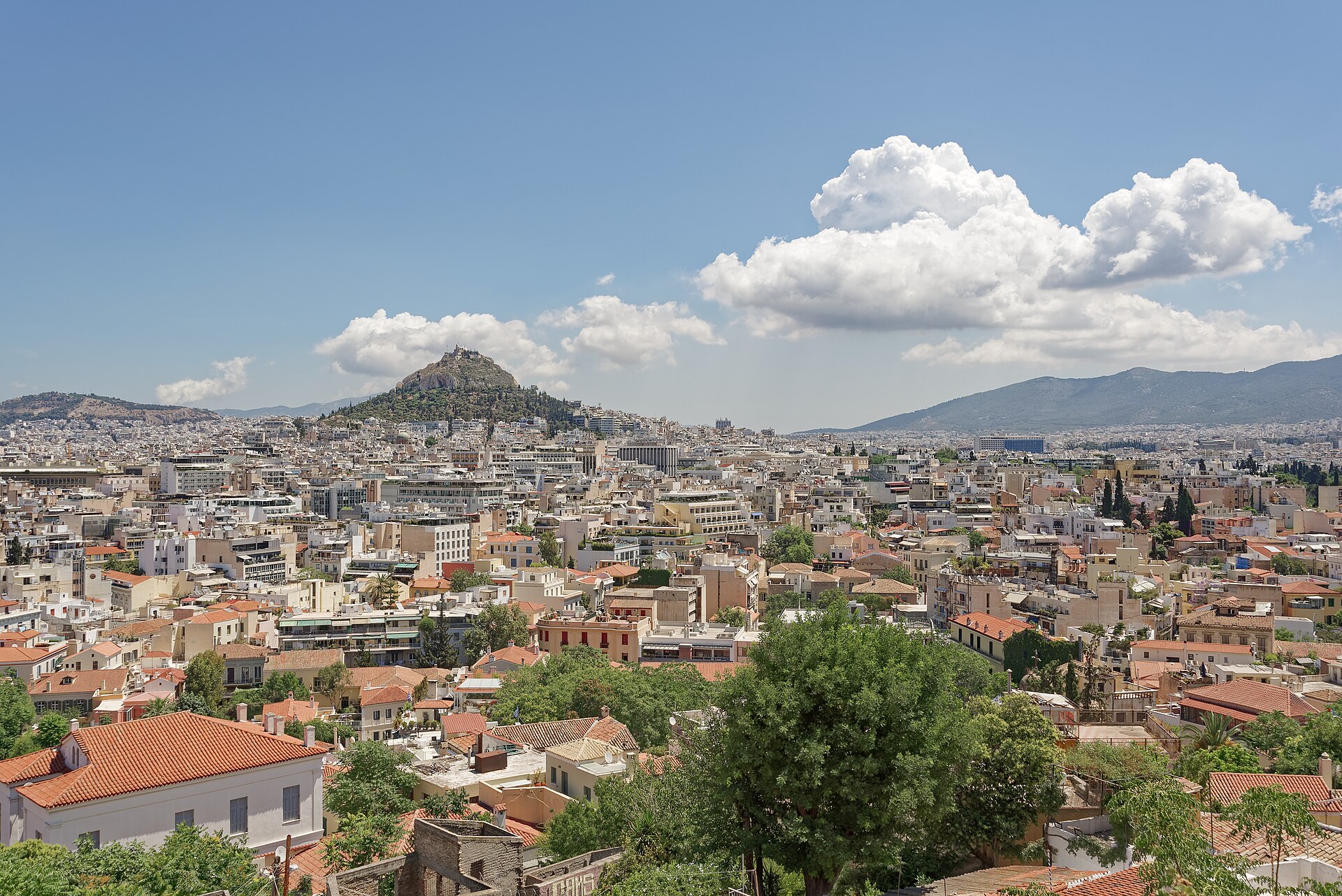
Tucked against the northeast face of the Acropolis, this tiny cluster of whitewashed houses looks like someone airlifted a Cycladic island village and dropped it in the middle of Athens. That's essentially what happened. In the 1840s, workers from the island of Anafi arrived in Athens to help build King Otto's Royal Palace. Homesick and resourceful, they exploited an Ottoman-era law that said any structure erected between sunset and sunrise became your legal property. So they built their island homes overnight on the rocky slopes beneath the Acropolis, recreating the architecture they knew — white cubes, blue doors, terracotta roofs, and narrow paths barely wide enough for a donkey.
The builders from Anafi were soon joined by workers from other Cycladic islands — Santorini, Naxos, Paros — creating a miniature island enclave within the capital. In 1922, Greek refugees from Asia Minor added another layer to the community. At its peak, the neighborhood was a dense maze of tiny houses, chapels, and courtyards. But starting in the 1950s, the Greek government began demolishing houses for archaeological research, and in the 1970s the state started buying properties to prevent further construction.
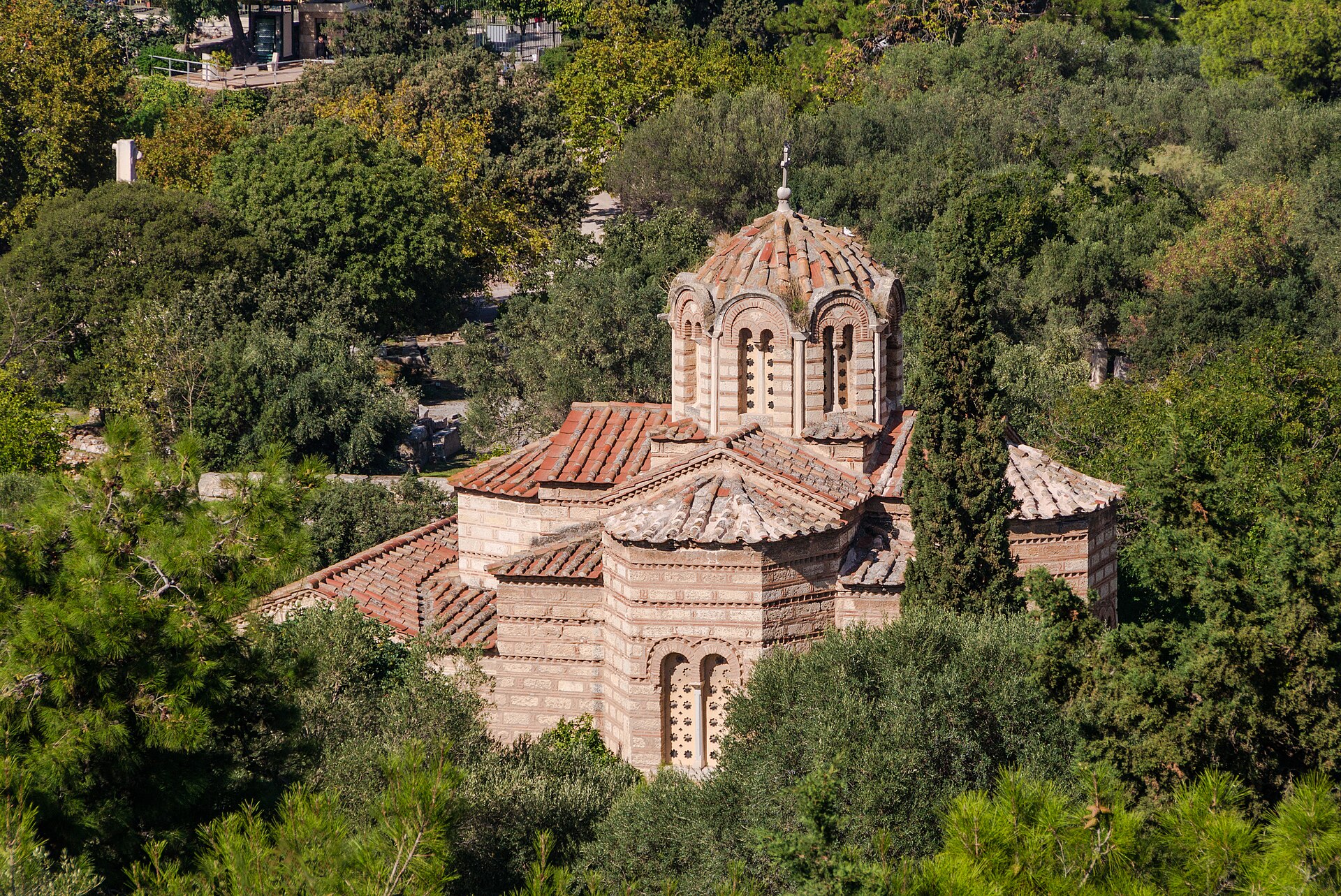
Today only about 45 houses remain, many still owned by descendants of the original builders. Bougainvillea cascades over whitewashed walls, cats sun themselves on doorsteps, and the sounds of central Athens — honking, shouting, the rumble of the metro — fade to near-silence within a few steps. Two tiny churches, Agios Georgios and Agios Simeon, are tucked into the rock.
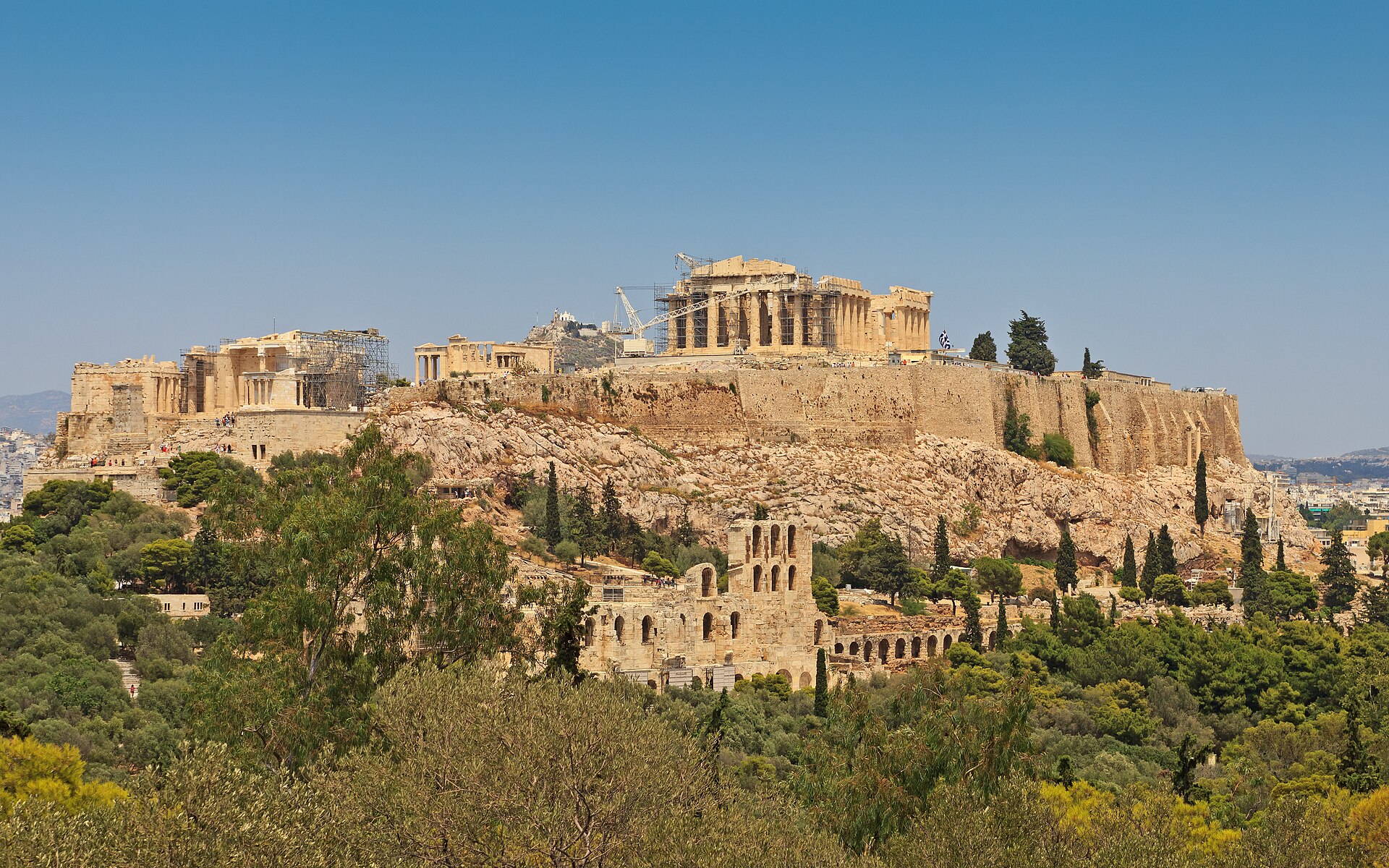
It's the most disorienting five minutes in Athens: you walk up a flight of stairs from touristy Plaka and suddenly you're in a Cycladic fishing village, with the Parthenon looming directly above.
Verified Facts
Workers from the island of Anafi built the neighborhood in the 1840s, exploiting an Ottoman law allowing ownership of structures built between sunset and sunrise
Only about 45 houses remain today, many still owned by descendants of the original Cycladic island builders
In 1922, Greek refugees from Asia Minor settled in the neighborhood, adding to the population that was previously exclusively from the Cycladic islands
Get walking directions
Anafiotika, Athens 105 58