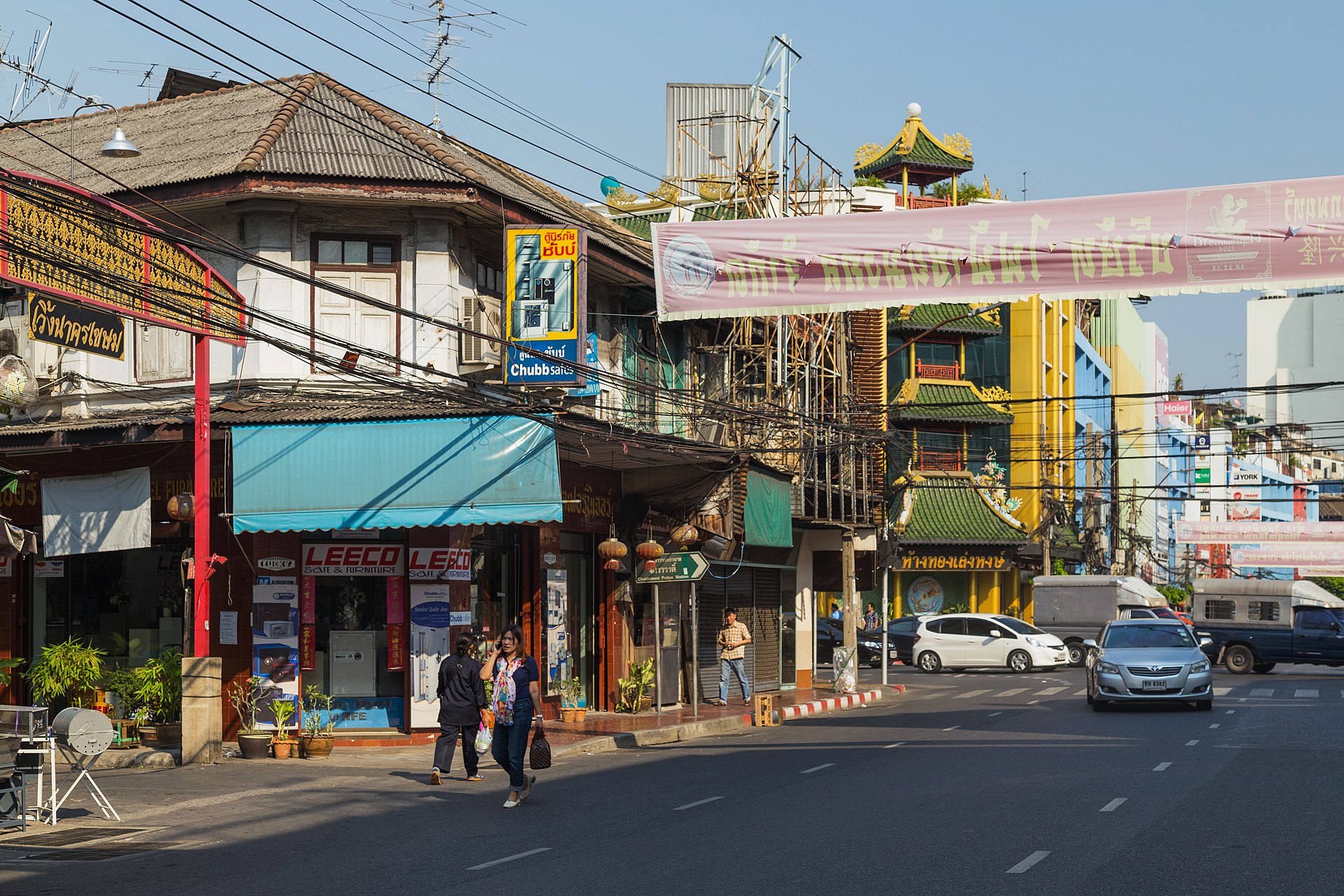
Bangkok's Chinatown is what happens when a community has had 200 years to perfect its street food game. Yaowarat Road comes alive at dusk, when hundreds of vendors wheel out their carts and the neon signs flicker on in Chinese and Thai, turning the street into something that feels like Blade Runner directed by a chef.
The neighbourhood was established in 1782 when the Chinese trading community was relocated to make way for the Grand Palace. They took the move in stride and built what became the commercial engine of the city. The gold shops that line Yaowarat Road still do more business than most banks — this is where Thai families come to buy gold by weight, a traditional form of savings that predates every financial institution in the country.
But you're here for the food. The oyster omelettes at the corner of Yaowarat and Phadung Dao are legendary — crispy-edged, eggy, piled with plump oysters. The rolled ice cream was invented on these streets before the concept went viral globally. And the fish maw soup at the old-school restaurants looks unglamorous but tastes like the ocean decided to become a hug. The trick is to come hungry, come at night, and don't sit down at the first place you see — walk the full length of the road first, then double back to wherever had the longest local queue.
Verified Facts
Bangkok's Chinatown was established in 1782 when Chinese traders were relocated for the Grand Palace construction
Yaowarat Road is one of the largest gold trading districts in Southeast Asia
The neighbourhood is over 200 years old
Rolled ice cream originated from Bangkok's Chinatown street vendors
Get walking directions
Yaowarat Road, Samphanthawong, Bangkok