Walking Tours in Bangkok
30 Landmarks in Bangkok
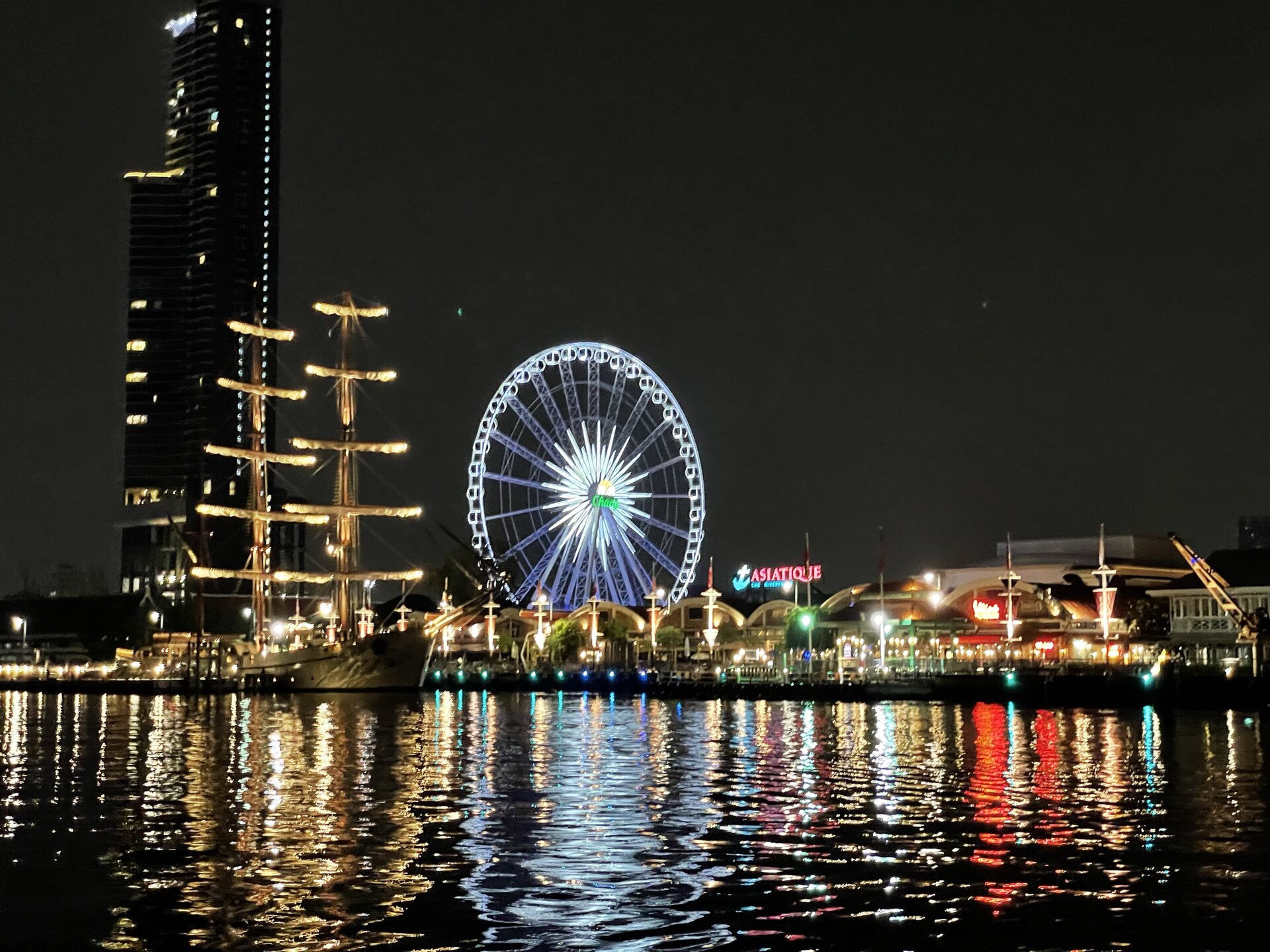
Asiatique The Riverfront
2194 Charoen Krung Road, Wat Phraya Krai, Bang Kho Laem, Bangkok
Asiatique occupies the former warehouses of the East Asiatic Company, a Danish trading firm that was one of the most powerful businesses in Southeast Asia for over a century. The company shipped teak, rice, and tin from these riverside docks starting in 1884, and the long, low warehouses they built are now the bones of Bangkok's most atmospheric night market. The conversion is clever. The original warehouse structures have been preserved — exposed brick walls, iron columns, timber roof trusses — while the insides have been filled with over 1,500 shops, restaurants, and a Ferris wheel that gives you a view up and down the Chao Phraya River. There's a Muay Thai live show, a Joe Louis puppet theatre keeping traditional Thai puppetry alive, and an entire section dedicated to Thai designers selling clothes you won't find on Khao San Road. The best way to arrive is by free shuttle boat from Saphan Taksin BTS station — the approach from the river at sunset, with the warehouse silhouettes and the Ferris wheel lit up against the sky, is one of those only-in-Bangkok moments. Unlike Chatuchak, Asiatique is air-conditioned in parts, open every evening, and considerably less likely to give you heatstroke. It's a bit more polished than the old-school markets, but the riverside setting and the history in the walls make it worth an evening.
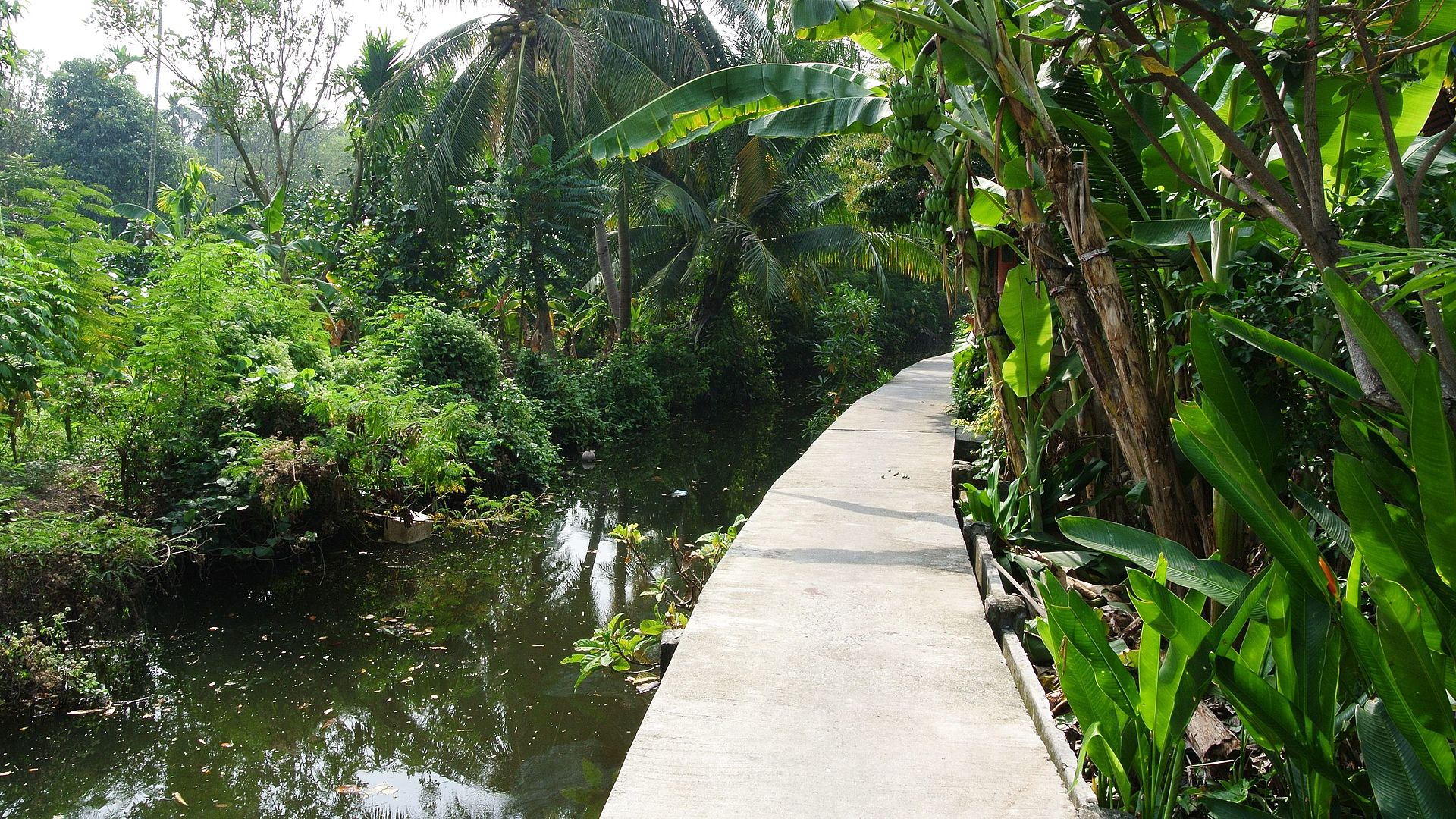
Bang Krachao
Phra Pradaeng, Samut Prakan (Bangkok Metro Area)
You’re in one of the most crowded cities on Earth, but suddenly, the concrete vanishes. You’ve crossed the river into Bang Krachao, often called 'The Green Lung' of Bangkok. It’s a massive peninsula of mangroves and orchards that somehow escaped the urban sprawl, creating a verdant sanctuary that feels like another planet entirely. To truly experience it, you have to rent a bicycle and get lost in the narrow elevated walkways. You'll pedal past traditional wooden houses on stilts and through tunnels of tropical greenery, with the distant skyline of Bangkok shimmering in the background like a mirage. It's a place where the only traffic jams are caused by slow-moving ducks crossing the path. Visit the Bang Nam Phueng Floating Market on a weekend to see local life in its purest form. Here, the commerce happens on the water, and the food is sourced from the surrounding gardens. It's the perfect antidote to the city's intensity—a place to breathe, slow down, and remember that nature still has a foothold in the metropolis.
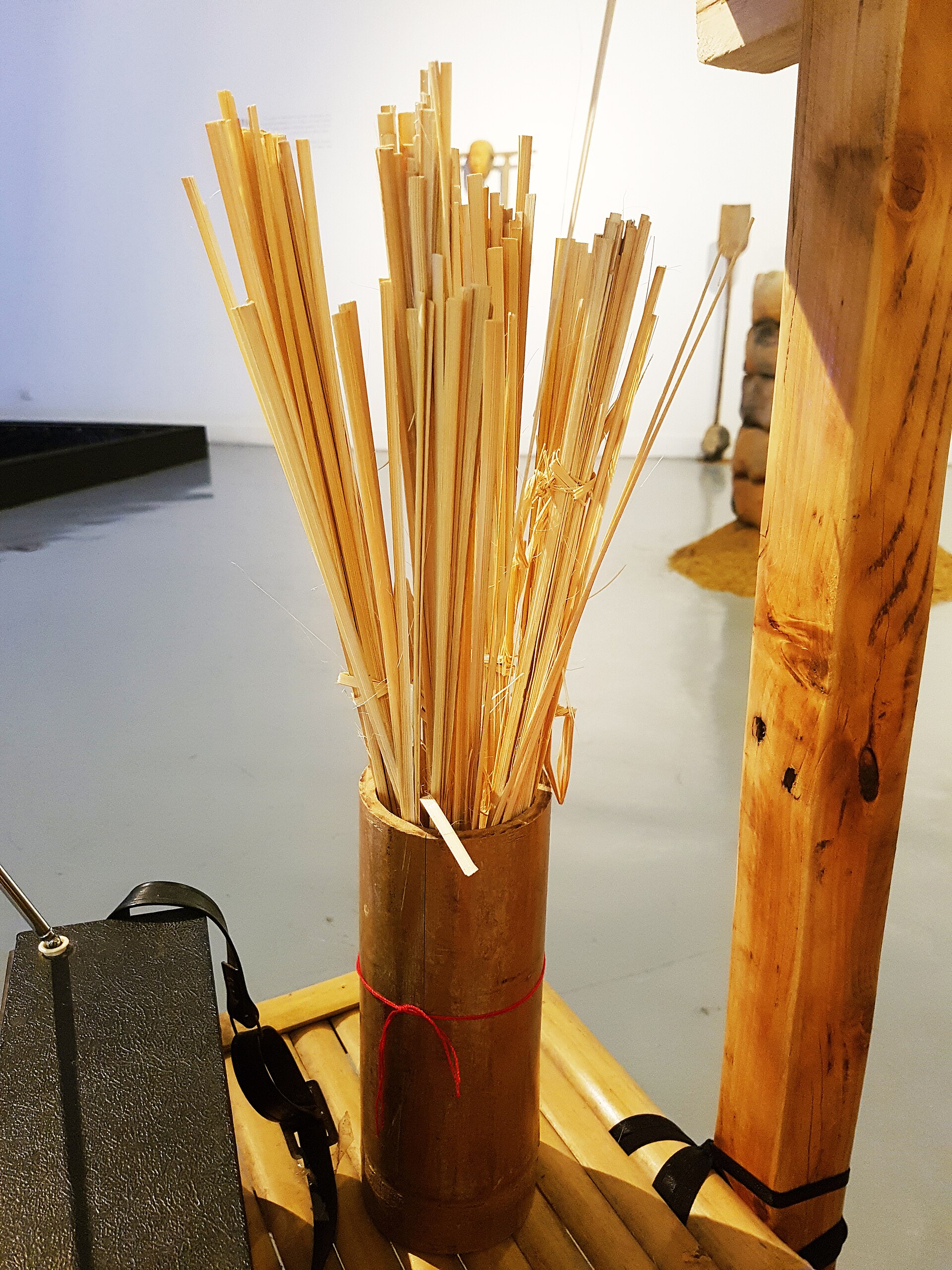
Bangkok Art and Culture Centre (BACC)
98 Pathum Wan, Bangkok 10330
If the Grand Palace is the soul of old Bangkok, the BACC is the brain of the new city. The building itself is a giant white spiral, designed to mimic the flow of a gallery. As you walk up the ramps, you're literally ascending through layers of contemporary Thai thought, from provocative political installations to delicate traditional crafts reimagined for the 21st century. This isn't a 'quiet' museum where you just stare at paintings. It's a hub for the city's creative class. On any given day, you'll find student artists sketching in the corners, indie designers selling handmade jewelry, and heated debates happening in the cafes. It's the center of gravity for Bangkok's intellectual and artistic counterculture. The best part? Most of the exhibitions are free. It's a democratic space where art is accessible to everyone, from the wealthy socialites of nearby Siam Square to the street vendors from the markets outside. It's a spiral of inspiration in the middle of a concrete jungle.
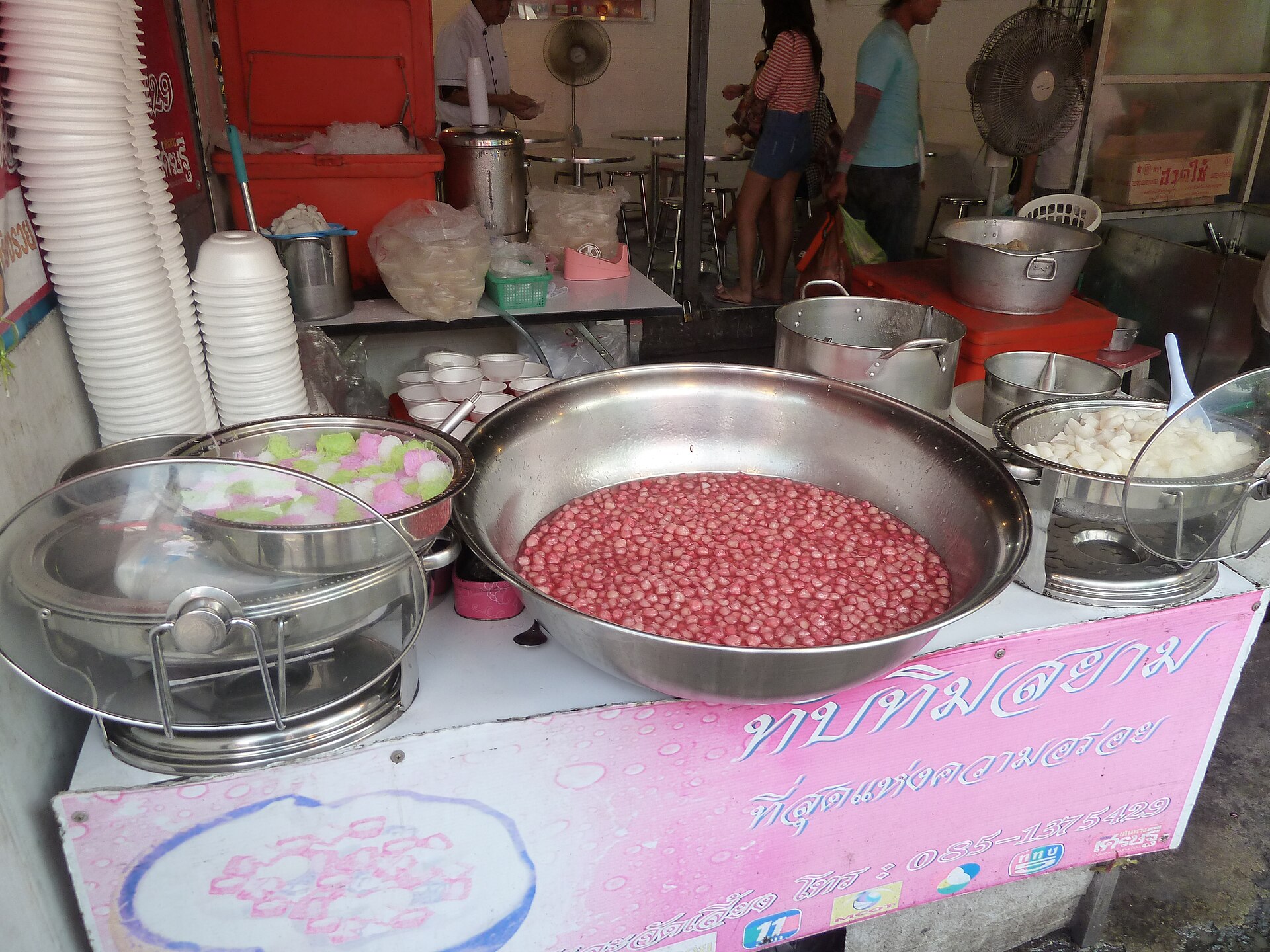
Chatuchak Weekend Market
Kamphaeng Phet 2 Road, Chatuchak, Bangkok
Chatuchak is not a market. It's a small city that happens to sell things. Spread across 35 acres with over 15,000 stalls, it's one of the largest outdoor markets in the world, and on a busy weekend it draws 200,000 visitors who collectively lose themselves in a labyrinth of narrow alleys that no map can accurately represent. The market is divided into 27 sections, but these are more suggestions than rules. Section 2 is supposed to be pets, but you'll find vintage cameras there. The antique section bleeds into handmade furniture which somehow becomes a corridor of nothing but coconut ice cream vendors. Getting lost isn't just likely — it's the entire point. The veterans know to use the clock tower at the centre as a landmark and to pick up a paper map at the information booth, even though the map bears only a passing resemblance to reality. The food is reason enough to come. Duck noodle soup for 50 baht. Coconut pancakes made on a griddle older than you. Mango sticky rice that tastes like the platonic ideal of the dish. The key is to arrive early — gates open at 9am on Saturday and Sunday — and to bring cash, because Wi-Fi is a rumour and most stalls don't take cards. By 2pm the heat is brutal and the crowds are five-deep. By 6pm it's over, the stalls folded up as if the whole thing was a shared hallucination.
Chinatown (Yaowarat Road)
Yaowarat Road, Samphanthawong, Bangkok
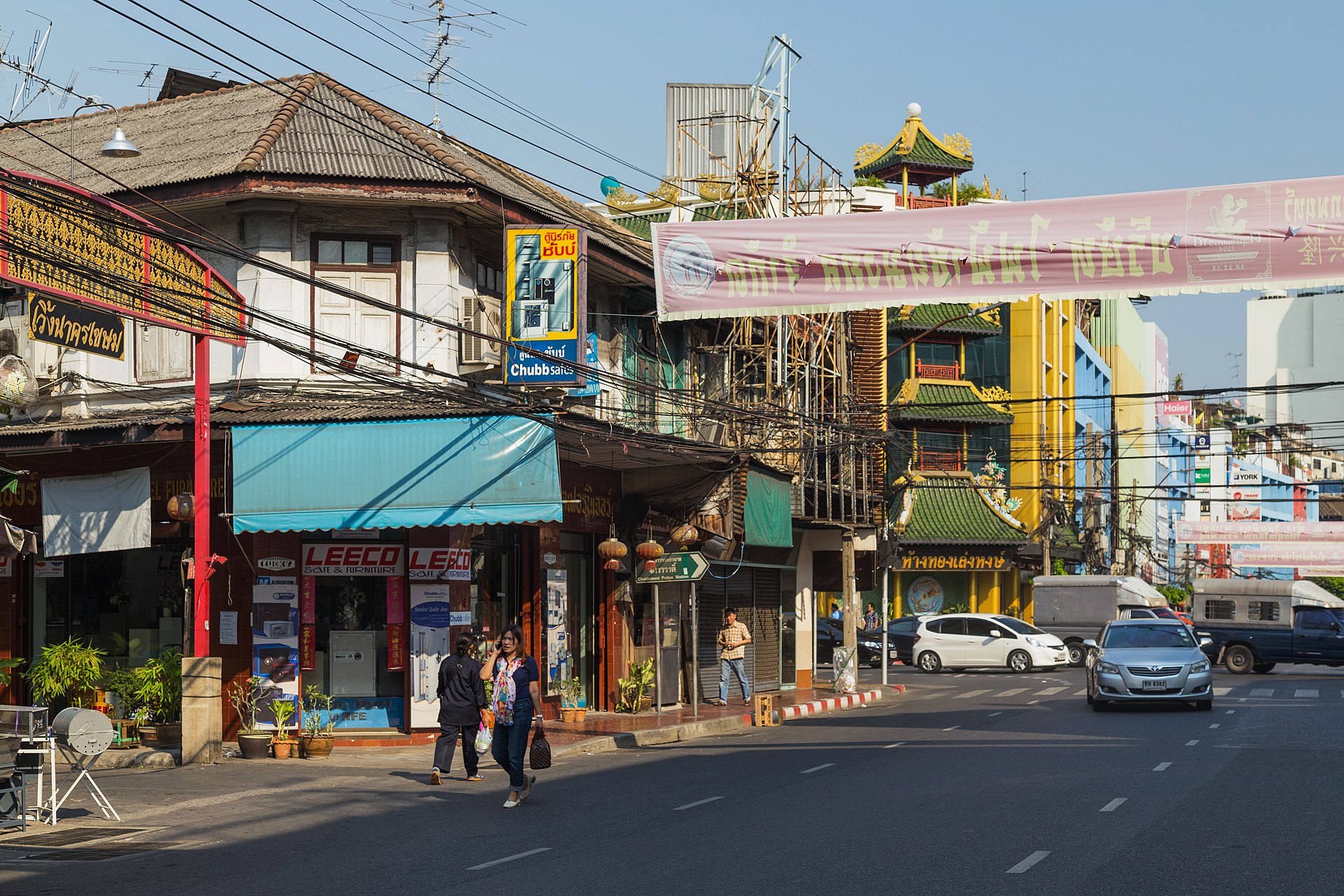
Bangkok's Chinatown is what happens when a community has had 200 years to perfect its street food game. Yaowarat Road comes alive at dusk, when hundreds of vendors wheel out their carts and the neon signs flicker on in Chinese and Thai, turning the street into something that feels like Blade Runner directed by a chef. The neighbourhood was established in 1782 when the Chinese trading community was relocated to make way for the Grand Palace. They took the move in stride and built what became the commercial engine of the city. The gold shops that line Yaowarat Road still do more business than most banks — this is where Thai families come to buy gold by weight, a traditional form of savings that predates every financial institution in the country. But you're here for the food. The oyster omelettes at the corner of Yaowarat and Phadung Dao are legendary — crispy-edged, eggy, piled with plump oysters. The rolled ice cream was invented on these streets before the concept went viral globally. And the fish maw soup at the old-school restaurants looks unglamorous but tastes like the ocean decided to become a hug. The trick is to come hungry, come at night, and don't sit down at the first place you see — walk the full length of the road first, then double back to wherever had the longest local queue.
Democracy Monument
Ratchadamnoen Klang Road, Phra Nakhon, Bangkok
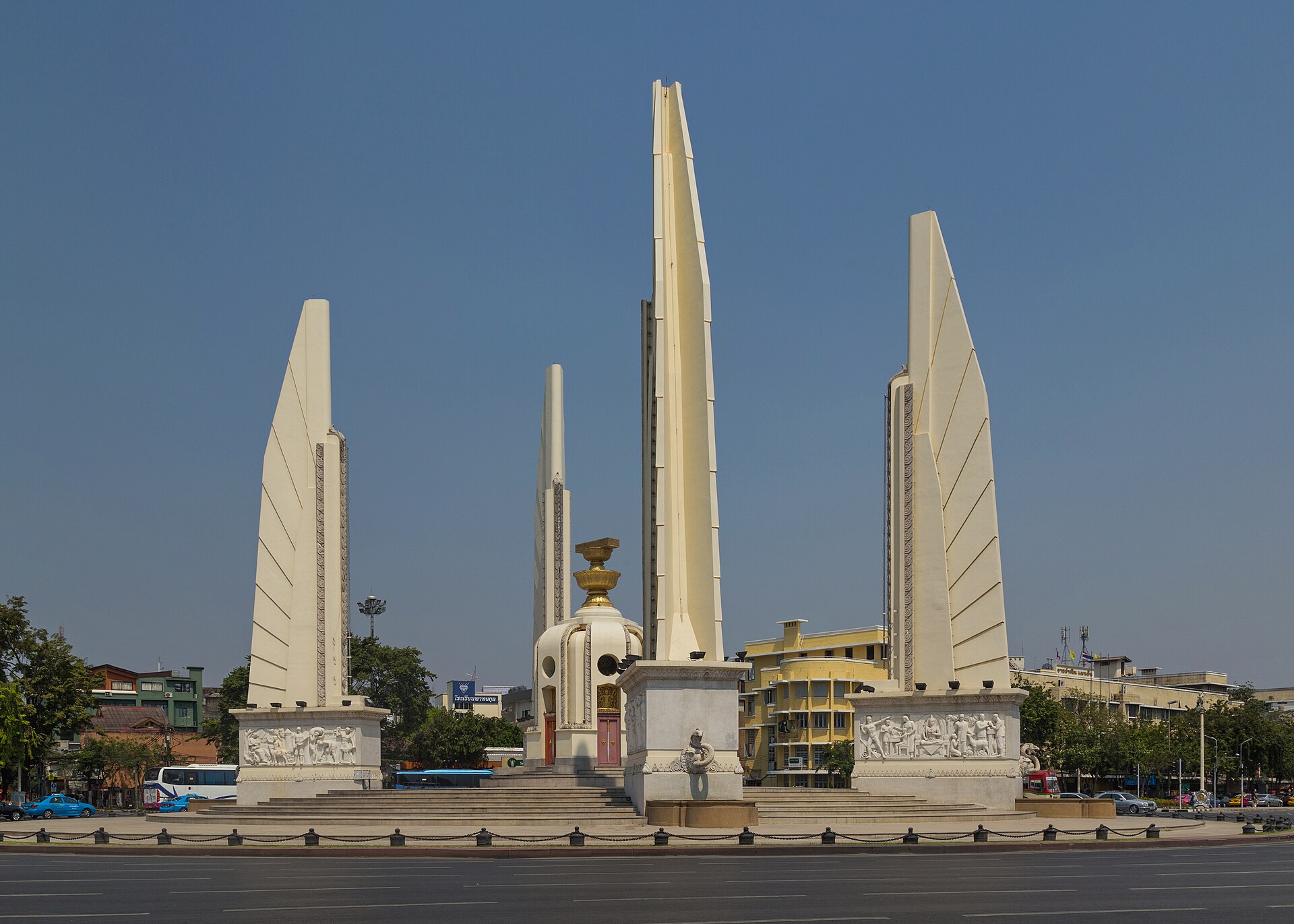
The Democracy Monument sits in the middle of a traffic roundabout on Ratchadamnoen Avenue, which is either a metaphor for how democracy works in Thailand or just bad urban planning. Built in 1939 to commemorate the 1932 revolution that ended absolute monarchy, every element of its design is loaded with symbolism that most people driving past it never notice. The four wing-shaped structures are each 24 metres tall — representing 24 June, the date of the revolution. The 75 cannon balls embedded in the base represent the Buddhist year 2475 (1932). The central metal tray holds a copy of the constitution and sits atop a turret that represents the canon of law. The Italian-trained Thai architect Chitrasen Aphaiwong designed it to feel both triumphant and solemn, though the roundabout somewhat undermines the solemnity. The monument has become far more significant as a gathering point for political protest than its designers ever intended. It was a focal point of the 1973 student uprising, the 1992 Black May protests, and the 2020 pro-democracy movement. In 2020, a brass plaque commemorating the 1932 revolution mysteriously vanished and was replaced with one glorifying the monarchy — an act that itself became a symbol of the tensions the monument embodies. Standing here, you're at the geographic and emotional centre of Thailand's ongoing struggle with the question of what democracy means.
Erawan Shrine
Ratchadamri Road, Lumphini, Pathum Wan, Bangkok
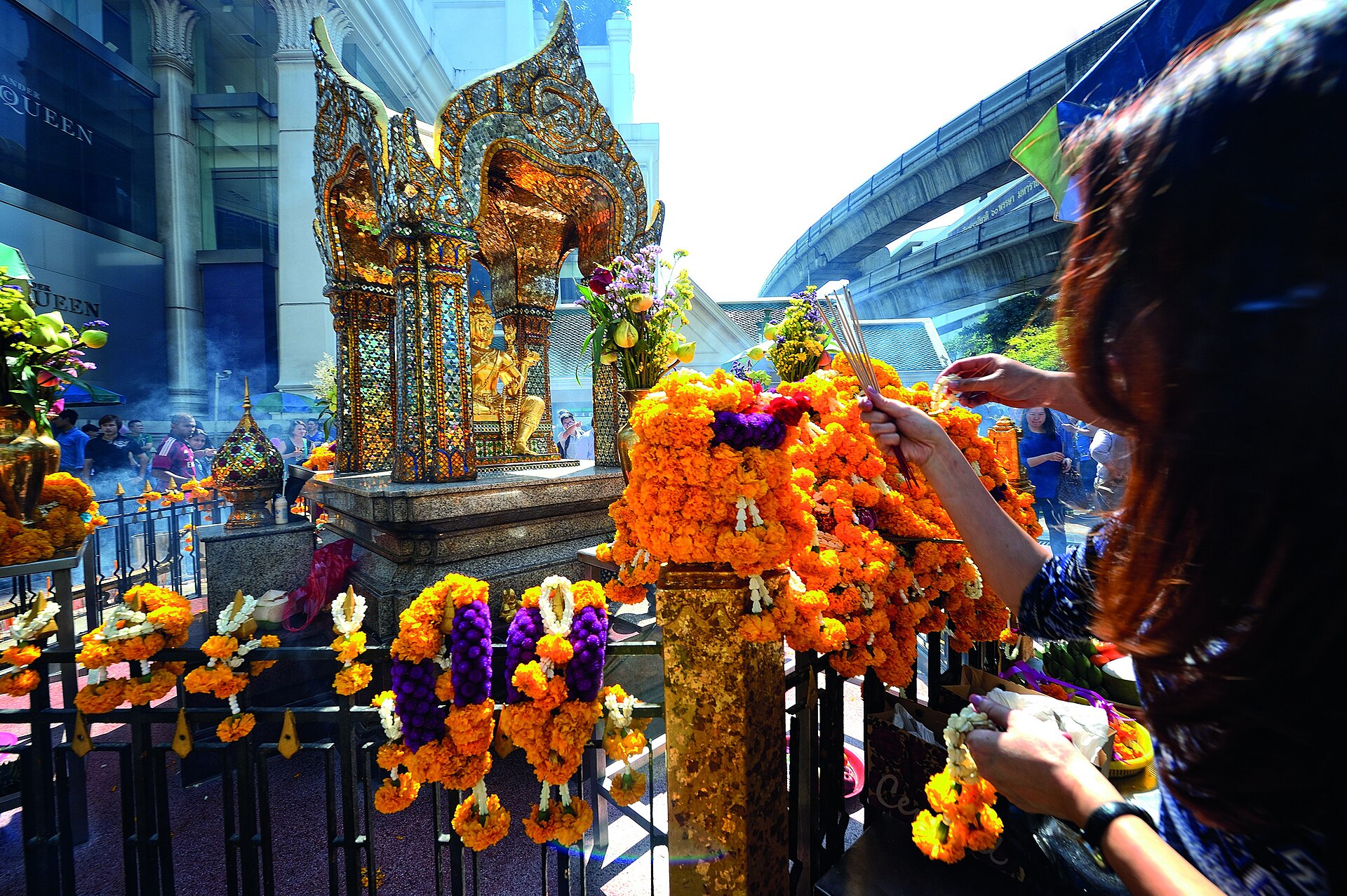
The Erawan Shrine sits at the intersection of two of Bangkok's busiest roads, surrounded by luxury hotels and shopping malls, with traffic roaring past on all sides — and somehow manages to be one of the most spiritually charged spots in the city. Built in 1956 to appease spirits that were supposedly causing construction problems at the adjacent Erawan Hotel, it's a Hindu shrine in a Buddhist country that's worshipped by people of all faiths, which tells you everything about Thai spirituality. At any given moment, you'll see office workers on lunch breaks, taxi drivers between fares, and tourists pressed together around the small golden Brahma statue, lighting incense, laying garlands of jasmine and marigold, and making wishes. When a wish comes true, the grateful worshipper returns to hire the on-site Thai dance troupe to perform a traditional dance as thanks. The dancers in traditional costume performing to live music while skyscrapers loom behind them is one of Bangkok's most surreal and beautiful juxtapositions. The shrine has been rebuilt after being damaged in a bombing in 2015, and the security is now tighter, but the atmosphere remains intensely devotional. It's free to visit, takes five minutes to see, and sits right next to the BTS Skytrain — making it one of the easiest and most rewarding quick stops in the city.
Grand Palace
Na Phra Lan Road, Phra Nakhon, Bangkok
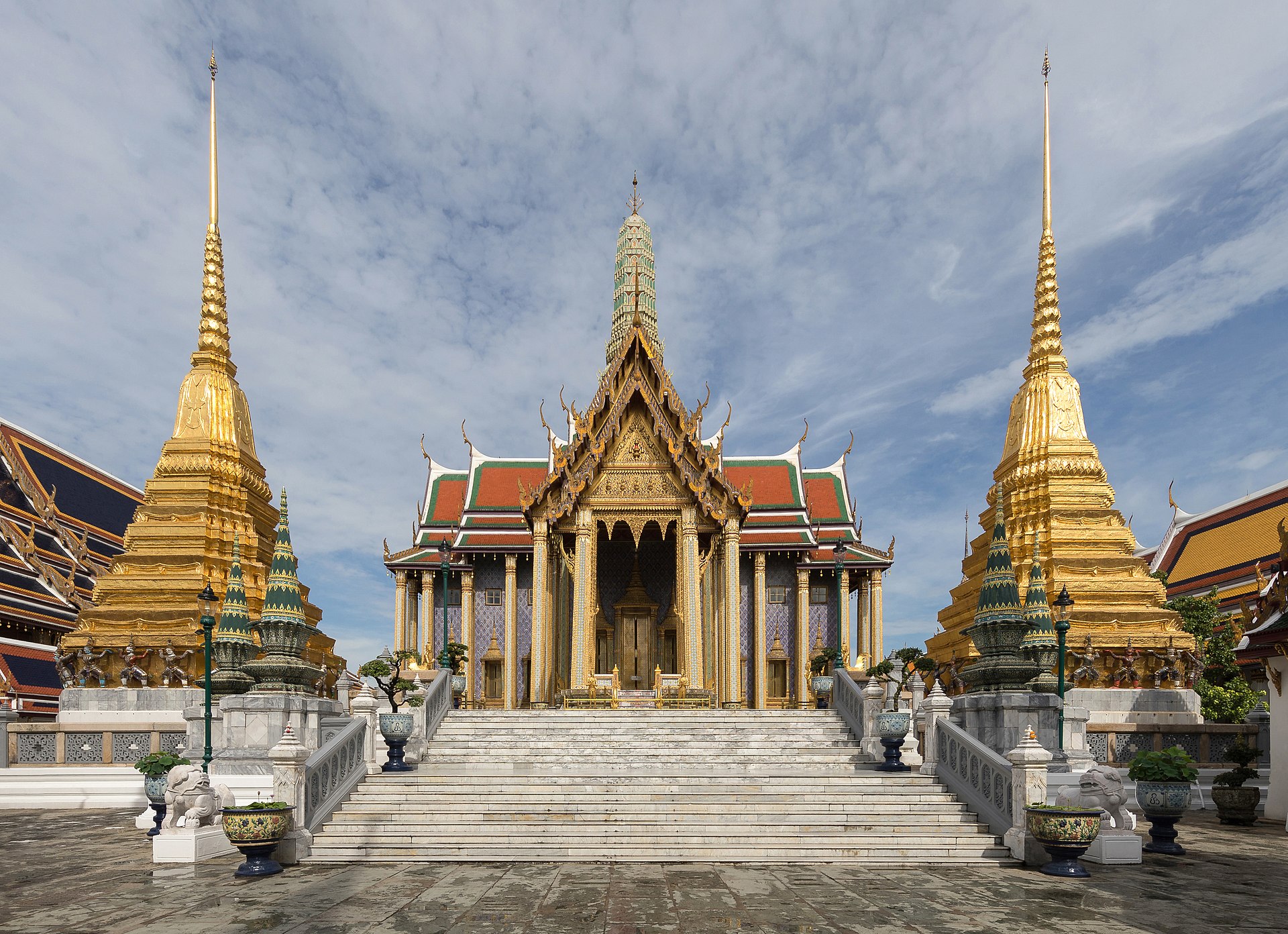
The Grand Palace isn't just a building — it's an entire walled city within a city, and for 150 years it was the beating heart of the Thai kingdom. Built in 1782 when King Rama I decided to move the capital across the river from Thonburi, the complex sprawls across 218,000 square metres of the most elaborately decorated real estate on the planet. What hits you first isn't any single building — it's the sheer sensory overload. Every surface glitters. The rooftops are layered in orange and green tiles that catch the sun. Guardian demons the size of trucks flank doorways with bulging eyes and bared fangs. And tucked inside it all is the Emerald Buddha, Thailand's most sacred religious object — which, despite the name, is actually carved from a single block of jade. The palace hasn't been a royal residence since 1925, but it's still used for state ceremonies and the king's coronation. The dress code is strict — no shorts, no bare shoulders, no flip-flops — and the guards at the gate will turn you away without mercy. But it's worth the effort. Stand in the courtyard at golden hour and you'll understand why Bangkok's original name is 169 characters long and roughly translates to 'city of angels, great city of immortals.'
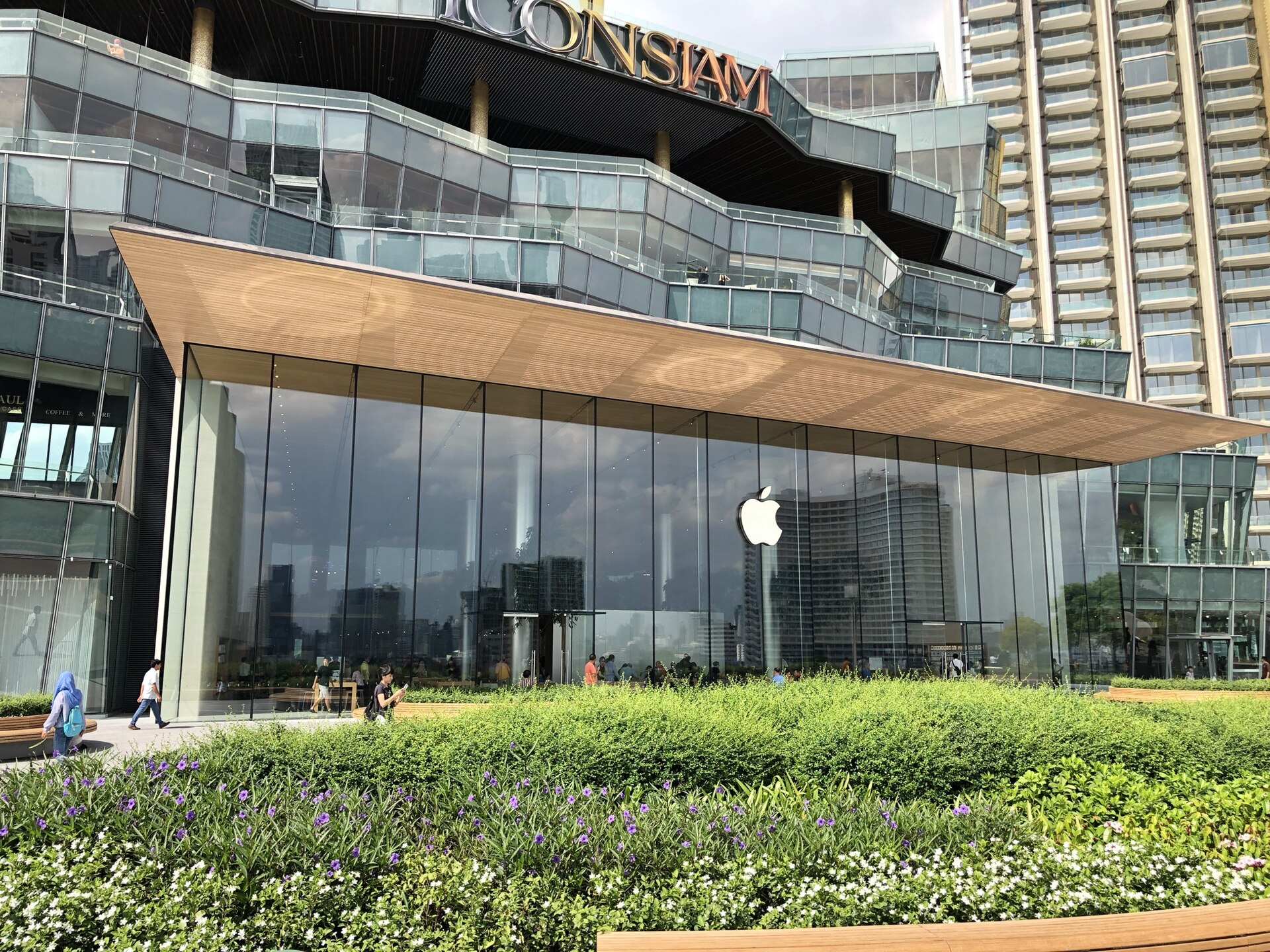
ICONSIAM
299 Charoen Nakhon Road, Khlong Ton Sai, Khlong San, Bangkok
ICONSIAM is absurd in the best possible way. A $1.65 billion riverside megamall that opened in 2018, it's not just a shopping centre — it's Thailand's attempt to build a monument to itself. The ground floor, called SookSiam, recreates an entire Thai floating market indoors, complete with wooden boats, regional food stalls from all 77 provinces, and handcraft sellers — all inside an air-conditioned building that cost more than many countries' GDP. The architecture from the river is genuinely striking — a curved glass façade that's meant to evoke the folds of a Thai silk fabric, lit up at night like a spacecraft that landed on the Chao Phraya. The multimedia water fountain show on the river terrace runs every evening and is free to watch — dancing jets synchronised to music, projected onto screens of mist, the whole thing reflected in the river. It's completely over the top and completely worth seeing. SookSiam is the reason to come even if you hate malls. Each section represents a different region of Thailand, and the food vendors are the real deal — not mall-food versions of street food. Northern Thailand's khao soi, southern curries, isaan grilled chicken, Bangkok-style noodles — you could eat your way through the country without leaving the building. Take the free shuttle boat from Saphan Taksin BTS and you'll arrive feeling like you're approaching something significant, which, architecturally at least, you are.
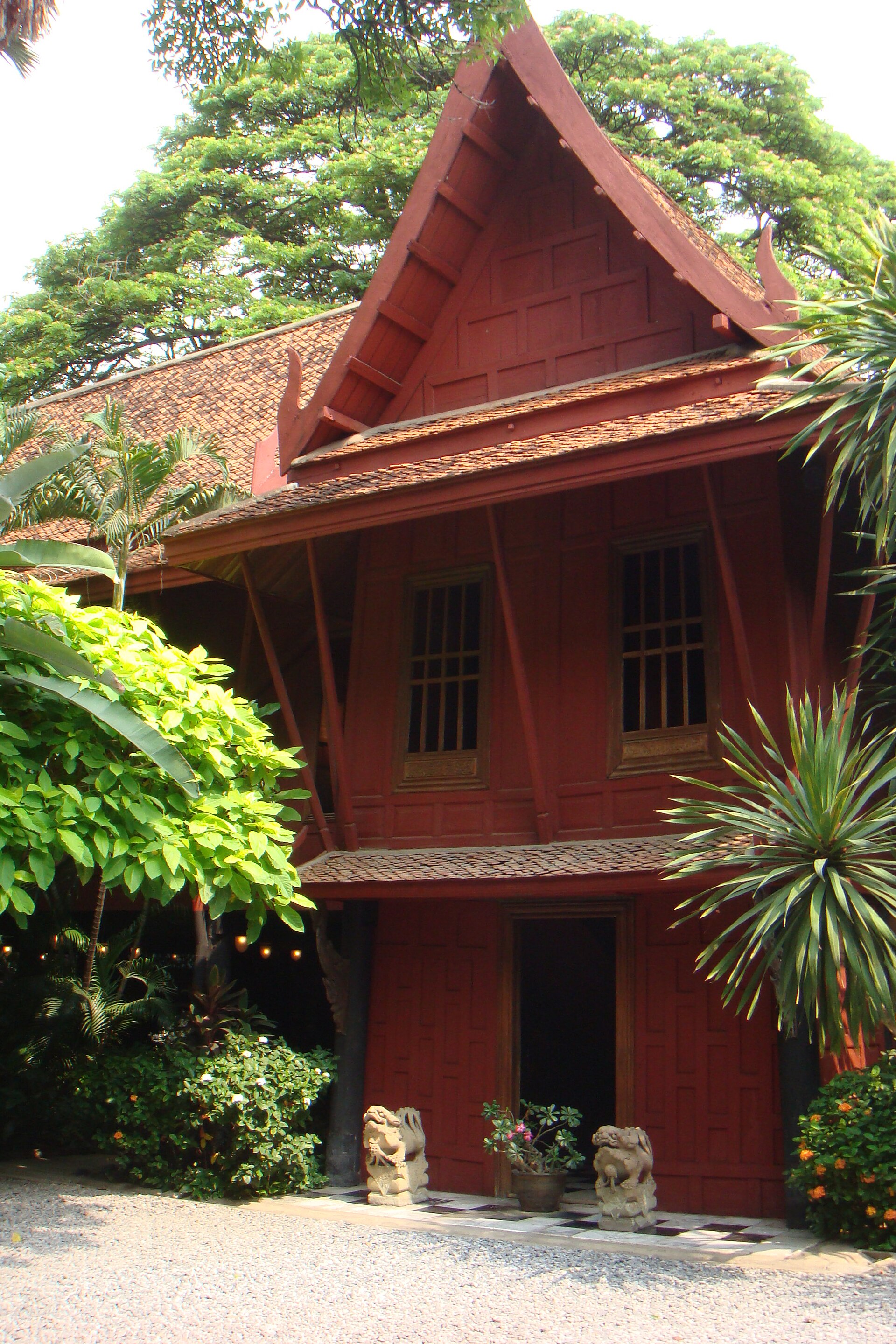
Jim Thompson House
6 Soi Kasemsan 2, Rama 1 Road, Wang Mai, Pathum Wan, Bangkok
Jim Thompson was an American spy who moved to Bangkok after World War II, single-handedly revived the Thai silk industry, built a stunning house out of six dismantled teak homes, filled it with one of Southeast Asia's finest private art collections — and then vanished without a trace in the Malaysian jungle in 1967. If that sounds like the plot of a thriller, that's because it basically is. The house itself is the star. Thompson had the six traditional Thai houses barged down the river from Ayutthaya and reassembled on the banks of Khlong Saen Saep, deliberately reversing some of the wall panels so the ornate exterior carvings faced inward. The result is a home that looks modest from outside but explodes with carved teak, antique Buddha heads, and Benjarong porcelain on the inside. The garden surrounding it is improbably lush for central Bangkok — a tangle of palms and tropical plants that muffles the sound of the city. The mystery of Thompson's disappearance has never been solved. He went for a walk in the Cameron Highlands of Malaysia on Easter Sunday 1967 and was never seen again. Theories range from CIA assassination to tiger attack to voluntary disappearance. His sister was murdered in the US shortly after, which added another layer of conspiracy. The house museum tells his story with admirable restraint, but you can feel the eeriness — especially in the upstairs bedroom, which has been left exactly as it was the day he didn't come home.
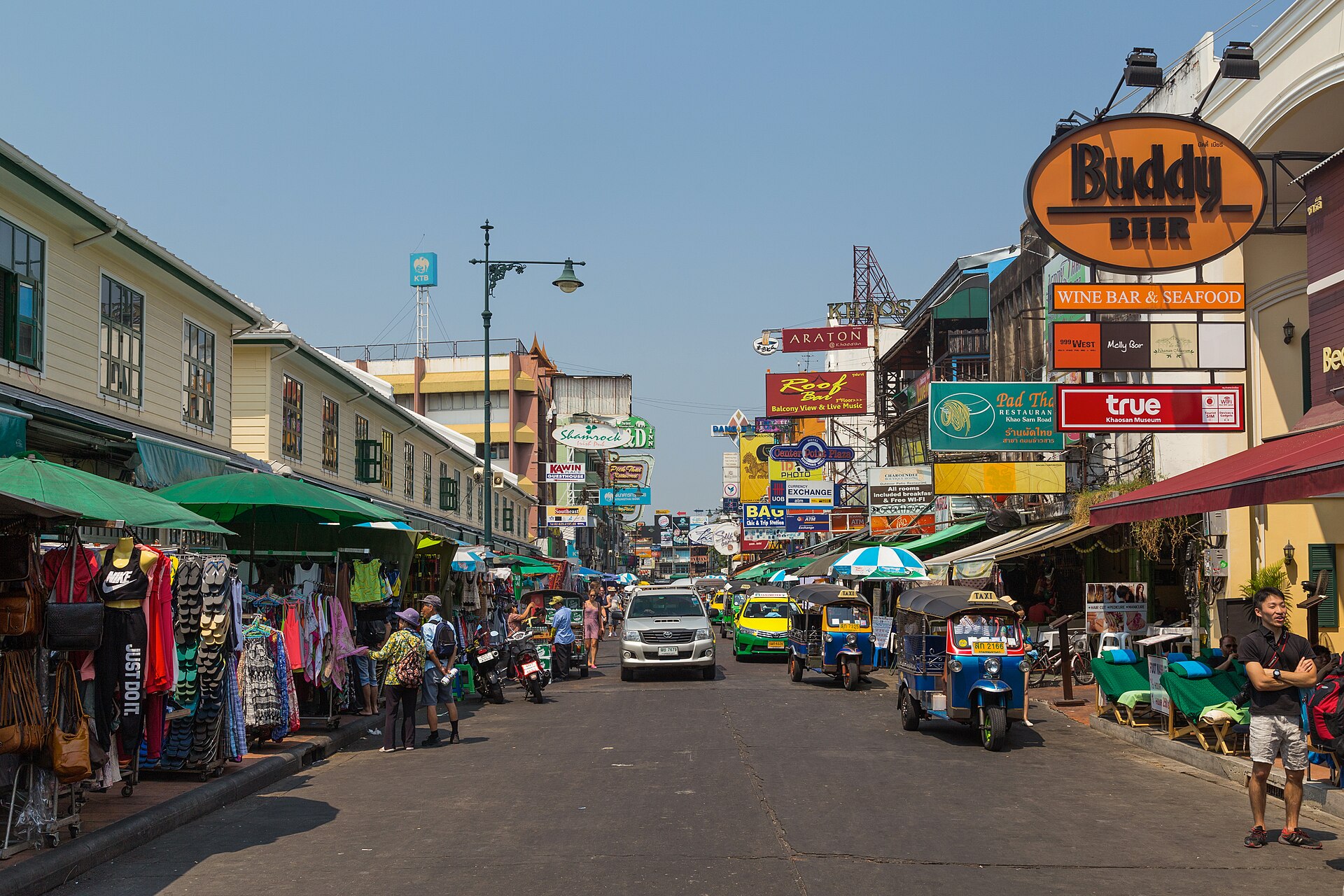
Khao San Road
Khao San Road, Phra Nakhon, Bangkok
Alex Garland called it 'the centre of the backpacking universe' in The Beach, and twenty-five years later, Khao San Road still hasn't shaken the title. This 400-metre strip in the old town has been the first stop for budget travellers since the early 1980s, when a handful of guesthouses opened their doors to the wave of Western backpackers heading overland to Southeast Asia. The road has reinvented itself multiple times. In the 2000s it was bucket drinks and full moon party pregames. Now it's Instagram-ready street food, craft cocktail bars sitting next to pad thai carts, and a weird coexistence of 20-year-old gap year kids and middle-aged tourists who came here when they were 20. The scorpion-on-a-stick vendors are still here, though now they mainly exist as content for social media. What most people don't know is that Khao San literally means 'uncooked rice' — the street was originally a rice market in the mid-19th century. The beautiful old shophouses that line it were built in the reign of Rama V, and a few have survived the neon signs and 7-Elevens. Walk one block in either direction and you're in quiet residential lanes with century-old temples and not a pancake banana in sight. That contrast — the chaos of Khao San against the calm of everything around it — is the most Bangkok thing imaginable.
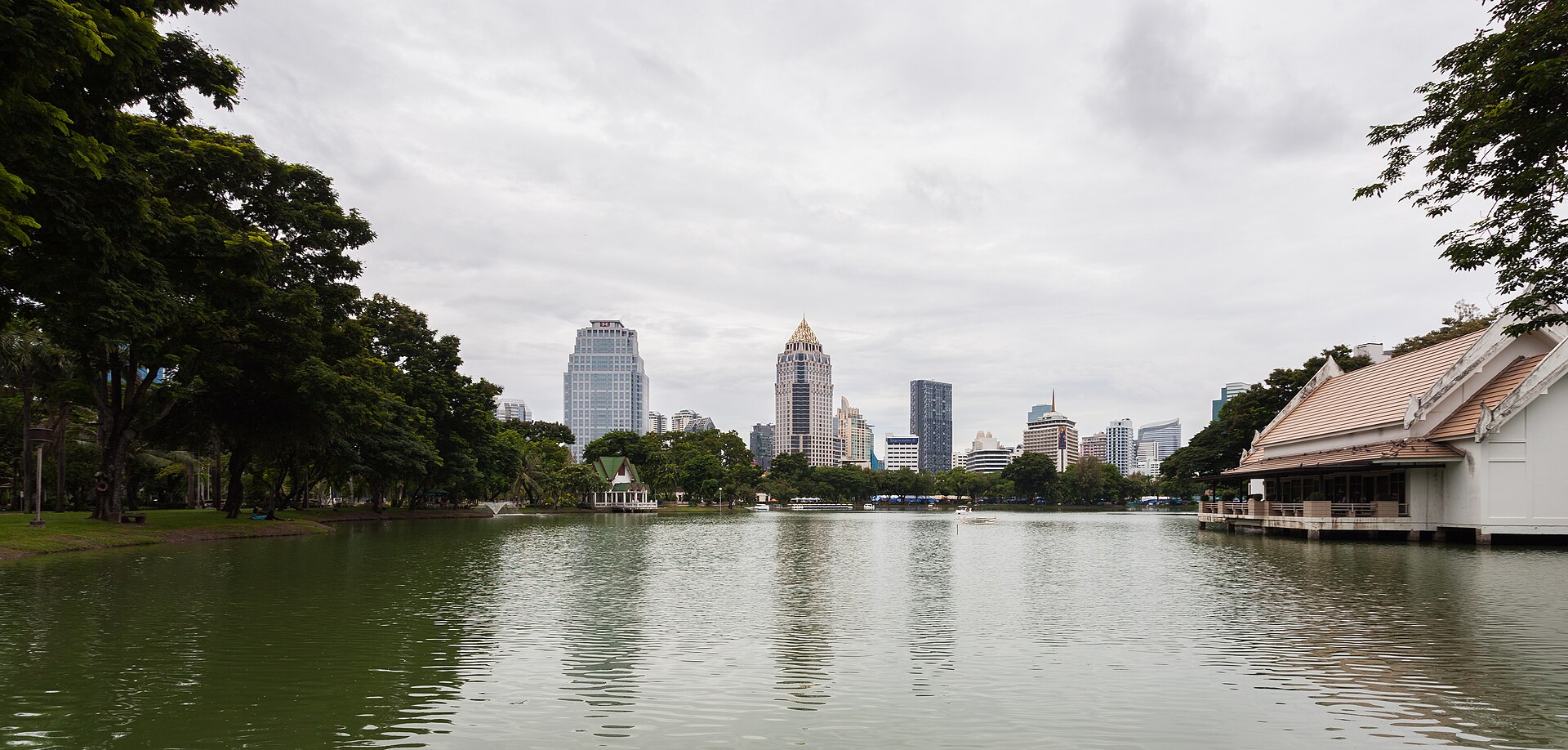
Lumphini Park
Rama IV Road, Lumphini, Pathum Wan, Bangkok
Lumphini Park is Bangkok's Central Park — 142 acres of green in a city that otherwise treats open space as a development opportunity. Named after the Buddha's birthplace in Nepal, it was created in the 1920s by King Rama VI on what was then royal land, and it remains the place where Bangkok goes to breathe. At 5:30am, before the heat arrives, the park belongs to the elderly. Tai chi groups move in slow unison by the lake. Speed-walkers in matching visors power along the paths. A man plays saxophone by the pavilion for nobody in particular. By 7am the joggers arrive, circling the 2.5km loop that rings the park. By midday it's empty — only the monitor lizards are crazy enough to be out in the heat. Ah, the monitor lizards. Lumphini is home to a population of massive water monitors that can reach two metres in length. They swim in the lake, sun themselves on the paths, and generally ignore humans with a dignity that borders on contempt. They're harmless unless provoked, but the sight of a prehistoric-looking reptile casually crossing the jogging path in the middle of a megacity of 10 million people is one of Bangkok's most delightfully surreal experiences. The park also hosted pro-democracy protests in 2010 and has been a site of political gathering for decades — the palm trees have seen more history than most monuments.
MahaNakhon SkyWalk
114 Narathiwas Road, Silom, Bang Rak, Bangkok
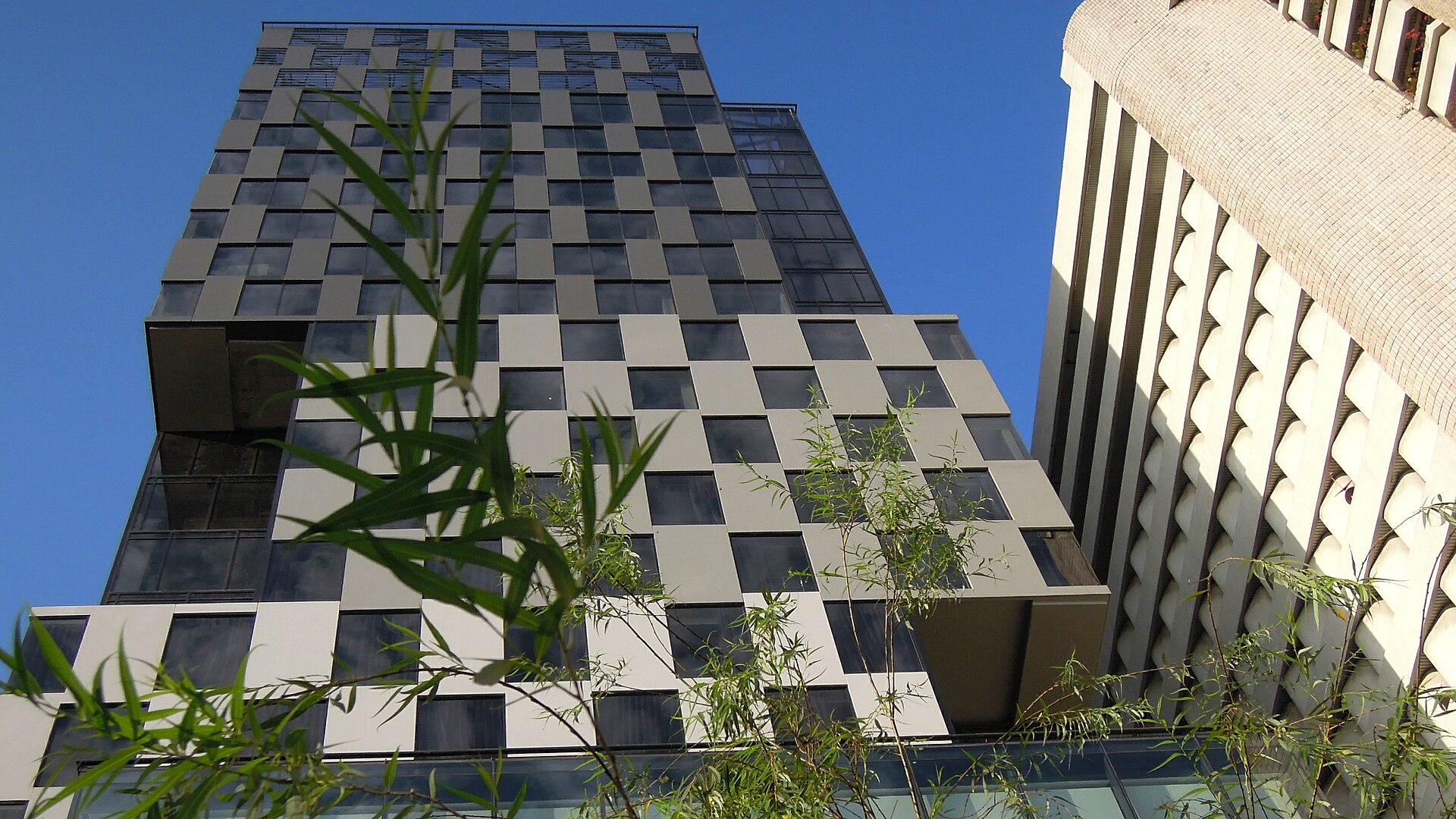
The King Power MahaNakhon was Bangkok's tallest building when it opened in 2016, and it still has the city's most vertigo-inducing attraction: a glass-floored observation deck on the 78th floor where you stand 314 metres above the street and look straight down through your feet. If you've ever wanted to know what it feels like to float above Bangkok, this is it. The building itself is a work of architecture worth studying from the ground. Designed by Ole Scheeren (the German architect behind Beijing's CCTV headquarters), it looks like a pixelated tower that's been partially unwrapped — a cubic spiral of glass boxes that jut out from the façade as if the building is deconstructing itself. The 'pixels' are actually balconies and terraces for the residences inside, and the effect from street level is genuinely disorienting in the best way. The SkyWalk occupies the top four floors. You take the elevator to the 74th floor — an indoor observation deck with 360-degree views — then head to the rooftop bar on 76, and finally up to the open-air glass tray on 78. On a clear day you can see the Gulf of Thailand. On a hazy day (which is most days) the city fades into a smoggy infinity that's oddly beautiful. The glass floor section is about 5 square metres and holds groups of visitors who invariably spend more time photographing their feet than the view. Staff hand out cloth shoe covers to prevent scratches, which somehow makes the whole thing feel more precarious.
Or Tor Kor Market
101 Kamphaeng Phet Road, Chatuchak, Bangkok
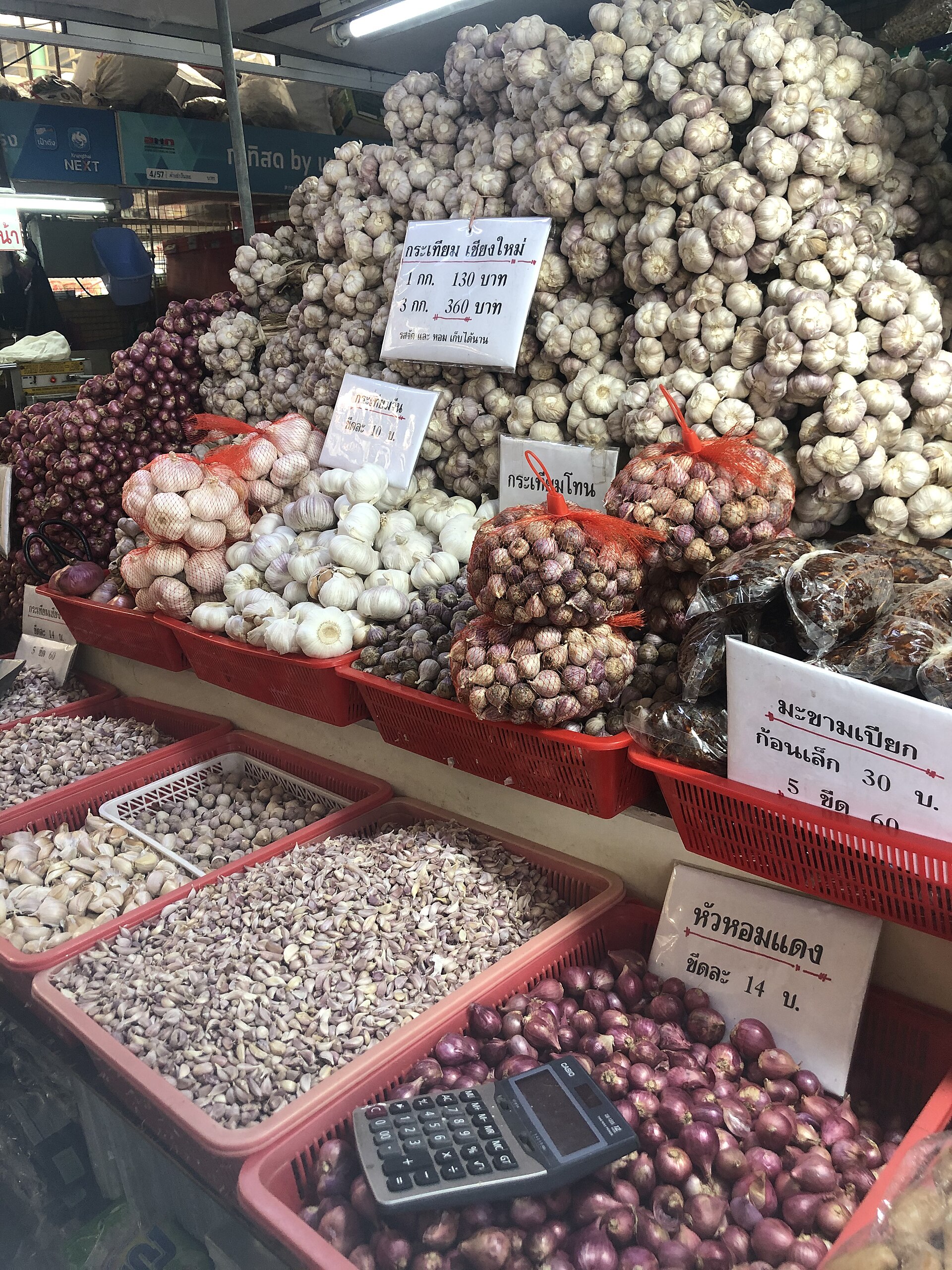
Or Tor Kor is the market where Bangkok's serious home cooks shop, and it shows. While Chatuchak next door is chaos and bargains, Or Tor Kor is immaculate displays of the finest produce in Thailand — fruit arranged like jewellery, seafood still twitching on ice, curry pastes ground fresh that morning. CNN once named it one of the top ten fresh markets in the world, and for once the ranking was deserved. The fruit section alone is worth the trip. Thailand grows some of the best tropical fruit on the planet, and Or Tor Kor gets first pick. Mangosteen with shells that crack to reveal translucent white segments. Durian — the smell will hit you from twenty metres, but the custard-like flesh converts most sceptics. Rambutan, pomelo, dragon fruit, jackfruit — all at peak ripeness, which is something you almost never see outside Southeast Asia because they don't survive the shipping. The food court at the back is where market workers eat, which is always the best endorsement. The pad thai here is leagues beyond the tourist version — thinner noodles, more wok char, better shrimp. The isaan-style som tum (green papaya salad) comes with a spice level that locals find normal and tourists find religious. Come hungry, come early, and don't make the mistake of filling up at Chatuchak first — save your appetite for the market that actually deserves it.
Pak Khlong Talat (Flower Market)
Chak Phet Road, Wang Burapha Phirom, Phra Nakhon, Bangkok
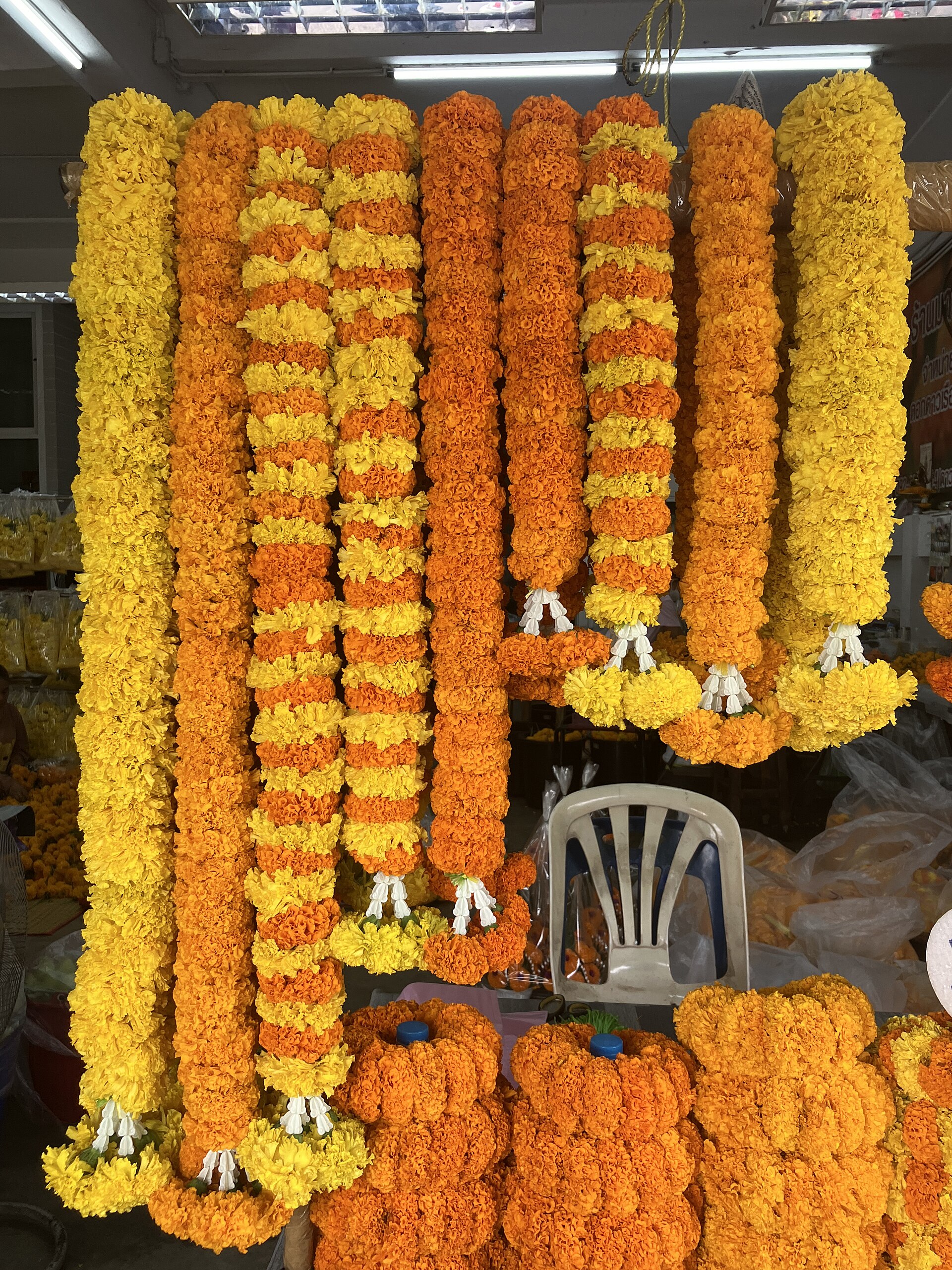
Bangkok's flower market is best experienced at 3am, which tells you everything you need to know about this city's relationship with sleep. Pak Khlong Talat has been the wholesale flower hub since the 1960s, and in the pre-dawn hours it's a frenzy of trucks unloading jasmine garlands, lotus blooms, marigolds by the truckload, and roses packed so tightly they look like velvet carpets. The market exists because Thailand's flower industry is enormous and largely invisible to tourists. Flowers aren't just decorative here — they're religious offerings, daily rituals, and a language of respect. Every spirit house gets fresh garlands. Every taxi dashboard has a small garland hanging from the mirror. The jasmine garlands (phuang malai) are works of art, hand-threaded by workers whose fingers move faster than your eyes can follow. By daylight the market shifts to retail mode and the intensity drops, but the colour remains extraordinary. Mountains of orchids in every shade of purple. Buckets of birds of paradise. Lotus flowers so pink they look artificial. The surrounding streets are worth exploring too — this is one of Bangkok's oldest neighbourhoods, and the shophouses date back to the reign of Rama V. There's a cluster of excellent old-school Thai restaurants nearby that cater to the market workers, serving dishes at 4am that most restaurants couldn't pull off at dinner time.
Rajadamnern Muay Thai Stadium
1 Ratchadamnoen Nok Road, Pom Prap Sattru Phai, Bangkok
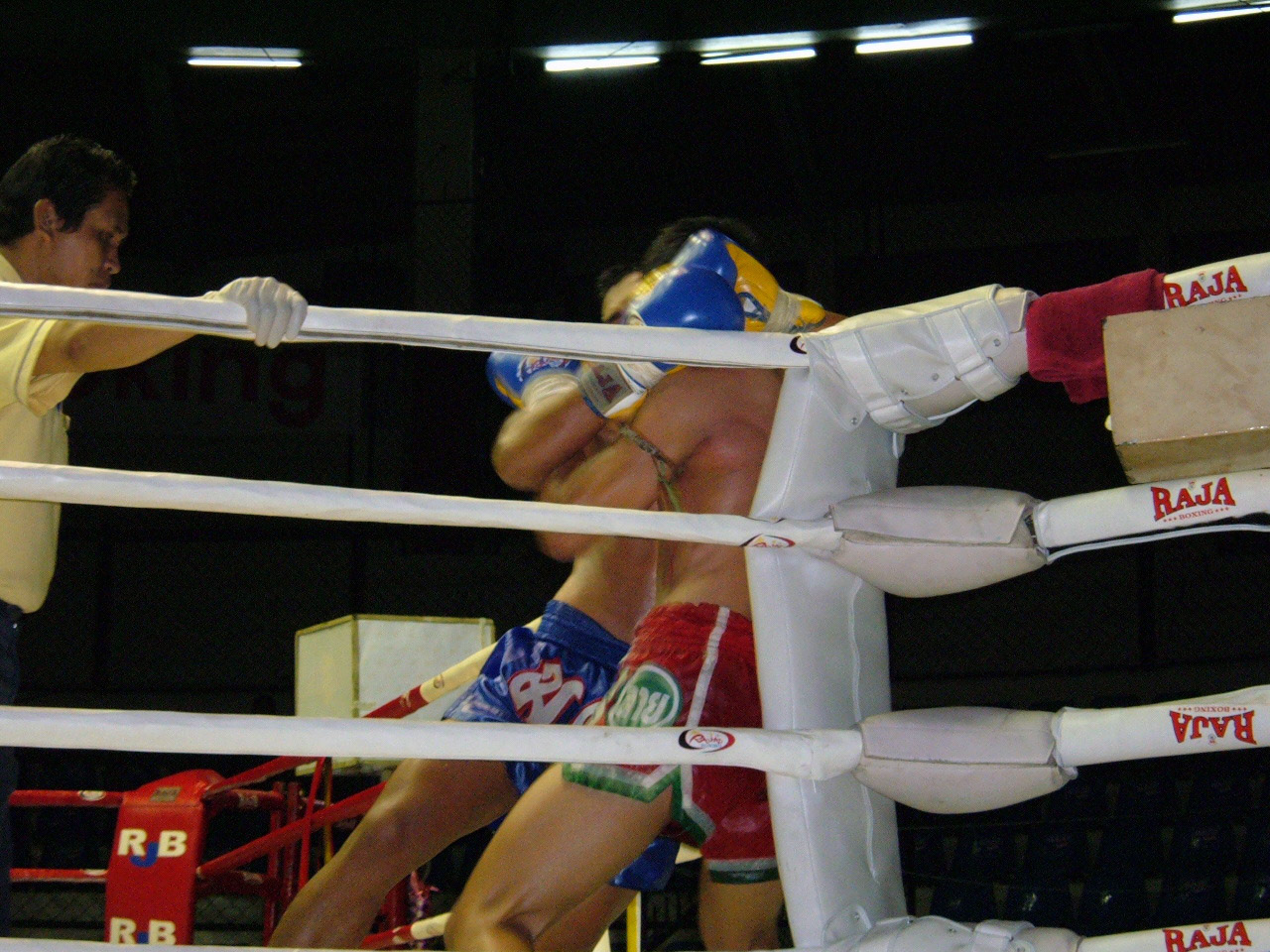
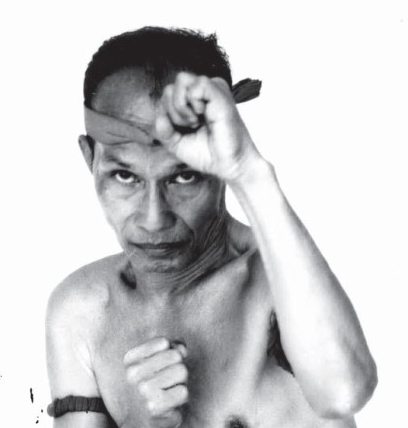
Rajadamnern is where Muay Thai stops being a tourist show and starts being religion. Built in 1941, it's the oldest purpose-built Muay Thai stadium in the world, and fight nights here carry a weight that no amount of beach-bar kickboxing in Koh Phangan can replicate. The fighters at Rajadamnern have trained since childhood. The crowd knows every technique by name. The gambling is fast, loud, and conducted entirely through hand signals. The pre-fight ritual alone is worth the ticket price. Each fighter performs the Wai Kru Ram Muay — a ceremonial dance honouring their trainer, their camp, and the spirits — while a live band plays the hypnotic Sarama music on oboe, drums, and cymbals. The music continues throughout the fight, speeding up as the action intensifies, creating an atmosphere that's part sporting event, part spiritual ceremony, part fever dream. The stadium was renovated in recent years and now has a modern exterior, but inside it retains the sweat-and-liniment atmosphere that's been marinating since the 1940s. Ringside seats put you close enough to feel the impact of shin on ribs. The further back you sit, the more you'll be surrounded by Thai regulars who've been coming here for decades and who react to a clean elbow strike the way football fans react to a last-minute goal. Fights happen on Thursday evenings and are the most authentic Muay Thai experience in Bangkok, full stop.
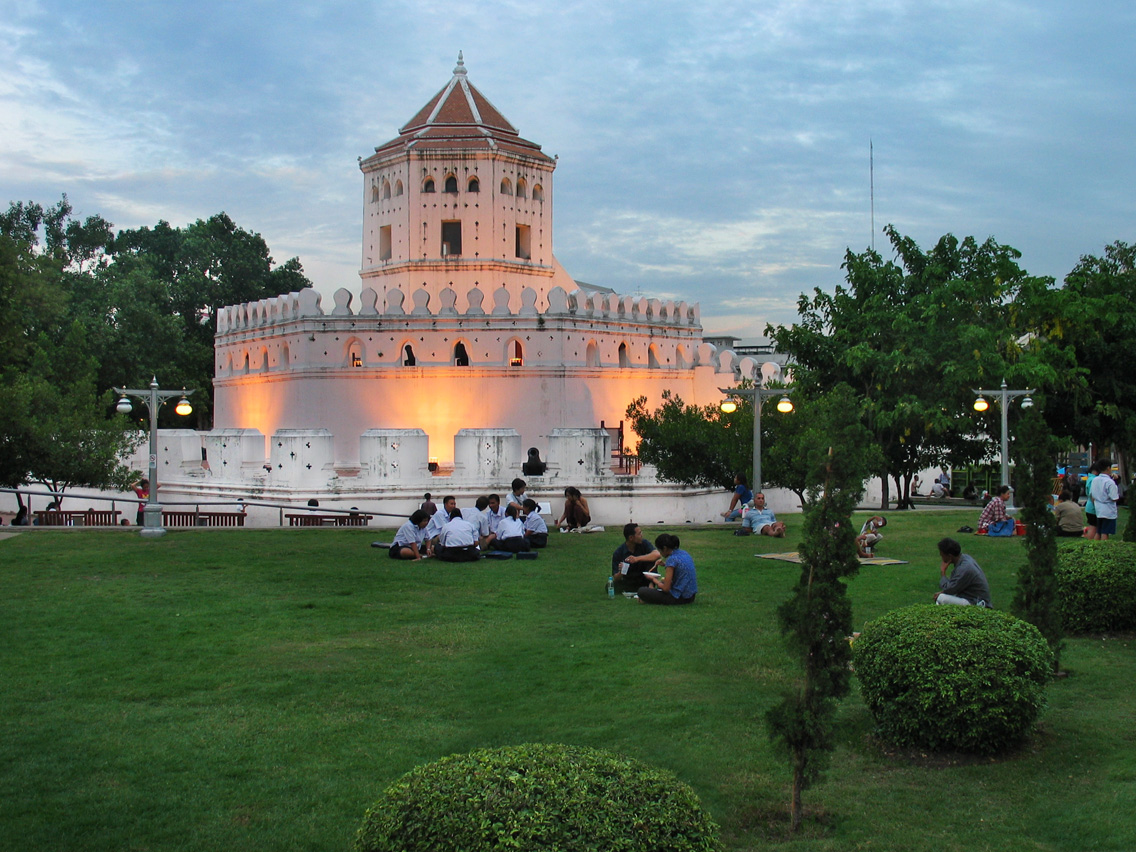
Santichaiprakarn Park & Phra Sumen Fort
Phra Athit Road, Chana Songkhram, Phra Nakhon, Bangkok
This tiny riverside park is Bangkok's best-kept sunset secret. Tucked at the end of Phra Athit Road near Khao San, Santichaiprakarn Park wraps around the whitewashed octagonal Phra Sumen Fort — one of only two surviving forts from the original 14 that once guarded the city walls built by Rama I in the 1780s. The fort itself is a handsome, squat structure that looks more decorative than defensive now, surrounded by neat lawns and river views. In the evening, the park fills with university students from nearby Thammasat, families with kids, couples on the benches, and the occasional street musician. It's the most relaxed waterfront spot in the old city — no entrance fee, no vendors hassling you, just grass and the river and the fort lit up white against the darkening sky. The Chao Phraya views from here are excellent — you can see Wat Arun across the river, longboat taxis cutting through the current, and the daily drama of the city's river life unfolding in real time. Phra Athit Road itself is worth the walk — lined with old shophouses converted into cafés and bars, it's the arty, bohemian counterpoint to Khao San's chaos, and it connects directly to the Banglamphu neighbourhood where Bangkok feels most like it did 30 years ago.
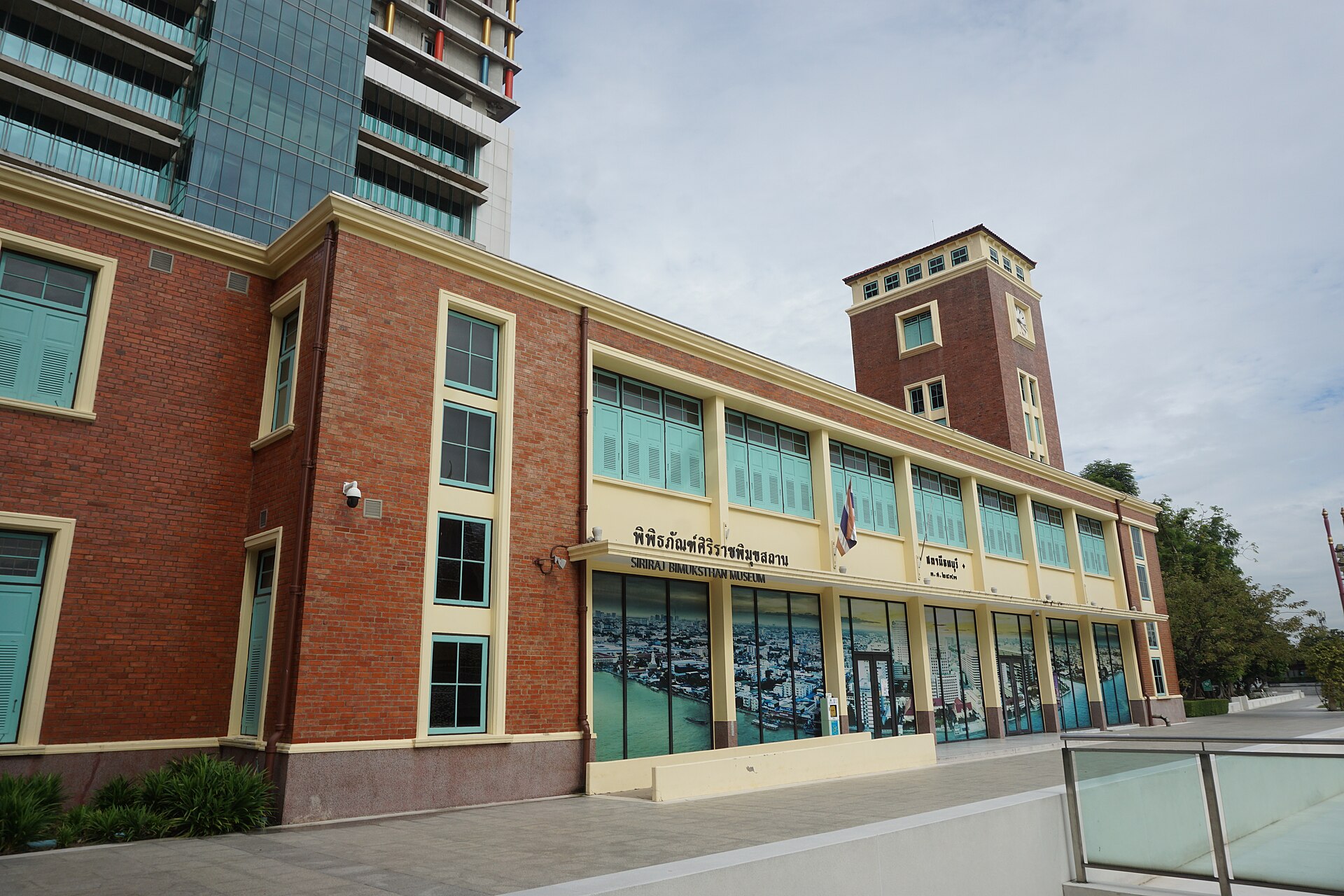
Siriraj Medical Museum
2 Wang Lang Rd, Siriraj, Bangkok 10200
Warning: this is not for the faint of heart. Often called the 'Museum of Death,' the Siriraj Medical Museum is a plunge into the visceral reality of human anatomy. It started as a way for medical students to learn, but it has evolved into a collection of some of the most disturbing and fascinating specimens in the world. You'll find jars of preserved organs, wax models of diseases, and—most famously—the preserved body of a notorious Thai serial killer. It's a stark, clinical look at mortality that feels almost taboo. The atmosphere is heavy, and the silence of the museum is only broken by the hushed whispers of visitors reacting to the displays. Despite the macabre nature, there's a profound scientific purpose here. It documents the history of medicine in Thailand and the evolution of forensic science. It's a place that forces you to confront the fragility of the human body in a way that no other museum in the city does. Just maybe don't visit right before lunch.
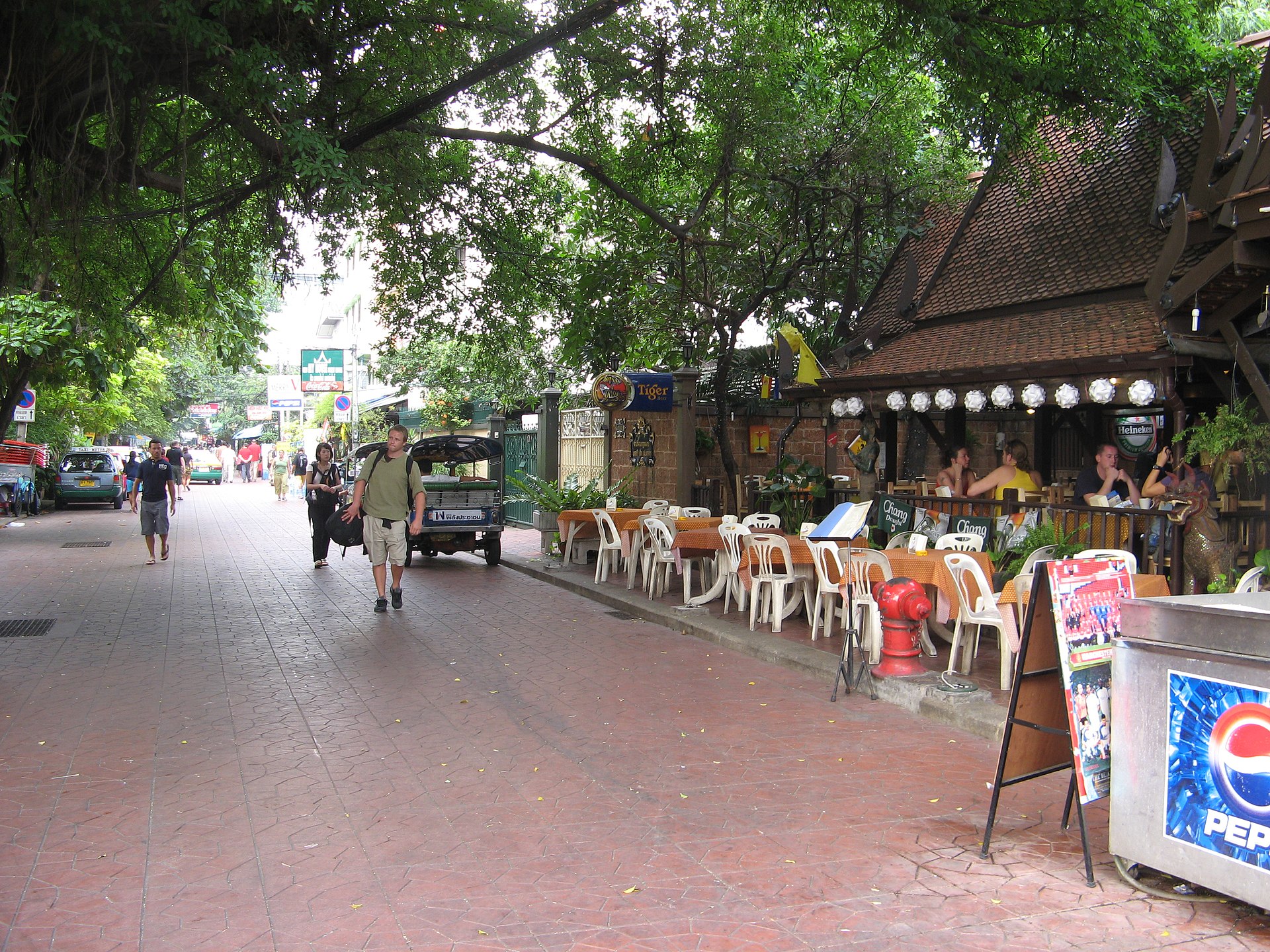
Soi Rambuttri
Soi Rambuttri, Phra Nakhon, Bangkok
Soi Rambuttri is Khao San Road's quieter, cooler older sibling. Running parallel to the famous backpacker strip and connected by a narrow alley, it has all the energy of Khao San with about a third of the noise. The street is lined with guesthouses, restaurants, massage shops, and bars — but the vibe here leans more towards people actually enjoying Bangkok rather than performing their gap year for social media. The food is better than Khao San. A stretch of street food carts sets up every evening near the temple end of the soi, serving proper Thai dishes at local prices — boat noodles in tiny bowls that cost almost nothing, satay grilled over charcoal, mango sticky rice made by a woman who's been at the same spot for years. The tree-lined street has a canopy feel that Khao San lacks, and the tables spill out from restaurants on both sides creating an almost Mediterranean atmosphere. The soi runs alongside the wall of Wat Chana Songkhram, one of the oldest temples in Bangkok, which adds a layer of incense and temple bells to the evening atmosphere. Most people staying on Khao San never walk the 30 seconds to get here, which is exactly what the Soi Rambuttri regulars prefer.
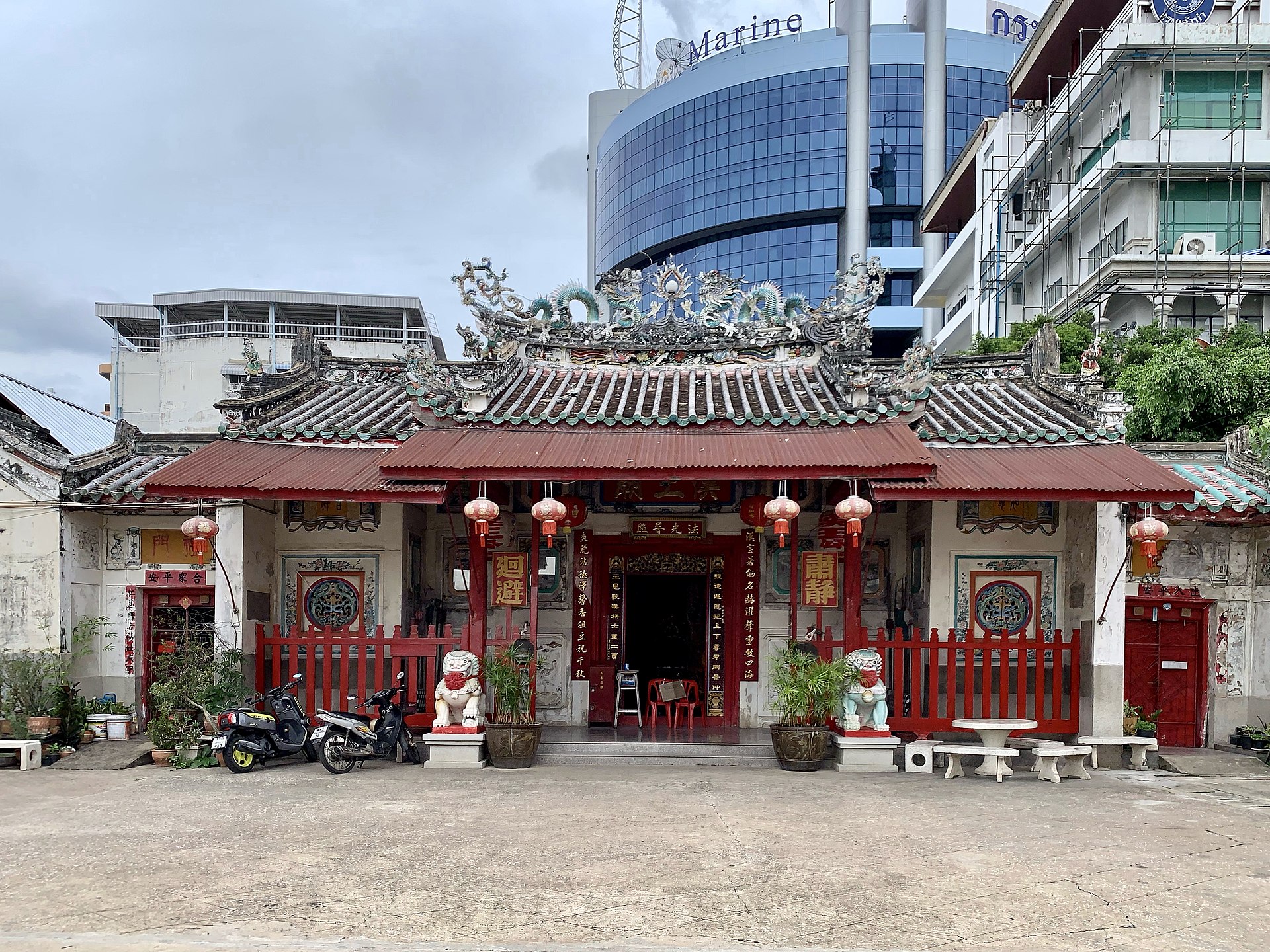
Talat Noi
Talat Noi, Samphanthawong, Bangkok
Talat Noi is the Bangkok neighbourhood that Instagram discovered about five years ago, and for once the hype is justified. This tiny pocket between Chinatown and the river is one of the oldest communities in the city — a Chinese-Portuguese settlement that predates the Grand Palace — and its narrow lanes are a collision of crumbling shophouses, vibrant street art, ancestral shrines, and some of the best coffee in Bangkok. The street art here isn't random — much of it was commissioned as part of community projects to draw attention to the neighbourhood's heritage before developers could flatten it. Massive murals cover entire building facades: a giant portrait of a local grandmother, a psychedelic dragon, a photorealistic painting of old Talat Noi life. They sit alongside genuine decay — peeling paint, rusted corrugated iron, doorways that haven't been opened in decades — creating a visual texture that feels completely organic. The café scene has exploded here. Heritage shophouses have been converted into minimalist coffee shops where you can drink a single-origin pour-over while sitting under a ceiling that's been there since the reign of Rama V. The Hong Sieng Kong shrine — a Taoist temple painted fire-engine red — has been serving the community since the 19th century and still does. This is Bangkok's version of a neighbourhood that's gentrifying in real time, and catching it right now, in the middle of the transformation, is the most interesting time to visit.
Thonglor (Sukhumvit Soi 55)
Sukhumvit Soi 55 (Thonglor), Khlong Tan Nuea, Watthana, Bangkok
If the old town is where Bangkok prays, Thonglor is where Bangkok parties, eats, and pretends to be Tokyo. This long soi branching off Sukhumvit Road is the epicentre of modern Thai youth culture — a strip of craft cocktail bars, Japanese-influenced restaurants, gallery spaces, and rooftop venues where the dress code is as important as the drinks menu. The food scene here has nothing to do with street food. This is where Bangkok's young chefs are opening restaurants that would hold their own in London or New York — tasting menus built around Thai ingredients, omakase bars, natural wine shops, third-wave coffee roasters. The street itself is a weird mix of old shophouses, brutalist apartment blocks, and gleaming new developments, and somehow the restaurants tucked into all three categories are equally good. Thonglor is also where Bangkok's creative class hangs out. Small galleries pop up in converted houses. Design studios share walls with vinyl record shops. The nightlife runs late — this is Bangkok, after all — with bars that don't really get going until midnight and clubs that see dawn on a regular basis. Come here after you've done the temples and the markets and you'll see a completely different city — one that has nothing to do with tourism and everything to do with what young Bangkok actually looks and sounds like right now.
Vimanmek Mansion
16 Ratchawithi Road, Dusit, Bangkok
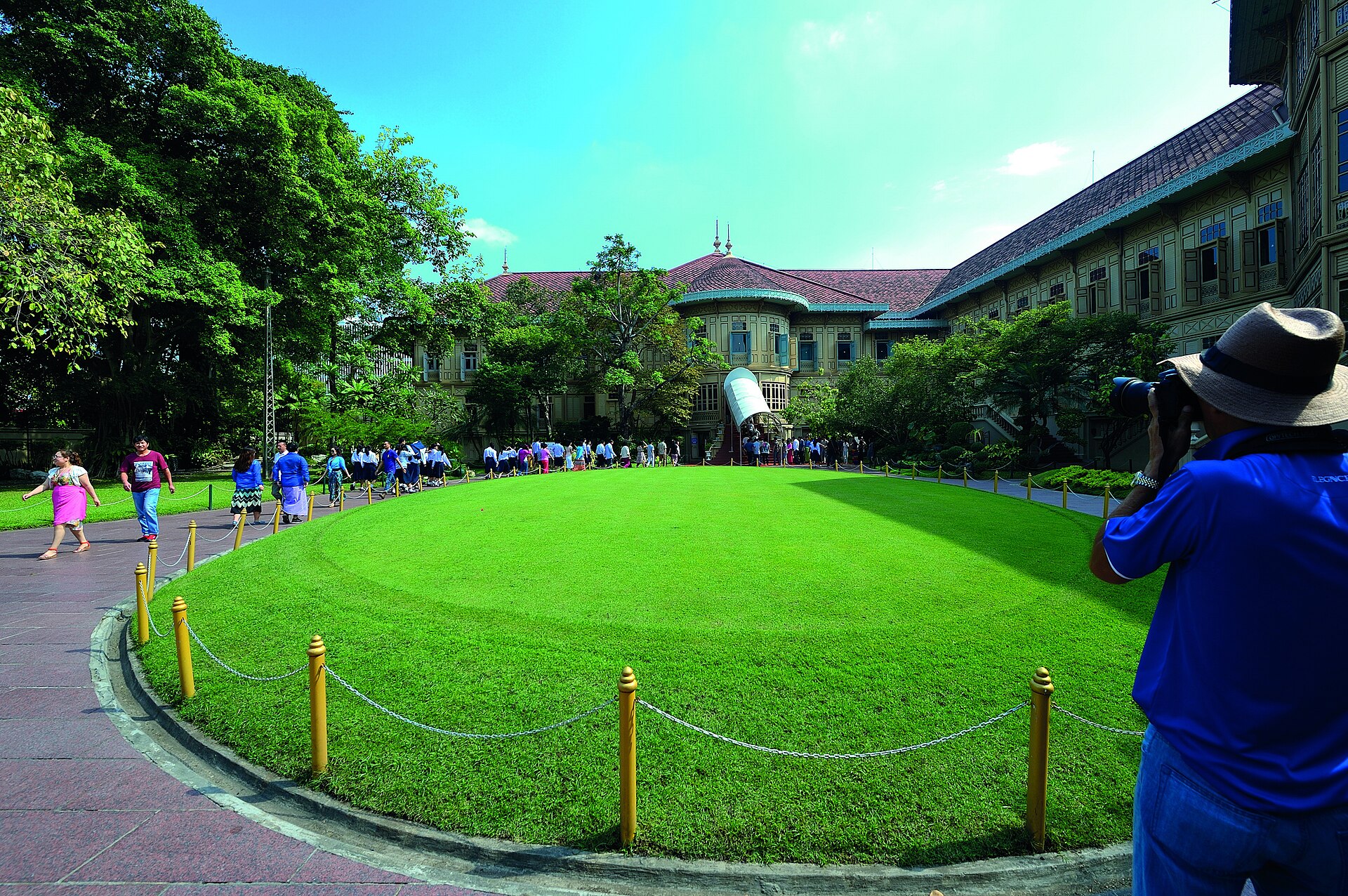
Vimanmek Mansion holds the record for the world's largest building made entirely of golden teak, and it was built without a single nail. That's 72 rooms, 20 suites, and three storeys of teak assembled using only wooden pegs and joints — a construction technique that sounds impossible until you're standing inside looking at the craftsmanship. King Rama V had the mansion relocated from its original site on Ko Si Chang island to the Dusit Palace grounds in 1901. He'd visited Europe and wanted to modernise Thailand's image, so the building is a peculiar but charming hybrid — traditional Thai teak construction methods applied to a Western Victorian-style floor plan, with Italian-marble bathrooms and one of the first indoor showers in Thailand. The king and his entourage lived here for five years before moving to the nearby Ananta Samakhom Throne Hall. The interior has been preserved as a museum displaying personal effects of Rama V — silverware, porcelain, photographs, typewriters, hunting rifles — a fascinating snapshot of what 'modern' meant to a Thai monarch at the turn of the century. The surrounding Dusit Palace gardens are peaceful and uncrowded compared to the Grand Palace, and the free traditional Thai dance performances that run throughout the day add a soundtrack that makes the whole compound feel like you've stepped back 120 years.
Wang Lang Market
Thanon Wang Lang, Siriraj, Bangkok Noi, Bangkok
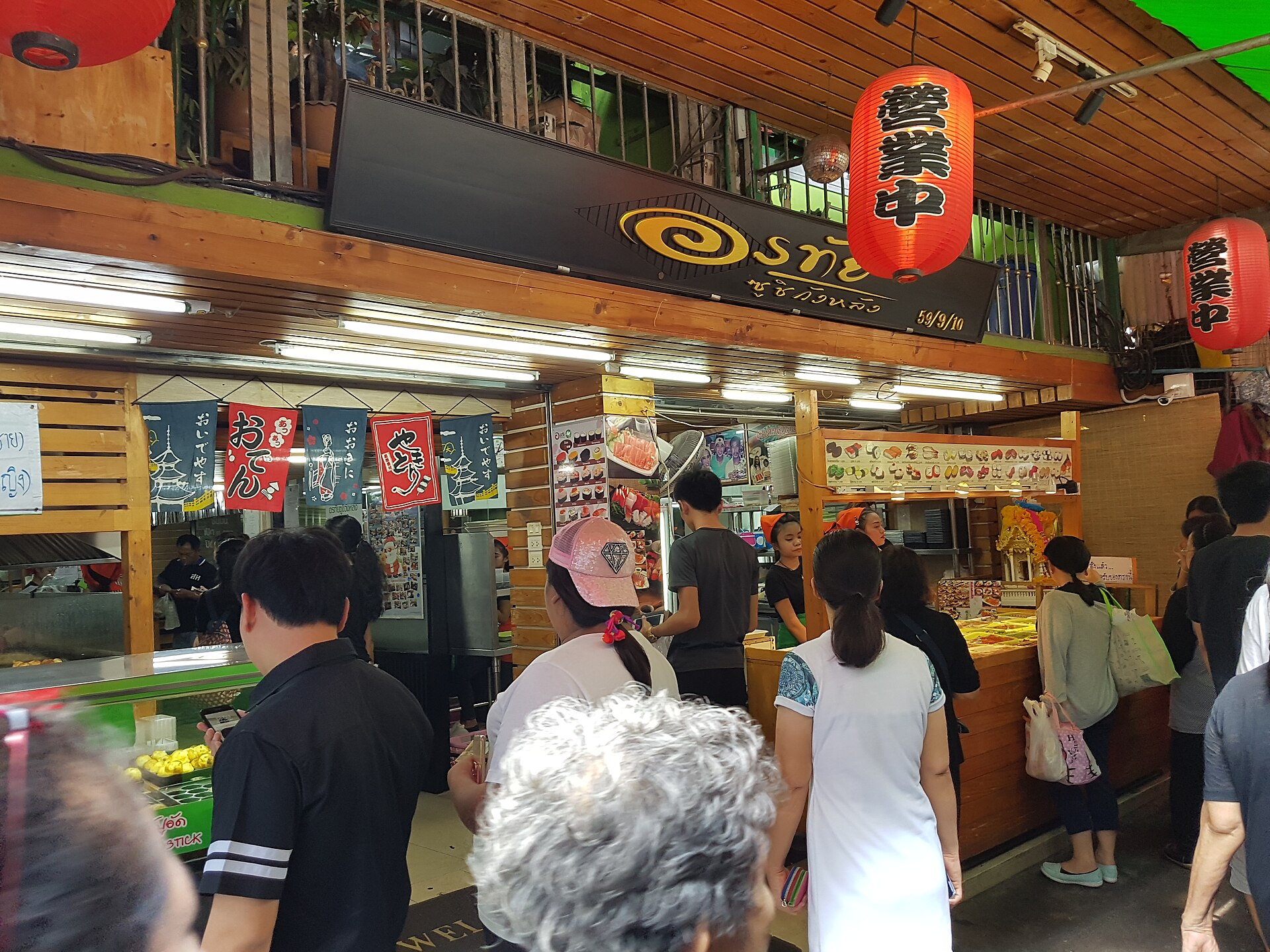
Wang Lang is the street food market that travel writers try to keep secret, which never works because the food is too good. Tucked behind Siriraj Hospital on the Thonburi side of the river, it's where nurses, medical students, and locals from the surrounding neighbourhood come to eat — which means the prices are low, the quality is high, and the only tourists are the ones who did their research. The market sprawls through a network of covered alleyways barely wide enough for two people to pass. Stalls are stacked next to each other with no apparent logic — a woman making delicate mango sticky rice parcels next to a guy frying pork belly that's been marinating since dawn. The khanom buang (Thai crispy crepes) here are some of the best in the city — thin, crispy shells filled with sweet or savoury fillings, made to order on a flat griddle. The easiest way to get here is by cross-river ferry from Tha Chang pier near the Grand Palace — it costs a few baht and takes two minutes. Most tourists get the ferry to see Wat Arun and completely miss Wang Lang, which sits 500 metres north and is arguably a better reason to cross the river. Come at lunchtime when the hospital shifts change and the market is at peak energy.
Wat Arun
158 Thanon Wang Doem, Wat Arun, Bangkok Yai, Bangkok
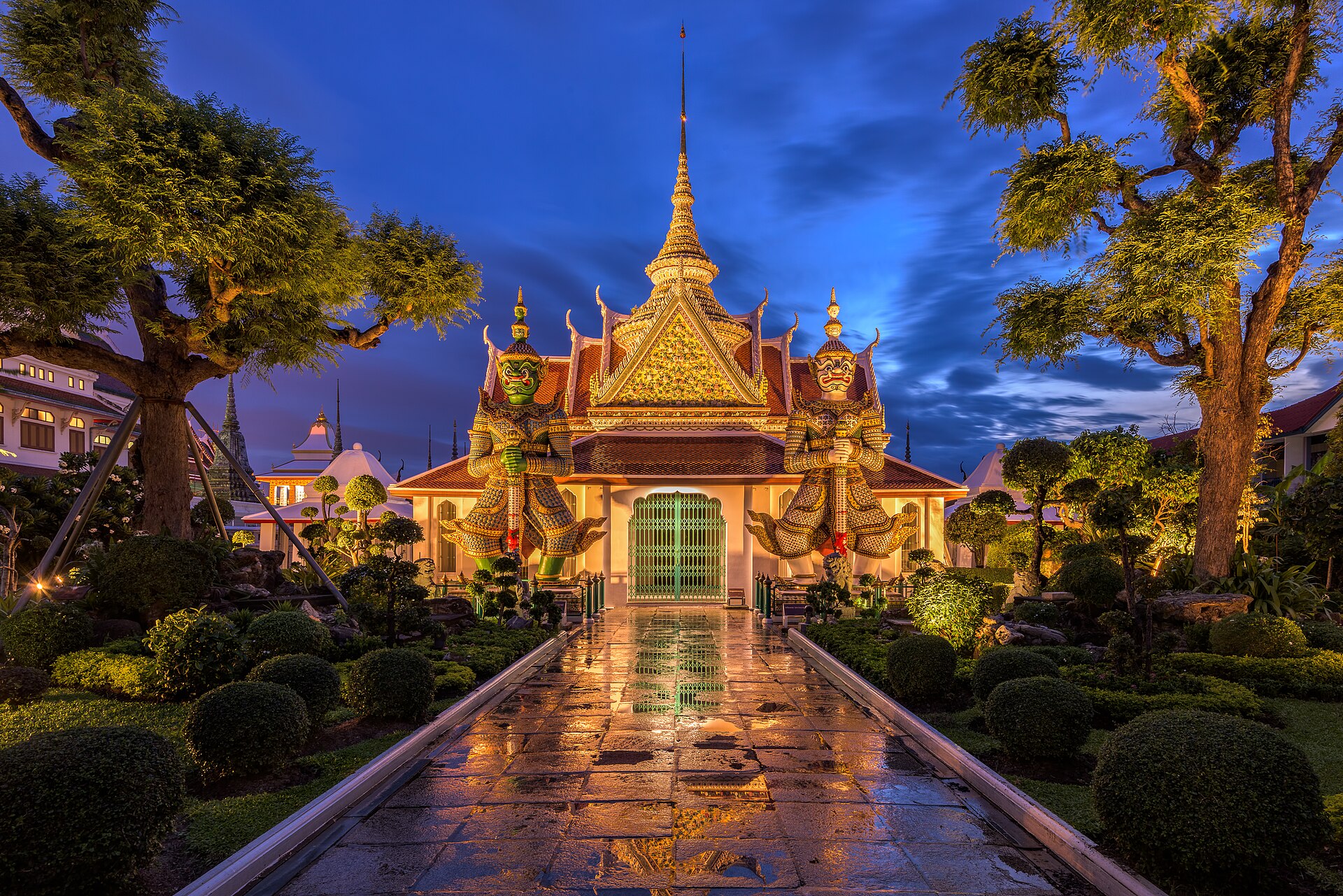
Wat Arun looks like something a giant built out of broken china — and that's basically what happened. The Temple of Dawn is covered in thousands of fragments of Chinese porcelain that were originally ballast in trading ships. When the ceramics arrived in Bangkok with nothing else to do, someone had the inspired idea of smashing them up and pressing them into wet plaster. The result is a 70-metre spire that sparkles differently depending on the time of day. Despite the name, Wat Arun is actually best seen at sunset, not dawn. Cross the river from the Grand Palace side on the little ferry (4 baht, about 10 cents) and watch the central prang turn from white to gold to silhouette as the sun drops behind you. The climb up the steep stairs to the first terrace is genuinely vertigo-inducing — the steps were designed for a time when buildings were meant to intimidate, not to comply with safety regulations. The temple dates to the Ayutthaya period, but King Taksin made it his royal chapel in 1768 after he sailed past it at dawn while liberating the capital from Burmese occupation. He took the sunrise as an omen. The Emerald Buddha was housed here briefly before moving across the river to the Grand Palace — and Wat Arun has been playing second fiddle ever since, which is ironic given it's on the 10-baht coin.
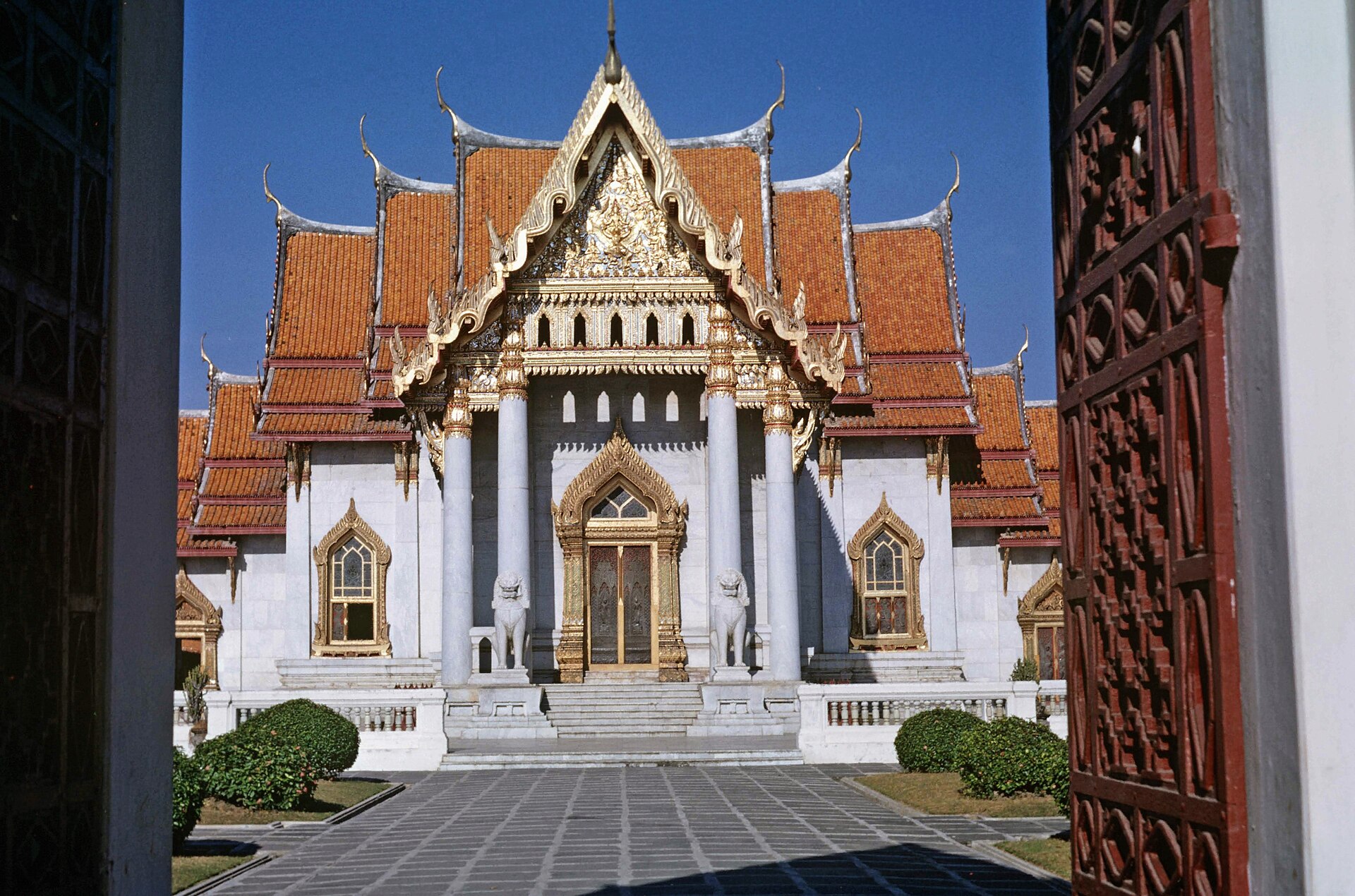
Wat Benchamabophit (Marble Temple)
69 Thanon Si Ayutthaya, Dusit, Bangkok
The Marble Temple is the one Bangkok temple that looks like it was designed by an architect who had just returned from a trip to Italy — because it was. Built in 1899 by King Rama V, who was obsessed with European modernisation, the temple is constructed from Carrara marble imported from Italy, the same stone Michelangelo used for the David. It's the only major temple in Bangkok with European structural influences, and it looks utterly different from everything around it. The cross-shaped ordination hall with its yellow glazed roof tiles and marble walls creates an effect that's simultaneously Thai and Mediterranean. Inside, the principal Buddha image sits on a pedestal containing the ashes of King Rama V himself. The stained glass windows — unusual in Thai temples — depict scenes from Thai mythology rather than Christian iconography, a detail that perfectly captures Rama V's approach of borrowing Western forms while filling them with Thai content. The courtyard behind the main hall is where the temple gets truly special. A gallery displays 52 Buddha images from across Asia — different styles, different centuries, different countries — creating a kind of museum of how the same figure has been interpreted by different cultures. It's the most intellectually interesting Buddha collection in the city, and almost nobody goes there because the marble entrance is too photogenic to walk past.
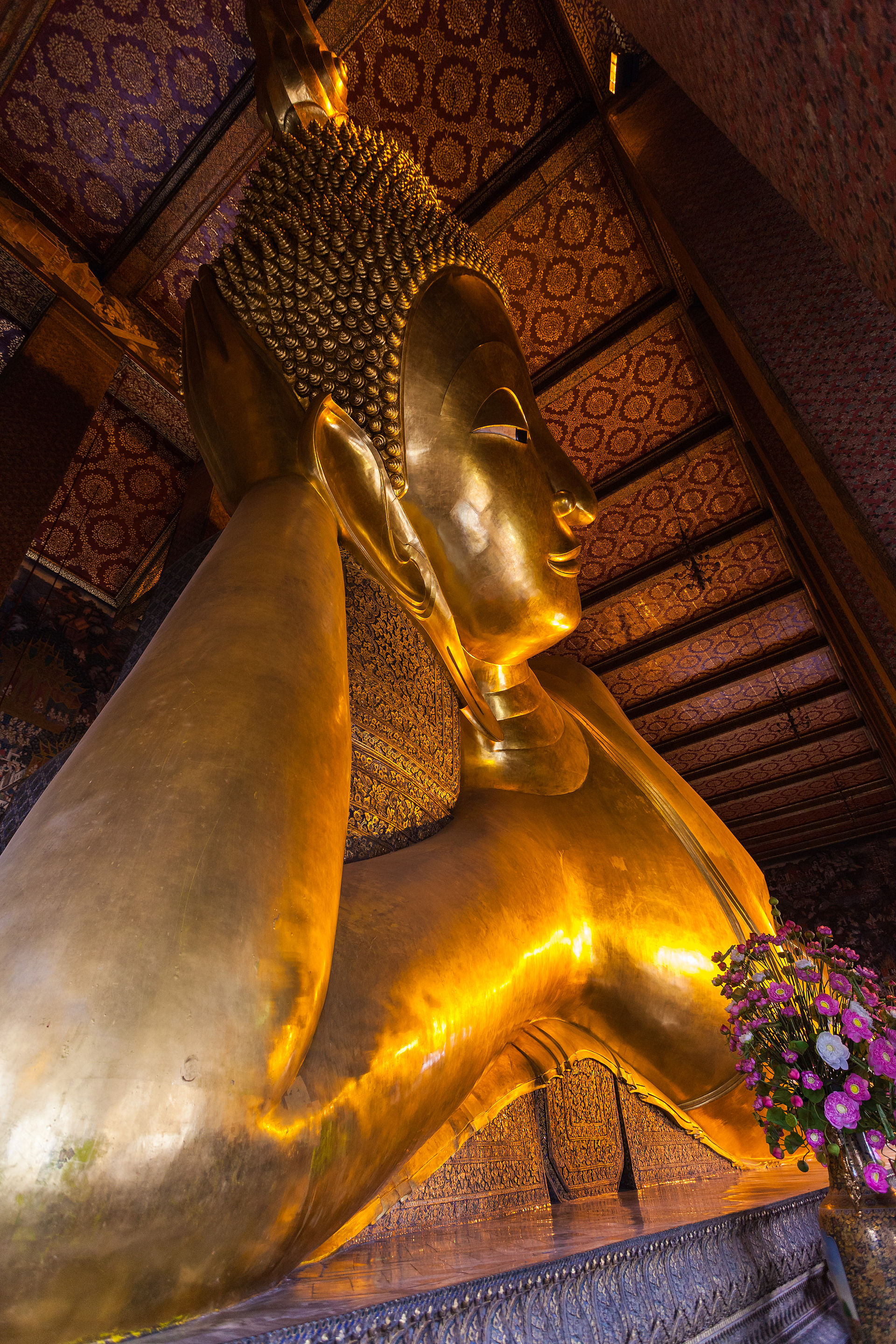
Wat Pho
2 Sanam Chai Road, Phra Nakhon, Bangkok
Wat Pho is home to a Buddha so big they had to build the temple around it. The Reclining Buddha stretches 46 metres long and 15 metres high, its entire surface covered in gold leaf, its feet inlaid with 108 mother-of-pearl panels depicting auspicious symbols. The smile on its face is the most serene thing in Bangkok, which is saying something in a city that rarely stops moving. But Wat Pho isn't just about one very large statue. It's Thailand's first public university, predating the current monarchy, and the national headquarters of traditional Thai massage. That's not a tourist gimmick — the massage school here has been training practitioners since the reign of Rama III, and the techniques are inscribed on stone tablets throughout the complex. You can get a one-hour traditional massage for about 300 baht in the on-site pavilion, worked on by students who take this extremely seriously. The temple compound contains over 1,000 Buddha images and 91 stupas, making it the largest collection in Thailand. Most tourists beeline for the Reclining Buddha and miss the quiet courtyards behind it, where stone figures of bearded Europeans in top hats serve as guardians — they were sculpted from the ballast stones of Chinese trading ships and represent the foreigners that Thai artists found amusing enough to immortalise in stone.
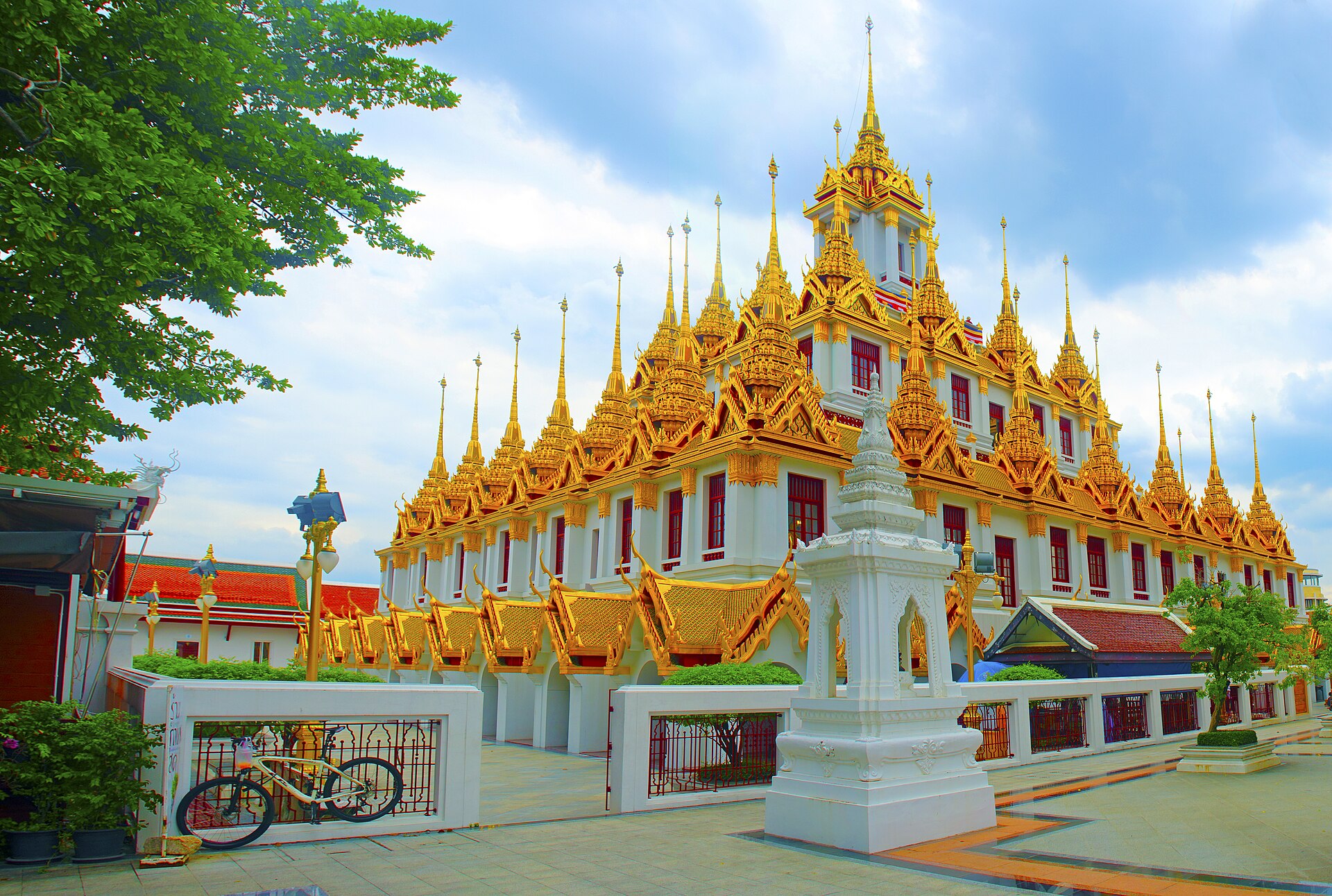
Wat Ratchanatdaram (Loha Prasat)
2 Maha Chai Road, San Chao Pho Suea, Phra Nakhon, Bangkok
Loha Prasat looks like nothing else in Bangkok — or anywhere else in the world. It's a multi-tiered metal castle bristling with 37 iron spires, and it's one of only three metal prasats ever built. The other two, in India and Sri Lanka, are long gone, making this the last one standing on the planet. Built in the 1840s by King Rama III, the structure was inspired by a Buddhist monastery in Sri Lanka described in ancient texts. Each of the 37 spires represents one of the 37 virtues needed to reach enlightenment. The interior is a spiral meditation path — you climb through dark corridors and up narrow stairs, passing through levels that are supposed to represent stages of spiritual progress. At the top, you emerge onto a platform with views of the Golden Mount, Democracy Monument, and the old city rooftops. The temple went through a major renovation and reopened looking spectacular — the black metal spires against the sky are one of the most dramatic silhouettes in Bangkok, especially at sunset when they go from dark to golden. It sits just behind the popular Ratchanatdaram market area, and most people walking by don't realise they're looking at one of the rarest religious structures on Earth.
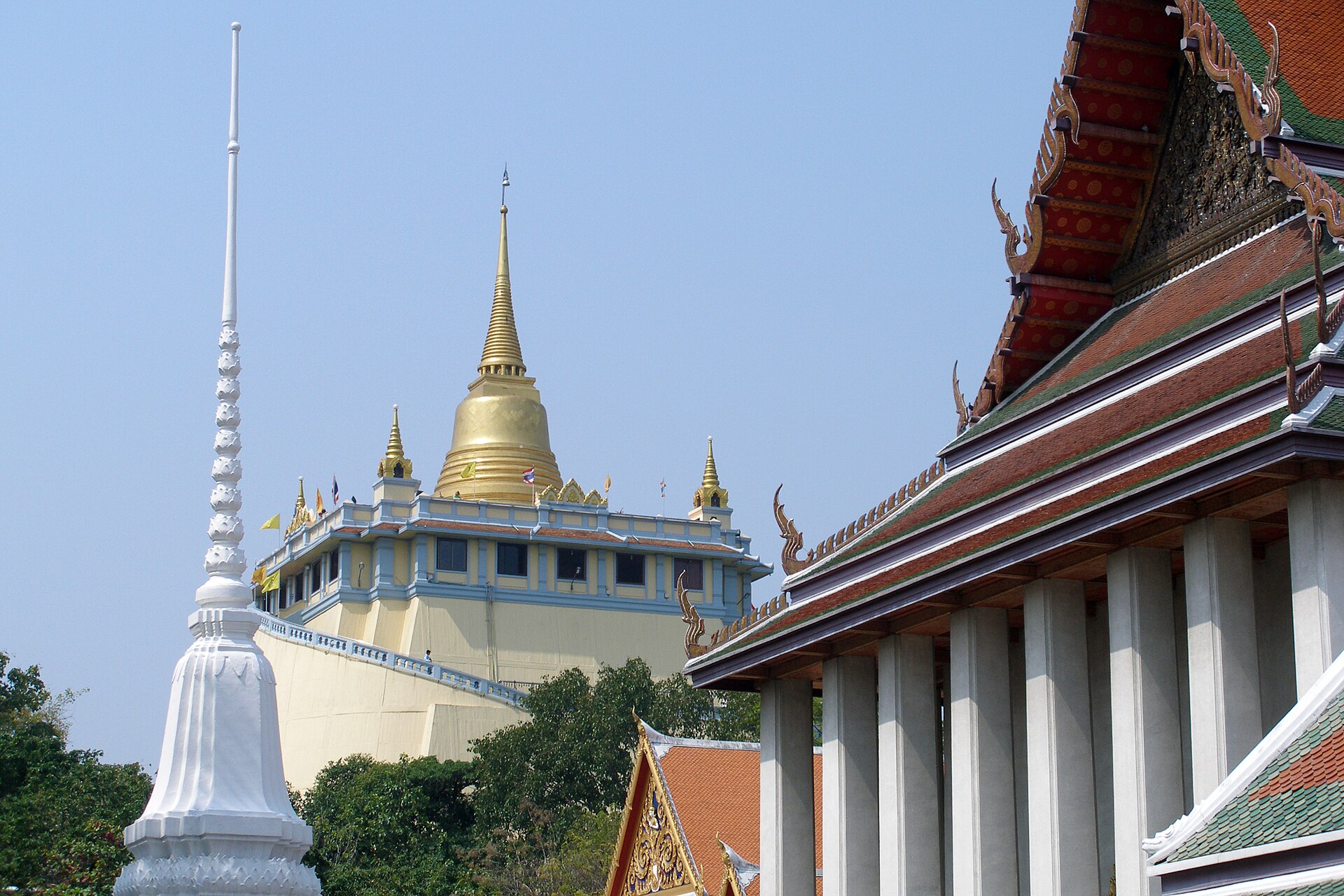
Wat Saket (Golden Mount)
344 Thanon Chakkraphatdi Phong, Ban Bat, Pom Prap Sattru Phai, Bangkok
The Golden Mount is Bangkok's original skyscraper — a 77-metre artificial hill crowned with a gold chedi that was the tallest point in the city for over a century. The 344-step climb winds through a shaded spiral path lined with bells, small shrines, and the occasional cat who has clearly made this their territory. The hill has a grim origin story. King Rama III tried to build a massive chedi here in the 1800s, but the soft Bangkok clay couldn't support the weight and the whole thing collapsed into a muddy heap. It sat as a ruin for decades, becoming overgrown and earning the nickname 'the hill.' During the cholera epidemics of the 19th century, the mound became a cremation site where vultures circled — a detail the temple's current peaceful vibe thoroughly obscures. It was Rama V who finally stabilised the structure with concrete and added the golden chedi at the top, along with a relic of the Buddha reportedly given to Thailand by the British government (who had acquired it from India, because colonialism). The 360-degree view from the top is one of the best in old Bangkok — you can see the Grand Palace, Wat Arun, the river, and the newer skyline beyond. Come at sunset for the light, or during the Loy Krathong festival in November when the mount is wrapped in red cloth and lit with candles.
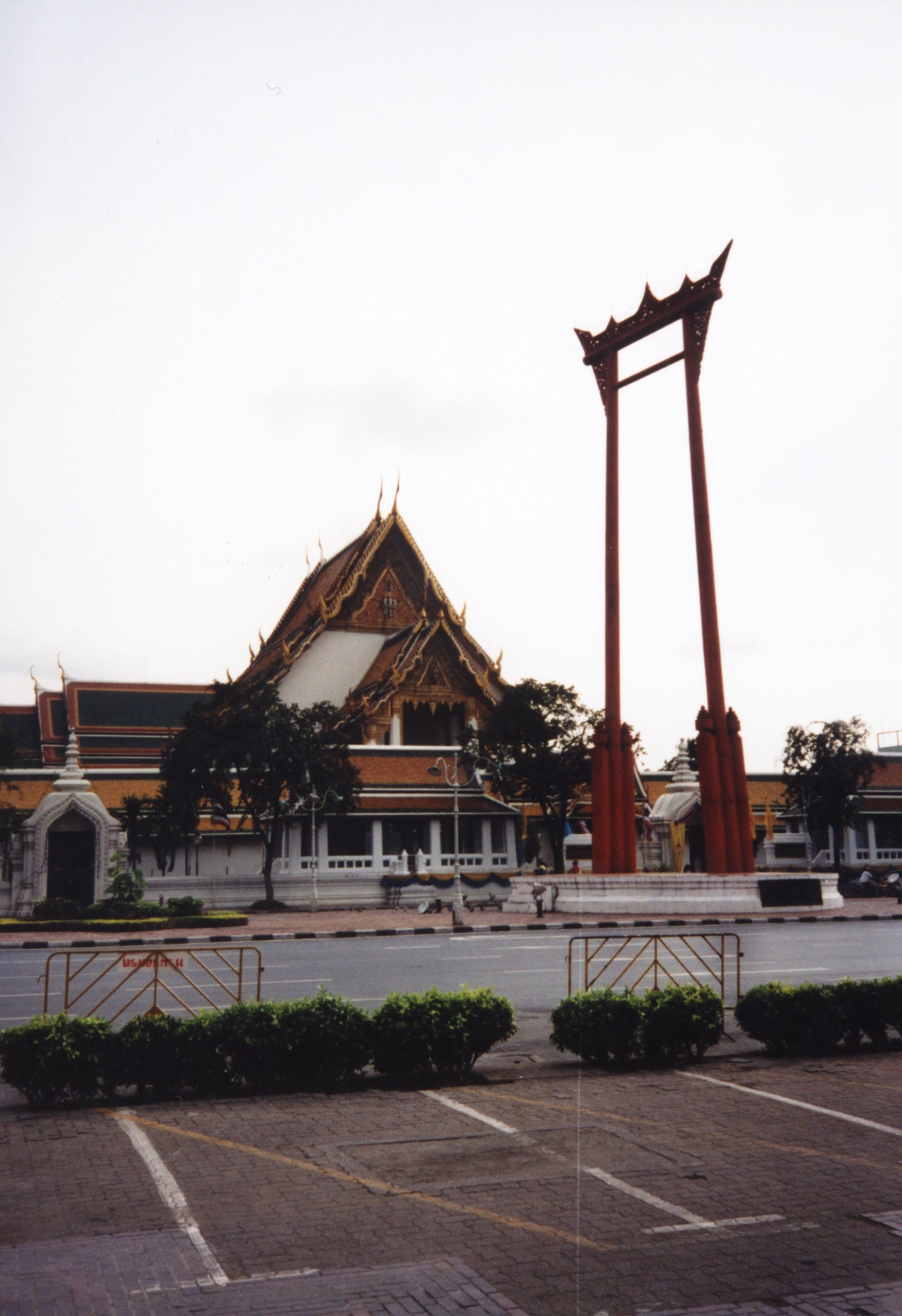
Wat Suthat & the Giant Swing
146 Bamrung Muang Road, Wat Ratchabophit, Phra Nakhon, Bangkok
The Giant Swing is one of those things in Bangkok that makes you stop and say 'wait, what?' A 21-metre-tall red teak frame that looks like a massive goalpost stands in the middle of a traffic circle, and for 150 years it was the centrepiece of a Brahmin ceremony where young men would swing to terrifying heights trying to grab a bag of gold coins hung from a pole with their teeth. Several died trying. The ceremony was banned in 1935. The swing frame was rebuilt in 2007 using six tonnes of golden teak, and it's now essentially a very photogenic traffic obstacle. But the temple behind it — Wat Suthat — is the real treasure. It houses the largest viharn in Bangkok and an 8-metre-tall bronze Buddha from Sukhothai that was transported to Bangkok by river in the early 1800s, a journey so epic they had to widen the city gate to get it through. The murals inside Wat Suthat are considered among the finest in Thailand — delicate, detailed paintings of the Jataka tales (stories of the Buddha's previous lives) that cover every wall surface. King Rama II personally helped carve the wooden door panels. Most tourists walk past Wat Suthat on their way to somewhere else, which is a mistake — it's one of the ten royal temples of the highest grade, and the combination of the giant swing outside and the extraordinary art inside makes it one of the most underrated stops in the old city.
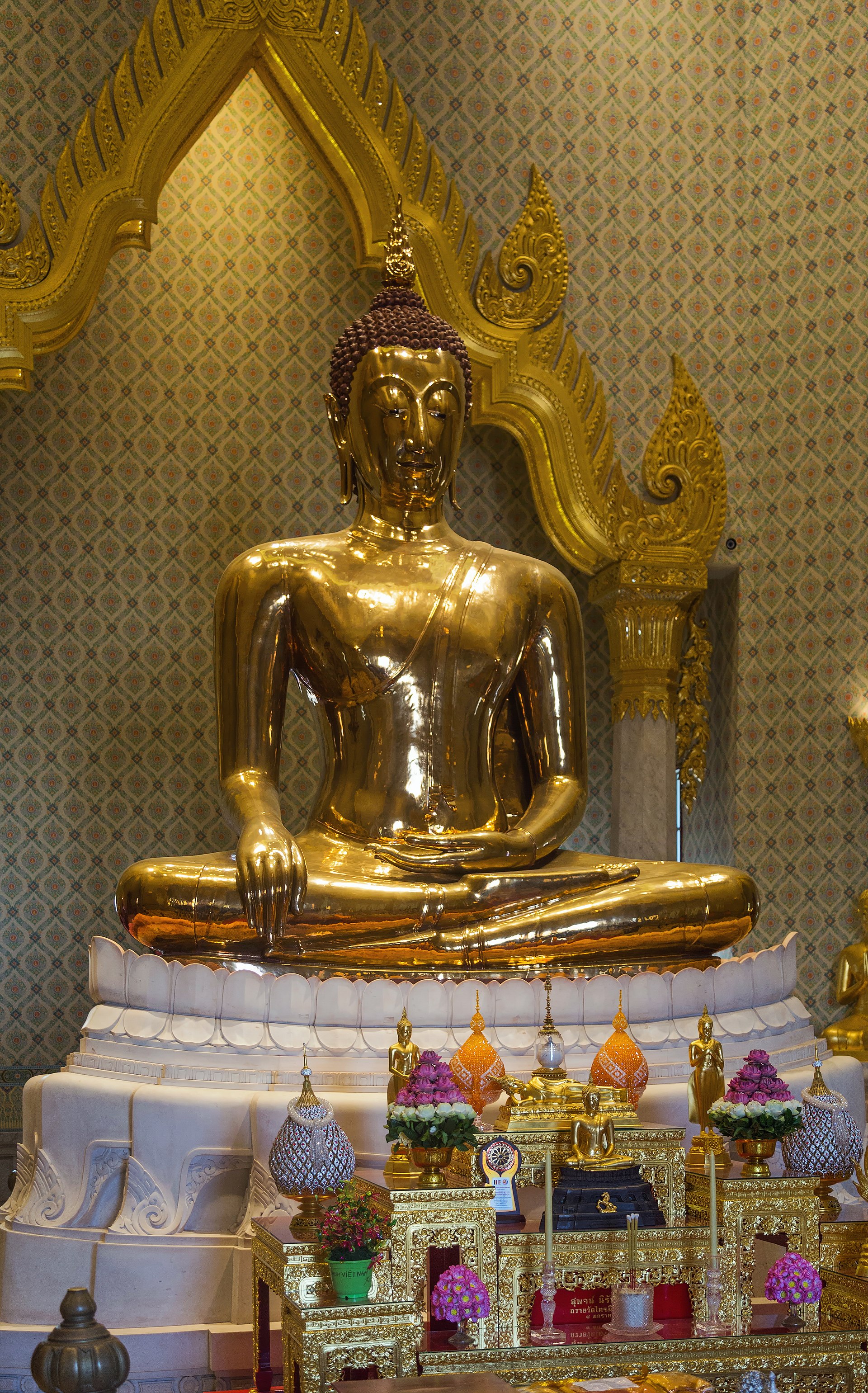
Wat Traimit (Golden Buddha)
661 Charoen Krung Road, Talat Noi, Samphanthawong, Bangkok
Wat Traimit houses a secret that stayed hidden for over 200 years. The temple's Buddha image — five and a half tonnes of solid gold, the largest of its kind in the world — spent centuries disguised under a thick layer of plaster, looking like any other unremarkable statue in any other unremarkable temple. The discovery happened by accident in 1955. Workers were moving the plaster Buddha to a new building when the crane cable snapped and the statue crashed to the ground. A piece of plaster chipped off, revealing a glint of gold underneath. When they stripped the rest away, they found a 3-metre-tall, 700-year-old solid gold Buddha worth an estimated $250 million. The current theory is that the gold was concealed during the Ayutthaya period to protect it from Burmese invaders — and then everyone who knew about the disguise died, taking the secret with them for two centuries. The temple has built an excellent exhibition on the lower floors that tells the full detective story — how the plaster was applied in layers, how the gold was tested, how nobody can quite believe that a quarter-billion-dollar object sat in a dusty temple for 200 years without anyone noticing. The Buddha itself sits on the top floor in a gleaming white and gold room that's almost too bright to look at. Come in the morning when the tour groups haven't arrived yet and you might get the room to yourself.