Talat Noi is the Bangkok neighbourhood that Instagram discovered about five years ago, and for once the hype is justified. This tiny pocket between Chinatown and the river is one of the oldest communities in the city — a Chinese-Portuguese settlement that predates the Grand Palace — and its narrow lanes are a collision of crumbling shophouses, vibrant street art, ancestral shrines, and some of the best coffee in Bangkok.
The street art here isn't random — much of it was commissioned as part of community projects to draw attention to the neighbourhood's heritage before developers could flatten it. Massive murals cover entire building facades: a giant portrait of a local grandmother, a psychedelic dragon, a photorealistic painting of old Talat Noi life. They sit alongside genuine decay — peeling paint, rusted corrugated iron, doorways that haven't been opened in decades — creating a visual texture that feels completely organic.
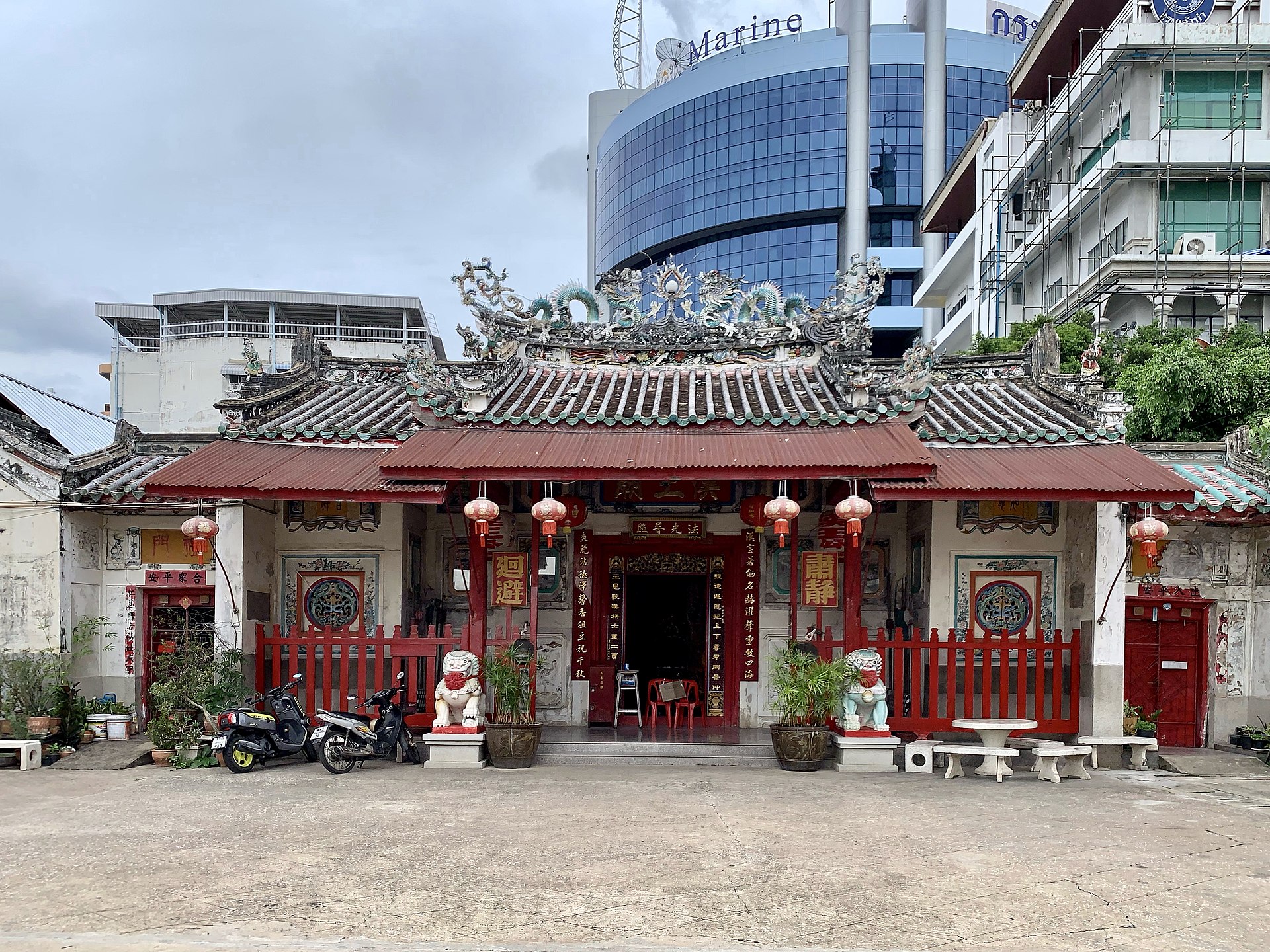
The café scene has exploded here. Heritage shophouses have been converted into minimalist coffee shops where you can drink a single-origin pour-over while sitting under a ceiling that's been there since the reign of Rama V. The Hong Sieng Kong shrine — a Taoist temple painted fire-engine red — has been serving the community since the 19th century and still does. This is Bangkok's version of a neighbourhood that's gentrifying in real time, and catching it right now, in the middle of the transformation, is the most interesting time to visit.
Verified Facts
Talat Noi is one of Bangkok's oldest communities, predating the Grand Palace
The neighbourhood was originally a Chinese-Portuguese settlement
Street art murals were commissioned as community heritage projects
Hong Sieng Kong shrine has served the community since the 19th century
Get walking directions
Talat Noi, Samphanthawong, Bangkok