Buda Castle has been built, destroyed, rebuilt, burned, besieged, blown up, and rebuilt again so many times that the current structure is essentially a ghost of a ghost of a ghost. The first royal residence appeared on Castle Hill in the 1240s, when King Béla IV decided that an elevated fortress might be useful after the Mongols had just levelled most of Hungary. He was right. Over the next seven centuries, every major power that passed through Central Europe — Ottomans, Habsburgs, Nazis, Soviets — left their mark on this hill, usually by destroying whatever the previous occupant had built.
The golden age came under King Matthias Corvinus in the fifteenth century, when the castle became one of Europe's finest Renaissance palaces, filled with art, a famous library of illuminated manuscripts, and Italian architects who made it the envy of northern Europe. The Ottomans turned it into a military garrison and gunpowder magazine. The Habsburgs blew it up reconquering it in 1686, then spent two centuries rebuilding it into the sprawling Baroque palace you see today — or rather, a simplified version of it, because the Soviets and Nazis managed to destroy it again during the 1944-45 Siege of Budapest.
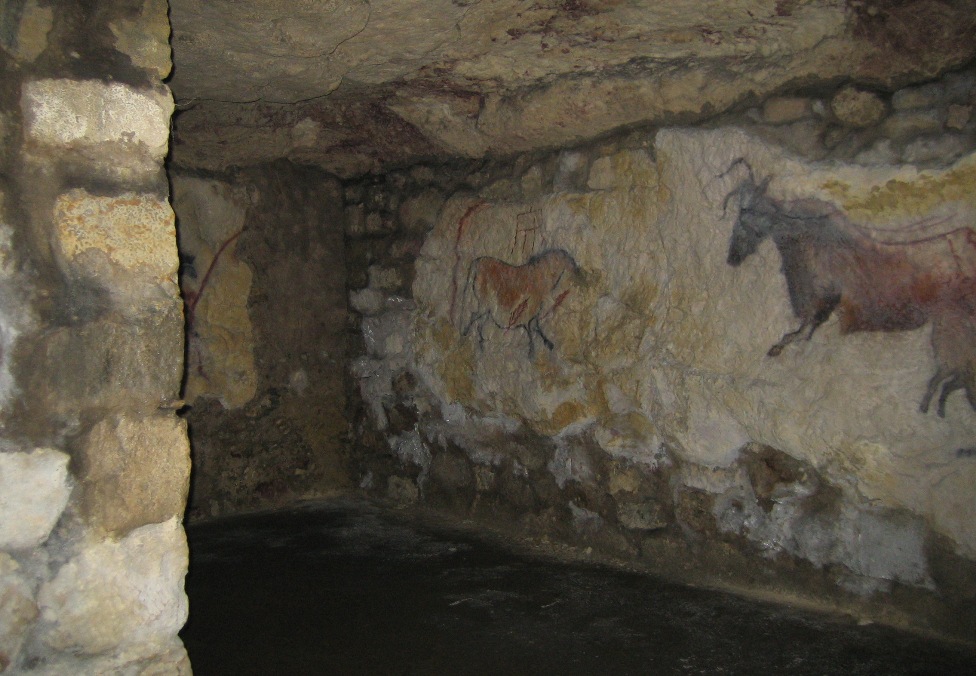
What stands now houses the Hungarian National Gallery, the Budapest History Museum, and the National Széchényi Library. The castle district became a UNESCO World Heritage Site in 1987. Beneath the surface lies a network of medieval caves and passages stretching over a kilometre, carved by thermal waters long before humans arrived.
Take the Sikló funicular from the Chain Bridge up to the castle — it has been running since 1870 and offers increasingly dramatic views of the Danube the higher you climb.
Verified Facts
The first royal residence was built on Castle Hill by King Béla IV in the 1240s after the Mongol invasion
The castle was severely damaged during the 1944-45 Siege of Budapest and rebuilt in simplified Baroque style
Now houses the Hungarian National Gallery, Budapest History Museum, and National Széchényi Library
The castle district has been a UNESCO World Heritage Site since 1987
Get walking directions
2 Szent György tér, District I, Budapest, 1014, Hungary