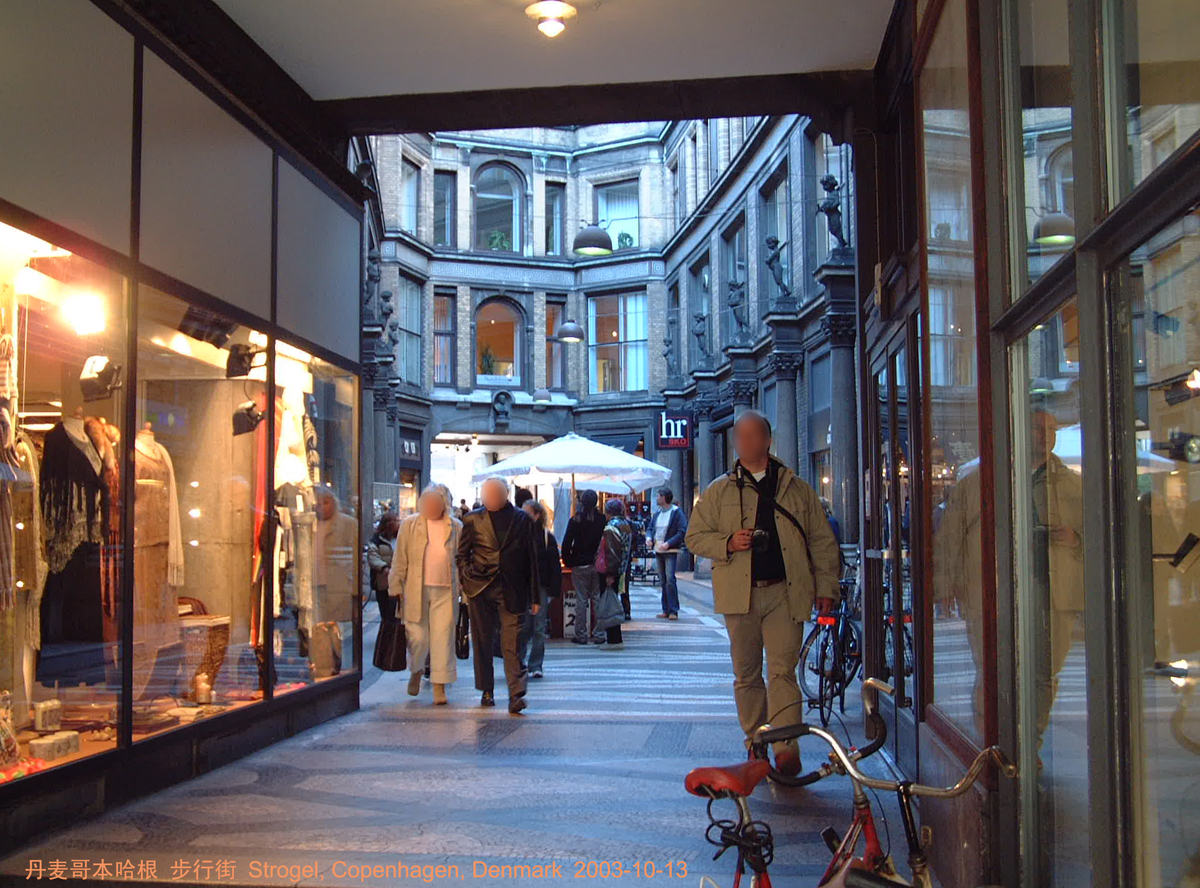
On November 17, 1962, Copenhagen did something that was considered borderline insane at the time: it closed one of its busiest city-centre streets to cars. Shopkeepers predicted economic ruin. Motorists called it madness. The city called it an experiment. Six decades later, Strøget is one of the longest pedestrian shopping streets in Europe at 1.1 kilometres, stretching from City Hall Square to Kongens Nytorv, and it transformed not just Copenhagen but urban planning worldwide.
The closure was inspired by German cities that had pedestrianised streets in postwar reconstruction, but Copenhagen took the idea further than anyone expected. Architect Jan Gehl began studying the new car-free zone in 1962, meticulously documenting how people used the space once cars disappeared. His findings — that pedestrian activity tripled, that people lingered, socialised, and spent more money — became the foundation of a global movement. Gehl's research influenced Melbourne, New York, Melbourne, and dozens of other cities to rethink their streets. Copenhagen's little experiment on Strøget essentially invented modern pedestrian urban design.
The street itself is actually five interconnected streets: Frederiksberggade, Nygade, Vimmelskaftet, Amagertorv, and Østergade. Each section has its own character, from the chain stores near City Hall to the luxury boutiques approaching Kongens Nytorv. The most beautiful stretch is Amagertorv, with its Renaissance-era buildings and the Stork Fountain, a popular meeting point since 1894. On a summer day, up to 80,000 people walk this single street.
What began as a temporary trial that nobody believed would work became permanent in 1964 and has since expanded into an entire network of car-free streets covering the medieval city centre. The shopkeepers who predicted bankruptcy now pay some of the highest rents in Scandinavia.
Verified Facts
Strøget was pedestrianised on November 17, 1962 as a temporary trial, made permanent in 1964
At 1.1 kilometres, it is one of the longest pedestrian shopping streets in Europe
Architect Jan Gehl's study of the car-free zone beginning in 1962 influenced pedestrianisation worldwide
Up to 80,000 people walk Strøget daily at the height of summer
Get walking directions
Strøget, 1100 København K