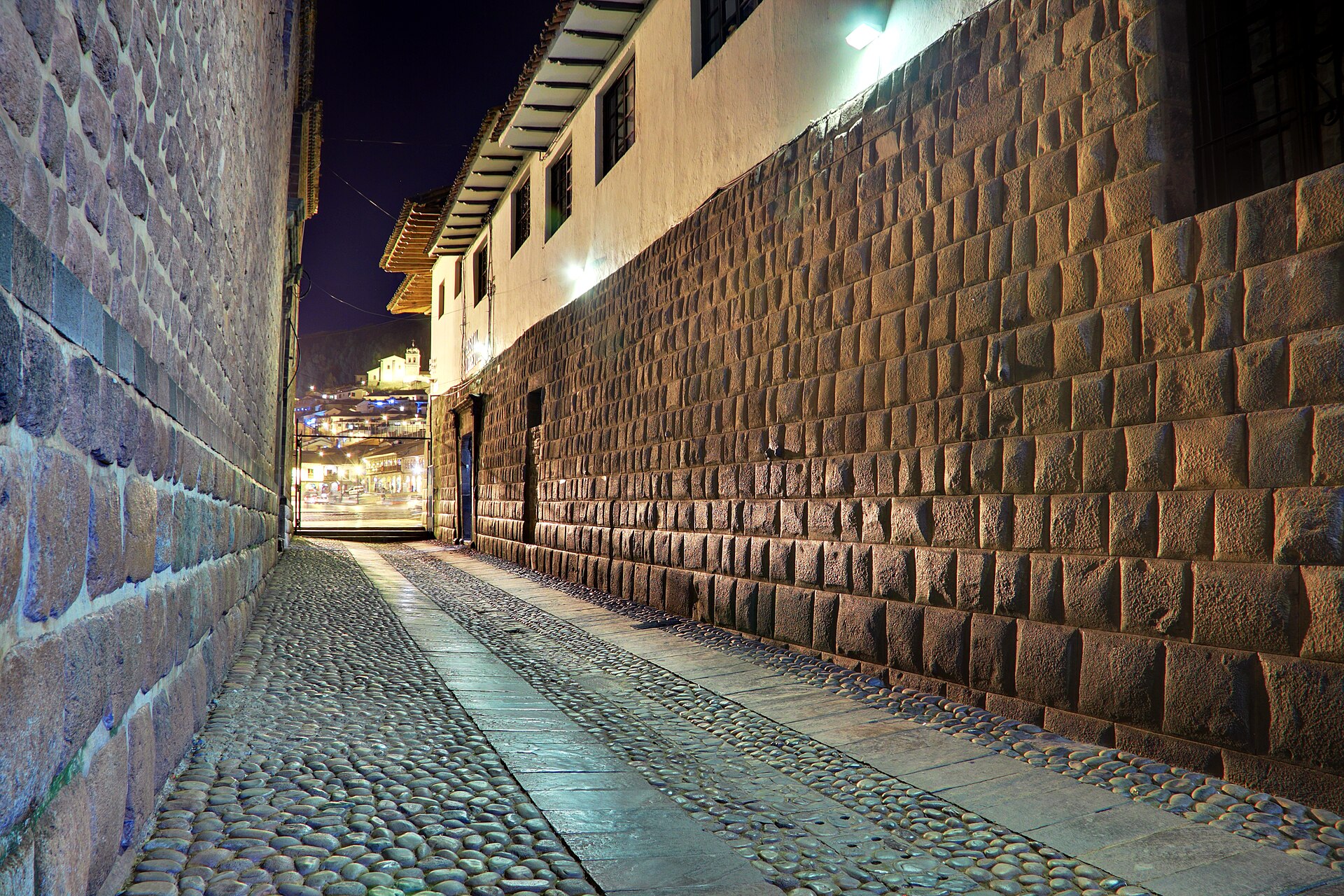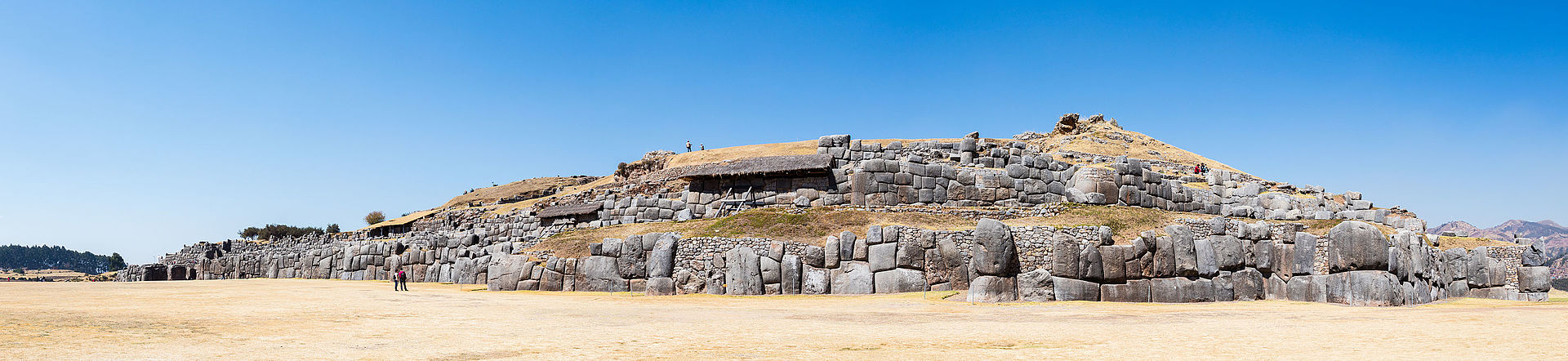
Sacsayhuamán is the most impressive Inca fortress in existence — a massive stone complex on the hillside above Cusco whose zigzag walls of precisely fitted megalithic blocks (some weighing over 100 tonnes) have defied explanation since the Spanish arrived and found them already ancient. The largest stones are over 8 metres tall and are fitted together without mortar so precisely that a knife blade cannot be inserted between them — a construction technique that modern engineering cannot fully replicate.
The fortress was the site of the last major Inca military resistance against the Spanish — the 1536 siege led by Manco Inca, in which thousands of Inca warriors attacked the Spanish garrison from the fortress walls in a battle that nearly succeeded in driving the conquistadors from Cusco. The battle was one of the bloodiest of the conquest, and the bodies of the dead are said to have attracted so many condors that Cusco's coat of arms still features the bird.
The site provides the best panoramic view of Cusco — looking down across the red-tiled roofs of the colonial city to the valley below, with the snow-capped Andes visible on clear days. The Inti Raymi festival is performed here every June 24, recreating the Inca sun ceremony with hundreds of performers in traditional costume in a spectacle that draws thousands of visitors. The walk from the Plaza de Armas to Sacsayhuamán (about 30 minutes uphill) is the city's most popular hike, though the altitude makes the climb challenging for newly arrived visitors.
Verified Facts
Some stones at Sacsayhuamán weigh over 100 tonnes
The siege of 1536 was led by Manco Inca against the Spanish
Inti Raymi is performed at Sacsayhuamán on June 24
The stones are fitted without mortar so precisely a blade cannot fit between them
Get walking directions
Sacsayhuamán, Cusco