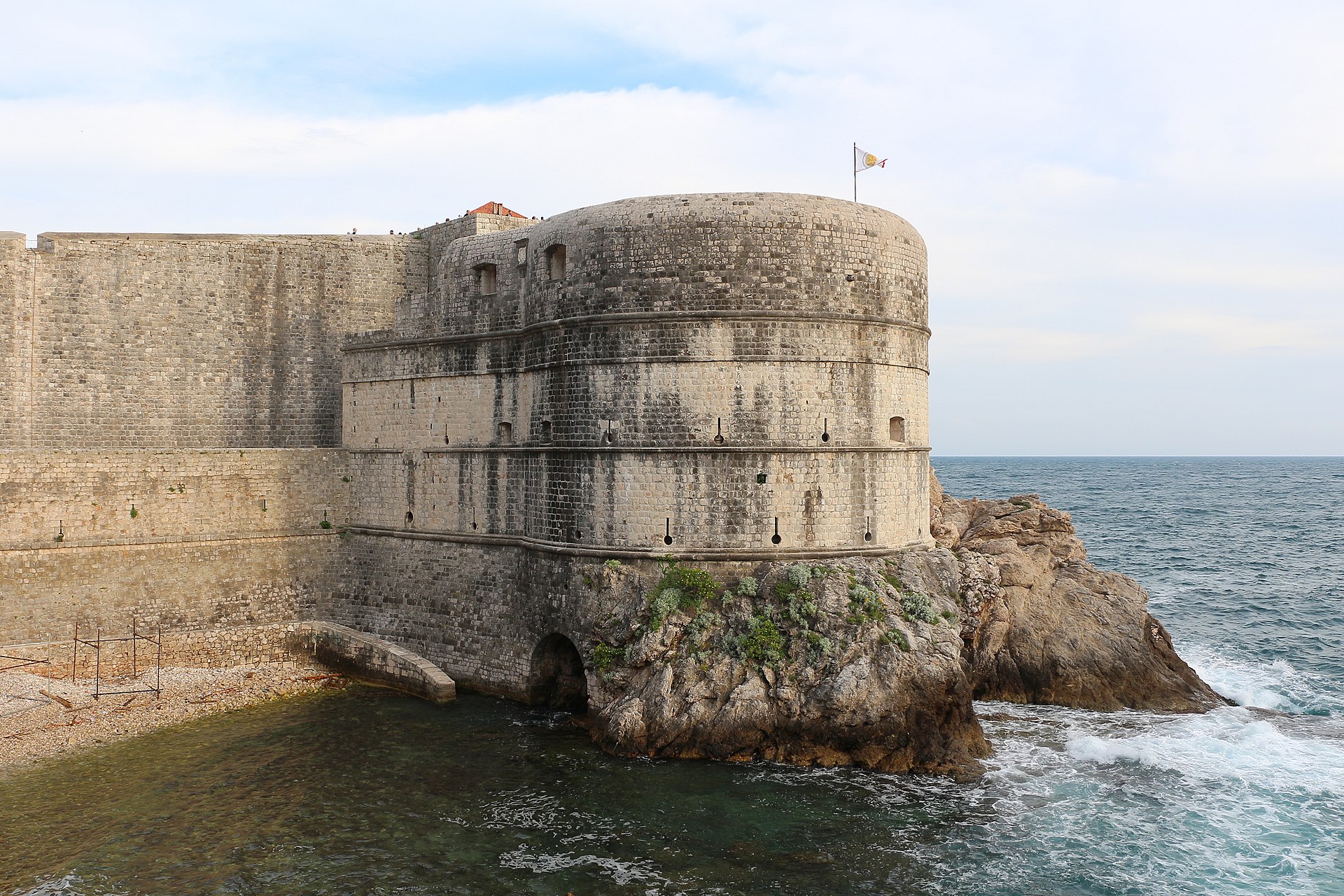
The Republic of Ragusa didn't just tolerate its monasteries — it weaponised them. When the Dominicans began building their monastery in 1225, the government insisted it be constructed against the northeastern city wall. Not beside it. Against it. The monastery was literally designed to strengthen the fortifications, its massive stone walls doubling as defensive architecture. Monks and soldiers, prayer and paranoia — Ragusa blurred the lines constantly.
The Gothic cloister, designed by Florentine architect Maso di Bartolomeo and built between 1456 and 1483, is one of the finest in the Adriatic. Triple arches frame a Mediterranean garden with a 14th-century well at its centre — a well that would prove its worth five centuries later. During the 1991 siege, when shelling knocked out the city's water supply, residents drew water from this medieval well for several hours each morning. It reportedly provided water to roughly half the besieged population. A piece of 14th-century infrastructure saving lives in a 20th-century war.
The monastery museum holds one of Croatia's most important art collections, including works by Nikola Božidarević, Lovro Dobričević, and a painting attributed to Titian. The collection spans from the 15th to 20th centuries and sits in rooms that feel more like a private gallery than a museum. The 15th-century polyptych by Božidarević, showing the Annunciation, is considered a masterpiece of the Dubrovnik school of painting.
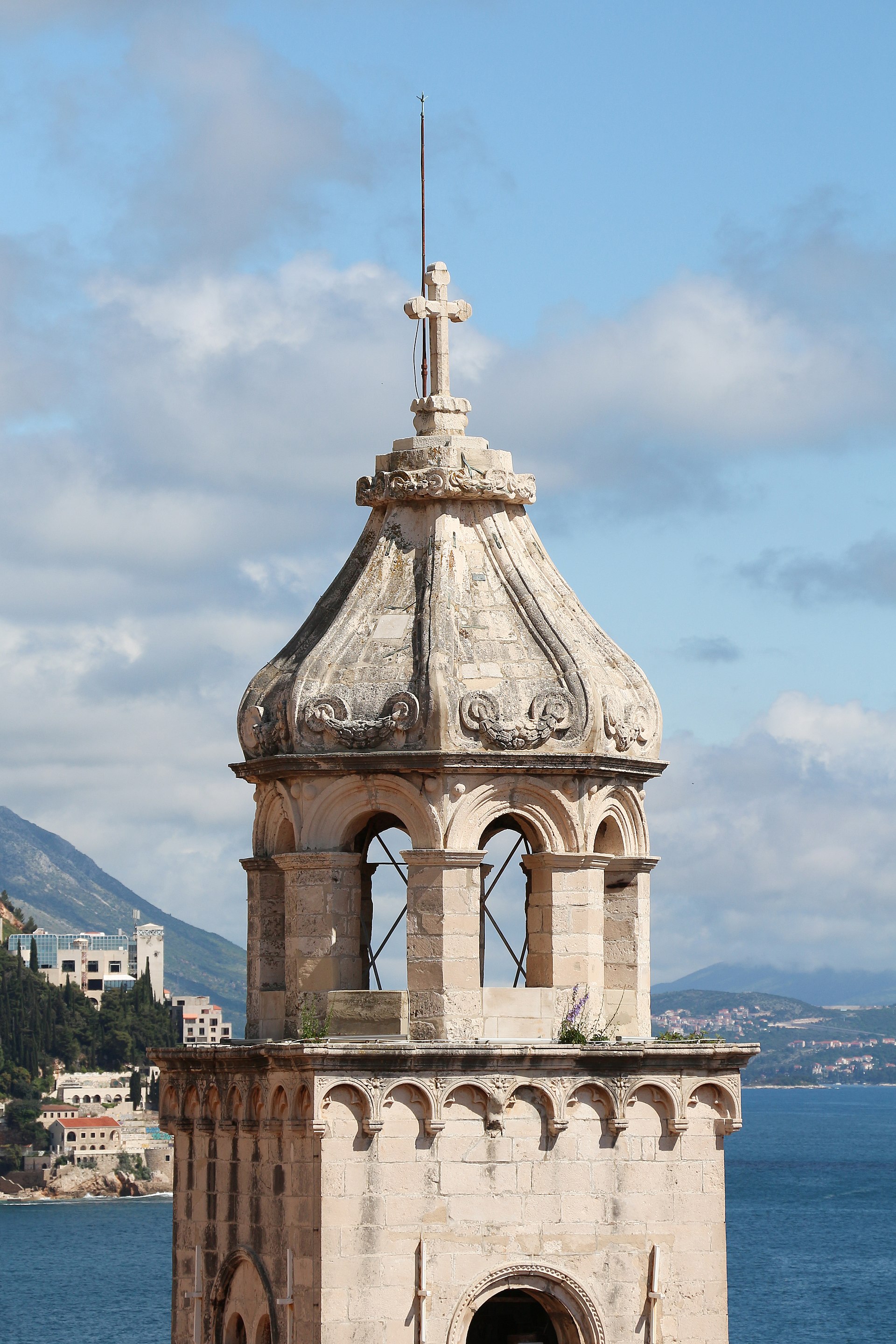
The bell tower, begun in the 16th century and completed in the 18th, is one of the tallest structures in the Old Town. The monastery also held one of the most important philosophy and theology centres in the region from 1390 until the 20th century. Underneath the academic prestige and the beautiful cloister, though, this place was always what the Republic intended it to be: a fortress disguised as a house of God.
Verified Facts
Construction began in 1225 and the monastery was built against the northeastern city wall to strengthen fortifications
The Gothic cloister was designed by Florentine architect Maso di Bartolomeo and built between 1456 and 1483
During the 1991 siege, the 14th-century well in the cloister provided water to approximately half the city's population
The monastery served as a centre of philosophy and theology from 1390 until the 20th century
Get walking directions
4 Svetoga Dominika, Grad, Dubrovnik, 20000, Croatia