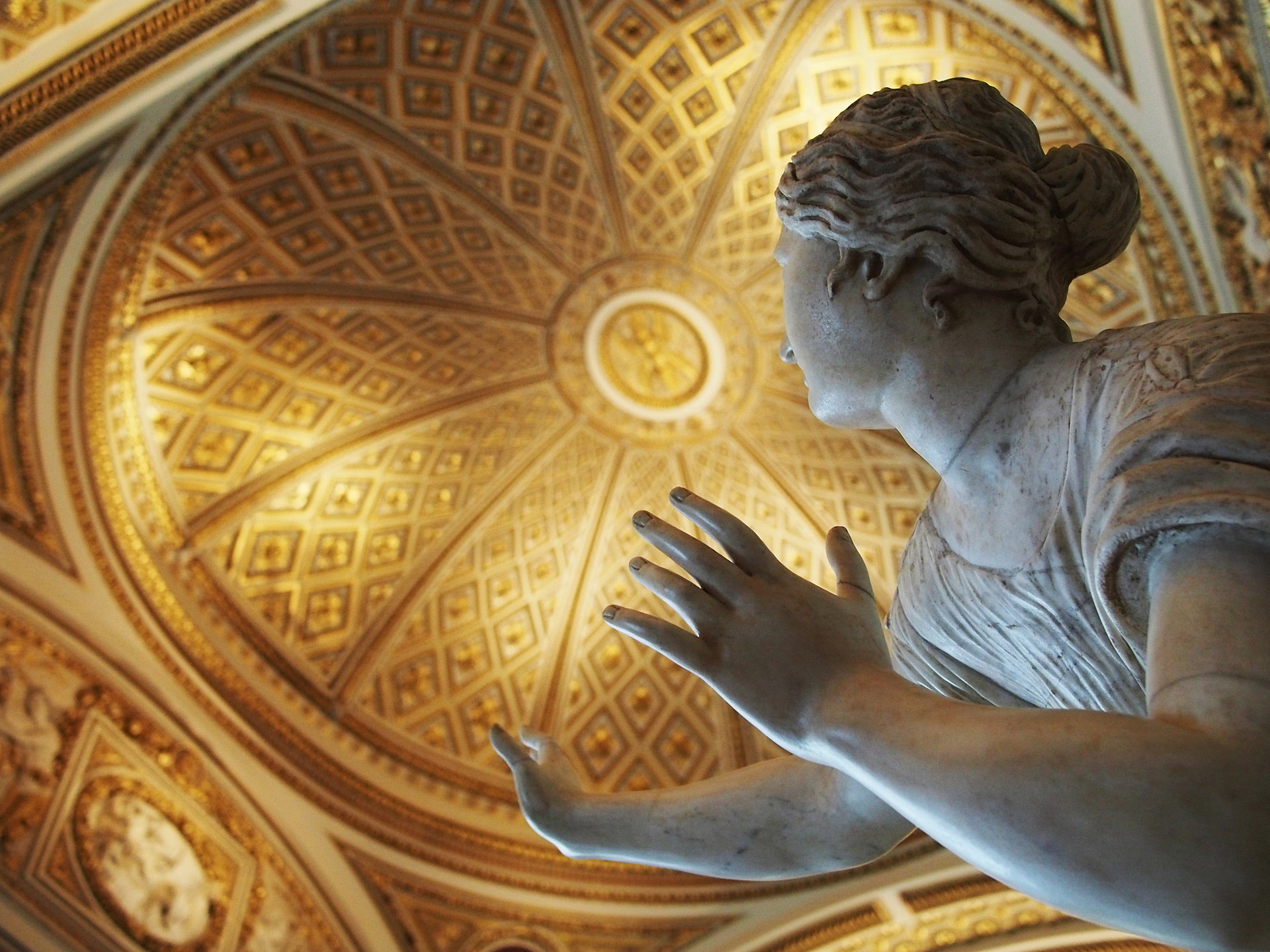
The name literally means "offices," which is the most spectacularly underselling name in art history. When Cosimo I de' Medici commissioned Giorgio Vasari in 1560 to build administrative headquarters for Florence's magistrates, he got something far grander than a bureaucratic filing cabinet. Vasari designed a U-shaped building with a secret corridor running above the rooftops to connect the Uffizi to the Palazzo Pitti across the river — so the Medici could commute home without exposing themselves to assassins or angry crowds.
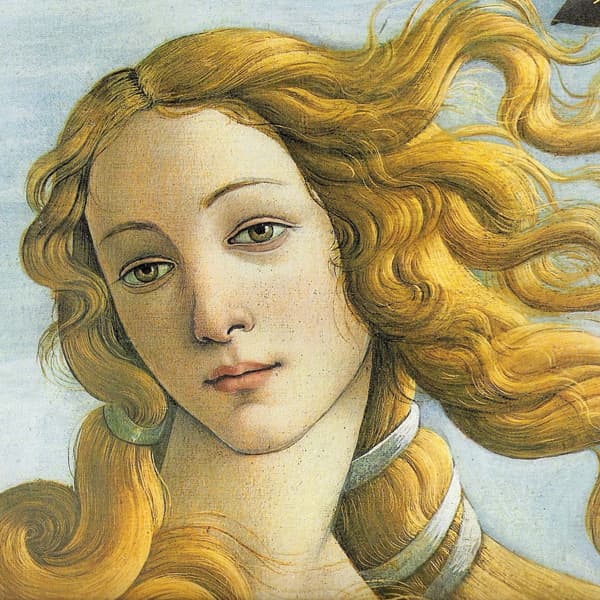
It was Cosimo's son Francesco I who really changed the game. More interested in art and alchemy than politics, he converted the top floor into a gallery space in 1581, creating what many consider the world's first modern art museum. The Medici family spent generations stuffing it with masterpieces — Botticelli's Birth of Venus, Caravaggio's Medusa, Titian's Venus of Urbino. When the last Medici heir, Anna Maria Luisa, died in 1743, she left the entire collection to Florence on one condition: none of it could ever leave the city.
That clause, known as the Patto di Famiglia, is the reason this collection still exists in Florence today instead of scattered across European royal courts. The gallery was opened to visitors by request in the sixteenth century and became officially public in 1769. Today it houses over 2,500 works spanning from the Gothic period through the Baroque.
Walking through the Uffizi is essentially walking through the birth of the Renaissance in chronological order — from the flat, gold-leafed saints of Cimabue to the revolutionary depth and emotion of Giotto, and onwards to the explosive genius of Leonardo, Raphael, and Michelangelo.
Verified Facts
The Uffizi was commissioned in 1560 by Cosimo I de' Medici as government offices and designed by Giorgio Vasari
Francesco I de' Medici converted the top floor into a gallery in 1581, creating arguably the world's first modern museum
Anna Maria Luisa de' Medici's 1743 Patto di Famiglia ensured the entire art collection could never leave Florence
The gallery was officially opened to the public in 1769
Get walking directions
6 Piazzale degli Uffizi, Centro Storico, Florence, 50122, Italy