Heian Shrine is a two-thirds-scale replica of the original Imperial Palace from 794, built in 1895 to celebrate Kyoto's 1,100th anniversary as capital. The massive vermillion torii gate on the approach road is one of the largest in Japan at 24 metres tall, and the shrine's deliberate recreation of Heian-period architecture gives you the closest thing to seeing what Kyoto's original palace looked like before it burned down for the umpteenth time.
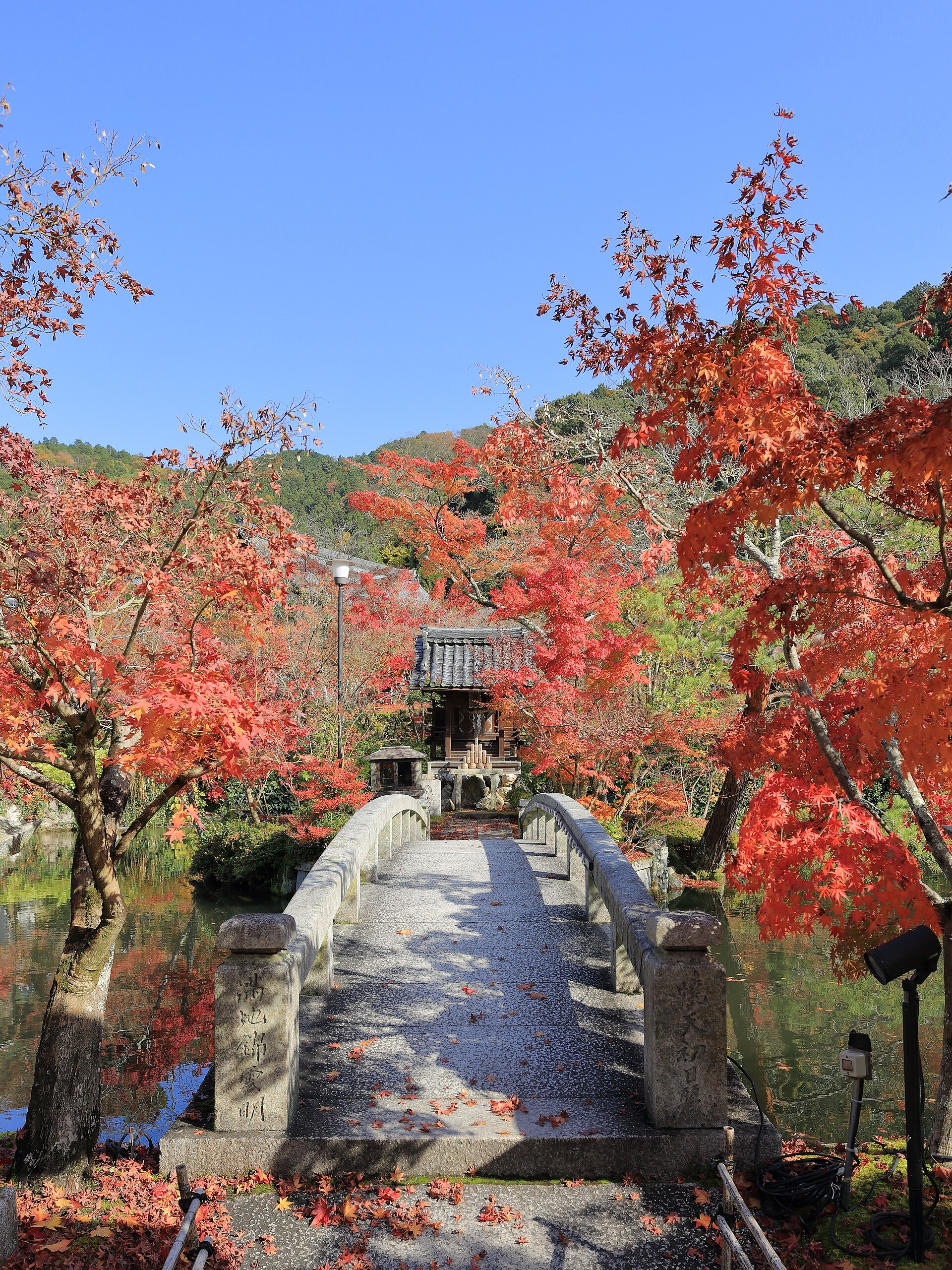
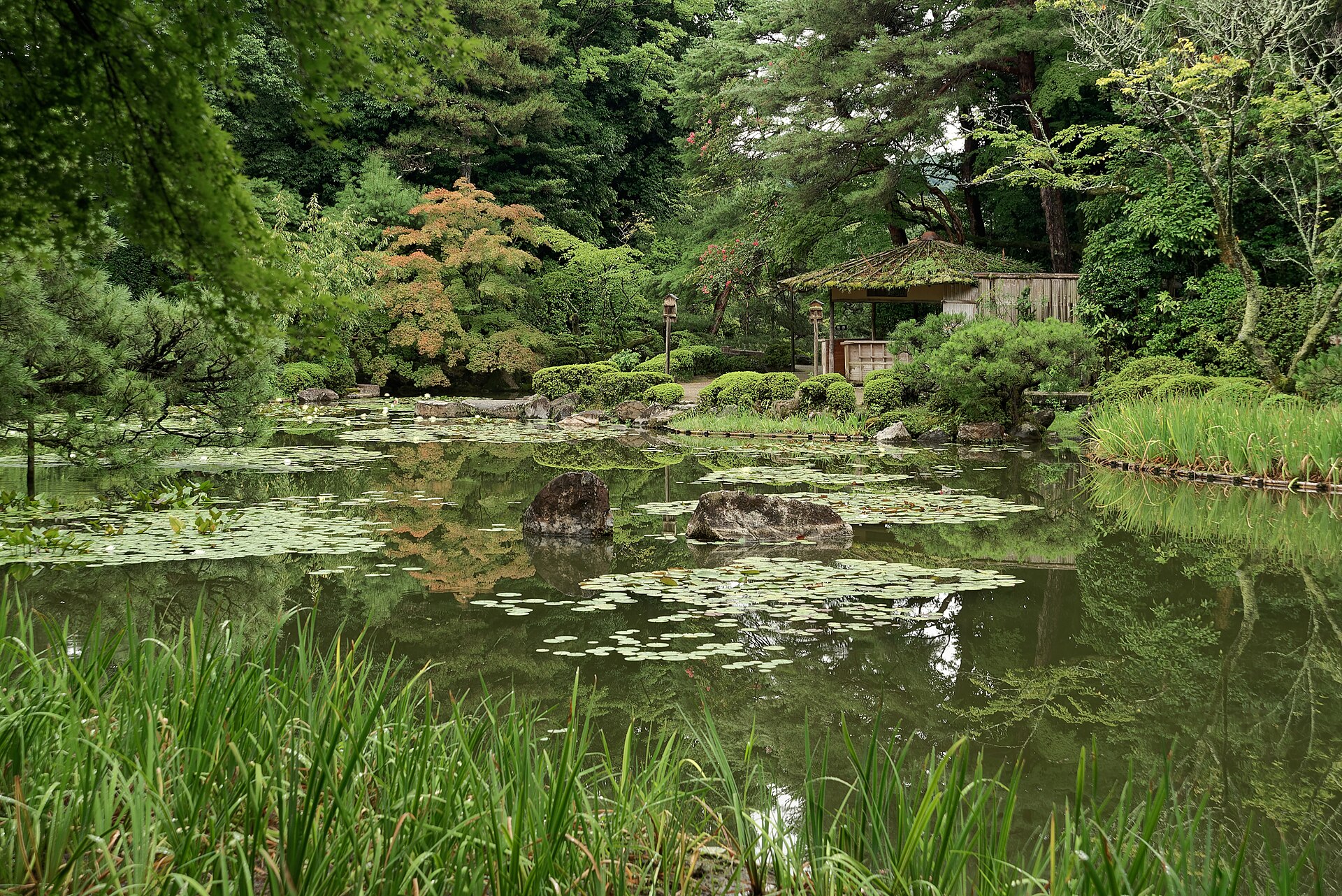
The shrine itself is relatively modern by Kyoto standards, but the gardens behind it are extraordinary. The four connected gardens — designed by the legendary 7th-generation gardener Ogawa Jihei — cover 33,000 square metres and represent different aspects of Japanese garden design. The stepping stones across the pond in the central garden are made from the pillars of two bridges that once spanned the Kamo River — recycled 16th-century engineering repurposed as garden architecture.
In early April, the weeping cherry trees in the gardens explode into cascades of pink that are among the most photographed blossoms in Japan. The Jidai Matsuri (Festival of the Ages) starts at Heian Shrine every October 22nd — a parade of 2,000 people in historical costumes representing every period of Kyoto's history, from the 8th century to the 19th. It's essentially a living textbook of Japanese fashion and takes two hours to pass any single point.
Verified Facts
Heian Shrine was built in 1895 to celebrate Kyoto's 1,100th anniversary
The shrine is a partial-scale replica of the original Heian-era Imperial Palace
The torii gate is approximately 24 metres tall
The gardens cover 33,000 square metres
The Jidai Matsuri involves approximately 2,000 participants in historical costumes
Get walking directions
97 Nishitennocho, Okazaki, Sakyo Ward, Kyoto