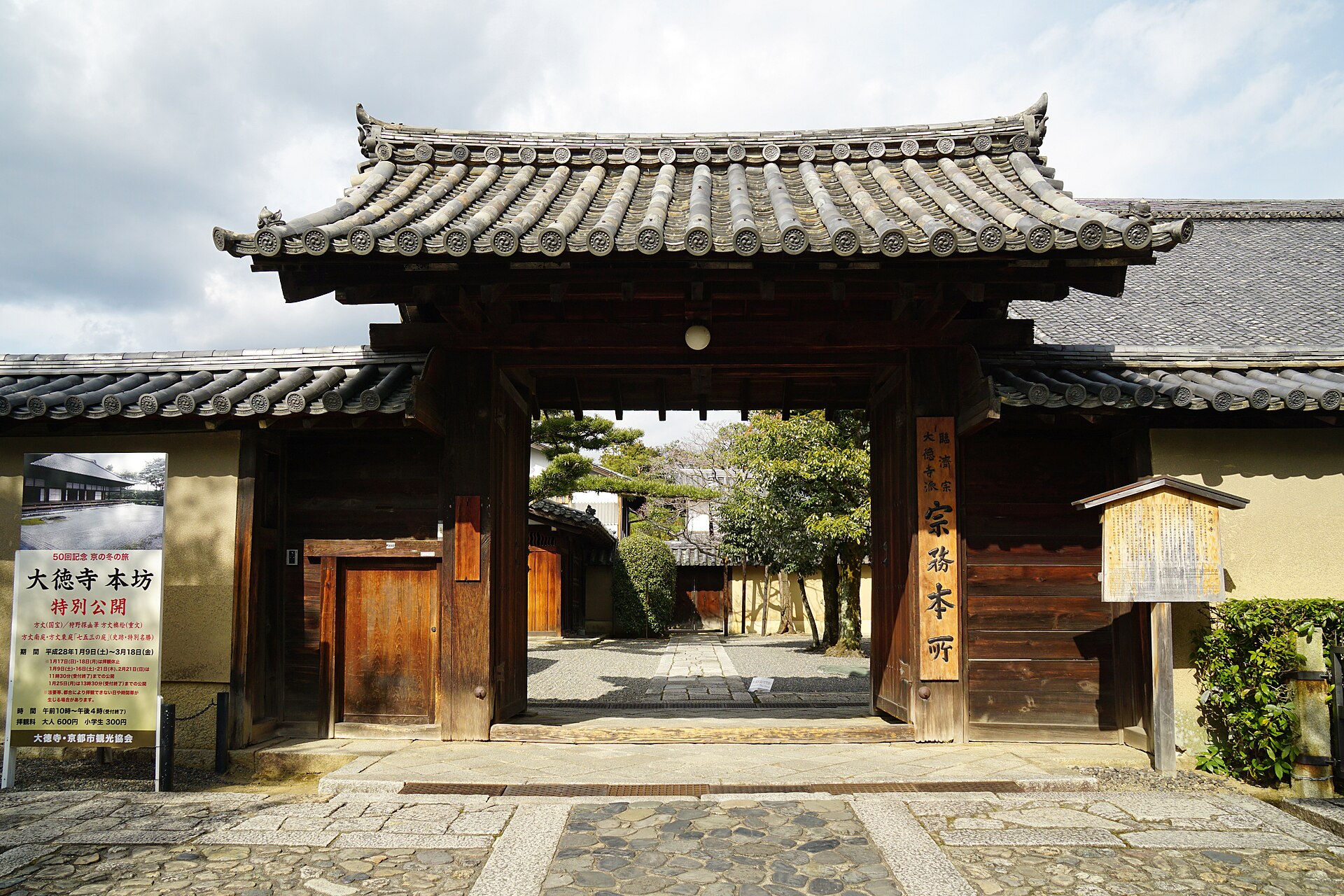
Nanzen-ji is where Zen Buddhism meets a Roman aqueduct, and somehow it works. The massive sanmon gate — one of the three great gates of Japan — towers over the entrance at 22 metres, and you can climb to the top for a panoramic view of the temple grounds and northern Kyoto. But the strangest and most photogenic thing at Nanzen-ji is the Suirokaku, a brick aqueduct that cuts through the temple grounds like a piece of 19th-century infrastructure lost in the wrong century.
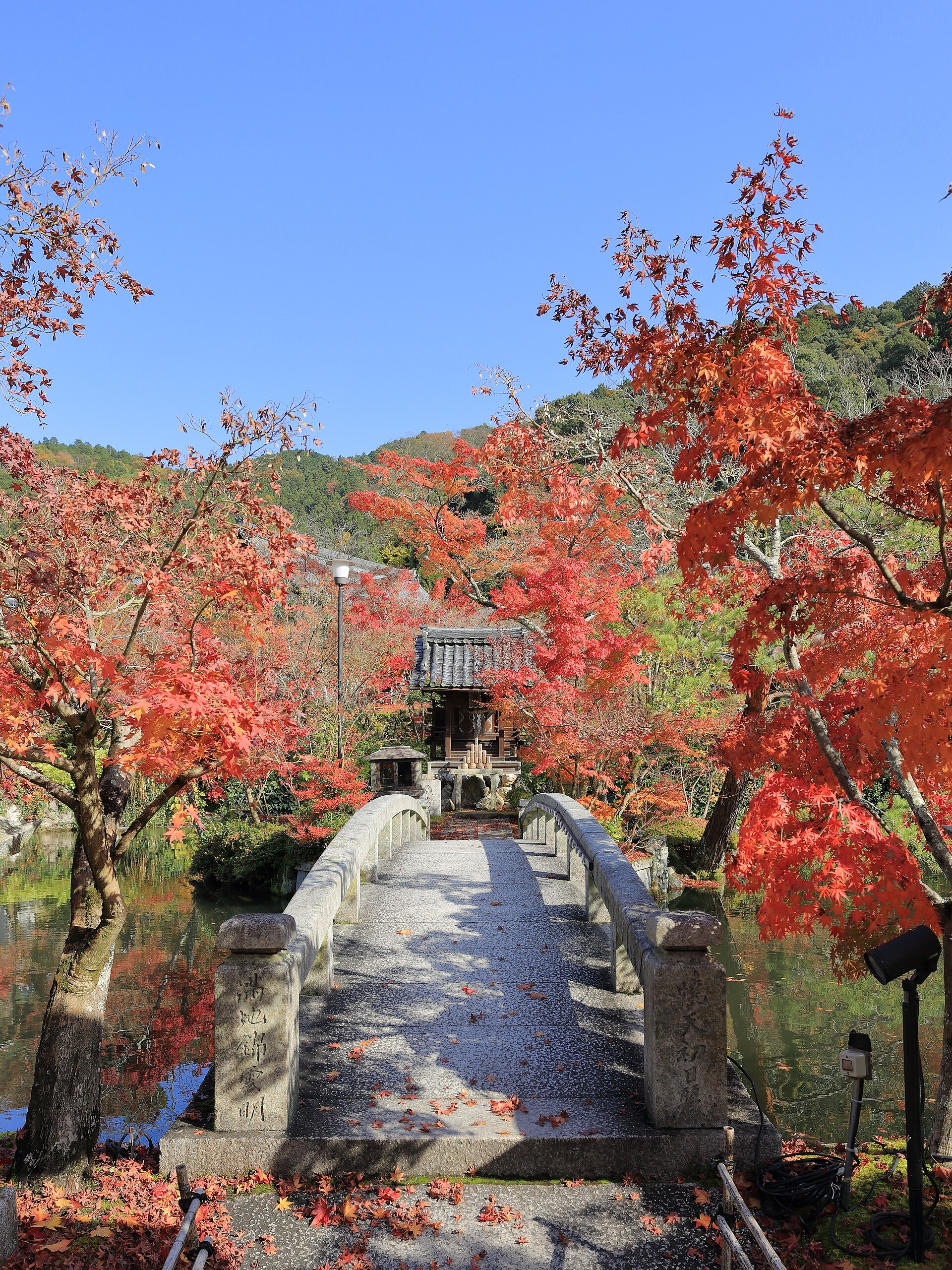
The aqueduct was built in 1890 to carry water from Lake Biwa to Kyoto as part of a modernisation project, and the Meiji government simply built it through the temple grounds without much concern for aesthetic harmony. A hundred years later, the brick arches overgrown with moss and maple leaves have become one of Kyoto's most atmospheric spots — a collision of industrial engineering and Zen tranquillity that's become beautiful precisely because it shouldn't work.
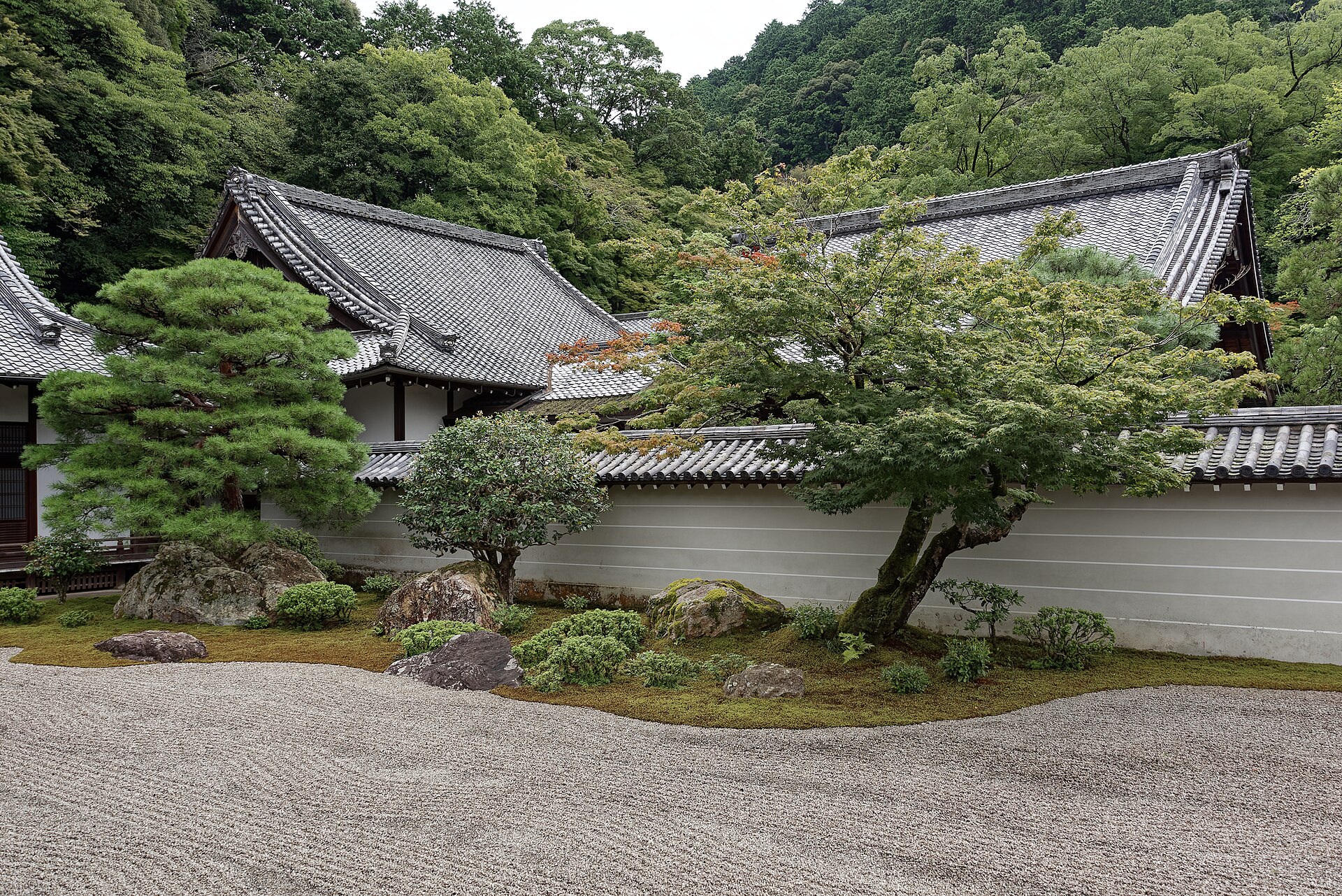
The temple itself is the head of one of Japan's major Zen sects, and the sub-temples are worth exploring. Tenjuan has a moss garden and pond garden side by side, showing two different approaches to the same spiritual idea. Konchi-in has a rock garden attributed to the great garden designer Kobori Enshū. And the main hall has fusuma (sliding door) paintings by Kanō Tan'yū that are national treasures. Most of the sub-temples charge a small separate fee, which keeps crowds thin — you can find genuine solitude here at a temple that's technically in the middle of the city.
Verified Facts
The sanmon gate is 22 metres tall and considered one of Japan's three great gates
The Suirokaku aqueduct was built in 1890 to carry water from Lake Biwa
Nanzen-ji is the head temple of the Nanzen-ji branch of Rinzai Zen Buddhism
Konchi-in's garden is attributed to the garden designer Kobori Enshū
Get walking directions
Nanzenji Fukuchicho, Sakyo Ward, Kyoto