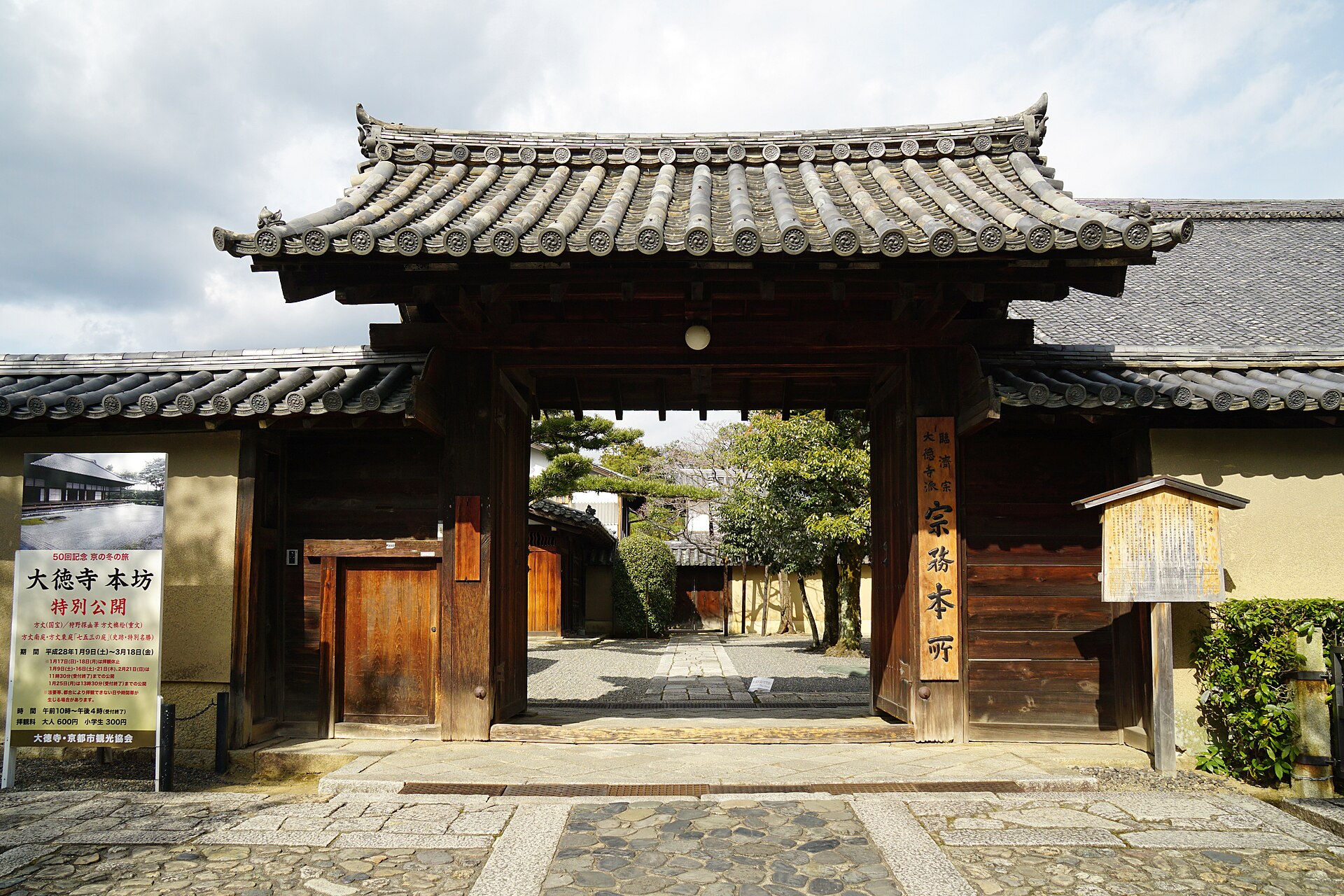
Tenryū-ji is the most important temple in Arashiyama and a UNESCO World Heritage site, but most visitors walk straight past it on their way to the bamboo grove without realising that the garden inside is one of the oldest and finest in Japan. Designed in 1339 by Musō Soseki — a monk-gardener whose influence on Japanese garden design is roughly equivalent to Shakespeare's influence on English literature — the garden has survived 700 years of fires, wars, and reconstruction almost unchanged.
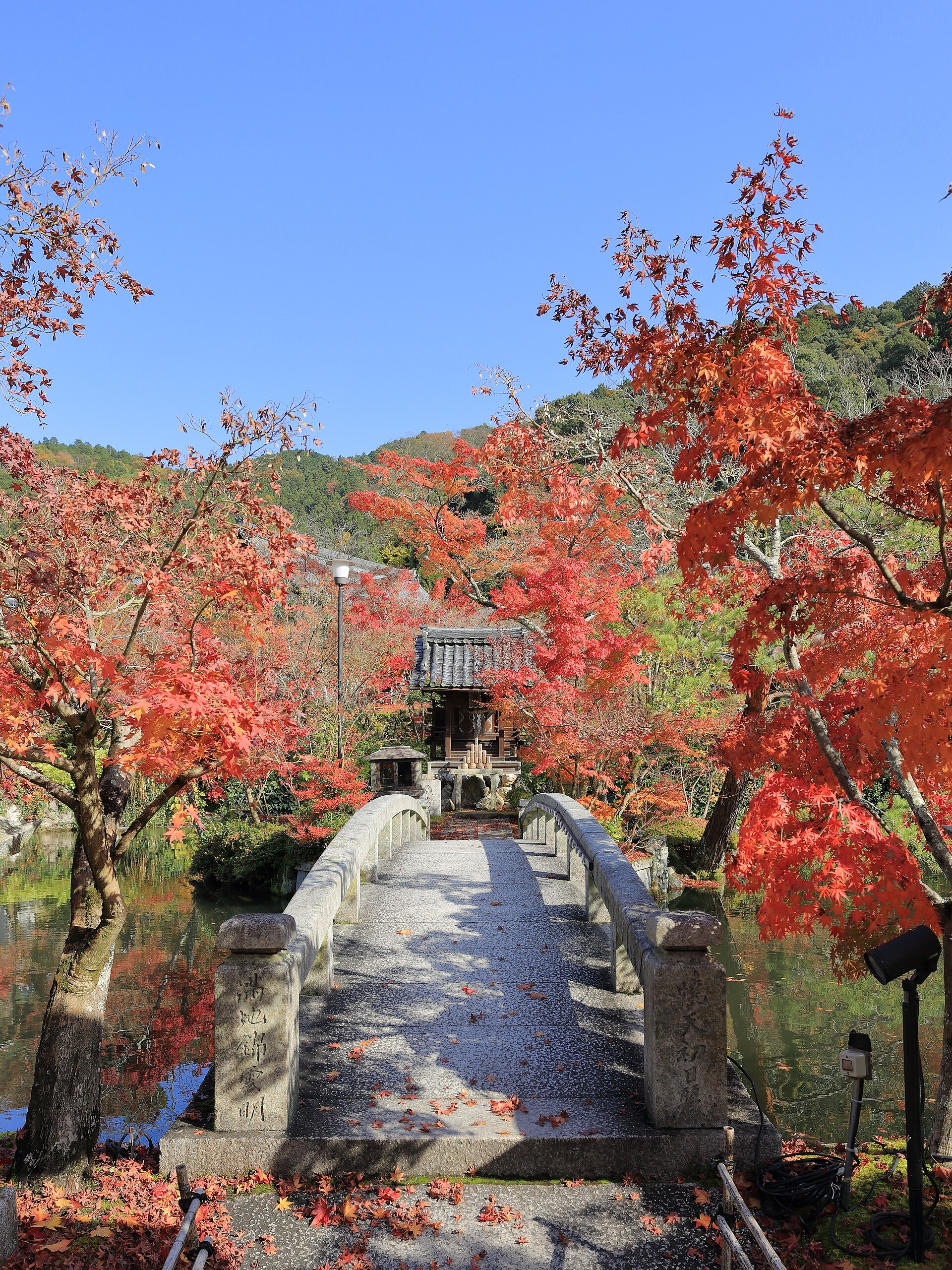
The garden is designed to be viewed from the veranda of the abbot's hall, and the composition is extraordinary. The pond in the foreground has a stone bridge arrangement representing a dragon ascending to heaven. The borrowed scenery (shakkei) technique incorporates the Arashiyama mountains behind the garden as if they were part of the design — the slopes of Mount Arashi and Mount Kameyama become the garden's backdrop, blurring the line between cultivated art and wild nature.
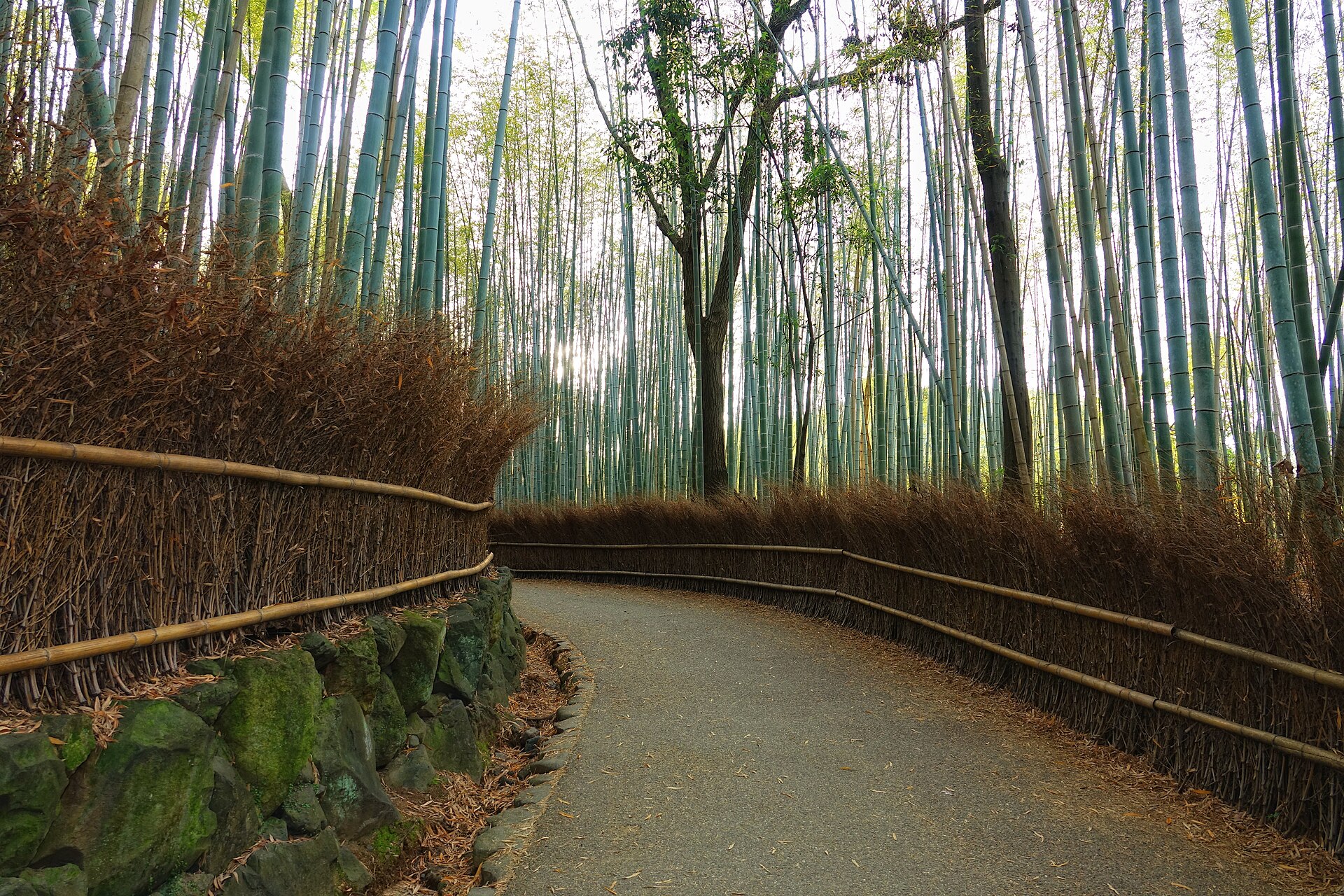
The temple has burned down eight times — a record even by Kyoto standards — and what you see today mostly dates from the Meiji period, except for the garden, which has been lovingly maintained through every disaster. The north exit leads directly into the bamboo grove, making Tenryū-ji the natural starting point for an Arashiyama walk. The temple vegetable garden near the exit also runs a restaurant serving shōjin ryōri — traditional Buddhist vegetarian cuisine — that's one of the most accessible places in Kyoto to try this ancient style of cooking.
Verified Facts
Tenryū-ji is a UNESCO World Heritage site
The garden was designed by Musō Soseki in 1339
The temple has burned down eight times throughout its history
The garden uses borrowed scenery (shakkei) incorporating the Arashiyama mountains
Get walking directions
68 Sagatenryujisusukinobabacho, Ukyo, Kyoto, 616-8385, Japan