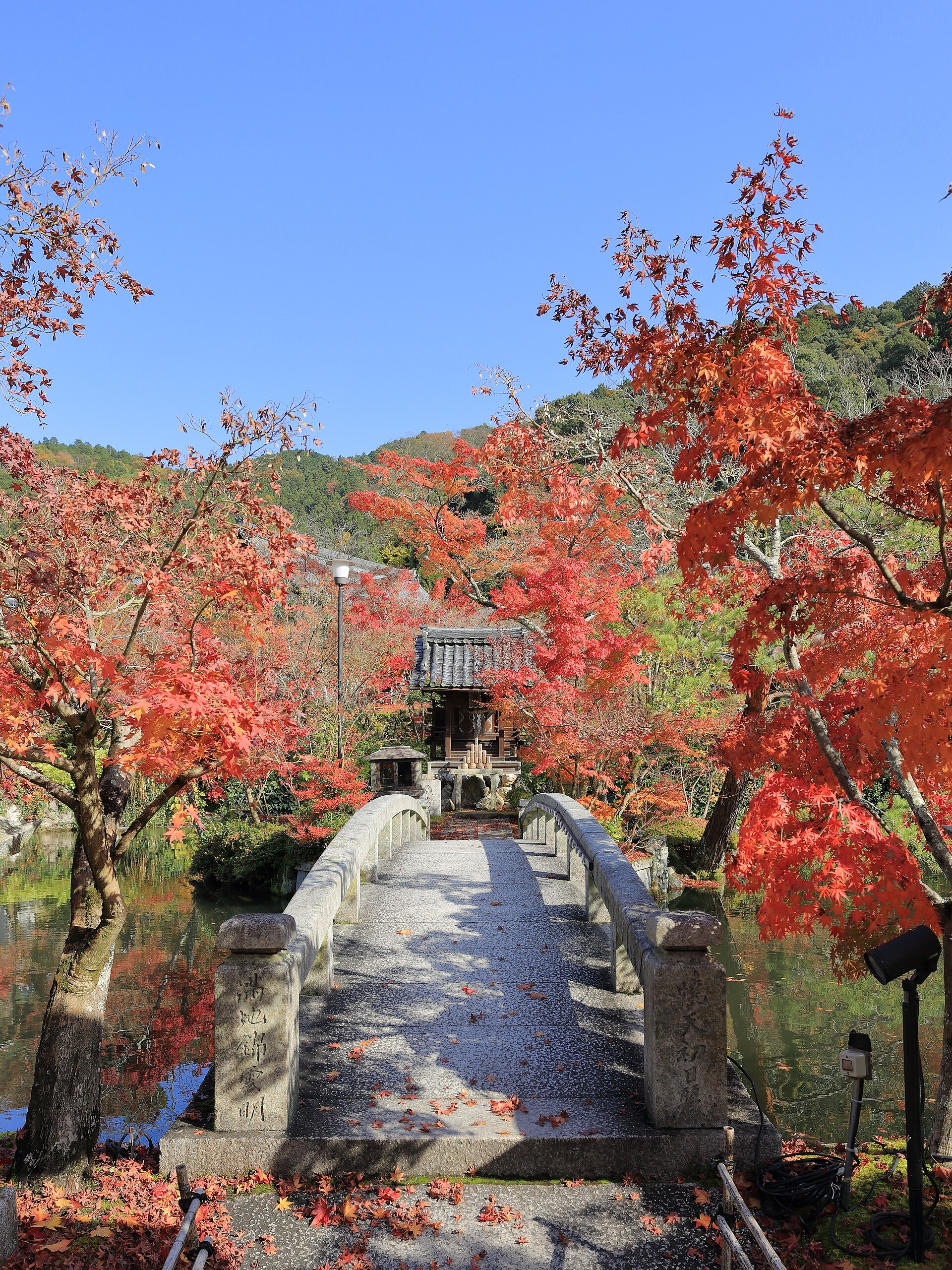
Tōfuku-ji is Kyoto's autumn temple. When the 2,000 maple trees in its valley turn red in late November, the view from the Tsūten-kyō bridge is so overwhelmingly beautiful that the temple had to ban photography on the bridge to keep people moving. That rule tells you everything about how spectacular this place is in peak season.
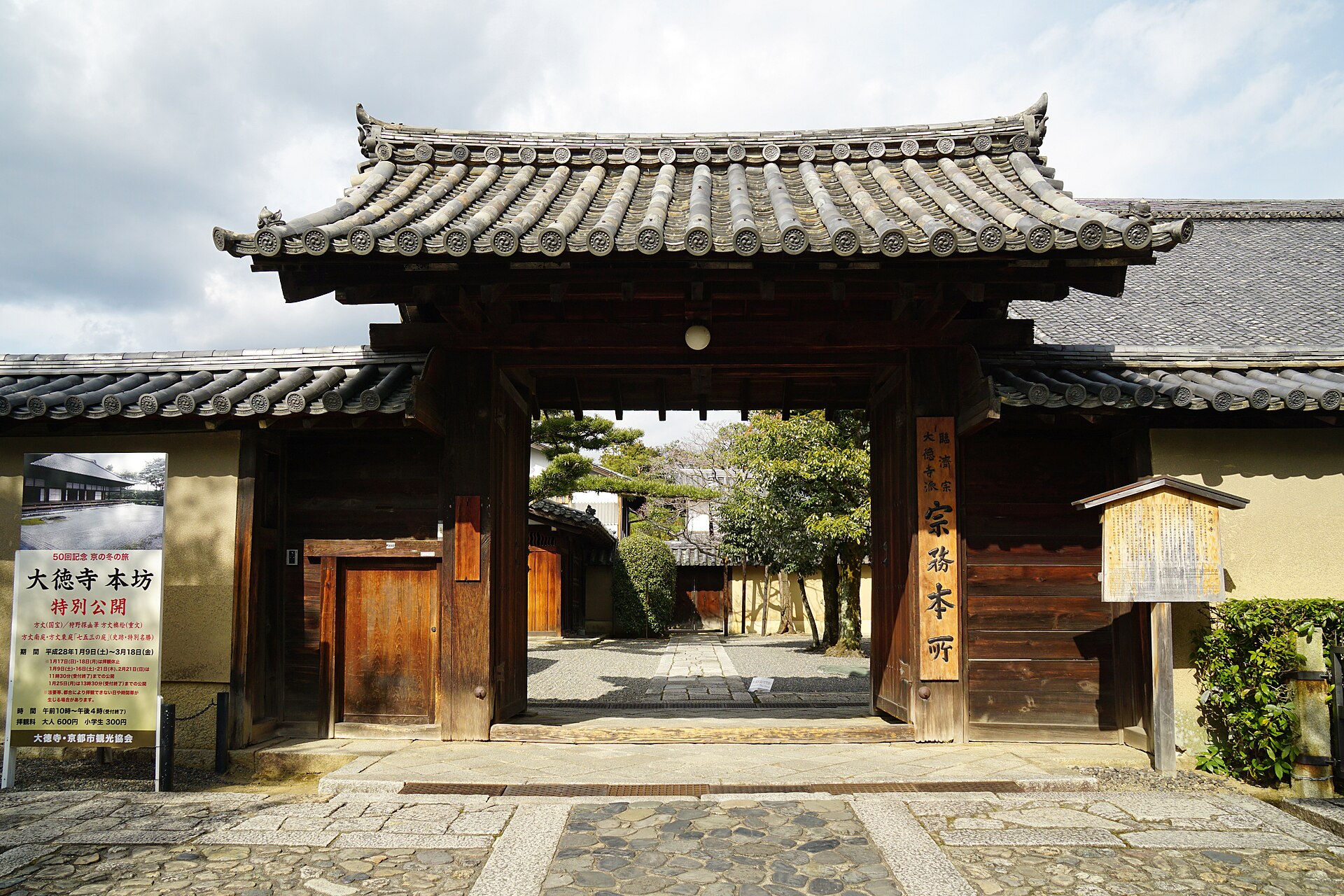
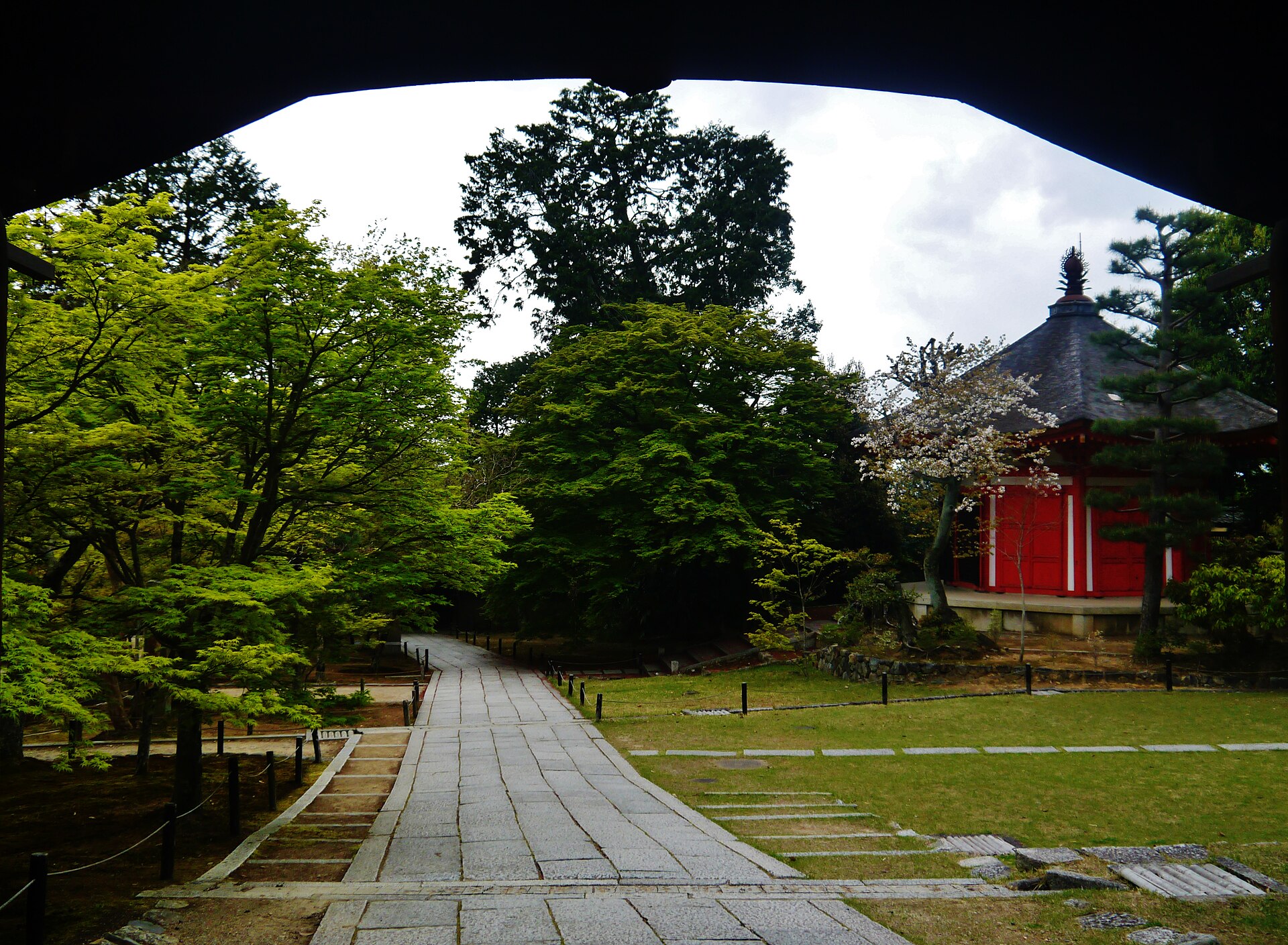
The temple was founded in 1236 and was once one of the most powerful Zen institutions in Japan, with 53 sub-temples. Today about 25 remain, scattered through a complex that feels like a small town of meditation halls, rock gardens, and ancient wooden buildings connected by covered walkways. The main hall is one of the largest Zen buildings in Japan, and the sanmon gate — rebuilt in the 15th century — is the oldest Zen gate in the country.
The real treasures are the gardens. The Hōjō gardens, designed by Shigemori Mirei in 1939, are a radical reimagining of the traditional Zen garden — one uses moss and paving stones arranged in a checkerboard pattern that looks startlingly modern. Another abstracts the Big Dipper constellation into stone arrangements. Mirei's work here proved that Zen garden design could evolve without losing its soul, and these gardens are now considered among the most important in 20th-century Japan. Come in autumn if you can time it, but come in any season and the gardens alone justify the visit.
Verified Facts
Tōfuku-ji was founded in 1236
The temple grounds contain approximately 2,000 maple trees
Photography was banned on the Tsūten-kyō bridge during autumn
The Hōjō gardens were designed by Shigemori Mirei in 1939
The sanmon gate is the oldest Zen gate in Japan
Get walking directions
15-778 Honmachi, Higashiyama Ward, Kyoto