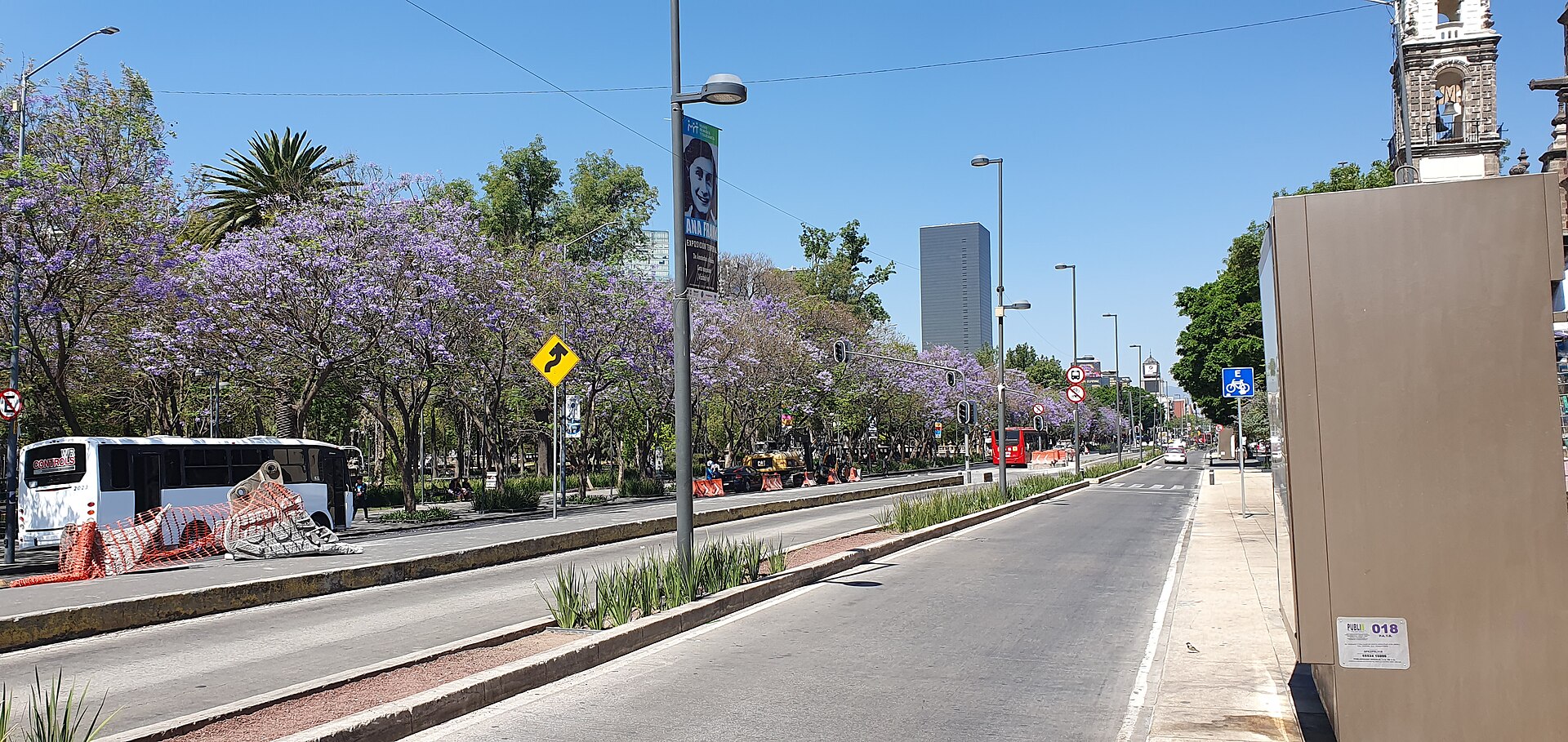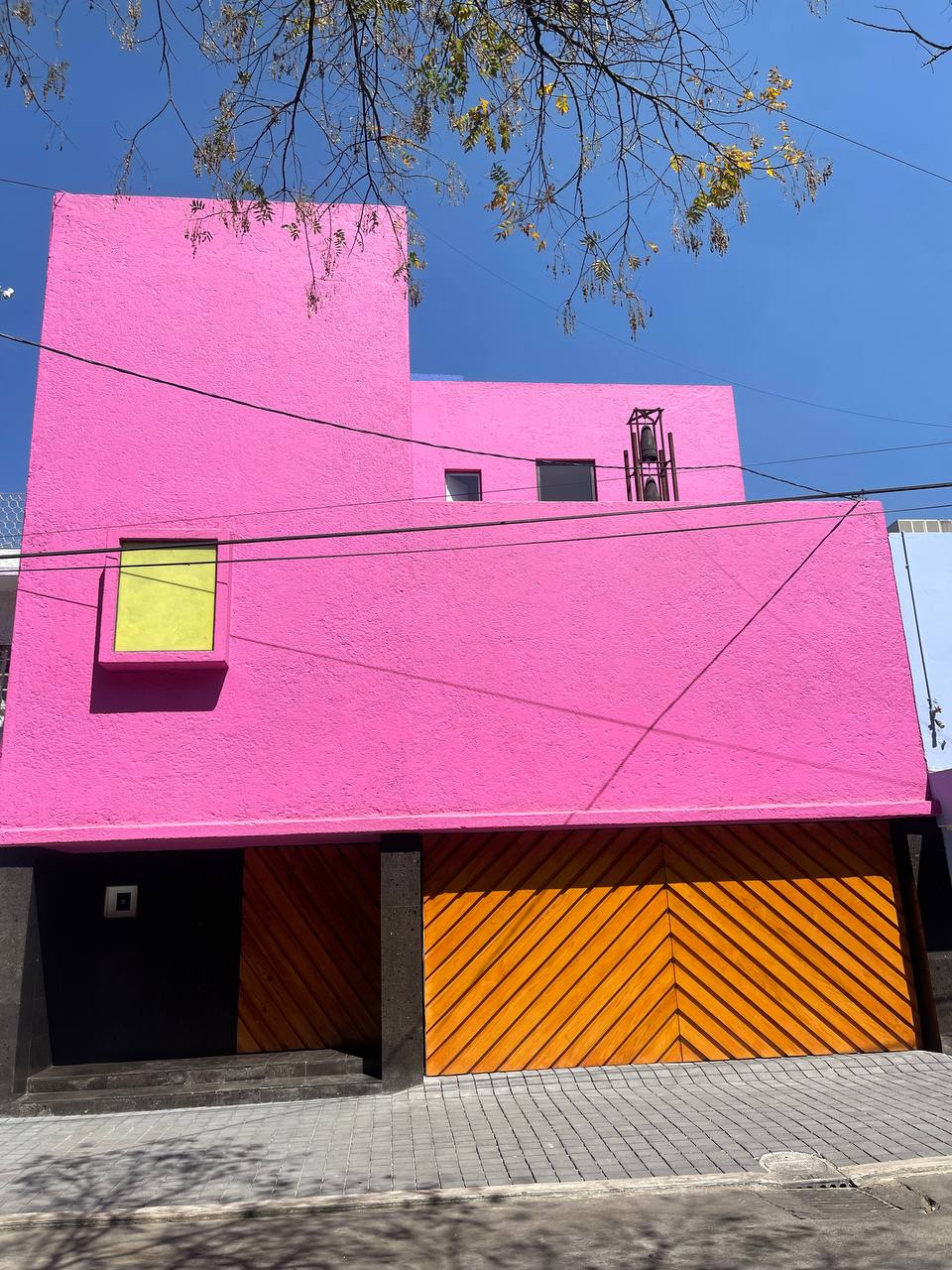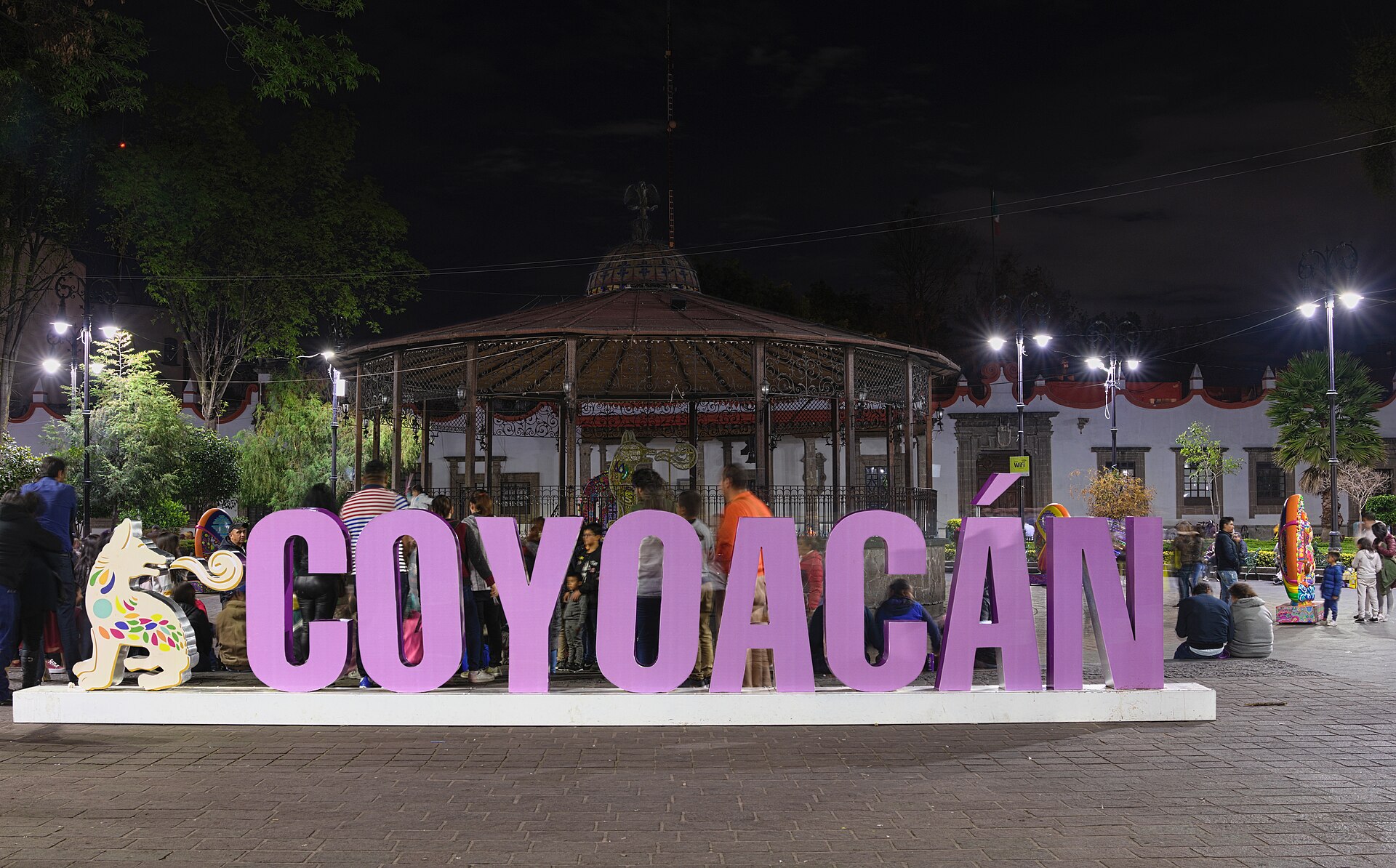
Coyoacán is Mexico City's most charming neighbourhood — a colonial-era village that was once separate from the capital and still feels like a small town despite being surrounded by 22 million people. The cobblestone streets, the tree-shaded plazas, the colourful houses with bougainvillea cascading over garden walls — Coyoacán has the atmosphere of a provincial Mexican town that happens to contain the Frida Kahlo Museum, the Leon Trotsky Museum, and some of the best food in the city.
The central plaza, Jardín Centenario, is the neighbourhood's living room — a square shaded by enormous trees, anchored by the 16th-century San Juan Bautista Church, and surrounded by cafés and restaurants with outdoor seating where the Saturday and Sunday afternoon crowd can extend a lunch well into the evening. The Coyoacán Market (Mercado de Coyoacán) is a few blocks south and serves tostadas, tlacoyos, quesadillas, and the fresh fruit waters (aguas frescas) that are Mexico's answer to everything.
Hernán Cortés established his headquarters in Coyoacán after the conquest of Tenochtitlan in 1521, and the neighbourhood's colonial architecture dates to that period. The Casa de Cortés (now the local government offices), the Jardín Hidalgo, and the narrow streets connecting the plazas preserve a colonial scale and rhythm that the rest of Mexico City's relentless development has erased. The neighbourhood is also where Leon Trotsky lived in exile until his assassination in 1940 — his house, preserved as a museum with the study where he was killed, is one of the most chilling historical sites in the city.
Verified Facts
Coyoacán was originally a separate village from Mexico City
Hernán Cortés established his headquarters here after conquering Tenochtitlan in 1521
Leon Trotsky was assassinated in his Coyoacán home in 1940
The San Juan Bautista Church dates to the 16th century
Get walking directions
Coyoacán, Mexico