São Bento is a working railway station that doubles as one of the finest azulejo galleries in Portugal. The entrance hall is covered in approximately 20,000 hand-painted blue and white tiles, installed between 1905 and 1916 by artist Jorge Colaço, depicting scenes from Portuguese history — battles, royal processions, rural life, and the evolution of transport from horse to train.
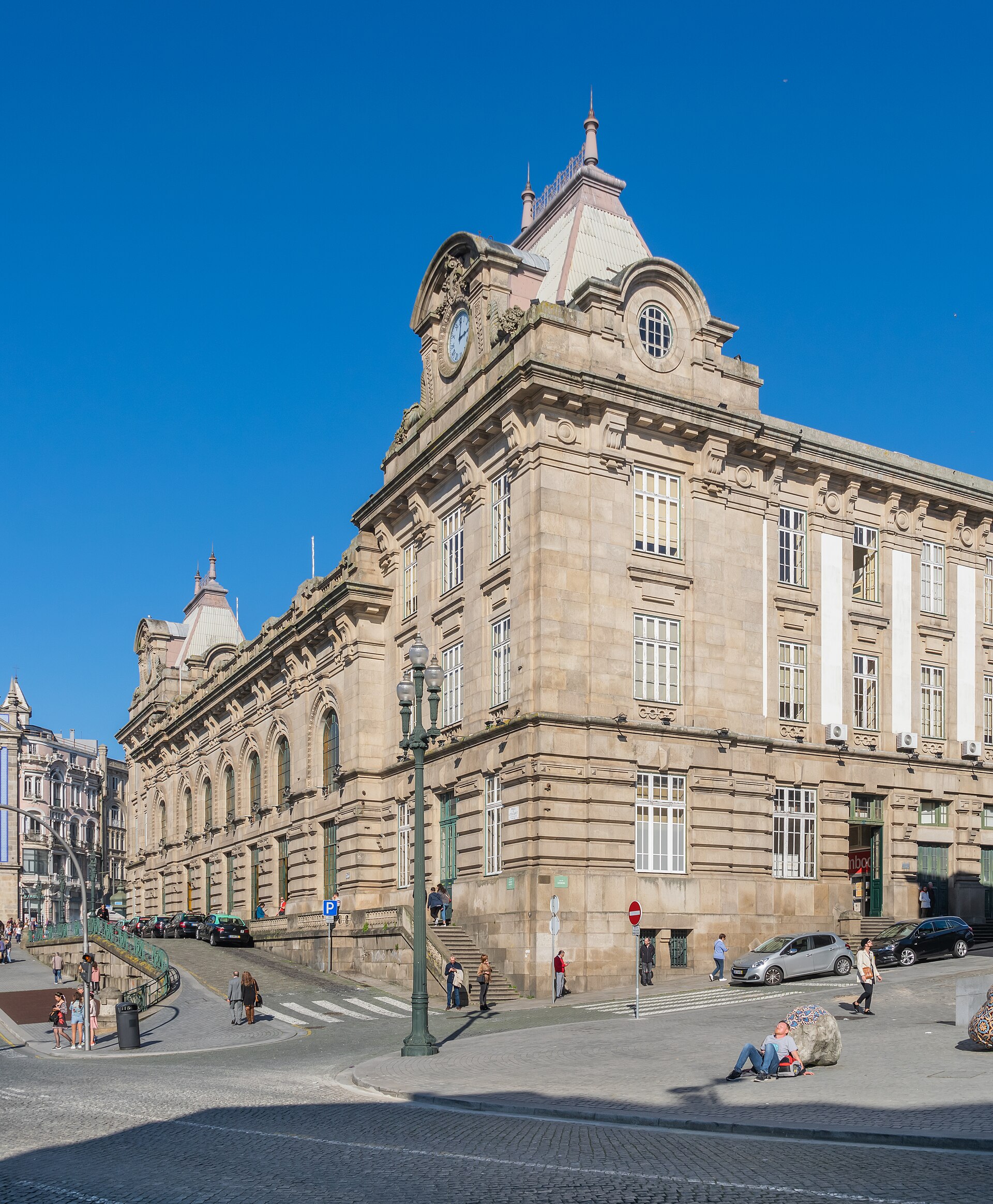
The station was built on the site of a Benedictine monastery (São Bento means Saint Benedict), and it opened in 1916 after 20 years of construction. The exterior is Beaux-Arts — grand, French-influenced, slightly pompous — but the interior is pure Portugal. The tiles tell stories with a cinematic sweep: the Battle of Valdevez in 1140, the arrival of King João I in Porto for his wedding, the conquest of Ceuta in 1415. Each panel is a masterclass in azulejo art, where a limited palette of blue on white creates depth, drama, and detail that rivals oil painting.
The station is still very much in use — commuter trains depart from the platforms behind the tile hall — which means you can admire 20,000 tiles of national history while people rush past you to catch the 9:47 to Aveiro. It's free to enter, centrally located, and best photographed in the morning when the light from the upper windows hits the tiles at an angle that makes the blue glow.
Verified Facts
São Bento station contains approximately 20,000 azulejo tiles
The tiles were painted by Jorge Colaço between 1905 and 1916
The station was built on the site of a former Benedictine monastery
The station opened in 1916 after approximately 20 years of construction
Get walking directions
Praça de Almeida Garrett, Porto