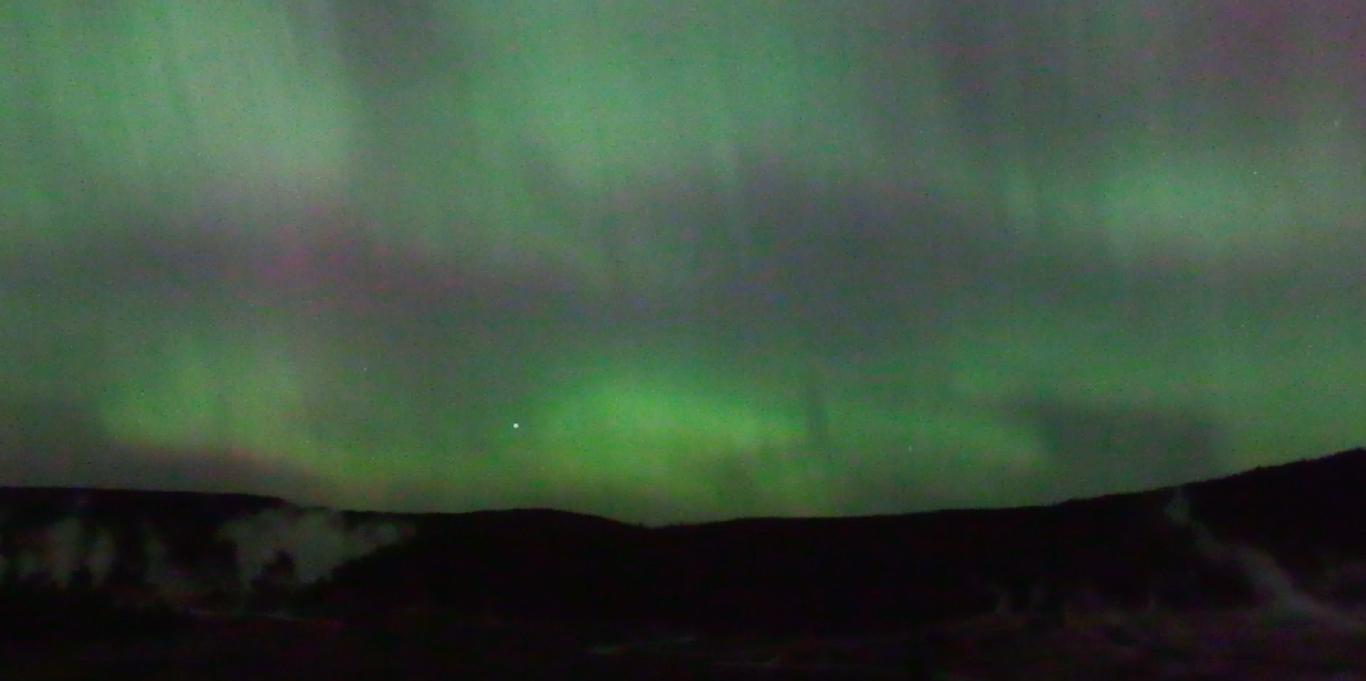
The Northern Lights (Aurora Borealis) are visible from Reykjavik and the surrounding countryside from September through March — curtains of green, purple, and white light that ripple across the sky when charged particles from the sun interact with the Earth's magnetic field. Iceland's position just below the Arctic Circle makes it one of the best places in the world to see the aurora, and the combination of dark winter skies, minimal light pollution outside the city, and the volcanic landscape creates viewing conditions that are among the most dramatic available.
The lights are unpredictable — they depend on solar activity, cloud cover, and magnetic conditions — and the Icelandic Met Office issues a daily aurora forecast that becomes the most-consulted piece of information in the country during winter. Viewing from within Reykjavik is possible (from Grótta lighthouse or the harbour area) but is hampered by city light; the best viewing is 30-60 minutes outside the city.
The counterpart experience is the midnight sun — from mid-May to late July, the sun barely sets (remaining above the horizon for 24 hours around the June solstice), and the perpetual twilight-golden light that bathes Reykjavik during the summer nights creates a different kind of natural spectacle. The midnight sun golf tournament (played at midnight under natural light) and the Secret Solstice music festival are celebrations of the light that darkness-accustomed Icelanders treat as a seasonal gift.
Verified Facts
The Northern Lights are visible from September through March
Iceland sits just below the Arctic Circle
The sun remains above the horizon for 24 hours around the June solstice
The Icelandic Met Office issues daily aurora forecasts
Get walking directions
Various viewing locations, Reykjavik & surrounds