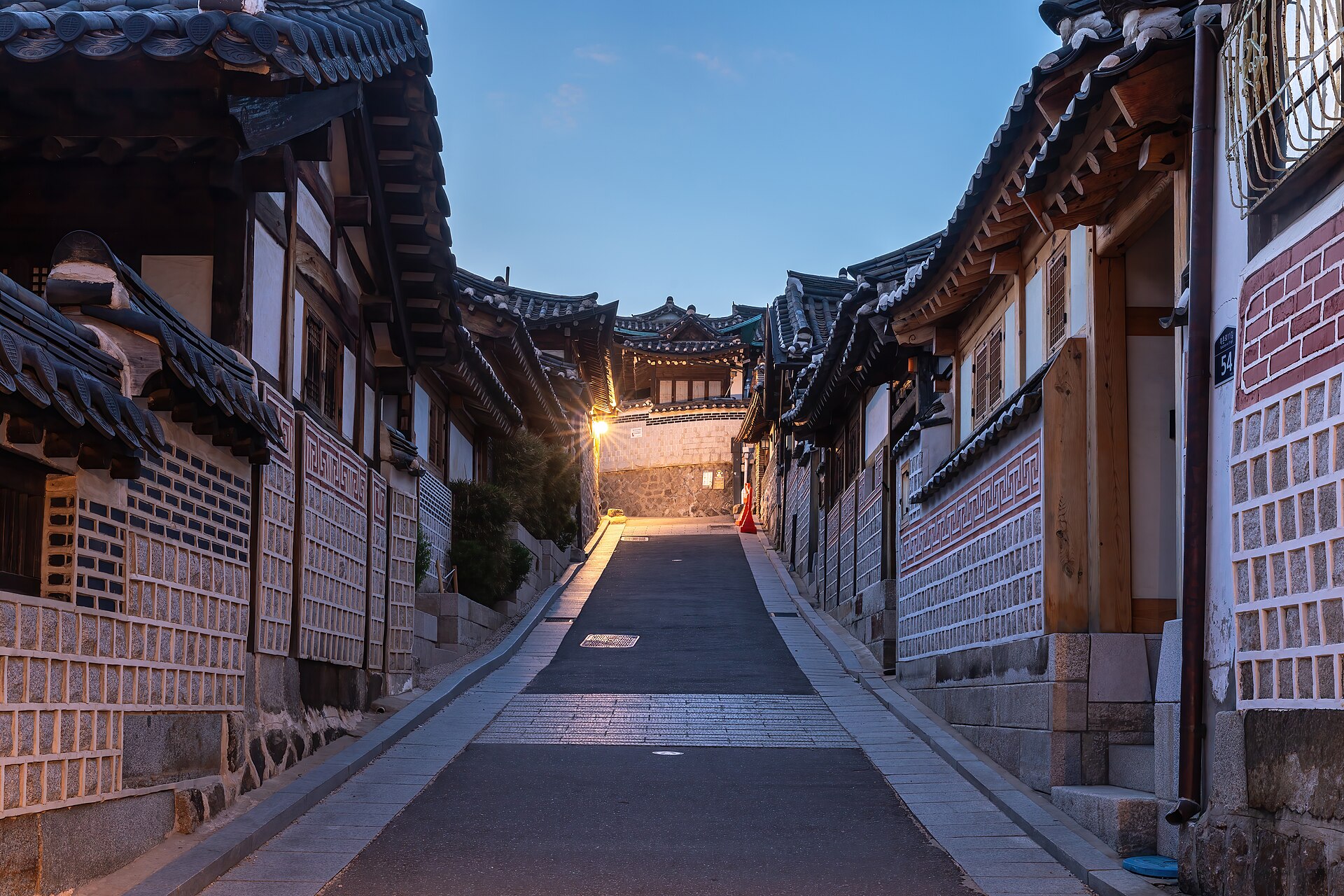
Bukchon Hanok Village is a hillside neighbourhood of 600-year-old traditional Korean hanok houses wedged between two palaces — Gyeongbokgung to the west and Changdeokgung to the east — and it is simultaneously one of Seoul's most photographed attractions and a residential neighbourhood where actual people live, a tension that has made it one of the most debated tourism management challenges in the city.
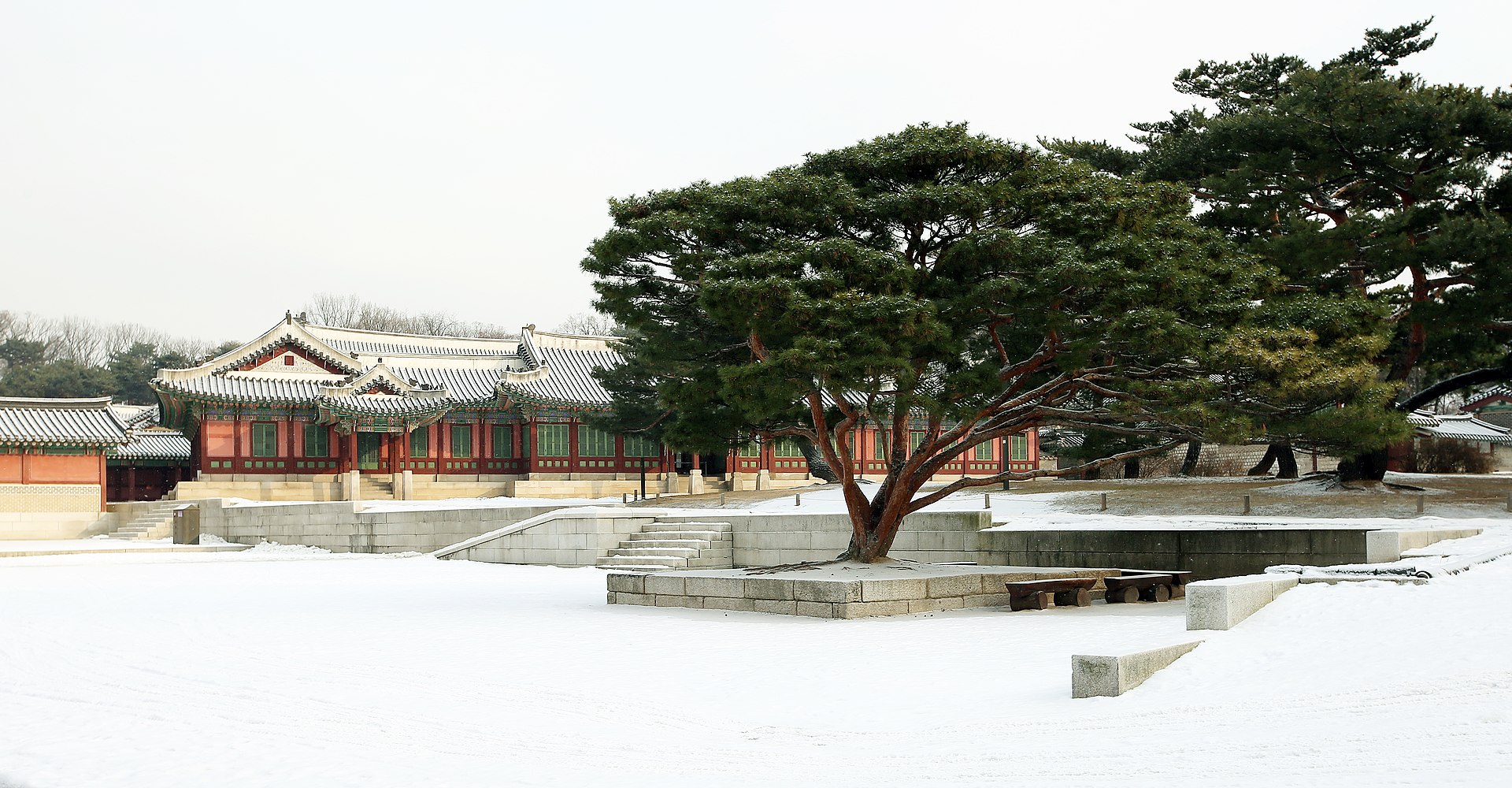
The hanok houses — single-storey wooden structures with curved tile roofs, ondol (underfloor heating) systems, and courtyards that create a play of light and shadow throughout the day — were traditionally the homes of Joseon-era nobility and government officials who needed to live close to the palaces. About 900 hanok remain, and the narrow alleys climbing the hillside between them create a streetscape that looks essentially unchanged from the 19th century, with the exception of the tourists filling every available sightline.
The best approach is from the top — take the steep alley up from Anguk Station, walk through the Bukchon-ro 11-gil viewpoint (the classic photo spot where the hanok rooftops cascade downhill with the city skyline behind), and descend through the quieter eastern alleys toward Changdeokgung. Noise restrictions are posted throughout (this is a residential area, and the residents have been vocal about tourist disruption), and the most rewarding visits are early morning ones, before the tour buses arrive. Several hanok have been converted into guesthouses, tea houses, and craft workshops, and sleeping in a traditional hanok — on a yo mattress on the heated ondol floor — is one of Seoul's most distinctive overnight experiences.
Verified Facts
Bukchon contains approximately 900 traditional hanok houses
The village sits between Gyeongbokgung and Changdeokgung palaces
Hanok use ondol (underfloor heating) systems
The village has implemented noise restrictions due to resident complaints about tourism
Get walking directions
Bukchon-ro, Seoul, South Korea