Walking Tours in Seoul
30 Landmarks in Seoul
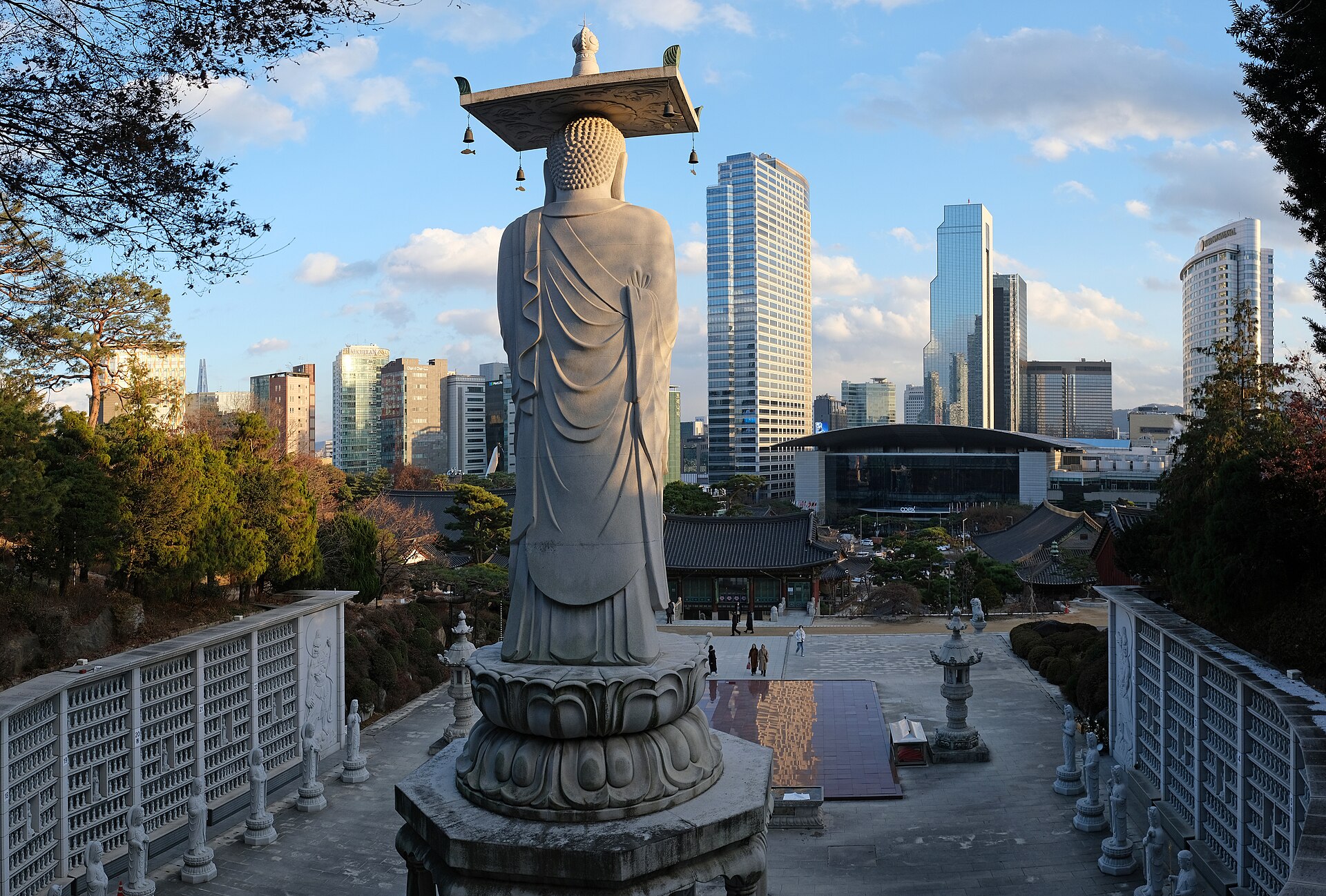
Bongeunsa Temple
Seoul, South Korea
Bongeunsa is a 1,200-year-old Buddhist temple hidden in the shadow of Gangnam's glass towers — a spiritual enclave of wooden halls, stone pagodas, and ancient trees that provides the most jarring contrast in a city full of jarring contrasts. The COEX Mall and the Trade Tower loom directly behind the temple compound, and the juxtaposition of a 9th-century temple with a 21st-century commercial district is so visually surreal that it's become one of Seoul's defining images. The temple was founded in 794 during the Silla dynasty and has been a centre of Buddhist study and practice for over 1,200 years. The 23-metre Maitreya Buddha statue, carved from a single granite block and erected in 1996, stands at the base of the hillside and is the largest stone Buddha in Korea. Behind it, the temple buildings climb the forested slope of Sudo Mountain in a sequence of courtyards, meditation halls, and bell towers that feels increasingly removed from the city as you ascend. Bongeunsa's Temple Stay programme is one of the most popular in Seoul — an overnight programme that includes evening chanting, prostrations, a pre-dawn wake-up for the 3am bell ceremony, morning meditation, and a Buddhist meal. The temple's location means you can participate in a traditional monastic routine and be back in Gangnam for breakfast at a café, which is the kind of temporal whiplash that only Seoul delivers. Regular visitors include Gangnam office workers who stop in for a few minutes of meditation during their lunch break.
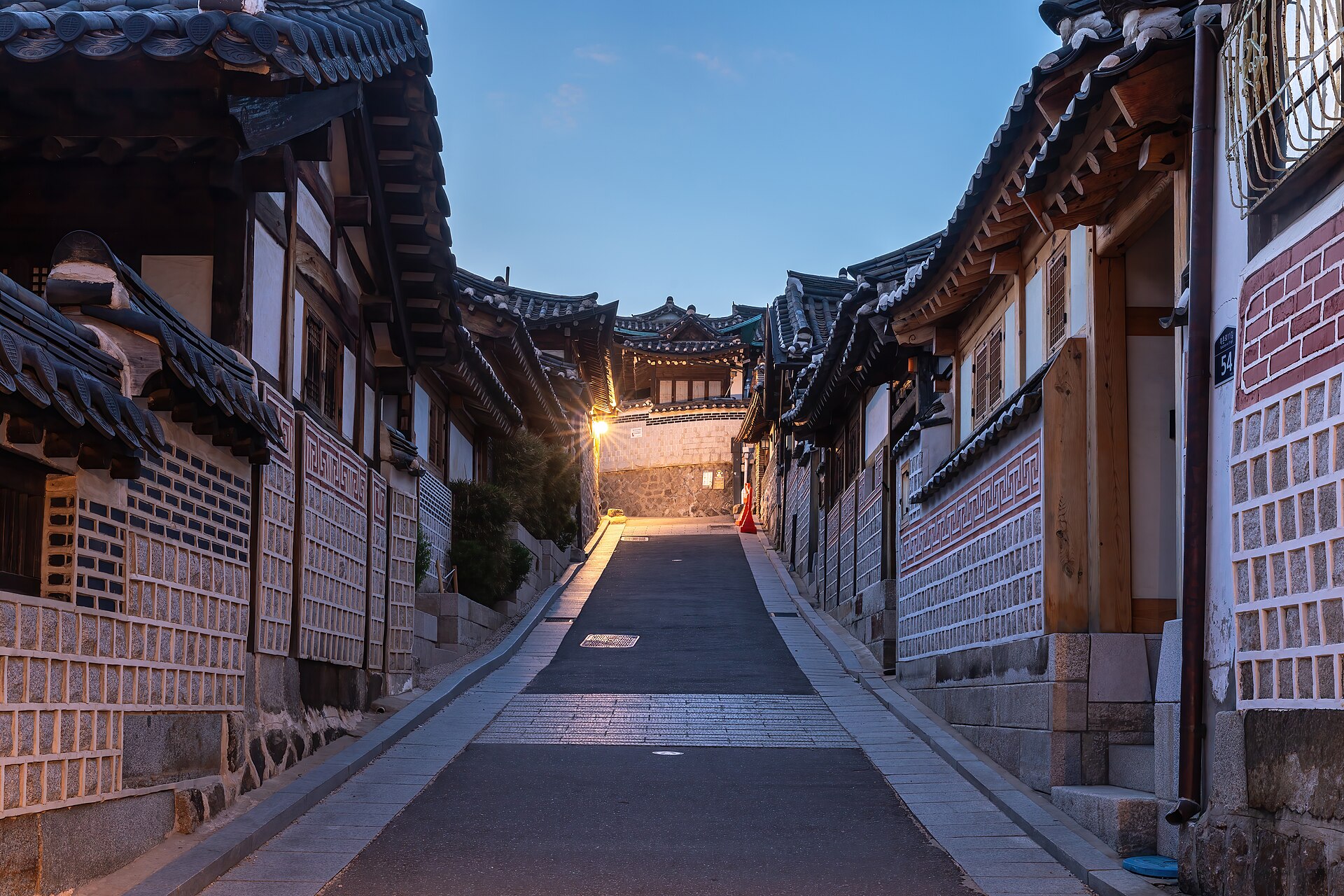
Bukchon Hanok Village
Bukchon-ro, Seoul, South Korea
Bukchon Hanok Village is a hillside neighbourhood of 600-year-old traditional Korean hanok houses wedged between two palaces — Gyeongbokgung to the west and Changdeokgung to the east — and it is simultaneously one of Seoul's most photographed attractions and a residential neighbourhood where actual people live, a tension that has made it one of the most debated tourism management challenges in the city. The hanok houses — single-storey wooden structures with curved tile roofs, ondol (underfloor heating) systems, and courtyards that create a play of light and shadow throughout the day — were traditionally the homes of Joseon-era nobility and government officials who needed to live close to the palaces. About 900 hanok remain, and the narrow alleys climbing the hillside between them create a streetscape that looks essentially unchanged from the 19th century, with the exception of the tourists filling every available sightline. The best approach is from the top — take the steep alley up from Anguk Station, walk through the Bukchon-ro 11-gil viewpoint (the classic photo spot where the hanok rooftops cascade downhill with the city skyline behind), and descend through the quieter eastern alleys toward Changdeokgung. Noise restrictions are posted throughout (this is a residential area, and the residents have been vocal about tourist disruption), and the most rewarding visits are early morning ones, before the tour buses arrive. Several hanok have been converted into guesthouses, tea houses, and craft workshops, and sleeping in a traditional hanok — on a yo mattress on the heated ondol floor — is one of Seoul's most distinctive overnight experiences.
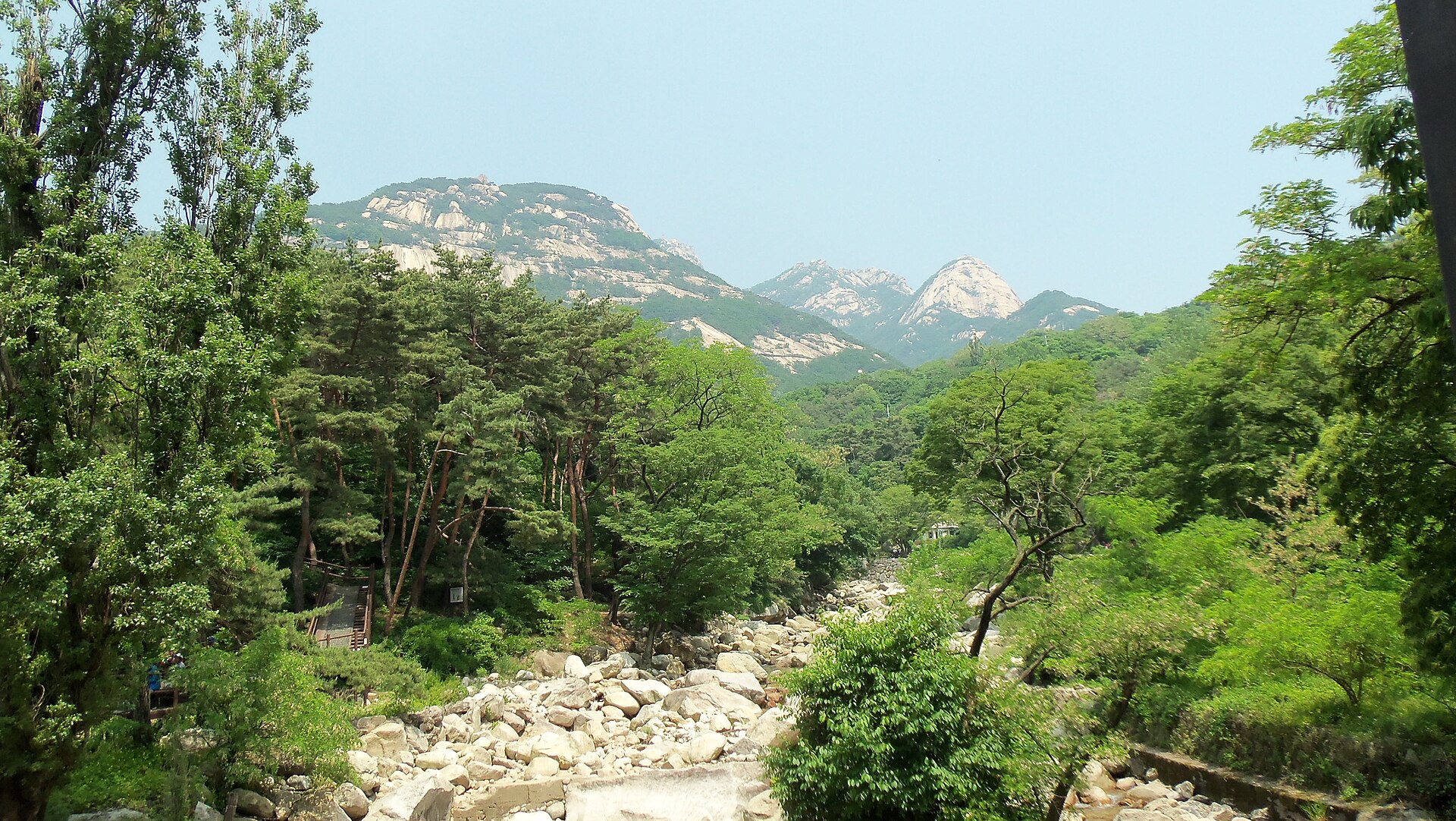
Bukhansan National Park
Seoul, South Korea
Bukhansan National Park is a mountain wilderness 40 minutes from downtown Seoul — 80 square kilometres of granite peaks, Buddhist temples, Joseon-era fortress walls, and forest trails that make it the most-visited national park per unit area in the world. The park's three main peaks — Baekundae (836m), Insubong (810m), and Mangyeongdae (787m) — form a dramatic granite skyline visible from much of northern Seoul, and on a clear day the summit views extend to the Yellow Sea and, on the rarest days, to the mountains of North Korea. The most popular trail to Baekundae summit takes about 2-3 hours and involves some scrambling over granite slabs and steel cable sections near the top — challenging but manageable for anyone with reasonable fitness and proper shoes. The reward is a 360-degree view that puts the entire Seoul metropolitan area (25 million people) at your feet, with the Han River cutting through the urban expanse and the mountains of Gyeonggi Province rolling toward the horizon. Bukhansanseong Fortress, a 7th-century mountain fortress whose walls zigzag along the ridgeline, adds a historical dimension to the hike — you're walking through the same mountain landscape that Korean soldiers defended against Mongol, Japanese, and Manchu invaders over a millennium. The park is free to enter and accessible by public transport (subway to Gupabal or Bukhansan Ui stations), and the trail-head restaurants serve pajeon (Korean savoury pancakes) and makgeolli (rice wine) that taste better after a mountain hike than any Michelin-starred meal.
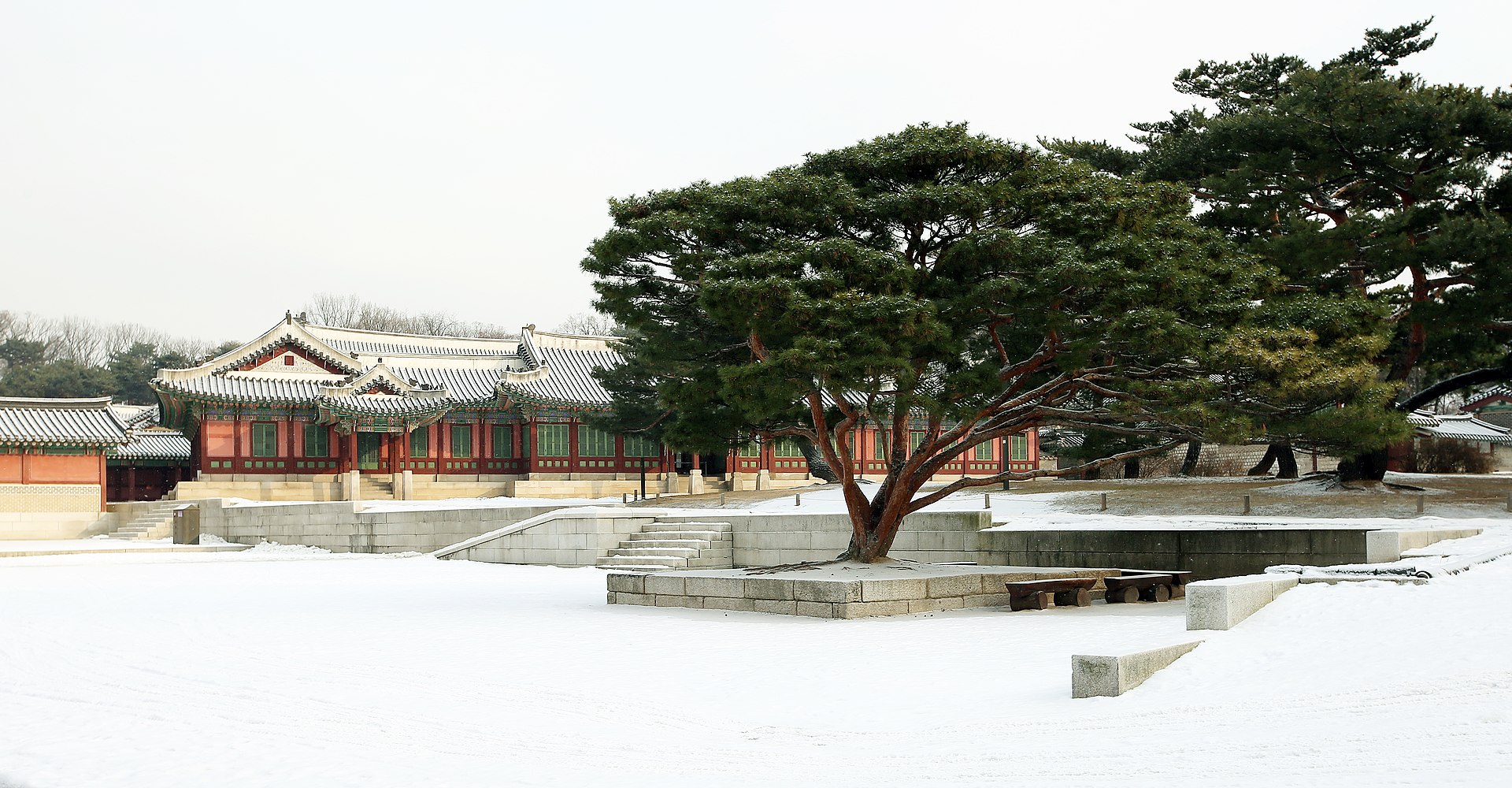
Changdeokgung Palace & Secret Garden
Yulgok-ro, Seoul, South Korea
Changdeokgung is the most beautiful of Seoul's five palaces and the only one inscribed as a UNESCO World Heritage Site — recognised for the way its architecture adapts to the natural topography rather than imposing a grid on the landscape, as Gyeongbokgung does. Built in 1405 as a secondary palace, it became the primary royal residence after Gyeongbokgung was destroyed during the Japanese invasions of the 1590s, and it served as the seat of government for the next 270 years. The palace's crown jewel is the Huwon (Secret Garden, also called the Rear Garden) — a 78-acre woodland that was the private retreat of the royal family, accessible only by guided tour and limited to a few hundred visitors per day. The garden is an exercise in Korean landscape design at its finest: pavilions set beside lotus ponds, reading halls hidden in groves of 300-year-old trees, a rice paddy where the king symbolically planted rice to show solidarity with his farmers, and viewing platforms positioned to frame specific mountain views that haven't changed since the 17th century. The palace buildings themselves are notable for their asymmetry. Unlike Chinese palaces, which insist on rigid axiality, Changdeokgung's halls, gates, and walkways follow the contours of the hillside, turning corners, climbing slopes, and creating sequences of enclosed and open space that feel more like a village than an imperial compound. The Injeongjeon (throne hall) is the formal centrepiece, but the Nakseonjae complex — a group of small, intimate buildings where the last members of the Joseon royal family lived into the 1980s — gives a more personal view of how Korean royalty actually lived.
Changgyeonggung Palace
Changgyeonggung-ro, Seoul, South Korea
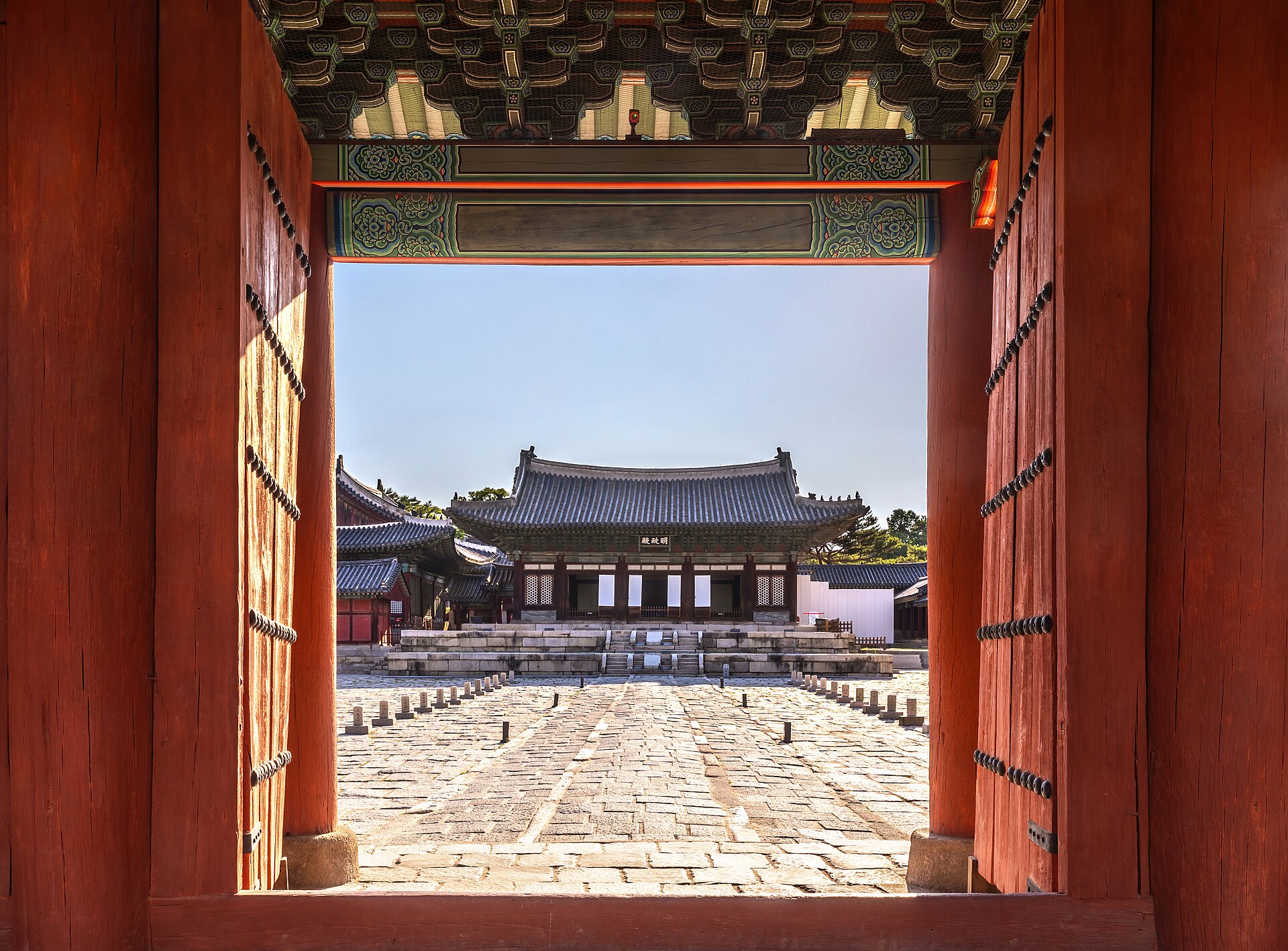
Changgyeonggung is the overlooked palace — the fourth of Seoul's five Joseon palaces and the one most visitors skip in favour of Gyeongbokgung or Changdeokgung, which makes it the most peaceful and least crowded. Built in 1484 as a residential palace for the queens and concubines, it was converted by the Japanese colonial government into a zoo and botanical garden in 1909 — a deliberate humiliation of Korean royal heritage that wasn't reversed until the zoo was removed in 1983. The palace has been quietly restored since then, and the result is a compound that feels more like a garden than a fortress. The Chundangji Pond, surrounded by cherry trees that bloom spectacularly in April, is the most photographed spot, and the palace's night openings (held seasonally) — when the buildings are lit with traditional lanterns and the grounds are accessible after dark — are one of Seoul's most atmospheric experiences. Changgyeonggung connects directly to Changdeokgung through a gate in the eastern wall, and visiting both palaces in sequence lets you compare two different approaches to Korean royal architecture: Changdeokgung's famous adaptation to natural topography versus Changgyeonggung's more formal south-facing orientation. The palace also connects to the grounds of Jongmyo Shrine, meaning you can walk from palace to palace to shrine through a continuous historical landscape that covers over 500 years of Joseon history without crossing a modern street.
Cheonggyecheon Stream
Cheonggyecheon-ro, Seoul, South Korea
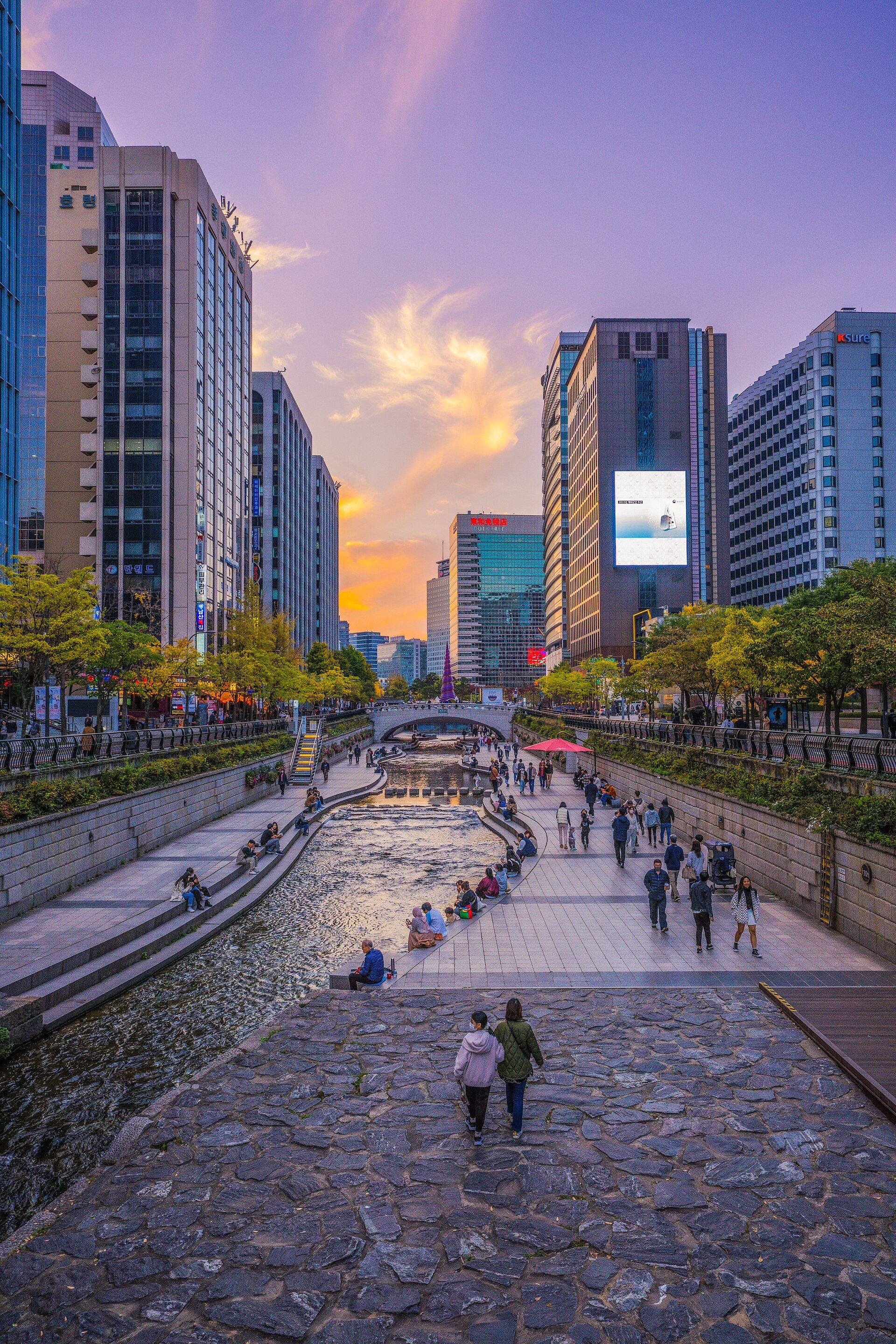
Cheonggyecheon is an 11-kilometre stream running through the centre of Seoul that spent most of the 20th century buried under a highway and was restored in 2005 in one of the most ambitious urban renewal projects in the world. The highway was demolished, the stream was excavated and re-lined, and a sunken linear park was created five metres below street level that has become Seoul's most popular public space — a place where office workers eat lunch, couples walk at sunset, and the sound of running water replaces the traffic noise that previously defined this corridor. The restoration was controversial and expensive ($900 million, or about the same as a mid-size Korean film studio's annual output), but the result is difficult to argue with. The stream runs from a modern sculpture at Cheonggye Plaza near City Hall through the traditional markets of Jongno and Dongdaemun to the Han River, and walking its length takes you from the contemporary business district through progressively older and more characterful neighbourhoods. The path is mostly flat, well-lit, and accessible from street level via stairways at regular intervals. At night, the stream is lit with subtle lighting that makes the water and the stone walls glow, and the evening walk from Gwanghwamun to Dongdaemun — about 5 kilometres — passes under 22 bridges, each with its own design, and through sections that alternate between planted gardens and open water. The seasonal installations (a Christmas light festival in winter, lotus flowers in summer) add variety, but the stream itself — clean, flowing, and alive in the middle of a megacity — is the attraction.
COEX Mall & Starfield Library
Yeongdong-daero, Gangnam-gu, Seoul, South Korea
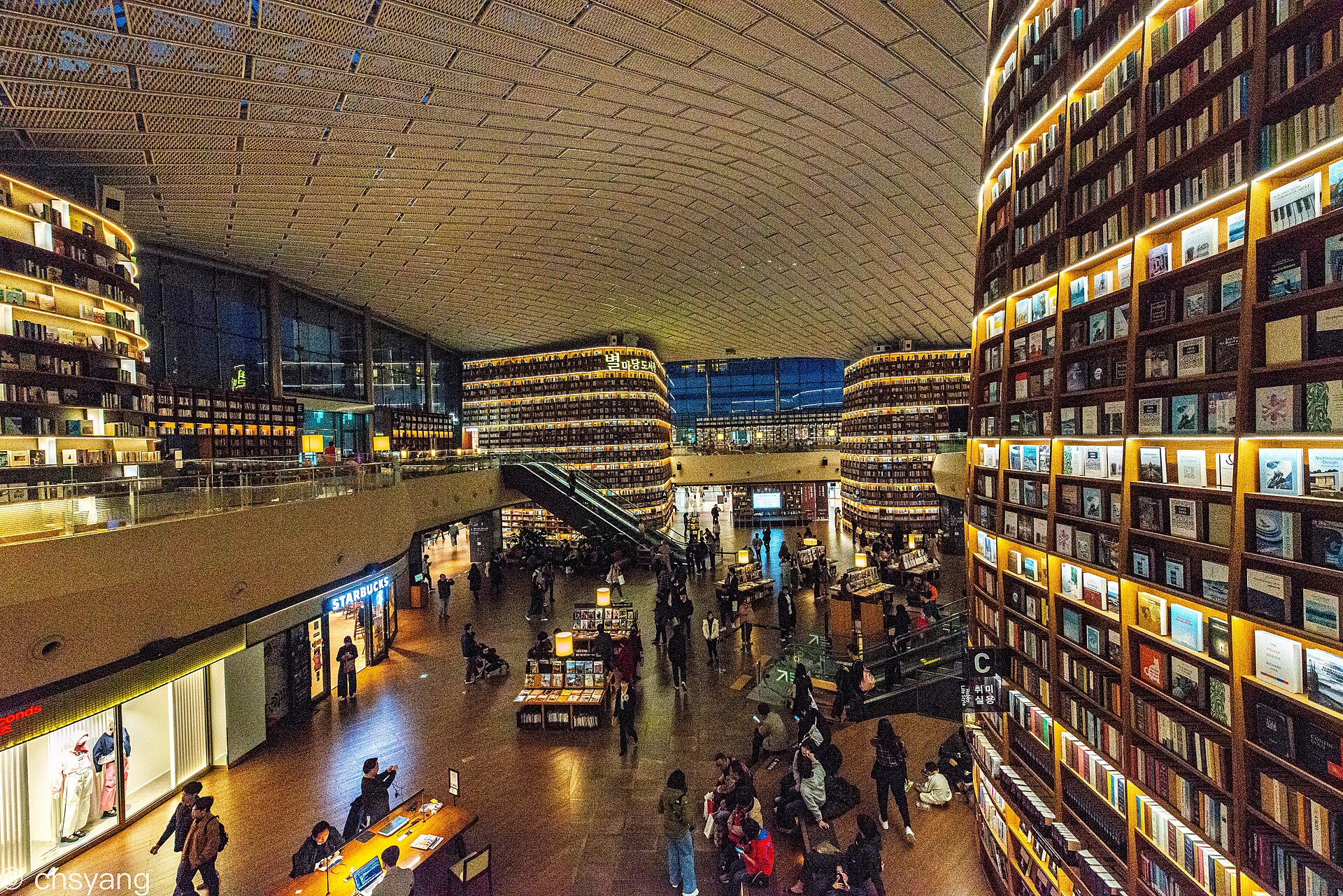
COEX is the largest underground shopping mall in Asia — a subterranean city beneath the Gangnam convention district that houses over 300 shops, a multiplex cinema, an aquarium, and the Starfield Library, which has become the most photographed interior space in Seoul. The library is a two-storey open-air reading space in the centre of the mall, lined with 50,000 books on shelves that reach 13 metres toward a skylit ceiling, and the visual effect — a cathedral of literature in the middle of a shopping complex — stops every passerby in their tracks. The Starfield Library was designed as a public space within a commercial environment, and it works — people actually sit and read, students study at the communal tables, and the combination of architectural drama and genuine functionality has made it a gathering point that elevates the mall from commerce to community. The book collection spans Korean and English-language titles, and rotating exhibitions and author events use the library's dramatic backdrop to draw audiences that a conventional bookshop could never attract. COEX Mall itself is a navigational challenge — the underground corridors connect to multiple subway stations, hotels, and the COEX Convention Center without obvious surface-level landmarks, and first-time visitors routinely get lost. But the scale is part of the appeal: COEX represents the Korean approach to commercial infrastructure at its most ambitious, and the underground aquarium, K-pop merchandise shops, and food court (which includes branches of several famous Seoul restaurants) make it a destination that could consume an entire rainy afternoon.
Deoksugung Palace
Sejong-daero 20-gil, Seoul, South Korea
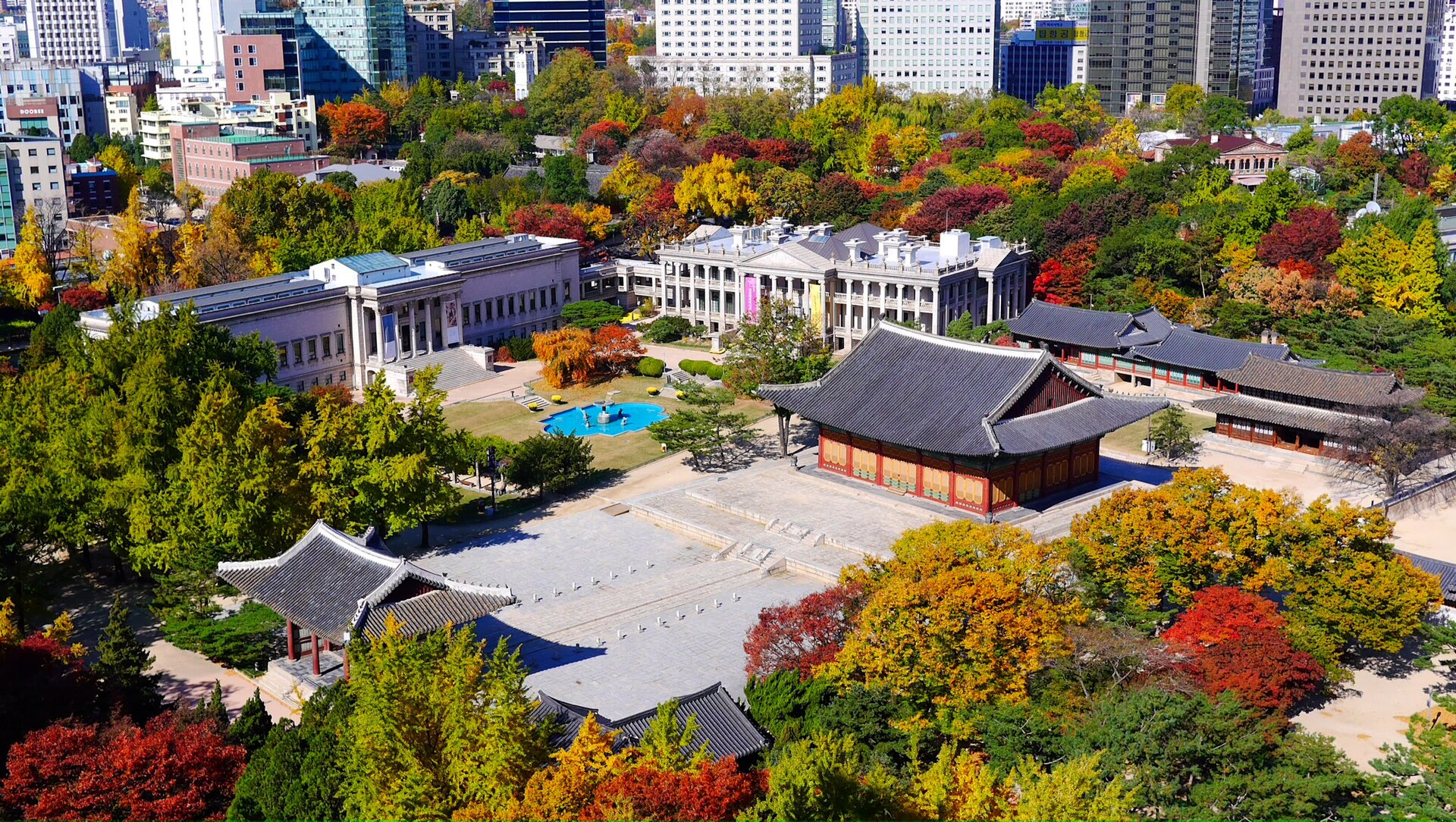
Deoksugung is the most accessible and unusual of Seoul's five palaces — a compact compound in the heart of the business district where traditional Korean palace halls sit alongside Western neoclassical buildings, reflecting the turbulent period in the late 19th and early 20th centuries when Korea was being pulled between Asian tradition and Western modernity. The Seokjojeon, a three-storey Renaissance-style stone building designed by a British architect and completed in 1910, is the most dramatic example of this hybrid — a European palace building inside a Korean palace compound, built for Emperor Gojong as a modern reception hall. It now houses the Daehan Empire History Museum and is one of the few buildings in Seoul where you can see the architectural collision between East and West in a single structure. The traditional Korean halls — Junghwajeon (the throne hall) and Hamnyeongjeon — sit a few hundred metres away, creating a visual dialogue between two architectural traditions that coexisted uneasily. The stone wall path (Deoksugung Doldam-gil) that runs along the palace's exterior is one of Seoul's most romantic walks — a tree-lined stone wall path that curves around the palace from City Hall to the Seoul Museum of Art. Korean folklore claims that couples who walk the path together will break up (the path leads to a family court building), but this hasn't stopped it from being perpetually occupied by couples who either don't know the legend or don't believe it. The Changing of the Guard ceremony here, performed in Joseon-era military costume, is smaller and more intimate than Gyeongbokgung's.
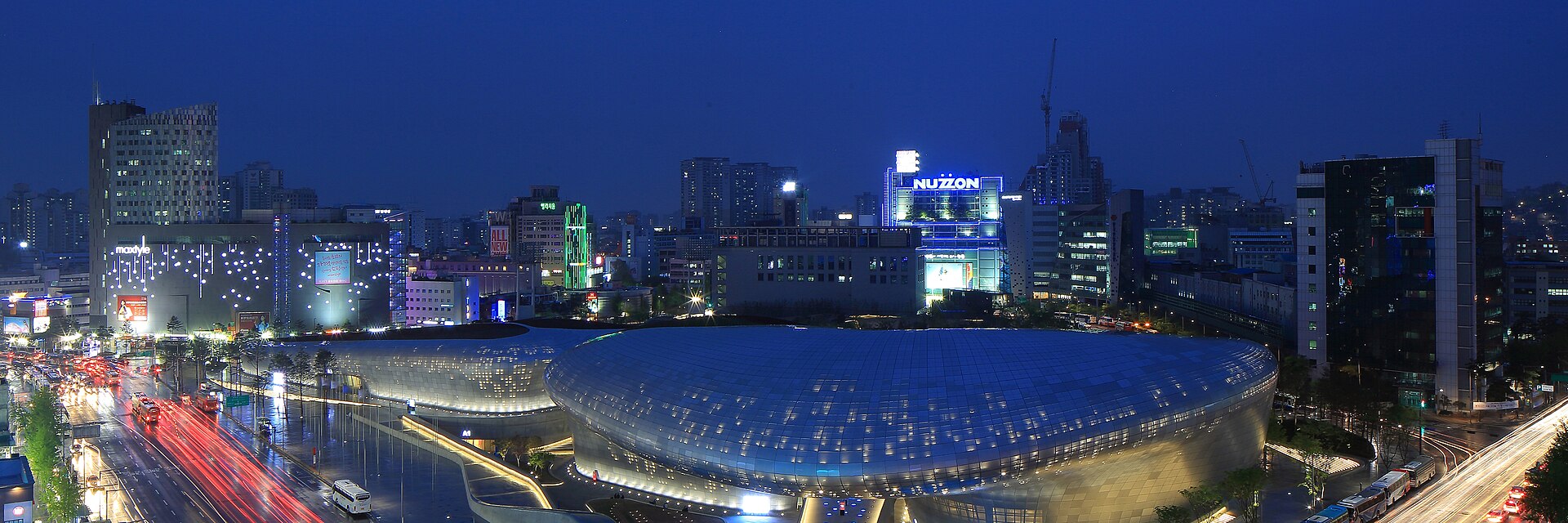
Dongdaemun Design Plaza (DDP)
Eulji-ro, Seoul, South Korea
The Dongdaemun Design Plaza is Zaha Hadid's silver spaceship — a 86,574-square-metre cultural complex with no straight lines, no right angles, and a flowing neo-futuristic exterior that looks like liquid metal frozen in the process of pouring. Completed in 2014 at a cost of $450 million, it's the largest 3D amorphous structure in the world and the building that established Seoul as a city willing to bet on architecture as spectacle. The exterior is covered in 45,133 aluminium panels, each individually curved, that create a continuous surface flowing from the park-like roof (which you can walk on) down to the street-level plazas. At night, the LED lighting embedded in the facade creates a soft glow that makes the building look like a landed spacecraft, and the 24-hour design market (DDP is open round the clock) adds a nocturnal energy that most cultural institutions lack. The night market on the outdoor plaza — a rotating collection of food stalls, craft vendors, and K-culture merchandise — draws a younger crowd that uses the building as a backdrop for Instagram photos. Inside, the exhibition spaces host rotating design, fashion, and technology shows, and the DDP has become the primary venue for Seoul Fashion Week and major product launches. The Design Lab and Design Museum on the lower levels showcase Korean industrial and graphic design. But the real attraction is the building itself — Hadid's last major completed work before her death in 2016, and arguably the most architecturally significant building in Seoul.
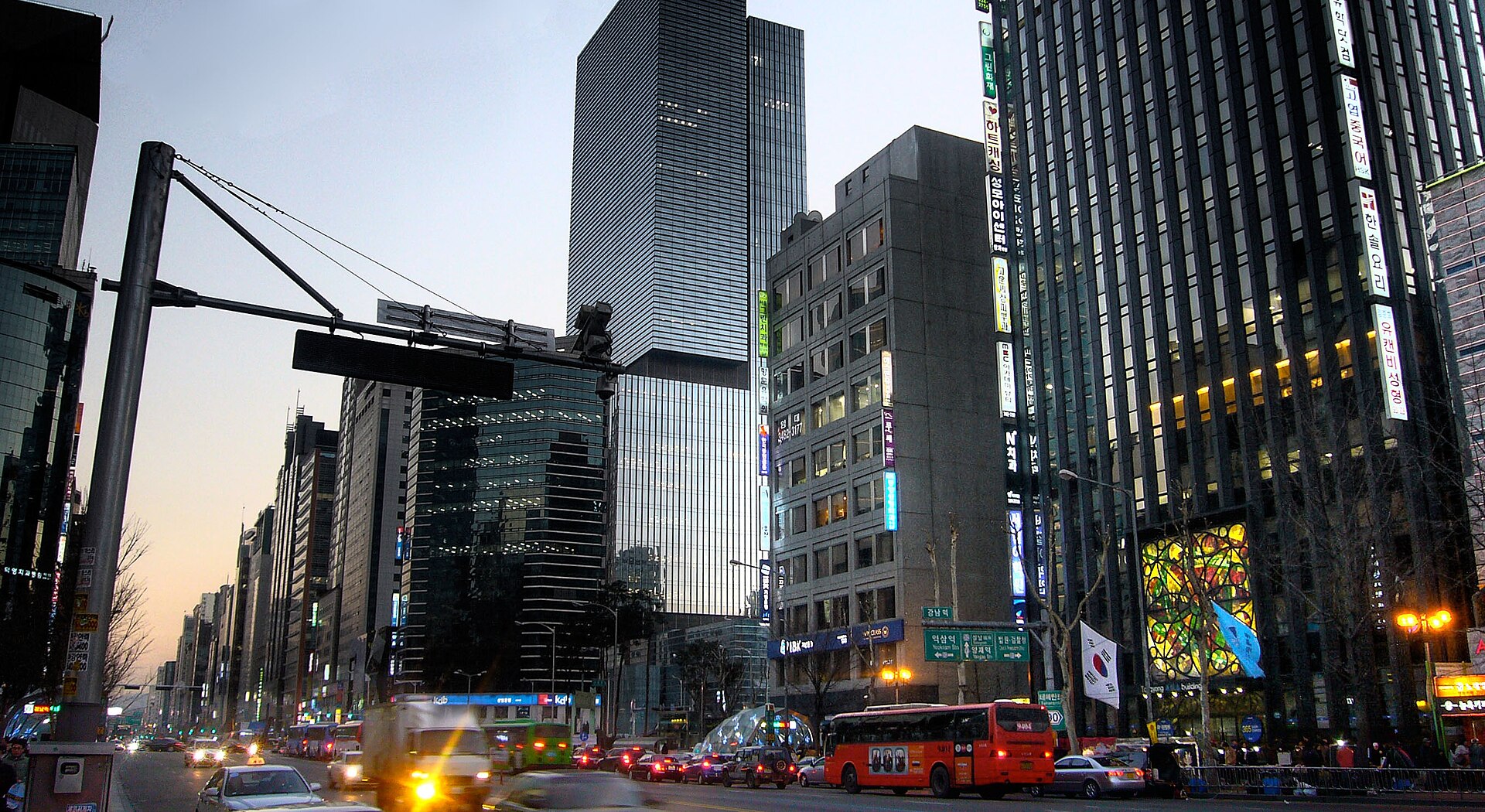
Gangnam Station Area
Gangnam-daero, Seoul, South Korea
Gangnam is the neighbourhood that PSY put on the global map — the flashy, wealthy southern Seoul district that became synonymous with Korean pop culture after 'Gangnam Style' exploded in 2012. The reality is both more and less than the song suggests: Gangnam Station is indeed surrounded by neon-lit towers, K-pop entertainment companies, luxury boutiques, and the kind of conspicuous consumption that the song satirised, but it's also a working business district where Korean corporate culture is on full display. The area around Gangnam Station itself is a dense cluster of K-pop merchandise shops, karaoke rooms (noraebang), cosmetic surgery clinics (Gangnam is the global capital of plastic surgery), and underground shopping arcades that extend for hundreds of metres beneath the streets. The Gangnam Underground Shopping Center, accessible from the station, is a labyrinth of small shops selling K-fashion, accessories, and street food that caters primarily to the teenage and twentysomething Korean demographic. The nightlife in Gangnam centres on the clubs and bars along Yeoksam-dong and the streets south of the station, where the crowd is older and wealthier than Hongdae's indie scene. The area is also home to SMTOWN and other K-pop entertainment company headquarters, and the K-pop fan ecosystem — dedicated fan cafés, lightstick shops, photobooth studios — has turned parts of Gangnam into a permanent fan convention. For visitors interested in understanding Korean pop culture's commercial infrastructure, Gangnam is where the industry lives.
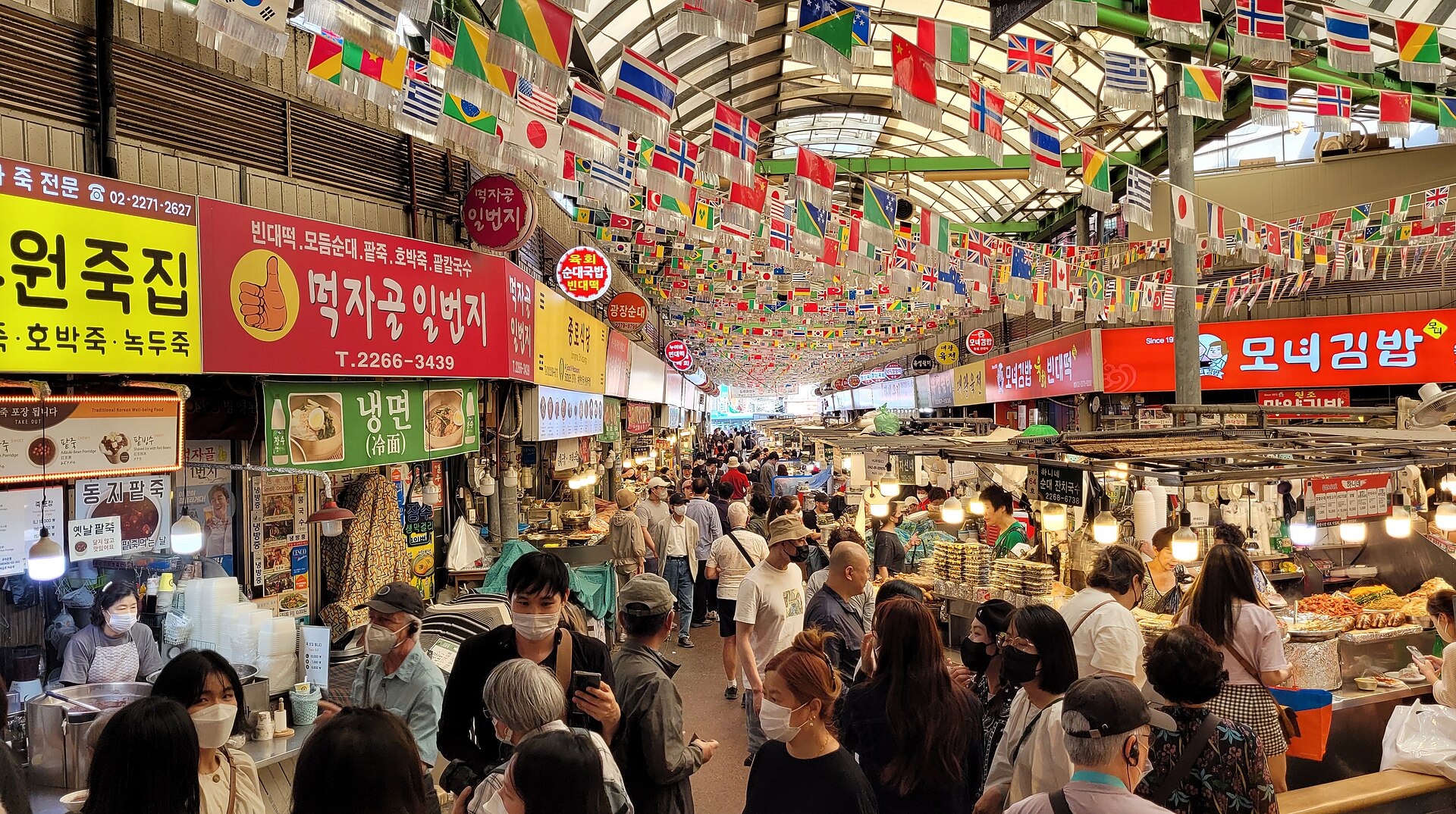
Gwangjang Market
Changgyeonggung-ro, Seoul, South Korea
Gwangjang Market is Korea's first permanent market — established in 1905, and now a sprawling, chaotic, magnificent food hall where the stall vendors have been perfecting the same dishes for generations and the communal seating puts you elbow-to-elbow with Korean grandmothers, office workers on lunch break, and tourists who've seen the market on Netflix and are trying to figure out what to order. The food hall, concentrated in the covered alleys on the market's eastern side, is the main attraction. Bindaetteok (mung bean pancakes, fried to a crisp on enormous griddles by women who've been making them for 30 years), mayak gimbap ('addictive' mini rice rolls dipped in mustard sauce), tteokbokki (chewy rice cakes in fiery gochujang sauce), and yukhoe (Korean beef tartare, served raw with a quail egg on top) are the signature dishes. Each stall specialises in one or two items, and the vendors will make sure you order correctly even if you don't speak Korean — pointing and nodding are an adequate ordering system. The market also houses an enormous textile section — bolts of silk, cotton, and synthetic fabric stacked floor to ceiling in hundreds of stalls, along with tailors who can produce a custom hanbok or suit overnight. The vintage clothing section, the dried goods alleys, and the secondhand shops round out a market that covers about 42,000 square metres and has been operating continuously since the Japanese colonial period. Come hungry, bring cash (many stalls are cash-only), and budget at least an hour for eating and wandering.
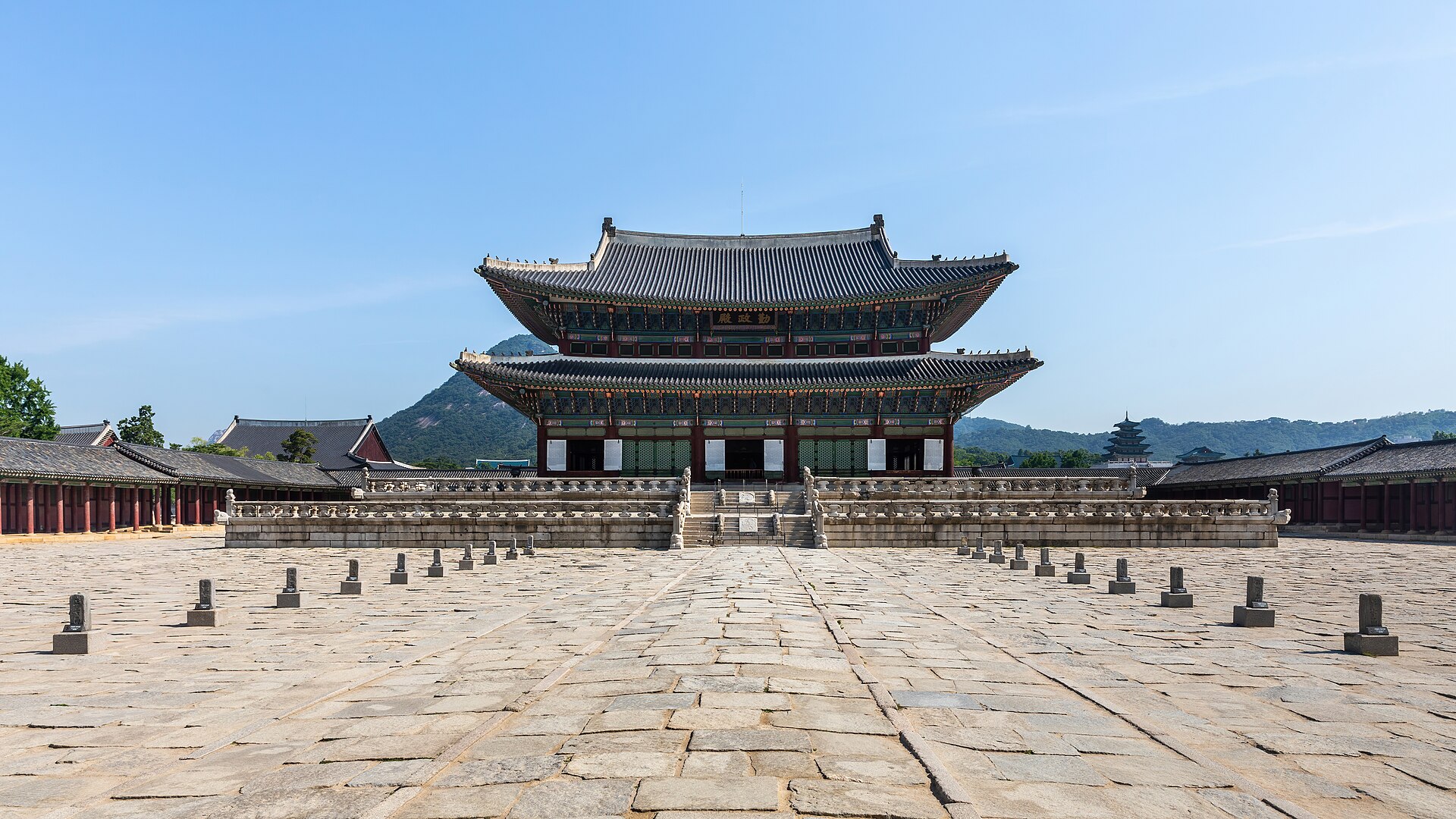
Gyeongbokgung Palace
Sajik-ro, Seoul, South Korea
Gyeongbokgung is the largest and grandest of Seoul's five Joseon dynasty palaces — built in 1395 as the main royal residence and the seat of government for a dynasty that would rule Korea for over 500 years. The palace was systematically destroyed by the Japanese during their occupation of Korea (1910-1945), and its ongoing restoration — which has been reclaiming the compound building by building since the 1990s — is both an architectural project and an act of national reclamation. The palace sits on a north-south axis aligned with Bugaksan mountain behind it, and the approach through the massive Gwanghwamun Gate — flanked by stone haetae (mythical lion-dogs) and overlooked by the mountain — is one of the most impressive entrances to any palace complex in Asia. The Changing of the Guard ceremony at Gwanghwamun, performed in full Joseon-era costume three times daily, draws crowds that line the plaza. Inside, the Geunjeongjeon (throne hall), set on a two-tier stone platform and surrounded by stone markers indicating where officials stood by rank, is the centrepiece — a wooden hall of extraordinary scale that was used for coronations, audiences, and state ceremonies. The Gyeonghoeru Pavilion — a two-storey banquet hall sitting on 48 stone pillars above an artificial lake — is the most photographed building on the compound, and the reflection of the pavilion in the water with the mountains behind is the defining image of historic Seoul. The National Palace Museum and National Folk Museum of Korea are both within the palace grounds, and renting a hanbok (traditional Korean dress) gets you free admission to the palace — a deal that fills the courtyards with visitors in silk robes, creating a time-travel atmosphere that's equal parts historical and theatrical.
Gyeonghuigung Palace
Saemunan-ro, Seoul, South Korea
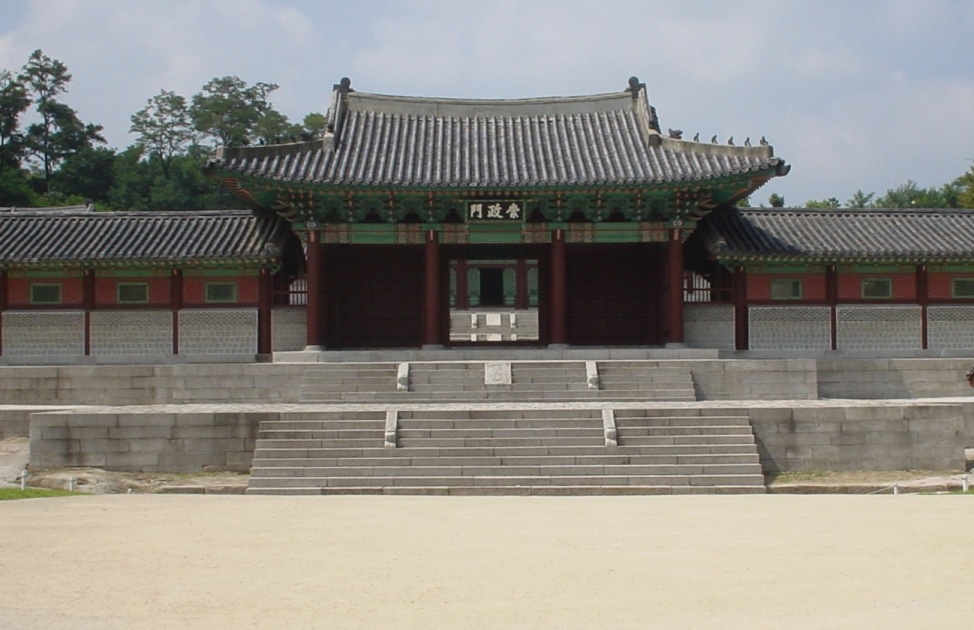
Gyeonghuigung is the secret palace — the fifth and least known of Seoul's Joseon-era palaces, hidden behind a modern government building and visited by a fraction of the tourists who crowd the other four. The palace was built in 1617 as a secondary residence and refuge (in case the main palaces were attacked or burned), and at its peak it contained over 100 buildings. The Japanese colonial government demolished nearly all of them, and only about a dozen structures have been reconstructed. The small scale is actually Gyeonghuigung's strength. Where the other palaces can feel like heritage theme parks — full of tour groups, hanbok rental shops, and selfie sticks — Gyeonghuigung is quiet, contemplative, and almost eerily empty. The main hall, Sungjeongjeon, was the secondary throne room of the Joseon dynasty, and standing inside it alone (which is common on weekday mornings) feels more like a genuine encounter with Korean history than any crowded palace experience. The palace is free to enter — one of the few palaces that doesn't charge admission — and it sits adjacent to the Seoul Museum of History, which provides excellent context for understanding how the city has changed over the past 600 years. The combination of a free palace, a free museum, and virtually no crowds makes Gyeonghuigung the best value heritage experience in Seoul, and the fact that so few visitors know about it is both its curse (the palace receives less funding and attention) and its blessing (you can have a Joseon-era palace largely to yourself).
Hongdae
Hongik-ro, Mapo-gu, Seoul, South Korea
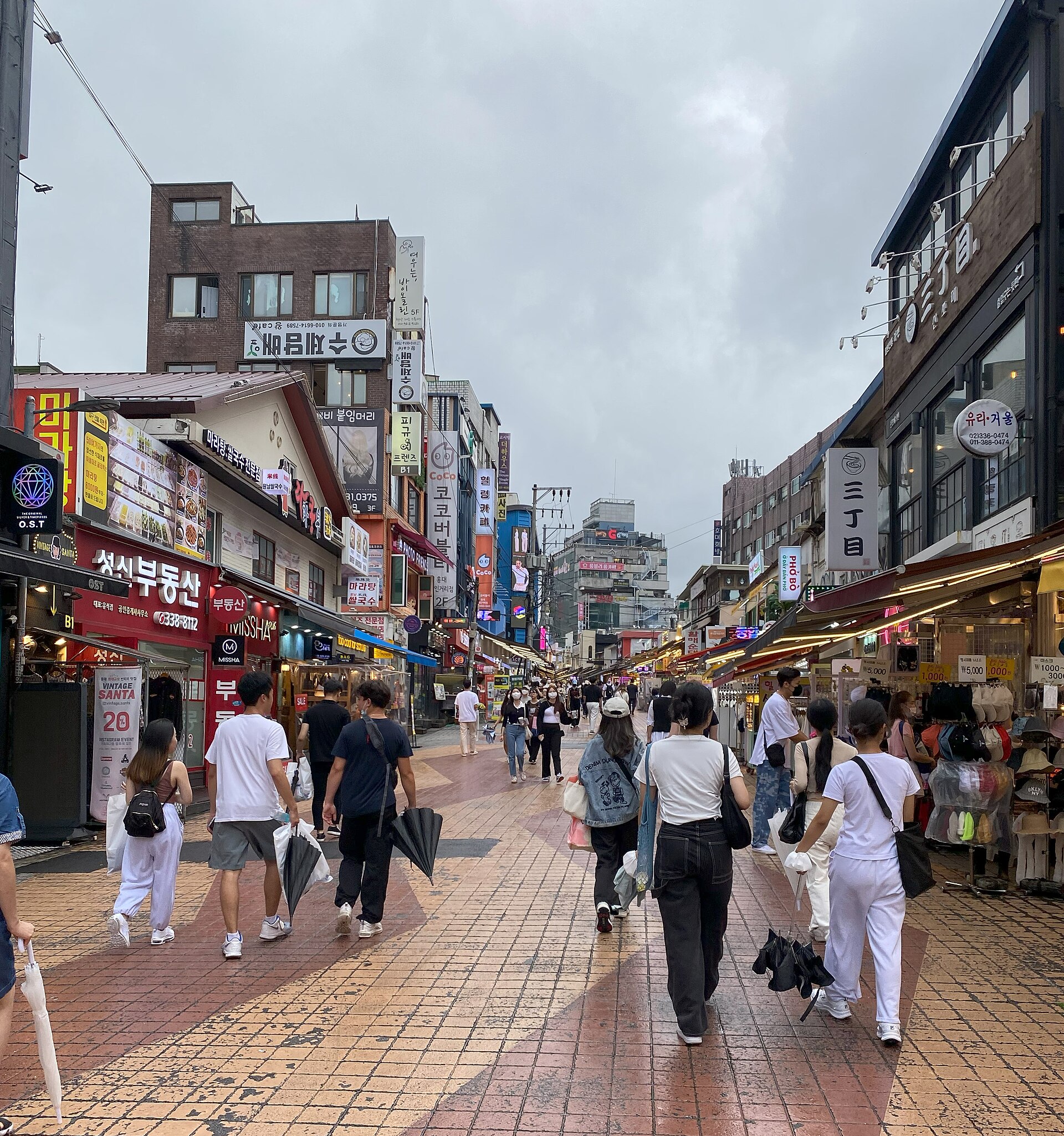
Hongdae is Seoul's youth culture capital — a neighbourhood surrounding Hongik University (Korea's top art school) that has been the centre of indie music, street art, and underground culture since the 1990s. The streets closest to the university are lined with live music clubs, vintage clothing shops, and independent galleries, and on weekend evenings the area becomes an open-air performance space where buskers, dance crews, and street musicians compete for the attention of the thousands of young Koreans and visitors who pour into the neighbourhood after dark. The Hongdae busking scene is genuinely impressive. The Hongdae Playground, a small park at the neighbourhood's centre, fills with performers on Friday and Saturday nights — dance groups rehearsing K-pop choreography, singer-songwriters with portable amplifiers, beatboxers, and the occasional full band. The quality ranges from amateur to professional (several K-pop stars were discovered busking in Hongdae), and the crowd — seated on the ground, standing, filming on phones — creates an atmosphere that's half concert, half block party. The neighbourhood's commercial character has shifted over the past decade — rising rents have pushed some indie culture toward neighbouring Yeonnam-dong and Mangwon — but Hongdae remains the default nightlife destination for anyone under 35 in Seoul. The clubs on Eoulmadang-ro host everything from K-indie to electronic to hip-hop, and the late-night food options (24-hour Korean fried chicken, tteokbokki stalls, ramen shops that open at midnight) sustain a scene that runs until sunrise.
Ikseon-dong
Seoul, South Korea
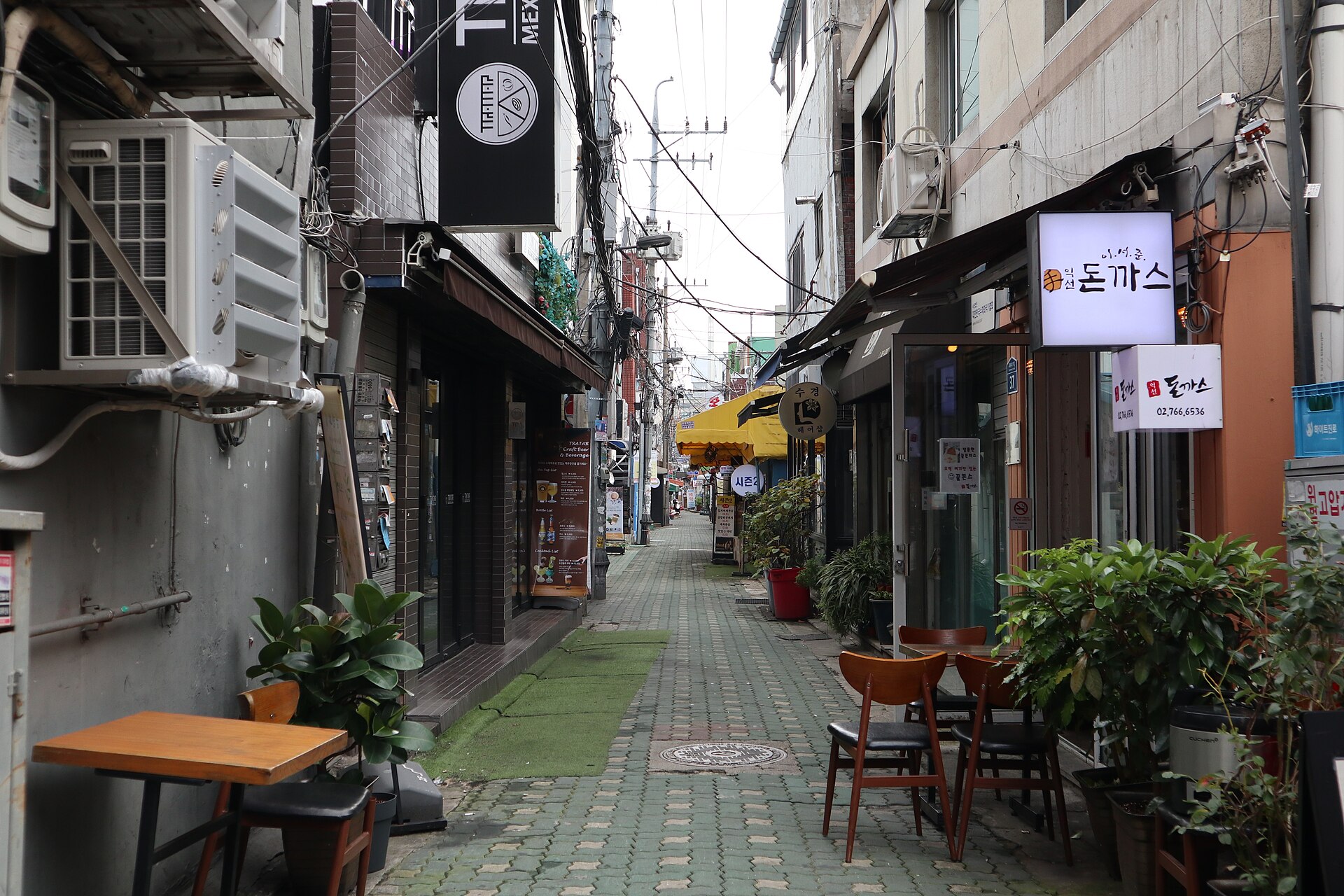
Ikseon-dong is Seoul's best example of old and new coexisting in the same alley — a grid of tiny hanok houses from the 1920s that has been converted into one of the city's trendiest café and restaurant districts without demolishing the traditional architecture. The hanok here are smaller and more modest than Bukchon's — built as housing for ordinary people rather than nobility — and the low-slung tile roofs, narrow doorways, and courtyard plans have been adapted into coffee shops, cocktail bars, vintage clothing stores, and restaurants with an ingenuity that makes the contrast between historic architecture and contemporary culture feel natural rather than forced. The neighbourhood's transformation happened organically in the mid-2010s, when young entrepreneurs began renting the tiny hanok spaces (some barely 20 square metres) and converting them into businesses. The appeal was the rents (cheaper than Insadong or Samcheong-dong) and the character — the alleys are too narrow for cars, the rooftops are visible at eye level, and the scale is human in a way that Seoul's apartment-block urbanism often isn't. The result is a neighbourhood that feels like a village — intimate, walkable, and full of surprises around every corner. The food scene is excellent and eclectic — traditional Korean dessert cafés next to Thai restaurants, craft cocktail bars in converted hanok kitchens, and a famous curry restaurant in a space the size of a closet. Ikseon-dong is best experienced by wandering without a plan, ducking into whatever doorway looks interesting, and accepting that getting slightly lost in the alleys is the entire point.
Insadong
Insadong-gil, Jongno-gu, Seoul
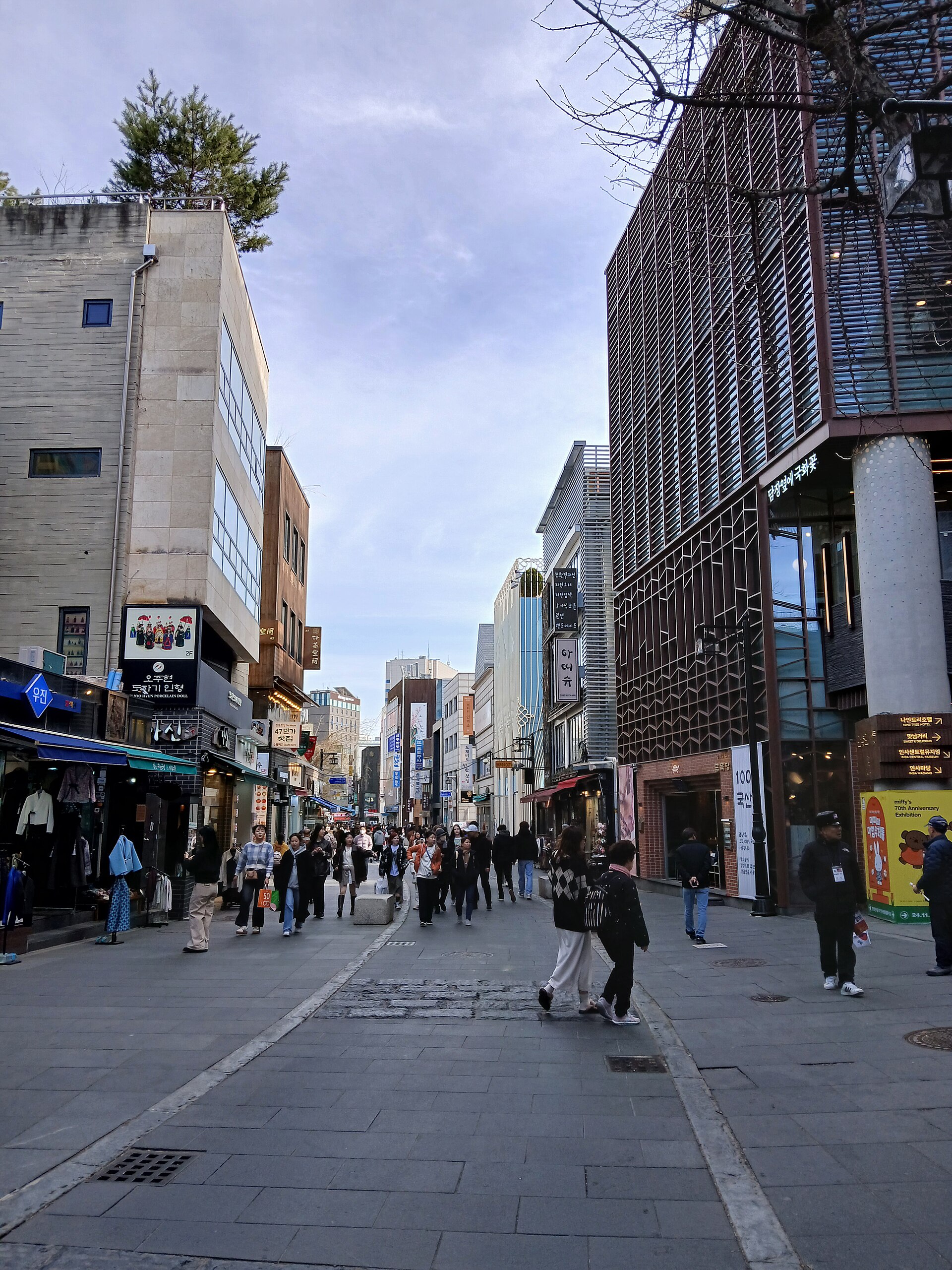
Insadong is Seoul's traditional culture street — a pedestrianised corridor of art galleries, tea houses, antique shops, and craft stores that has been the centre of Korean artistic commerce since the Joseon dynasty, when the neighbourhood was home to the artists and calligraphers who served the royal court. The street runs from Anguk Station south to Jongno, and walking its length is like moving through a compressed history of Korean decorative arts. The galleries along Insadong-gil range from serious art dealers selling antique celadon, calligraphy scrolls, and contemporary Korean art to tourist shops selling mass-produced souvenirs, and the trick is knowing which is which. The tea houses are consistently excellent — traditional Korean tea culture involves green tea, barley tea, jujube tea, and a range of medicinal herb infusions served in ceramic cups in rooms that haven't changed their aesthetic since the 1970s. Ssamziegil, a multi-level shopping complex designed as a spiral walkway, concentrates independent craft vendors and small workshops in a building that's worth visiting for the architecture alone. Sunday is the best day to visit — the street is pedestrianised (cars are restricted), and traditional performances, calligraphy demonstrations, and craft workshops set up along the route. The side alleys branching off Insadong-gil contain smaller galleries and studios that are often more interesting than the main-street shops, and the neighbourhood connects directly to Bukchon Hanok Village to the north and Jogyesa Temple to the west, making it the natural starting point for a traditional culture walk through northern Seoul.
Jogyesa Temple
55 Ujeongguk-ro, Jongno-gu, Seoul
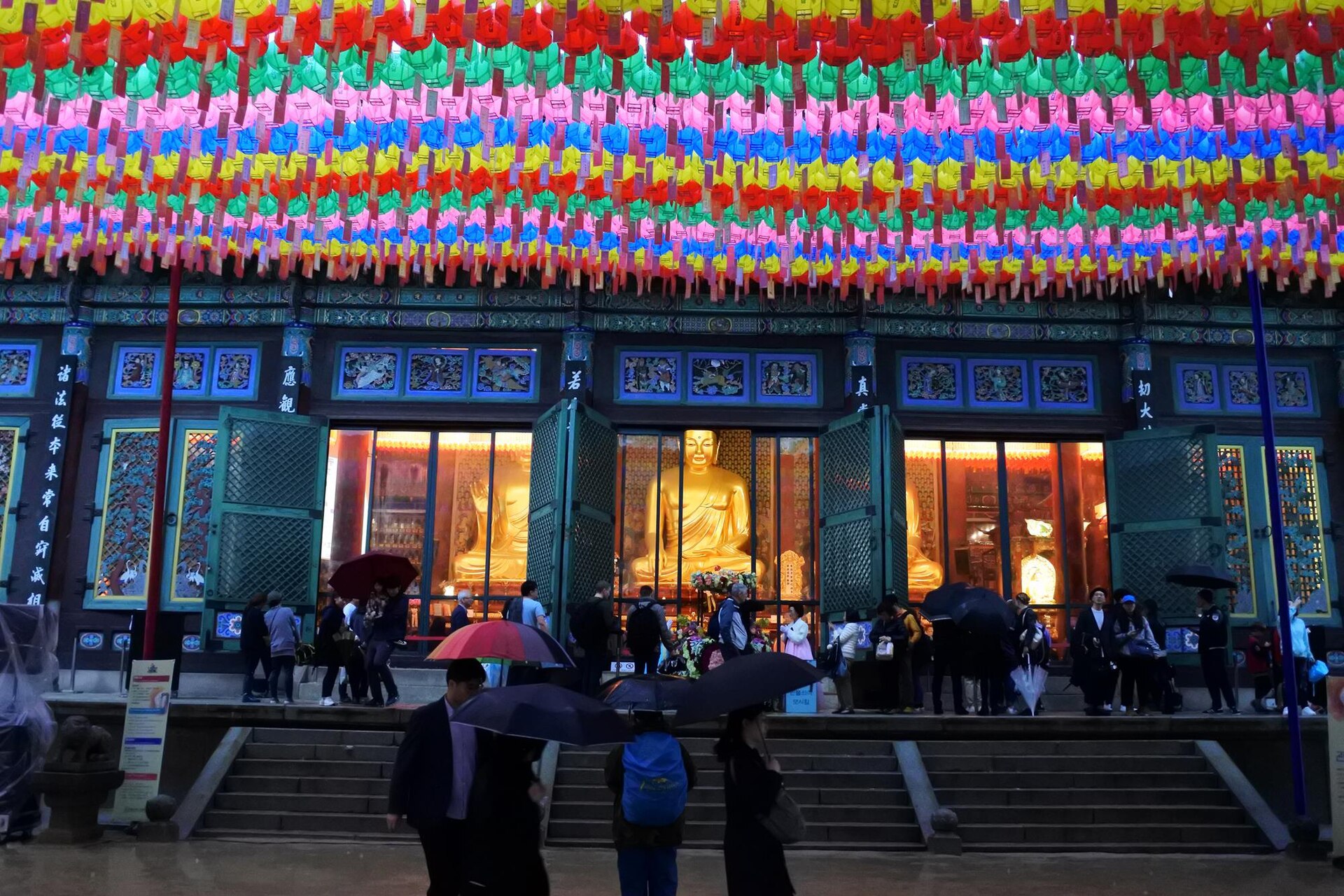
Jogyesa is the head temple of Korean Zen Buddhism — the administrative and spiritual centre of the Jogye Order, which oversees the majority of Buddhist temples and monks in South Korea. The temple sits in the middle of Jongno-gu, surrounded by office buildings and shopping streets, and the transition from the commercial bustle of Insadong to the incense-scented calm of the temple courtyard happens in a single step through the gate. The main hall, Daeungjeon, is the largest Buddhist hall in Seoul — a wooden structure painted in the elaborate dancheong (decorative painting) patterns that make Korean temple architecture one of the most colourful in Asia. The three golden Buddhas inside represent the historical Buddha, Amitabha (Buddha of infinite light), and the Medicine Buddha, and the hall is an active place of worship where monks and laypeople perform prostrations, chanting, and meditation daily. The temple's two ancient trees — a white pine estimated at 500 years old and a Chinese scholar tree at 450 years — are designated natural monuments and are older than the temple's current buildings. During the Lotus Lantern Festival in April/May (celebrating Buddha's birthday), the entire temple and surrounding streets are hung with thousands of paper lanterns in every colour, and the evening parade through the streets of Jongno-gu is one of Seoul's most spectacular annual events. The temple also runs a Temple Stay programme that lets visitors spend a night participating in monastic life — meditation, tea ceremony, prostrations, and a dawn wake-up call that puts any alarm clock to shame.
Jongmyo Shrine
Jong-ro, Seoul, South Korea
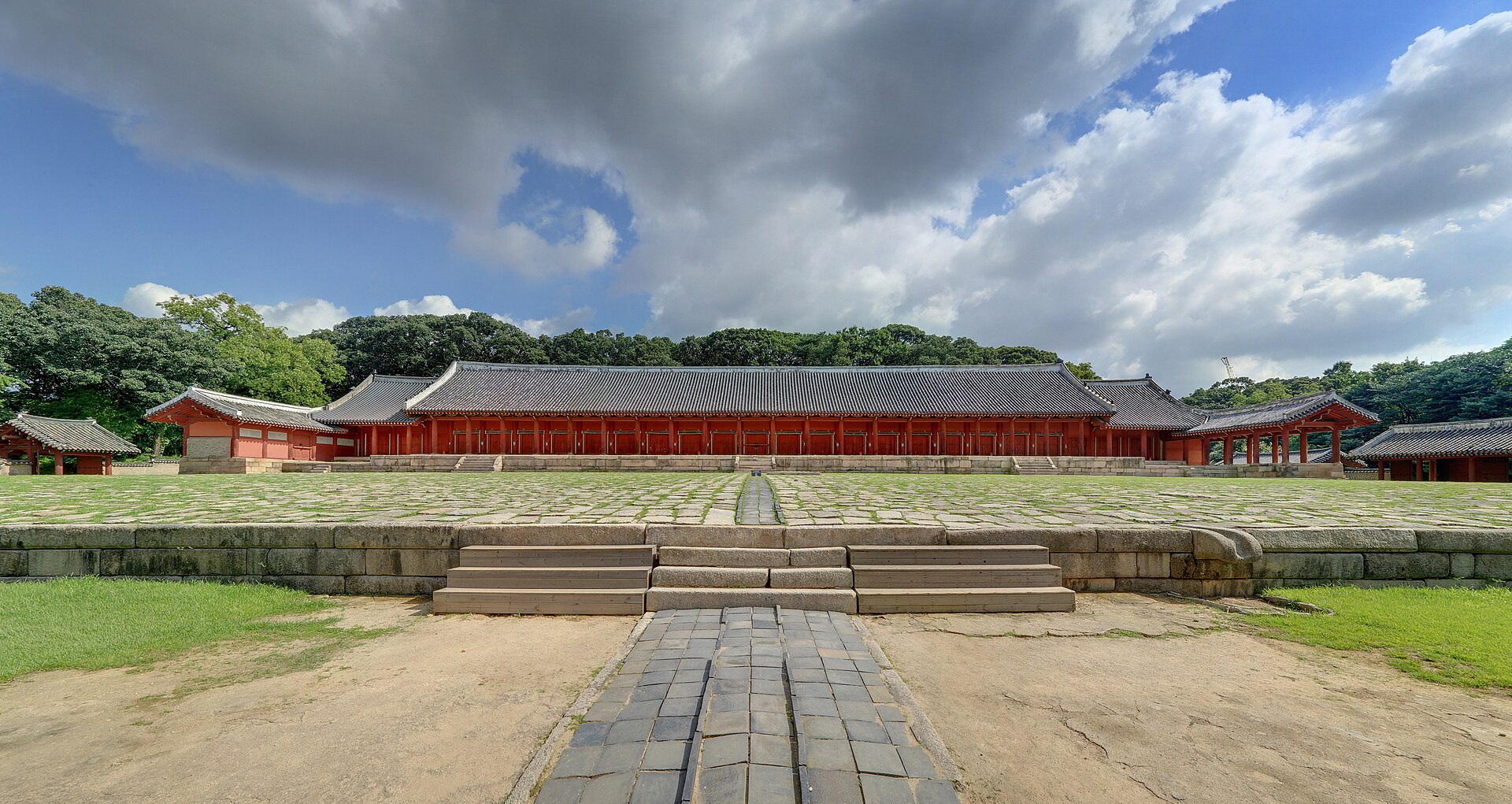
Jongmyo Shrine is a UNESCO World Heritage Site and the most sacred Confucian site in Korea — a royal ancestral shrine where the spirit tablets of Joseon dynasty kings and queens have been venerated for over 600 years. The shrine is austere by palace standards — no bright colours, no elaborate decoration, just long, low wooden halls on stone platforms, surrounded by ancient trees and an atmosphere of quiet solemnity that makes the nearby palaces feel theatrical by comparison. The main hall, Jeongjeon, is the longest wooden building in Korea — a single-storey structure over 101 metres long, with 19 chambers each housing the spirit tablets of a king and his primary queen. The building's length is its power: the unbroken horizontal line stretching across the courtyard, with identical chambers repeating in perfect rhythm, creates a sense of accumulated history that no individual monument can match. Each chamber represents a generation, and walking the length of the building is like walking through 500 years of dynasty. The Jongmyo Jerye, a royal ancestral rite performed annually on the first Sunday of May, is one of the most important surviving Confucian ceremonies in the world. Musicians play jeryeak (ritual music) on instruments unchanged since the 15th century, while dancers perform choreography prescribed by court manuals from the same era. The ceremony has been designated a UNESCO Intangible Cultural Heritage, and attending it — watching a 600-year-old ritual performed in a 600-year-old building — is one of the most extraordinary cultural experiences available in any Asian city.
Leeum Museum of Art
Itaewon-ro, Seoul, South Korea
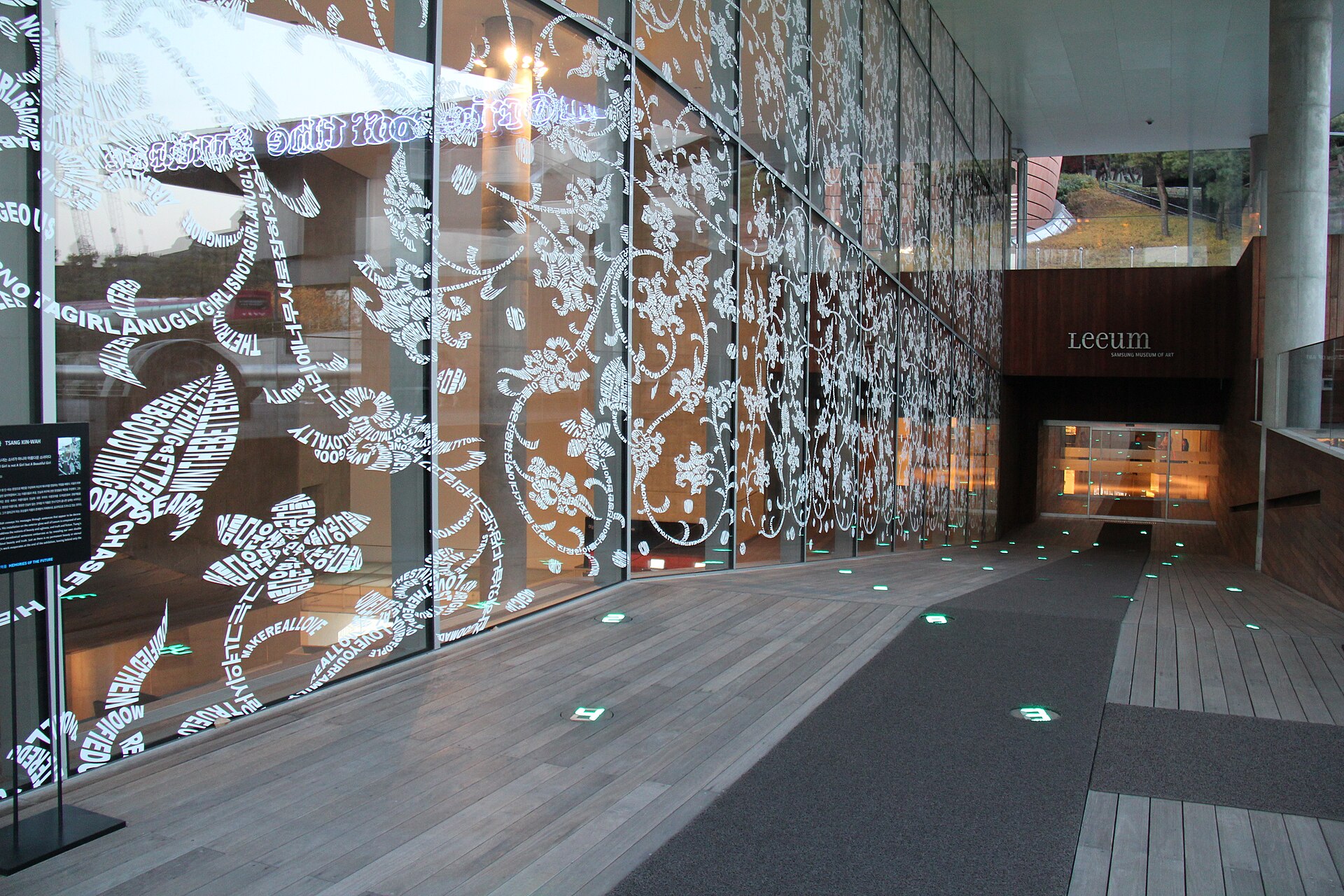
Leeum is the Samsung family's private art museum — a world-class collection housed in three buildings designed by three of the most celebrated architects of the late 20th century: Mario Botta (the terracotta rotunda for traditional Korean art), Jean Nouvel (the black glass box for contemporary art), and Rem Koolhaas (the concrete-and-glass structure for special exhibitions). The architecture alone would justify a visit; the collection inside makes it one of the best museums in Asia. Museum 1 (Botta) houses Korean traditional art that spans 2,000 years — celadon ceramics from the Goryeo period, white porcelain from the Joseon period, Buddhist paintings, and gold crown jewelry from the Silla kingdom. The collection's quality rivals the National Museum's, and Botta's warm terracotta interior, with its spiralling gallery that climbs around a central void, provides an intimate viewing experience that the National Museum's vast halls can't match. Museum 2 (Nouvel) displays contemporary art with a rotating programme that includes works by Warhol, Giacometti, Rothko, Yayoi Kusama, and major Korean contemporary artists. The building's black glass exterior is designed to disappear into the hillside, and the interior galleries — dark, flexible, and dramatically lit — provide ideal conditions for large-scale installations. The museum's location in Hannam-dong, a hilly neighbourhood between Itaewon and the Han River, means the approach involves climbing through one of Seoul's most architecturally interesting residential areas, where traditional hanok and ultra-modern houses share the same streets.
Lotte World Tower & Seoul Sky
300 Olympic-ro, Songpa-gu, Seoul
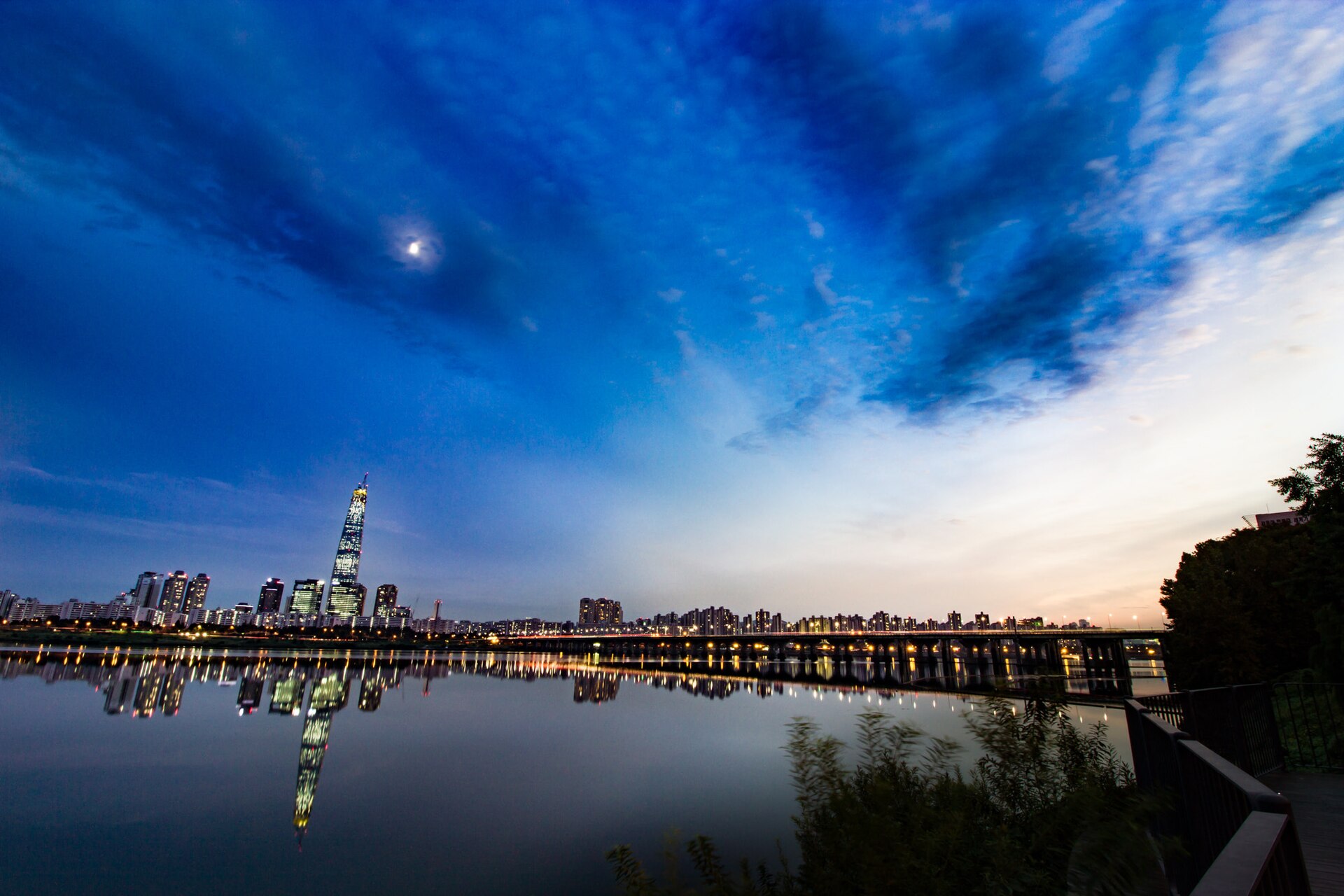
Lotte World Tower is the tallest building in Korea and the fifth tallest in the world — a 123-storey, 555-metre glass tower that tapers toward the sky like a ceramic brush used in Korean calligraphy, which is exactly the design metaphor that KPF Architects intended. Completed in 2017, the tower dominates the Jamsil skyline in southeastern Seoul and houses a hotel, offices, a shopping mall, and the Seoul Sky observation deck on the 117th-120th floors. Seoul Sky is the highest observation deck in Korea, and the views at 500 metres are genuinely staggering — on a clear day you can see from the mountains north of Seoul to the plains south of the city, with the Han River, the Olympic Park (built for the 1988 Games), and the ring of mountains surrounding the Seoul basin all visible in a single panorama. The Sky Bridge on the 120th floor has a glass-bottom section that lets you look straight down 500 metres to the ground, and the Sky Deck includes a café where you can drink coffee while hovering above the city. The building's base connects to Lotte World — Korea's largest indoor theme park — and Seokchon Lake, an attractive artificial lake with a cherry blossom-lined walking path that is one of Seoul's most popular spring destinations. The tower's observation deck is best visited at sunset, when the city transitions from daylight to neon in a transformation that happens with particular drama at 500 metres, and the evening views of Seoul's lit cityscape extending to the horizon are worth the ticket price.
Myeongdong
Myeongdong-gil, Jung-gu, Seoul
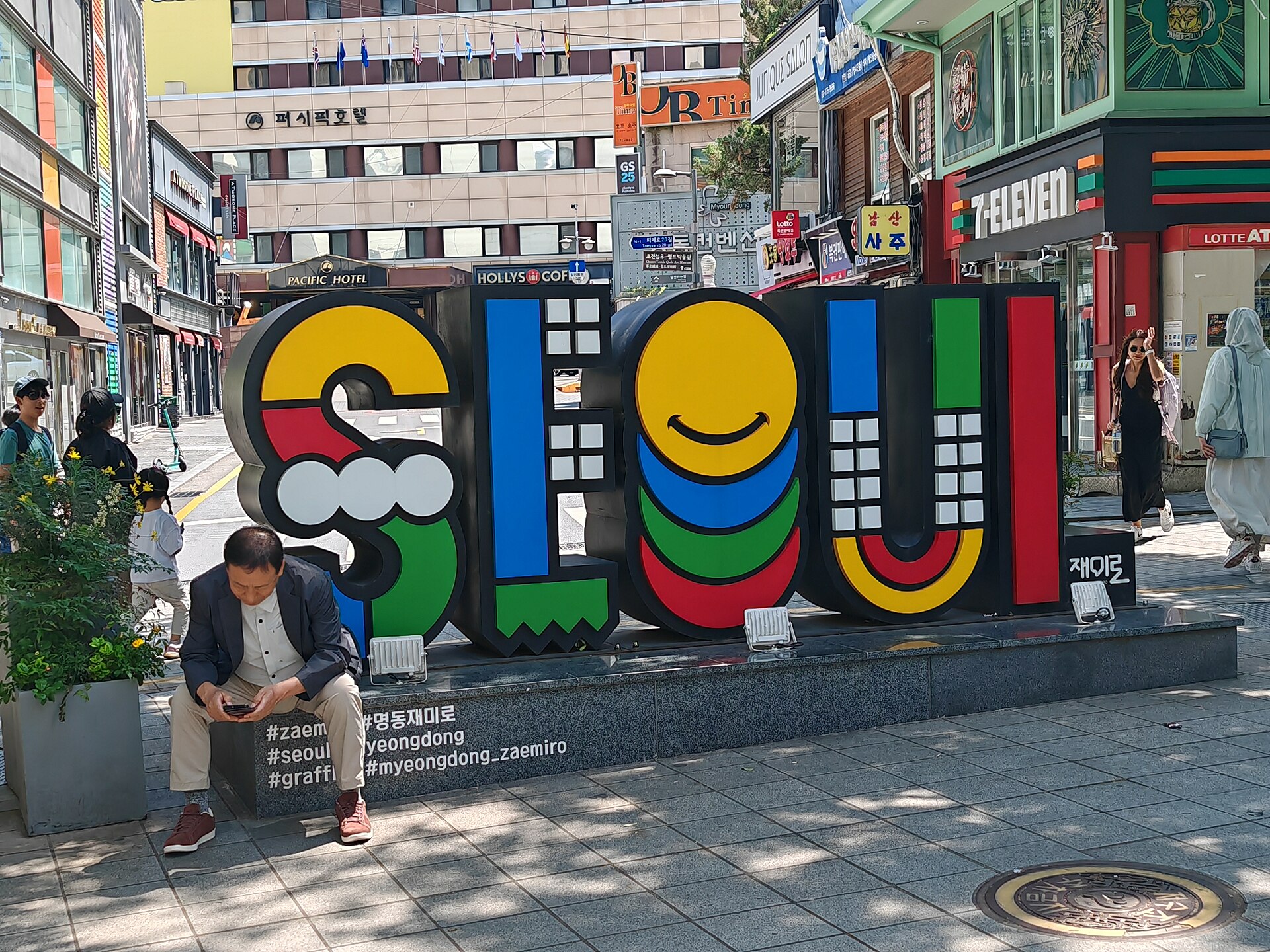
Myeongdong is Seoul's neon-drenched shopping and street food district — a dense grid of pedestrianised streets lined with K-beauty shops, fashion brands, and food stalls that attracts more visitors per square metre than almost anywhere else in the city. The neighbourhood runs between Myeongdong Station and the Myeongdong Cathedral, and on a busy evening the pedestrian flow is so dense that you move at the speed of the crowd, which is slowly. The street food is the real draw. The stalls that set up on the main drag every afternoon sell an ever-evolving repertoire of Korean street snacks: tteokbokki (spicy rice cakes), hotteok (sweet filled pancakes), egg bread (gyeran-ppang), tornado potatoes (spiralled and deep-fried on a stick), Korean corn dogs (coated in potato chunks or ramen noodles), and about 30 other items that exist primarily to be photographed and secondarily to be eaten. The quality is uneven — some stalls are excellent, others are tourist traps — but the experience of eating your way down the street while surrounded by K-pop music, LED screens, and the general sensory overload of Korean commercial culture is uniquely Myeongdong. The Myeongdong Cathedral, completed in 1898, sits on a hill above the shopping streets and is Korea's most historically significant Catholic church — it served as a sanctuary for pro-democracy protestors during the military dictatorship era and remains a symbol of Korean political activism. The contrast between the cathedral's Gothic brick exterior and the neon shopping frenzy below it is Seoul in microcosm.
N Seoul Tower (Namsan)
105 Namsangongwon-gil, Yongsan-gu, Seoul
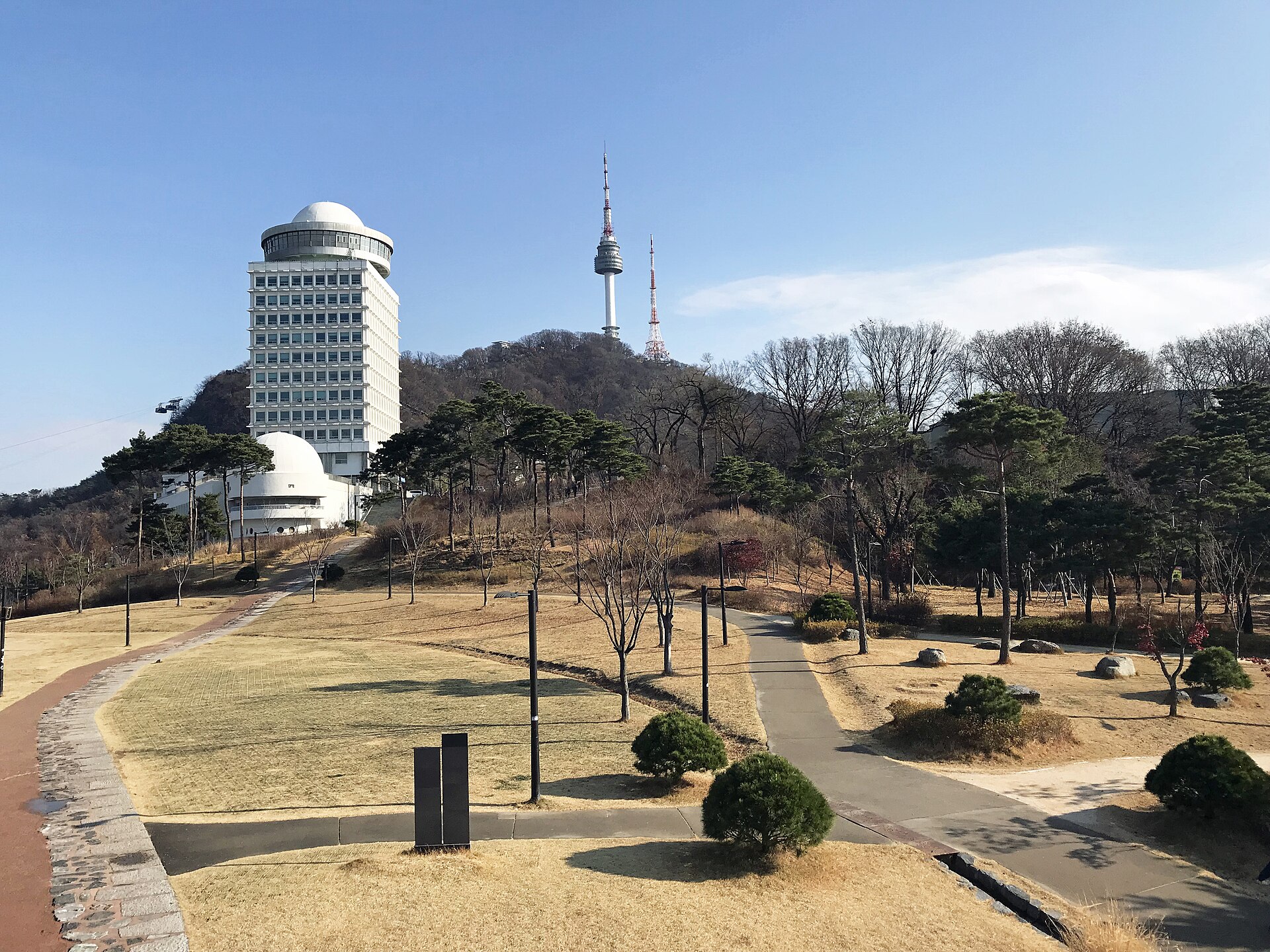
N Seoul Tower sits on top of Namsan Mountain in the centre of Seoul — a 236-metre communications and observation tower that has been the city's most recognisable landmark since 1975. The tower is visible from virtually every neighbourhood in central Seoul, and the view from the observation deck — a 360-degree panorama that takes in the Han River, the palace district, the Gangnam skyline, and on clear days the mountains of North Korea 50 kilometres away — is the one view that makes Seoul's geography comprehensible. Getting to the tower is part of the experience. The Namsan Cable Car, running since 1962, carries you from the base of the mountain to a plaza near the summit in a few minutes. The alternative — walking up through Namsan Park, a forested hillside threaded with paths and stairs — takes about 30 minutes and passes through one of the few patches of mature forest in central Seoul. The park is popular with walkers and joggers, and the combination of mountain air and city views makes the climb feel more like a countryside hike than an urban walk. The tower base has become famous for the 'love locks' — thousands of padlocks attached to fences and railings by couples who write their names on the locks and throw away the key. The tradition, popularised by Korean dramas, has made the tower one of the most popular date spots in Seoul. At night, the tower is lit with LED lights that change colour based on the day's air quality — blue for good, green for moderate, yellow for unhealthy — turning the city's most visible structure into an environmental indicator that 10 million people can read at a glance.
Naksan Park & Ihwa Mural Village
41 Naksan-gil, Jongno-gu, Seoul
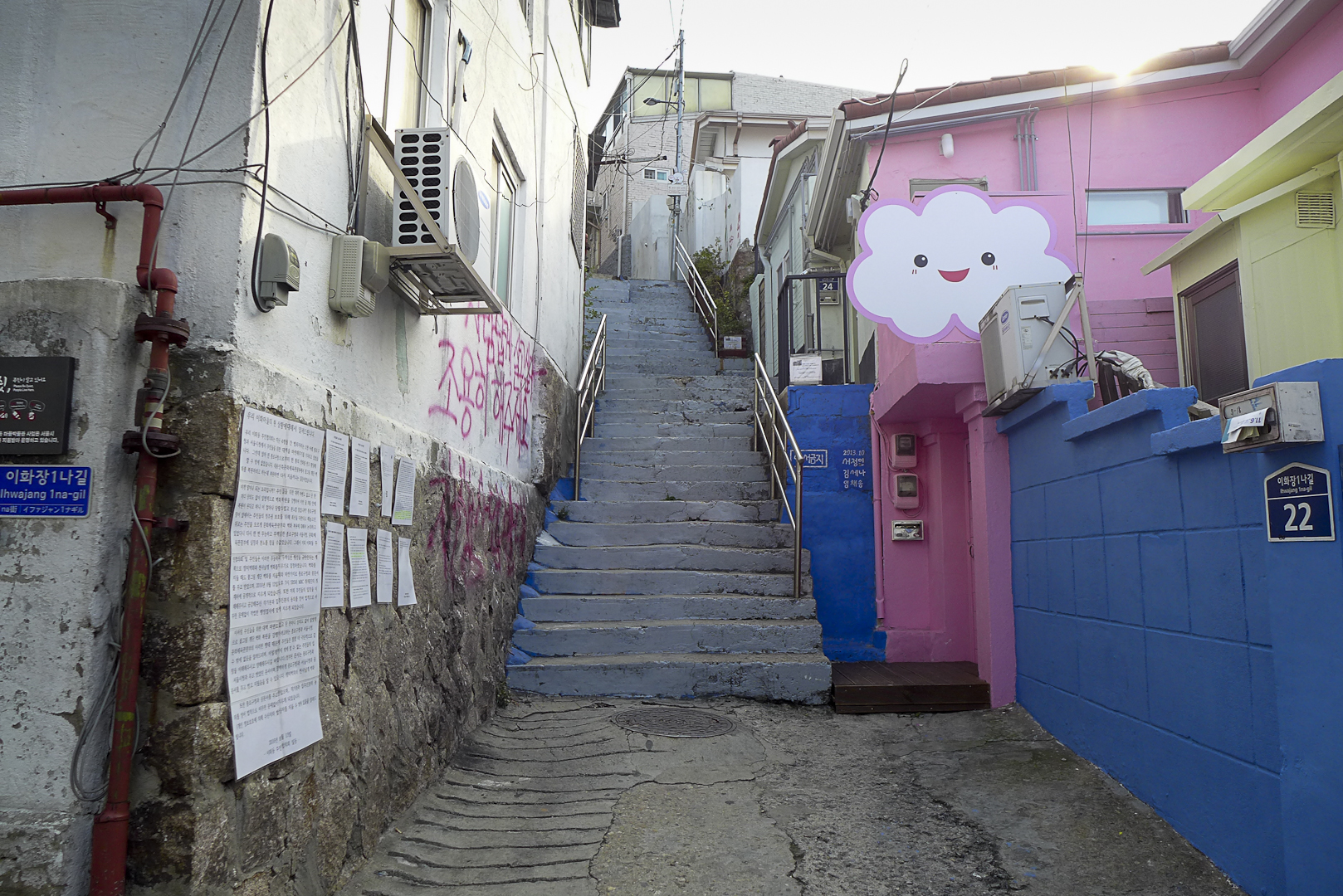
Naksan Park is a hilltop park on the eastern edge of Seoul's old city wall that offers one of the best sunrise views in the city — a panorama from the wall's ramparts that takes in the palace district, Namsan Tower, and the modern skyline in a single sweep. The park is built around a restored section of the Hanyangdoseong (Seoul City Wall), a 14th-century fortress wall that originally encircled the entire city, and walking the wall here feels like walking through a timeline — ancient stone fortifications with a 21st-century megalopolis visible on every side. The Ihwa Mural Village, clinging to the hillside below the park, is Seoul's most famous street art neighbourhood — a residential area of small houses and steep staircases that was transformed by a government art project in 2006 into an outdoor gallery of murals, sculptures, and installations. Some of the original murals have been painted over by residents who tired of tourists photographing their homes, but enough remain to make the winding walk through the village rewarding, and new works continue to appear. The combination of Naksan Park and Ihwa makes a perfect morning walk — start with sunrise from the city wall, descend through the mural village, and end at Daehangno (Seoul's theatre district) at the base of the hill for breakfast. The park is free, open 24 hours, and connected to the longer Seoul City Wall trail that runs for 18.6 kilometres around the old city — one of the best urban hikes in Asia.
Namdaemun Market
21 Namdaemunsijang 4-gil, Jung-gu, Seoul
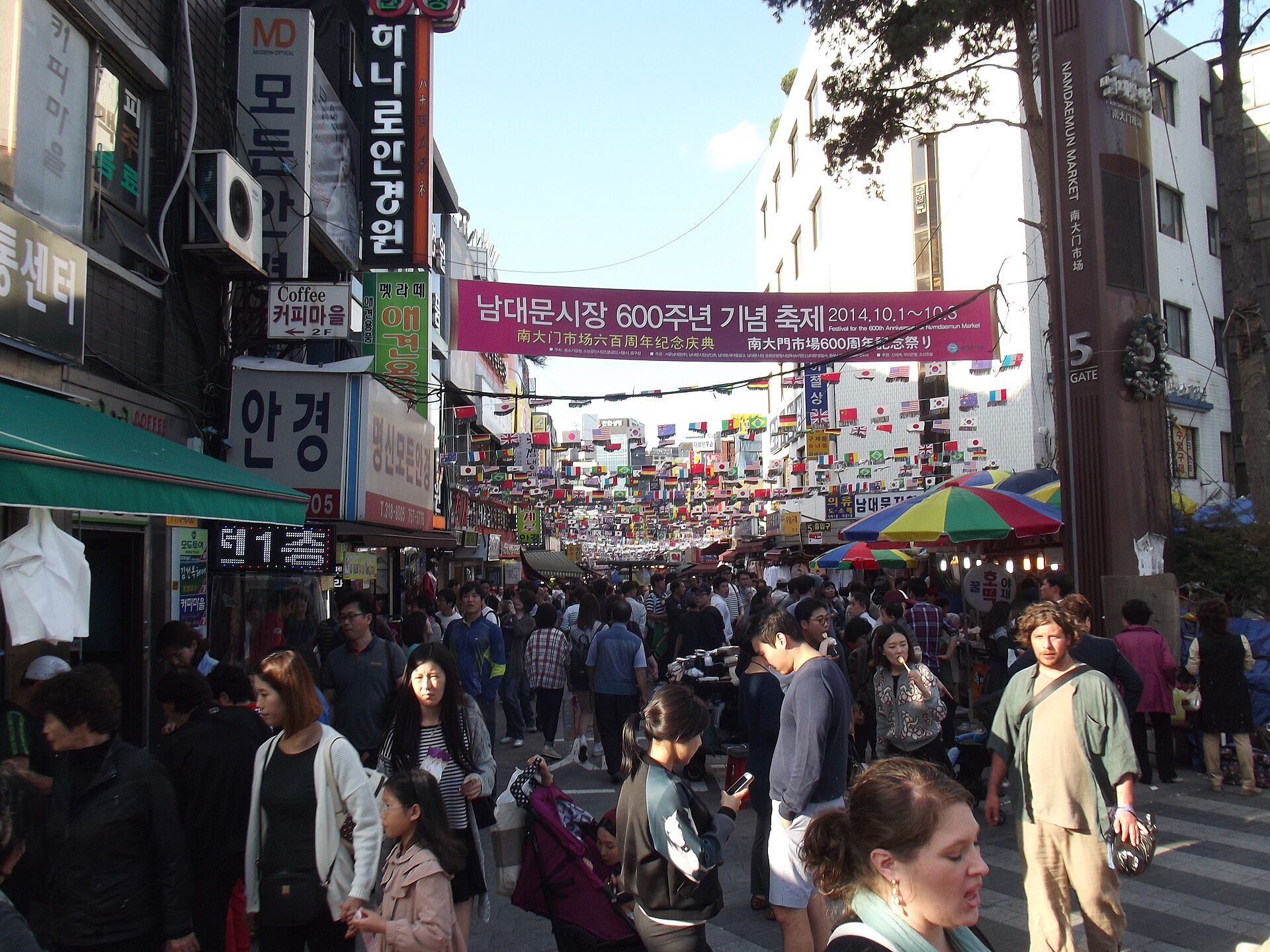
Namdaemun is Seoul's oldest and largest traditional market — a sprawling labyrinth of 10,000 shops and stalls that has been operating for over 600 years, making it one of the oldest continuously running markets in the world. Named after the Great South Gate (Sungnyemun) that stands nearby, the market covers an entire district and sells everything from ginseng and dried seaweed to camera equipment, children's clothing, and military surplus, with a food scene that rivals Gwangjang for depth and authenticity. The food alleys are the draw for most visitors. Kalguksu (hand-cut knife noodles in anchovy broth) is the market's signature dish — the noodle shops in the central alleys have been making the same bowls since the 1960s, and the combination of chewy, fresh-cut noodles and deeply flavoured broth is the kind of simple food that a generation of Koreans associates with childhood. The hotteok (sweet filled pancakes, best in winter) and galchi jorim (braised hairtail fish stew) stalls have their own devoted followings. Unlike the more tourist-oriented Gwangjang, Namdaemun is primarily a working wholesale market — the stalls open as early as midnight for wholesale buyers, and the pre-dawn market (especially the flower market and the seafood section) reveals a commercial ecosystem that the daytime tourist crowd never sees. The market's scale can be overwhelming, but that's part of the charm — getting lost in the alleys and discovering a stall selling something you've never seen before is the Namdaemun experience.
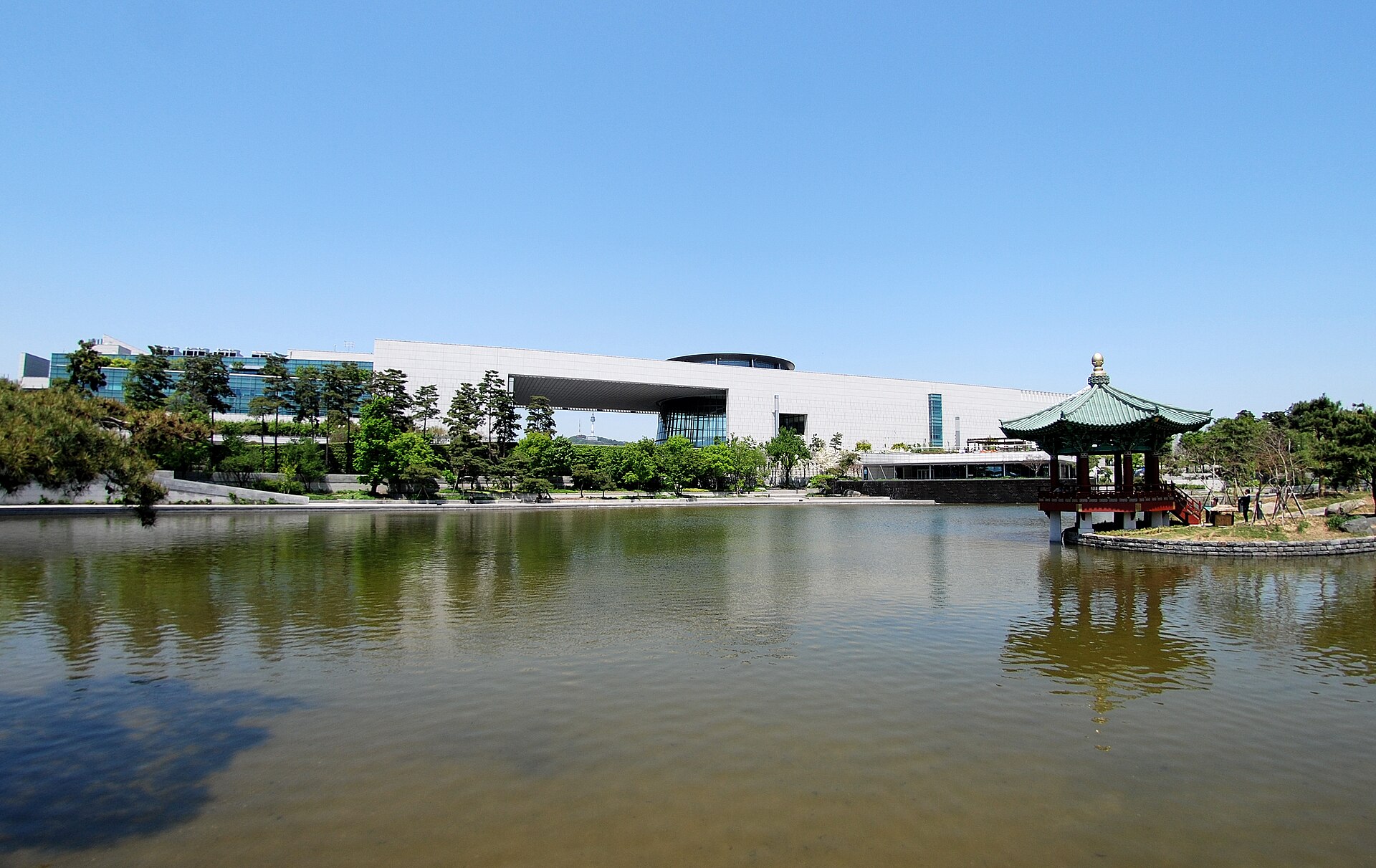
National Museum of Korea
137 Seobinggo-ro, Yongsan-gu, Seoul
The National Museum of Korea is the largest museum in Asia — a massive glass-and-stone building in Yongsan housing over 400,000 artifacts that trace 5,000 years of Korean civilisation, from Palaeolithic stone tools to Joseon-era celadon and modern art. Admission is free for the permanent collection, which makes it one of the most generous major museums in the world and a strong candidate for the best free attraction in Seoul. The permanent galleries are arranged chronologically across three floors, and the standout exhibits include the Gold Crown of Silla (a 5th-century masterpiece of goldwork that is one of Korea's most famous artifacts), the Pensive Bodhisattva (a 7th-century gilt bronze statue considered one of the finest Buddhist sculptures in Asia), and an extensive collection of Goryeo-era celadon pottery whose jade-green glaze has never been fully replicated by modern ceramists. The Buddhist sculpture hall, with its serene stone Buddhas and bodhisattvas displayed in a soaring gallery, is one of the most beautiful museum spaces in the city. The museum's setting in Yongsan Family Park — a large green space with a reflecting pool that mirrors the building's facade — adds an outdoor component that makes the visit feel less museum-intensive than the collection's scale might suggest. The children's museum, temporary exhibition halls, and an excellent museum shop round out a visit that could easily fill a half day. Come in the morning when the galleries are quietest, and leave time for the park — the reflecting pool with the museum and Namsan Tower behind it is one of Seoul's great photographic compositions.
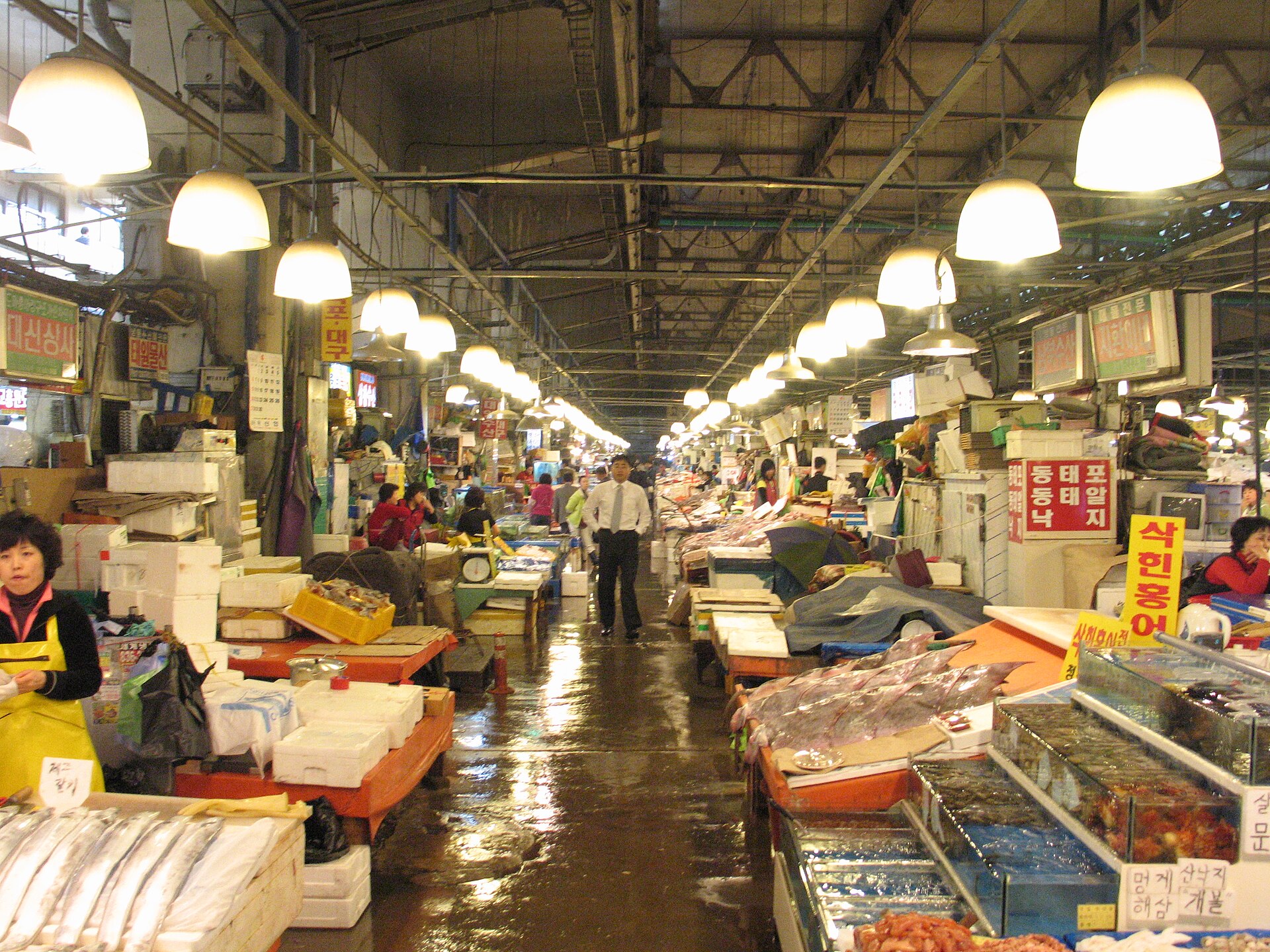
Noryangjin Fish Market
674 Nodeul-ro, Dongjak-gu, Seoul
Noryangjin Fish Market is Seoul's largest seafood market — a vast, fluorescent-lit hall of tanks, trays, and chopping blocks where over 800 vendors sell everything that swims, crawls, or clings to a rock in the waters around the Korean peninsula. The market operates 24 hours (the auction starts at 1am), and the experience of walking through it — past tanks of live octopus, trays of still-twitching sea cucumber, bins of spiky sea urchin, and displays of fish whose names you've never heard — is one of Seoul's most visceral sensory experiences. The market's unique feature is the buy-and-eat system: you select your live fish or seafood from a vendor on the market floor, negotiate a price, and then take your purchase upstairs to one of the restaurants that line the upper floor, where they'll prepare it for you as sashimi (hoe), grilled, or in a spicy stew (mae-untang) for a preparation fee. The entire transaction — choosing a live fish, watching it prepared, eating it minutes later — collapses the distance between market and table to zero. The new Noryangjin market building (opened 2016) is modern and air-conditioned, but the old building next door — still partially in use — has the atmosphere that the new building lacks. The market is busiest in the early morning (when restaurant owners buy their daily stock) and at lunchtime (when the sashimi restaurants fill up), but it operates round the clock, and a late-night visit — when the auction floor is in full cry and the restaurants are serving soju to fishermen and night owls — reveals a Seoul that the tourist attractions don't show.
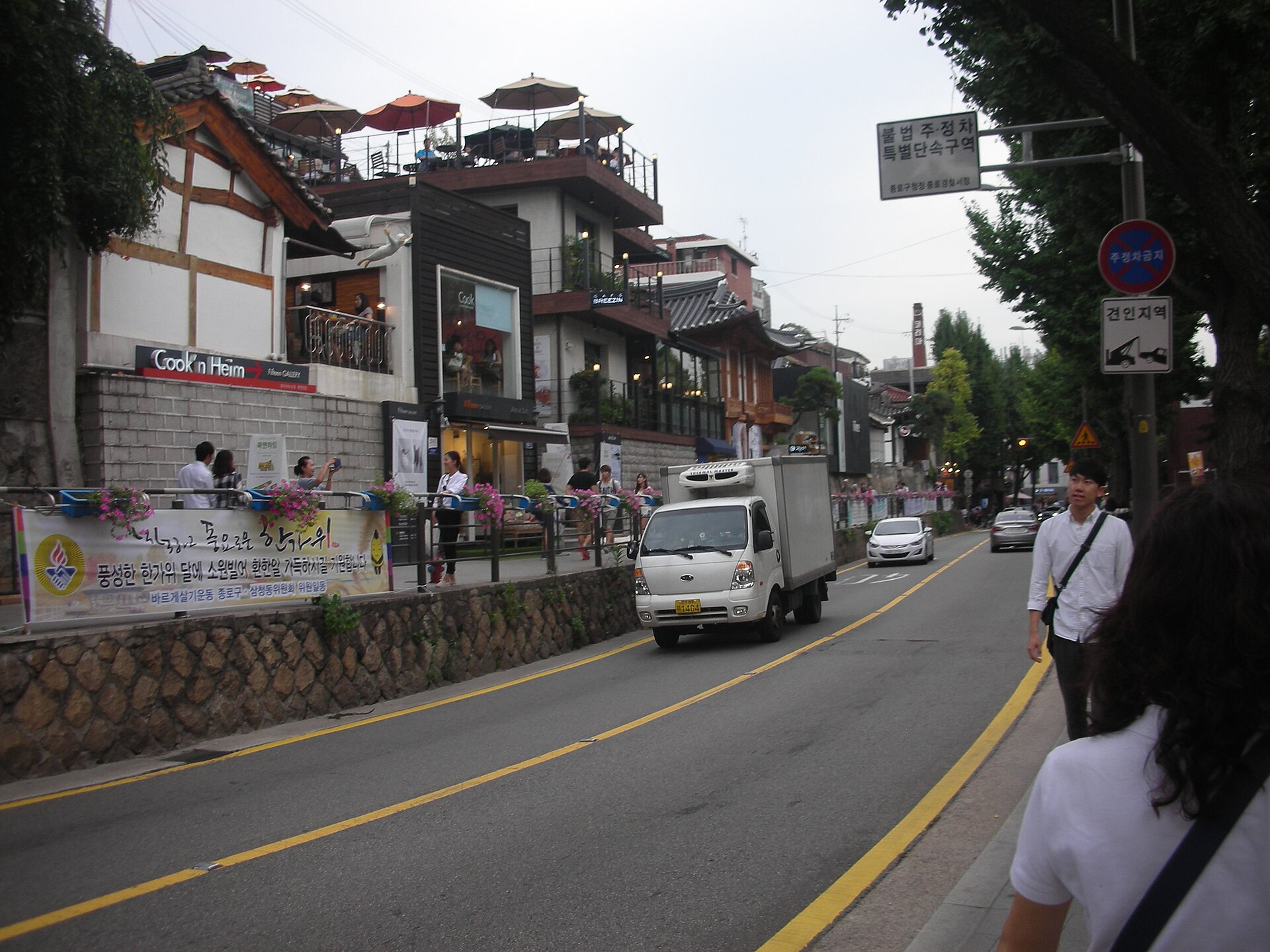
Samcheong-dong
Samcheong-ro, Jongno-gu, Seoul
Samcheong-dong is the quieter, more refined neighbourhood that sits between Gyeongbokgung Palace and Bukchon Hanok Village — a tree-lined street of galleries, boutiques, and cafés that attracts a more local crowd than the heavily touristed areas on either side. The street climbs gently uphill from the National Museum of Modern and Contemporary Art (MMCA) toward the Blue House (the former presidential residence), and the walk combines art, architecture, and the kind of neighbourhood atmosphere that tour buses can't penetrate. The galleries along Samcheong-ro are some of the best in Seoul — a mix of established galleries showing contemporary Korean art and smaller project spaces that feature emerging artists. The MMCA Seoul, housed in a converted military compound at the bottom of the street, is the national contemporary art museum and anchors the cultural end of the neighbourhood. The cafés — many occupying hanok or traditional shophouses — specialise in the kind of Instagram-ready Korean desserts (sulbing shaved ice, flower-shaped waffles, matcha everything) that have become a cultural export in their own right. The neighbourhood's character comes from its position between the royal/traditional zone to the east (Bukchon, the palaces) and the modern city to the south — a liminal space where traditional architecture gives way to contemporary culture without the jarring transition that defines much of Seoul. On a weekday afternoon, when the weekend crowds haven't arrived, Samcheong-dong is the most pleasant neighbourhood walk in the city.
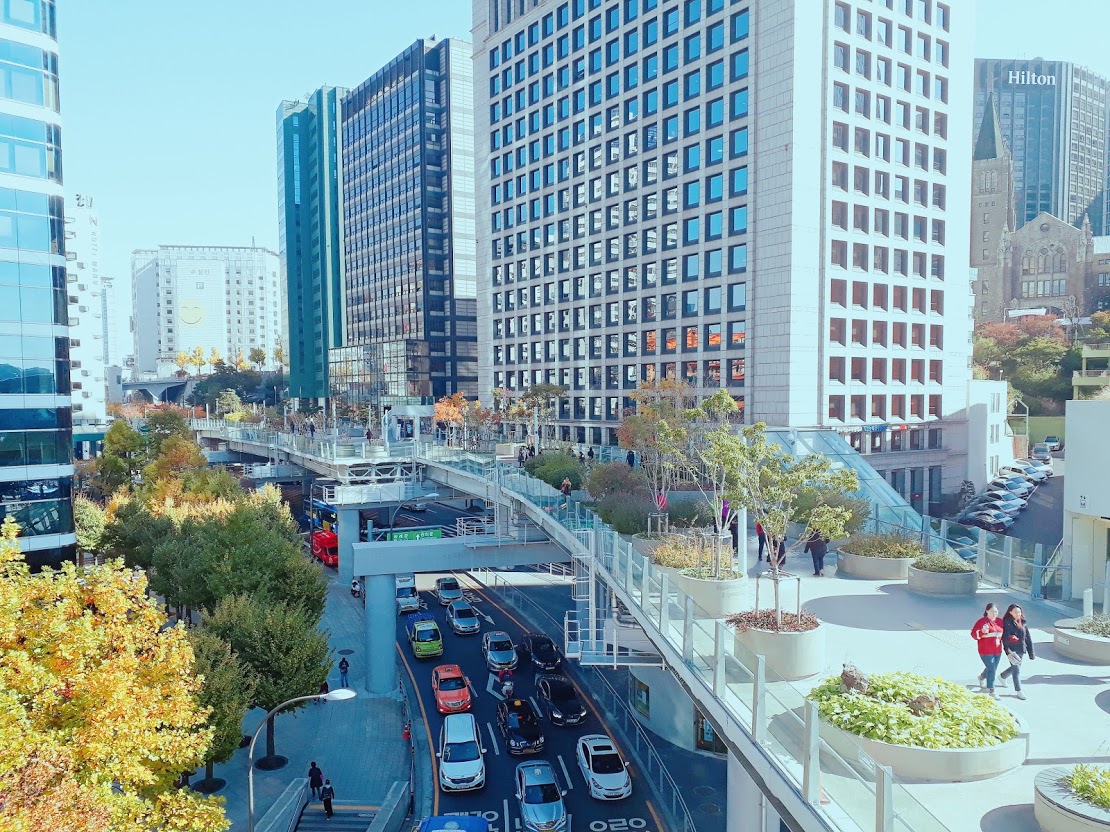
Seoullo 7017
405 Hangang-daero, Jung-gu, Seoul
Seoullo 7017 is Seoul's answer to New York's High Line — a 983-metre elevated pedestrian garden built on a 1970 highway overpass near Seoul Station that was converted in 2017 from a crumbling road into a linear park planted with 24,000 trees and plants. The name combines '70' (built in 1970) with '17' (reborn in 2017), and the concept — turning automotive infrastructure into green public space — reflects Seoul's broader effort to reclaim the city from cars. The design, by Dutch firm MVRDV, organises 645 planters along the elevated walkway in a pattern that creates a botanical garden above the traffic: the plants are arranged by Korean name in Korean alphabetical order, creating a 'plant dictionary' that you walk through from ㄱ to ㅎ. Seating areas, performance spaces, cafés, and trampolines for children are scattered along the route, and the elevated perspective gives you views of Seoul Station (a Japanese colonial-era building), the old city wall, Namdaemun Market, and the surrounding neighbourhood that you can't see from street level. The walkway connects Seoul Station to Namdaemun Market and the Malli-dong neighbourhood, making it a practical pedestrian link as well as a park. Evening visits are best — the lighting design makes the planters and walkway glow, and the views of the city at night from an elevated garden have a quality that ground-level parks can't match. The park is free, open until 11pm, and accessible from Seoul Station subway.
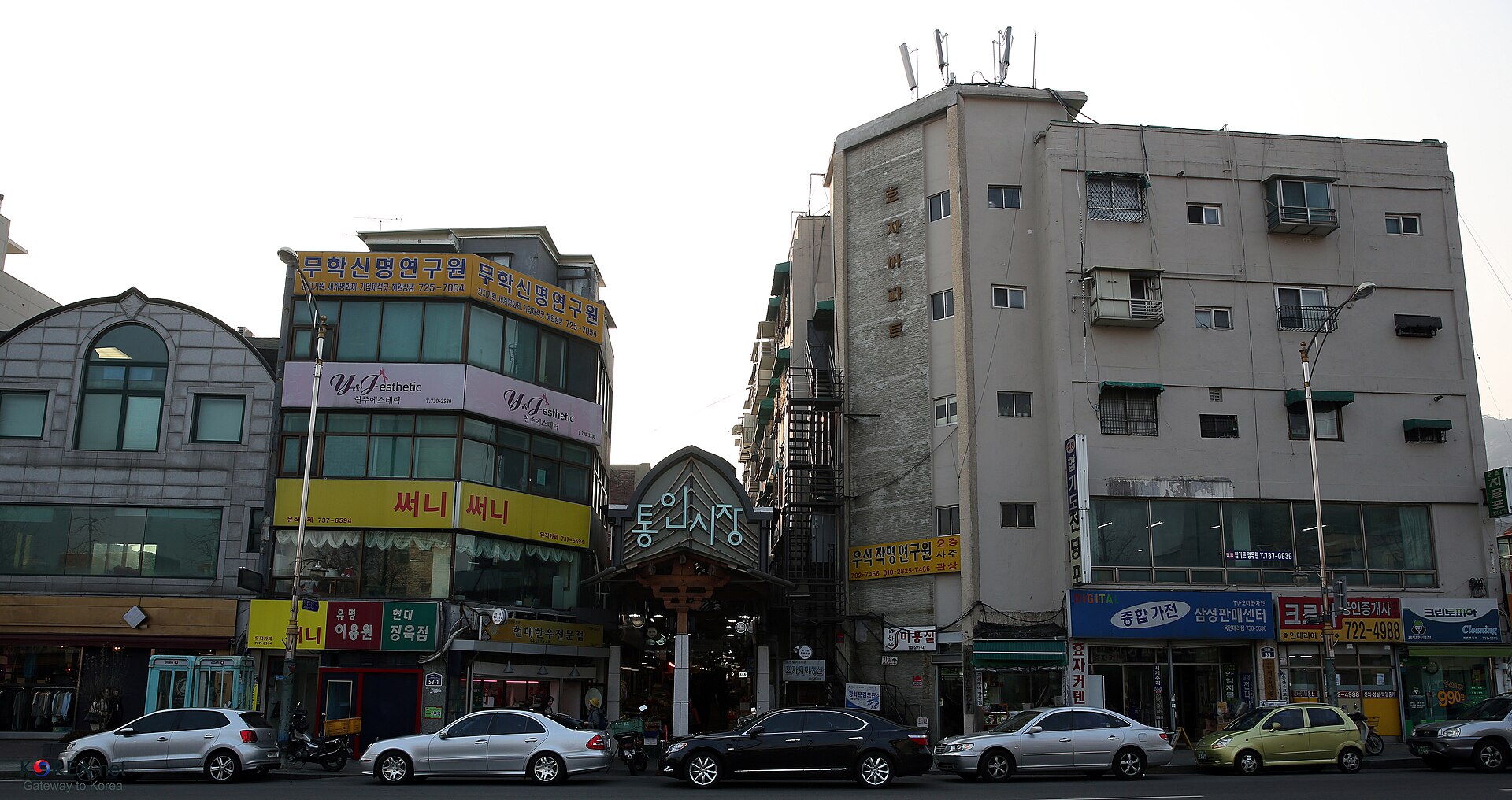
Tongin Market
18 Jahamun-ro 15-gil, Jongno-gu, Seoul
Tongin Market is a small neighbourhood market near Gyeongbokgung that offers one of the most fun food experiences in Seoul — the DIY lunchbox programme, where you buy a tray of old-fashioned Korean brass coins (yeopjeon) at the market entrance and use them to purchase individual side dishes, rice, and mains from the stalls, assembling your own custom dosirak (lunchbox) that you take upstairs to a communal eating area. The market was established in 1941 to serve the Japanese residential area nearby, and after the war it evolved into a Korean neighbourhood market. The lunchbox programme, introduced in 2012 to boost foot traffic, has become its identity — over 70 stalls participate, and the choices range from traditional banchan (side dishes like kimchi, japchae, and pickled radish) to freshly fried dishes (tteok-galbi, jeon, and fried shrimp) that are made when you order. The coins add a theatrical element that makes the experience feel more like a game than a meal. Tongin's location, a five-minute walk west of Gyeongbokgung Palace, makes it an ideal lunch stop after a morning at the palace. The market is tiny compared to Gwangjang or Namdaemun — about 75 stalls in a covered corridor — which makes it manageable and unhurried. The vendors, many of whom have been working the market for decades, are patient with tourists navigating the coin system and will help you choose if you point and smile. Come before noon to beat the lunch rush, and bring a sense of adventure about what ends up in your lunchbox.
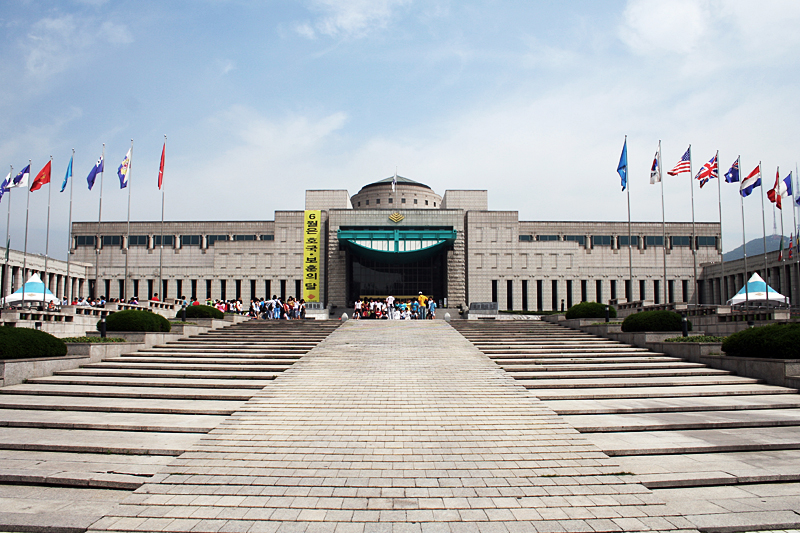
War Memorial of Korea
29 Itaewon-ro, Yongsan-gu, Seoul
The War Memorial of Korea is the most comprehensive military history museum in Asia — a massive complex in Yongsan that traces Korea's military history from ancient kingdoms through the Japanese colonial period to the Korean War and beyond. The museum is free, well-curated, and emotionally powerful, and it provides essential context for understanding why the Korean peninsula remains divided and why military service is still compulsory for Korean men. The outdoor exhibition is staggering in scale — tanks, fighter jets, naval vessels, and missiles are displayed across a park-like setting that includes a full-sized B-52 bomber, a T-34 tank, and a replica of a Korean War-era bridge. The Korean War gallery inside is the centrepiece — a chronological walkthrough of the 1950-1953 conflict that includes dioramas, personal artifacts, video testimony, and a 4D battle experience that recreates the Incheon Landing with sound effects and moving seats. The museum's tone is sombre rather than militaristic — the emphasis is on the human cost of war, the suffering of civilians, and the families separated by the division of the peninsula. The Brothers Statue at the museum's entrance — depicting a South Korean soldier embracing his North Korean brother on a cracked dome symbolising the divided peninsula — sets the emotional register. The memorial wall, inscribed with the names of every soldier killed during the Korean War, stretches for hundreds of metres and gives individual identity to statistics that are otherwise incomprehensibly large.