The National Museum of Singapore is the country's oldest museum — established in 1849, housed in a neoclassical building completed in 1887, and expanded with a modern glass-and-steel wing that wraps around the original structure like a contemporary commentary on colonial architecture. The museum tells the story of Singapore from the 14th century to the present, and it does so with a level of immersive storytelling that makes most national museums feel static by comparison.
The Singapore History Gallery on the ground floor is the core experience — a chronological journey from the trading port of Singapura through Portuguese discovery, Dutch competition, British colonisation, Japanese occupation, independence, and the extraordinary economic transformation that turned a tiny island into one of the richest countries in the world. The narrative is presented through multimedia installations, personal artifacts, oral histories, and interactive exhibits that let you experience historical events rather than just read about them.
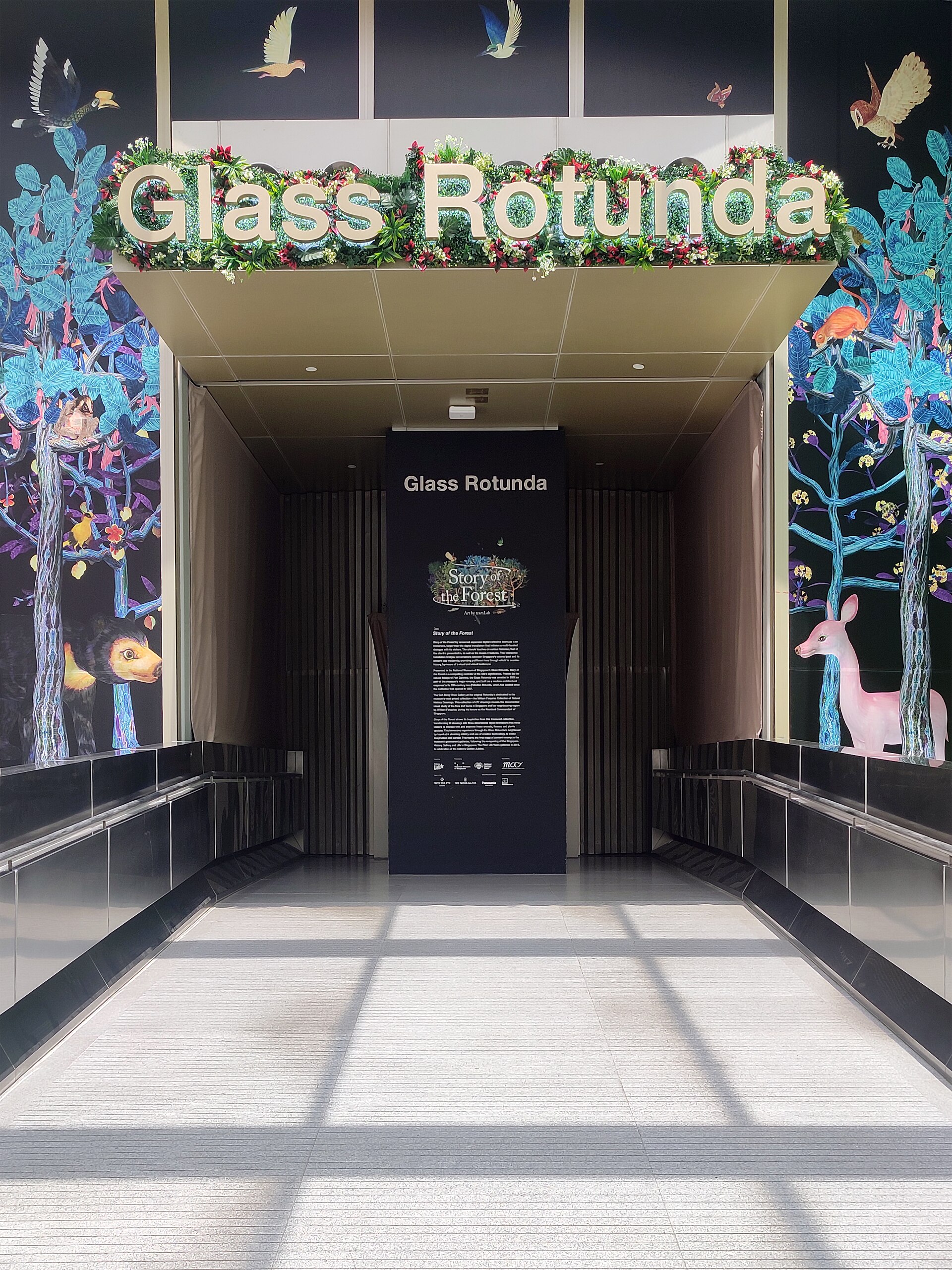
The Japanese Occupation section is particularly powerful — featuring testimonies from survivors, ration cards, identification documents, and the personal objects that people carried through years of brutal occupation. The transition from occupation to independence — including the separation from Malaysia in 1965 and Lee Kuan Yew's famous tearful press conference announcing it — is presented with an emotional directness that acknowledges the trauma and uncertainty of nation-building. The museum's modern wing houses rotating exhibitions and the immersive 'Living Galleries' that explore food, fashion, film, and photography in Singaporean culture.
Verified Facts
The National Museum was established in 1849
The neoclassical building was completed in 1887
Singapore separated from Malaysia in 1965
The museum features multimedia and immersive storytelling exhibits
Get walking directions
93 Stamford Road, Singapore 178897