Beitou is Taipei's hot spring district — a valley on the northern edge of the city where volcanic activity heats natural springs to temperatures of 40-100°C, creating a bathing culture that has been central to Taipei life since the Japanese colonial government developed the area as a resort in the early 1900s. The district, accessible by MRT in 30 minutes from the city centre, contains public hot spring baths, private resort hotels, and the steaming, sulphur-scented landscape of Thermal Valley (Hell Valley), where water bubbles at 80-100°C in a jade-green pool.
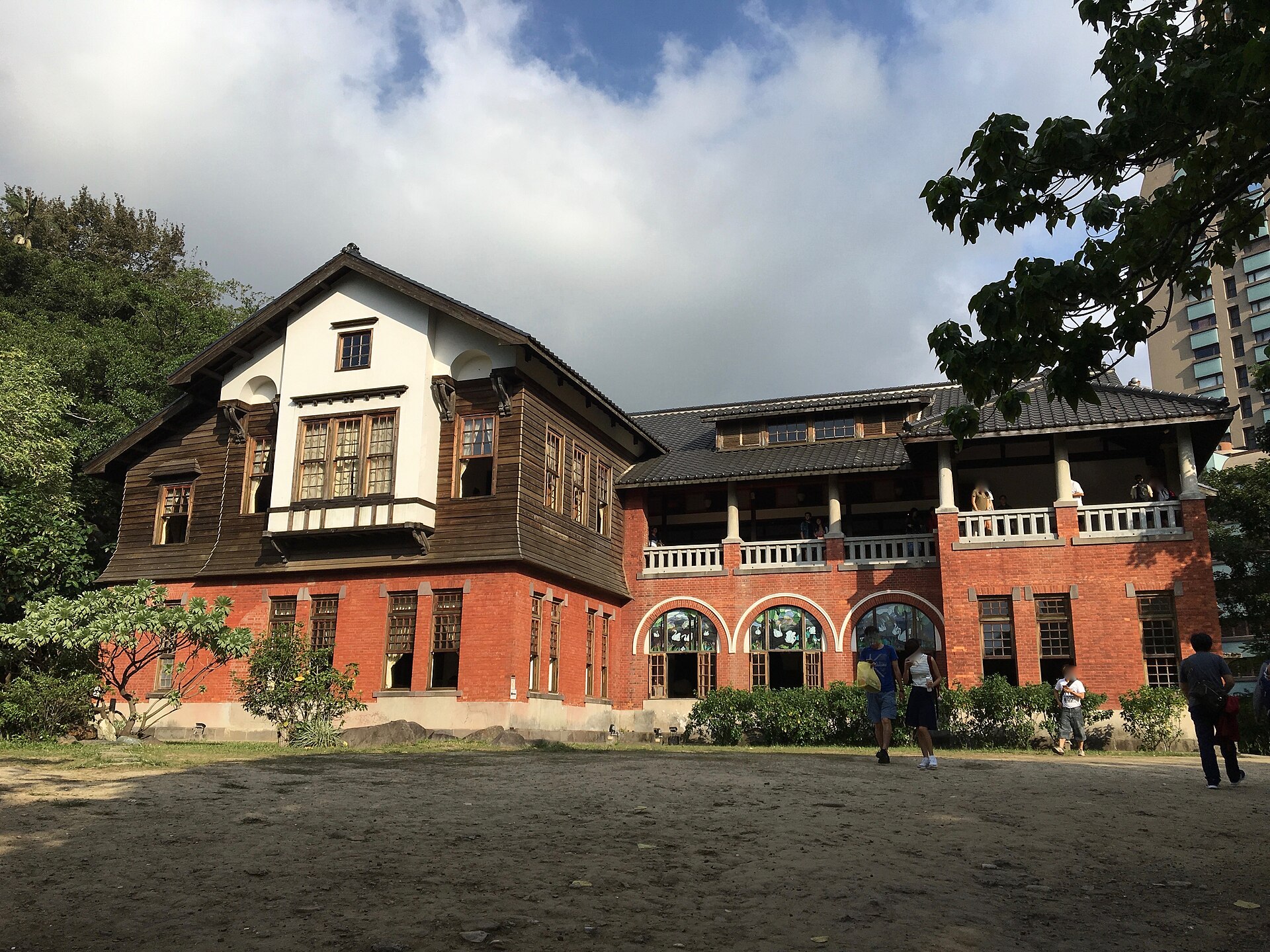
The Beitou Hot Spring Museum, housed in a 1913 Japanese-era public bathhouse (one of the finest examples of Japanese colonial architecture in Taiwan), documents the history of the hot spring culture and provides context for the bathing traditions that the district preserves. The public hot springs at Millennium Hot Spring (a modern, outdoor facility with multiple pools at different temperatures) provide the most accessible bathing experience for visitors.
The Japanese influence on Beitou's bathing culture is pervasive — the traditional public baths follow the Japanese onsen model (separate pools for men and women, nudity required in the indoor baths, etiquette rules about washing before entering), and the ryokan-style hotels in the valley offer private baths and the kind of contemplative soaking that the Japanese treat as a spiritual practice.
Verified Facts
Beitou's hot springs were developed as a resort during the Japanese colonial era
Thermal Valley water reaches 80-100°C
The Hot Spring Museum is housed in a 1913 Japanese-era bathhouse
Beitou is accessible by MRT in approximately 30 minutes from central Taipei
Get walking directions
Beitou District, Taiwan